The Scout II Snowstar sits at the intersection of two powerful collector trends: vintage 4x4s and limited-production factory specials. To understand when International Harvester released this winter-ready variant, and why its values have climbed into serious money, I need to trace the Scout story from workhorse to cult classic and then zoom in on the short-lived Sno-Star package. Only then does the current market for these rare trucks make sense.
From farm fields to 4×4 icon
The Scout story begins long before the Snowstar, with International Harvester trying to build a compact utility vehicle that could compete with early civilian Jeeps. The International Harvester Scout evolved from that basic idea into a family of off-road vehicles that ran from the early 1960s through 1980, giving the company nearly two decades to refine the formula and build a loyal following. Over that span, the Scout line moved from bare-bones utility toward more comfortable, family-friendly rigs that still kept serious off-road capability.
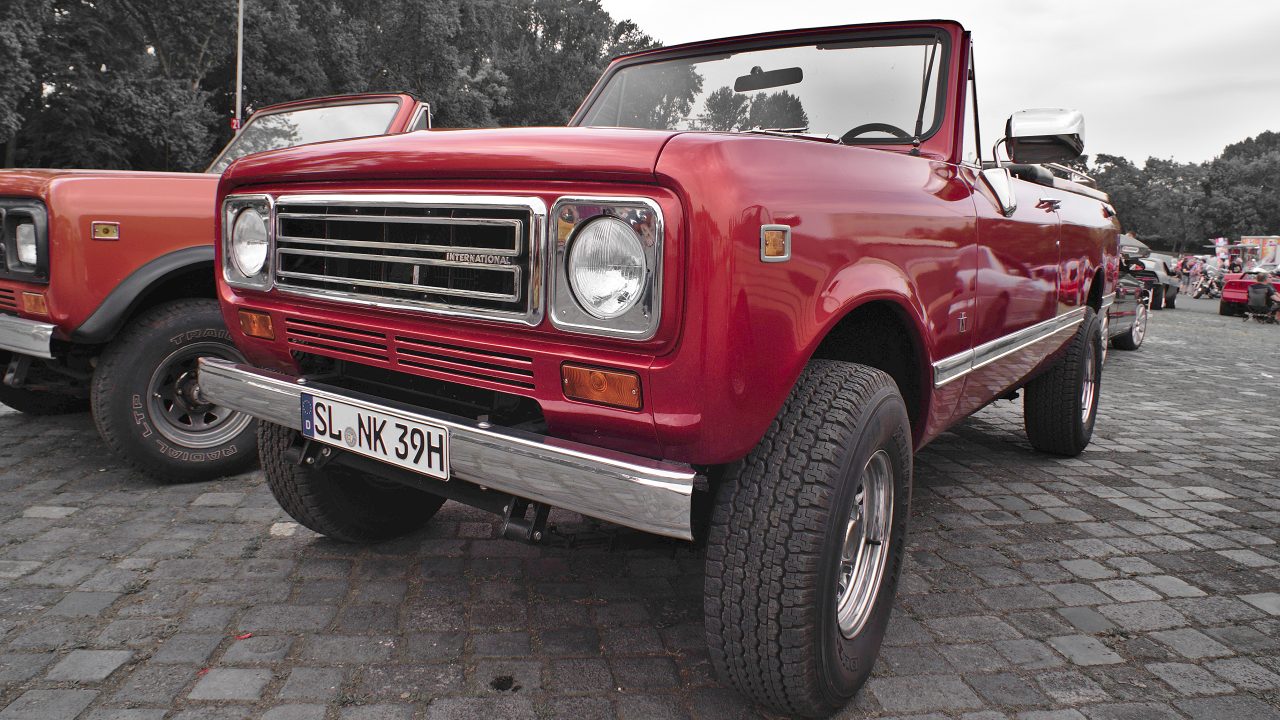
By the time the Scout II arrived in the 1970s, it was clear that the model had become one of the defining American 4x4s of its era, sharing the stage with Broncos and Blazers but with a more agricultural, no-nonsense character. The broader history of International Scout production shows how International Harvester steadily expanded the lineup with different body styles and trims, setting the stage for niche packages like the Snowstar that would target specific buyers and conditions.
How the Scout II set the stage for winter specials
When International Harvester introduced the Scout II, the company leaned into a more refined, road-friendly design while preserving the rugged frame and four-wheel-drive hardware that made earlier Scouts so capable. The International Harvester Scout II kept the basic off-road mission intact but added better interiors, more powerful engines, and a wider range of options, which made it easier for the factory to spin off special editions aimed at particular lifestyles. That flexibility is what allowed the brand to experiment with packages that spoke directly to skiers, off-road racers, and patriotic buyers.
Modern builders still see the Scout II as a sweet spot between vintage charm and usable performance, which is why collaborations like the Aug 21, 2021 Guest Post on the New Legend x Iron & Resin Super Scout II (often shortened to SSII) focus on reimagining the platform rather than replacing it. That modern enthusiasm for the Scout II, and for names like New Legend, Iron, and Resin Super Scout II, underscores how the original truck’s mix of simplicity and style created fertile ground for factory specials such as the Snowstar.
Where the Snowstar fits among Scout specials
International Harvester did not treat the Snowstar as a standalone model so much as one of several themed packages built on the Scout II platform. The company created a small family of “Scout Specials” that included the U.S. Ski Team edition, the Spirit of ’76, the Patriot, and the Sno-Star, each with its own graphics and equipment aimed at a specific buyer profile. These packages were a way to keep the Scout II fresh in showrooms without the cost of a full redesign, while also tapping into cultural currents like national pride and the growing popularity of skiing.
Reporting on these Scout Specials notes that Ten of the Ski Team Specials built were Travelers, and that those Travelers carried appliqués similar to the Traveltops, just scaled to fit the longer body. That detail about Ten of the Ski Team Specials and their Travelers and Traveltops helps place the Sno-Star in context, since it shared the same basic approach of decals and option codes rather than deep mechanical changes. The Sno-Star’s place in this group is documented in coverage of Scout Specials that list the U.S. Ski Team, Spirit of ’76, Patriot, and Sno-Star together as part of a coordinated run of limited editions.
When International Harvester released the Scout II Sno-Star
Pinning down the exact release moment for the Scout II Sno-Star means looking at the broader production window for the Scout II and the timeline of the other specials. The Scout II itself was built across model years in the 1970s, and the special packages clustered in the middle of that run, when the truck was firmly established and International Harvester was searching for ways to keep it competitive. Within that context, the Sno-Star appears as a mid-1970s winter-themed package, aligned with the same era that produced the U.S. Ski Team and Spirit of ’76 editions.
Available reporting on the Sno-Star groups it directly with those other Scout Specials, which are tied to the Scout II’s 1970s production years rather than the earlier 1960s Scouts or the final 1980 models. That means the Sno-Star was not a late-run farewell but a contemporary of the other graphics-heavy packages that targeted skiers and snow-belt drivers. While the sources do not spell out a specific launch day for the Sno-Star, they consistently place it within the Scout II era and alongside the U.S. Ski Team, Spirit of ’76, and Patriot packages, which confirms that the Sno-Star was a product of the 1970s special-edition push rather than a separate, later experiment. Any more precise dating is unverified based on available sources.
What made the Sno-Star different from a standard Scout II
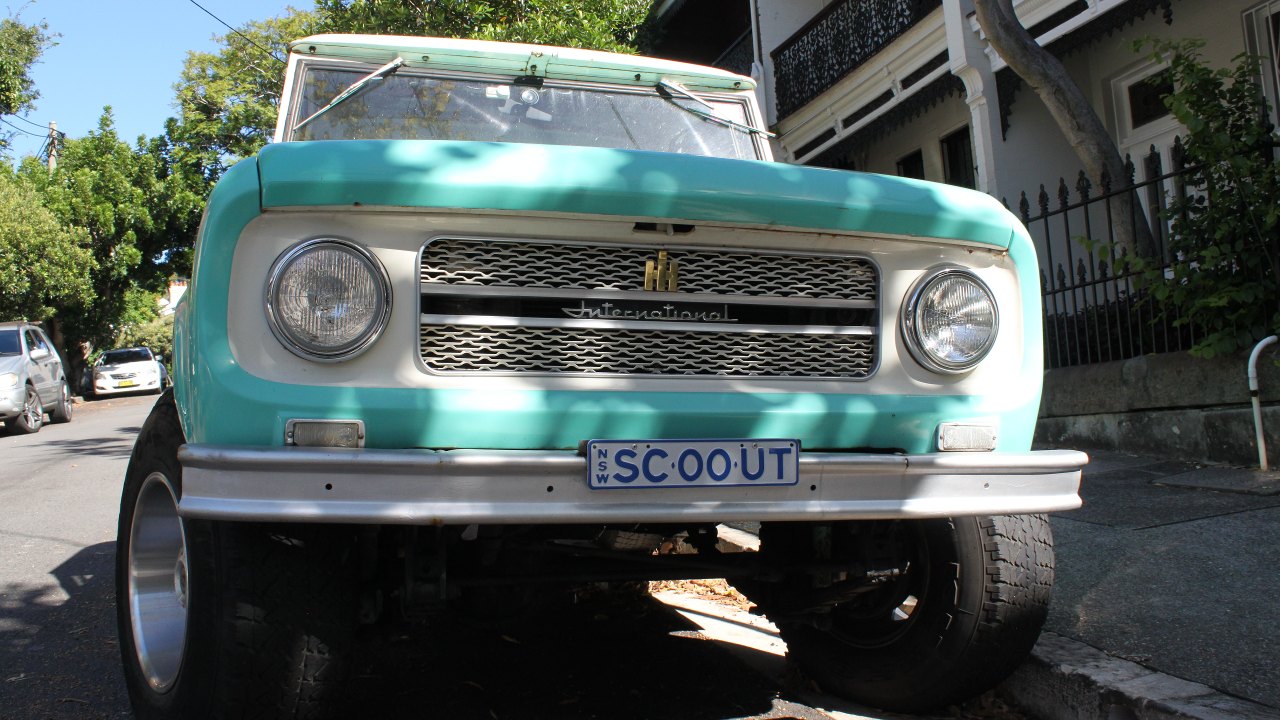
The Sno-Star package did not reinvent the Scout II mechanically, but it did give buyers a winter-focused twist on an already capable 4×4. Like the other Scout Specials, the Sno-Star relied on unique graphics, trim, and option combinations to stand out, using visual cues to signal that this was a snow-country truck even before you looked at the spec sheet. Underneath, it remained a Scout II, which meant a sturdy frame, selectable four-wheel drive, and the same basic drivetrain choices that made these trucks so effective in rough conditions.
That approach fit the broader philosophy behind the International Harvester Scout, which was always more about rugged utility than radical styling. Coverage of the INTERNATIONAL SCOUT notes that the International Harvester Scout and The International Harvester Scout II were off-road vehicles built from 1961 to 1980, designed to handle work and recreation in equal measure. The Sno-Star simply leaned into that mission for winter use, taking the proven bones of The International Harvester Scout and dressing them for snow duty, a strategy that aligns with the way INTERNATIONAL SCOUT history describes the platform’s evolution.
Why collectors chase Scout II variants today
Decades after International Harvester left the light-truck market, the Scout II has become one of the most sought-after vintage SUVs, and that rising tide has lifted the Sno-Star along with it. Enthusiasts are drawn to the Scout II’s blend of classic boxy styling, usable size, and genuine off-road ability, which makes it a compelling alternative to more common Broncos and Land Cruisers. As interest in analog 4x4s has surged, the limited-production specials have naturally attracted extra attention because they offer the same mechanical package with an added layer of rarity and story.
Modern buyers looking into the International Harvester Scout II will find that the truck’s reputation has been burnished by detailed guides that walk through its strengths, weaknesses, and variants. One such overview of the International Harvester Scout II emphasizes how the model’s simple construction and strong aftermarket support make it a viable classic to own and restore, even as prices climb. That combination of usability and nostalgia is exactly what pushes collectors toward special trims like the Sno-Star, which offer a recognizable nameplate with an extra layer of exclusivity.
What Scout II Snowstars are worth in today’s market
To understand what a Sno-Star might bring today, I have to start with the broader market for Scout II values. Data aggregators that track auction and private-sale results for the International Harvester Scout II show that prices have moved well beyond the bargain-bin territory they once occupied. The Scout II’s role as a 1970s off-road icon, combined with limited supply and growing demand, has pushed average sale prices into territory that rivals or exceeds some period competitors.
Market tracking for the International Harvester Scout II indicates that the average sale price for this model, across years 1971 to 1980, reflects strong collector interest and a willingness to pay for solid examples. One pricing snapshot that answers the question “What is the average sale price of a International Harvester Scout II?” highlights how the International Harvester Scout has appreciated as buyers chase clean survivors and well-executed restorations. That same dataset, focused on What the market is paying, provides the baseline from which any Sno-Star premium would be calculated.
How much a Sno-Star can command over a regular Scout II
Once the general Scout II price range is clear, the next step is to look at how special editions behave relative to standard trucks. Limited-run packages like the Sno-Star tend to command a premium when they retain their original graphics, trim, and documentation, because collectors are paying for authenticity as much as for sheet metal. In practice, that means a well-preserved Sno-Star can sell for significantly more than a comparable Scout II without the winter package, while a heavily modified or poorly documented example might trade closer to regular Scout money.
Guides that answer “How much is an International Harvester Scout II?” note that The International Harvester Scout II prices are high and that The SUV’s average commercial value has risen to the point where buyers now routinely see five-figure asks, with some exceptional builds going far higher. One such overview explains that you can find them on eBay and other marketplaces, but that the best trucks often change hands privately or through specialist dealers who understand the nuances of each package. That perspective on How values are determined suggests that a documented Sno-Star, with its place among the Scout Specials, will usually sit at the upper end of the Scout II spectrum.
Why the Sno-Star’s rarity matters more every year
Rarity is the final piece of the Sno-Star value puzzle, and it is where this winter package truly separates itself from the broader Scout II population. While International Harvester built thousands of Scout IIs across the 1970s, the number of Sno-Star trucks was a fraction of that total, and attrition over decades of hard winter use has thinned the herd even further. Surviving examples that still wear their original Sno-Star graphics and equipment are scarce, which is exactly what collectors look for when they are willing to pay a premium.
Market data that aggregates sales of the International Harvester Scout II across all trims shows a healthy volume of transactions, but it does not break out Sno-Star numbers separately, which underscores how small that subset is within the overall pool. The broader International Harvester Scout II market is already competitive, and when a genuine Sno-Star appears, it tends to attract outsized attention from buyers who have been waiting specifically for one of these winter-themed specials. As interest in vintage 4x4s continues to grow, that combination of limited production, harsh-use history, and strong storytelling around the Scout Specials suggests that the Sno-Star’s values are likely to remain strong, provided the truck’s originality and documentation can be verified.