Diesel trucks have earned a reputation for doing the hard stuff—towing, hauling, and surviving years of serious work without falling apart. Ask any seasoned truck owner why they stuck with diesel, and you’ll hear the same reasons: torque, longevity, and real-world reliability. While gas engines have come a long way, there’s still a solid case for diesel power in the pickup world.
This article breaks down why diesel-powered pickups continue to be the go-to for people who actually use their trucks for more than commuting. From towing muscle to long-term value, here’s what keeps diesel in the lead.
Torque That Gets the Job Done

Diesel engines are known for their torque—especially at low RPMs. That’s a huge reason truck owners lean diesel. While a gas engine might rev higher, diesel powerplants produce more usable grunt down low, which matters most when towing or hauling heavy loads.
A modern 6.7L Cummins can pump out 850+ lb-ft of torque without breaking a sweat. That kind of twist is what gets trailers rolling and payloads moving uphill without struggle. It’s not about high-revving speed—it’s about controlled, reliable pulling power when it counts.
Better Fuel Economy Under Load

When you’re hauling 10,000 pounds up a grade, miles per gallon matters more than it does in stop-and-go traffic. Diesel engines tend to be 20–30% more fuel efficient than comparable gas engines when towing or cruising at highway speeds.
A diesel Ford Super Duty, for example, can deliver highway fuel economy in the mid-20s—even when pulling moderate loads. Over time, that adds up. Less time at the pump and more range on a single tank is a win for those who use their trucks for real work.
Engine Longevity That Outlasts the Truck

Diesel engines are built with heavier internals—thicker blocks, forged crankshafts, and stronger rods. They’re designed to handle higher compression and longer duty cycles, which means they typically outlast their gas counterparts by a wide margin.
It’s not unusual for a well-maintained Duramax or Cummins to clear 400,000 miles without a rebuild. Some are still kicking past 600,000. That long life makes them appealing for commercial fleets, farmers, and truck owners who don’t plan to swap rigs every few years.
Towing Capacity That Leaves Gas Behind

Torque and durability translate into real-world towing ability. The best diesel trucks routinely out-pull gas options. Ram’s 3500 HD with the high-output Cummins can tow over 37,000 pounds when properly equipped.
Whether it’s a gooseneck horse trailer or a heavy construction trailer, diesel is the go-to for serious haulers. Even at lower trim levels, the towing headroom is impressive, and diesel power keeps things steady and composed at highway speeds, especially when descending steep grades.
Torque Management for Better Control

Diesel trucks aren’t just powerful—they’re also more composed when things get heavy. With so much low-end torque, you don’t need to rev them hard to get going. That smooth, controlled launch is easier on the drivetrain, the load, and the driver.
Whether you’re inching down a muddy trail with a trailer or navigating a tight boat launch, diesel torque gives you more confidence. Add features like integrated exhaust brakes, and you’ve got a system that helps manage weight and momentum without constantly riding the brake pedal.
Diesel Trucks Hold Value Better

Resale matters when you’re talking about $70K–$90K trucks. Diesel-powered pickups tend to hold their value far better than gas versions. Used markets are full of buyers hunting for a clean, low-mileage diesel—especially ¾-ton and 1-ton models.
A diesel F-250 or Silverado 2500 HD can retain a surprising amount of its original sticker price after 5–7 years. That long-term value is part of why so many buyers are willing to pay the upfront diesel premium. It pays off when it’s time to sell or trade in.
Longer Range Between Fill-Ups
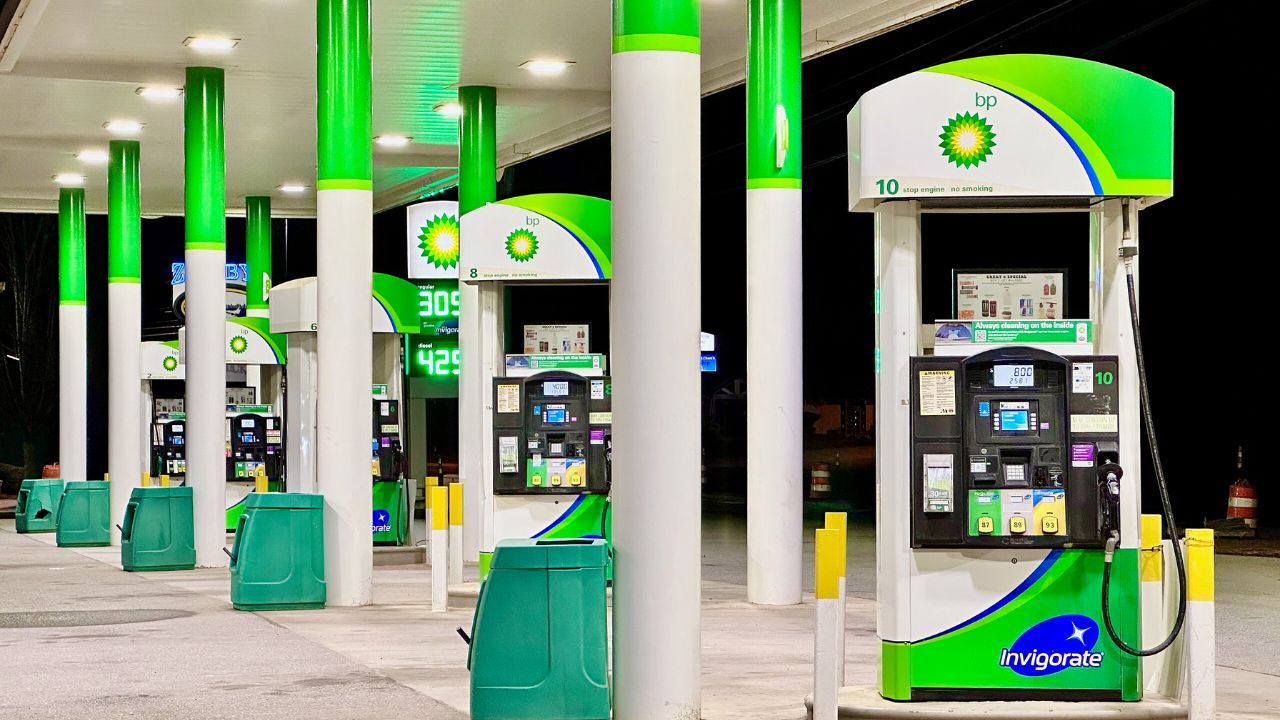
Diesel fuel has more energy per gallon than gasoline, which translates into longer range. Combined with larger fuel tanks and better highway efficiency, diesel trucks often go hundreds of miles farther between fill-ups.
For folks who spend time on the road or in remote areas, that matters. A Ram 2500 with a 6.7L Cummins and a 31-gallon tank can cruise over 600 miles on the highway. Less stopping, more driving—that’s a practical perk that doesn’t show up in a spec sheet headline.
Built for Work, Not Just Looks

Gas-powered trucks can look tough, but diesel trucks are usually built with heavy-duty cooling, stronger axles, and tougher transmissions. That means the hardware matches the workload, not just the marketing.
Whether it’s the Allison 10-speed behind a Duramax or the Aisin unit behind a high-output Cummins, diesel trucks are built to take abuse without flinching. That rugged foundation makes them ideal for serious jobsites, long hauls, and rough terrain where failure isn’t an option.
Engine Braking Makes a Big Difference

If you’ve ever pulled 15,000 pounds through the mountains, you know how important engine braking is. Diesel engines, especially with integrated exhaust brakes, give you better downhill control without smoking your rotors.
Systems like Ram’s Smart Exhaust Brake or Ford’s integrated engine brake allow drivers to maintain steady downhill speeds with less pedal effort. It’s safer, more confidence-inspiring, and easier on the truck over time—especially for folks towing on a regular basis.
Proven Powertrains with Real-World Cred

The names alone—Cummins, Power Stroke, Duramax—carry weight. These engines have years of real-world use behind them, with feedback from farmers, haulers, contractors, and long-haulers alike.
Each has its loyal following, and for good reason. The evolution of these powerplants has focused on meeting emissions without sacrificing the torque and toughness diesel buyers expect. With strong track records, known maintenance schedules, and nationwide support networks, they’ve earned their reputation as the workhorses of the truck world.
Like Fast Lane Only’s content? Be sure to follow us.
Here’s more from us:
*Created with AI assistance and editor review.