Most people hear “Willys” and picture a Jeep, yet the company built passenger cars for decades before and after the war, from sleeve-valve sixes to the compact Willys Aero. In 1914 alone, Overland built 48,461 cars, and it stayed among America’s top three automakers through 1919.
That success didn’t last, though. Depression-era trouble, mergers and a final exit from the U.S. car business in 1955 left many Willys models with small production runs and few survivors. Some of the rarest were even built thousands of miles from Toledo.
So these are our picks: seven Willys models so rare that even seasoned collectors seldom see one in person. The rarity call is our opinion, but every production figure, engine and price below comes from club records, period specifications and reference sources.
1. 1914 Willys-Overland Model 79 Speedster
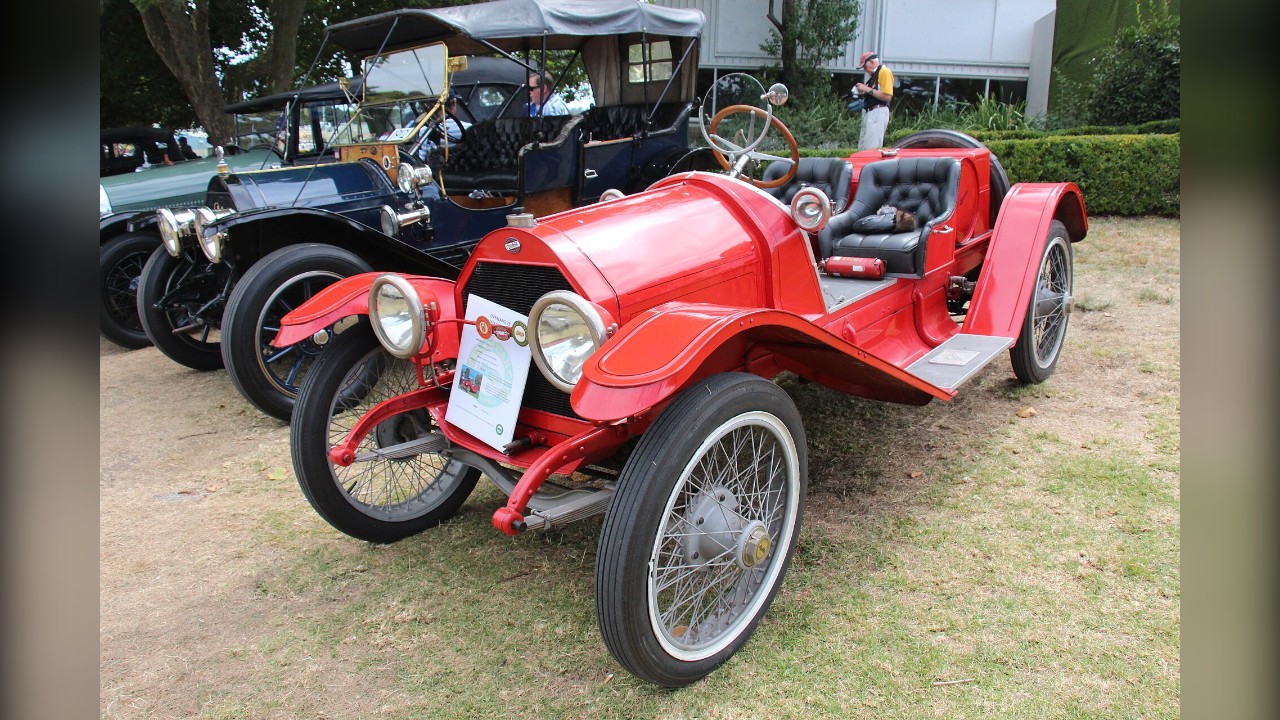
The Model 79 was a mainstream car in its day. According to conceptcarz’s model profile, it used a four-cylinder engine rated at 35 horsepower, rode on a 114-inch wheelbase, and cost about $950 new. Overland built it in Toledo, Ohio, in the former Pope-Toledo factory, where bricks spelling “Overland” still sit in the smokestack.
So why is this one rare? Because conceptcarz lists only roadster, touring and coupe bodies for the 1914 Model 79. A stripped-down speedster like the car in our photo is therefore a different animal from the family tourers that made up most of the year’s 48,461 Overlands. Speedsters were light, open two-seaters built for fun, and that makes this one stand apart from its sensible siblings.
In our view, this is the most charming car on the list. It shows a side of Willys-Overland that most people never connect with the brand, long before the Jeep. If you ever see one at a brass-era meet, take a close look at the body. A speedster tells you how its first owners wanted to drive, and that story is worth asking about.
2. 1928 Willys-Knight 70A
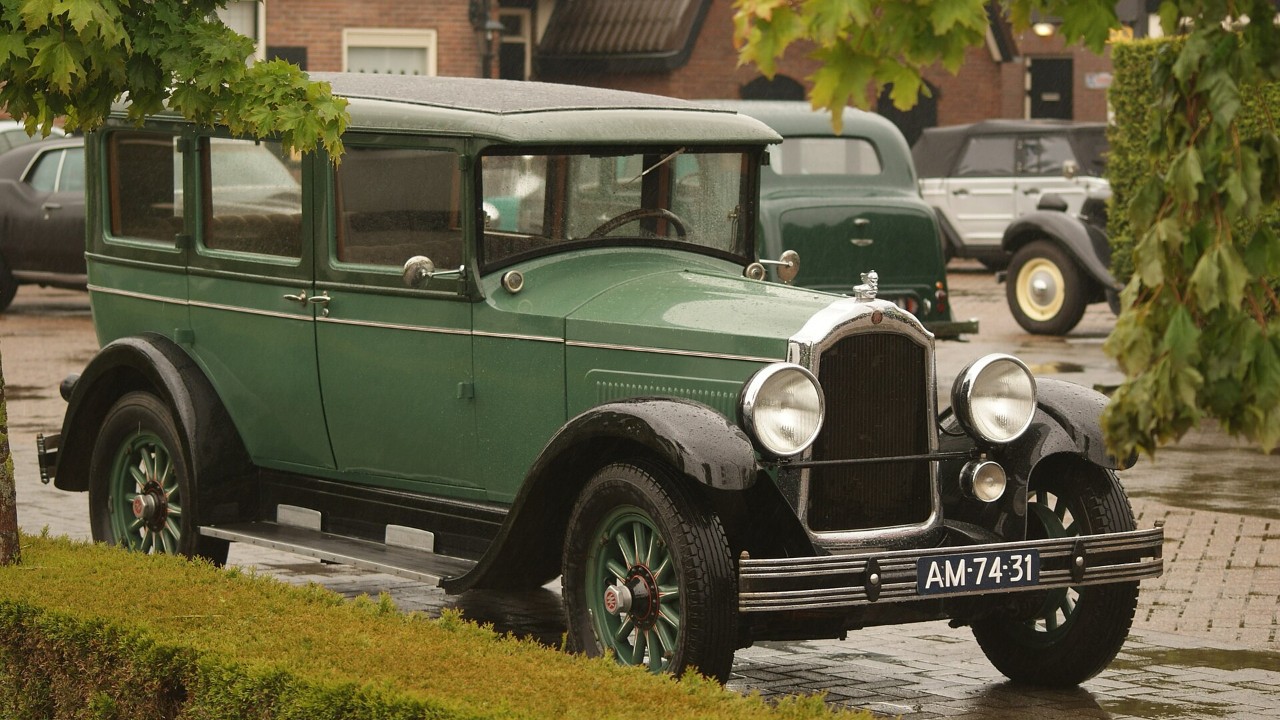
John North Willys bet his upscale line on an unusual engine. During a 1913 trip to England, Charles Knight convinced him that the sleeve-valve design was worth the cost. Instead of poppet valves and springs, it used sliding sleeves, which made it notably quiet. Willys then sold almost half a million Willys-Knights between 1914 and 1933, according to the Willys-Overland-Knight Registry.
The 70A, built from 1927 to 1929, carried a six-cylinder sleeve-valve engine of 177.9 cubic inches. It made 53 horsepower and rode on a wheelbase of about 113 inches. The registry lists a nominal price of $1,295 for the 70A Special Six. By then, Willys assembled its cars in Toledo, having moved there from Elyria, Ohio, in 1915, while engine production stayed in Elyria.
However, Knight and his partner, L.B. Kilbourne, collected royalties on the design. That made sleeve-valve cars costlier to build, and cheaper poppet-valve engines eventually won the sales race. The registry notes that the last sleeve-valve car built in America was the 1933 Willys-Knight Model 66E. In our view, a running 70A is a rolling lesson in a technology that simply vanished.
3. 1928 Falcon-Knight
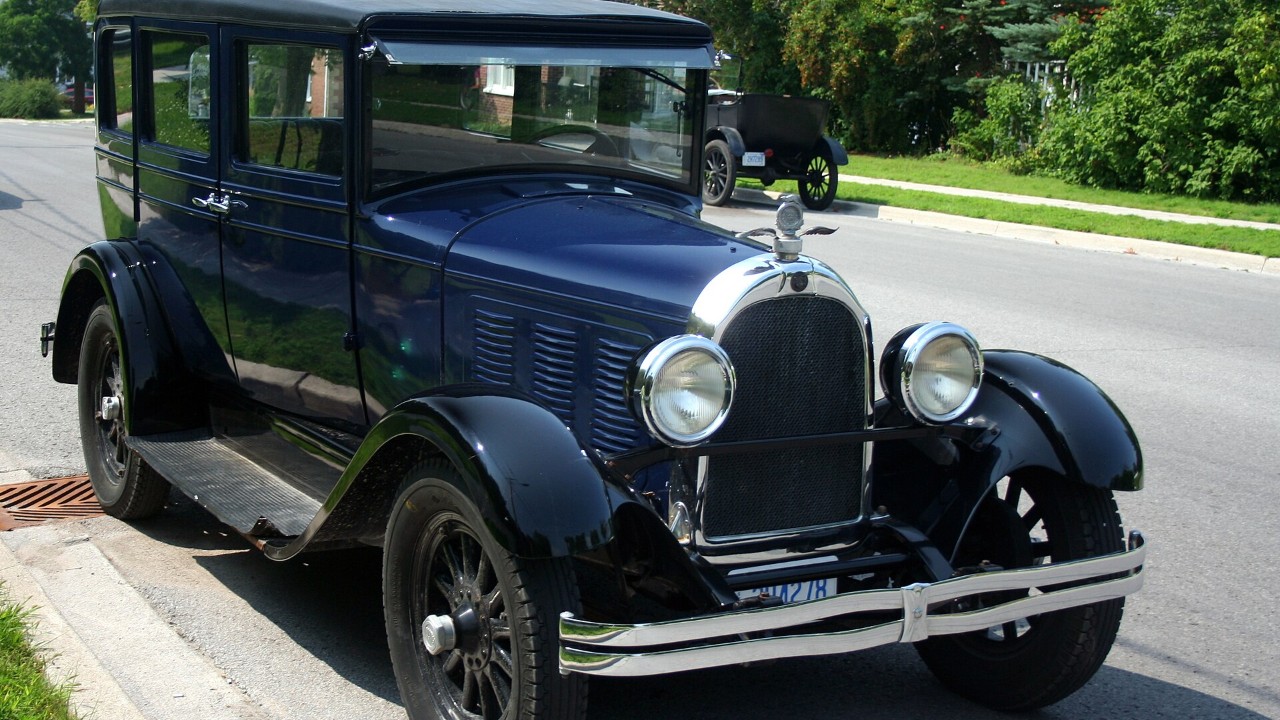
Willys-Overland launched the Falcon-Knight on March 10, 1927, as a separate brand. A company called Falcon Motors ran it from offices in Detroit and assembled cars in Elyria, Ohio. It sat between the cheap Whippet and the larger Willys-Knight in the lineup. Apart from its engine, much of the car matched the Whippet 93A, and many parts interchange.
Power came from a smaller sleeve-valve six of 158 cubic inches, rated at 48 horsepower. Prices started at $995, while the sporty Gray Ghost Roadster cost $1,250, according to Mac’s Motor City Garage. Reviewers of the day praised its performance, and sales started strongly.
Then the parent company undercut its own creation, barely a year after launch. For 1928, Willys-Overland launched the Willys-Knight Model 56, which was essentially the same car at a similar price. As a result, the Falcon-Knight had no reason to exist, and the last cars were built in March 1929. After that, Elyria switched to making truck parts. With a life that short, the Falcon-Knight is a name few collectors ever encounter. In our view, any surviving example is a genuine unicorn at a pre-war show.
4. 1933 Willys Model 77 coupe
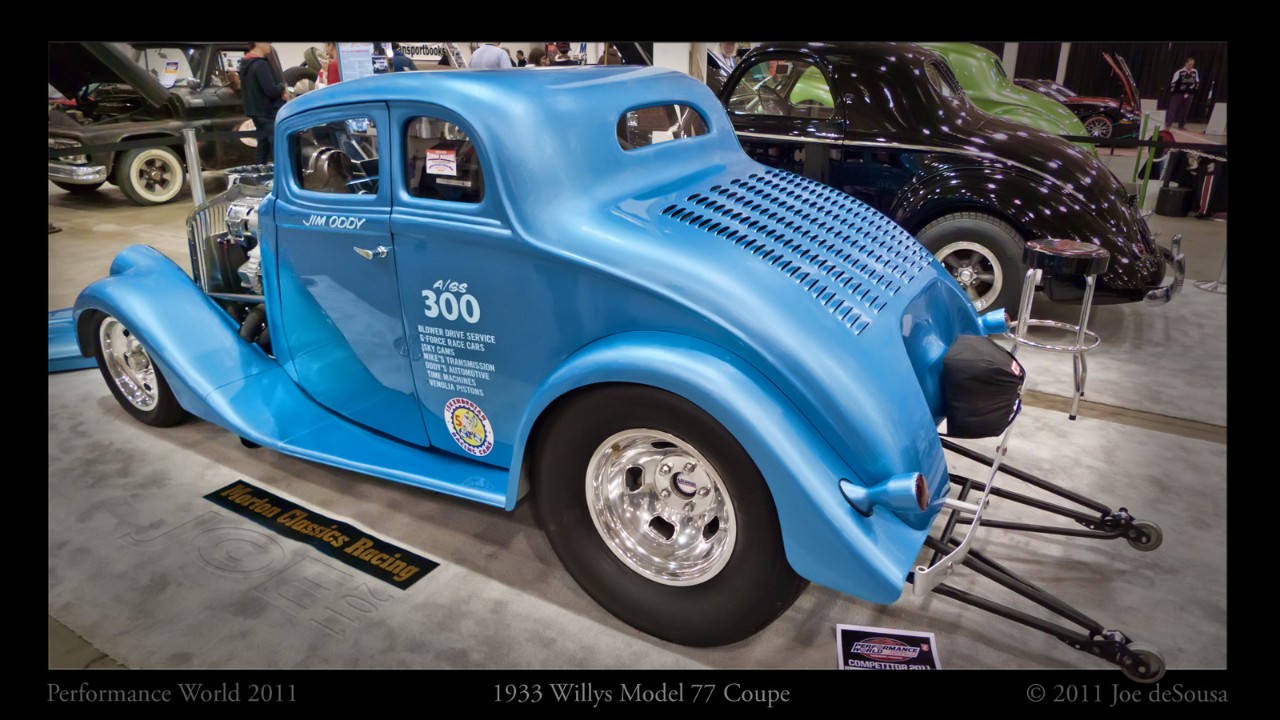
Willys-Overland entered receivership in 1933, the same year it launched the Model 77. The little car replaced the Whippet and was built to be cheap to buy and run. It used a 145 cubic-inch four rated at 48 horsepower. It also rode on a 100-inch wheelbase, returned about 25 mpg and topped out around 65 mph.
Willys built just 12,800 Model 77s in 1933, and many later went racing. The 1933 to 1936 coupes became favorite gassers, the drag cars with raised front ends, and the 1933 car is the best known of all. A tuned example even averaged 65.2 mph over 24 hours on the Muroc Dry Lake. Before production ended in 1942, the line also evolved into the Willys 37, 38, 48, Speedway and Americar.
That racing fame is exactly why a stock 1933 coupe is so hard to find. That popularity with drag racers cuts both ways for collectors. So, in our opinion, an unmodified 77 with its original four-cylinder is far scarcer than the gassers it inspired. If you find one that has escaped the hot rodders, keep it original, because that’s now the rare version.
5. 1954 Willys Aero Eagle hardtop
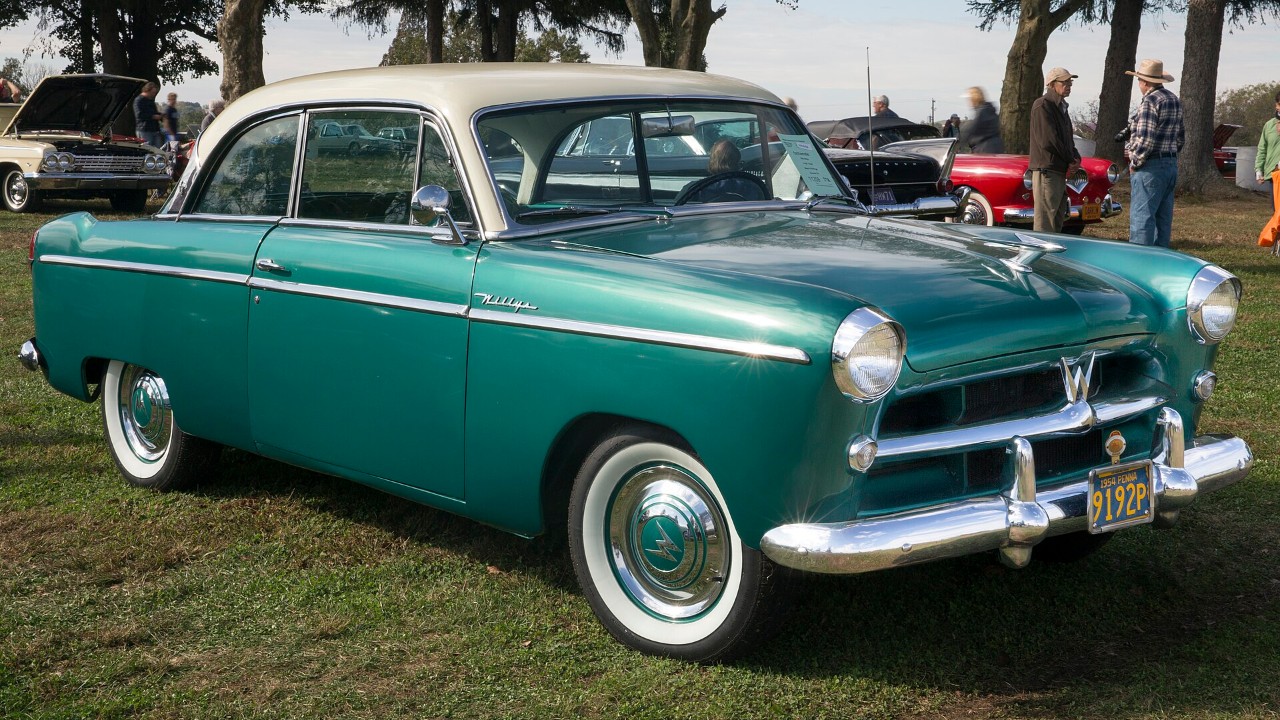
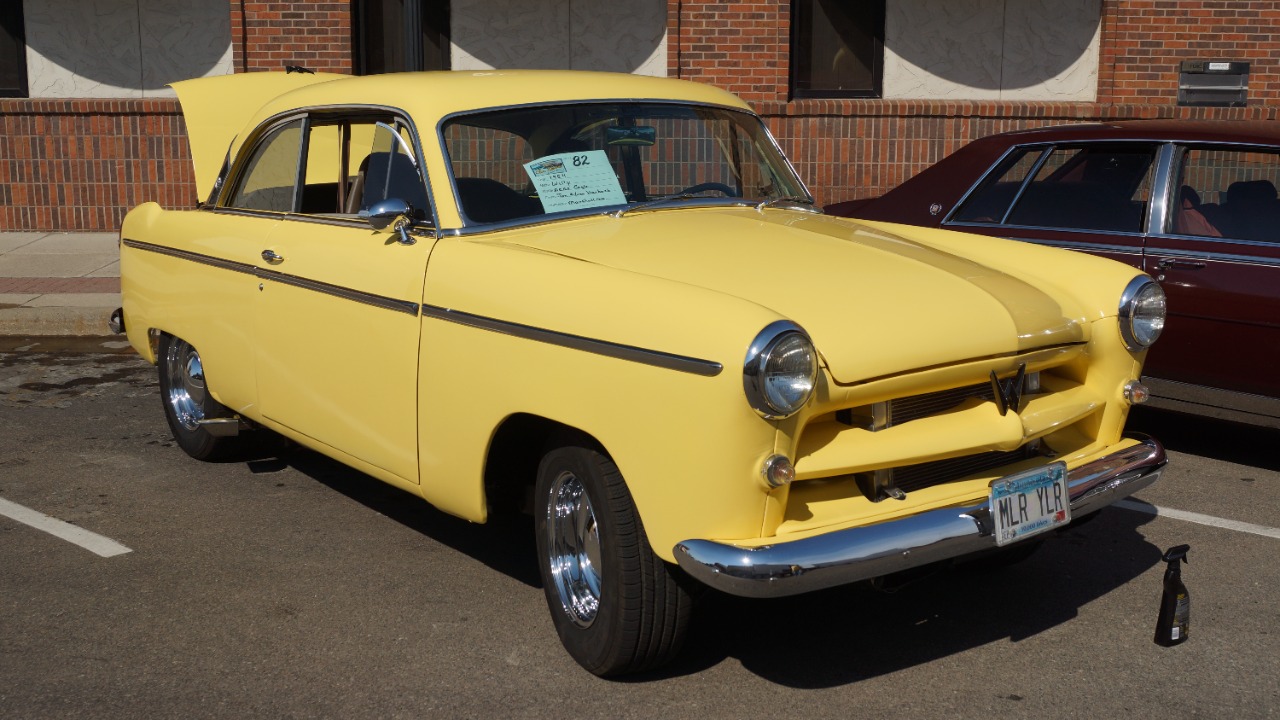
Willys returned to passenger cars in 1952 with the compact Willys Aero, built in Toledo. Clyde Paton, a former Packard engineer, was the car’s guiding force. The Eagle was the top model and the only two-door hardtop in the range, and it used a 161 cubic-inch F-head six rated at 90 horsepower.
According to conceptcarz, Willys built 7,018 Eagle hardtops for 1953, and the car cost nearly $2,000. It rode on a 108-inch wheelbase and measured 183 inches long. Meanwhile, Kaiser bought Willys-Overland in 1953 in a deal worth around $60 million, and the new company became Willys Motors. Aero sales fell to just under 12,000 cars for 1954.
That makes a 1954 Eagle hardtop a scarce sight today. It came from the last year before the Aero name started to fade, and it sold in small numbers. We like it because it shows what Willys could do with a modern, compact design. In our view, an Aero Eagle hardtop is one of the cleanest American designs of the early 1950s, and few people have ever seen one.
6. 1955 Willys Bermuda
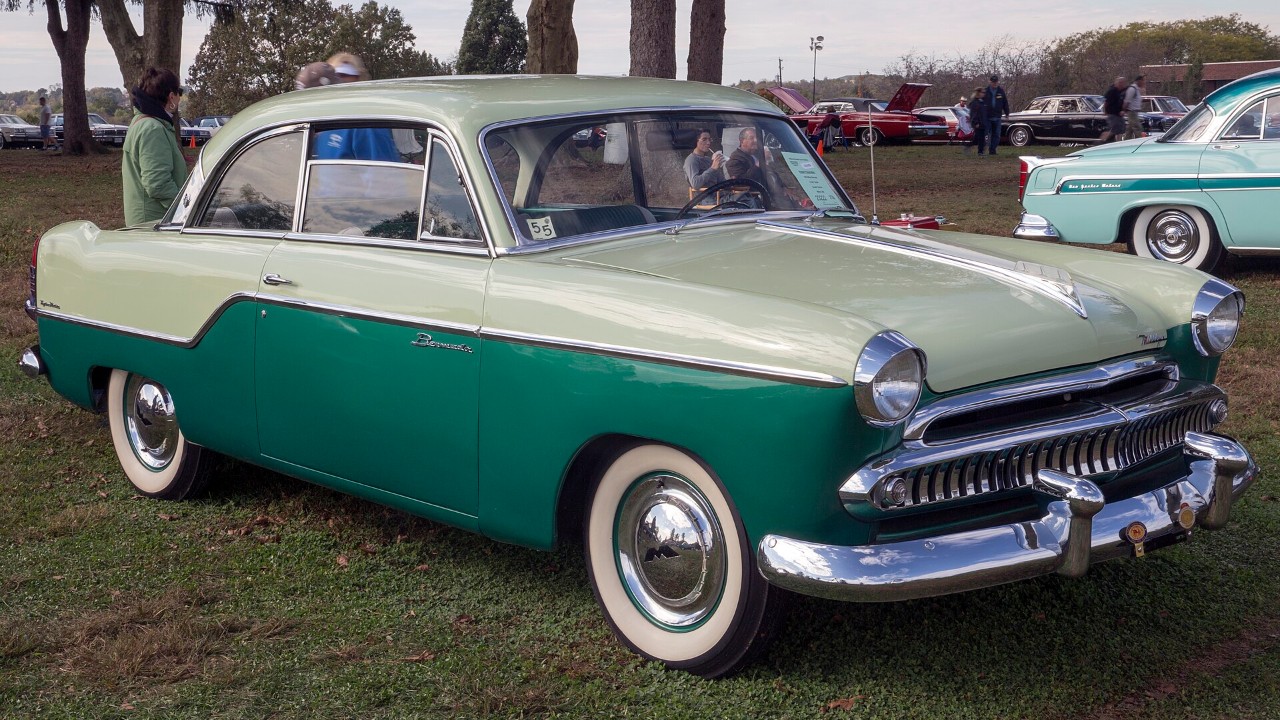
For 1955, the Aero hardtop got a new name. Mac’s Motor City Garage notes that the Kaisers liked tropical names, so the two-door became the Bermuda. Under the hood, a 226 cubic-inch Kaiser L-head six with 115 horsepower was standard, although a few cars used the F-head. Buyers could add overdrive for $85 or a GM Hydra-Matic automatic for $179.
The price dropped from $1,895 to $1,795, and Willys advertised it as America’s lowest-priced hardtop. Even so, only 2,215 Bermudas sold, according to Mac’s Motor City Garage. Then, at the end of the 1955 model year, Willys left the U.S. passenger car business to focus on its more profitable Jeep-based models.
Total Aero sales dropped below 6,000 cars that year, so the Bermuda was a small slice of a small run. As the last American Willys passenger car, it feels special to us, and a rare one at that. Still, the Aero shape lived on, because production restarted in Brazil in 1960. For more on the Aero’s last American year, see our feature on the 1955 Willys Aero.
7. 1964 Willys Interlagos
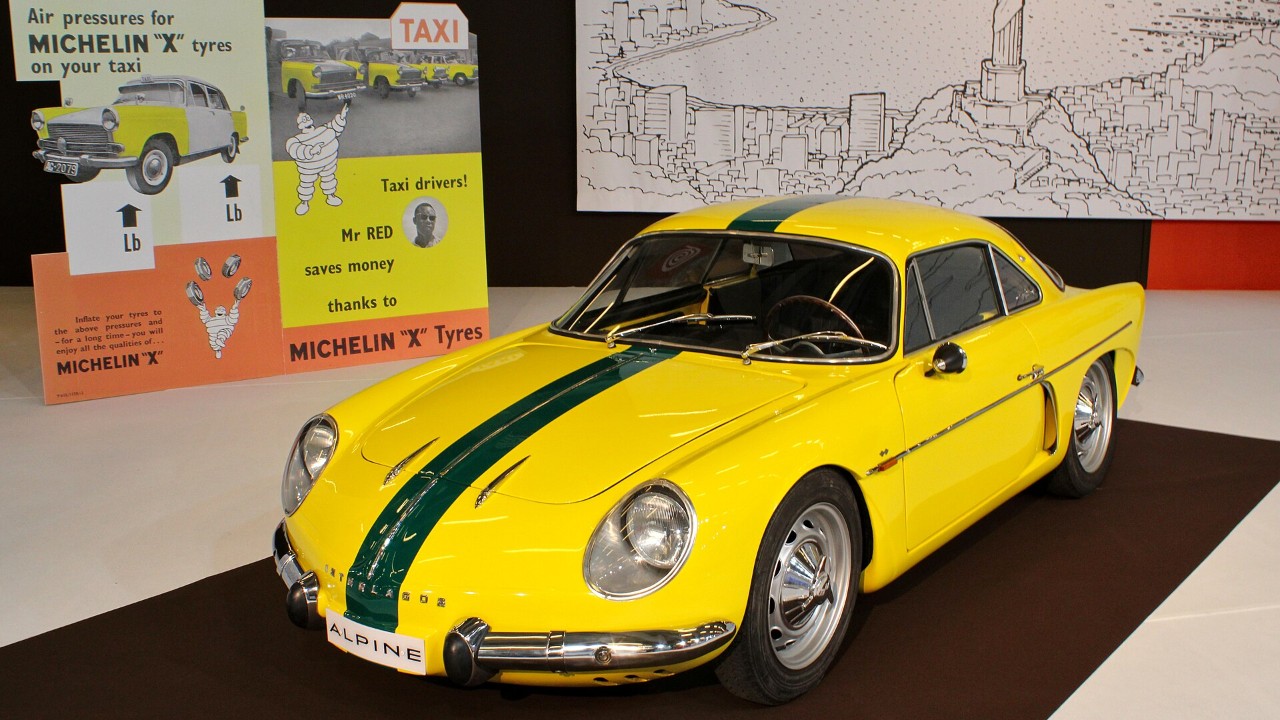
Willys-Overland’s Brazilian arm built the Interlagos under an agreement with Alpine of France. It was the Brazilian version of the Alpine A108, and it debuted at the second Sao Paulo motor show in late 1961. Brazilian outlet iCarros calls it the first Brazilian sports car. An advertising executive, Mauro Salles, suggested naming it after Sao Paulo’s racetrack.
The body was fiberglass on a tubular steel frame, and the car weighed only about 570 kg. Its rear-mounted engines ranged from an 845 cc four with 32 hp in the convertible to a 1.0-liter unit with 70 hp in the berlinetta. Willys only built 822 of them before production ended in 1966. The Willys racing team’s drivers included Jose Carlos Pace and Emerson and Wilson Fittipaldi.
That makes the Interlagos the rarest car on this list by a verified count. We think it’s also the most surprising, because few Americans know that Willys helped launch Brazil’s sports car scene. For a look at other overlooked models from the brand, see our list of Willys models that deserved more attention. In 1967, Ford bought Willys in Brazil, and the Interlagos story ended.
More from Fast Lane Only