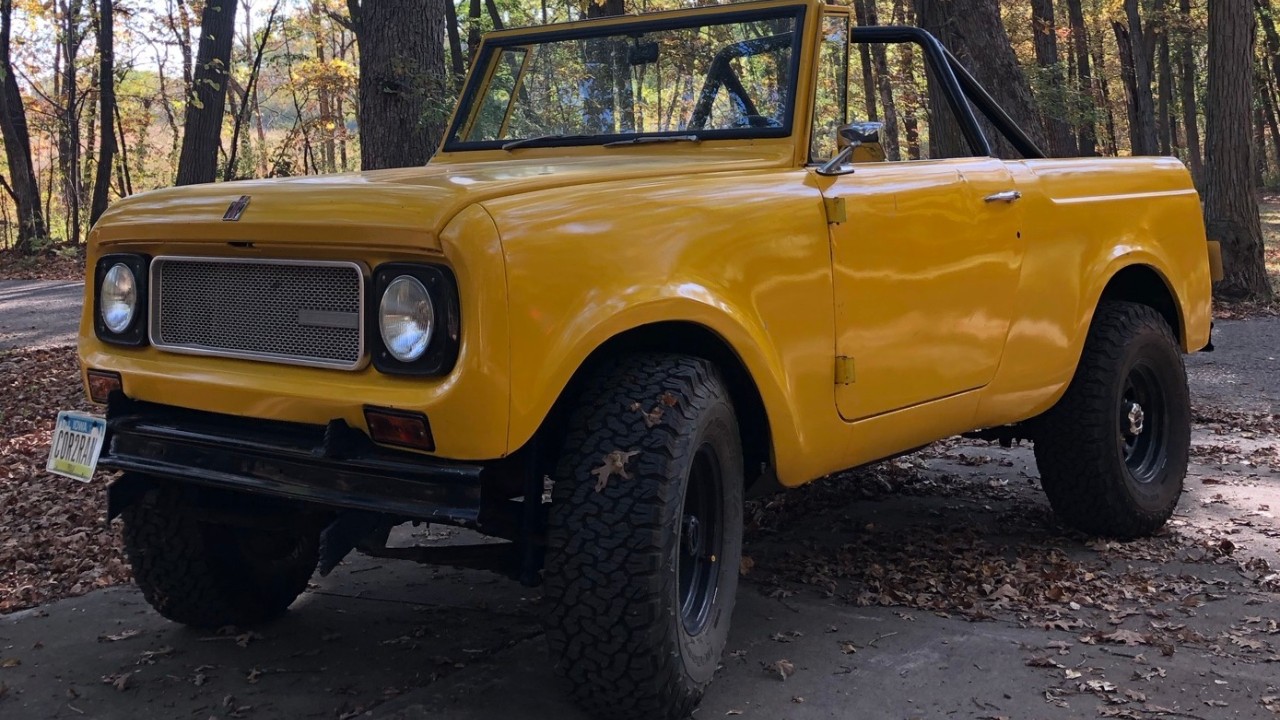
International Harvester built 532,674 International Scout trucks between 1960 and 1980. That is a big number for a company better known for tractors and trucks, and it means plenty of Scouts are out there. Yet a clean one can stop a parking lot faster than many new SUVs.
Part of the appeal is the shape. Scouts are boxy, honest and simple, and they predate the luxury SUV craze by decades. Another part is rarity, since International built its last one in 1980.
These seven are our picks for the Scouts that draw the most looks today, from the first-generation trucks to the long-wheelbase Scout II models. The verdict is our opinion. However, the facts come from Scout histories, restorers and owner features, and each pick names a real model or package that International sold.
1. 1960s International Scout 80 Red Carpet Edition
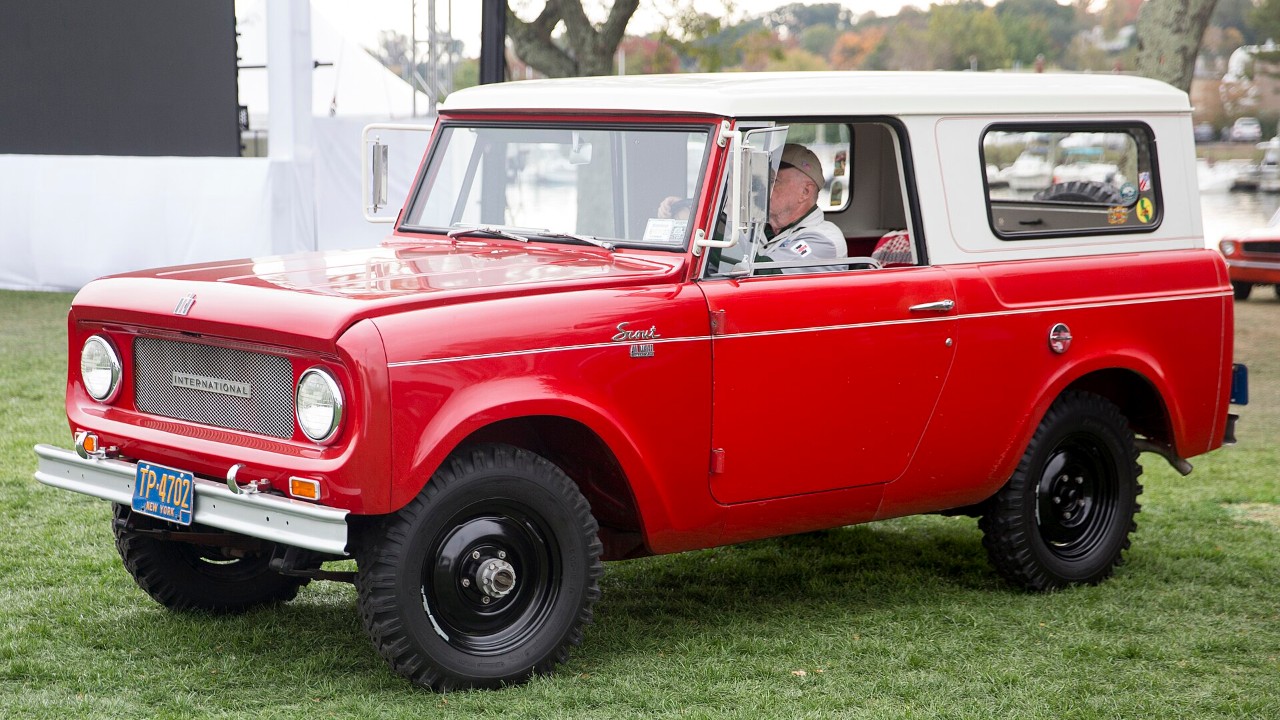
The Scout 80 started the whole story. International launched it in late 1960 as a 1961 model, sold as a commercial utility truck and aimed at the Jeep CJ. Power came from a 152-cubic-inch four with a three-speed manual. Meanwhile, early trucks had a fold-down windshield with vacuum wipers mounted above the glass.
The Red Carpet Edition marked a milestone. Specifically, International released it to celebrate the 100,000th Scout, and only 3,000 of these trucks left the line. As a result, each one wore a white exterior with a red interior. In our eyes, that combination looks sharp on a truck this plain.
In our view, the Red Carpet is the Scout 80 to want if you can find a real one. Confirm the trim with documentation, because white paint and a red interior are easy to copy. For the bigger picture, our story on how the 1961 Scout helped define early utility vehicles covers where the Red Carpet’s roots lie. A plain Scout 80 makes a fine consolation prize, too, with the same simple four-cylinder and the same honest shape.
2. 1966 International Scout 800 Sportop
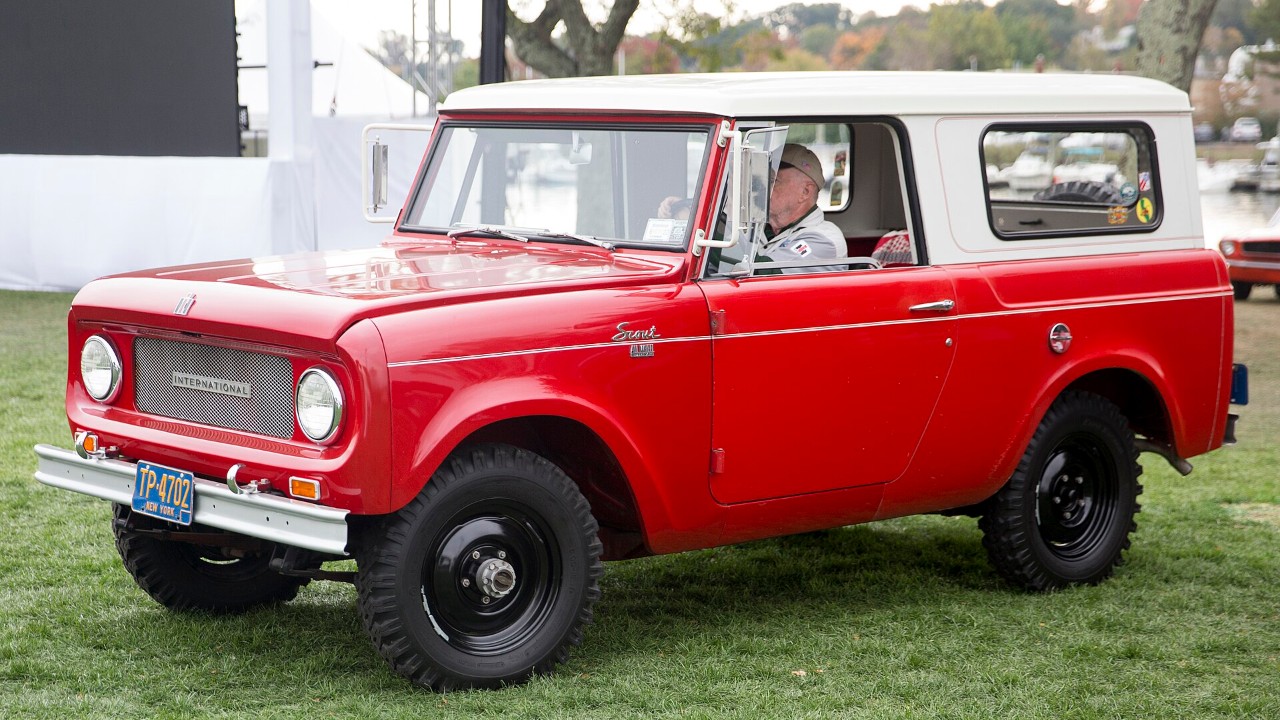
The Scout 800 replaced the Scout 80 in 1965 and brought more comfort and more engine choices. According to Off Road Xtreme’s Scout history, the base 152-cubic-inch Comanche four made 93 hp. From 1966, buyers could also choose a 196-cubic-inch four rated at 111 hp or a 232-cubic-inch six, and a 266 V8 followed in the spring of 1967. In addition, a turbocharged version of the 152 four, rated at 111 hp, was on the order sheet from August 1966 to 1968.
In our view, though, the Sportop is the version that turns the most heads. International offered it from early 1966 with a fiberglass top and an upgraded interior. Off Road Xtreme describes the roof as slanted, and buyers could order it on base or convertible trucks. That sloping roofline gave the Scout a sporty profile.
We think the Sportop is the best-looking first-generation Scout. It keeps the simple mechanicals of the 800 but adds a shape you won’t mistake for anything else. If you shop for one, check the fiberglass top for cracks and the mounting points for rust, because those are the parts that make it a Sportop.
3. 1969–1971 International Scout 800A Aristocrat

The 800A arrived in 1969 with real upgrades. Off Road Xtreme says it added a 304-cubic-inch V8, a quieter Dana 20 and a heftier rear axle. It also brought a three-piece grille and bezel-bound headlights, which help spotters tell it apart. Buyers could pick from the 196 four, the 266 and 304 V8s, and, briefly in early 1969, the 232 six.
Then the Aristocrat dressed the late first-generation Scout for a night out. It came with a blue vinyl interior, blue and silver paint and a chrome roof rack. Sources differ on its exact placement. Some histories tie it to the 800A, while Velocity Restorations lists it on the 800B, which Off Road Xtreme says ran from August 1970 to March 1971. Either way, it belongs to the final years of the original body.
Our take is that the Aristocrat is the most surprising Scout of all, because a farm-equipment company built a dressy package for a utility truck. Get the trim tag and paint codes checked by a Scout specialist before you pay Aristocrat money.
4. 1976 International Scout II Diesel
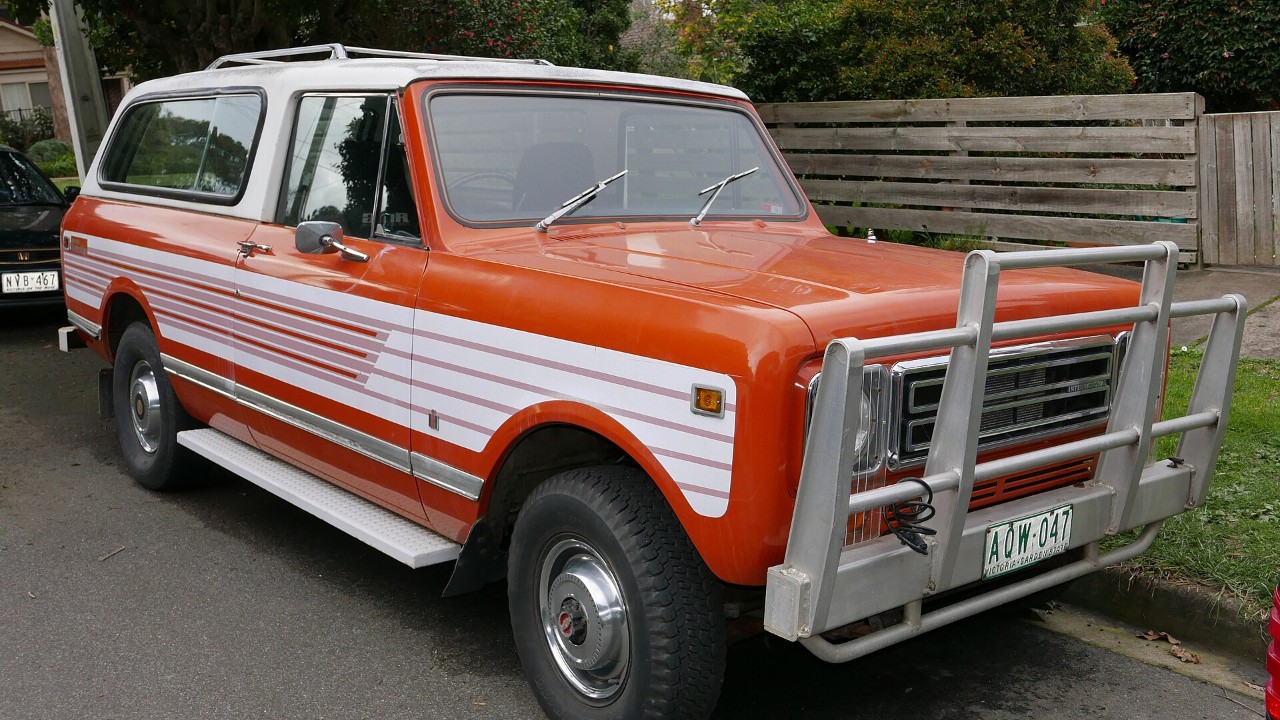
The Scout II debuted in 1971 with a longer wheelbase, a wider body and a heavier chassis. According to Old Motors, International sold 30,000 in the first year. Then, for 1976, the company added a diesel.
The diesel joined a long engine list. Old Motors notes that the 1975 Scout II already offered International’s 196 four, AMC’s 232 and 258 sixes, and International’s own 304 and 345 V8s. The new engine, however, came from Nissan. Old Motors identifies it as the 198-cubic-inch SD33 inline-six. It was slow, especially with an automatic, but very reliable, and it could return about 20 mpg. Later, International planned a turbocharged SD33T for 1980, and that engine reached buyers only in the last 11 months of Scout production.
In our opinion, the diesel Scout II turns heads for a different reason than the others. A Nissan diesel under an International hood makes it a conversation starter. If you want one, accept the slow pace up front. Also find a mechanic who knows the Nissan engine before you buy.
5. 1977 International Scout SSII
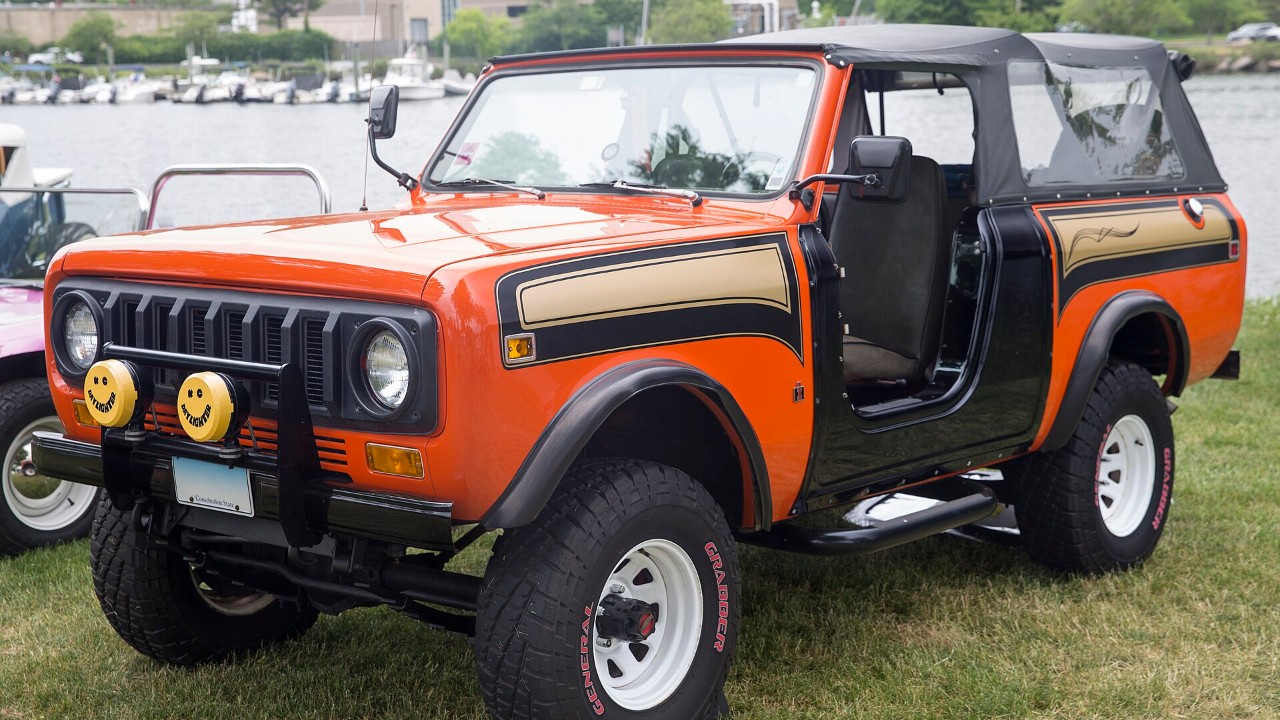
The SSII, or Super Scout II, was International’s answer to the stripped-down Jeep CJ. International introduced it in February 1977 with a soft top and soft doors. Silodrome says the design took inspiration from the off-road racing Scouts of the 1970s. It also used a plastic grille and a roll bar. Underneath, it kept the Scout’s live axles on leaf springs and a two-speed transfer case.
In fact, the racing link was real. According to Silodrome, Jerry Boone won the 4×4 production class at the 1977 Baja 1000 in an SSII, and he won again at Riverside in 1978. Sherman Balch also won a class at the Baja 1000 and the Mint 400 in 1978. Velocity Restorations adds that the SSII wore cutout fender flares and offered a 345-cubic-inch V8 among its engines.
International even sold it in four flavors: Rancher Special, Brush Buster, Sport and Baja Cruiser. We’d call the SSII the most fun Scout to drive with the top off on a warm day. That open, roll-barred look is what draws people over. Before buying, check the floors and the soft-top hardware, because an open truck lives a harder life than a hardtop.
6. 1979 International Scout Terra
The Terra turned the Scout II into a small pickup. International added it for 1976, alongside the Traveler. According to Old Motors, both stretched the body 18 inches between the B-pillar and the rear wheels. Velocity Restorations notes that the Terra shared the Traveler’s extended wheelbase and used a removable fiberglass half-cab roof, with a bulkhead that created a cargo bed.
Still, it was not a full-size truck, and it never pretended to be one. Old Motors says the Terra had no separate bed. Even so, it could carry up to almost 2,000 pounds. That is plenty for a weekend of camping or a run to the lumber yard.
In our view, the Terra is the most practical Scout and one of the best-looking small pickups of its decade. Its long, low profile stands out next to modern pickups. When you shop, check the bed floor and the half-cab seals, since water leaks are the enemy of any fiberglass-topped truck. The 1980 Terra also offered the turbodiesel, which makes a late truck worth the hunt.
7. 1980 International Scout Traveler
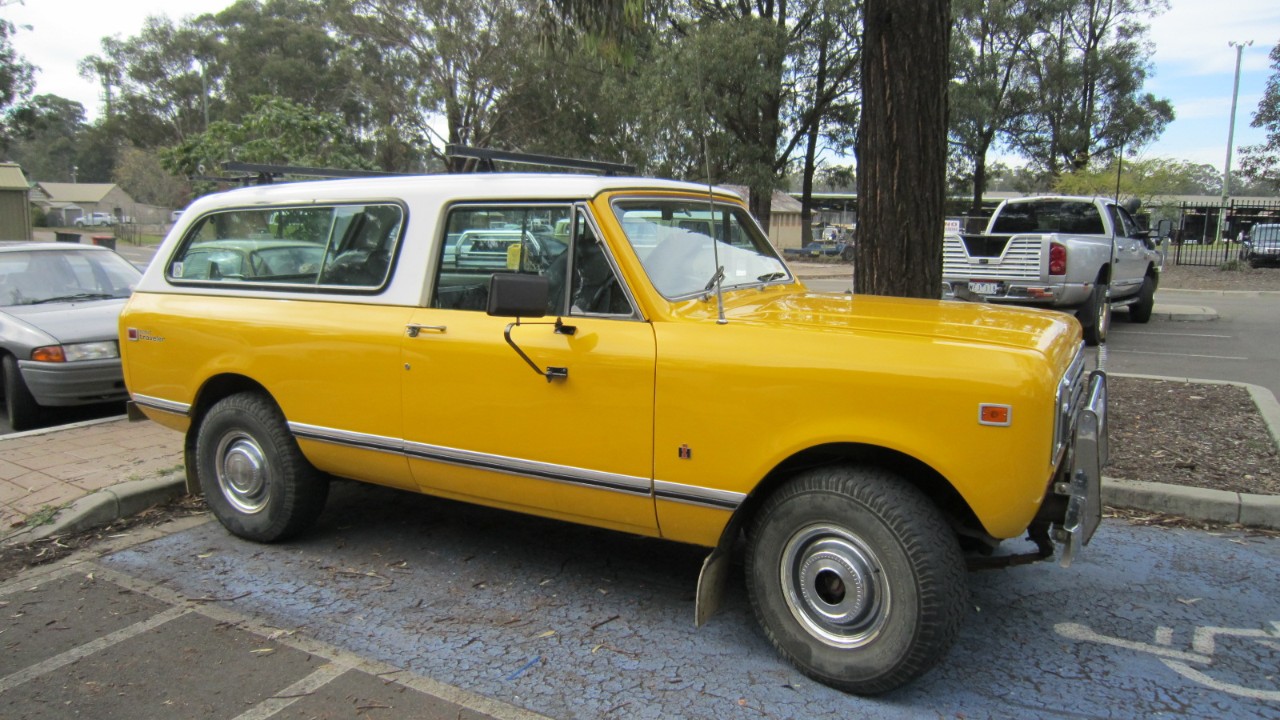
The Traveler was the family Scout. First offered for 1976, it rode on a 118-inch wheelbase, compared with 100 inches for the standard Scout II, according to Velocity Restorations. A fiberglass hardtop with a hatchback-style liftgate covered the rear, and buyers could add a third row of seats.
The 1980 trucks got a light refresh, as Old Motors notes, with a new front end and rectangular sealed-beam headlights. That final year was also the only one with the turbodiesel on offer. However, they were also the end of the line, because International stopped building passenger vehicles that year. Old Motors says International built the last Scout II on October 21, 1980, after a strike, the second OPEC oil shock and a recession.
We think a 1980 Traveler is the ideal Scout to drive every day, with room for the family and the longest, most useful version of the shape. If you want to dig deeper, our story on when International Harvester released the Scout II Traveler covers its collector values. Look for solid rockers and a clean liftgate, because those are the expensive fixes.
More from Fast Lane Only