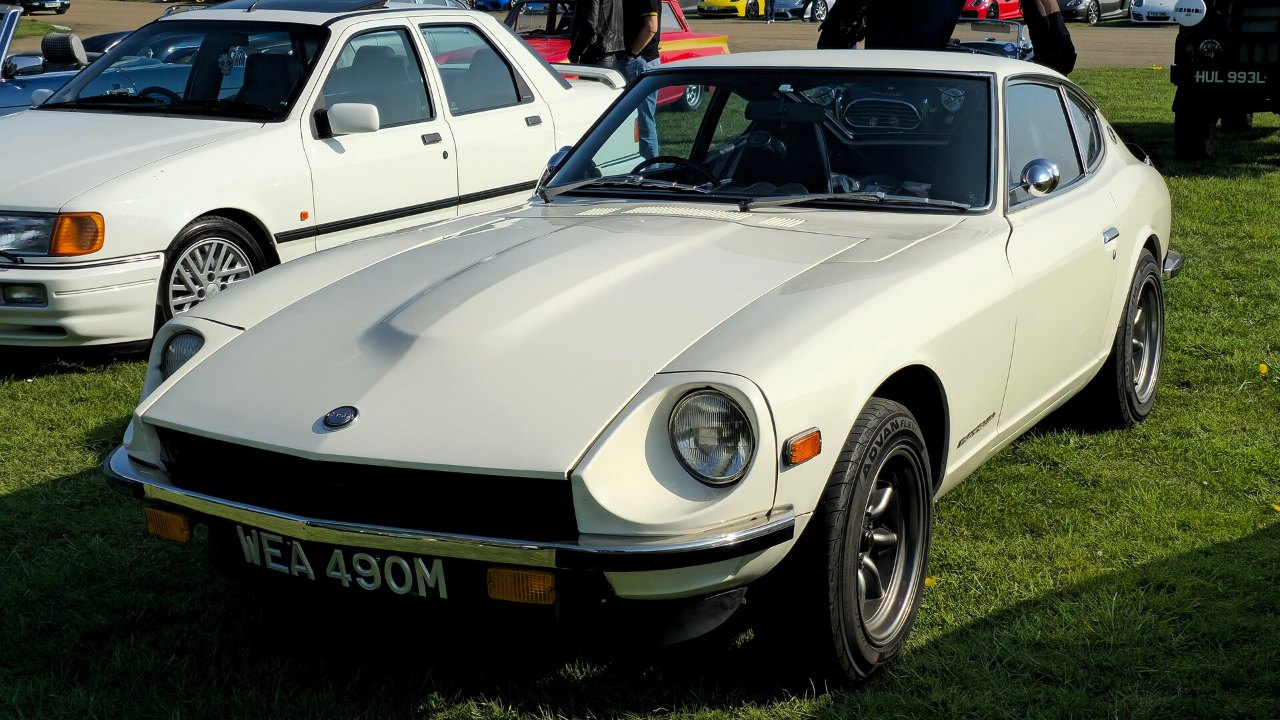
Datsun put the 240Z on sale in the U.S. in October 1969, and the Z car lineup has run through nine distinct generations since then. Some years brought small changes, while others brought a new engine, a new body or a new name. Below is each one in order, with the figures tied to the model year they belong to.
Sources sometimes disagree on Z dates and ratings. So where Nissan’s own history page and the Z Car Club Association (ZCCA) differ, we say which one we’re quoting.
1. 1969–1973 Datsun 240Z, Where the Z Car Lineup Began

The ZCCA says the 240Z went on sale in the U.S. on October 22, 1969. It used a 2.4-liter overhead-cam inline six with two SU carburetors, rated at 150 horsepower. Nissan’s own spec sheet adds 148 lb-ft of torque and a four-speed manual, with a three-speed automatic as an option.
Those early cars came off the line in small numbers. In fact, Hagerty’s 240Z buyer’s guide counts 538 early left-hand-drive cars built between May and December 1969. Then Datsun sold 17,740 more in 1970, and 16,215 of those went to U.S. buyers.
2. 1974–1975 Datsun 260Z

For 1974, Datsun stretched the six to 2.6 liters and renamed the car the 260Z. However, tighter emissions rules cut output to 139 horsepower, according to the ZCCA’s Z car history. Hagerty lists torque at 157 lb-ft, up from the 240Z.
The 260Z also brought something new to the family. Hagerty calls it the first Z to offer a 2+2 four-seat version. In addition, Hagerty notes that the 260Z wore full “diving-board” bumpers.
3. 1975–1978 Datsun 280Z
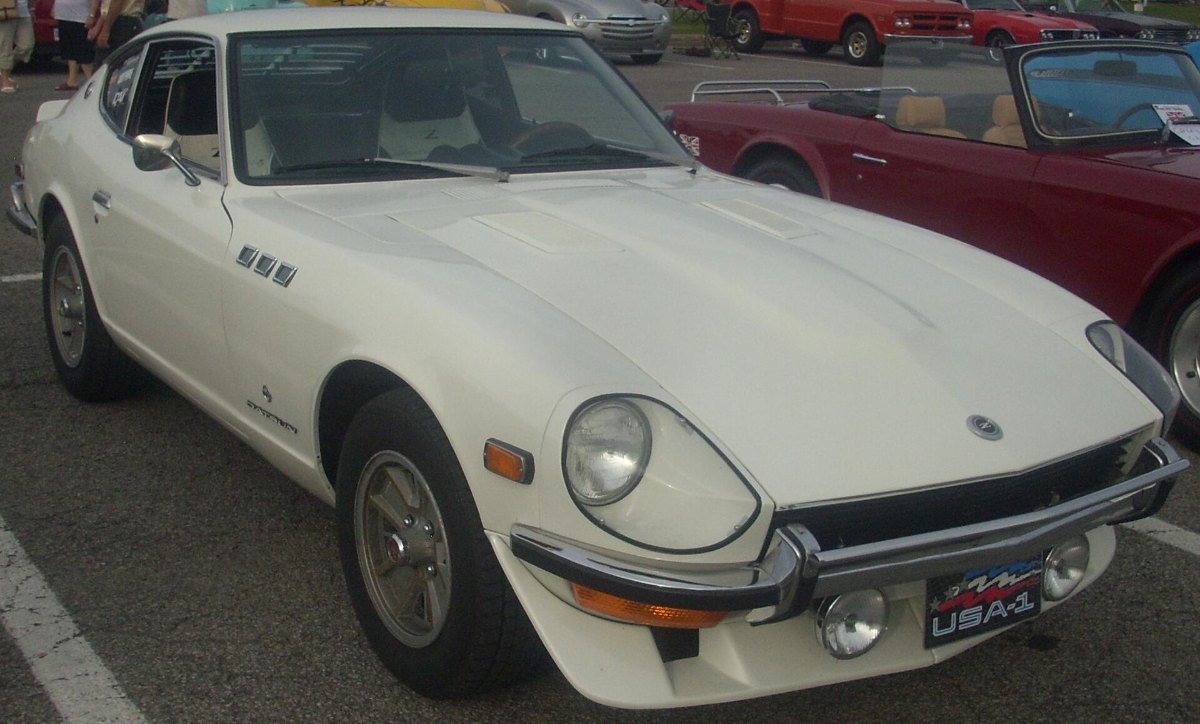
Next, Datsun went to 2.8 liters and added Bosch L-Jetronic fuel injection for the 1975 280Z. The ZCCA rates the 1975 car at 149 horsepower. By 1977, however, the club says output climbed to 170 horsepower, and a five-speed overdrive manual joined the options.
Hagerty’s guide to the 240Z, 260Z and 280Z also dates the optional five-speed to 1977. As a result, a 1977 or 1978 car is the one to check for the extra gear.
4. 1979–1983 Datsun 280ZX

The second-generation car arrived as the 280ZX. According to the ZCCA, it carried over only the engine, transmission and differential from the 280Z. Meanwhile, the club says Motor Trend named it Import Car of the Year, and Datsun sold 86,007 of them in 1979.
Nissan’s Z car history page lists the 2,753cc L28 six at 135 horsepower. It also calls the 280ZX the first Z offered with T-tops. Later, a turbocharged 280ZX arrived for 1981 with 180 horsepower, the ZCCA says.
5. 1984–1989 Nissan 300ZX (Z31)

The third-generation Z dropped the inline six for a 3.0-liter V6. For 1984, the ZCCA rates the regular 300ZX at 160 horsepower and the turbo at 200 horsepower. Nissan’s page dates this generation from 1983 and names the turbo engine as the VG30ET.
Nissan also lists four-wheel disc brakes, a 2+2 model and a Turbo model for this car. Meanwhile, the club describes the 300ZX as the car that pushed the Z’s performance image higher with its new styling and V6.
6. 1990–1996 Nissan 300ZX (Z32)

The fourth generation brought a new DOHC 3.0-liter V6. According to the ZCCA, the 1990 car made 222 horsepower without a turbo and 300 horsepower as the twin-turbo 300ZX Turbo. Motor Trend again named it Import Car of the Year, the club says.
Later, a convertible arrived for 1993 in non-turbo form only. However, the ZCCA lists 1996 as the last U.S. year before a long pause. Nissan’s page, by comparison, dates the generation from 1989 and names the VG30DET engine.
7. 2002–2008 Nissan 350Z
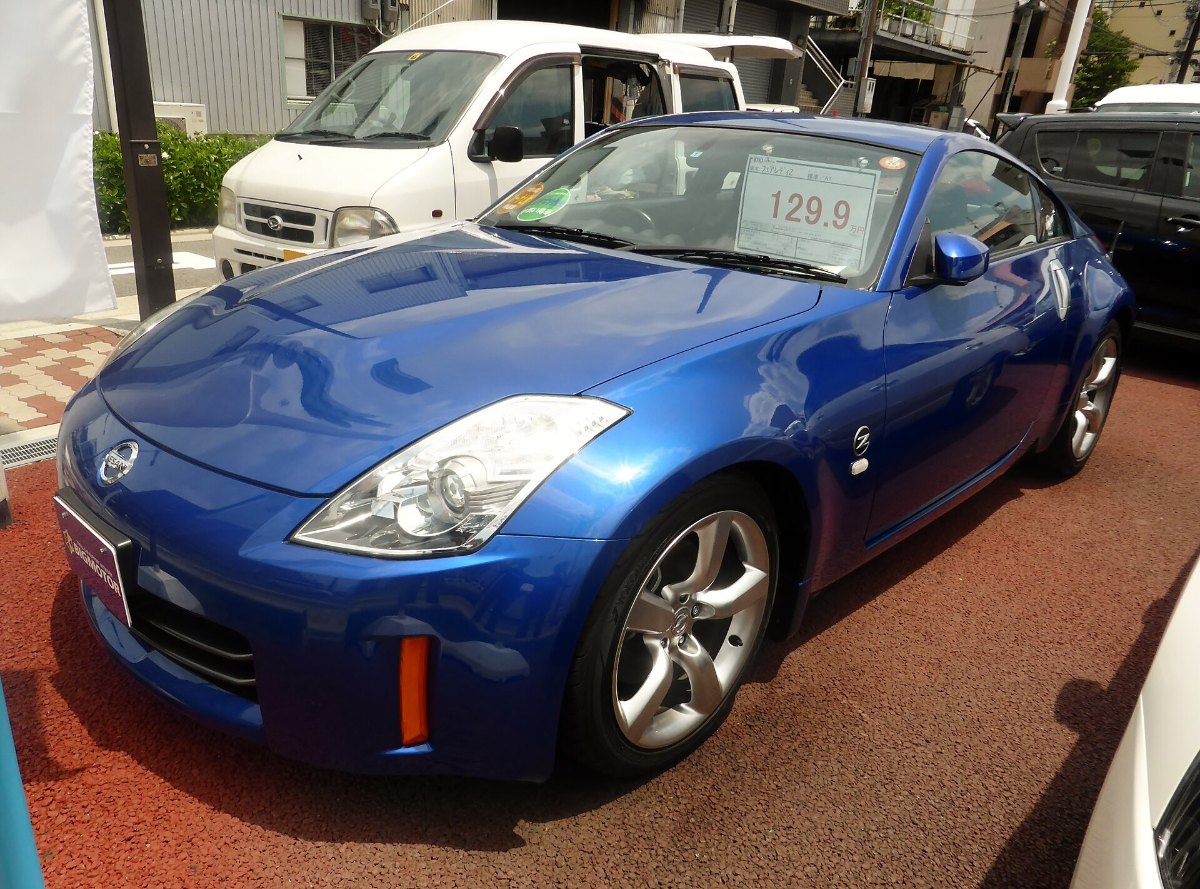
After the gap, the Z returned as the 350Z. Both Nissan and the ZCCA list a 3.5-liter DOHC V6 with 287 horsepower and 274 lb-ft of torque. Nissan pairs it with a six-speed close-ratio manual and rear-wheel drive.
A 350Z Roadster followed for 2004, the club says. Then for 2007, the revised VQ35HR engine raised output to 306 horsepower and 268 lb-ft, according to the ZCCA. Nissan kept the 3.5-liter size through 2008, the end of the club’s 350Z era.
8. Nissan 370Z, Introduced for 2009
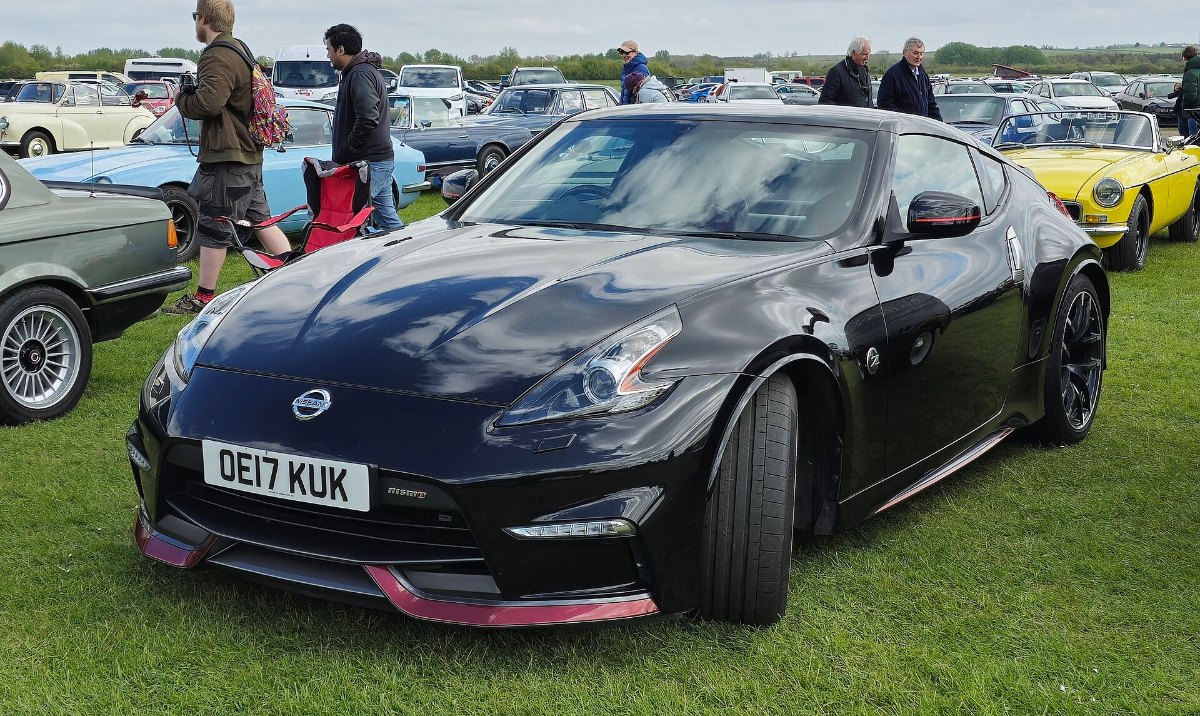
The 370Z arrived for 2009 with a larger engine. Nissan lists a 3.7-liter DOHC 24-valve V6 with 332 horsepower and 270 lb-ft of torque. Nissan’s page and the ZCCA disagree on the car’s final year, so we’ve left the end date off here.
For 2010, Nissan added a 370Z Roadster. At the same time, the ZCCA says Nissan built 1,000 units of a 40th Anniversary Edition 370Z to mark four decades since the 240Z.
9. 2023–Present Nissan Z
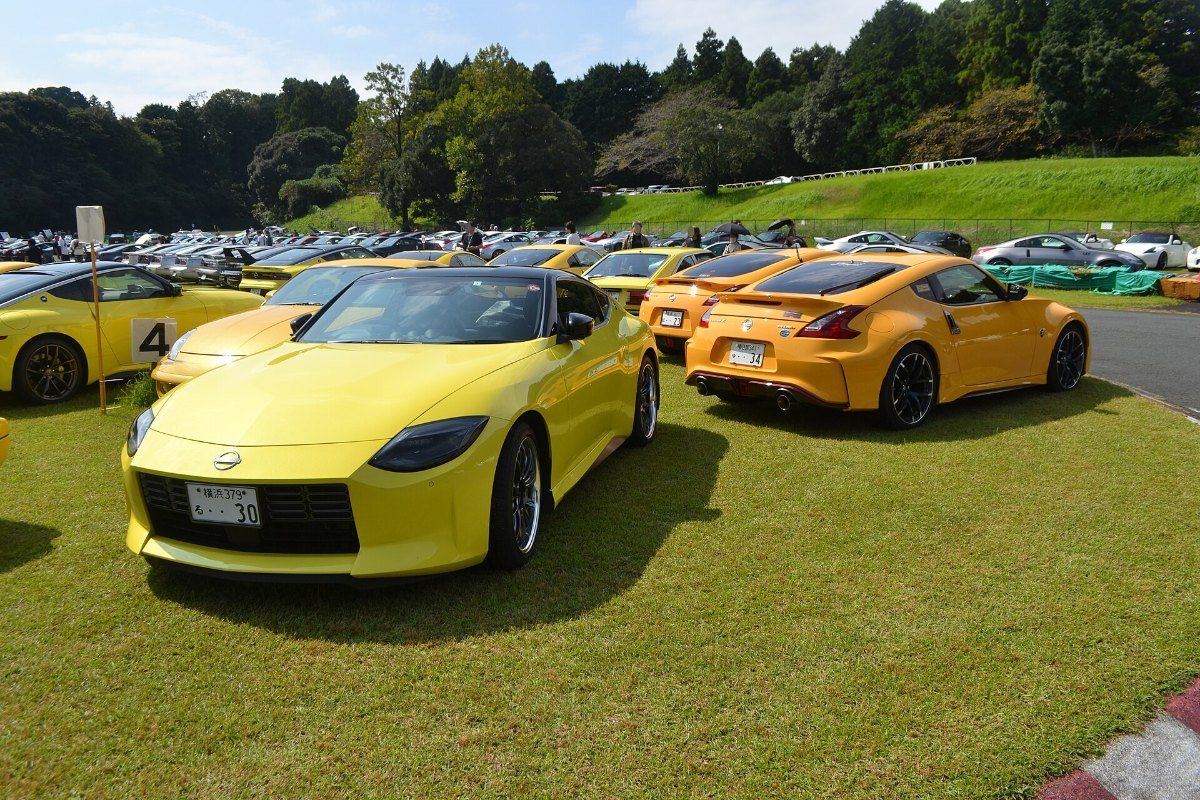
The current car dropped the number from its name. According to the ZCCA, it launched as a 2023 model, and a Heritage Edition in Sight Orange followed for 2024. The club rates the Z NISMO at 420 horsepower and 384 lb-ft of torque.
Nissan’s current Z car lineup page lists the 2027 Z with a twin-turbo 3.0-liter V6. Its rating is 400 horsepower and 350 lb-ft of torque. That’s 250 more horsepower than the 1969 Datsun 240Z made from its 2.4-liter six.
More from Fast Lane Only
- Unboxing the WWII Jeep in a Crate
- 15 rare Chevys collectors are quietly buying
- 10 underrated V8s still worth hunting down
- Police notice this before you even roll window down
This article was created with the help of AI and was reviewed and edited by Fast Lane Only editors before publication.