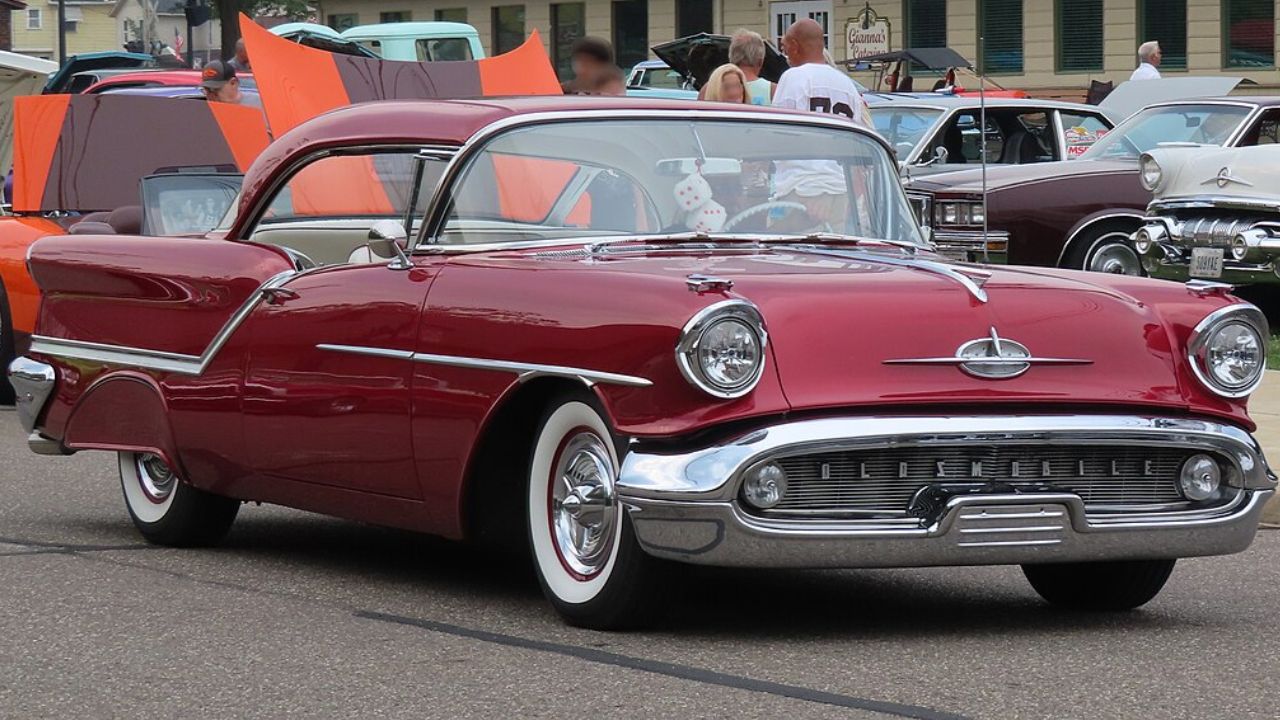
The 1950s represented a period of confidence, creativity, and change in American automotive history. With growing suburbs, expanding highways, and a fascination with the future, carmakers designed vehicles that reflected the optimism of the era. These cars featured bold styling, bright colors, powerful engines, and innovative ideas that captured the excitement of a nation looking ahead.
Chevrolet Bel Air
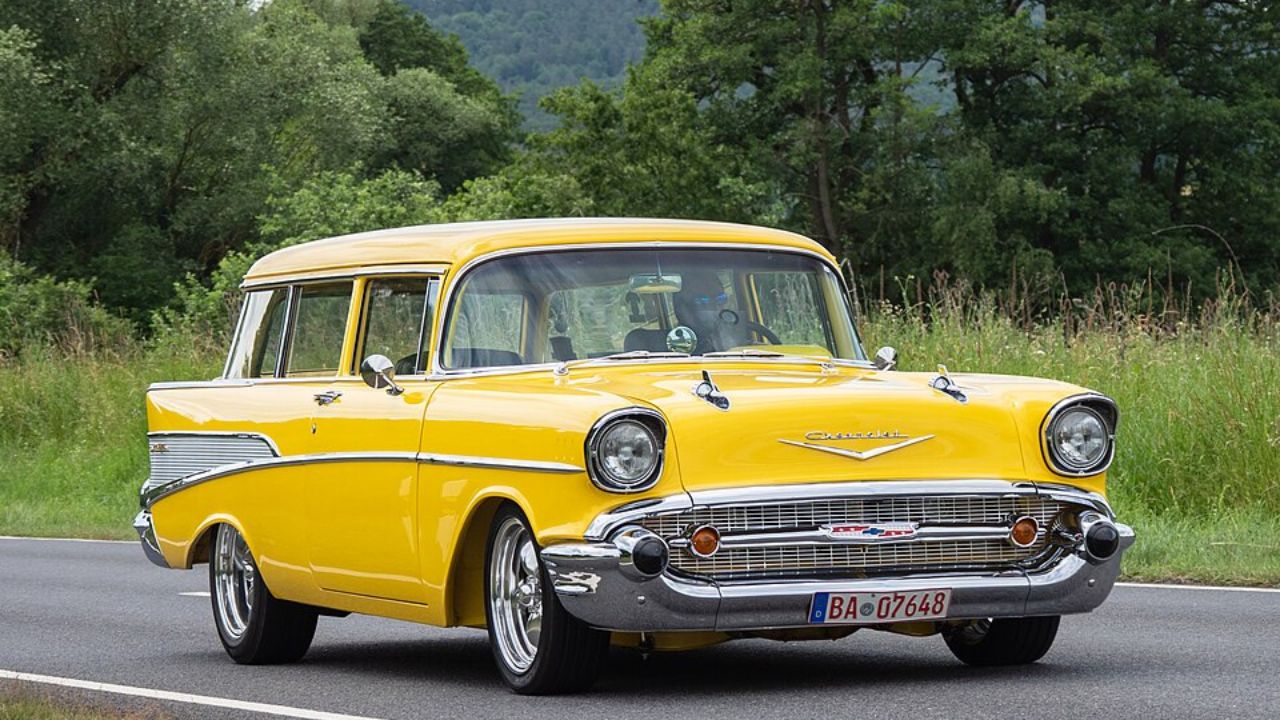
The Chevrolet Bel Air became one of the defining symbols of 1950s American optimism. With its chrome accents, two-tone paint options, and stylish tailfins, it represented the era’s fascination with design and individuality. The Bel Air was not just transportation; it was a statement of success and modern living. Affordable, comfortable, and available with increasingly powerful engines, it appealed to families who wanted a vehicle that matched the excitement of postwar America. Today, the Bel Air remains one of the most recognizable classics from the decade.
Ford Thunderbird
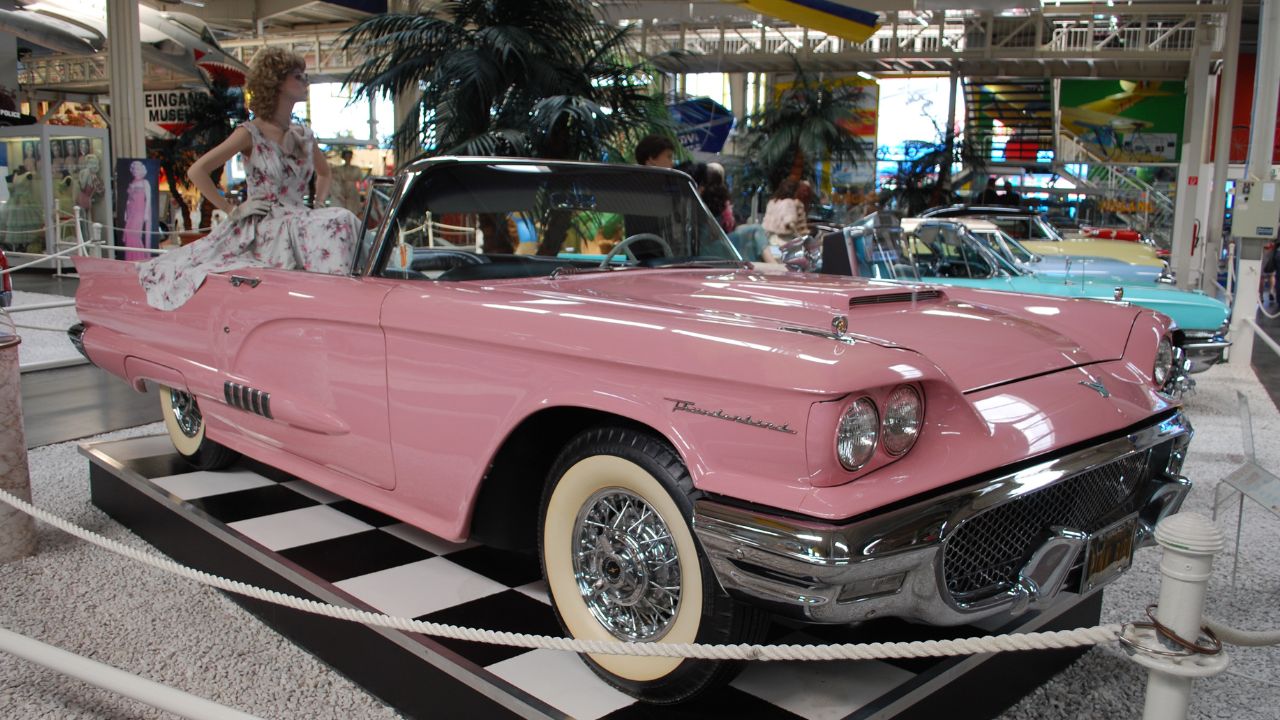
The Ford Thunderbird introduced a new kind of American performance car by blending sports car inspiration with luxury and comfort. Released in 1955, it was Ford’s answer to growing interest in stylish two-seat vehicles. Unlike European sports cars that focused heavily on simplicity, the Thunderbird offered power windows, a V8 engine, and a more relaxed driving experience. Its sleek design and personal luxury appeal captured the confidence of the 1950s and helped create an entirely new vehicle category.
Cadillac Eldorado
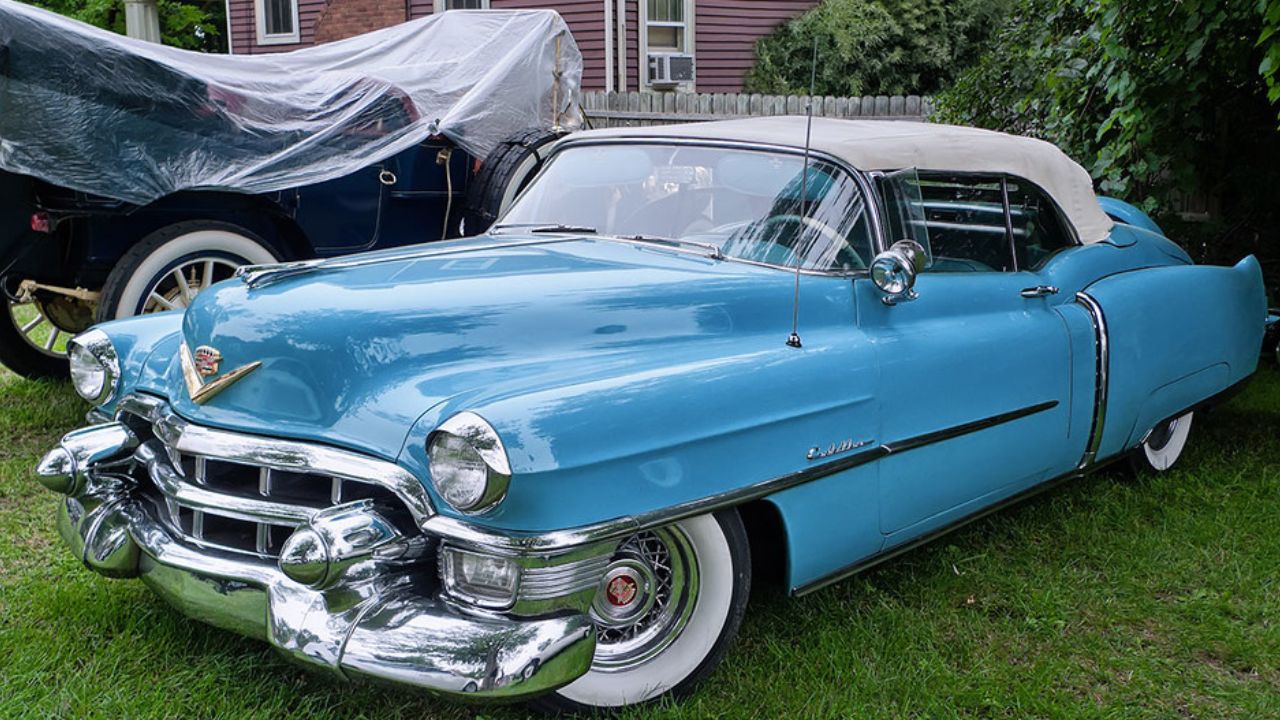
The Cadillac Eldorado represented the height of 1950s American luxury and excess. With dramatic styling, expansive chrome details, and powerful V8 engines, it embodied the era’s belief that bigger and more impressive meant better. The Eldorado featured futuristic design elements inspired by aviation, including sweeping lines and prominent tailfins. It was a car built for people who wanted to make an unforgettable entrance, and it remains one of the strongest examples of Cadillac’s golden age of design.
Chevrolet Corvette C1
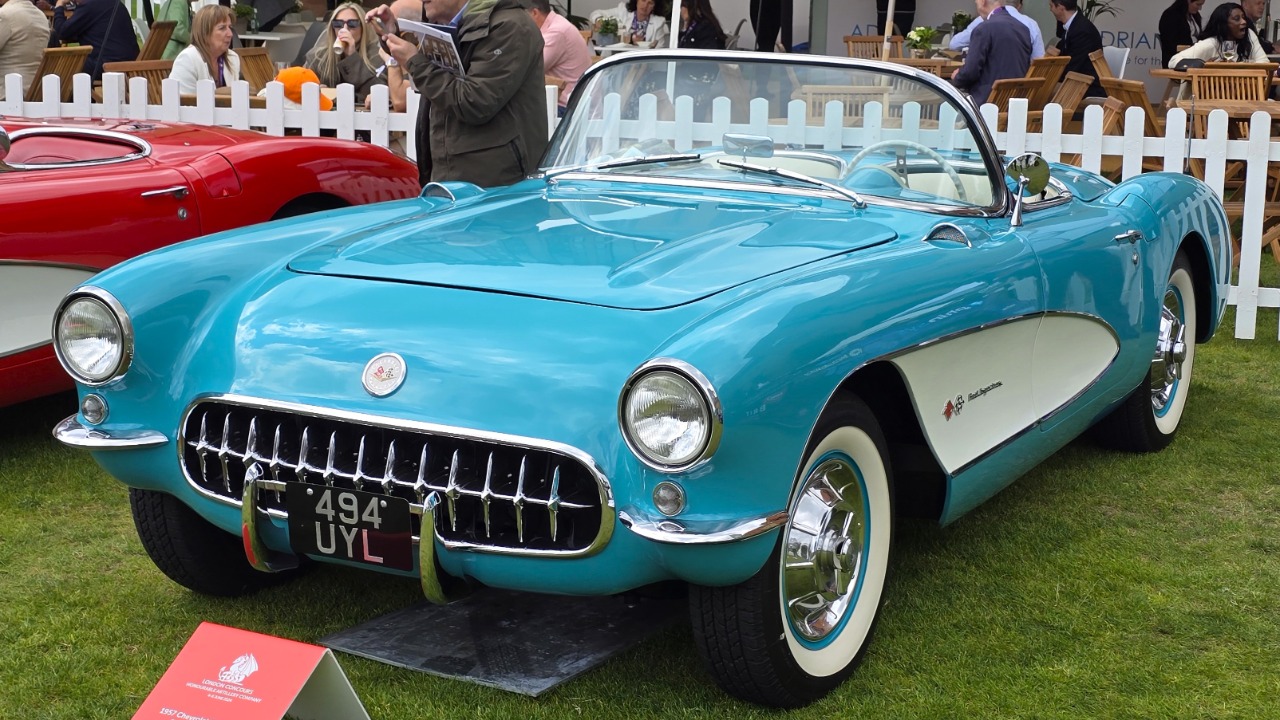
The first-generation Chevrolet Corvette marked America’s entry into the sports car world with a distinctly American personality. Introduced in 1953, it combined fiberglass construction, unique styling, and a growing focus on performance. While early versions needed refinement, the Corvette quickly evolved into a symbol of innovation and ambition. It represented a country eager to compete with European sports car makers while creating something entirely its own. The C1 Corvette remains a treasured reminder of 1950s experimentation.
Chrysler 300 Letter Series
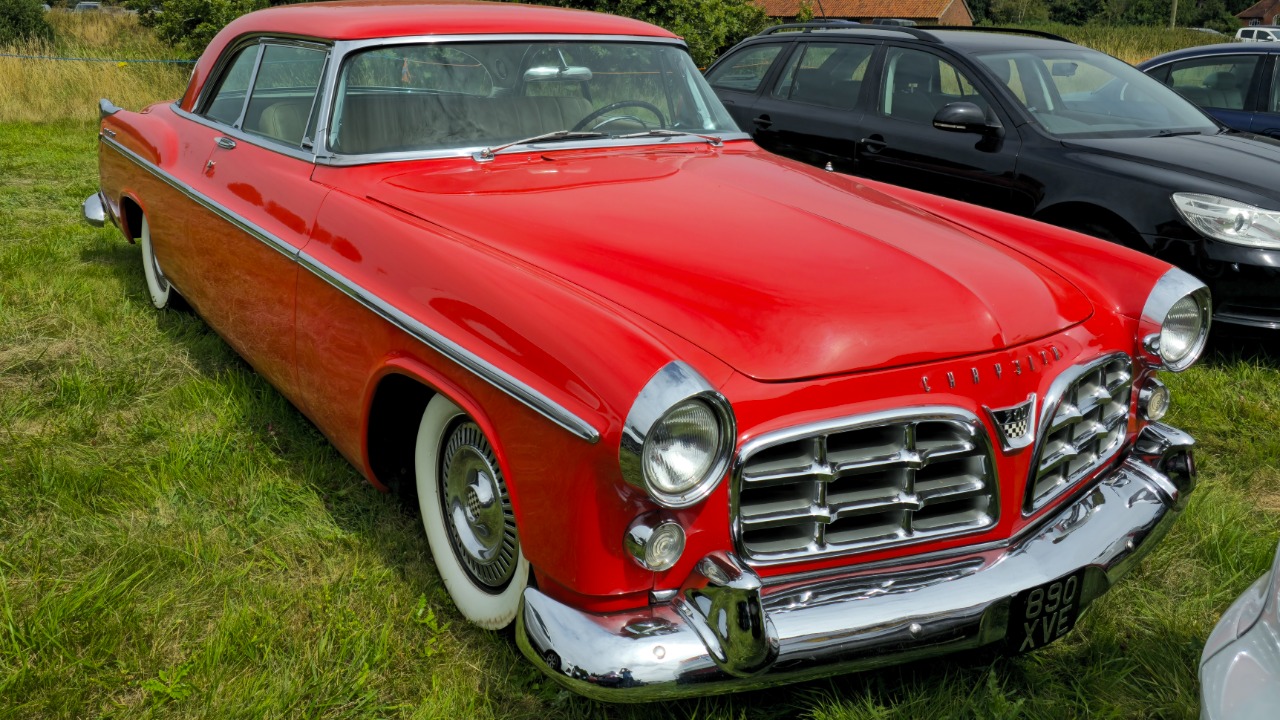
The Chrysler 300 introduced a new level of performance and sophistication during the 1950s. Often called the “beautiful brute,” it combined luxury styling with a powerful Hemi V8 engine and impressive speed. It was a car that proved American manufacturers could build vehicles that were both comfortable and genuinely exciting to drive. The 300 Letter Series reflected the era’s fascination with horsepower, technology, and pushing automotive boundaries, making it an important milestone in performance history.
Studebaker Golden Hawk

The Studebaker Golden Hawk stood out in the 1950s with its dramatic styling and supercharged performance. While Studebaker lacked the resources of larger automakers, it created a memorable car that challenged conventional design. The Golden Hawk featured a bold grille, sweeping lines, and a powerful engine that gave it serious personality. Today, collectors appreciate it as an example of independent American creativity during a decade when automakers competed through innovation and imagination.
Buick Roadmaster
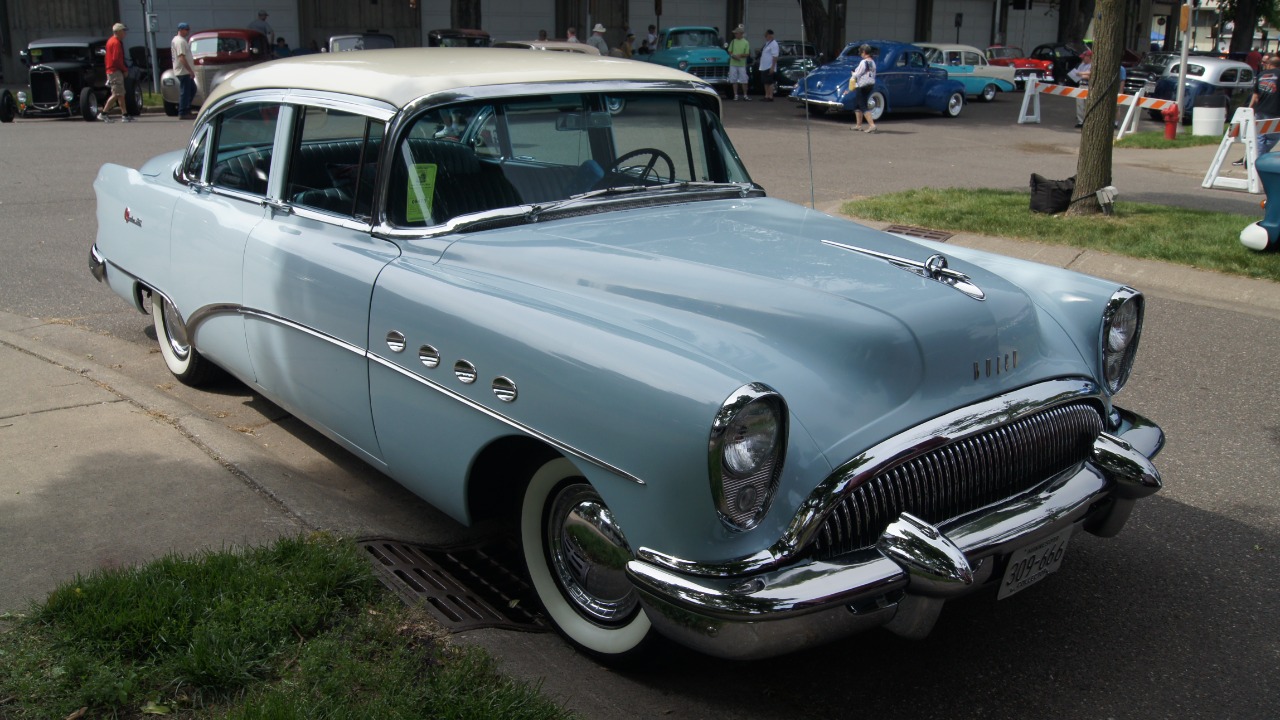
The Buick Roadmaster captured the luxury and confidence of 1950s America with its large proportions, smooth ride, and distinctive styling. Known for its powerful V8 engine and elegant details, it offered buyers a premium experience without reaching Cadillac pricing. Chrome-heavy designs and comfortable interiors reflected a period when cars were designed to impress both inside and out. The Roadmaster remains a symbol of an era when American automobiles were celebrated for their presence and personality.
Pontiac Bonneville
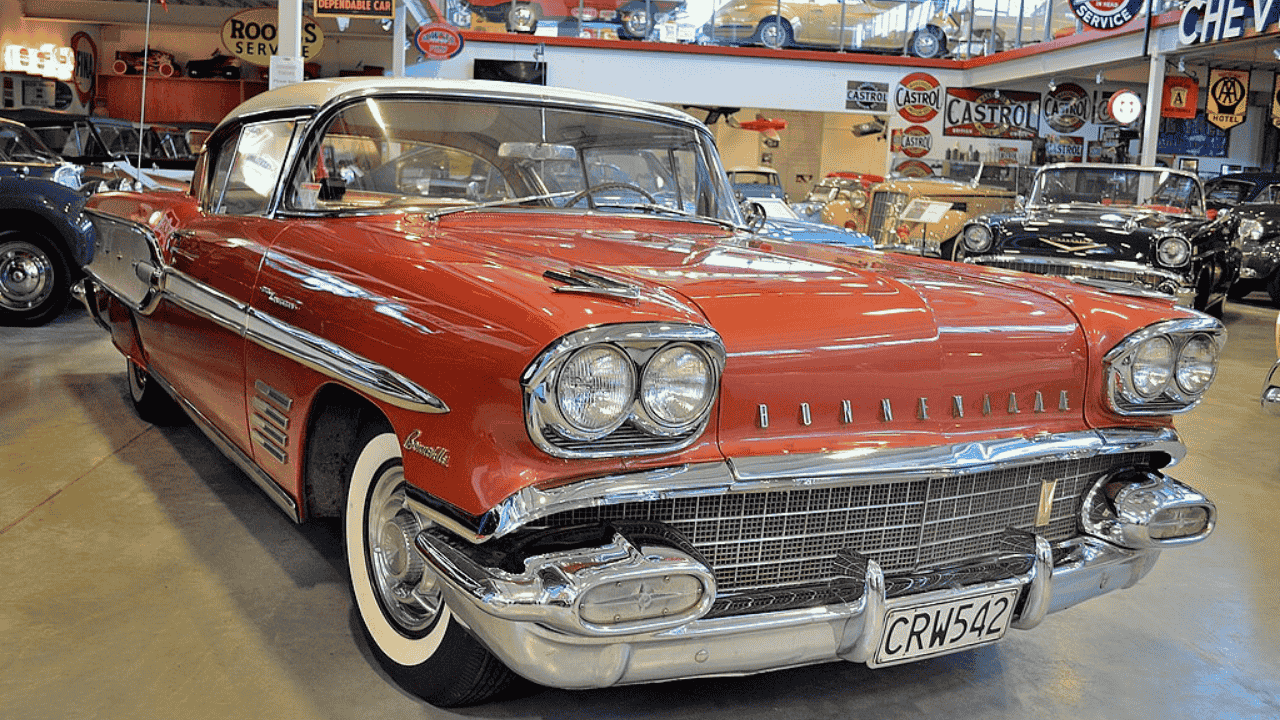
The Pontiac Bonneville represented the performance-focused side of 1950s automotive design. Originally introduced as a limited-production model, it quickly became associated with powerful engines, stylish details, and a youthful image. Pontiac used the Bonneville to build a reputation for excitement and performance, helping transform the brand into a more dynamic competitor. Its combination of luxury, speed, and dramatic styling made it a perfect reflection of America’s fascination with the future.
Lincoln Continental Mark II
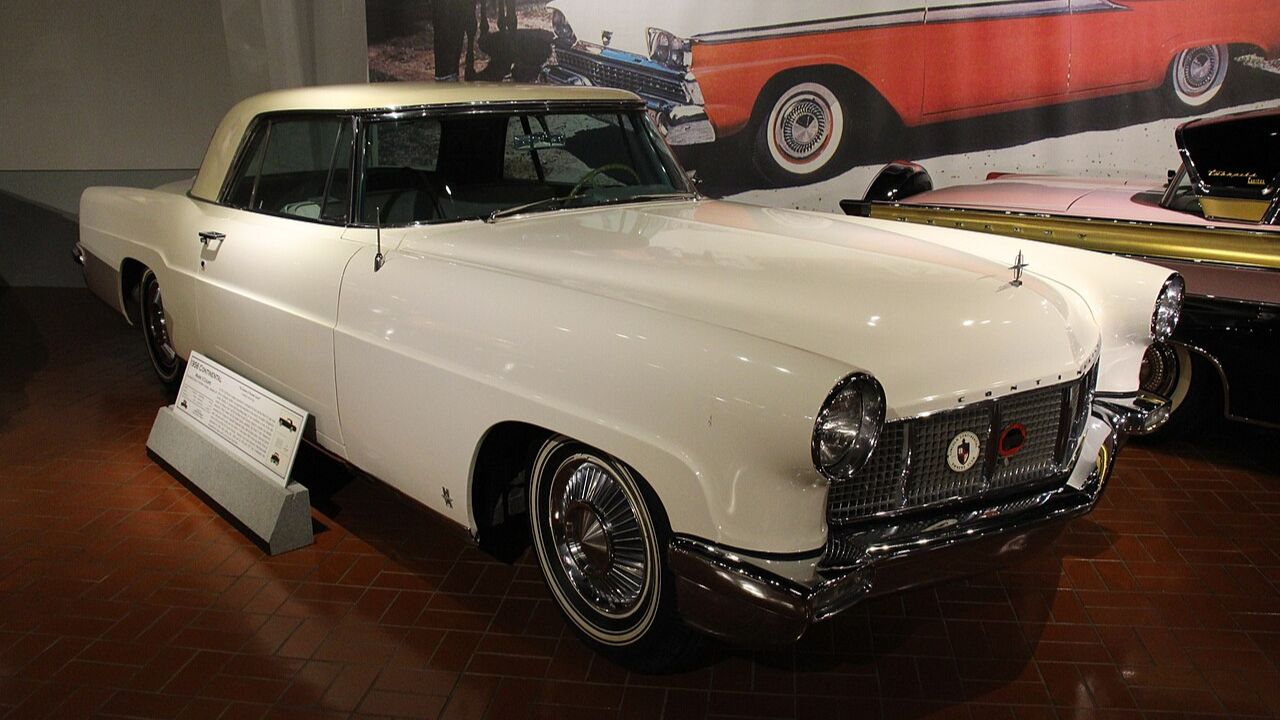
The Lincoln Continental Mark II brought elegance and restraint to an era often associated with excess. Introduced in 1956, it featured sophisticated styling, handcrafted details, and a focus on quality rather than flashy decoration. Although expensive and produced in limited numbers, it represented the highest level of American automotive craftsmanship. The Mark II showed that 1950s optimism was not only about bigger designs and more chrome, but also about refinement and ambition.
Oldsmobile Rocket 88
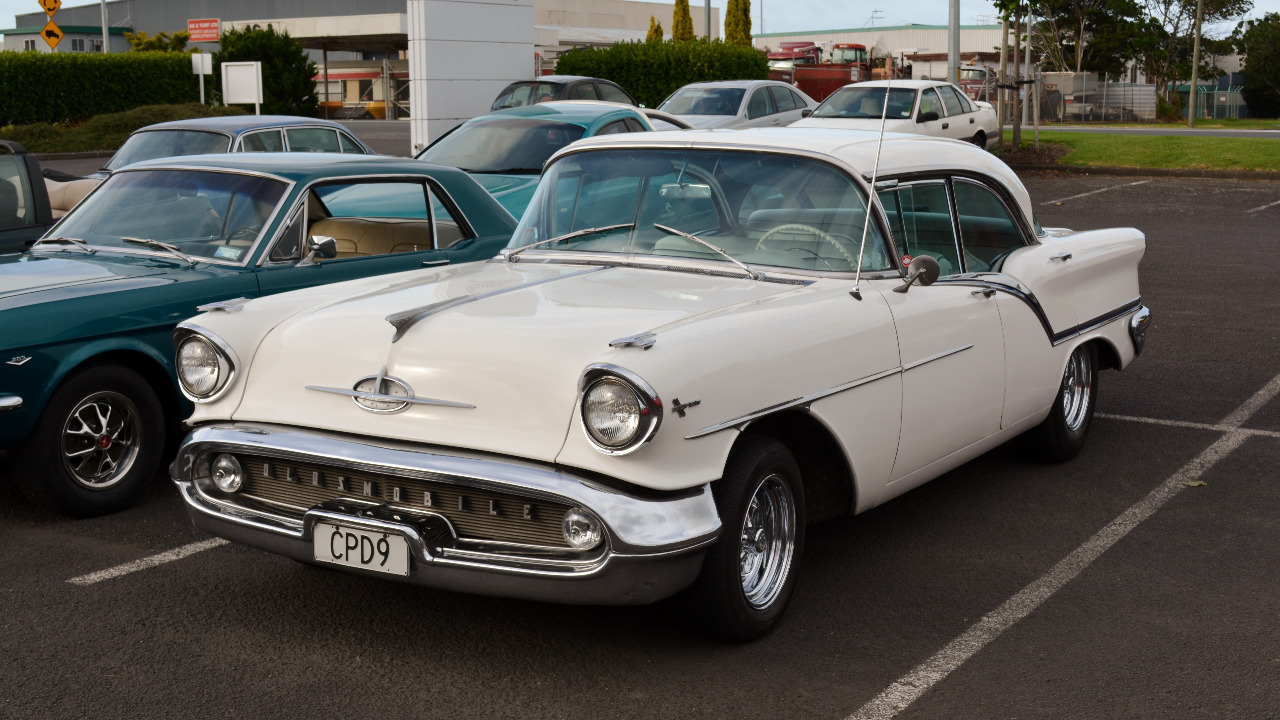
The Oldsmobile Rocket 88 helped define the beginning of America’s performance era. Although introduced before the peak of the 1950s, its influence carried strongly through the decade thanks to its powerful V8 engine and sporty reputation. Often considered one of the earliest muscle cars, the Rocket 88 demonstrated the excitement Americans had for speed and innovation. Its success helped shape the performance culture that would dominate later years and inspired generations of enthusiasts.
More from Fast Lane Only
- Unboxing the WWII Jeep in a Crate
- 15 rare Chevys collectors are quietly buying
- 10 underrated V8s still worth hunting down
- Police notice this before you even roll window down
*Research for this article included AI assistance, with all final content reviewed by human editors.