Compact SUVs promise city friendly footprints while still hauling family gear, sports equipment, or luggage. For shoppers watching their budgets, the most appealing models combine modest pricing with cargo holds that rival those of larger vehicles. The following ten affordable compact SUVs demonstrate how much space manufacturers can carve out behind two rows of seats, often approaching the 70 to 80 cubic feet that some experts describe as typical when rear seats are folded, without straying into full size territory.
Honda CR-V
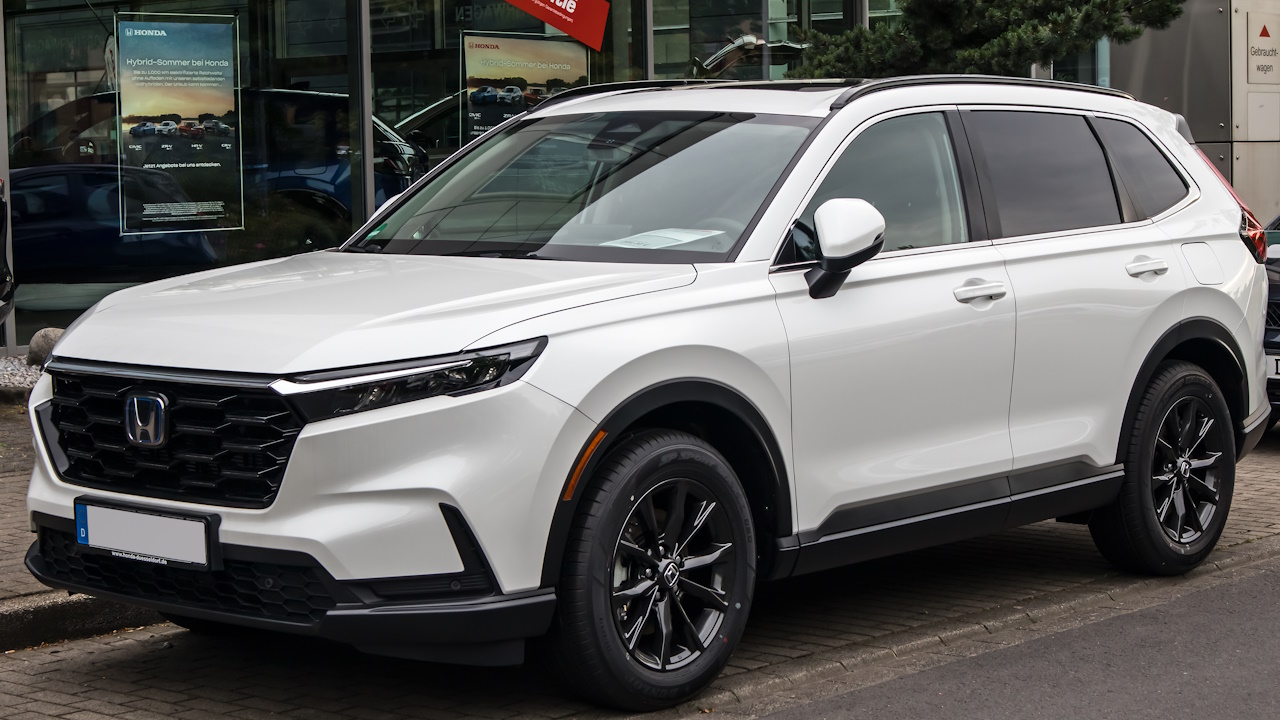
The Honda CR-V has become a reference point for affordable compact SUVs that still feel generous on space. In a detailed cargo and space analysis, analysts describe the Honda CR-V as competing directly with Toyota models while providing family-friendly room and modern safety technology. Separate reporting on small and compact SUVs with the most cargo space lists the Honda CR-V with a maximum cargo figure of 76.5 cubic feet and an iSeeCars score of 8.7, placing it among the strongest performers for utility.
That 76.5 cubic foot Max rating means the CR-V can swallow bulky items that would challenge many sedans or hatchbacks, yet pricing still aligns with mainstream compact SUV expectations rather than luxury territory. For households that need one vehicle to cover commuting, school runs, and long road trips, the combination of a high Score of 8.7, strong safety credentials, and a cabin tuned for five passengers makes the Honda CR-V a practical anchor for this list of affordable cargo leaders.
Toyota RAV4
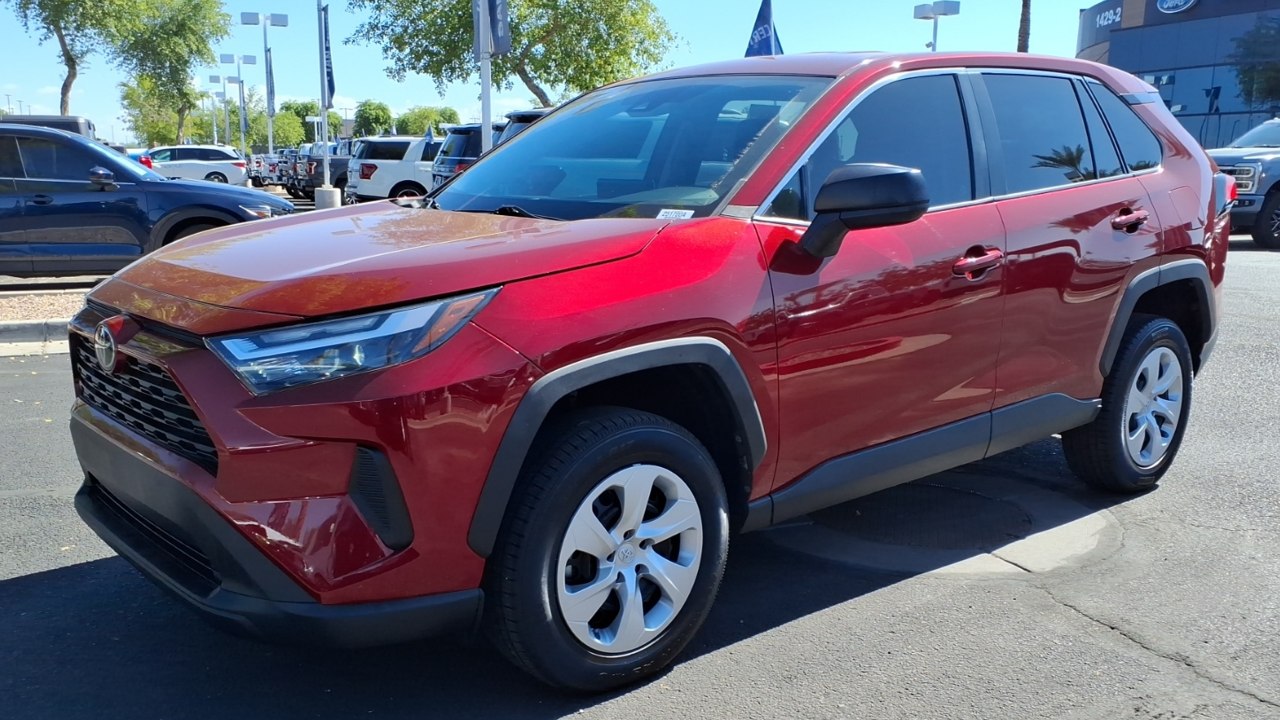
The Toyota RAV4 is one of the Compact crossovers that often defines expectations for the class, and it appears frequently in comparisons that weigh practicality against price. In a direct assessment of the Honda CR-V versus Toyota, reviewers describe how both models offer seating for five, yet passenger comfort and luggage flexibility differ once families start loading strollers or camping gear. A separate guide on compact SUVs with the most cargo space highlights the 2025 Toyota RAV4’s photos and full review, underscoring its strong standing in segment rankings.
Those evaluations emphasize that the RAV4 balances a competitive cargo hold with a reputation for durability and fuel efficiency, attributes that matter to budget conscious buyers. While the Honda CR-V often edges ahead on maximum capacity, the Toyota RAV4 counters with a broad range of trims and hybrid options that keep running costs low. For shoppers who value a familiar nameplate, extensive dealer support, and a cabin that handles family luggage without complaint, the RAV4 remains a logical alternative to the Honda benchmark.
Nissan Rogue
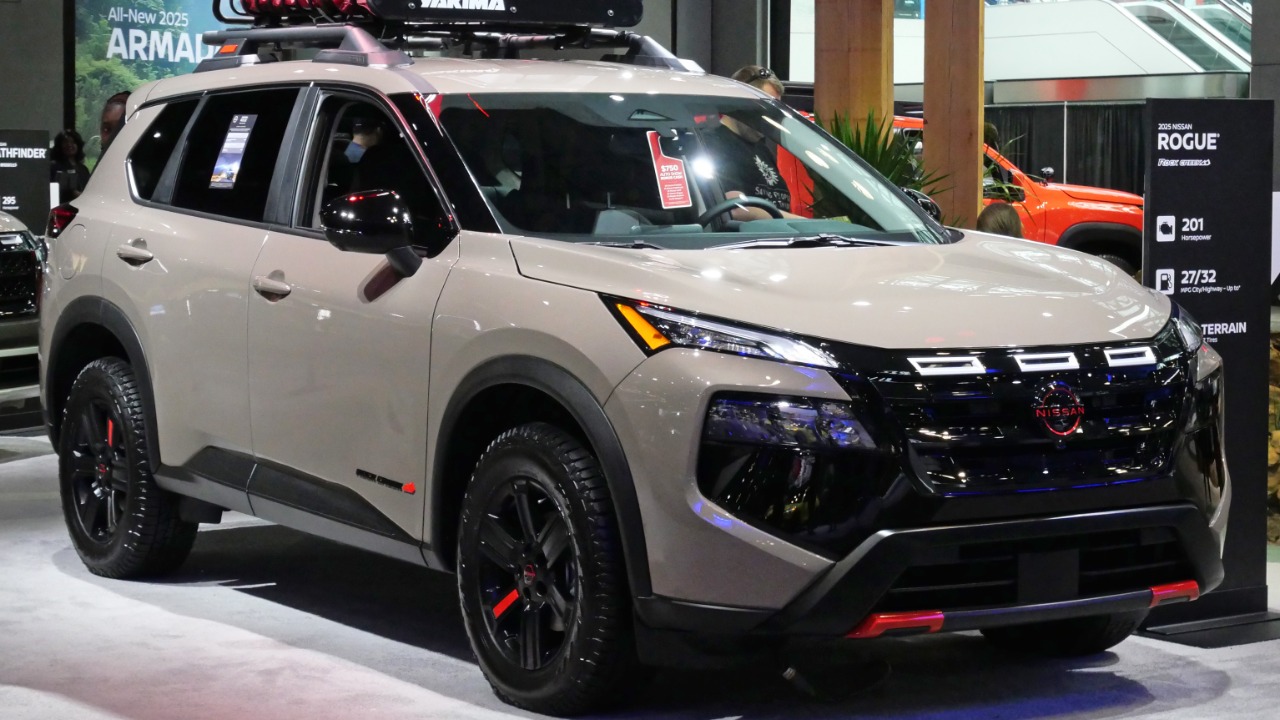
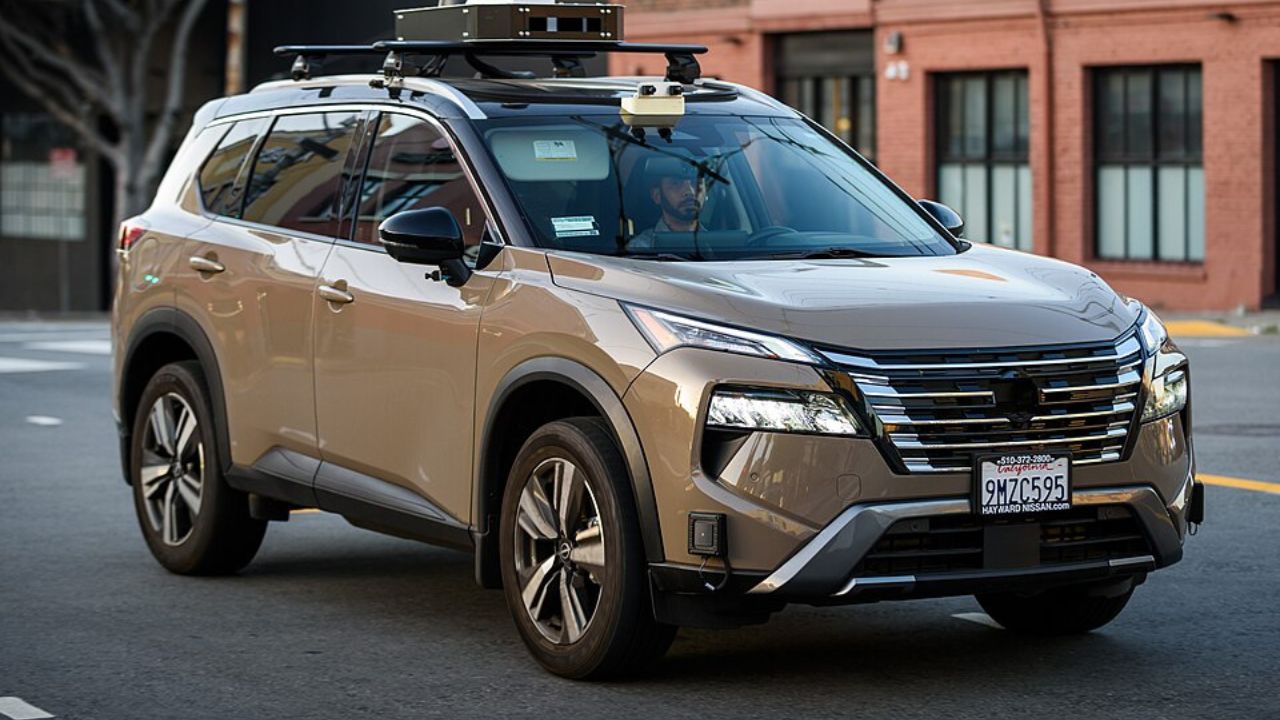
The Nissan Rogue stands out as a compact SUV that quietly delivers generous space and strong efficiency metrics. A comparison of the Honda CR-V against rivals notes that the Nissan Rogue is also a key player and that choosing between the Honda CR-V, Toyota RAV4, and other competitors can be time-consuming for shoppers who prioritize practicality. Another evaluation of gas mileage for small and compact SUVs ranks the Nissan Rogue with an iSeeCars Score of 7.7 out of 10, a Reliability rating of 7.7, Value Retention of 7.9, and Safety of 7.4, while listing its Cargo Volume at 37.5 cubic feet behind the second row.
Dealers highlighting new models under $30,000 describe how the Nissan Rogue offers a starting price below that threshold, along with roughly 70 cubic feet of space when the rear seats are folded. That combination of sub 30,000 dollar pricing, a 37.5 cubic foot standard cargo bay, and available all wheel drive makes the Rogue particularly attractive to families who need more room than a sedan can provide but still want manageable payments. For buyers comparing several compact SUVs, those numbers show why the Rogue deserves a close look.
Hyundai Tucson
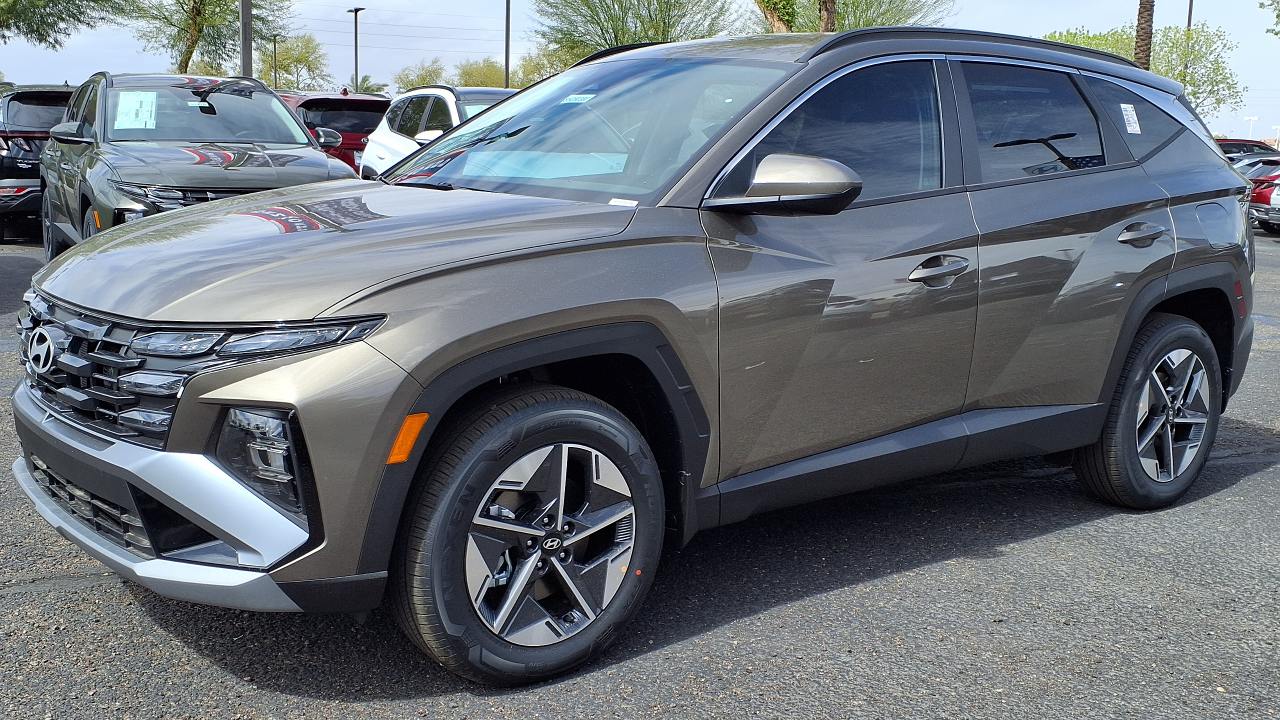
The Hyundai Tucson has evolved into one of the roomiest options in the compact SUV class while remaining accessible on price. A comparison that pits Hyundai against other brands explains that the 2025 Hyundai Tucson offers 38.7 cubic feet of space behind the rear seats, expanding to 74.1 cubic feet with the second row folded, figures that rival some midsize models. Another overview of top family friendly vehicles notes that Hyundai Tucson easily accommodates more than just the basics, describing how Tucson can handle strollers, sports bags, and grocery runs without forcing owners to upgrade to a larger SUV.
Affordability strengthens that appeal. A separate analysis of which Hyundai models represent the Best Compact SUV value points out that Hyundai Motor Company positioned Tucson with advanced safety and driver assist features while keeping pricing competitive. For cost conscious households, the ability to secure 38.7 cubic feet of everyday cargo space and up to roughly 74 cubic feet for moving days or home projects, all within mainstream compact SUV pricing, makes the Hyundai Tucson one of the most compelling all rounders in this segment.
Kia Seltos
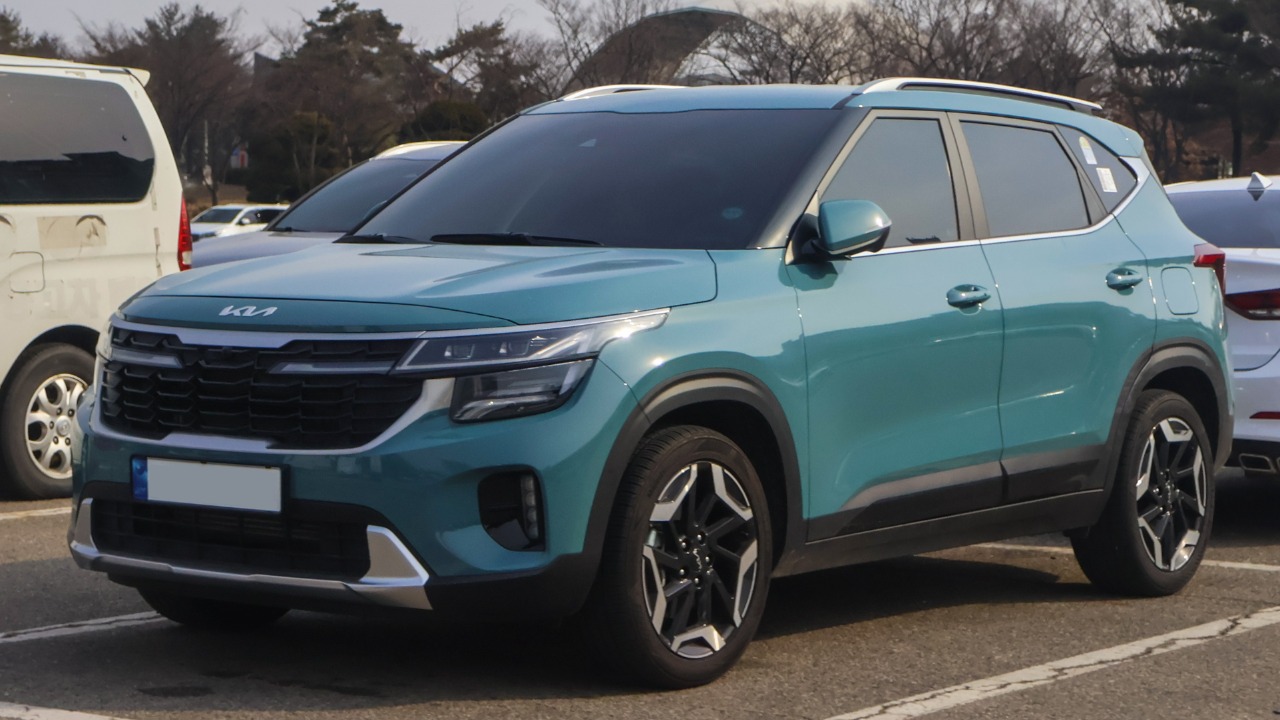
The Kia Seltos is technically on the smaller end of the compact spectrum, yet its cabin packaging delivers cargo numbers that surprise many shoppers. Dealers comparing the 2025 Kia Seltos to the Hyundai Kona explain that its cargo space is among the best in its class, with up to 62.8 cubic feet of storage capacity when the rear seats are folded. A separate comparison that pairs the 2024 model against the Honda HR notes that Cargo Volume The Kia Seltos shines above the Honda HR-V, again citing 62.8 cubic feet behind the first row as a key advantage.
That 62.8 cubic foot figure places the Kia Seltos squarely in the territory that some experts describe when they say compact SUVs often provide around 70 to 80 cubic feet with seats folded, yet the Seltos usually carries a lower starting price than many larger rivals. For buyers who want a maneuverable footprint that still handles weekend projects or long road trips, the Seltos demonstrates how smart interior design can stretch every inch. Its blend of available all wheel drive, modern infotainment, and a cargo hold that rivals bigger vehicles makes it a standout value.
Chevrolet Trax
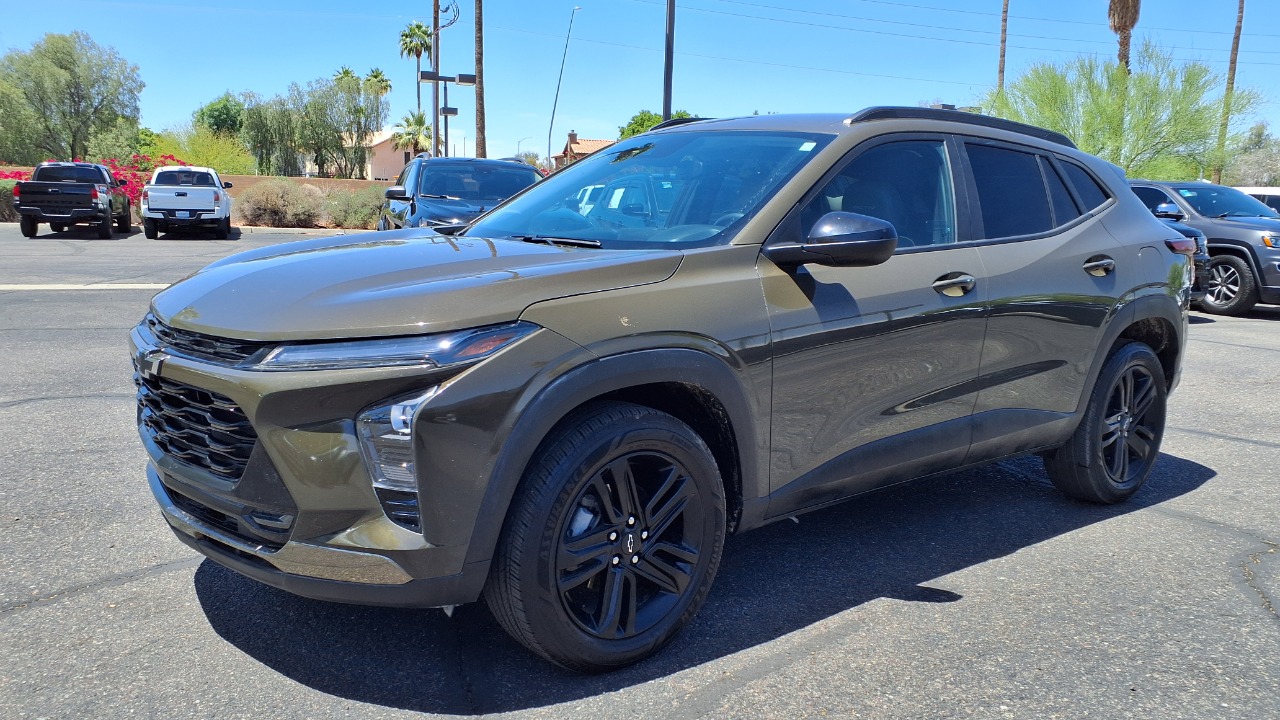
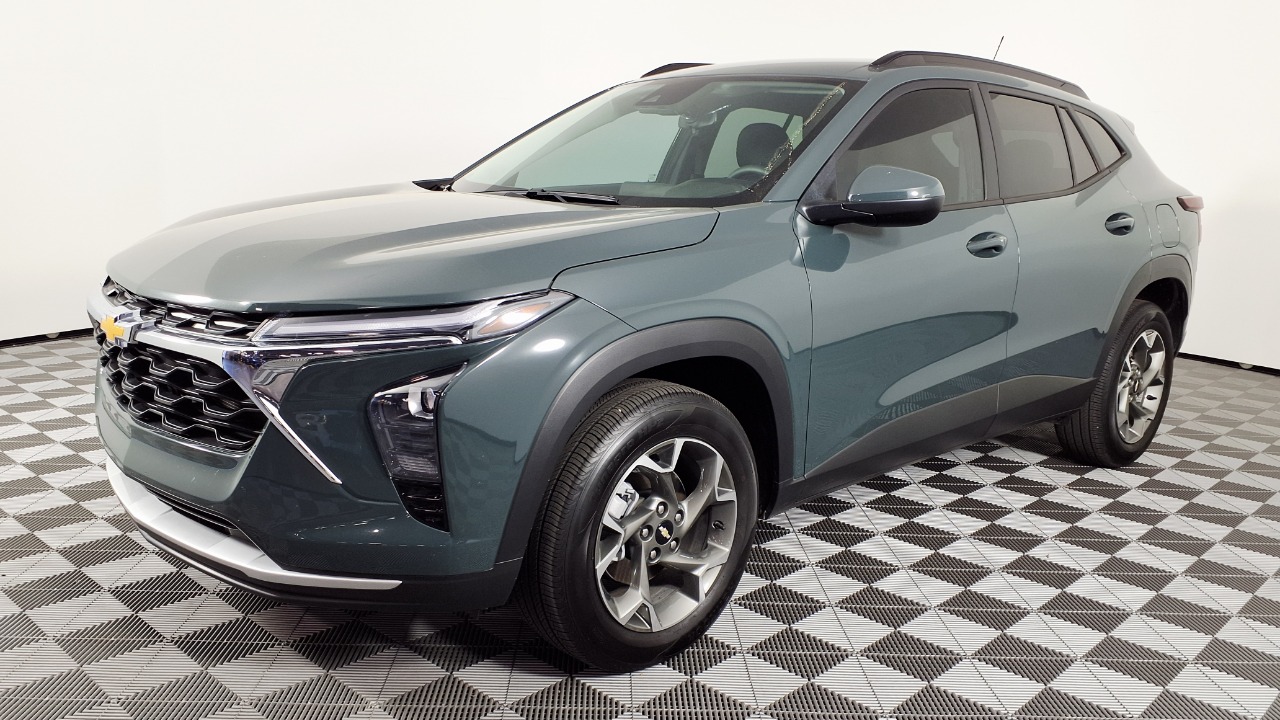
The Chevrolet Trax illustrates how subcompact pricing can intersect with compact style space. A ranking of Top Value Leaders in 2025 singles out the redesigned Chevrolet Trax as one of the best value compact SUVs that year, praising its combination of affordability and capability. Another assessment of the 2025 model describes Chevrolet Trax as one of the most affordable new SUVs on the market, starting at just over 20,000 dollars, and notes that The Trax feels more substantial inside than its price suggests, with a cargo area that can handle daily family duties.
Although exact cubic foot figures vary by configuration, reviewers consistently highlight how the Trax uses a low load floor and wide opening to make the most of its footprint. For urban drivers who need to parallel park frequently but still carry luggage, groceries, or pet crates, that packaging matters as much as raw volume. This approach shows how Chevrolet targeted shoppers who might otherwise choose a small hatchback, offering SUV ride height and flexible rear seats to create a more versatile vehicle for tight city streets and occasional road trips.
Subaru Outback (SUV)
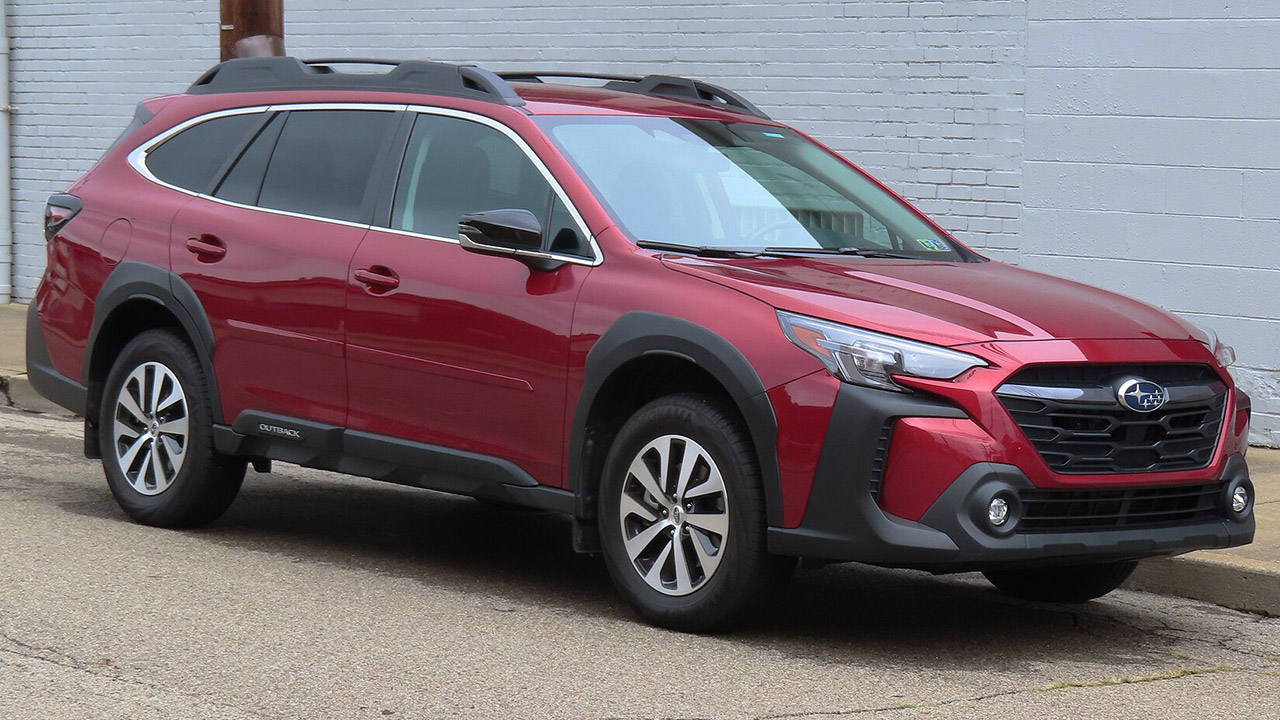
The Subaru Outback occupies a niche between wagon and SUV, yet current lists of Small and Compact models With the Most Maximum Cargo Space explicitly classify Subaru Outback as an SUV and place it near the top. In those rankings, the Outback appears alongside Honda CR and Hyundai Tucson as one of the leading options for buyers who want a long roof profile that swallows camping gear, bicycles, or home improvement supplies. The extended body allows a flat load floor with the rear seats folded, which is particularly useful for long objects.
From a value perspective, the Outback pairs that cargo capacity with standard all wheel drive and a reputation for durability in harsh weather. For families in regions with snow or gravel roads, the ability to carry bulky cargo while maintaining traction can be more valuable than a slightly larger volume figure from a front wheel drive rival. The Outback’s mix of wagon like efficiency and SUV ground clearance shows how creative body styles can deliver both affordability and space without stepping into full size territory.
Subaru Forester
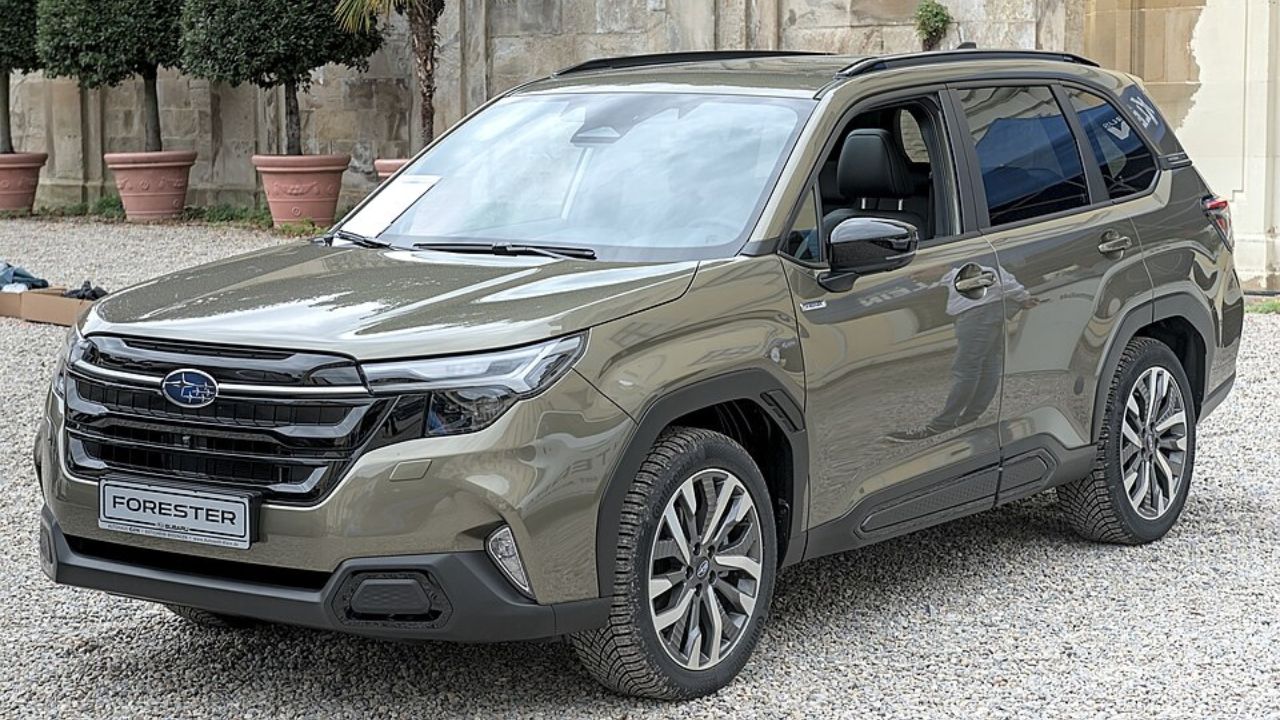
The Subaru Forester is another model that consistently appears on lists of Small and Compact SUVs With the Most Maximum Cargo Space, where it is grouped with Honda CR, Subaru Outback, Hyundai Tucson, and Kia entries. While specific cubic foot numbers are not detailed in those summaries, the Forester’s tall roof and boxy rear opening clearly contribute to its reputation as a gear hauler. Owners who prioritize visibility also appreciate the large glass area, which helps when maneuvering in tight parking lots loaded with luggage.
Affordability remains central to the Forester’s appeal. Pricing typically undercuts many midsize SUVs while still including standard all wheel drive and a suite of driver assist technologies that support family use. For outdoor oriented buyers who regularly carry bikes, kayaks, or camping equipment, the Forester’s combination of a square cargo hold, fold flat rear seats, and reasonable running costs makes it a practical choice. Its presence alongside other leading compact SUVs in cargo focused rankings signals that shoppers do not need to sacrifice space to stay within a modest budget.
Honda CR-V Hybrid
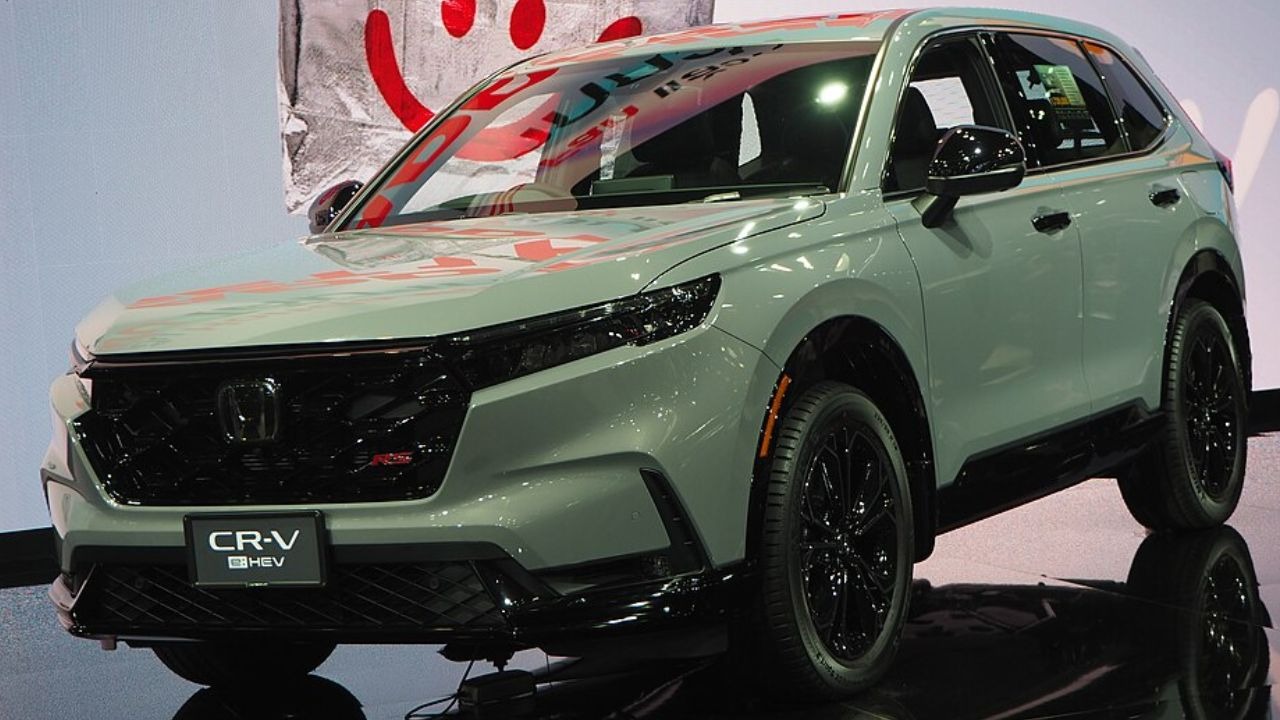
The Honda CR-V Hybrid builds on the spacious foundation of the standard Honda CR while adding improved fuel economy. A Compact SUV Comparison Guide that highlights The Hybrid Champions lists the Honda CR Hybrid with a Starting MSRP of 36,045 dollars and an estimated 40 miles per gallon, describing it as an example of Overall Excellence in the segment. Separate coverage of Small and Compact SUVs With the Most Maximum Cargo Space confirms that the broader Honda CR family reaches a Max cargo space of 76.5 cubic feet and earns a Score of 8.7, reinforcing its utility credentials.
Another comparison focused on Interior Comparison between the 2025 Honda CR-V and a Mazda rival notes that the CR-V has a cargo area that climbs to 76.5 cubic feet when the rear seats are folded. That figure applies to the platform shared with the hybrid variant, so buyers can expect similar practicality alongside the hybrid’s fuel savings. For commuters who log high annual mileage yet still need room for family gear, the CR-V Hybrid’s blend of 40 mile per gallon efficiency, a 36,045 dollar entry point, and up to 76.5 cubic feet of cargo space presents a compelling long term value.
Compact SUV class benchmark
Looking beyond individual nameplates, the compact SUV category itself sets expectations for what affordable utility should deliver. A guide explaining which size of SUV fits different needs describes how a compact SUV is a step up from subcompact models, with five seats, more rear passenger room, and larger cargo space than the average smaller vehicle. Another comparison of compact versus subcompact models notes that when it comes to cargo space, compact SUVs have the upper hand and often provide around 70 to 80 cubic feet of room with the rear seats folded, enough for luggage, shopping bags, or even some furniture.
Those benchmarks help explain why vehicles like Honda CR-V, Toyota RAV4, Nissan Rogue, Hyundai Tucson, Kia Seltos, Chevrolet Trax, Subaru Outback, Subaru Forester, and Honda CR-V Hybrid resonate with budget focused buyers. A separate assessment of Passengers and cargo in three leading models points out that All offer seating for five, but comfort and cargo flexibility vary, which is where careful shopping pays off. For consumers, understanding that compact SUVs can legitimately approach 70 to 80 cubic feet of space while staying within mainstream pricing clarifies why this segment has become the default choice for many households.
More from Fast Lane Only