Erik Carlsson won the Monte Carlo Rally in 1962 and 1963 driving a Saab 96 with a tiny two-stroke engine. That small Swedish car beat far bigger machines on snow and ice. For many enthusiasts, it summed up everything Saab stood for: clever engineering, front-wheel drive and a stubborn refusal to follow the crowd.
The company kept that spirit alive for decades, from three-cylinder two-strokes to turbocharged hatchbacks. However, many of its most interesting models are fading from memory. Some sold only in small numbers, while others carried names most people never heard.
These are our picks for 10 Saabs worth remembering, from a handful of 1950s roadsters to a turbo wagon built in the brand’s final years. Each choice is our opinion. The engines, output figures and production numbers behind them come from period specifications and Saab histories.
1. 1956 Saab Sonett Super Sport
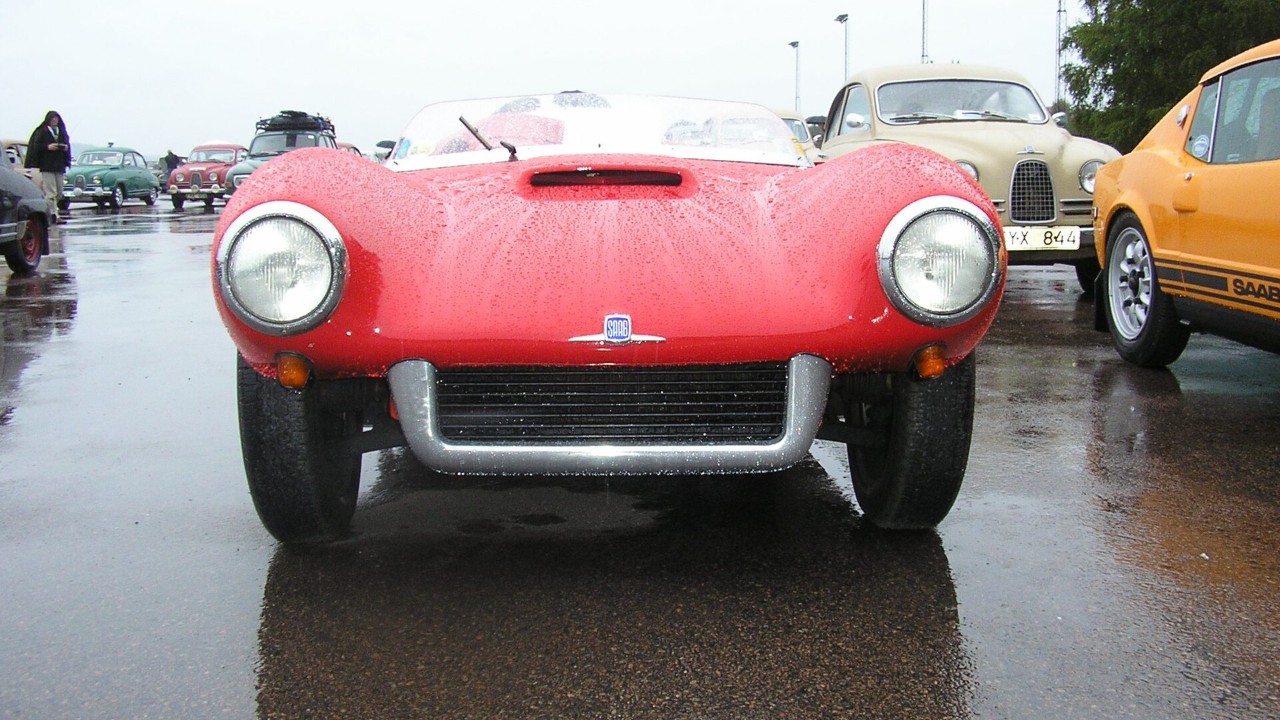
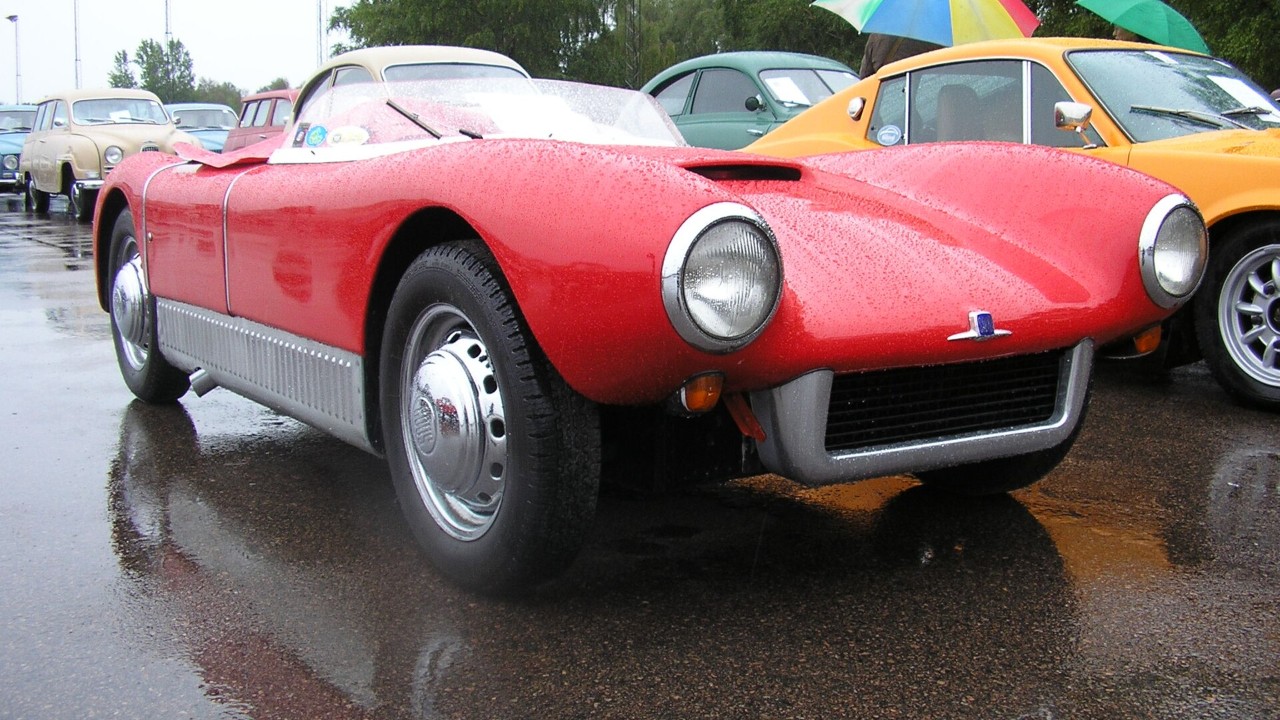
The first Sonett, also known as the Saab 94, started life in a barn in Åsaka. Saab engine developer Rolf Mellde and a small team built the two-seat roadster, while Sixten Sason designed it. Its chassis used riveted aluminum sections in a stressed-skin design, a method borrowed from aircraft building. That chassis weighed less than 70 kg on its own.
A fiberglass body sat on top, and the whole car weighed about 600 kg. Power came from a 748 cc three-cylinder two-stroke tuned to 57.5 PS. Saab made only six cars between 1955 and early 1957, and all of them were right-hand drive. The original prototype, known as No. 1, served as the reference for the other five.
The racing plan fell apart when competition rules changed to let modified production cars into the classes Saab had targeted. In early 1958, management shelved the roadster and chose to build the GT750 instead. In our view, the Sonett Super Sport is still one of the purest expressions of Saab’s aircraft roots. You’ll likely never own one, but it’s worth remembering every time a lightweight sports car makes headlines.
2. 1959 Saab 93B GT750
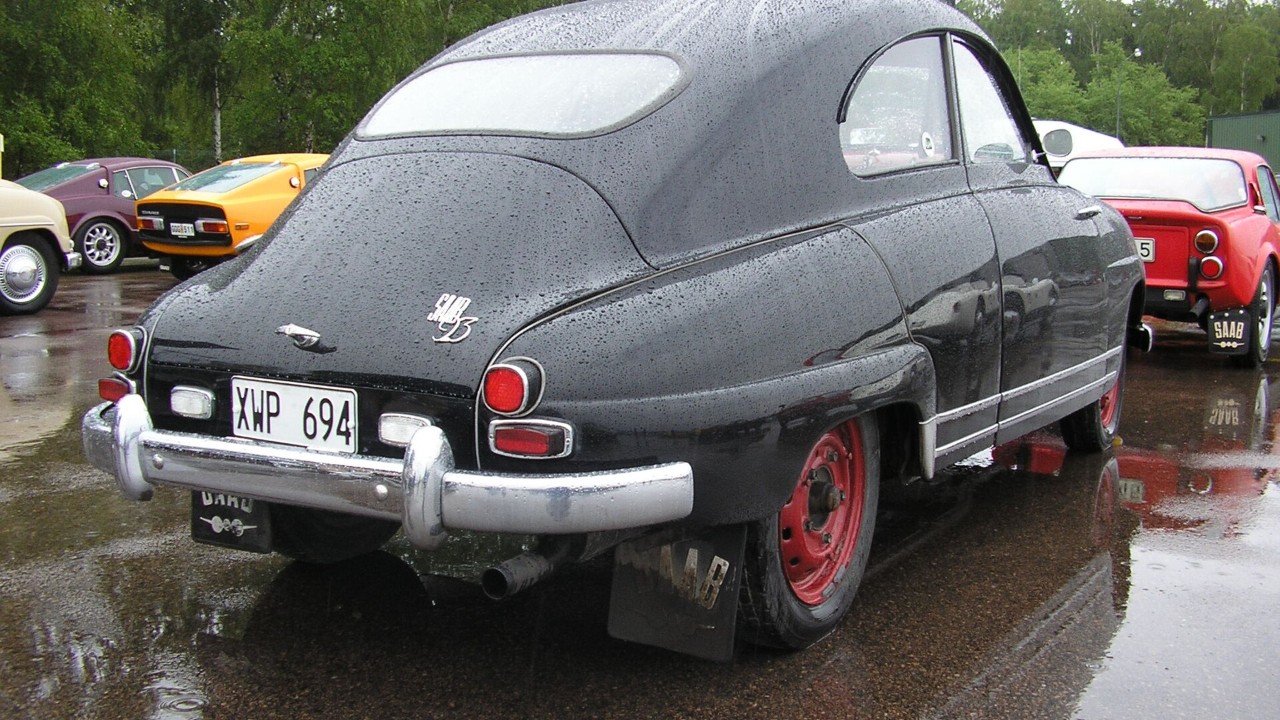
Saab built the 93 from December 1955 to 1960, and the 93B gained a one-piece windshield from September 1957. The sporty version made its debut at the New York Automobile Show in April 1958 as the Gran Turismo 750. According to the Saab Museum’s history of the GT750, Saab pitched it specifically at the growing US market.
The museum says the twin-carburetor engine made 50 hp, and an optional tuning kit raised that to 55 hp in the GT750 Super. The car came with a Halda Speedpilot, a wooden steering wheel and front seats adjustable to 14 positions. However, it had only three forward speeds, and the engine came alive only above 3,400 rpm. The museum suggests shifting at around 5,000 rpm.
Saab built about 600 GT750s in 1958 and 1959, and 546 of them went to the US. That makes the GT750 an important part of Saab’s American story. In our opinion, it’s also the first true performance Saab you could buy. If you find one, have a marque specialist confirm its history before you buy, because GT-specific parts are scarce.
3. 1963 Saab GranTurismo 850
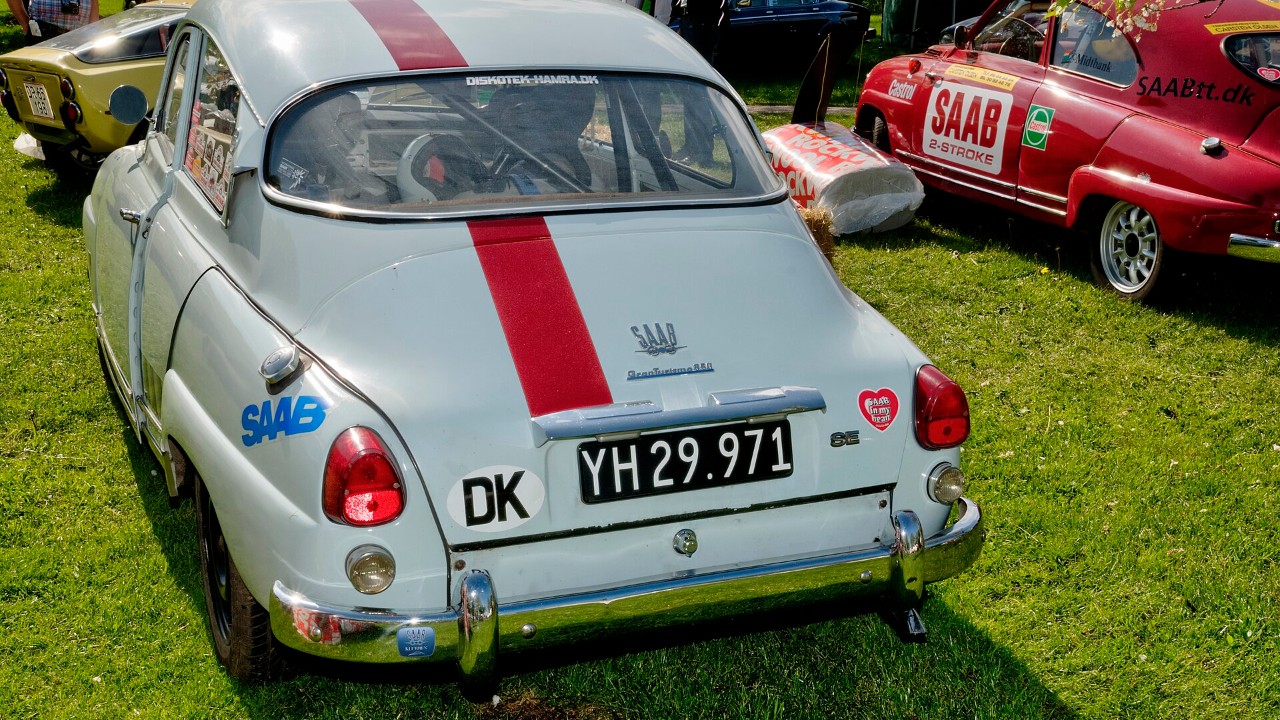
From 1963, American buyers knew the quick Saab 96 as the Granturismo 850. Its 841 cc three-cylinder two-stroke used one Solex carburetor per cylinder. At launch, it made 57 hp, and Saab raised the rating to 60 hp for 1965.
The equipment list was serious for a small sedan. According to Lancaster Insurance’s profile of a 1964 GT850, the car had front disc brakes, a rev counter and Reutter reclining front seats. Lancaster also reports a 90-mph top speed. The example in that story sold new in New York in January 1964 for $2,842, including an optional Blaupunkt radio. Later, it spent 46 years with one owner, a dealership sales manager who bought it in 1973.
The GranTurismo 850 deserves remembering because it brought a genuine rally car to American showrooms. Lancaster notes that the US name honored Carlsson’s rally victories. In our view, few cars of the era offered so much engineering in such a small package. Our tip: two-stroke Saabs need the right oil mix and regular attention. A car with a fresh engine rebuild and proper records is worth paying extra for.
4. Saab 96 Sport
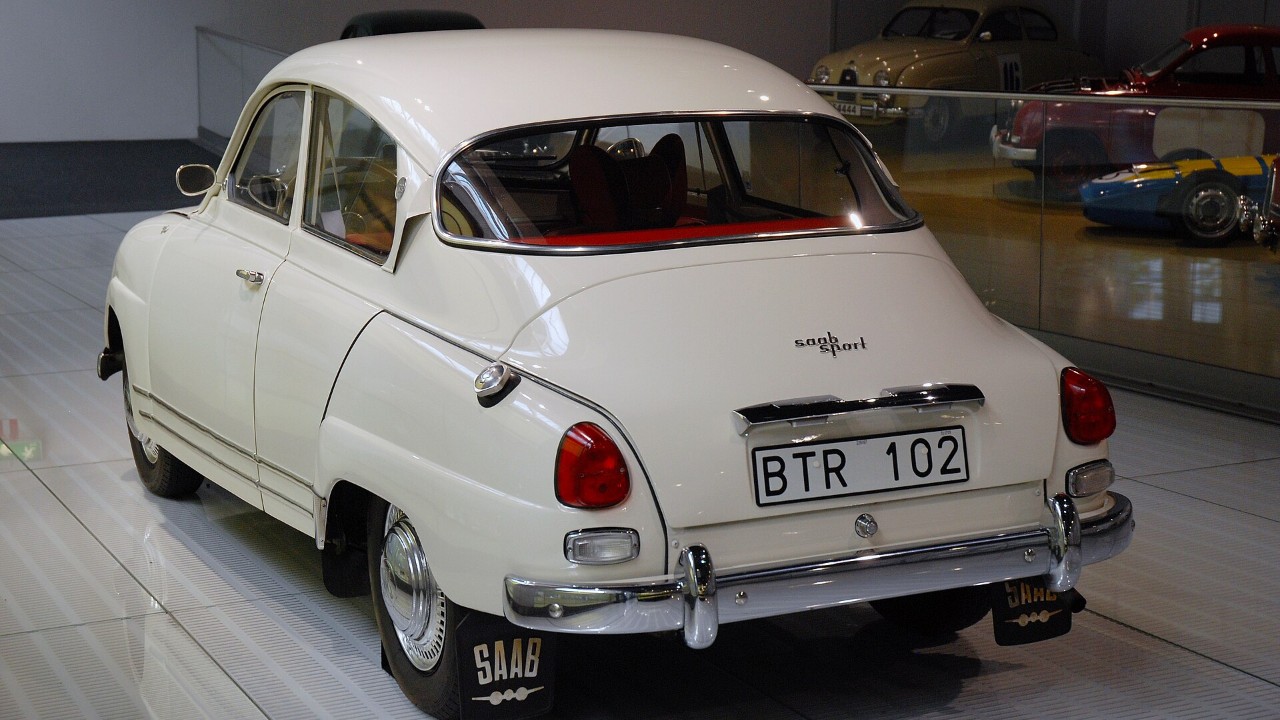
Saab introduced the Sport version of the 96 in 1962. It used the 841 cc two-stroke triple, with triple carburetors and an oil-injection system. That meant drivers no longer had to mix oil into the fuel by hand. The car in our photo lives in the Saab Car Museum.
The Sport wasn’t cheap, though. Lancaster Insurance reports that a 1965 UK Saab Sport cost £1,139, which was £190 more than a standard 96. By comparison, a Mini Cooper S cost £778 at the time. In other words, Saab asked buyers to pay a premium for its rally-bred engineering. That’s a big gap for a small car.
So why do we think the Saab 96 Sport deserves a spot here? Because it shows how seriously Saab treated performance in a small family car. Meanwhile, Erik Carlsson’s victories in the RAC Rally in 1960, 1961 and 1962 gave the name real credibility. If you want one, find a car with its oil-injection system intact and working. Also, check for rust in the floors and sills, which take a beating in a car this age.
5. Saab Monte Carlo 850
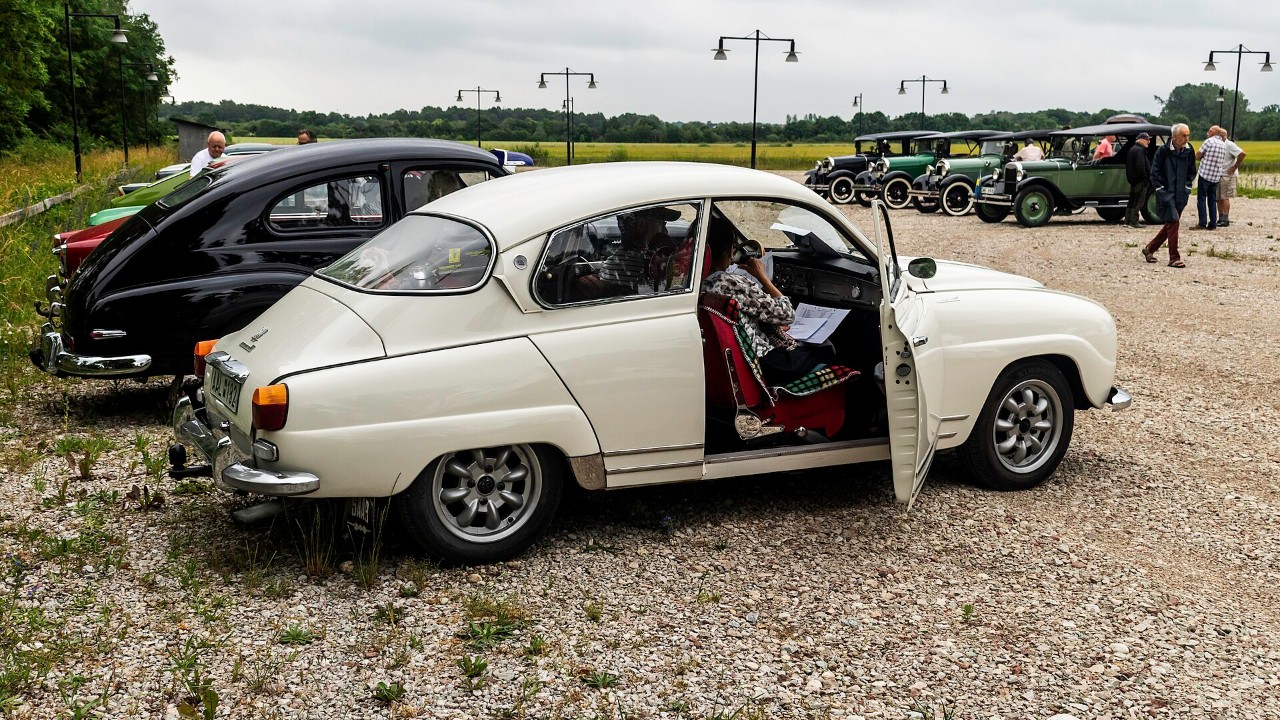
Erik Carlsson’s Monte Carlo Rally wins in 1962 and 1963 made Saab famous far beyond Sweden. So, from the 1966 model year, Saab named all market variants of its sporty Saab 96 the Monte Carlo 850. It was a clear tribute to Carlsson’s back-to-back victories.
The Monte Carlo 850 marked the end of the line for Saab’s fast two-strokes. For 1967, Saab replaced them with a Ford Taunus V4 version rated at 65 hp. Overall, Saab built 547,221 examples of the Saab 96 between 1960 and January 1980. The V4 version made more power, yet we think the two-stroke is the more characterful car.
That timing makes the Monte Carlo 850 special to us. It’s the final version of the two-stroke rally Saab before the four-stroke era began. We think it’s the most collectible of all the sporty 96s, because it carries the famous name and the original engine concept. Our advice: buy the most original car you can find, and avoid examples converted to V4 power if you want the true experience.
6. 1967 Saab 95 station wagon
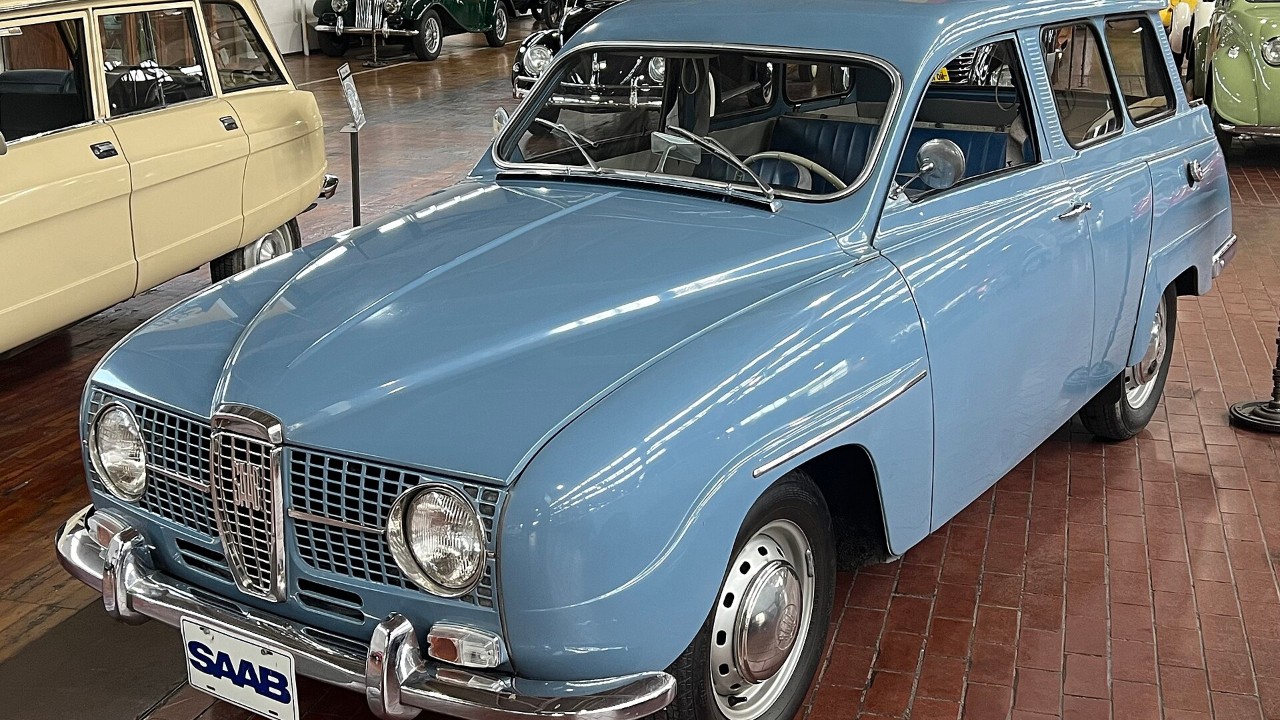
The Saab 95 was a small two-door wagon that seated seven, thanks to a rear-facing folding seat. Saab introduced it in 1959, although only 40 cars were made that first year. At first, it used an 841 cc three-cylinder two-stroke. From 1967, buyers could also get the four-stroke Ford Taunus V4.
The 95 had some clever touches, too. A handle on the firewall engaged a freewheel, so drivers could coast downhill without stressing the two-stroke engine. In addition, the 95 got a four-speed gearbox before the Saab 96, so rally drivers used it as well. The example in our photo sits in the Lane Motor Museum.
In our view, the 95 is the forgotten hero of Saab’s early years. It packed seven seats into a small, sturdy body that could also handle a rally stage. Saab built 110,527 of them, and production ended in 1978 with only 470 cars that year. Our buyer tip: check the rear-facing seat is present and complete. Saab dropped it in 1976, so the seven-seater is the version worth seeking out.
7. 1978 Saab 99 Turbo CombiCoupe
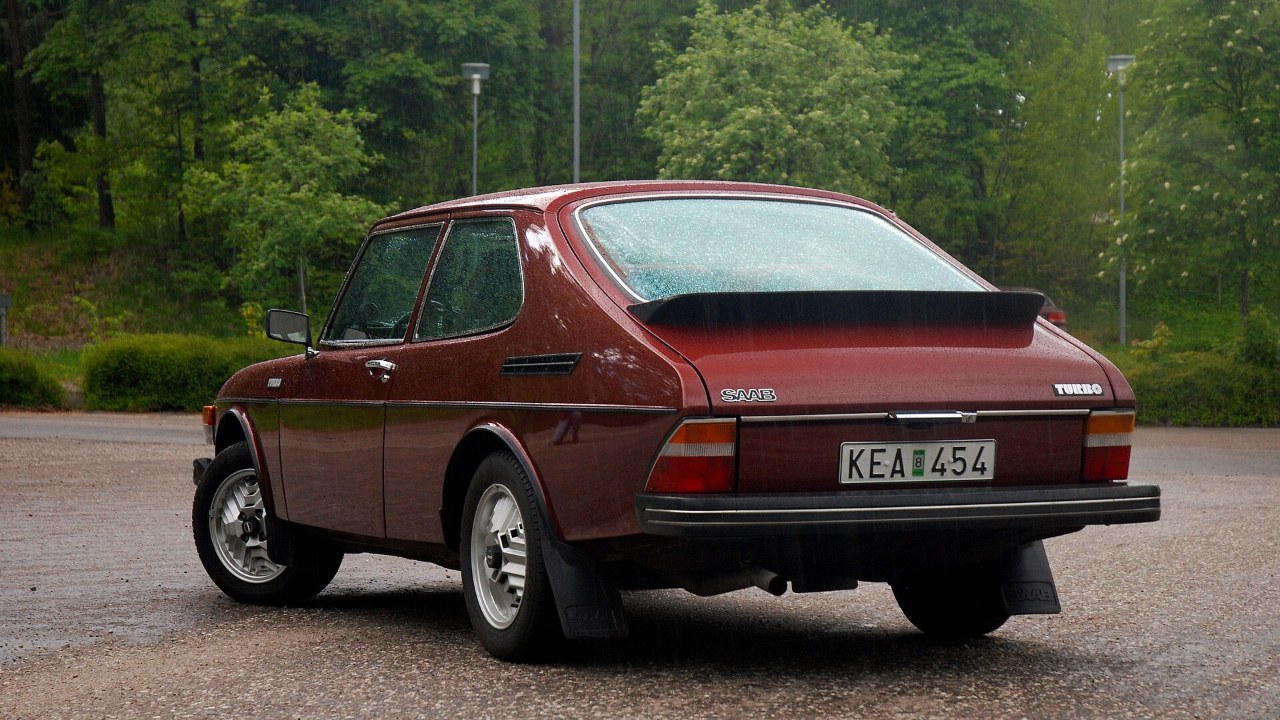
Saab built the 99 from 1968 to 1984. It started with a Triumph slant-four, but from September 1972 it switched to its own 1,985 cc engine to fix reliability problems. In January 1974, Saab added a three-door hatchback called the Combi Coupé, about 11 cm longer than the sedan.
Then came the Turbo. After building 100 pre-series cars in 1977, Saab launched the 99 Turbo in 1978. Its turbocharged two-liter engine, fed by a Garrett AiResearch turbo, made 145 PS. It was one of the first family cars fitted with a turbocharger, with a quoted top speed close to 200 km/h. A five-door Combi Coupé followed in 1976.
That’s why the 1978 Saab 99 Turbo CombiCoupe in our photo belongs on this list. It took turbocharging out of race cars and supercars and put it in a practical hatchback. In our opinion, that move shaped the next 20 years of Saab. If you’re buying one, look for a car with documented turbo and head gasket work. Overall, Saab built 588,643 examples of the 99.
8. 1987 Saab 900 Turbo convertible
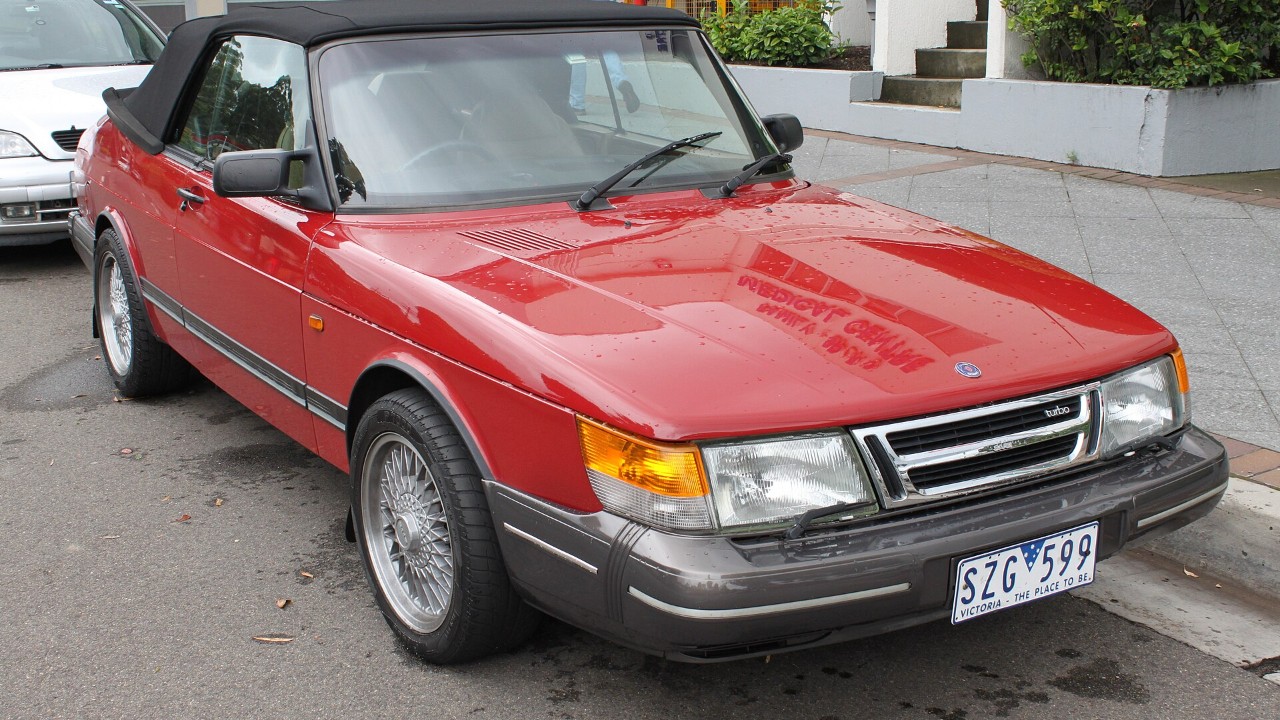
Saab introduced the 900 convertible for North America in 1986, with production starting in the spring of that year. The American Sunroof Company built the first prototype. However, the series cars came from Valmet Automotive in Finland. Most of them used a 16-valve turbocharged engine, rated from 160 to 175 PS across the model’s life.
The convertible became an icon of the 1980s. Its deeply curved windshield gave a wide view out, and the turbo engine made it quick for a four-seat drop-top. Saab built 48,888 classic 900 convertibles in all. They were part of 908,817 classic 900s made until production ended in March 1993. The last classic convertibles went on sale as 1994 models.
The 1987 car in our photo is one of the early convertibles, and we think those are the ones to remember. They captured the brand at its most confident. Our buyer advice: check the power top mechanism carefully, since repairs are costly. Also, look for rust around the rear wheel arches and door bottoms before you commit.
9. Saab 9-5 Aero SportCombi
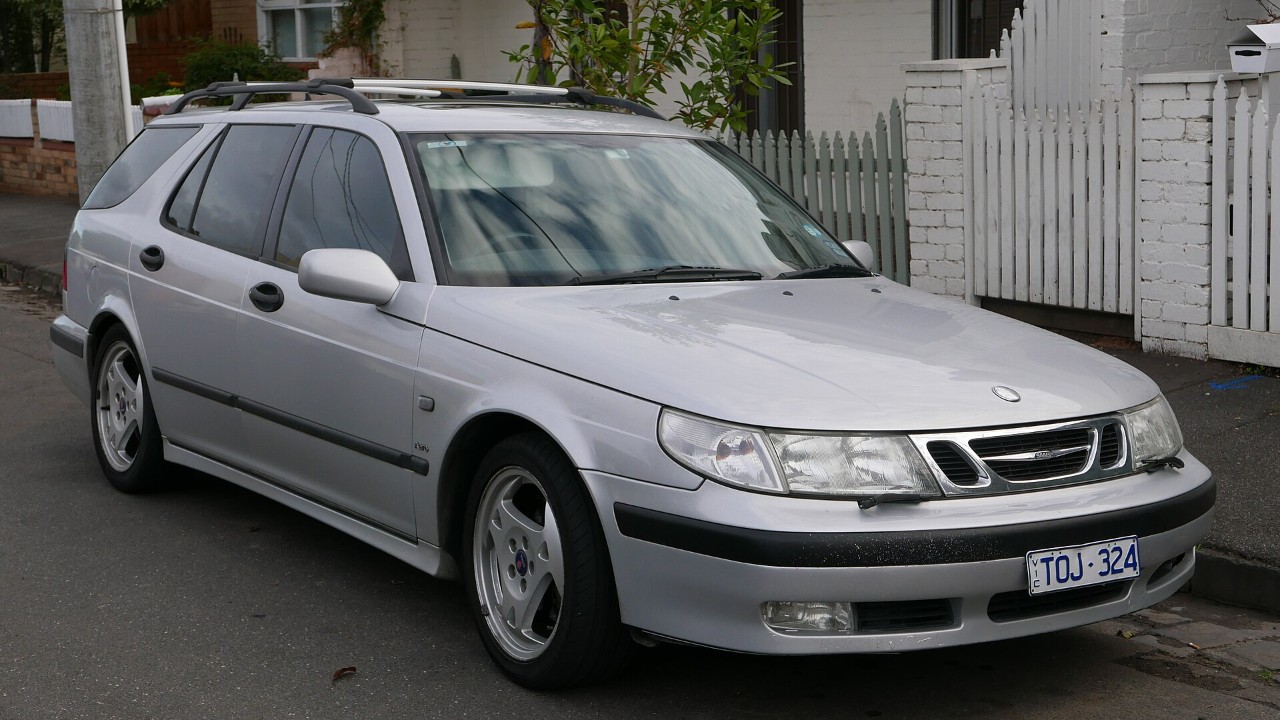
The first-generation 9-5 wagon was Saab’s big family car through the 2000s. The Aero version used a 2.3-liter turbocharged four, the B235R. It made 230 PS at first, then 250 PS from 2002 and 260 PS in its final years. In fact, the 9-5 was the first production car to offer ventilated seats. At first, only a few cars left the factory with them, as an option.
Saab built 231,357 of the 9-5 wagons, along with 252,236 sedans. That’s a solid number for a niche brand. Even so, the wagon tends to get overlooked next to the classic 900 and the two-stroke cars. The last first-generation wagon was assembled on February 1, 2010.
In our view, the 9-5 Aero SportCombi is one of the best sleepers of its era. It’s roomy, comfortable and very quick, yet it looks like a sensible family wagon. Our buyer tip: check the service records for regular oil changes, because the turbocharged engine is sensitive to neglect. Also, test every electrical feature before you buy, since parts are getting harder to find.
10. Saab 9-2X Aero

The Saab 9-2X Aero arrived for 2005 and borrowed heavily from Subaru. According to MotorWeek’s 2005 road test, the 9-2X was heavily based on the Impreza Sport Wagon. The Aero used the WRX’s turbocharged 2.0-liter flat-four, rated at 227 hp and 227 lb-ft of torque.
It was also the first Saab with full-time all-wheel drive. Saab engineers retuned the suspension for a firmer feel, and the Aero added a viscous limited-slip rear differential. Buyers could choose a five-speed manual or a four-speed automatic. Saab also gave it its own front and rear fascias, hatch and taillights, plus metal-rimmed gauges inside. MotorWeek lists the Aero at $26,950, compared with $22,990 for the base Linear.
Some fans dismissed the 9-2X as a rebadged Subaru. However, we think it’s worth remembering as a fun, practical turbo wagon with Saab styling and genuine performance. Our buyer advice: find one with the manual transmission, and check the turbo and head gaskets carefully. The 9-2X brought the Saab name a kind of all-wheel-drive grip that its rally heroes of the 1960s never had.
More from Fast Lane Only