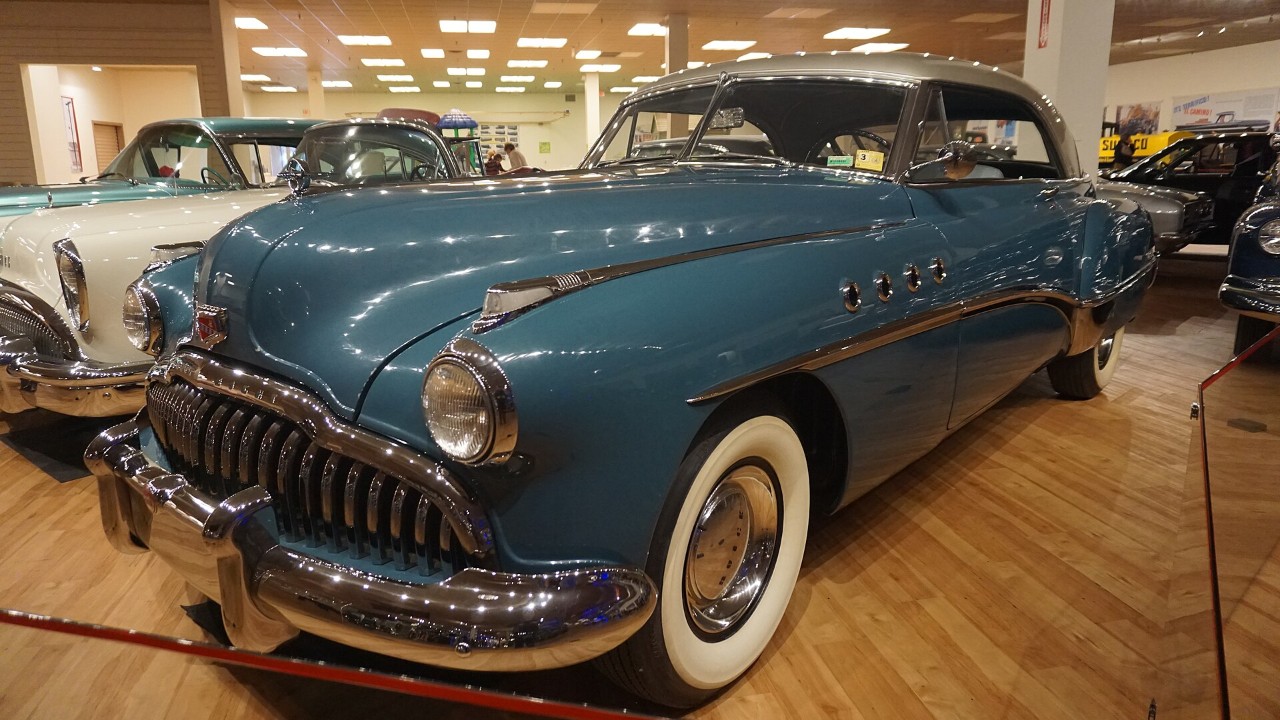
In 1949, the Buick Roadmaster Riviera hardtop showed America a roof with no center pillar. General Motors launched it alongside the Oldsmobile 98 Holiday and the Cadillac Coupe de Ville. Roll down every window, and the side of the car opened up like a convertible, yet a steel roof stayed overhead.
The idea caught fire. Soon Ford, Plymouth and Mercury had pillarless models of their own, and the style spread from coupes to four-door sedans. Then the fashion cooled. By the mid-1970s, the style was fading, partly because makers worried about tougher federal safety rules.
The hype is long gone, but some of the cars behind it aged beautifully. These are our picks: six early hardtops that outlived the buzz and still earn a second look today. The verdict is our opinion, while the dates, engines and production figures come from factory history and published records.
1. 1949 Buick Roadmaster Riviera
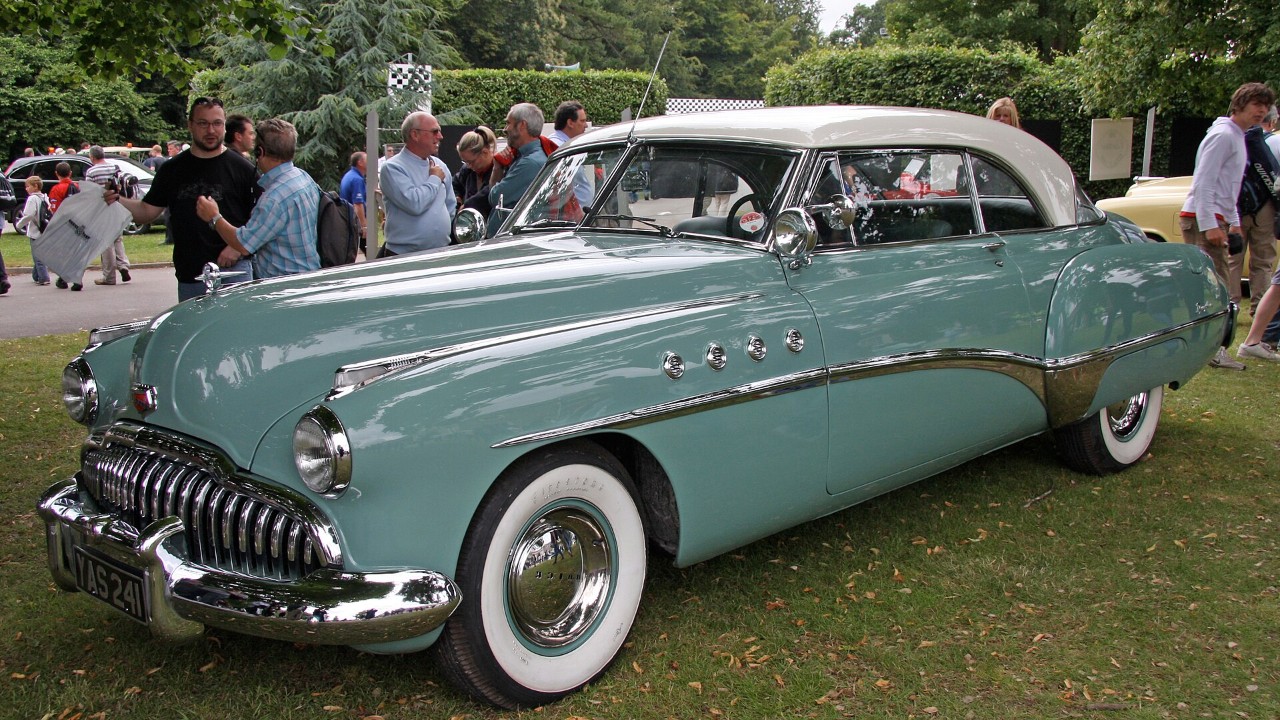
The Roadmaster Riviera was one of the three cars that started the hardtop craze, and it arrived in the middle of the 1949 model year. Buick built 4,314 of them that season. That is a small number for a car that changed how Detroit styled its coupes.
Under the long hood sat Buick’s straight-eight. For 1949, a slight rise in compression lifted it to 150 horsepower. Dynaflow automatic was also standard on the Roadmaster that year, so the car felt effortless rather than sporty. Meanwhile, 1949 brought Buick’s famous VentiPorts, with four on each front fender of the Roadmaster.
Our take: this Buick Riviera hardtop is the reason the rest of this list exists. It combines the bank-vault solidity of a big Buick with the airy side view that every maker soon copied. The VentiPorts and the chrome grille make it look expensive even from across a show field. We’d take one over many later, flashier hardtops, because it has the original’s confidence. If you shop for one, start with the body and chrome, since those parts drive the cost of any restoration on a car this big.
2. 1950 Chrysler Town & Country Newport
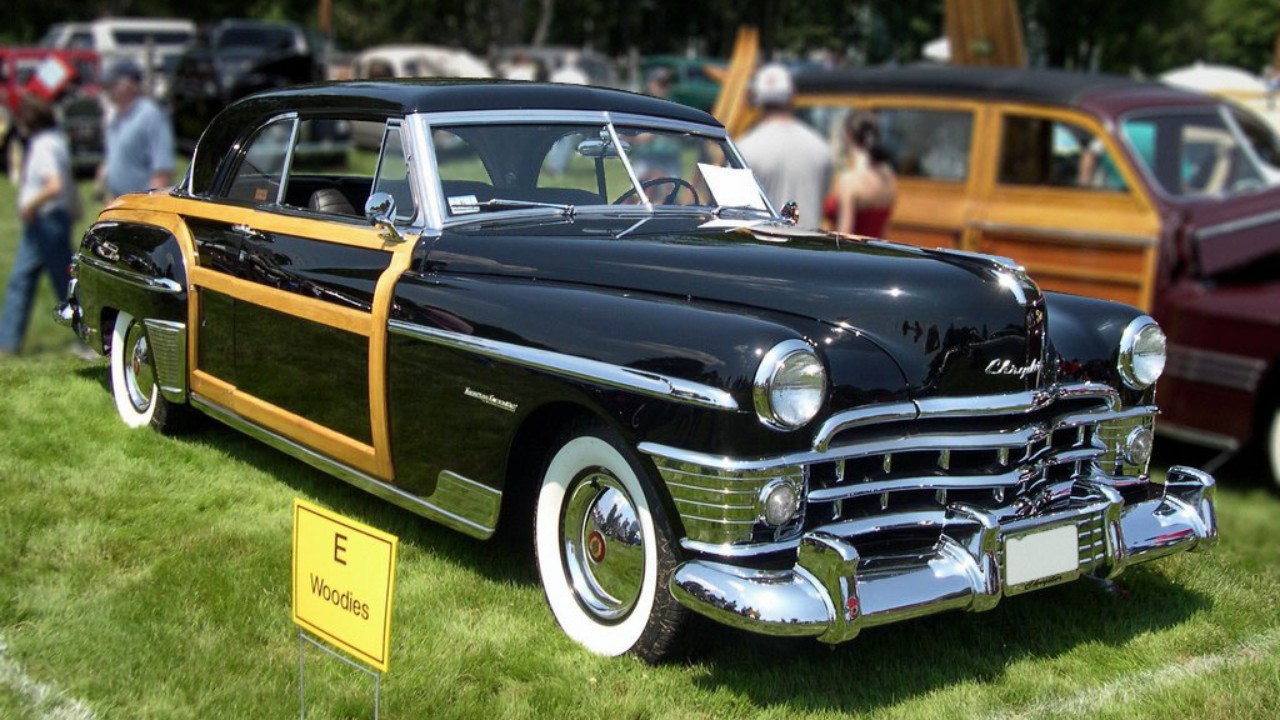
Chrysler toyed with the pillarless idea earlier than most. In 1946, it built seven pillarless Town and Country hardtop coupes as concept vehicles. Then, for 1950, the idea reached showrooms as the Town & Country Newport.
The Newport carried a technical surprise as well. Ausco-Lambert disc brakes came standard on it, a feature Chrysler otherwise made standard only on the Imperial Crown. That is advanced hardware for a 1950 American car. In addition, the Newport marked the end of an era for Chrysler, since it was the company’s last true woodie offering in the Town & Country line.
Our take: the 1950 Newport sits at a crossroads, with one foot in the wood-trimmed past and one in the hardtop future. It’s a rolling piece of design history, and the disc brakes give it bragging rights few rivals can match. However, that mix also makes it tricky to restore, because both the wood trim and the brakes need specialist care. We’d budget for experts and enjoy one of the most interesting Chryslers of its time. Few cars from 1950 tell two stories at once this clearly.
3. 1951 Ford Custom Victoria
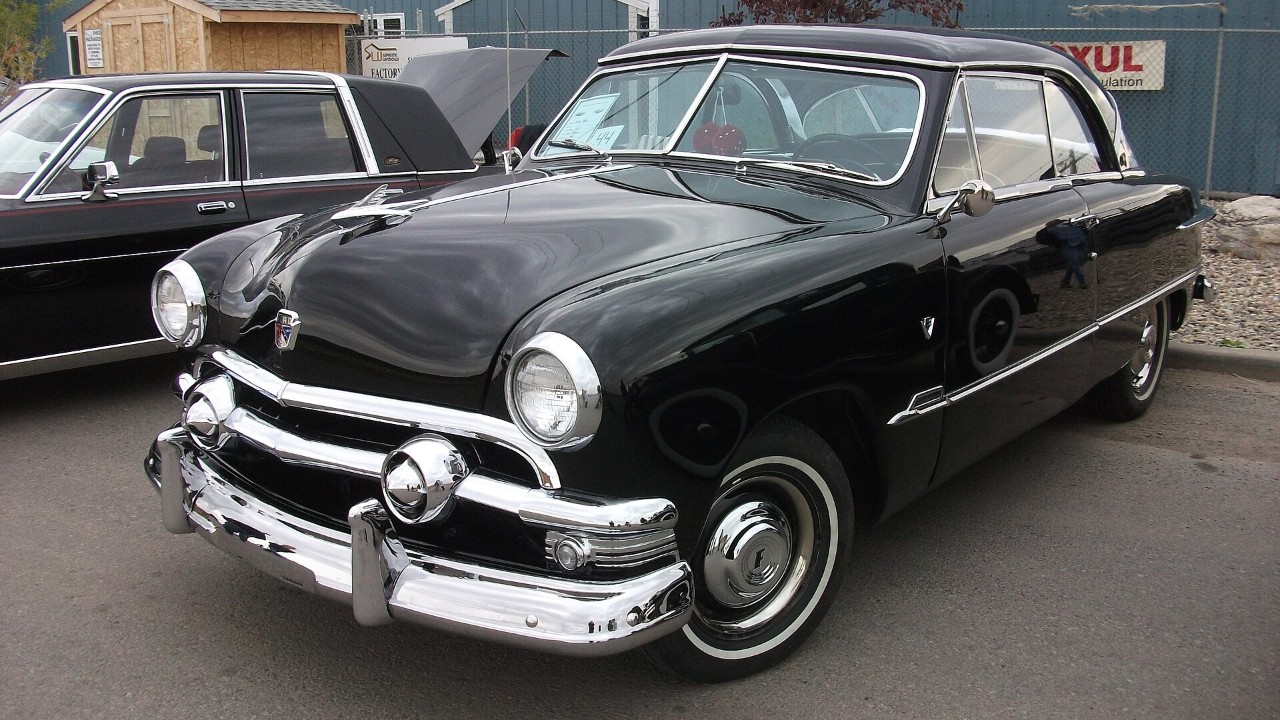
Ford had a hardtop planned for 1952, but it decided it couldn’t wait. Gordon Buehrig’s Body Development Studio got the job of creating one for 1951, and the rules were tight. As Mac’s Motor City Garage explains in its history of the car, Buehrig had to use the existing convertible body shell and chassis with no tooling changes. Removing the center post also weakened the body, which made the task harder.
The result went on sale on January 28, 1951, as the Custom Victoria. It sold more than 110,000 units and beat the Chevrolet Bel Air hardtop by 7,000. The only engine was Ford’s 239.4-cubic-inch flathead V8 with 100 horsepower. The base price was $1,925, which was $24 less than the convertible. Ford-O-Matic automatic cost $159 extra.
Our take: the Victoria is a rush job that turned into a hit, and that story alone earns it a place here. It also keeps the friendly shoebox Ford shape while adding the open-window look. Because it shares so much with the convertible, check the body structure closely before you buy. We’d happily drive one to every cruise night we could find.
4. 1951 Plymouth Belvedere
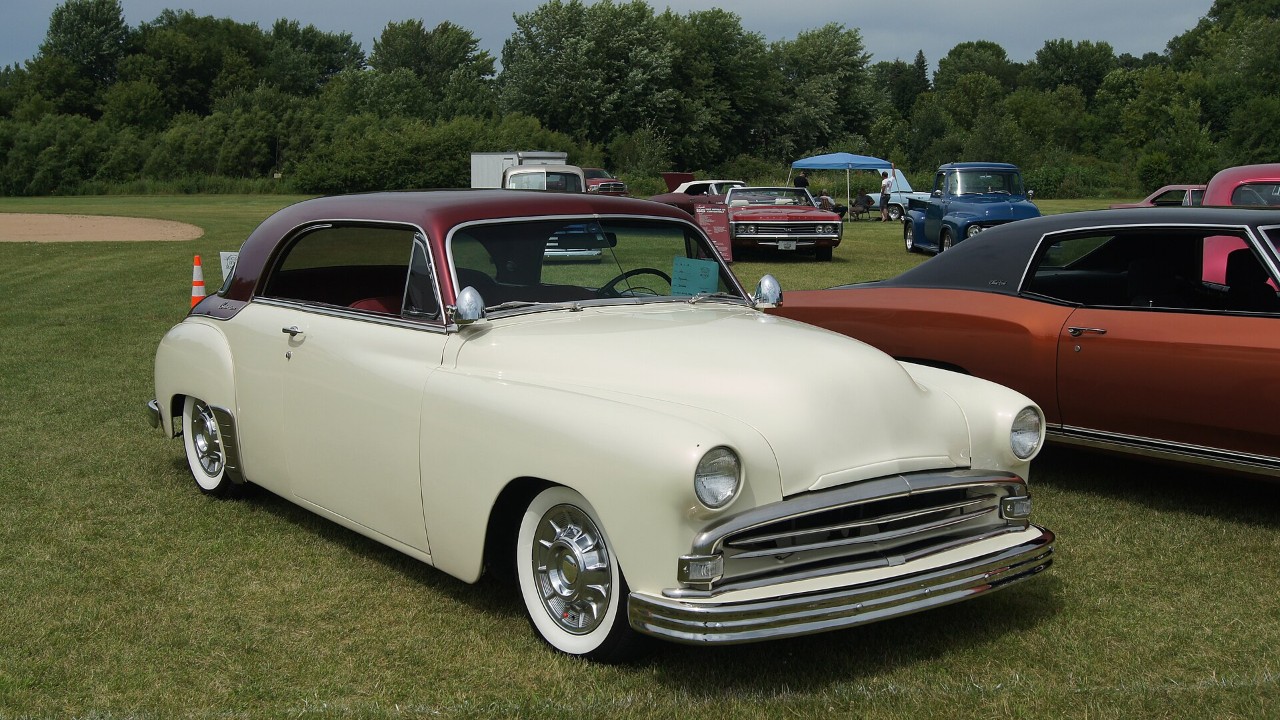
Plymouth answered the trend on March 31, 1951, when it introduced the Belvedere as a two-door pillarless hardtop. It was the brand’s first body of that type. Plymouth then kept the Cranbrook Belvedere hardtop in its low-priced lineup through 1953. The Belvedere worked as the hardtop member of the Cranbrook series and shared its 118.5-inch wheelbase.
Power came from Chrysler’s 217.8-cubic-inch flathead six, rated at 97 horsepower. In other words, nobody bought a Belvedere to win drag races. Instead, buyers paid for the look, and plenty did. Production for 1951 and 1952 reached 51,266 units. For 1952, Plymouth added a two-tone saddleback paint scheme that ran from the roof over the beltline onto the trunk.
Our take: the Belvedere brought hardtop style to the low-priced field, and that made it a people’s car with a touch of glamour. A six-cylinder hardtop also suits relaxed cruising better than many people expect. Because parts are simple and the engine is easygoing, it makes a sensible first classic. We’d pick a 1952 car in saddleback two-tone if one comes along, since that paint shows off the pillarless roof best.
5. 1955 Buick Century Riviera four-door hardtop
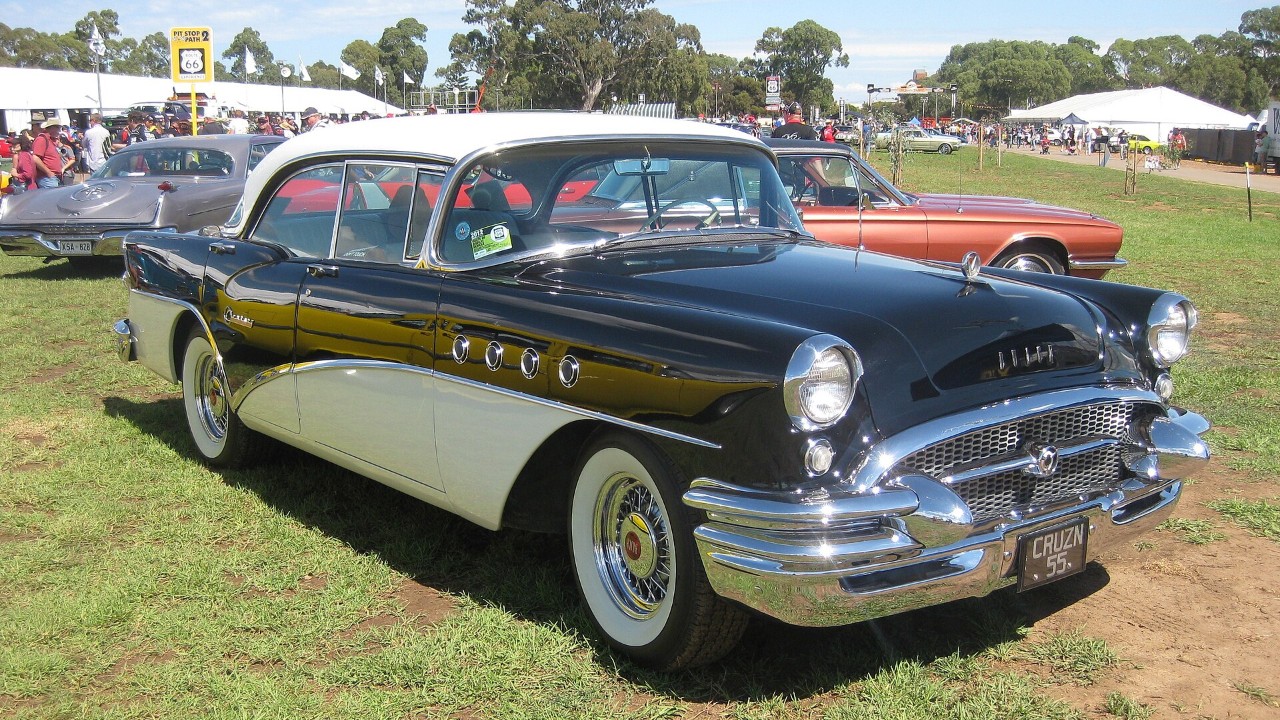
Buick revived the Century name for 1954 with an old formula: the smaller Special body paired with Buick’s biggest V8. Then, in the middle of the 1955 model year, it added a four-door Riviera hardtop. Along with the Special Riviera and Oldsmobile’s 98 and 88 Holiday, it ranked among the first four-door hardtops ever produced.
The Century also had real muscle for its day. Its 322-cubic-inch Fireball V8 made 236 horsepower in 1955, up from 200 the year before. Dynaflow handled the shifting. That speed impressed more than private buyers, too. In 1955, the California Highway Patrol ordered a fleet of 270 Century two-door sedans, a body style Buick didn’t sell to the public.
Our take: a four-door Buick Riviera hardtop gives you pillarless style with room for the whole family. It’s also a sleeper, since the Century’s big V8 sits in the lighter body. In our view, it’s a smart way into 1950s Buick ownership, because you get the hot engine and the headline roof in one car. We’d choose one for long summer drives with every window down.
6. 1956 Mercury Montclair Phaeton
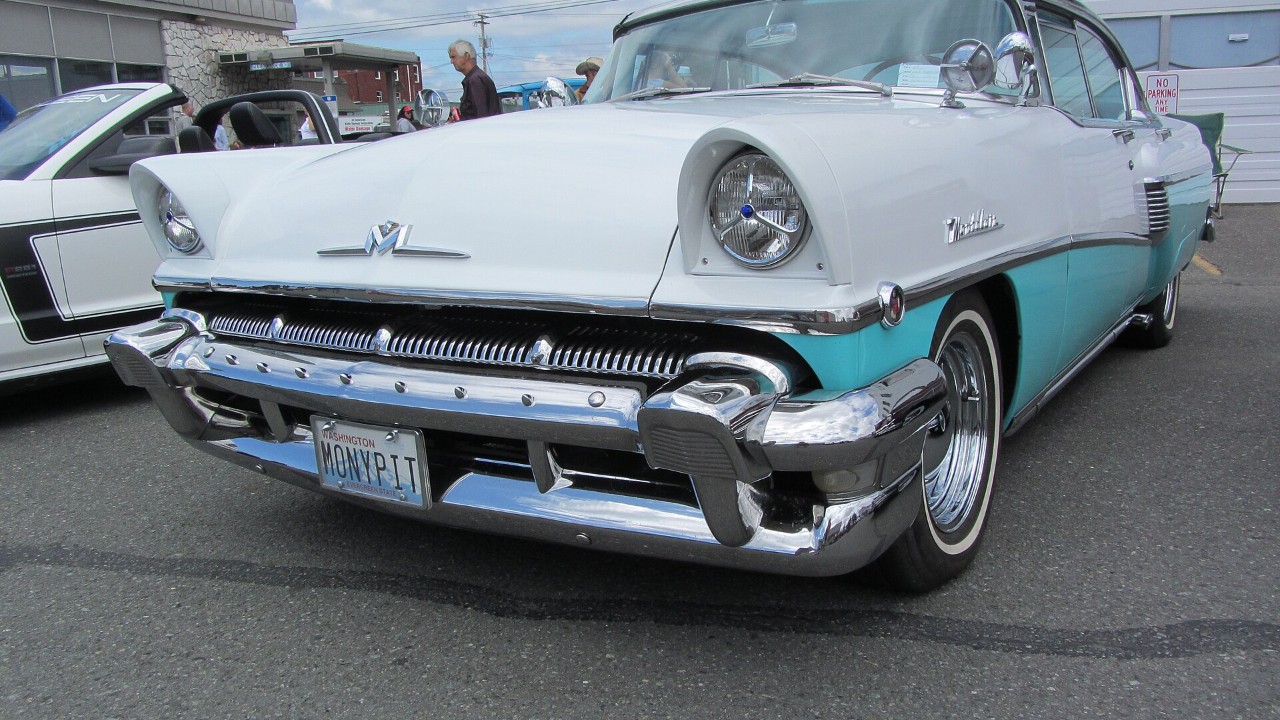
Mercury rolled out its four-door hardtop in the middle of the 1956 model year and called it the Phaeton. The roofline echoed a low four-door sedan that Mercury had launched during 1955 as a top Montclair model. As Indie Auto’s look at Mercury’s 1956 lineup notes, that year also brought the new entry-level Medalist series.
The Montclair stood at the top of the Mercury range, and it had the engine to match. For 1956, Mercury enlarged its V8 to 312 cubic inches, good for 225 horsepower. Furthermore, an optional dual four-barrel version made 260 horsepower. For 1957, Mercury called both its two-door and four-door Montclair hardtops Phaetons. The company dropped the Phaeton name for 1959.
Our take: the Montclair Phaeton shows Mercury at its most confident, dressed up as the brand’s best. It also offers four doors of open-air style, which makes it easier to share. Check trim completeness before you buy, because missing trim pieces can stall any 1950s project. As for the style it represented, American pillarless hardtops lasted until the 1978 Chrysler Newport and New Yorker, the final U.S. lines to offer them.
More from Fast Lane Only