American automotive history is rich with innovation, yet many classic cars often remain overshadowed by their more famous counterparts. This list highlights ten vehicles that not only contributed significantly to the evolution of the automotive industry but also deserve recognition for their groundbreaking features and designs.
Ford Model T: Revolutionizing Mass Production

The Ford Model T, produced from 1908 to 1927, is often credited with introducing the assembly line to automobile manufacturing. Henry Ford’s vision led to the creation of a car that was affordable and accessible to the average American. With over 15 million units sold, the Model T was not just a vehicle; it was a symbol of mobility and independence. Its simple design and robust engineering made it easy to maintain, further contributing to its widespread adoption. The Model T’s impact on production methods transformed not only the automotive industry but also manufacturing practices across various sectors, making it a true pioneer in innovation.
Chevrolet Corvette: The Birth of the American Sports Car
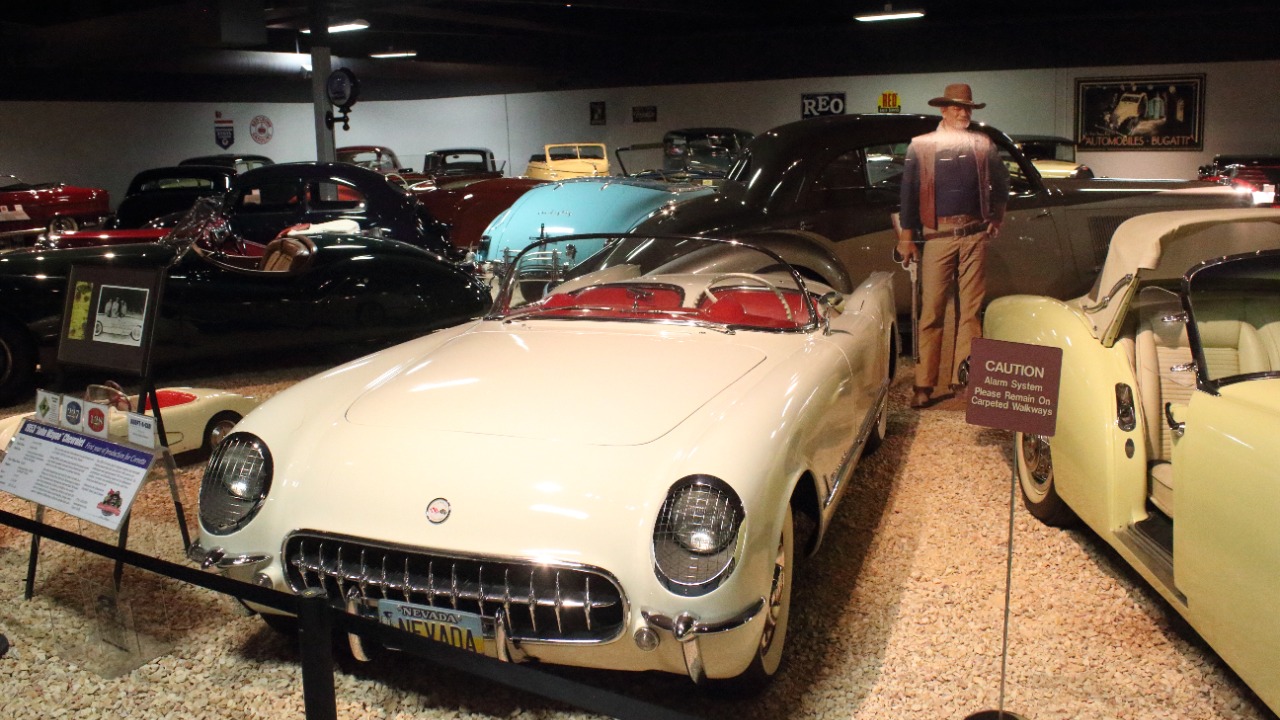
Launched in 1953, the Chevrolet Corvette redefined the American sports car landscape. With its lightweight fiberglass body and powerful V8 engine, the Corvette established itself as a performance icon. It introduced advanced features such as a fully independent suspension and an innovative design that prioritized aerodynamics. The Corvette has continued to evolve, with each generation pushing the boundaries of speed and handling. Its legacy is not just in its performance but in how it inspired a whole segment of American automotive manufacturing focused on sports cars, paving the way for future models like the Ford Mustang.
Chrysler Airflow: The First Streamlined Automobile

Introduced in 1934, the Chrysler Airflow was revolutionary for its time, being one of the first cars designed with aerodynamics in mind. Its streamlined shape reduced air resistance, significantly improving fuel efficiency and performance. The Airflow also featured a monocoque construction, which offered safety and structural integrity that was ahead of its time. Despite its innovative design, the Airflow struggled to gain popularity during the Great Depression. However, it laid the groundwork for future automotive designs and remains a significant milestone in the evolution of car design, influencing models for decades to come.
Dodge Charger: Pioneering the Muscle Car Era
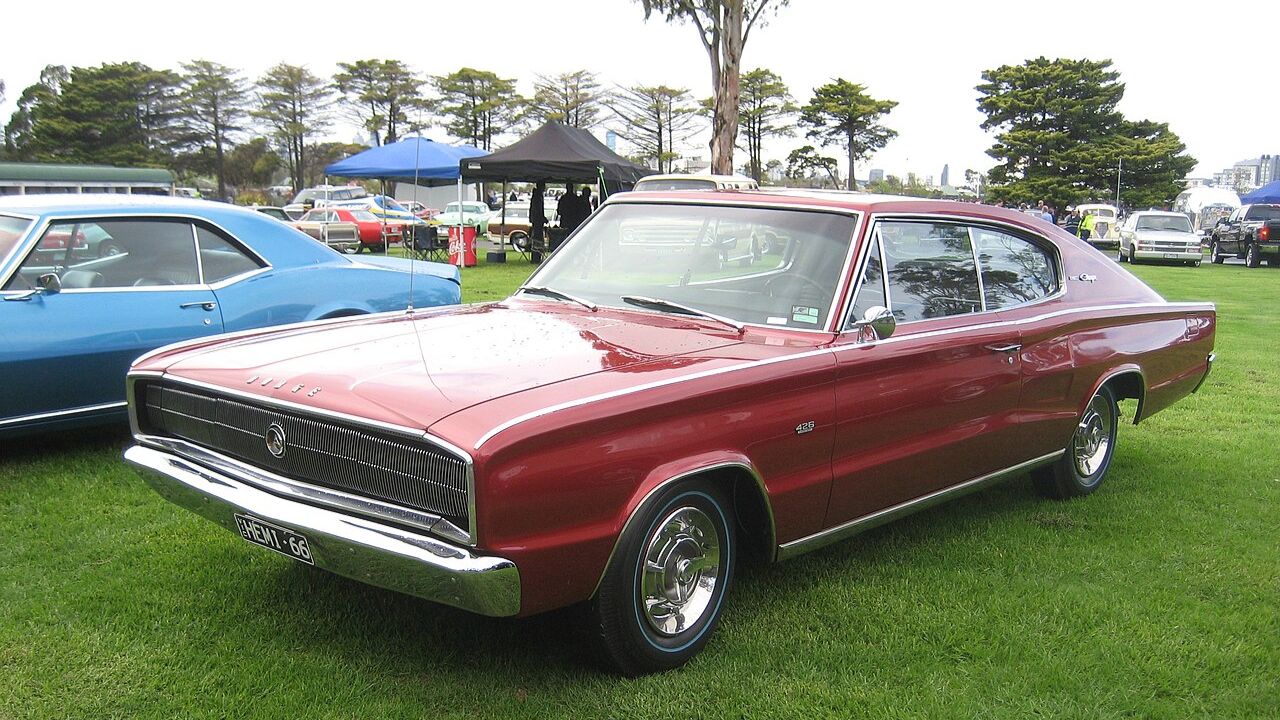
The Dodge Charger, first introduced in 1966, played a critical role in establishing the muscle car segment in the United States. Its aggressive styling and powerful engine options appealed to a generation of American drivers seeking performance and style. The Charger’s introduction of features like a long hood and short rear deck became a hallmark of the muscle car aesthetic. As it evolved through the years, particularly during the late 1960s, the Charger solidified its place in automotive history, becoming a favorite not just for its performance but also for its appearances in popular culture, such as in the television series “The Dukes of Hazzard.”
Pontiac GTO: The Original Pony Car
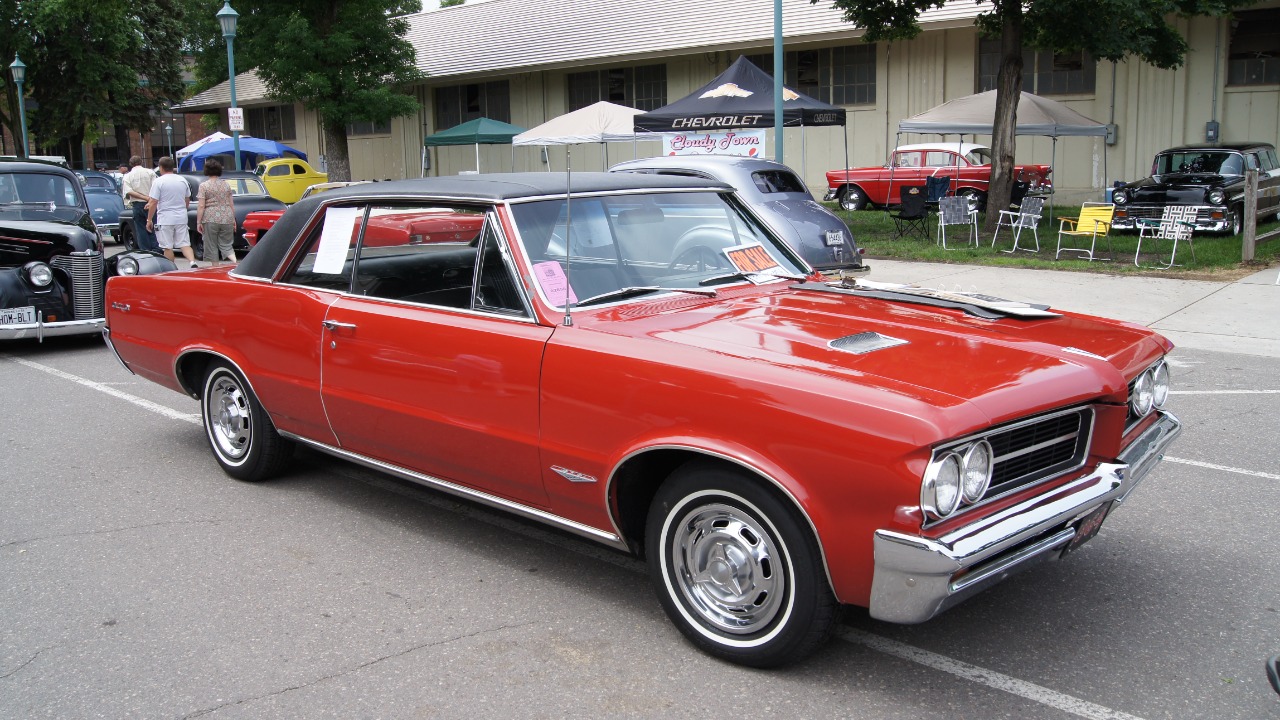
Launched in 1964, the Pontiac GTO is widely recognized as the car that ignited the pony car craze. With its powerful V8 engine and sporty design, it appealed to younger drivers looking for speed and style. The GTO was one of the first cars to offer performance-oriented features such as a hood scoop and dual exhausts, setting a template that many manufacturers would follow. Its success not only prompted Pontiac to continue producing high-performance vehicles but also inspired competitors to enter the pony car market, forever changing the landscape of American muscle cars.
Buick Riviera: A Blend of Luxury and Performance
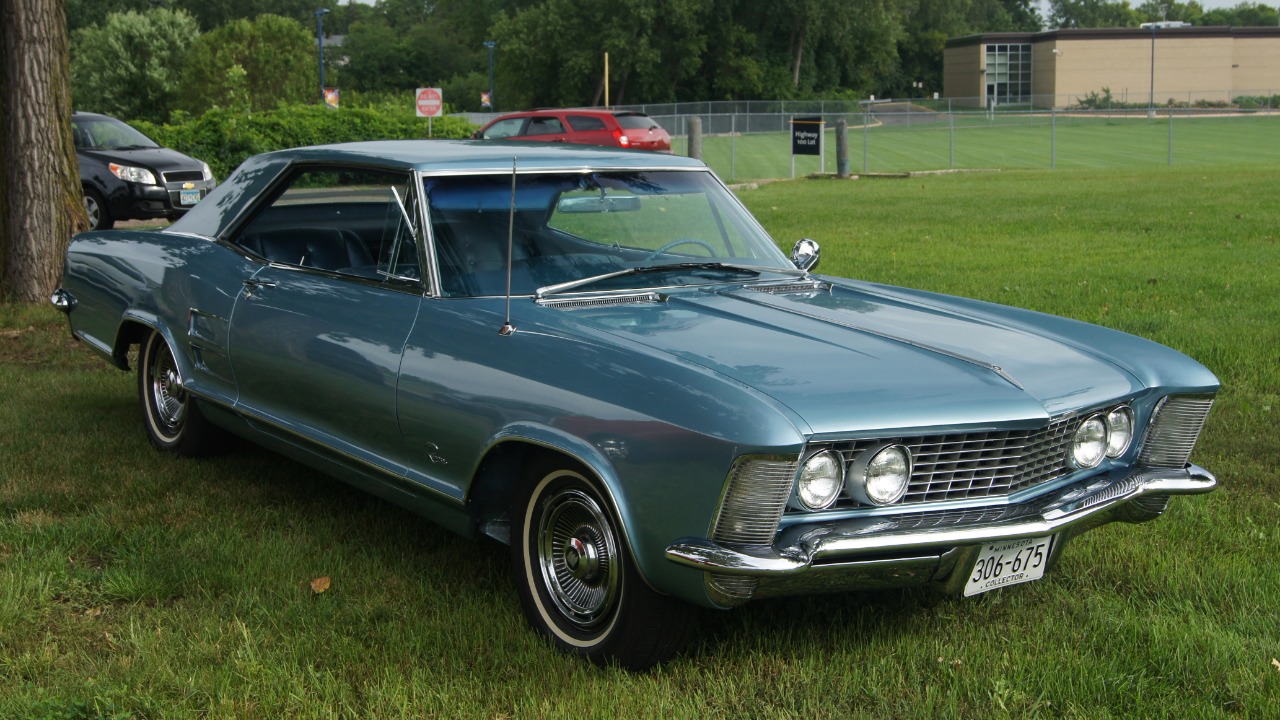
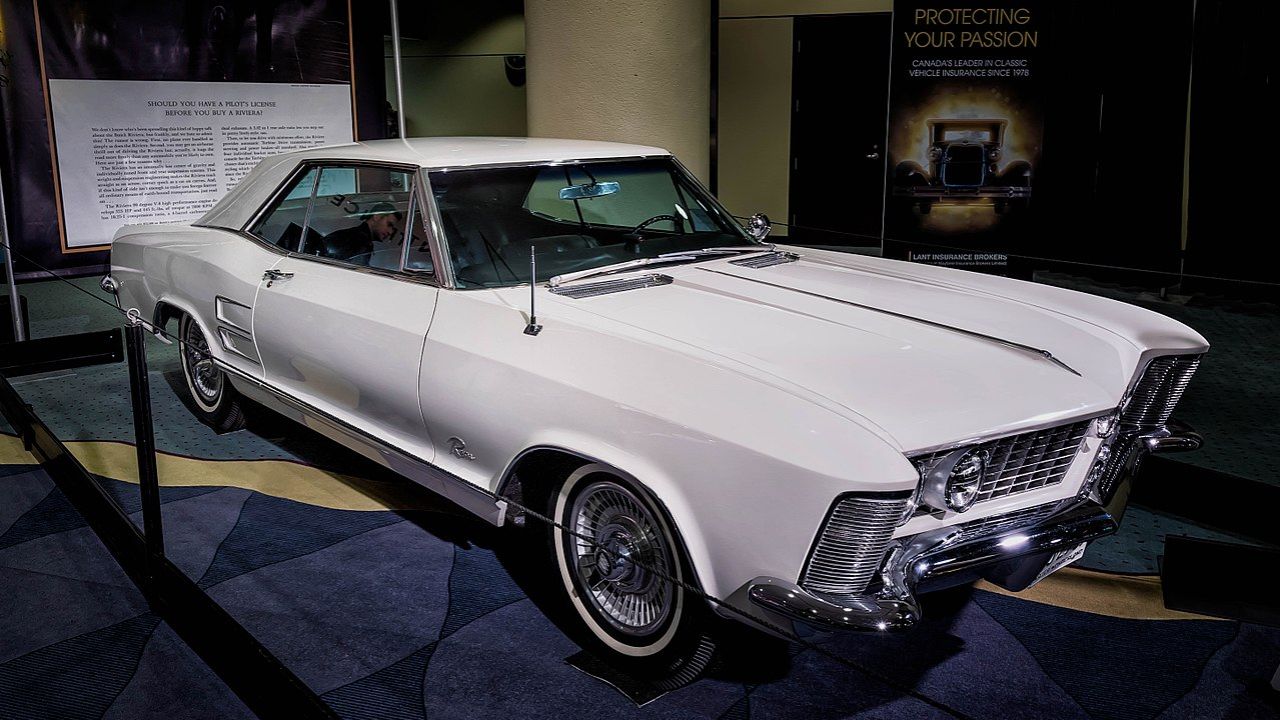
The Buick Riviera, introduced in 1963, combined luxury with performance, creating a unique niche in the automotive market. Its distinctively elegant design, characterized by a low profile and sweeping lines, set it apart from other cars of its era. The Riviera was equipped with powerful engines and advanced features such as adjustable headlights and a sophisticated suspension system, enhancing the driving experience. It was a car that appealed to both the affluent and performance enthusiasts, showcasing that luxury does not have to be at odds with speed and agility.
Jeep Wagoneer: The Forefather of the Modern SUV
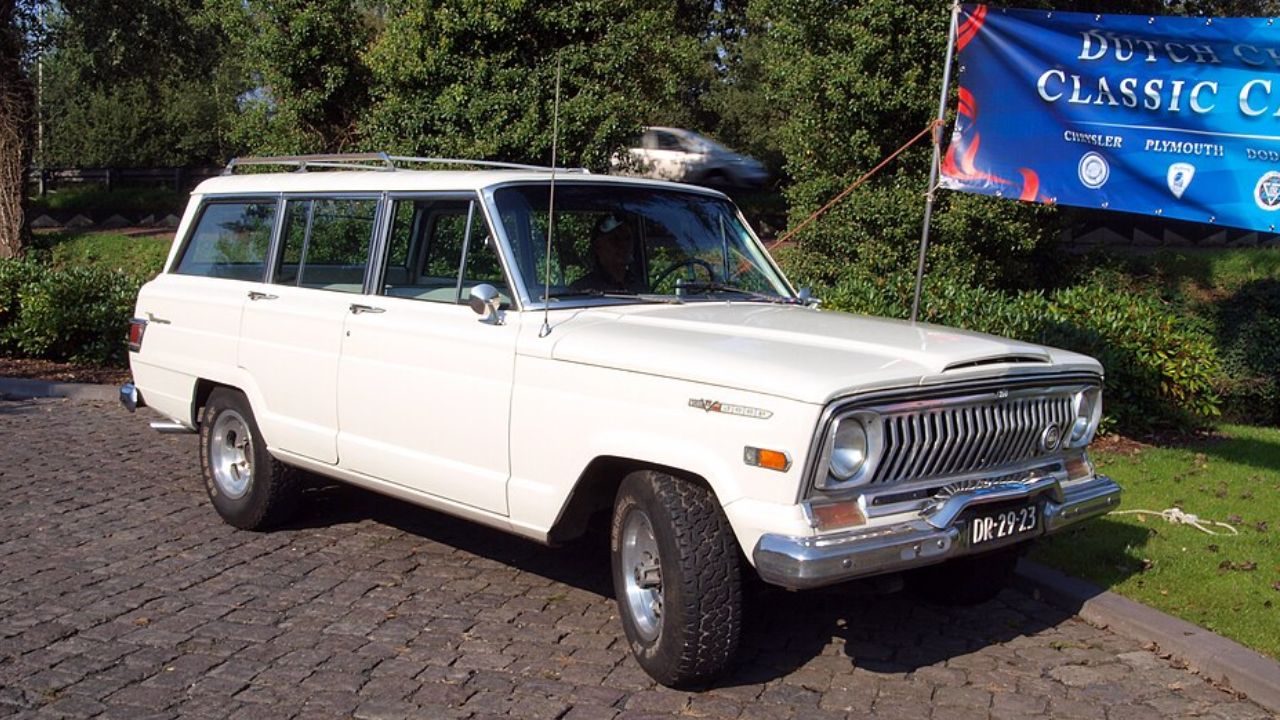
Launched in 1963, the Jeep Wagoneer is often credited as one of the first modern SUVs, combining off-road capability with family-friendly features. It introduced amenities such as air conditioning and power steering, which were uncommon in vehicles of its class at the time. The Wagoneer’s design and functionality paved the way for future SUVs, proving that off-road vehicles could be both practical and comfortable. Its legacy continues today, influencing the design and features of contemporary SUVs, making it a crucial part of automotive history.
Cadillac Eldorado: Innovations in Luxury and Design
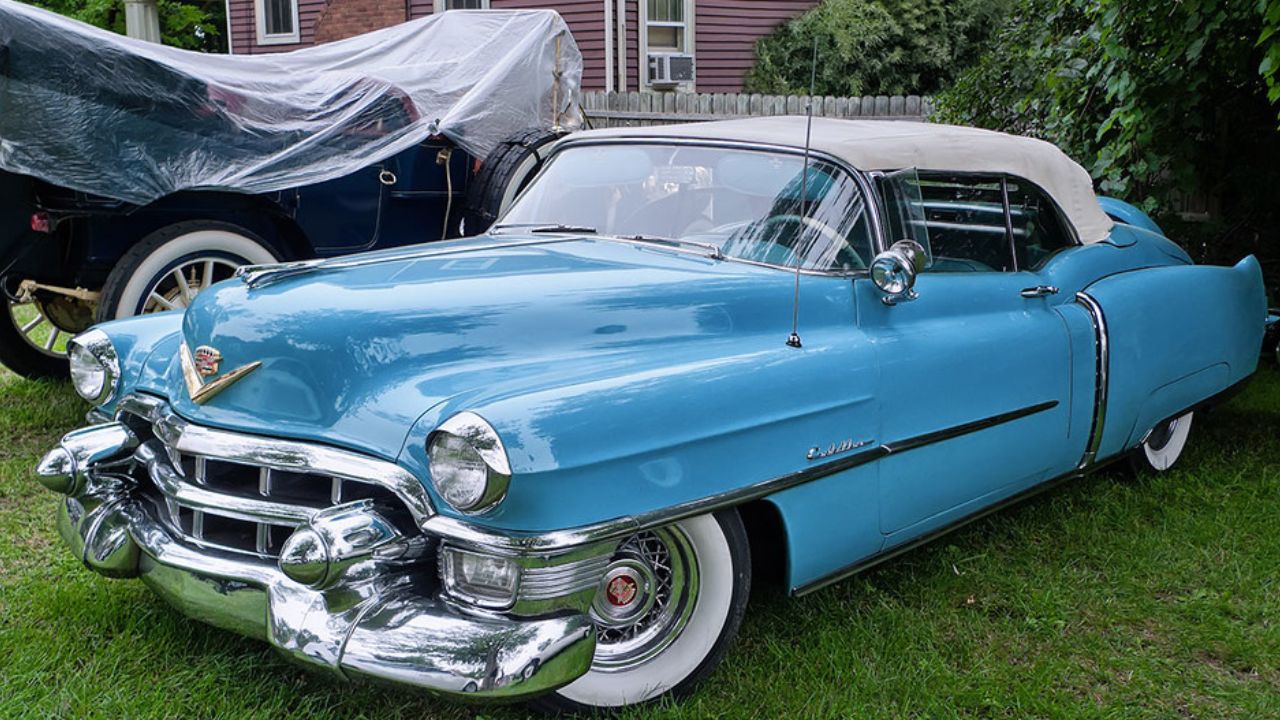
The Cadillac Eldorado, first introduced in 1953, epitomized luxury and innovation in American automobiles. Known for its elegant design and advanced technology, the Eldorado set new standards for comfort and style. Features like power windows, air conditioning, and an automatic transmission were revolutionary at the time. The 1970s models, in particular, showcased a unique front-wheel-drive layout that improved handling and space efficiency. The Eldorado’s blend of luxury and performance helped solidify Cadillac’s reputation as a leader in high-end automotive innovation, influencing luxury vehicles for years to come.
Tesla Roadster: Redefining Electric Performance

Released in 2008, the Tesla Roadster marked a significant turning point in electric vehicle technology. It was the first highway-legal electric vehicle to use lithium-ion battery cells, achieving a range of over 200 miles on a single charge. The Roadster’s performance was groundbreaking, with the ability to go from 0 to 60 mph in under four seconds, challenging the perception of electric cars as slow. Its success helped pave the way for the modern electric vehicle market, demonstrating that EVs can offer both sustainability and thrilling performance, a concept that has been embraced by major automotive manufacturers worldwide.
Ford F-Series: The Evolution of the Pickup Truck
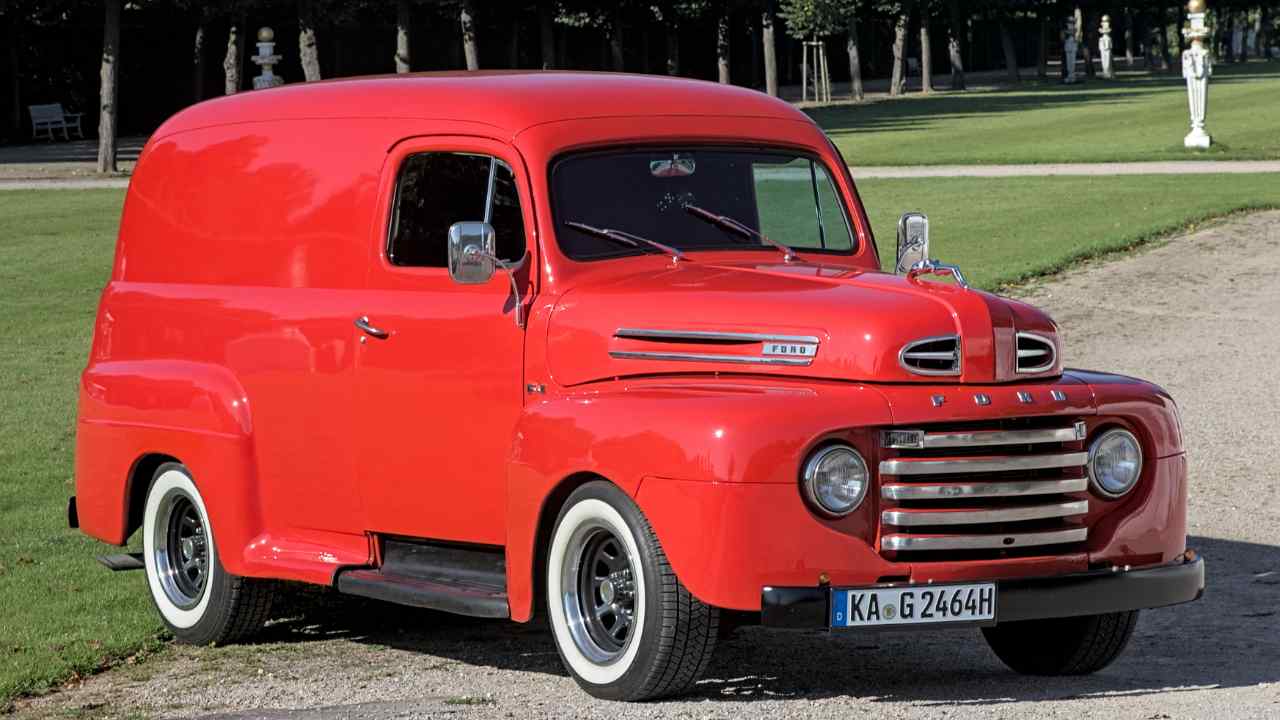
Since its introduction in 1948, the Ford F-Series has evolved into America’s best-selling vehicle line, thanks to its innovative design and versatility. The F-Series has consistently introduced features that have set new standards in the pickup truck segment, such as the use of aluminum in its construction to reduce weight and improve fuel efficiency. Additionally, advancements in technology, including integrated navigation systems and advanced towing capabilities, have kept the F-Series competitive in an ever-changing market. The Ford F-Series is not just a work vehicle; it has become a symbol of American ingenuity and practicality.
More from Fast Lane Only