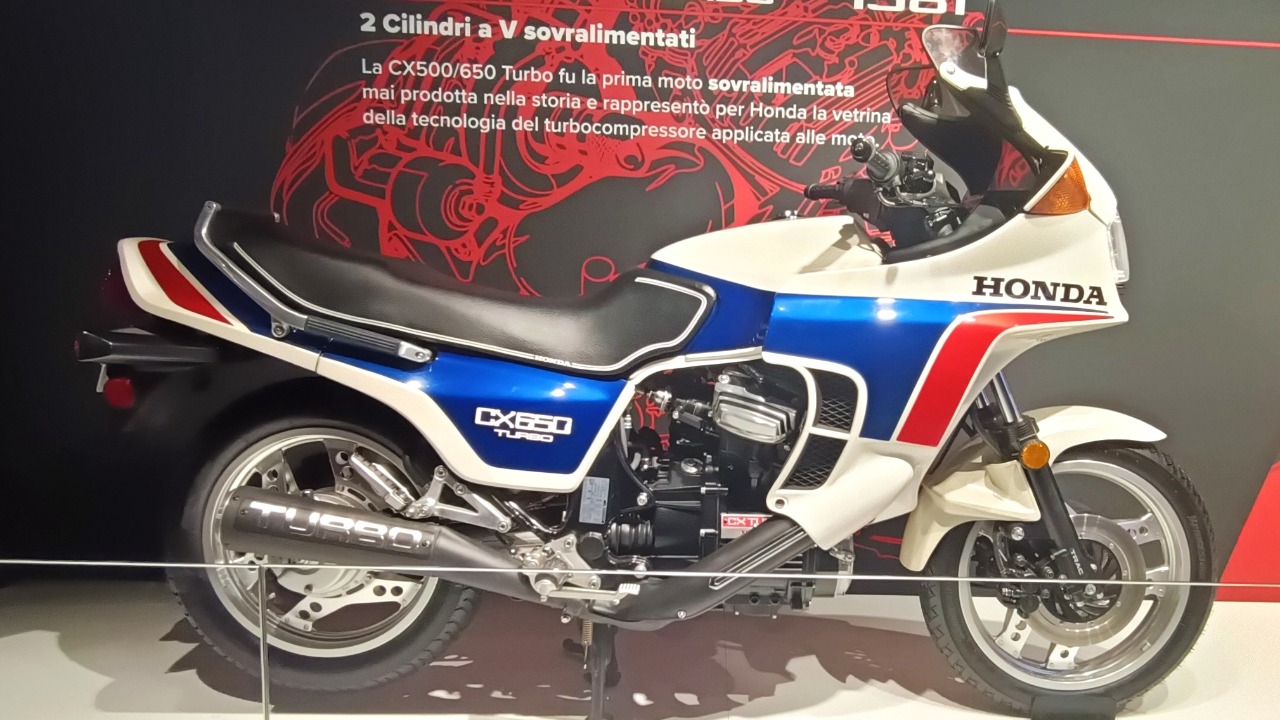
In 1983, the United States slapped a tariff on big imported Japanese motorcycles. Honda’s CX650 Turbo slipped under it by keeping its engine below 700cc, and it made 100 horsepower anyway. That one bike says a lot about Japanese motorcycle makers in the 1970s, 1980s and 1990s, when they tried almost every idea once.
Many of those ideas sold well and soon became household names. Others, though, came and went so fast that even riders who were around at the time barely remember them. Turbochargers, rotary engines, forkless front ends and car-like trunks all reached dealer floors.
These six are our picks for the Japanese bikes that deserve a second look. The specs and production numbers come from museum records, period road tests, owner-club histories and the bikes’ published records. The opinions, however, are ours.
1. 1983 Honda CX650 Turbo
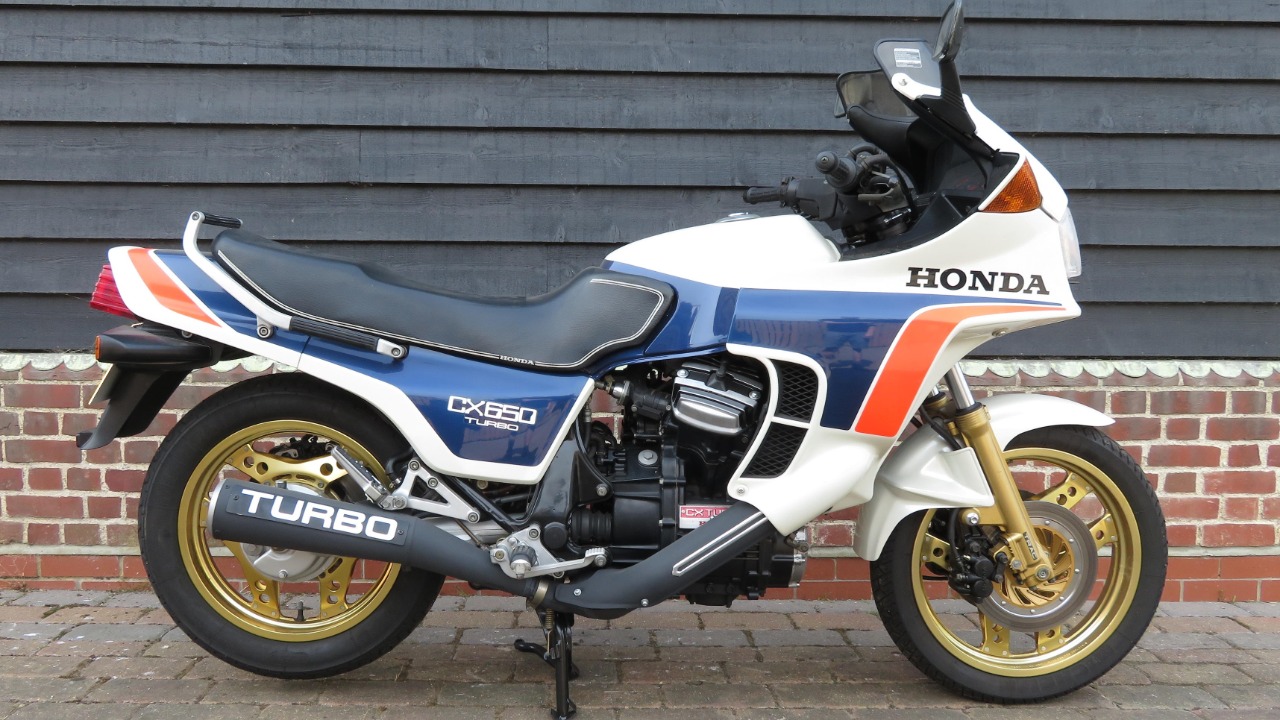
Honda built the CX650 Turbo for the 1983 model year only. It replaced the 1982 CX500 Turbo, so Honda used the second try to fix the first bike’s manners. The V-twin grew to 673cc, compression went up, and maximum boost came down for a smoother hit. Honda also reworked the fuel-injection control system.
In fact, the numbers were strong. According to the Audrain Automobile Museum, the turbo boosted intake pressure to 19 psi and spun past 20,000 rpm. That, in turn, doubled the stock CX engine’s output to 100 horsepower. The museum lists a 140 mph top speed and an 11.9-second quarter mile. It also says fewer than 2,000 were built.
So why did the CX650 Turbo vanish? Sales were weak, partly because of the high retail price and expensive insurance. In addition, turbo bikes fell out of fashion within a few years. Yamaha had one, too, and it shows up on our list of four-cylinder motorcycles to avoid. In our view, the CX650 Turbo is the best of the 1980s turbo bunch. It took Honda’s pushrod CX V-twin and turned it into a fast sport-tourer. That’s an odd recipe, and it worked better than anyone had a right to expect.
2. 1974 Suzuki RE5
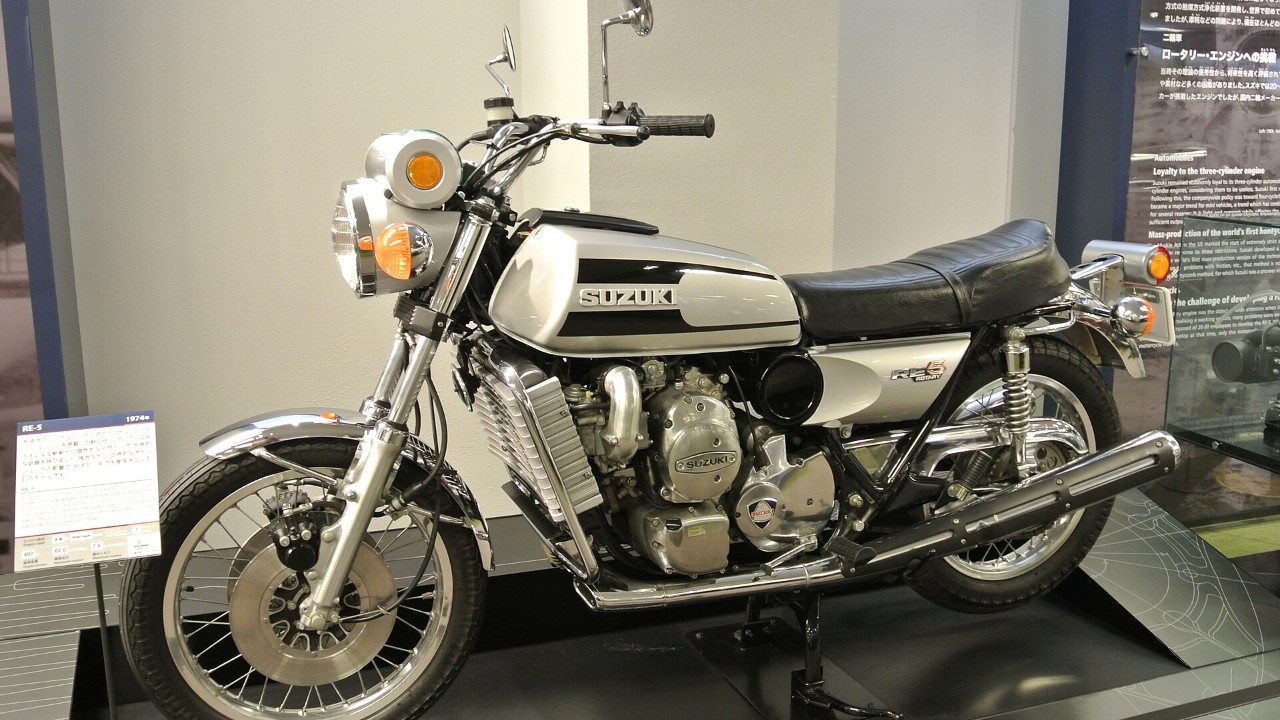
Suzuki gave the rotary engine a real chance on two wheels. The RE5 used a liquid-cooled, 497cc single-rotor Wankel, and production ran from 1974 to 1976. Apart from that engine, however, it was a fairly normal roadster. That contrast is a big part of its charm today.
The riding experience had quirks, though. Reviewers noted a dead spot during acceleration. They also reported a grinding vibration around 4,000 rpm, which is not what anyone expects from a rotary. Also, the engine was mechanically complex, and its many subsystems added weight. Suzuki listed about 62 horsepower at 6,500 rpm, yet the rotor’s strength was its torque, rated at 55.6 lb-ft at only 3,500 rpm.
By the end of the run, Suzuki had built roughly 6,000 RE5s. That’s a tiny number, especially for one of Japan’s biggest makers. We covered the whole saga in our story on how Suzuki put a 497 cc Wankel and Giugiaro styling on the RE5. Our take: the RE5 deserves credit for nerve. Suzuki didn’t build a concept and stop there. Instead, it put a rotary motorcycle into showrooms and let riders decide. They mostly said no, which is exactly why so few people remember it now.
3. Yamaha GTS1000
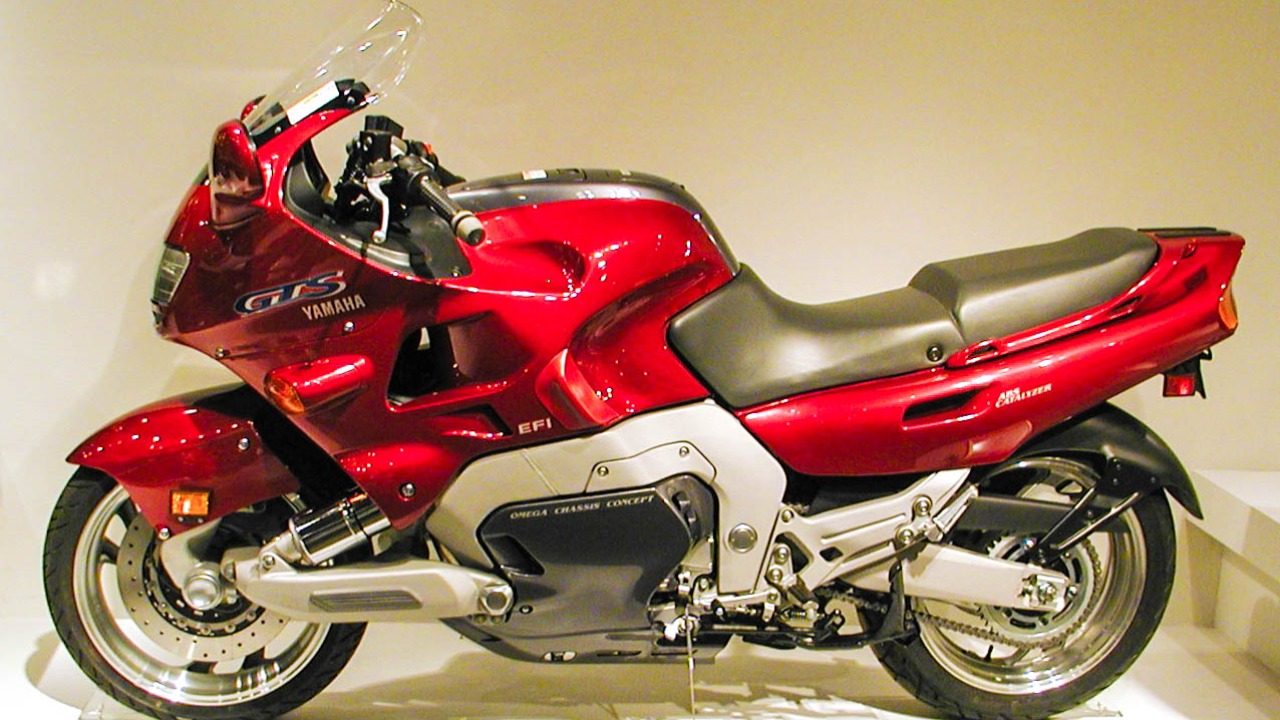
The GTS1000 had no front forks. Instead, a single-sided front swingarm carried the wheel, with an A-arm on top and a shock between the lower arm and the frame. The design came from James Parker’s RADD company. Meanwhile, steering ran through a separate telescoping link. Yamaha called the whole chassis the Omega Chassis Concept.
The rest of the bike was just as ambitious. Rider magazine’s 1993 review lists electronic throttle-body fuel injection, anti-lock brakes and a closed-loop catalytic converter. Yamaha claimed that converter cut emissions by 60 to 70 percent. Its engine came from the FZR1000, and Yamaha limited it to about 100 bhp. Rider also put the price at $12,999.
The result was a stable bike under hard braking. However, the gain didn’t justify the extra cost for most buyers, and the GTS1000 was not a commercial success. Yamaha sold it in the US only for 1993 and 1994, though other markets kept it until 1999. In our opinion, the GTS1000 is the most important forgotten Japanese bike of the 1990s. It showed that a big maker could put a radical front end into production. Rider’s reviewer said he would rather not go back to forks after riding it. That’s a strong verdict for a bike almost nobody bought.
4. 1997 Honda Pacific Coast PC800
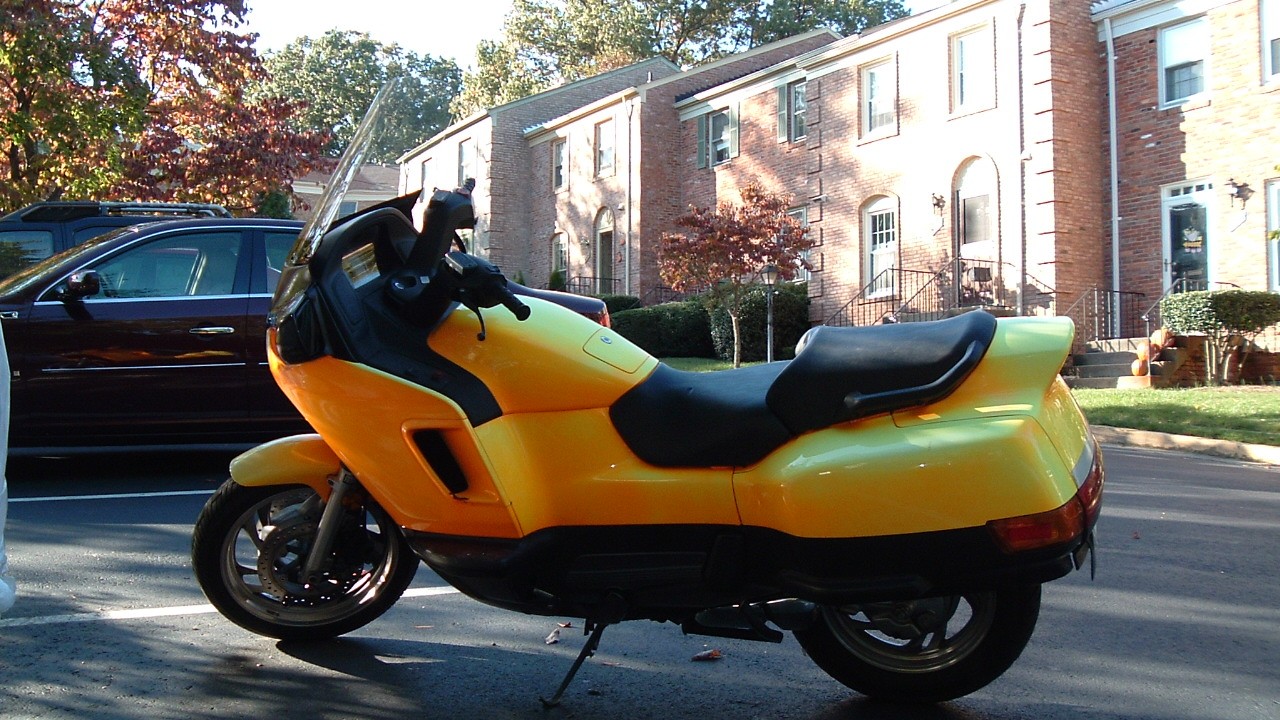
Honda built the Pacific Coast for people who didn’t think of themselves as motorcycle riders. For that reason, plastic bodywork hid almost all of the mechanical parts. The tail opened like a car’s trunk, with storage on both sides of the rear wheel. One period test said it could swallow two full-face helmets and two gym bags.
Power came from an 800cc V-twin borrowed from the VT800 Shadow. According to The Drive’s look back at the PC800, it made 46 horsepower and moved the 600-pound bike on a very flat torque curve. Sales started strong and then fell. As a result, Honda pulled it from the US after 1990 and brought it back for 1994. After the return, it sold barely 1,000 a year, and Honda made only about 500 in 1998.
The 1997 model is worth singling out. That year, the partial front-wheel cowling gave way to an open fender, so late bikes look a little different from early ones. Our take: the PC800 was a scooter-style idea scaled up to a full-size motorcycle, and it arrived years before riders were ready for it. It ran from 1989 to 1998 in all. If you want a bike that hides its oily bits and carries your groceries, the PC800 is hard to beat.
5. 1986 Suzuki GV1400 Cavalcade LXE
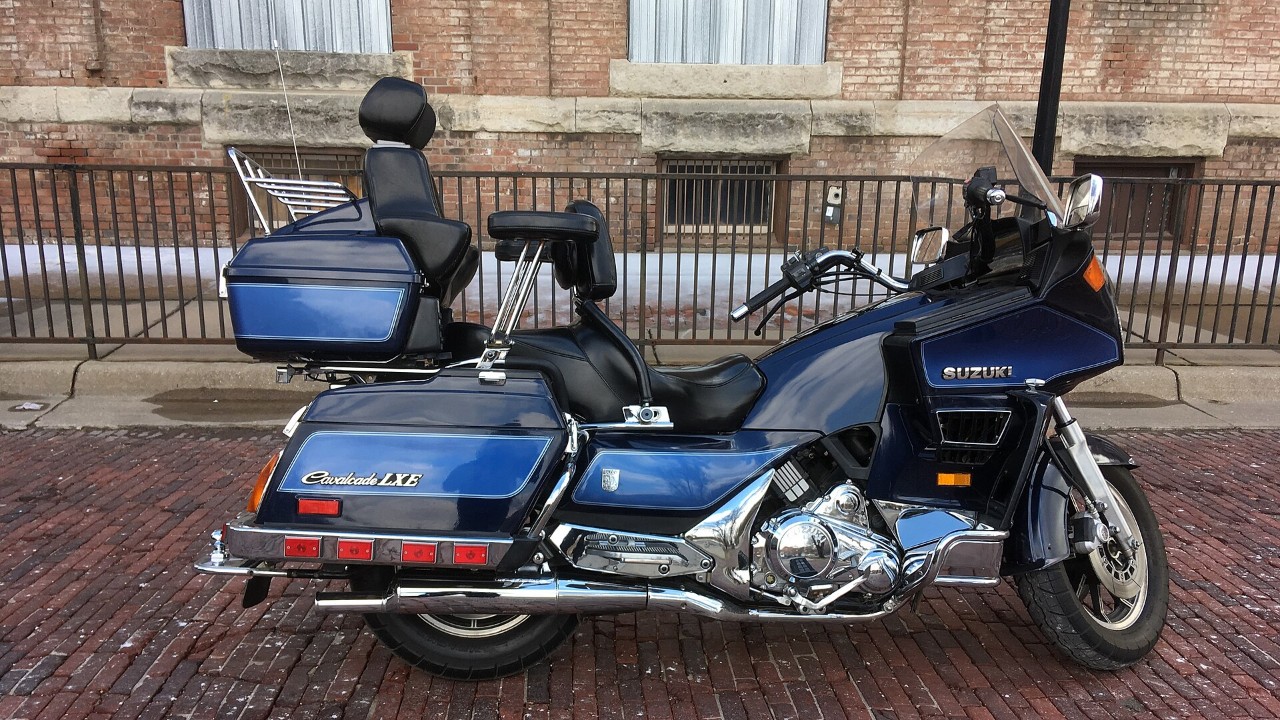
Suzuki was the last of the big Japanese makers to build a full luxury tourer. When it finally did, it went big. In 1985, the Cavalcade was the largest, heaviest and most powerful luxury tourer on sale. Power came from a liquid-cooled, 1,360cc V4 with four valves per cylinder. The owner-run Suzuki Cycles history site rates it at 112 horsepower.
The LXE sat at the top of the range, and it came loaded. It came with automatic rear leveling, air-adjustable seats with lumbar support, cruise control and a factory Clarion radio and cassette player. On top of that, the LXE added fairing lowers, a passenger head rest and cornering lights built into the engine guards. All that kit came at a cost, though. The same site says an LXE weighed 395 kg with a full tank.
Suzuki built only about 9,000 Cavalcades between 1985 and 1990, some say 8,500. In fact, it never sold the bike in Japan at all, because of rules on bikes over 750cc there. In our view, the Cavalcade was a serious rival to the big Gold Wing tourers and is now almost invisible. That makes a clean LXE one of the most interesting touring oddities of the 1980s, if you can find parts for it.
6. 1983 Honda VT500FT Ascot
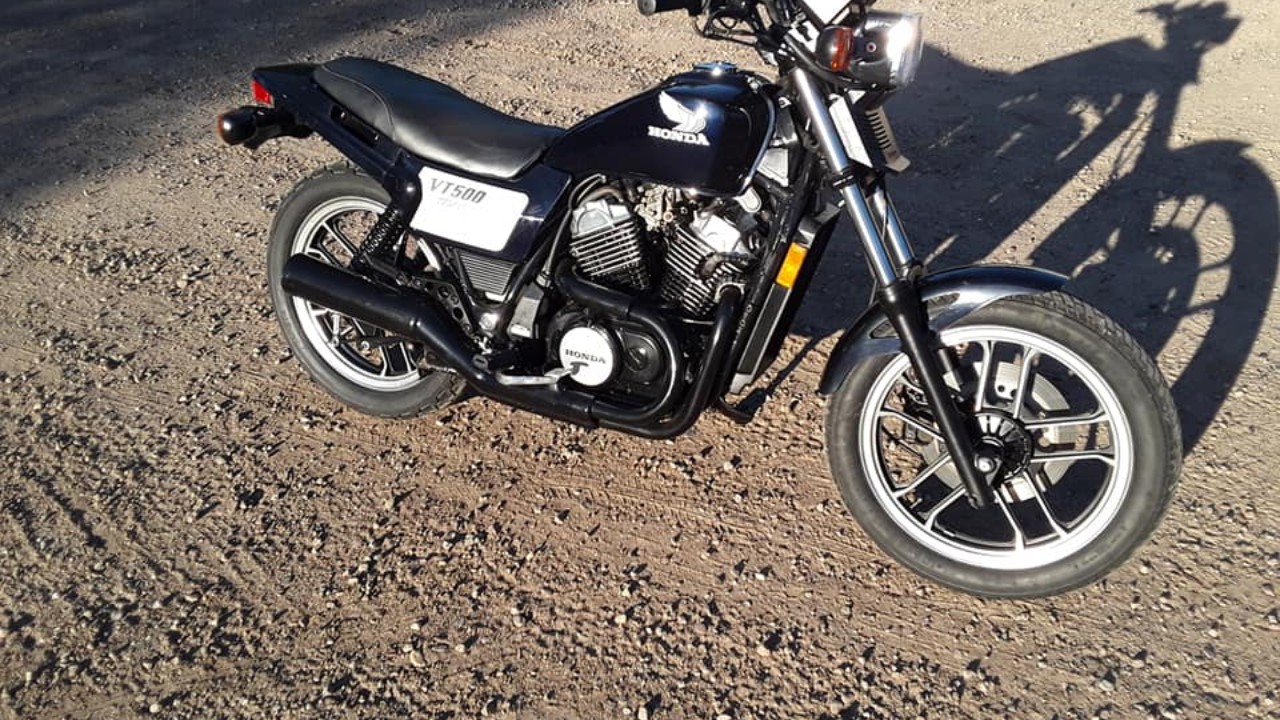
Honda’s naming made this one easy to forget. The VT500FT Ascot shared its name with the FT500 Ascot of 1982 and 1983, yet the two bikes were entirely different. Honda sold the VT500FT version only in North America, and only for 1983 and 1984. In other words, it had a two-year life in one market.
Its engine was a liquid-cooled 491cc V-twin with its cylinders splayed 52 degrees apart. Like every VT500, it used shaft drive, which was unusual for a sporty middleweight. Meanwhile, the styling borrowed from American flat-track racing. The side cover looked like a racer’s number plate and carried a “VT500 Ascot” decal. The fuel tank was square and held 2.5 gallons. Honda quoted a weight of 390 pounds and a 31-inch seat height.
For 1983, buyers could choose Pearl Siren Blue or Candy Bourgogne Red. Then, for 1984, the colours changed to black and metallic red, with only small detail changes otherwise. Our take: the Ascot is a likeable, low-maintenance bike that never found a clear audience. In other words, it was too plain for sport riders and too sporty for cruiser buyers. That middle ground is exactly why it disappeared, and why a tidy one makes such an easy classic to live with now.
More from Fast Lane Only