Throughout automotive history, several cars have emerged that were ahead of their time, often overshadowed by more popular contemporaries. These vehicles introduced innovative technologies and designs that would later become standard features in modern cars. Here are eight forgotten cars that truly pushed the boundaries of what was possible in their respective eras.
Tucker 48
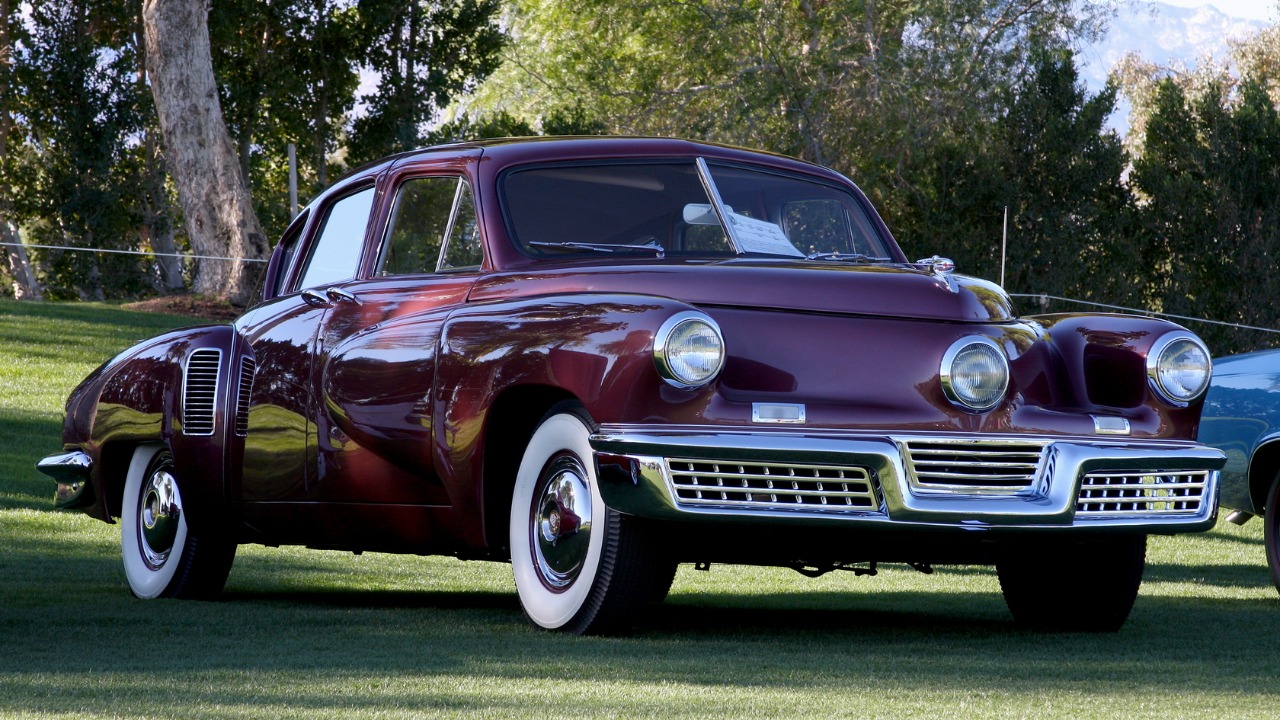
The Tucker 48, produced in 1948, is a classic example of automotive innovation that never gained the recognition it deserved. Designed by Preston Tucker, this car was equipped with features such as a rear-engine layout, a futuristic design, and safety advancements like a padded dashboard and seatbelts. The car’s distinctive “Cyclops Eye” headlight, which turned with the steering, was revolutionary at the time. Unfortunately, only 51 units were produced due to financial difficulties and legal battles, leading it to become more of a legend than a commercial success. For more on its fascinating history, you can check this source.
Despite its limited production, the Tucker 48 inspired future generations of automotive designers and enthusiasts. It remains a symbol of innovation and a testament to what could have been if circumstances had been different. Today, Tucker enthusiasts hold gatherings and showcase their beloved models, keeping the spirit of this groundbreaking car alive. The Tucker 48 is more than just a car; it represents a bold vision for the future of the automotive industry.
DeLorean DMC-12
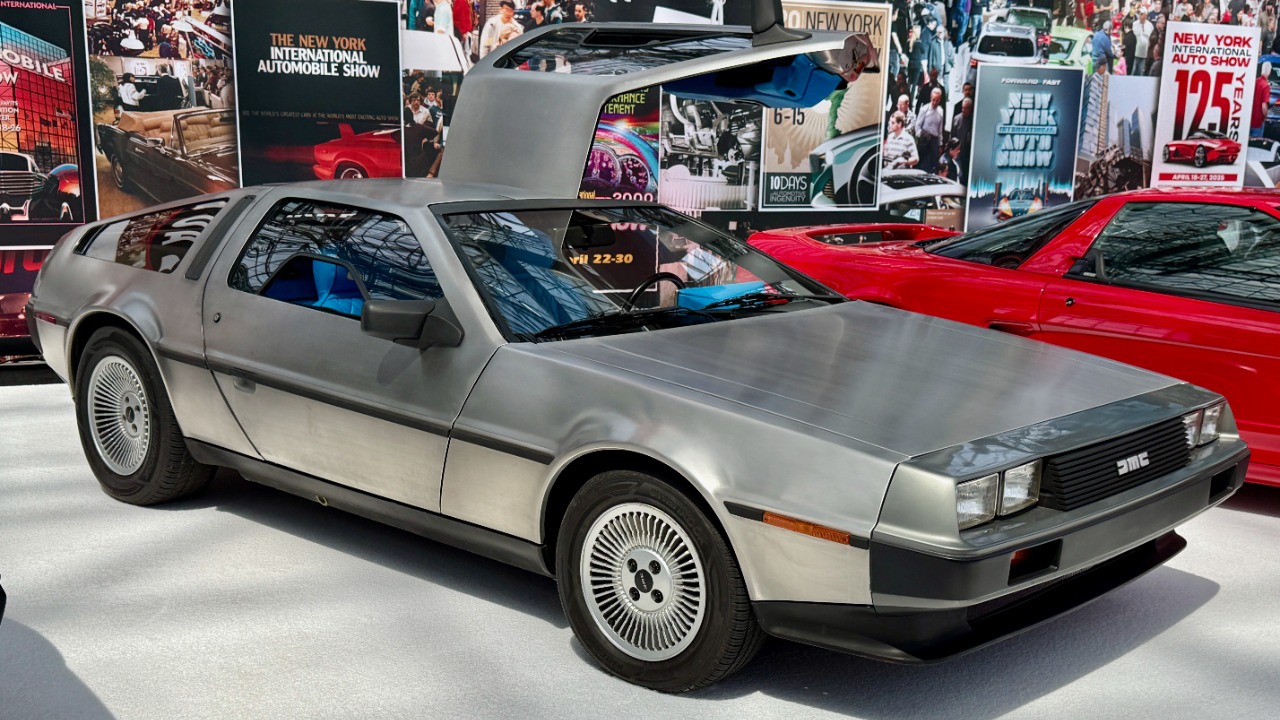
The DeLorean DMC-12, manufactured from 1981 to 1983, is perhaps best known for its role in the “Back to the Future” films. However, its unique design and stainless-steel body were groundbreaking features that set it apart from other vehicles of its time. The car’s gull-wing doors and futuristic aesthetics captured the imagination of many, making it a symbol of 1980s pop culture. Unfortunately, financial troubles plagued the DeLorean Motor Company, leading to its premature demise and making it a forgotten icon of automotive history. For further insights, check out this discussion on Reddit.
Despite its short production run, the DMC-12 has gained a dedicated following among car enthusiasts. Its innovative design and features, such as the fiberglass underbody and advanced suspension system, were years ahead of their time. Today, the DeLorean DMC-12 has become a collectible classic, with prices steadily climbing as nostalgia for the iconic film grows. The DMC-12 remains a testament to the idea of dreaming big in automotive design.
Chrysler Airflow
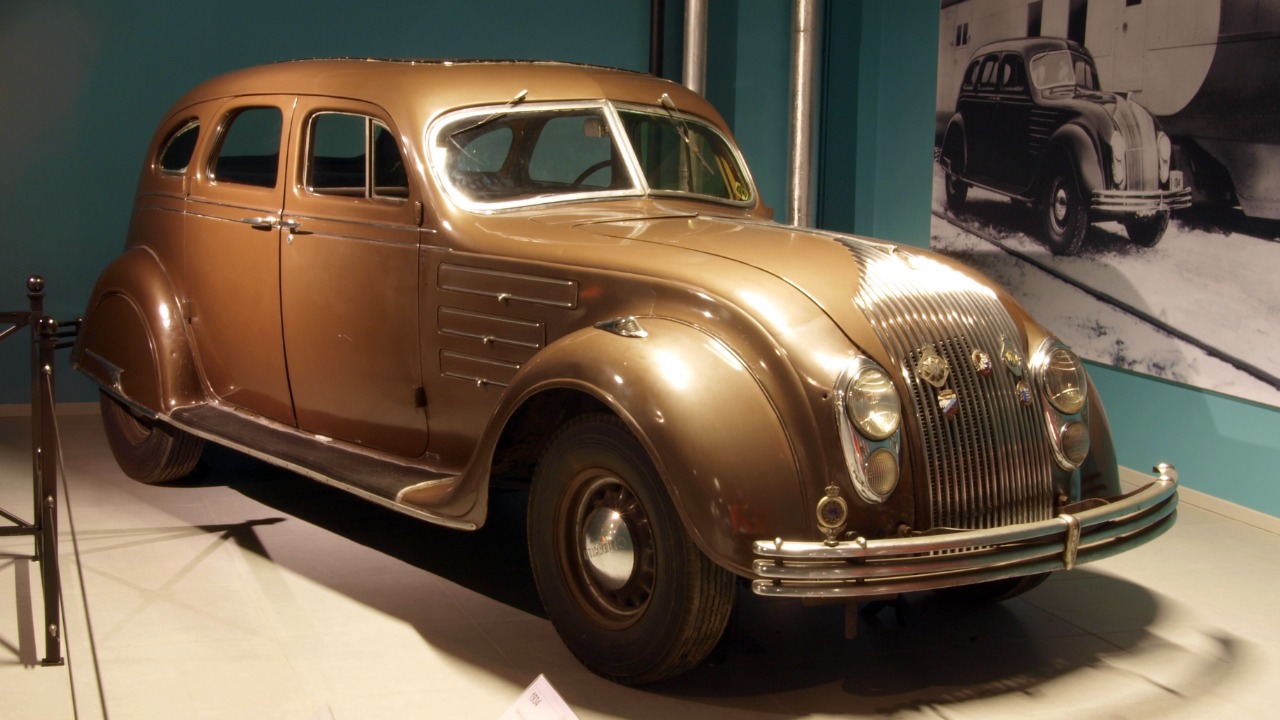
Introduced in 1934, the Chrysler Airflow was one of the first cars to utilize aerodynamic design principles, which were crucial for enhancing fuel efficiency and performance. Its sleek, streamlined shape was a departure from the boxy designs of the era, making it visually striking. The Airflow also featured a modern chassis, improved weight distribution, and an innovative all-steel body, setting the stage for future automobile design. However, it was met with skepticism from the public and ultimately fell short of sales expectations. You can learn more about its impact in this book.
The legacy of the Chrysler Airflow lives on in the design principles that continue to influence modern vehicles. Its introduction of features such as hydraulic brakes and a low center of gravity were revolutionary. While the Airflow may have not achieved commercial success, it paved the way for future innovations in car design. Many automotive historians regard it as a significant milestone in the evolution of the automobile, showcasing the potential for design to drastically change vehicle performance.
Pontiac Aztek

The Pontiac Aztek, produced from 2001 to 2005, is often remembered for its polarizing design that failed to resonate with consumers. However, it was brimming with innovative features that were years ahead of its time. The Aztek was equipped with a versatile interior, which included a removable center console that could be used as a cooler and a spacious cargo area that could accommodate outdoor gear. Its unique design offered a blend of SUV and minivan characteristics, appealing to a niche market. Despite its innovative features, it struggled with sales due to its unconventional look. For more on its legacy, check out this Car and Driver article.
Today, the Aztek has gained a cult following, with enthusiasts appreciating its quirky design and practicality. As tastes have shifted towards more utilitarian vehicles, the Aztek is being reevaluated as a pioneering model that anticipated the crossover craze. Its unique approach to function and form serves as a reminder that not all innovative designs are immediately recognized or appreciated.
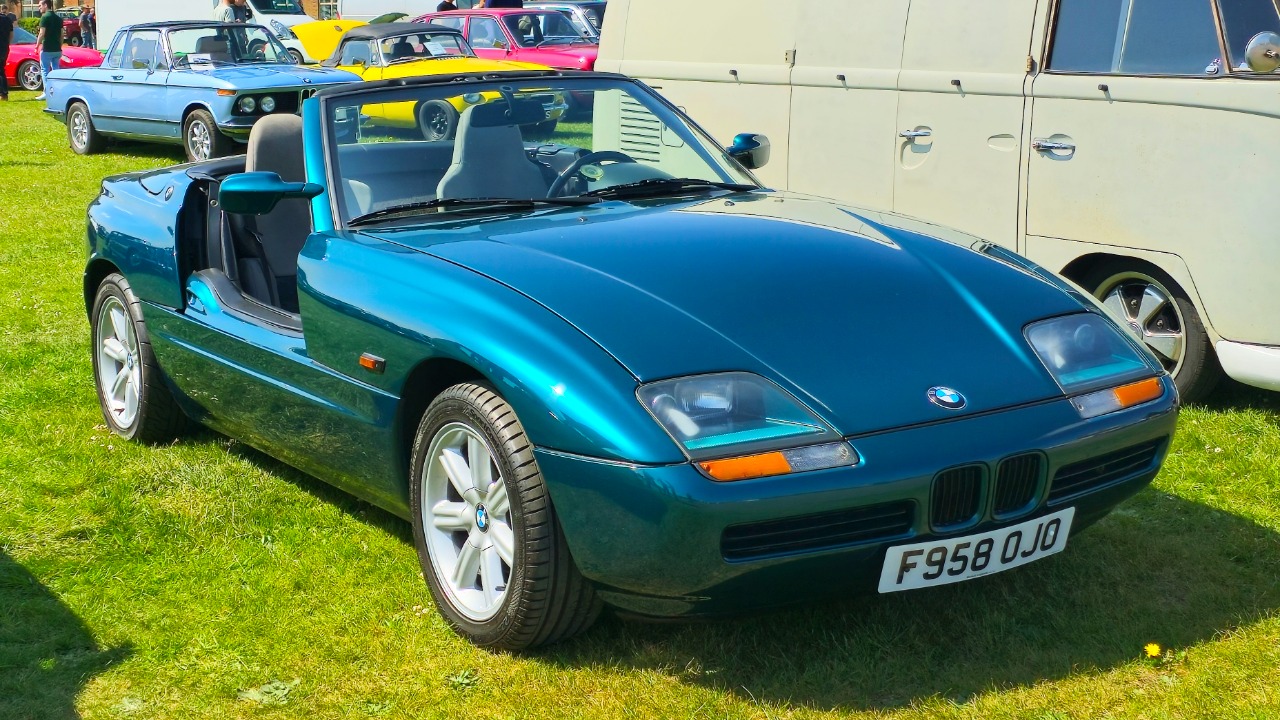
BMW Z1
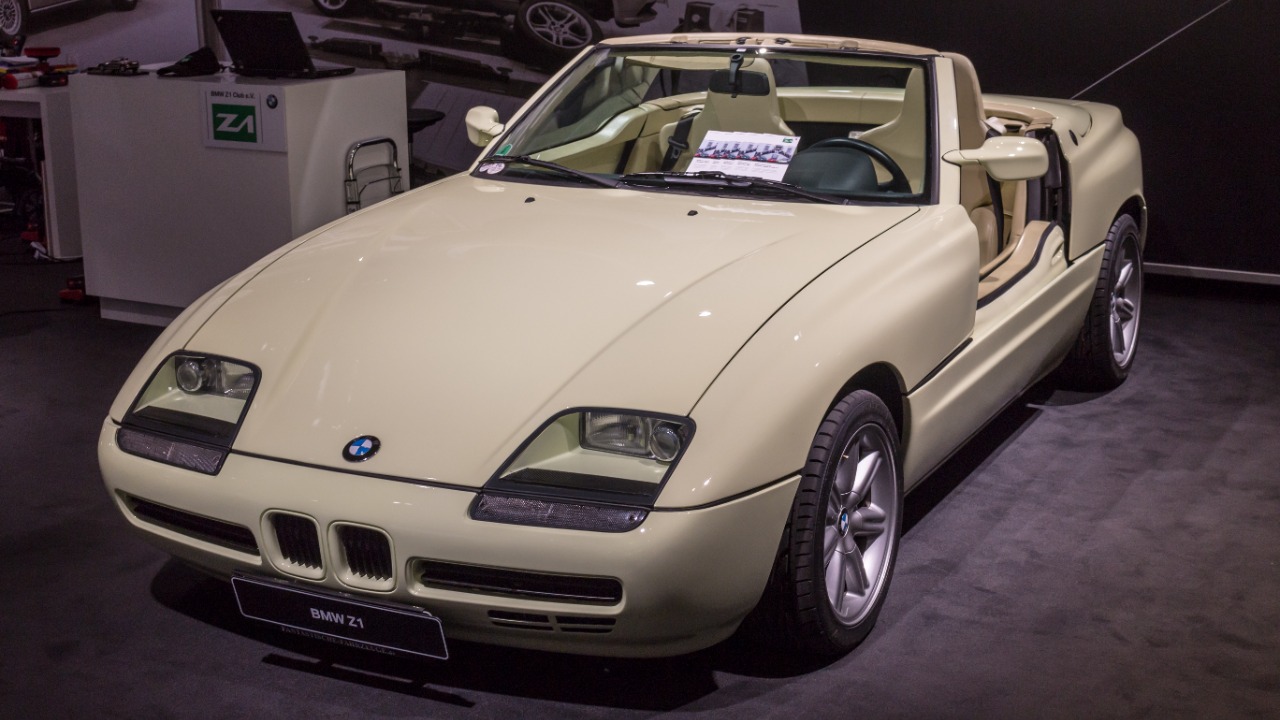
The BMW Z1, produced between 1989 and 1991, was a groundbreaking roadster that introduced many features that remain relevant in modern cars. Its most notable feature was its innovative doors that would retract into the body of the car, offering an open-air driving experience without traditional door mechanisms. The Z1 also boasted a lightweight plastic body and a rear-wheel-drive layout, giving it exceptional handling characteristics. Despite its impressive features, only about 8,000 units were produced, making it a rare find today. The Z1 remains a fascinating example of BMW’s engineering prowess. For more details, refer to this source.
Although the Z1 was not a commercial success, it showcased BMW’s commitment to innovation and design. Today, it is celebrated among enthusiasts for its unique styling and engineering. The Z1’s influence can be seen in subsequent BMW models that adopted similar design philosophies, proving that sometimes the most innovative ideas take time to be fully appreciated. Its rarity and distinct character continue to endear it to collectors and automotive historians alike.
Citroën DS
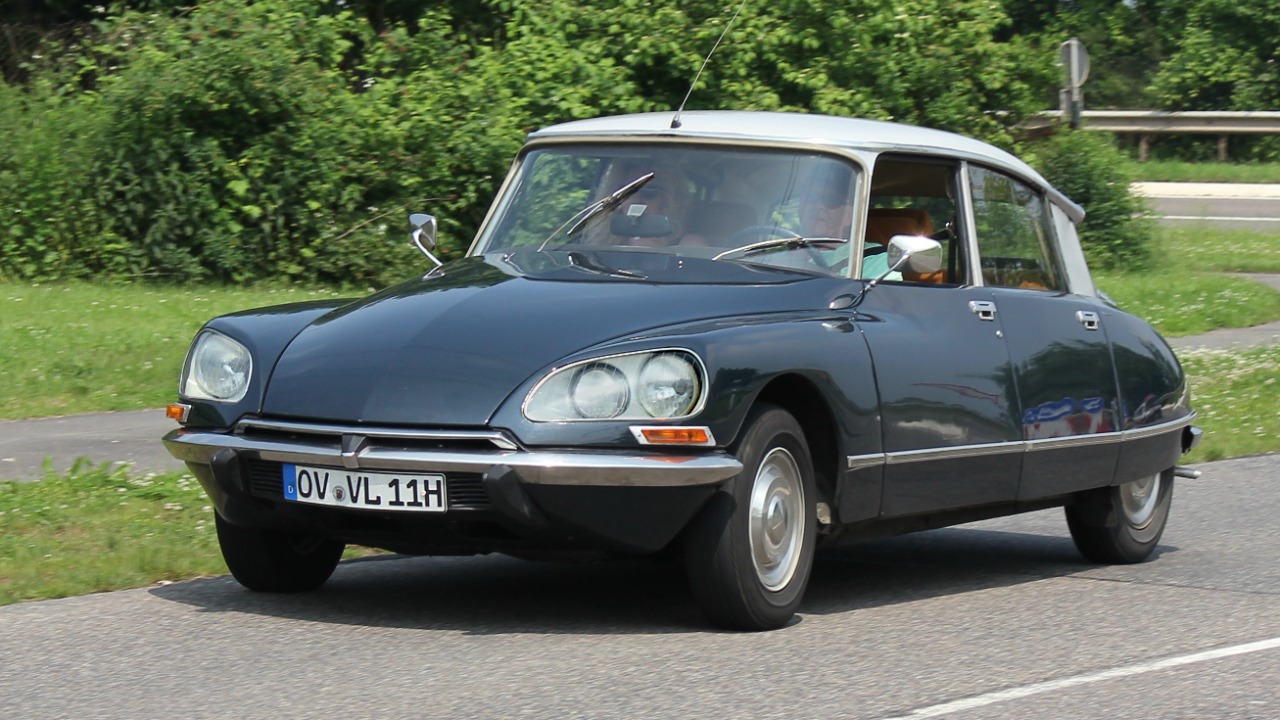
Launched in 1955, the Citroën DS was a revolutionary vehicle that redefined automotive design and technology. With its aerodynamic shape, advanced hydropneumatic suspension, and iconic styling, the DS was unlike anything else on the market. It featured self-leveling suspension and disc brakes, which were groundbreaking innovations at the time. The DS was designed to provide a smooth and comfortable ride, making it a favorite among drivers and passengers alike. Its unique design and engineering earned it a spot in automotive history, despite being produced for over two decades. The DS continues to be celebrated for its forward-thinking design and engineering prowess.
Today, the Citroën DS is regarded as a classic and a symbol of French automotive culture. Its innovative features set the stage for future advancements in vehicle design, and it remains a beloved choice among collectors. As time goes on, the legacy of the DS only grows stronger, reminding us of the importance of innovation in the automotive industry.
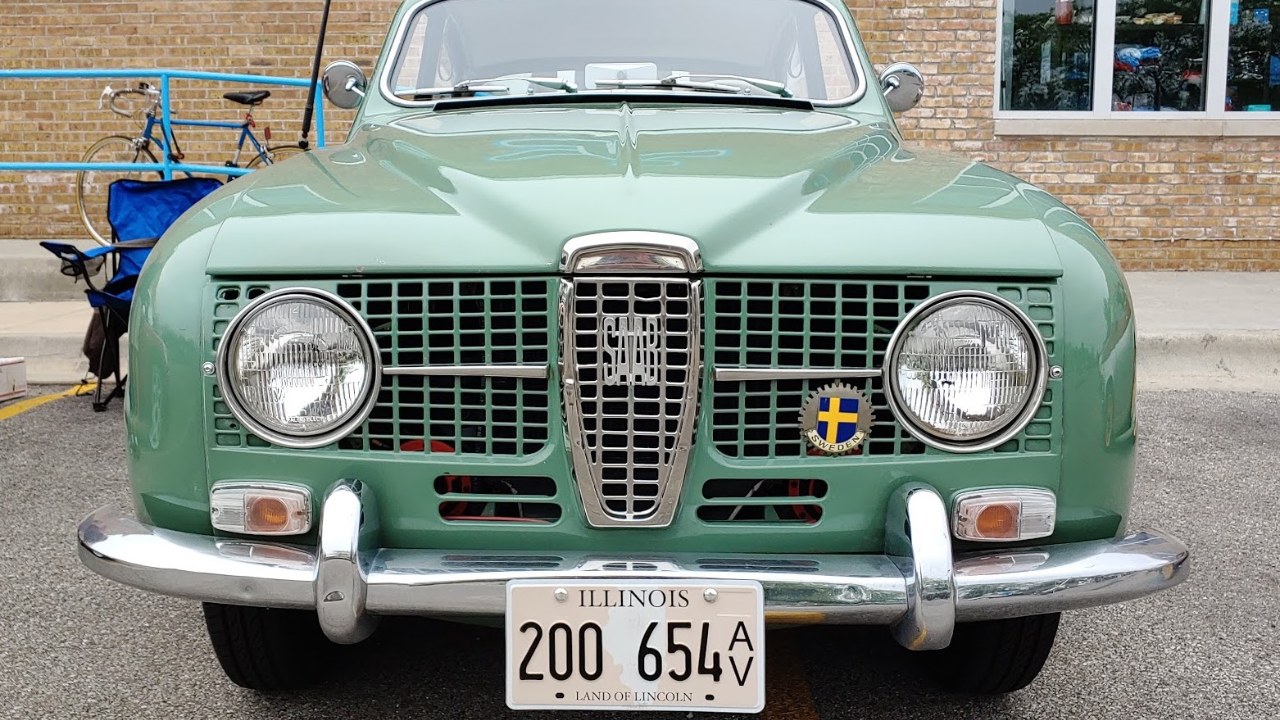
Saab 92
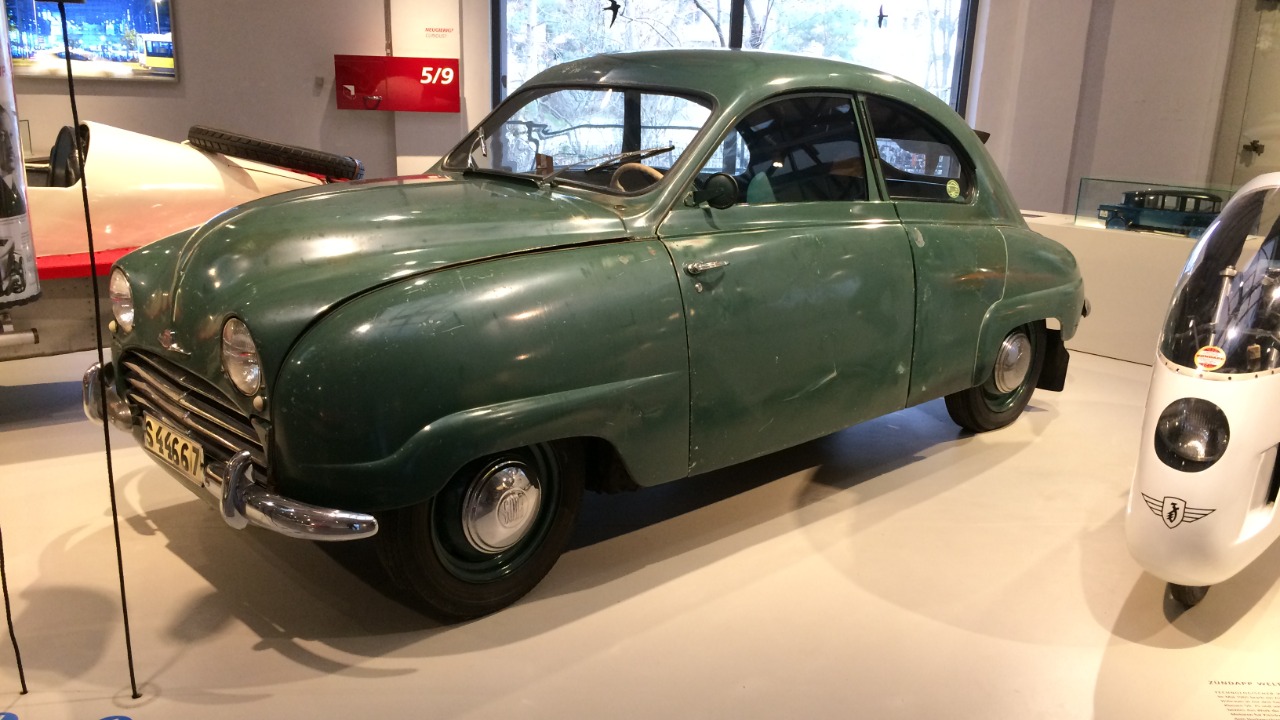
The Saab 92, produced from 1949 to 1956, was the company’s first production car and is often credited with establishing Saab’s reputation for unique design and engineering. With its aerodynamic shape and front-wheel-drive layout, the 92 was years ahead of its time. It featured a two-stroke engine, which offered a lightweight and efficient powertrain. The Saab 92 was designed with safety in mind, incorporating a rigid body structure that provided enhanced protection for passengers. Despite its innovative features, production was limited, and it became a footnote in automotive history. Nevertheless, it laid the groundwork for Saab’s future models.
Today, the Saab 92 is celebrated by enthusiasts and collectors for its uniqueness and historical significance. Its innovative approach to design and engineering serves as a reminder of Saab’s commitment to pushing boundaries in the automotive world. As we look back on this forgotten car, it’s clear that the Saab 92 was not just a vehicle; it was a pioneering step into a new era of automotive design.
Tesla Roadster (2008)
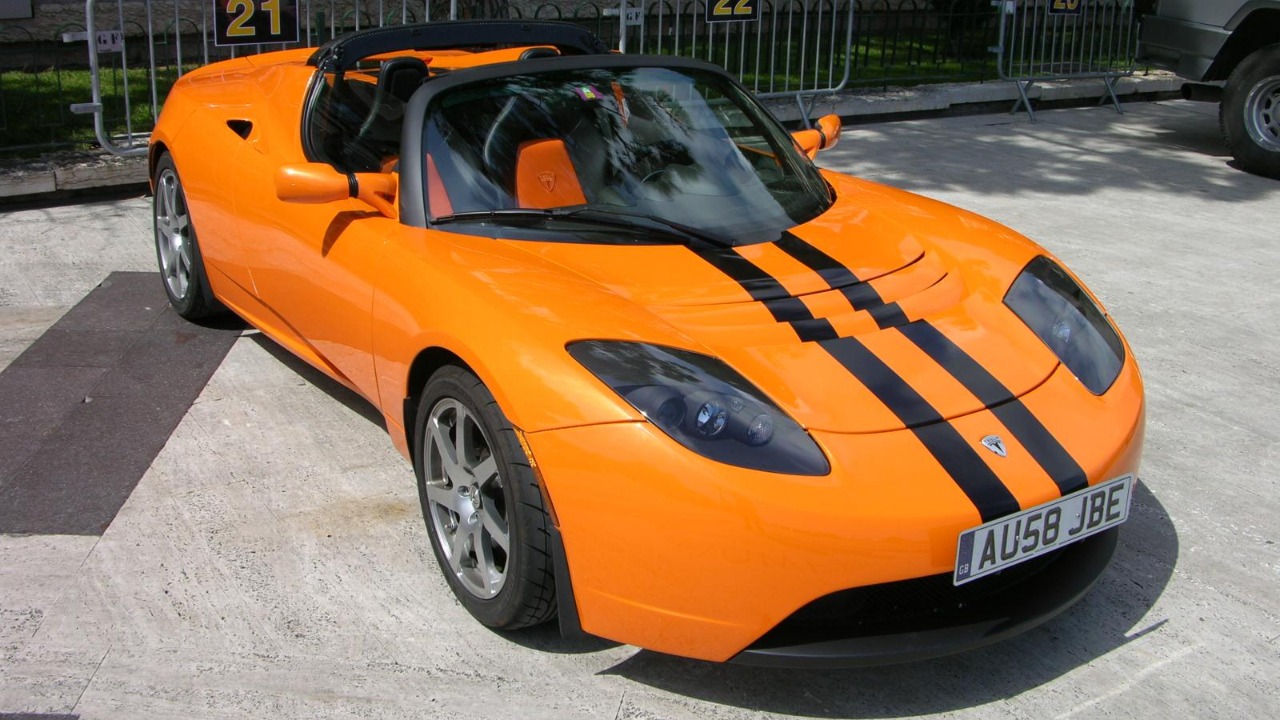
The 2008 Tesla Roadster was a groundbreaking electric sports car that changed the automotive landscape. It was the first highway-legal electric vehicle to use lithium-ion battery cells, providing an impressive range of over 200 miles on a single charge. With a 0-60 mph time of just 3.7 seconds, it proved that electric cars could compete with traditional gasoline-powered sports cars. The Roadster’s design and performance paved the way for Tesla’s future models and helped shift public perception about electric vehicles. Its introduction marked the beginning of a new era in sustainable transportation.
Despite being overshadowed by newer models, the original Roadster is now recognized as a milestone in automotive history. It demonstrated that electric vehicles could be both practical and exhilarating to drive. The legacy of the 2008 Tesla Roadster continues to influence the electric vehicle market, inspiring new generations of car manufacturers to innovate and prioritize sustainability. As the world shifts towards electric mobility, the Roadster remains a pivotal chapter in that narrative.
More from Fast Lane Only
- Unboxing the WWII Jeep in a Crate
- 15 rare Chevys collectors are quietly buying
- 10 underrated V8s still worth hunting down
- Police notice this before you even roll window down
*Research for this article included AI assistance, with all final content reviewed by human editors.