Certain automobiles did more than deliver speed—they introduced younger drivers to the excitement of performance driving. Affordable prices, distinctive styling, powerful engines, and accessible handling helped these cars become gateways into enthusiast culture. These ten automobiles played an important role in bringing performance to a new generation.
Ford Mustang
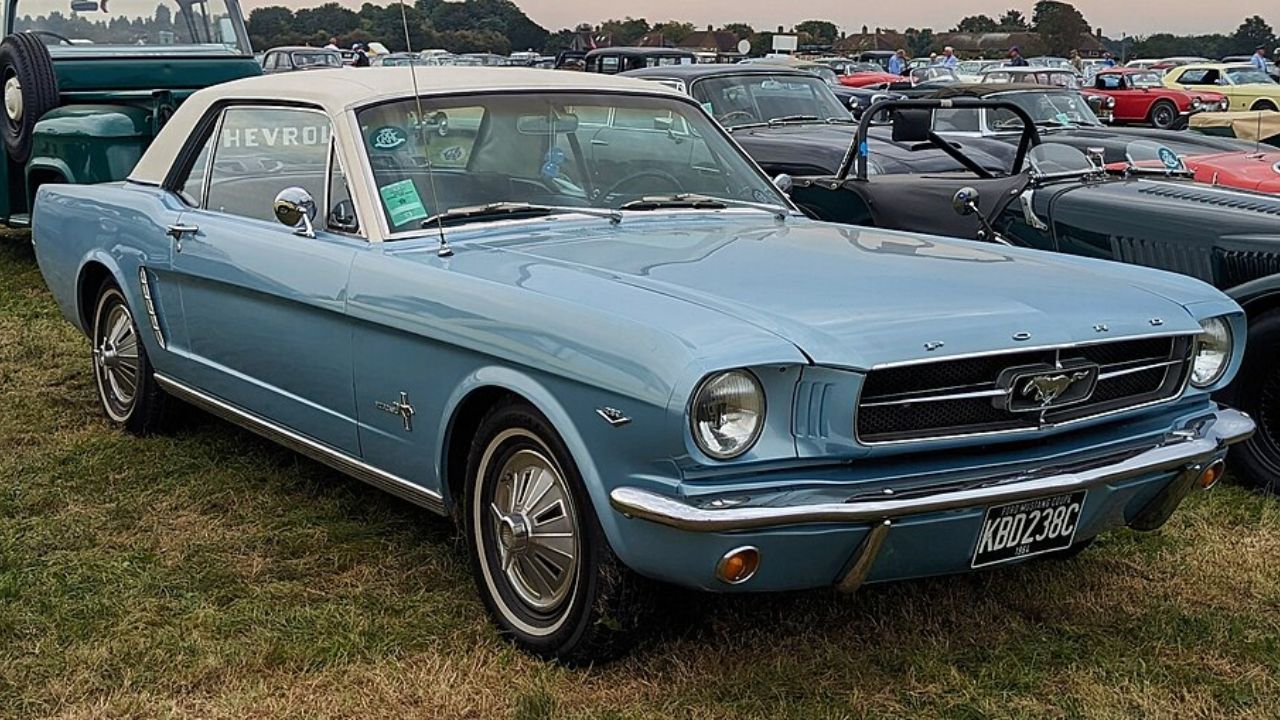
The Ford Mustang helped make sporty performance accessible to a huge audience. Its compact size, attractive styling, and wide range of engine options allowed buyers to choose everything from economical transportation to serious V8 power. The Mustang’s affordability and customization potential attracted younger drivers and created the pony-car segment. It remains one of the most influential performance cars in American history.
Chevrolet Camaro
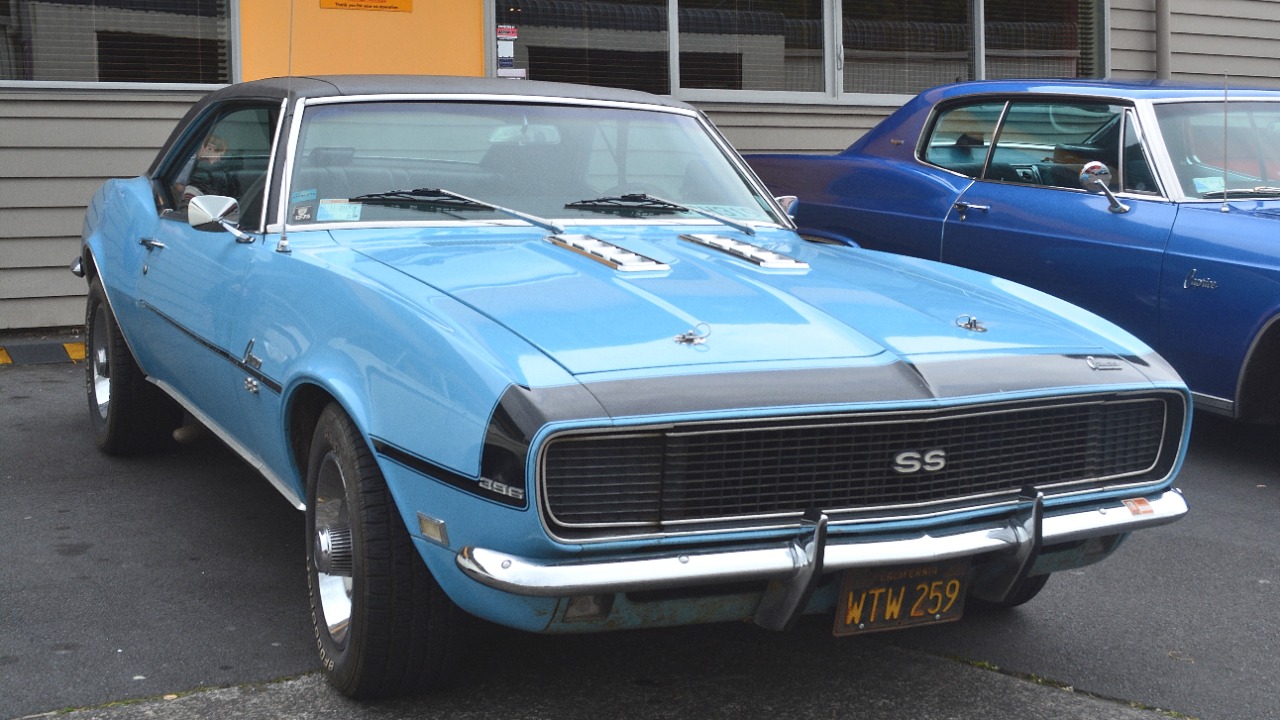
The Chevrolet Camaro arrived as Chevrolet’s answer to the Mustang and quickly developed its own performance identity. Buyers could choose powerful V8 engines, manual transmissions, and performance packages without moving into expensive sports cars. The Camaro’s aggressive styling and accessible price made it particularly appealing to younger enthusiasts. It became a major gateway into American performance culture.
Pontiac Firebird
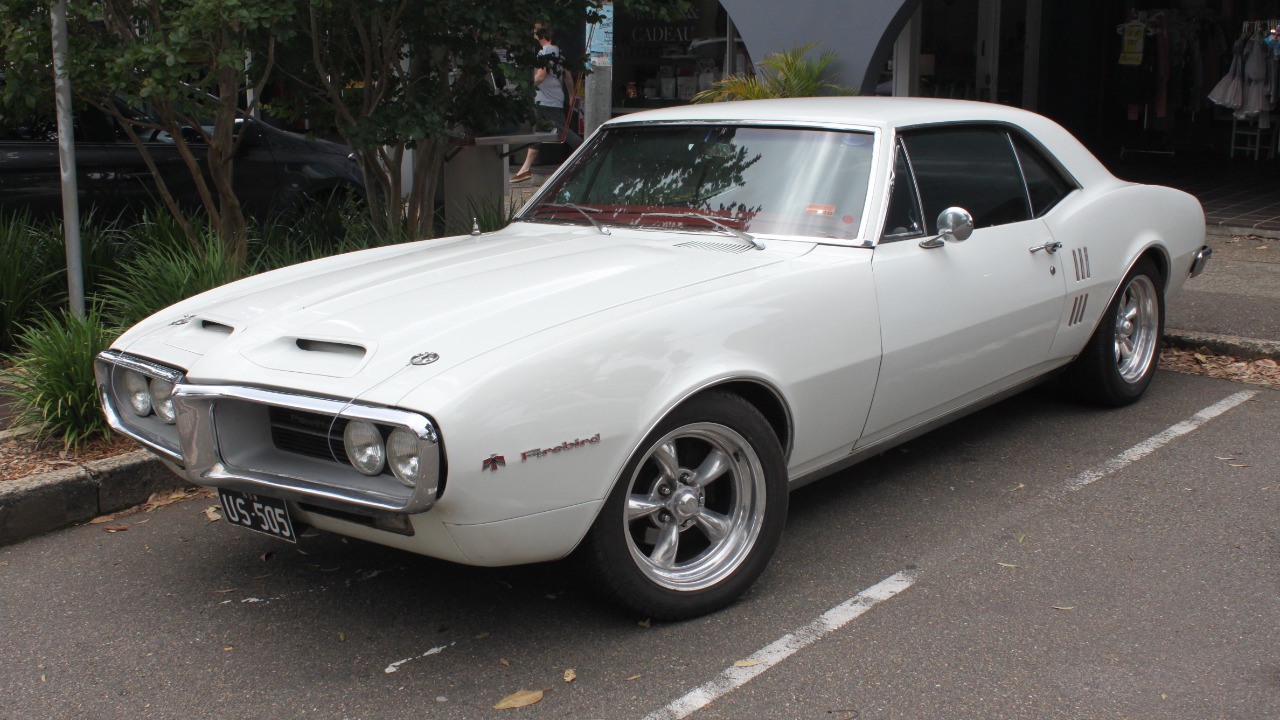
The Pontiac Firebird combined sporty styling with a wide selection of engines and performance options. V8 versions provided serious acceleration, while models such as the Formula and Trans Am became icons of American performance. The Firebird offered enthusiasts a platform that could be customized and upgraded extensively. For many young drivers, it represented an attainable step into the muscle-car world.
Chevrolet Corvette
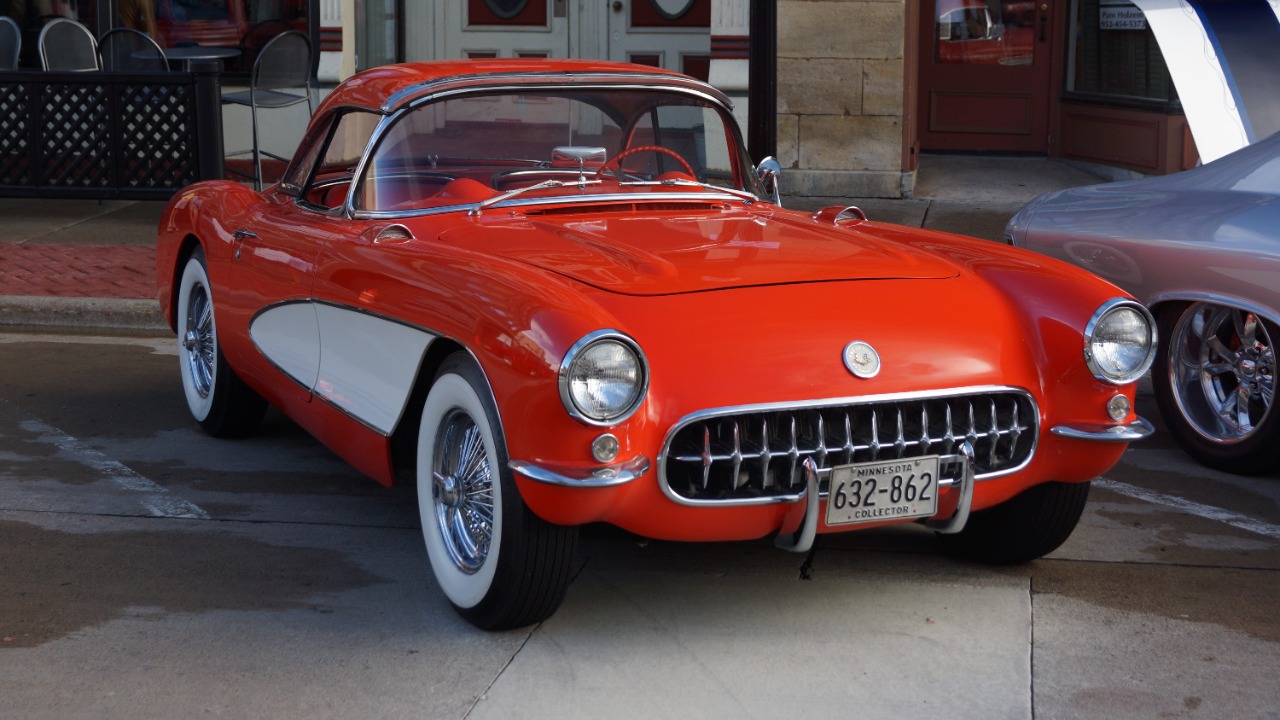
The Chevrolet Corvette introduced generations of enthusiasts to serious American sports-car performance. Its two-seat layout, powerful V8 engines, and continuously evolving chassis made it a genuine performance machine. Although more expensive than pony cars, used Corvettes eventually became accessible to younger enthusiasts. Its racing heritage also gave drivers a connection to professional motorsport.
Pontiac GTO
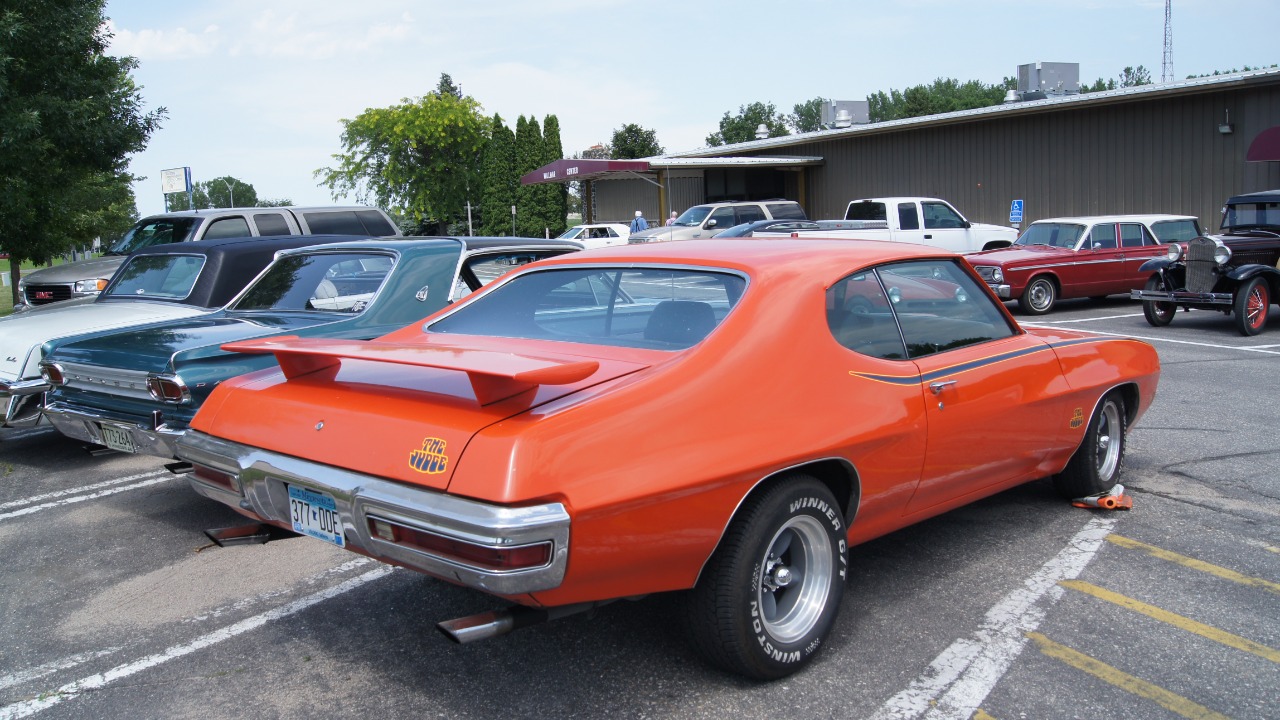
The Pontiac GTO helped create the classic muscle-car formula by putting a large V8 into a midsize car. Its combination of acceleration, aggressive styling, and relatively accessible pricing appealed strongly to younger buyers. The GTO demonstrated that serious performance did not require a European sports car or luxury automobile. Its success influenced nearly every American manufacturer.
Plymouth Road Runner

The Plymouth Road Runner made performance more affordable by removing unnecessary luxury equipment and focusing on power. Its simple interior, lightweight construction, and available big-block engines created a direct driving experience. The approach resonated with younger buyers who wanted speed without an enormous price tag. The Road Runner helped make muscle-car ownership accessible to a much wider audience.
Datsun 240Z
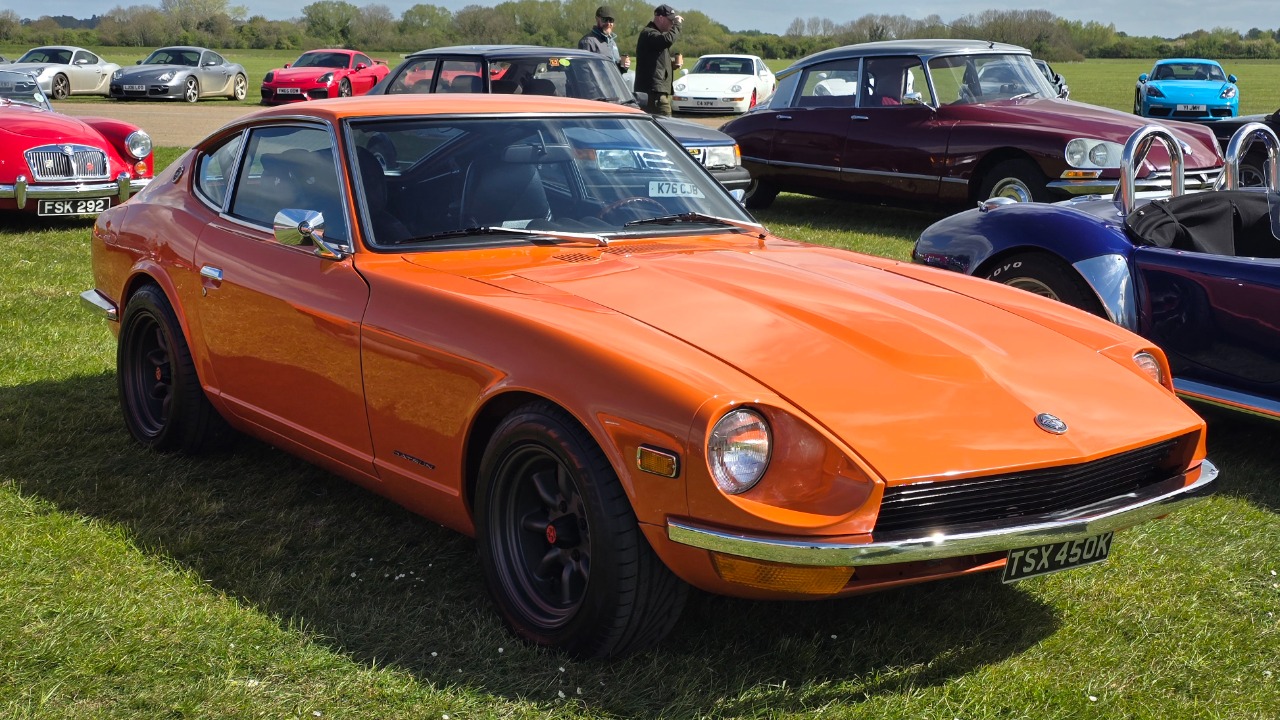
The Datsun 240Z introduced many American enthusiasts to lightweight Japanese sports-car performance. Its long hood, short rear deck, independent suspension, and inline-six engine provided an engaging alternative to heavier American muscle cars. It also offered impressive performance at a relatively reasonable price. The 240Z helped establish Japanese sports cars as serious competitors in the American market.
Mazda MX-5 Miata
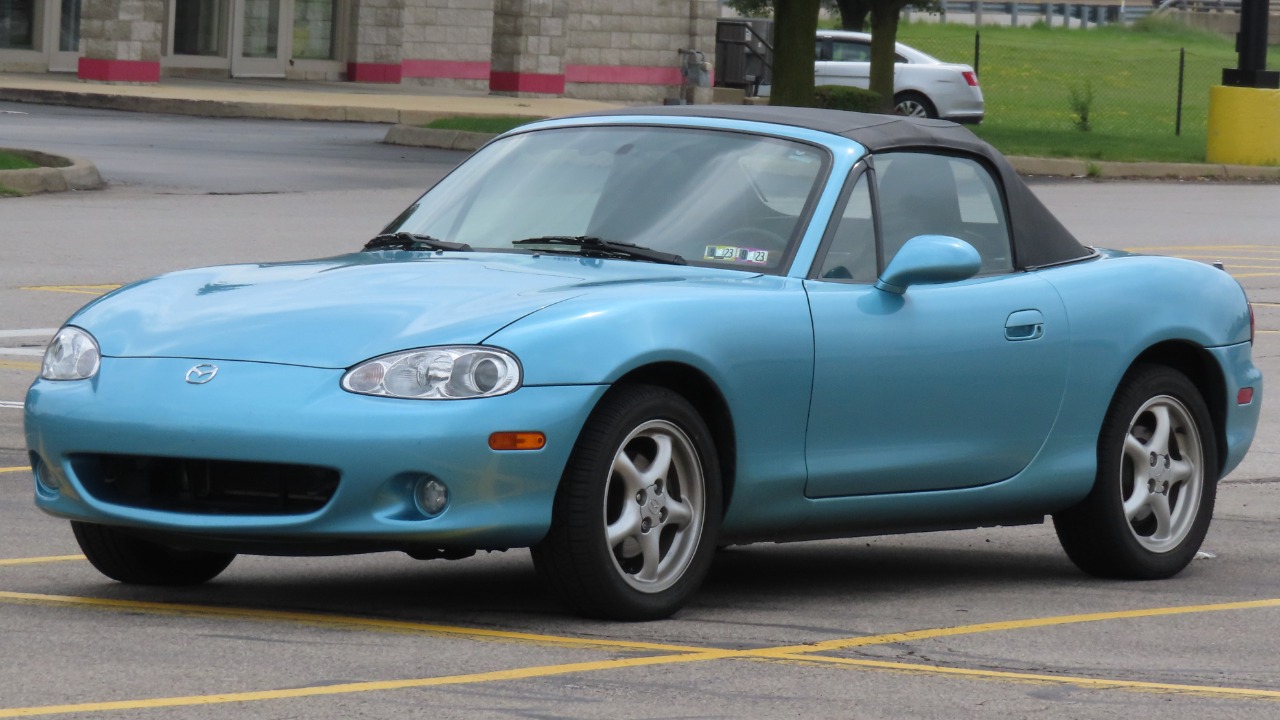
The Mazda MX-5 Miata revived the affordable lightweight roadster concept for a new generation. Its simple rear-wheel-drive layout, low weight, and responsive handling made it more about driving enjoyment than outright horsepower. Its accessible price allowed many young enthusiasts to experience sports-car ownership. The Miata proved that performance could be defined by balance rather than enormous engine output.
Volkswagen GTI
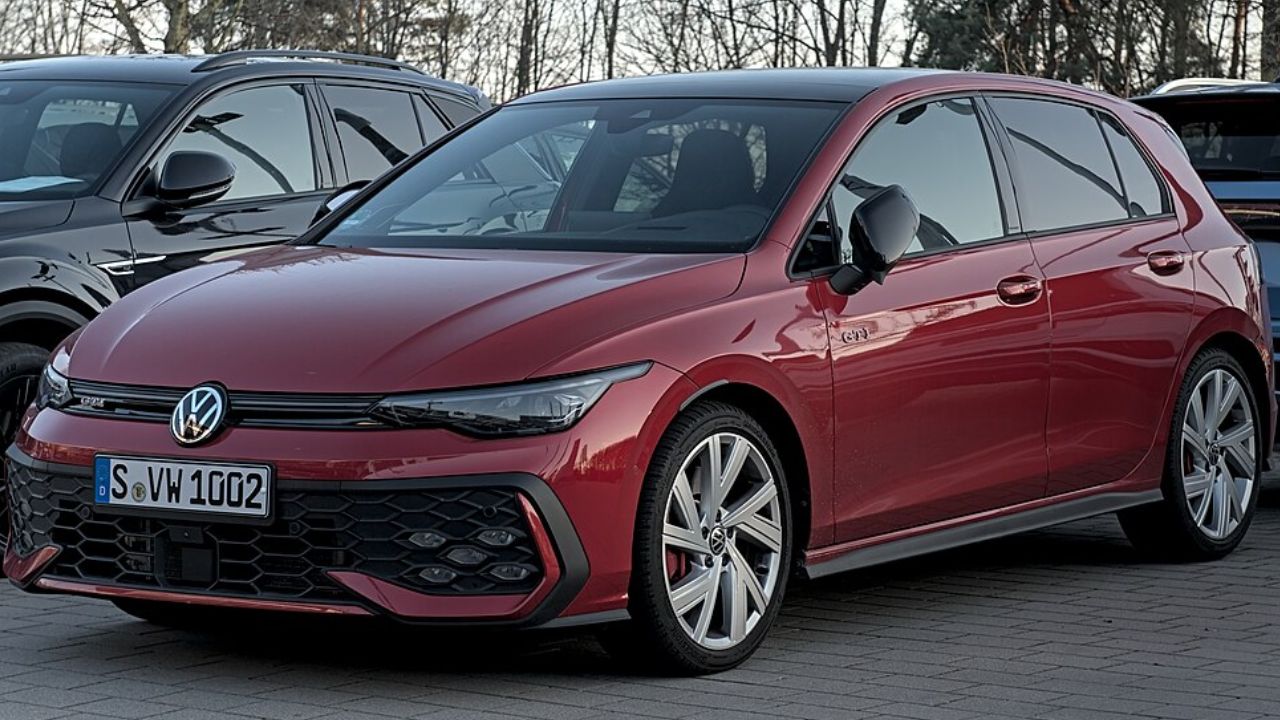
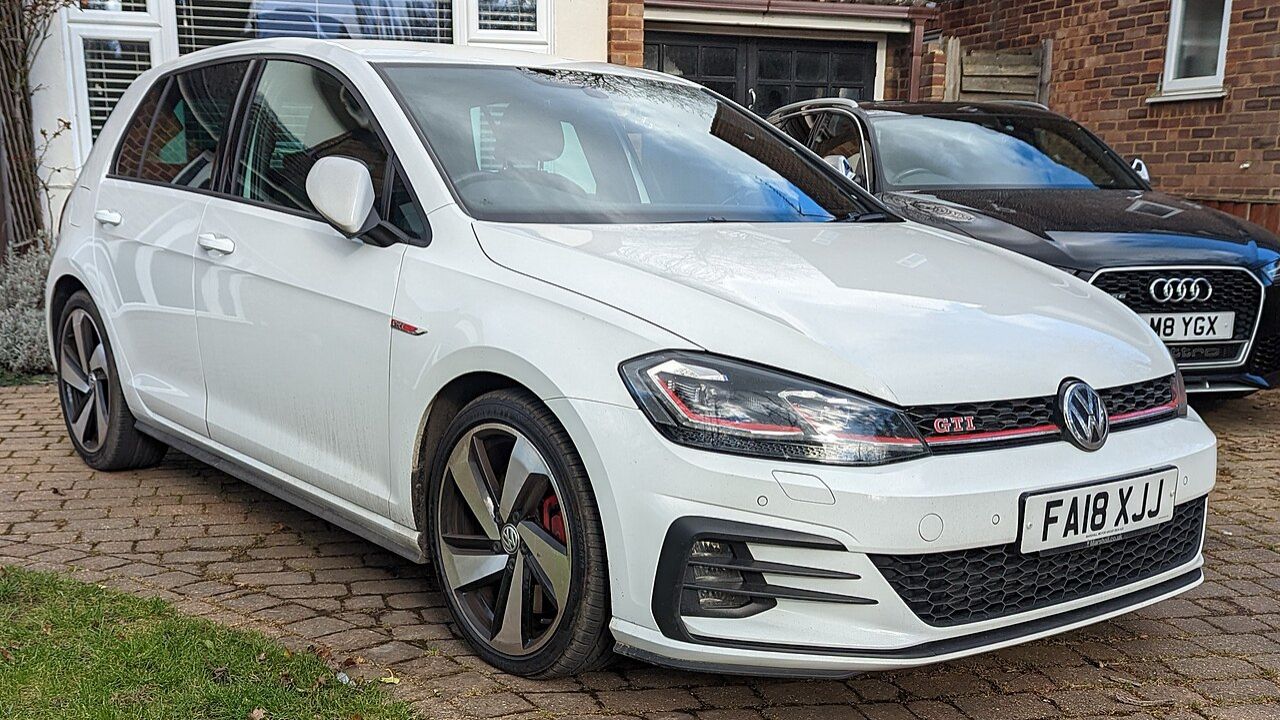
The Volkswagen GTI helped popularize the modern hot-hatch formula. Its compact body, front-wheel drive, responsive handling, and relatively powerful engine created an entertaining package that remained practical for everyday use. The GTI showed younger drivers that a small family car could also deliver genuine performance. Its influence can be seen throughout today’s hot-hatch market.
Subaru Impreza WRX
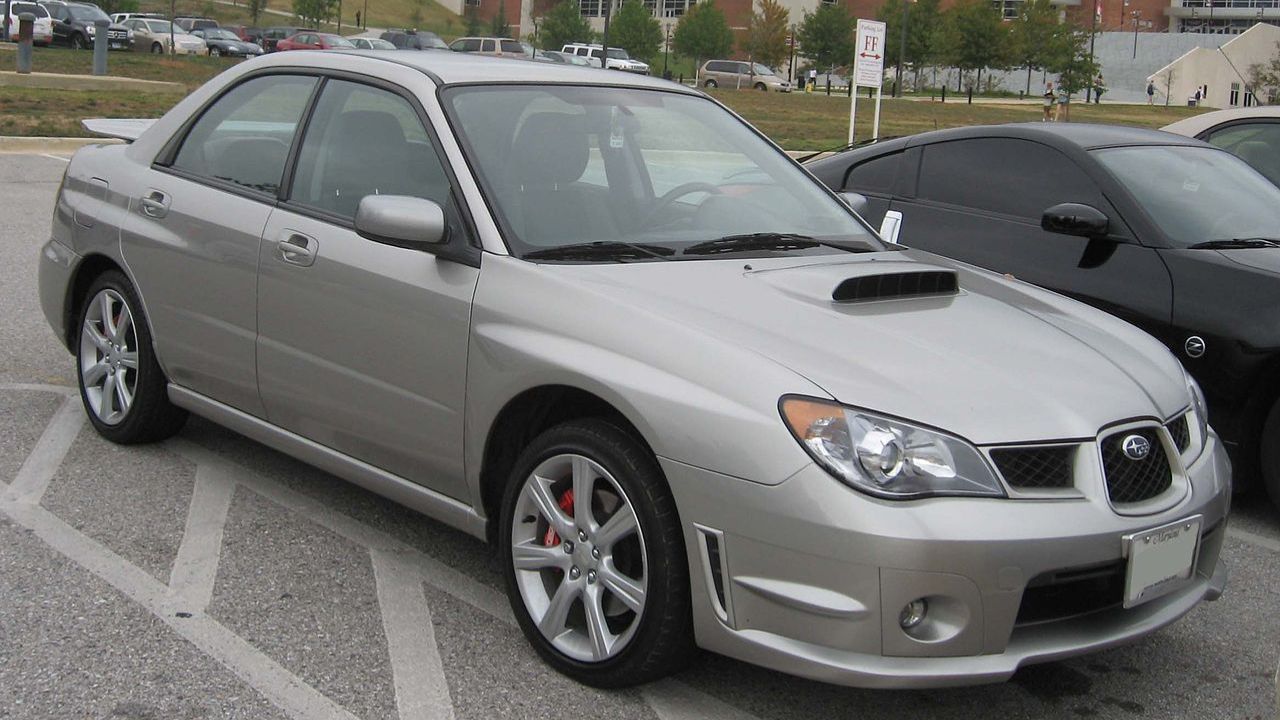
The Subaru Impreza WRX introduced a generation of enthusiasts to rally-inspired performance. Its turbocharged boxer engine, all-wheel drive, and aggressive character gave it impressive capability on both paved and challenging roads. The WRX became especially popular with younger drivers because it offered serious performance without supercar pricing. Its connection to rally competition further strengthened its enthusiast appeal.
More from Fast Lane Only
- Unboxing the WWII Jeep in a Crate
- 15 rare Chevys collectors are quietly buying
- 10 underrated V8s still worth hunting down
- Police notice this before you even roll window down
*Research for this article included AI assistance, with all final content reviewed by human editors