Laverda motorcycles come from Breganze in northeastern Italy, where the Laverda family first made farm machinery. After World War II, Francesco Laverda started the motorcycle company in 1949. For its first two decades, it built small bikes of 75 to 200cc. Then, in the 1960s, his son Massimo pushed it toward big bikes.
Over the next decade, Laverda went from a 650 twin to a V6 endurance racer. So these seven machines trace that climb, with every figure tied to Hagerty or the marque’s enthusiast archive.
1. 1968 Laverda 650: big-bore Laverda motorcycles begin
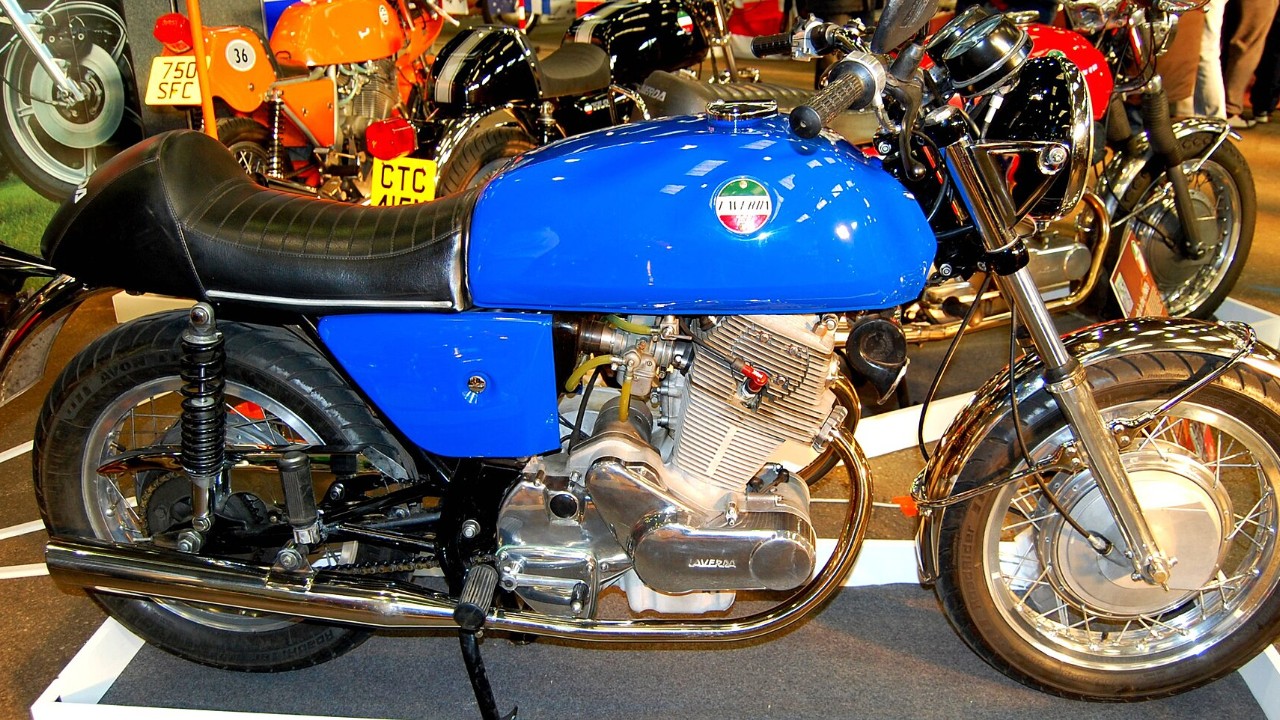
Laverda showed a prototype of its large parallel twin at the London Show in 1966. Two years later, in 1968, Laverda presented the 650. Before it even reached production, the bike won its class in the Italian Moto Giro.
The twin used a 654cc single-overhead-cam engine, according to Hagerty. Its look and layout owed a lot to Honda’s popular 250cc CB72, the magazine says. That was because Massimo Laverda had pushed for bigger bikes after a 1964 trip to the United States. The Laverdamania history adds that the twin later grew to 750cc.
2. Laverda 750 SF
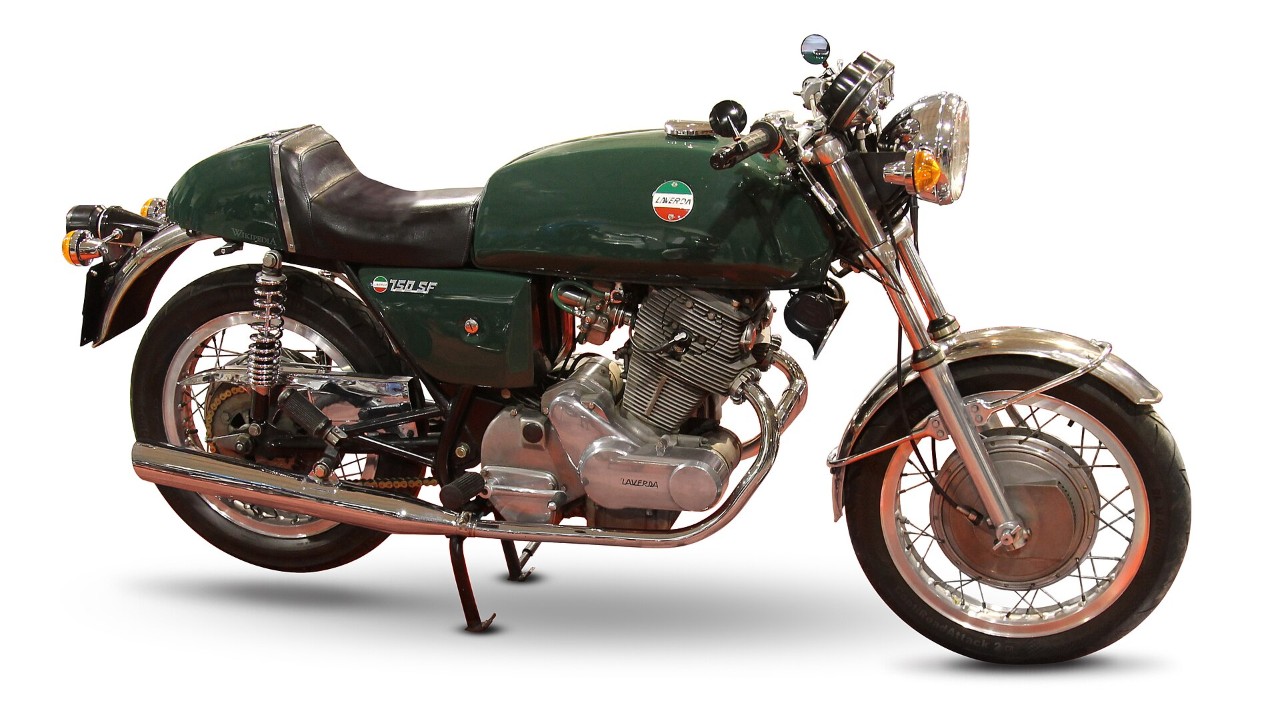
Later, Laverda enlarged the twin to 744cc. In that form, it made 52 bhp, according to Hagerty. The bike was the 750 SF, and the letters stood for “Super Freni,” or super brakes.
In fact, the name came from its big front drum brake, which Laverda built itself, Hagerty says. The 750 family, including the S, SF and SFC, then earned endurance racing results and strong sales, especially in Europe and the United States, according to Laverdamania. In turn, the SF became the base for the racer that came next.
3. 1971 Laverda 750 SFC
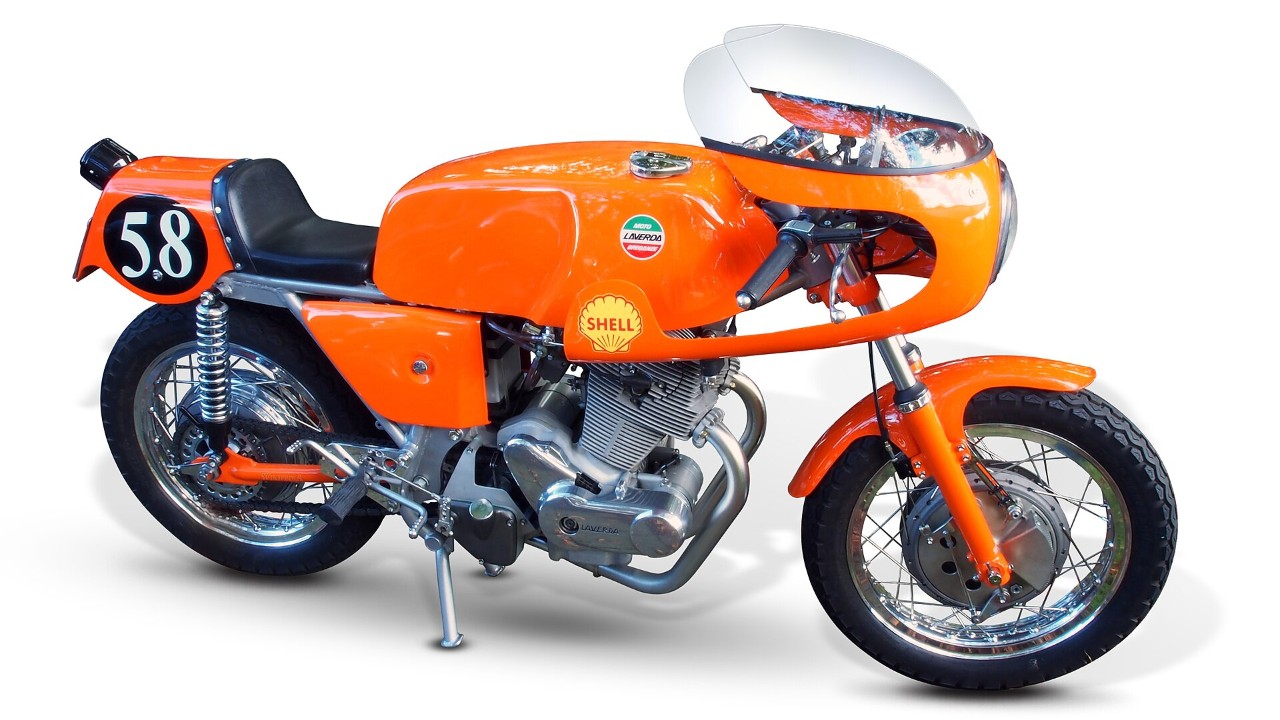
Laverda’s SFC was a race-ready version of the SF. It made about 70 bhp and added a modified frame and a half-fairing, according to Hagerty.
It also made a strong first impression. The SFC won the Barcelona 24 Hours on its debut in 1971, Hagerty says. Yet Laverda built only around 550 of them, according to the same article.
4. 1973 Laverda 1000 3C
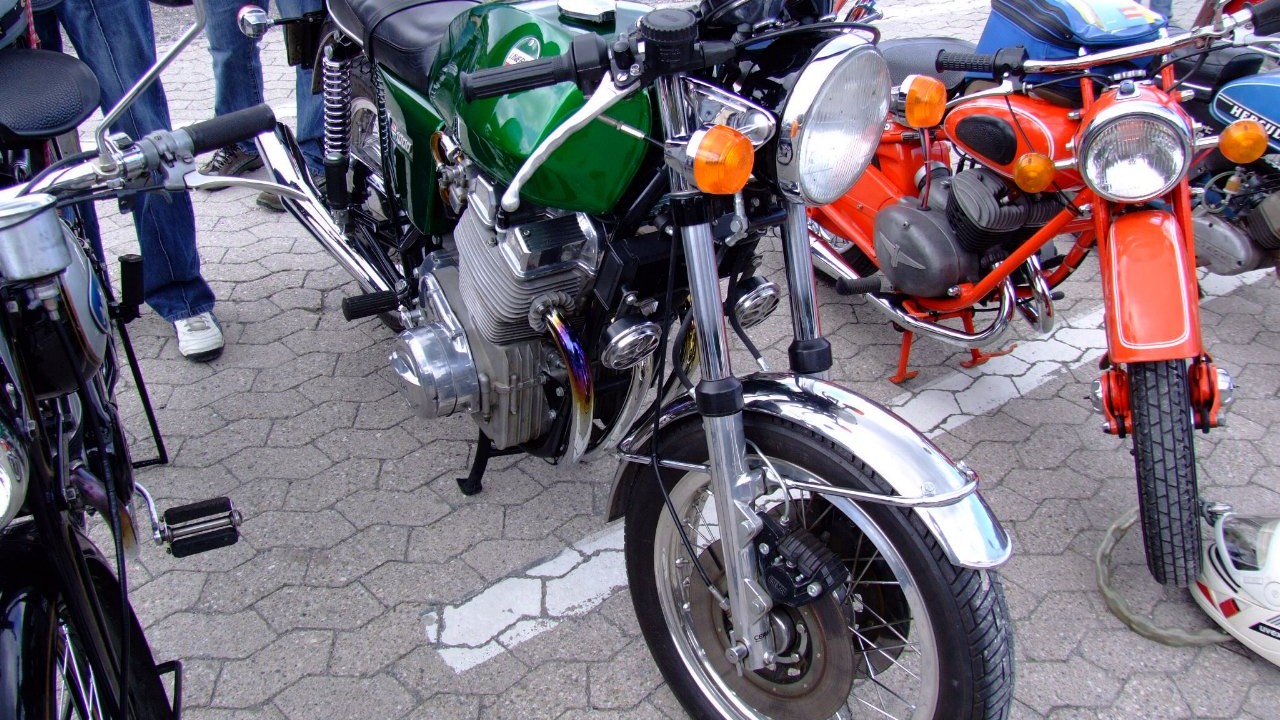
For 1973, Laverda moved up to a triple. The 3C displaced 981cc and used twin overhead camshafts, which helped push output to 80 bhp, according to Hagerty.
However, the marque’s archive makes a bigger claim for it. Laverdamania says the 1000 was the largest-engined production motorbike of its time when it arrived in 1973. Even so, it did not exceed the weight or size of Honda’s 750 Four, the site adds. That triple then became the base for the Jota.
5. 1976 Laverda Jota
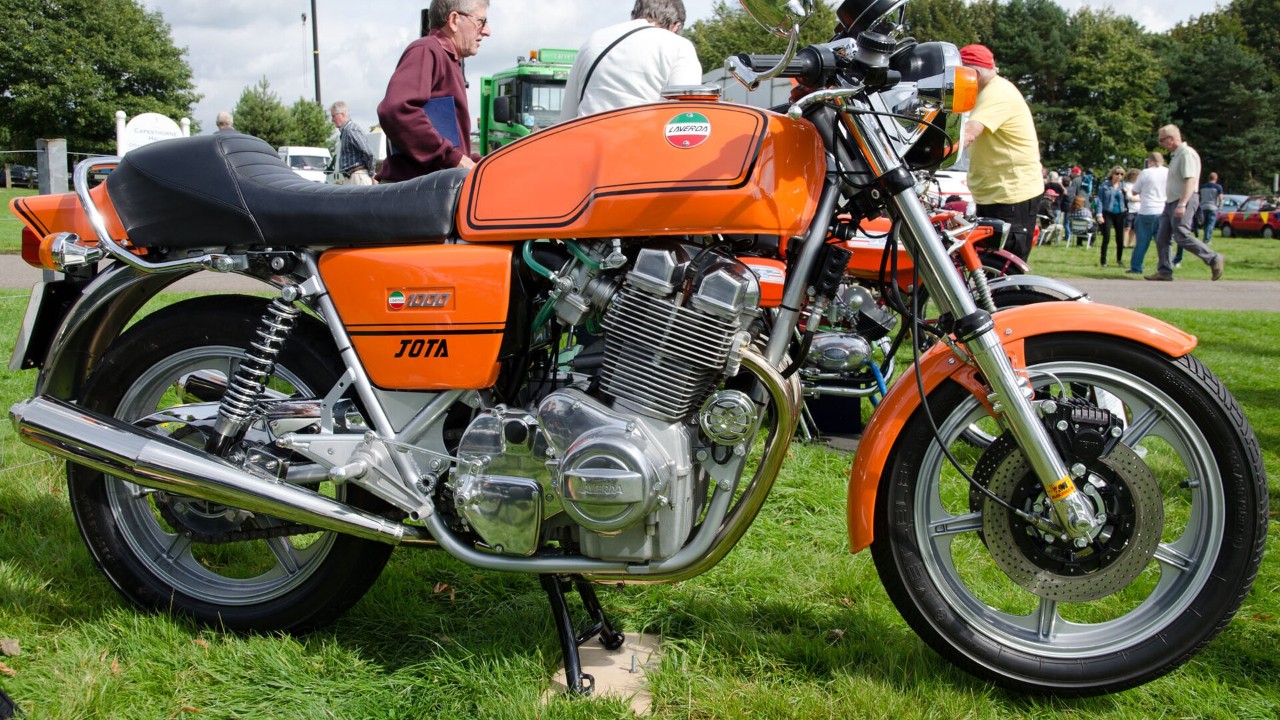
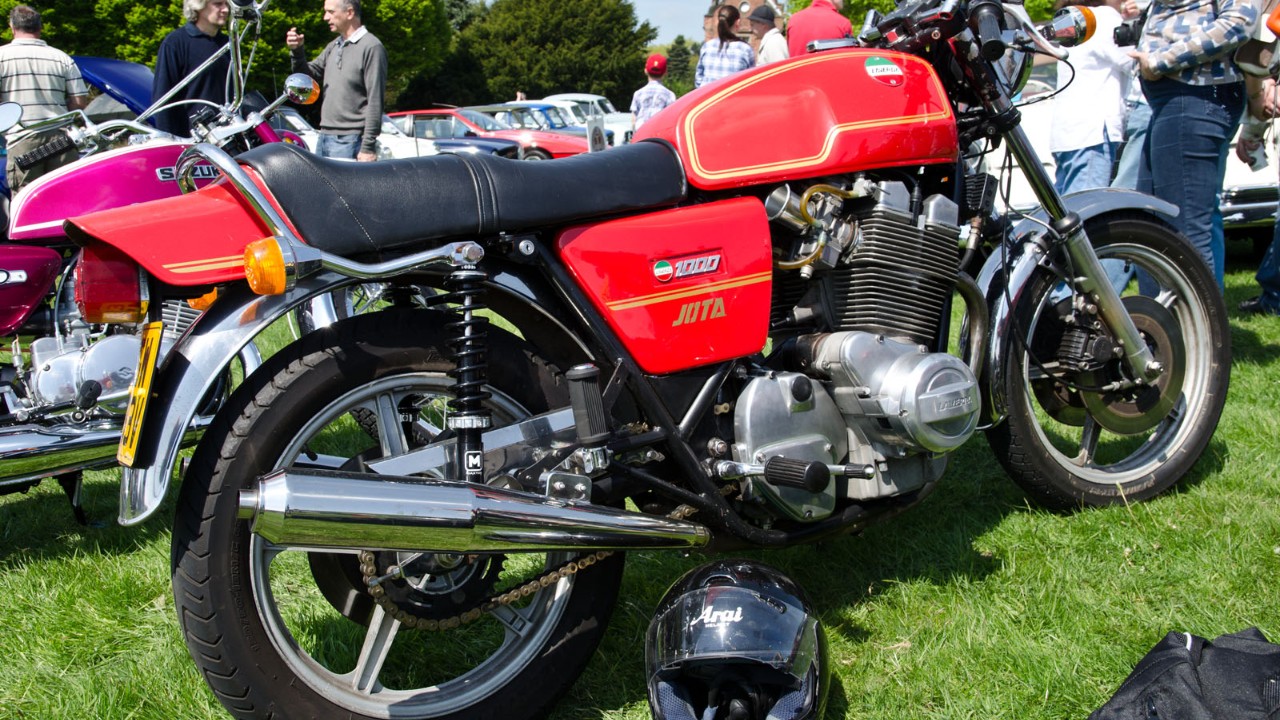
Surprisingly, the Jota began in Britain, not Italy. UK importers Roger and Richard Slater tuned the triple and raised its output to 90 bhp, according to Hagerty. It also reached a timed 140 mph, Hagerty adds.
As a result, that speed earned it a title. The marque’s archive at Laverdamania calls the 1000 Jota “the fastest production motorcycle in the world in 1976.” Later, Laverda also built 120-degree versions of the triple, including the Jota 120, RGS and RGA, the site says.
6. 1977–1982 Laverda 500 Alpino and Montjuic
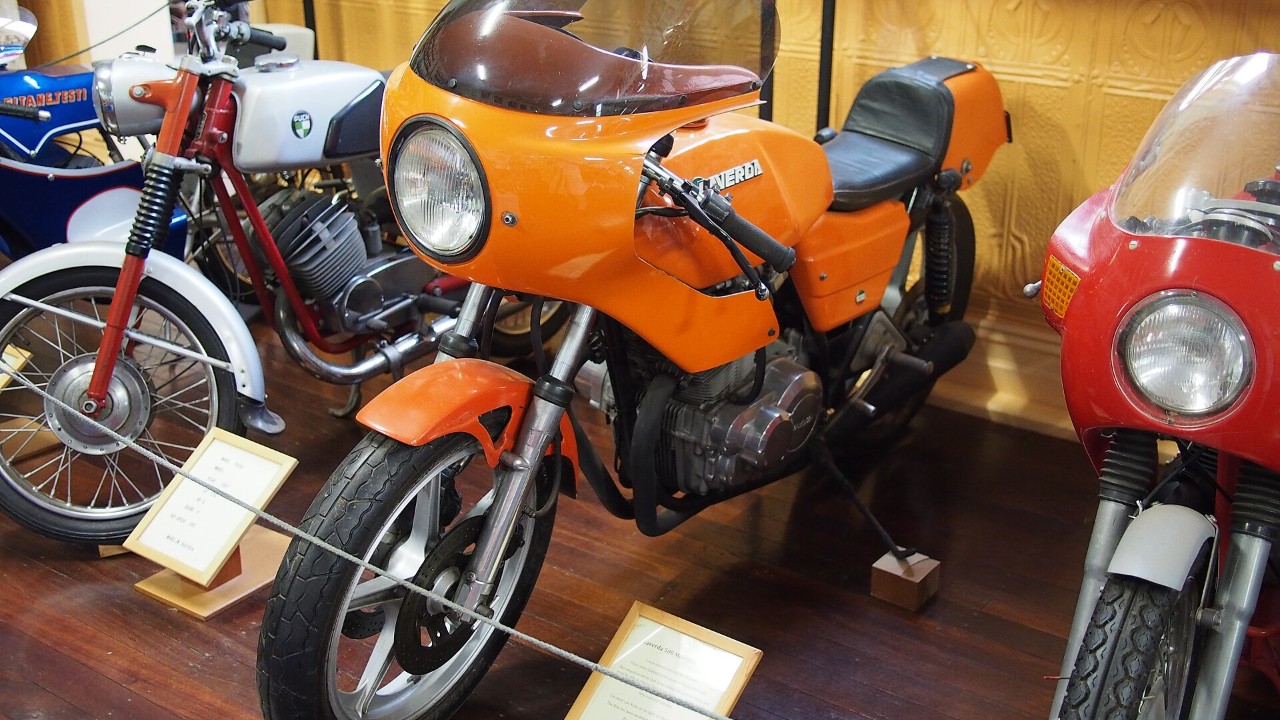
Laverda also built a smaller twin. Laverdamania lists the 350 and 500 Alpino and Montjuic models from 1977 to 1982. In addition, the 500 had two names, according to Hagerty. It was the Alpina in Europe and the Alpino in the United States, for trademark reasons.
The sportiest version followed in 1980, Hagerty says. That was the tuned Montjuic, named after the Montjuïc park venue where Barcelona held its 24-hour race. In other words, the name pointed back to the race the SFC had won on its debut in 1971.
7. 1978 Laverda 1000 V6
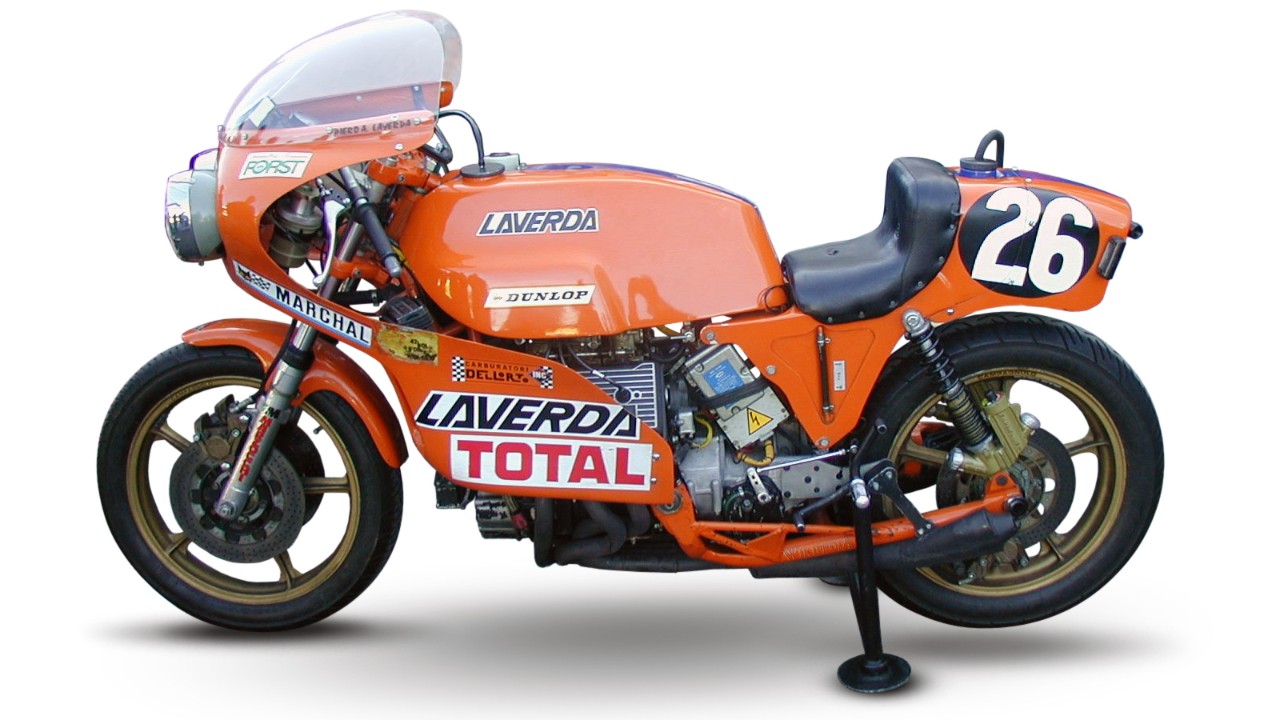
Finally, Laverda went endurance racing with six cylinders. It was a 996cc, liquid-cooled endurance racer with 140 bhp, according to Hagerty. Laverdamania calls it “the only V6-engined endurance racer in 1978.”
Then the bike ran the 1978 Bol d’Or 24 Hours, where the speed trap caught it at 176 mph, Hagerty says. However, it retired after eight hours with a broken driveshaft. It never raced again.
More from Fast Lane Only
- Unboxing the WWII Jeep in a Crate
- 15 rare Chevys collectors are quietly buying
- 10 underrated V8s still worth hunting down
- Police notice this before you even roll window down
This article was created with the help of AI and was reviewed and edited by Fast Lane Only editors before publication.