The automotive industry in Detroit saw transformative growth in the early 20th century, establishing itself as the heart of American manufacturing. Several iconic vehicles emerged during this period, reflecting innovation and the burgeoning consumer market. Below is a look at ten automobiles that significantly contributed to the inception of Detroit’s golden years.
Ford Model T (1908)
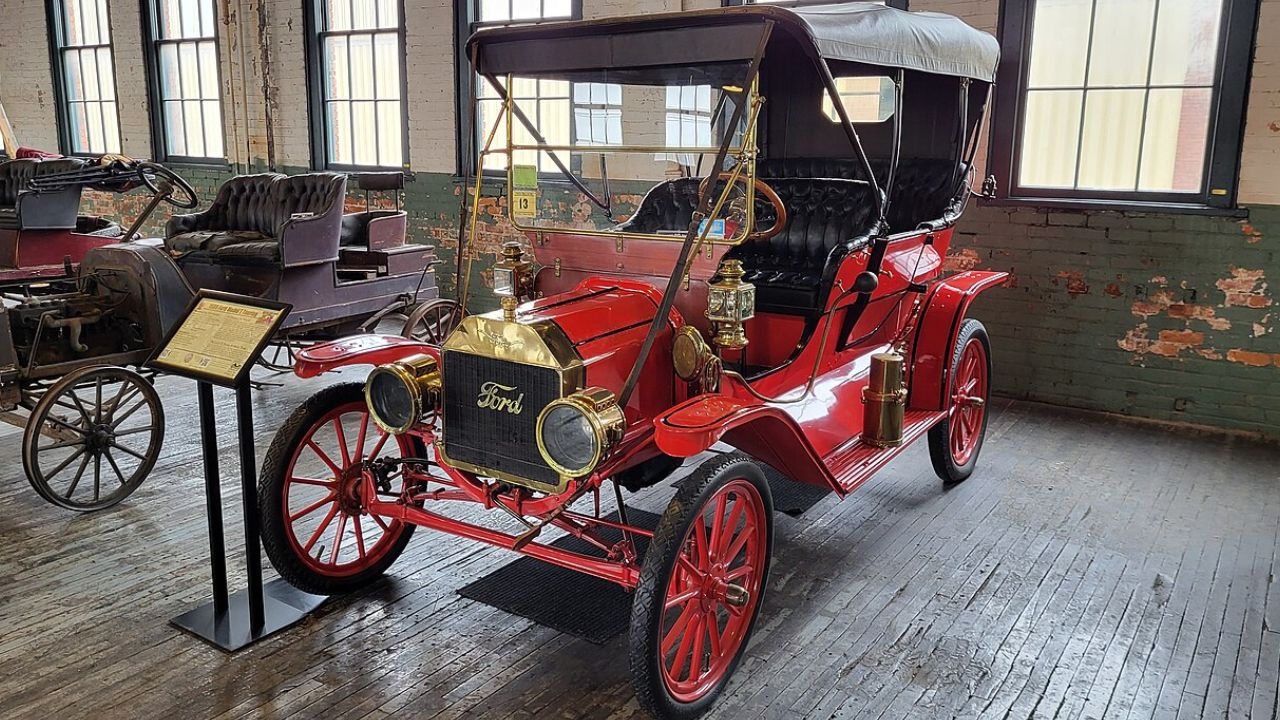
The Ford Model T revolutionized personal transportation when it was introduced in 1908. Known for its affordability and reliability, it was the first automobile mass-produced on assembly lines, making car ownership attainable for the average American. With over 15 million units sold, the Model T allowed families to travel beyond their immediate neighborhoods and transformed the landscape of mobility. Its simple design and robust engineering set a standard that all future vehicles would strive to meet.
Chevrolet Series 490 (1915)
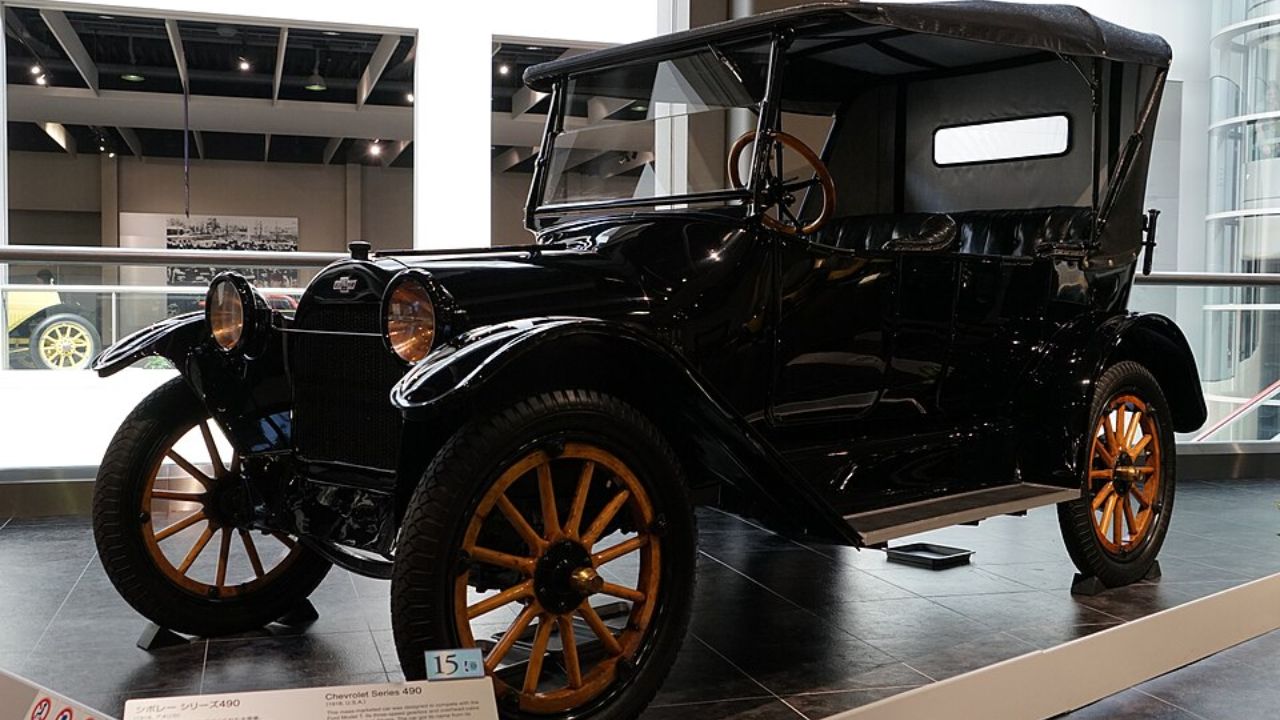
Introduced in 1915, the Chevrolet Series 490 was a direct competitor to Ford’s Model T. It featured a more powerful engine and a stylish design that appealed to a growing middle class. Priced competitively, the Series 490 helped Chevrolet establish itself as a formidable player in the automotive market. Its success was pivotal in shaping the competitive landscape of Detroit, leading to innovations that would define the industry for decades. The Series 490’s legacy remains significant in the Chevrolet brand’s history.
Dodge Brothers Touring Car (1914)
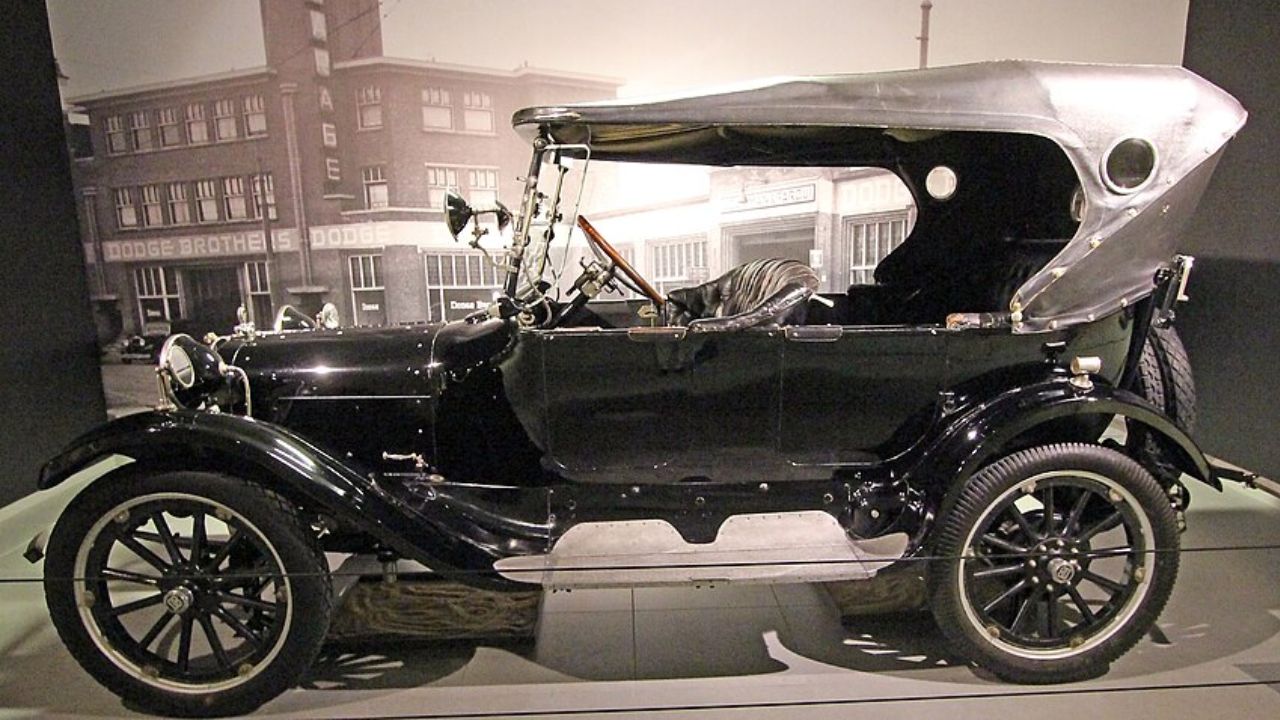
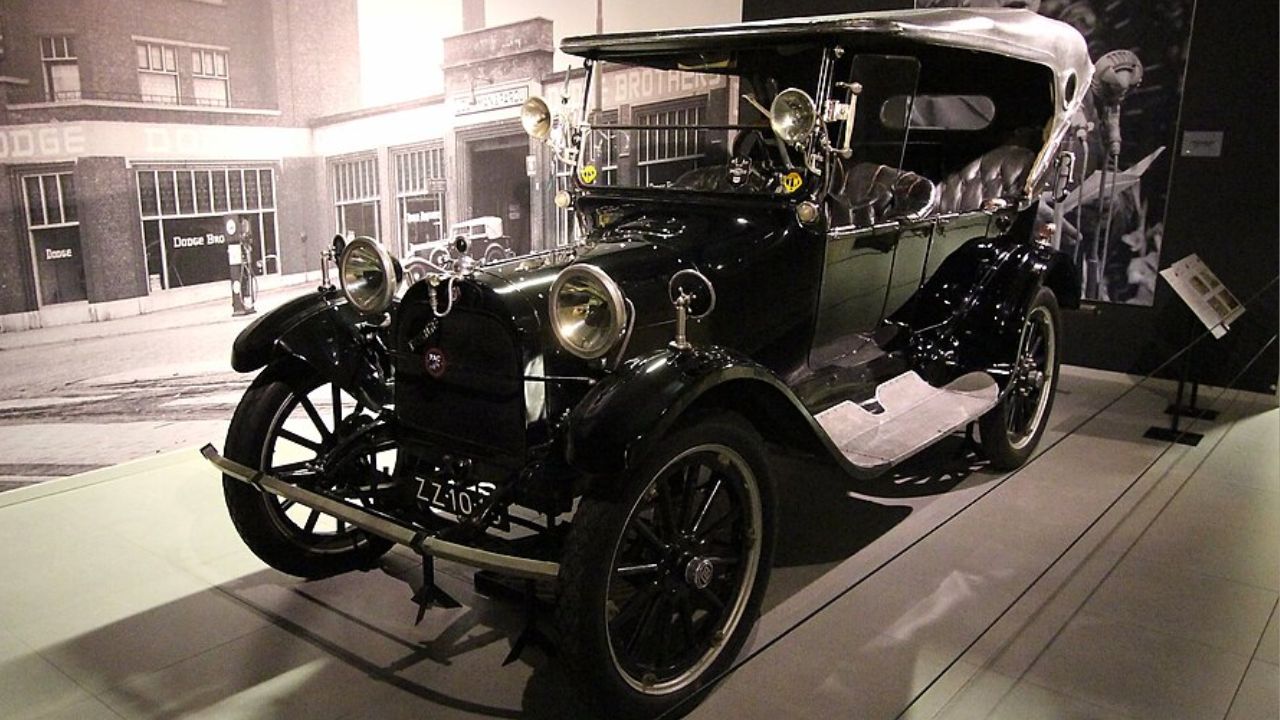
The Dodge Brothers Touring Car debuted in 1914 and quickly became known for its durability and performance. Engineered by former Ford employees, this vehicle was designed to withstand the rigors of American roads. It offered a spacious interior and was one of the first cars to feature a closed body, which was a significant advancement at the time. The Dodge Brothers car embodied the spirit of innovation that characterized the early years of the Detroit automotive boom.
Chrysler Six (1924)
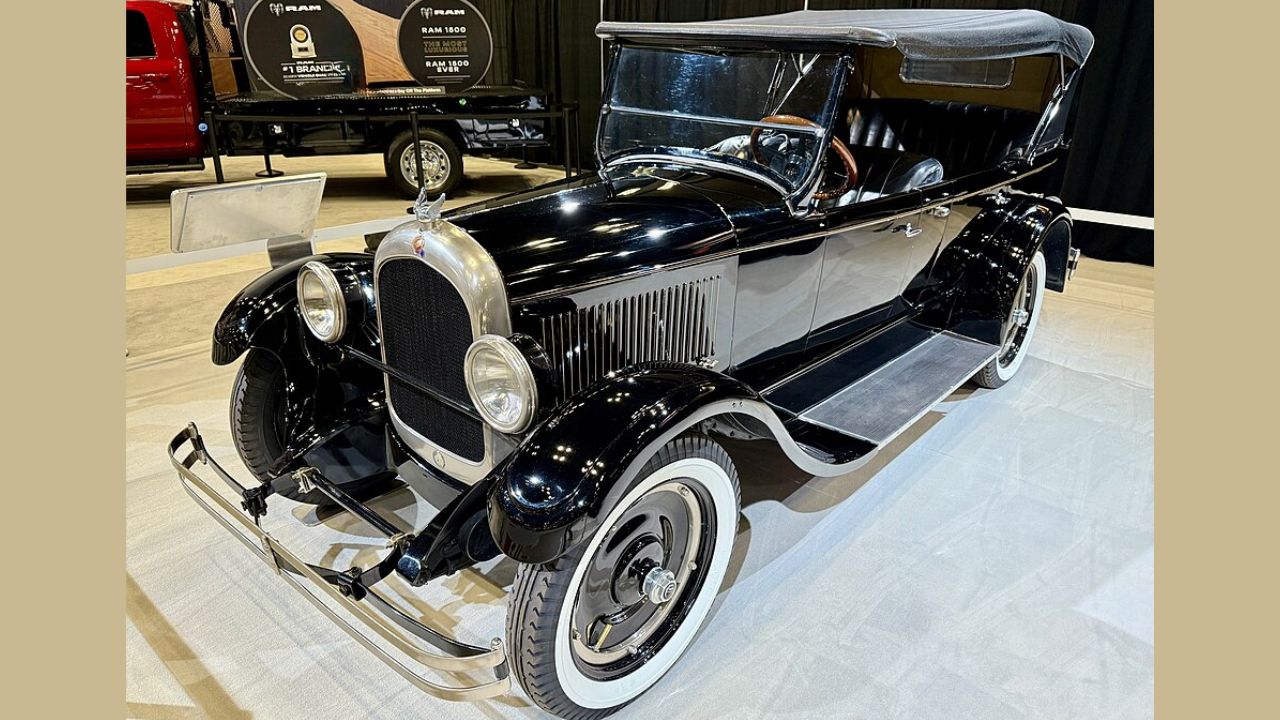
Launched in 1924, the Chrysler Six was notable for its innovative engineering and design. It featured a powerful six-cylinder engine and advanced suspension systems that provided a smoother ride compared to its competitors. The Chrysler Six helped establish the Chrysler Corporation as a leader in the automotive industry, showcasing the importance of engineering excellence in attracting consumers. Its introduction marked a significant milestone in the evolution of automotive technology.
Buick Master Six (1928)
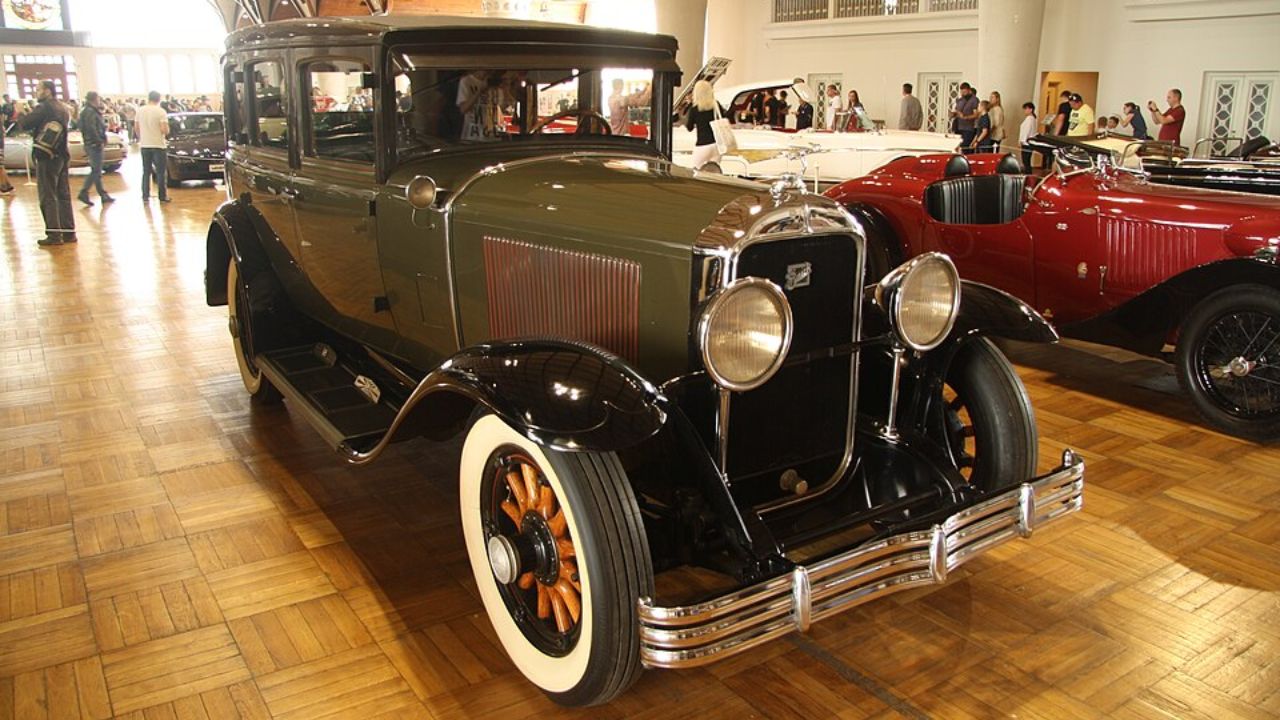
The Buick Master Six, released in 1928, was a hallmark of luxury and performance. It offered a combination of style and functionality, featuring a powerful engine and spacious interior. This model was particularly influential in setting the tone for mid-range automobiles in America. The Master Six represented a shift toward more refined vehicles that catered to an increasingly discerning consumer base, thus playing a vital role in Detroit’s automotive renaissance.
Packard Twelve (1932)
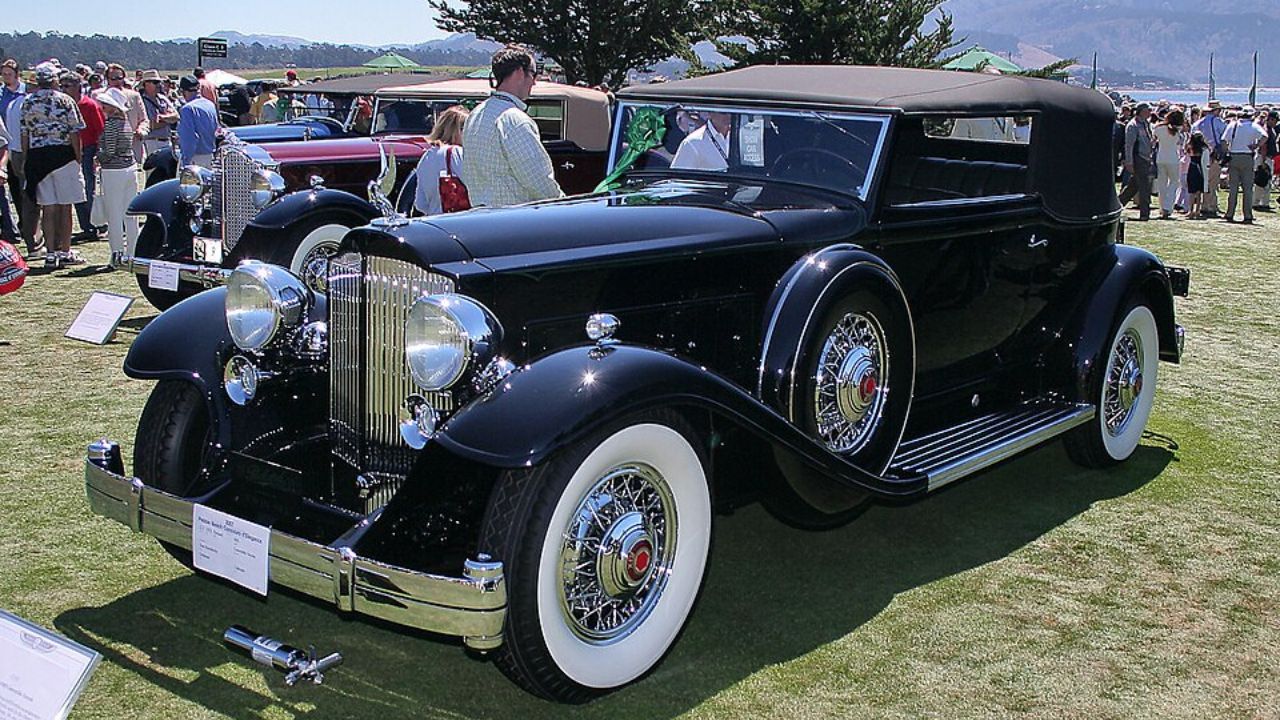
The introduction of the Packard Twelve in 1932 marked a new era in luxury automobiles. With its 12-cylinder engine, it offered unparalleled performance and smoothness, appealing to the elite class. The Packard Twelve was synonymous with opulence and innovation, featuring advanced engineering that set it apart from its contemporaries. Its legacy of quality and luxury would influence the design and manufacturing of future vehicles, solidifying Packard’s reputation in the automotive world.
Cadillac V16 (1930)
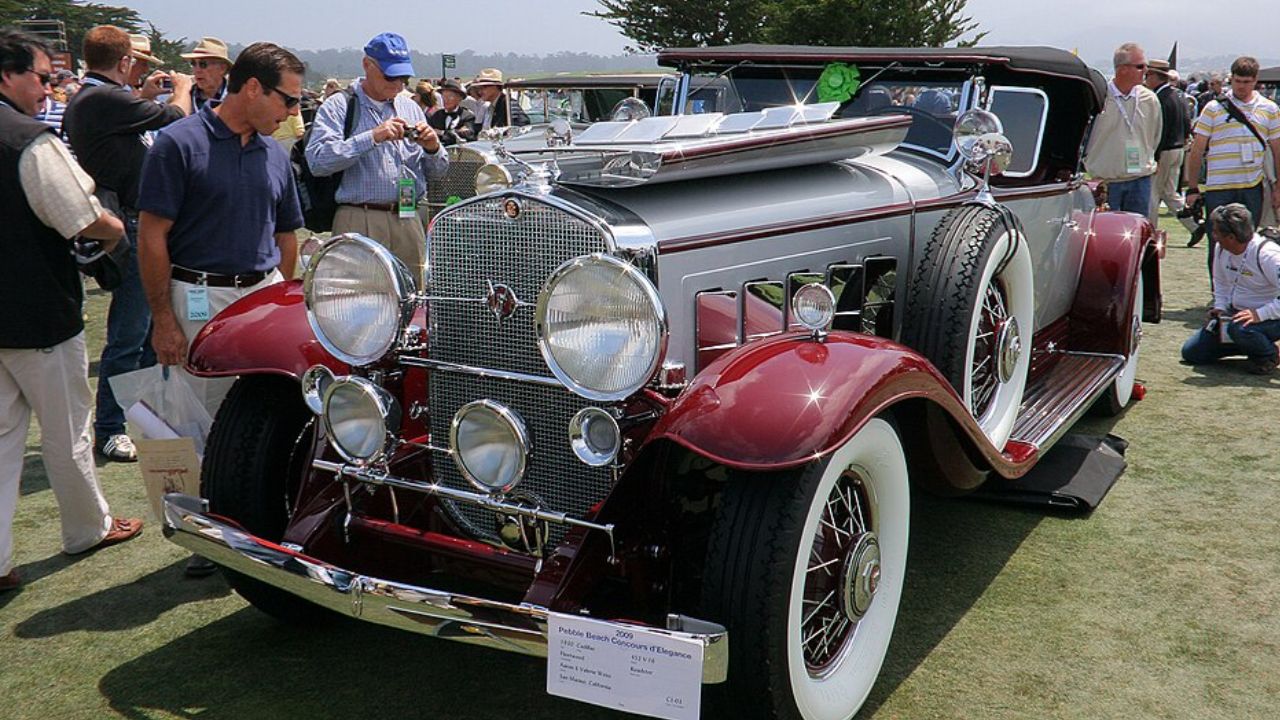
Unveiled in 1930, the Cadillac V16 was a technical marvel that showcased Cadillac’s commitment to luxury and performance. It was one of the first mass-produced cars to feature a V16 engine, providing unmatched power and smoothness. This model represented the pinnacle of automotive engineering at the time, attracting affluent buyers who sought the best in performance and style. The Cadillac V16 played a crucial role in establishing Detroit’s reputation for producing high-quality luxury vehicles.
Pontiac Torpedo (1935)
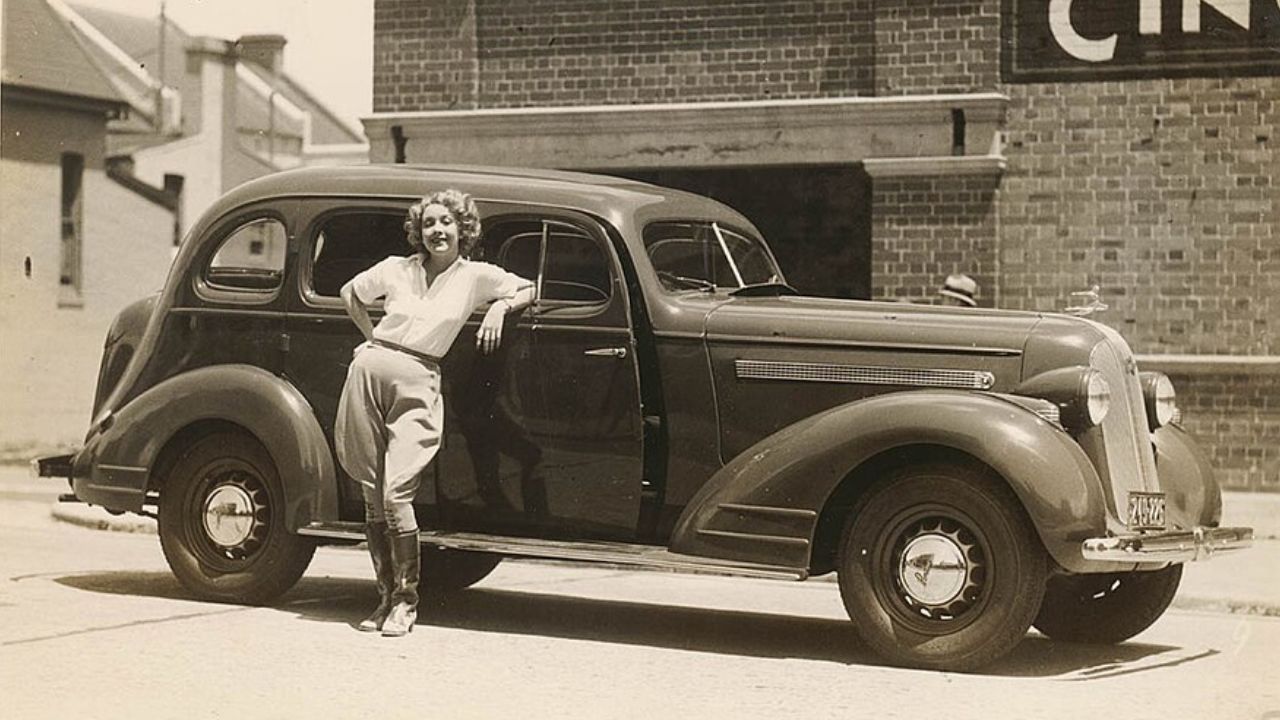
The 1935 Pontiac Torpedo was notable for its streamlined design and affordable pricing. It was one of the first cars to embrace the art deco style, appealing to consumers during a time of economic hardship. Its innovative features, such as improved aerodynamics and a powerful engine, helped Pontiac carve out a niche in the market. The Torpedo’s success contributed to Pontiac’s growth and solidified its status within the Detroit automotive landscape.
Ford V8 (1932)
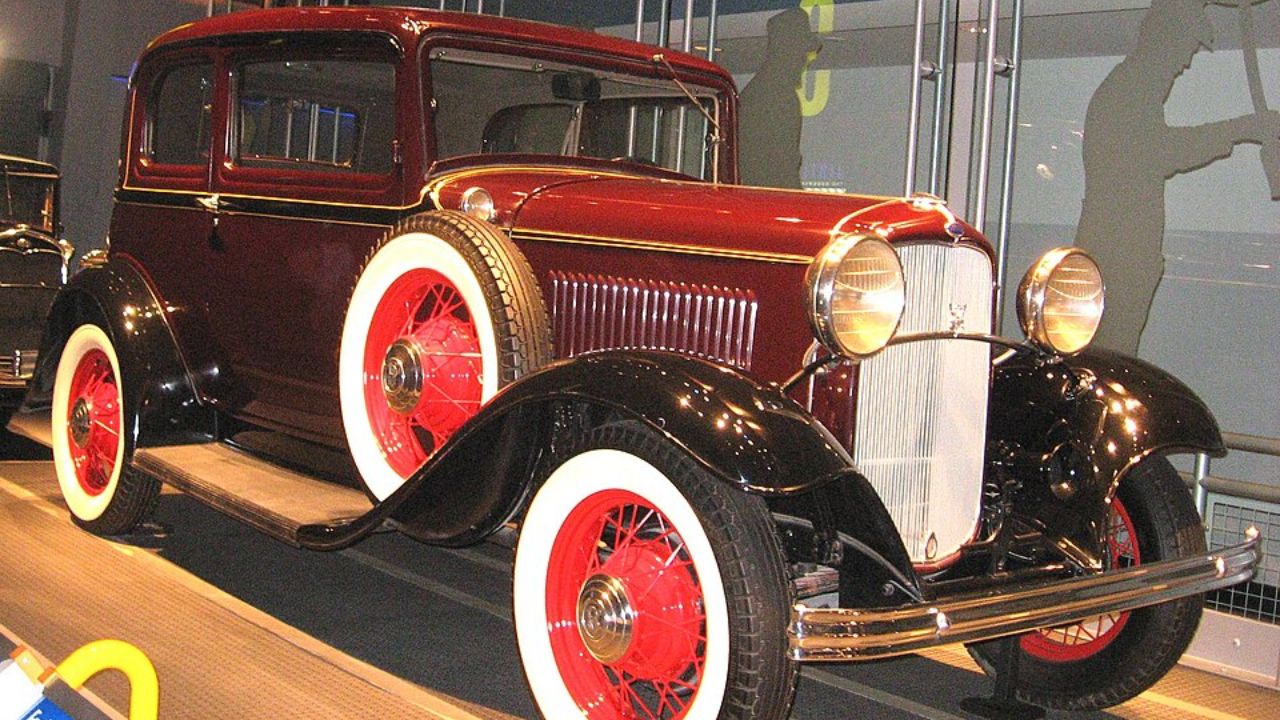
The Ford V8, released in 1932, was a groundbreaking model that transformed the automotive industry. Its powerful V8 engine provided both performance and affordability, making it a popular choice among consumers. The Ford V8 was instrumental in establishing Ford as a key player in the market, leading to innovations in automotive design and engineering. Its success set the stage for future models and solidified Detroit’s reputation for producing powerful, reliable vehicles.
Chevrolet Bel Air (1950)
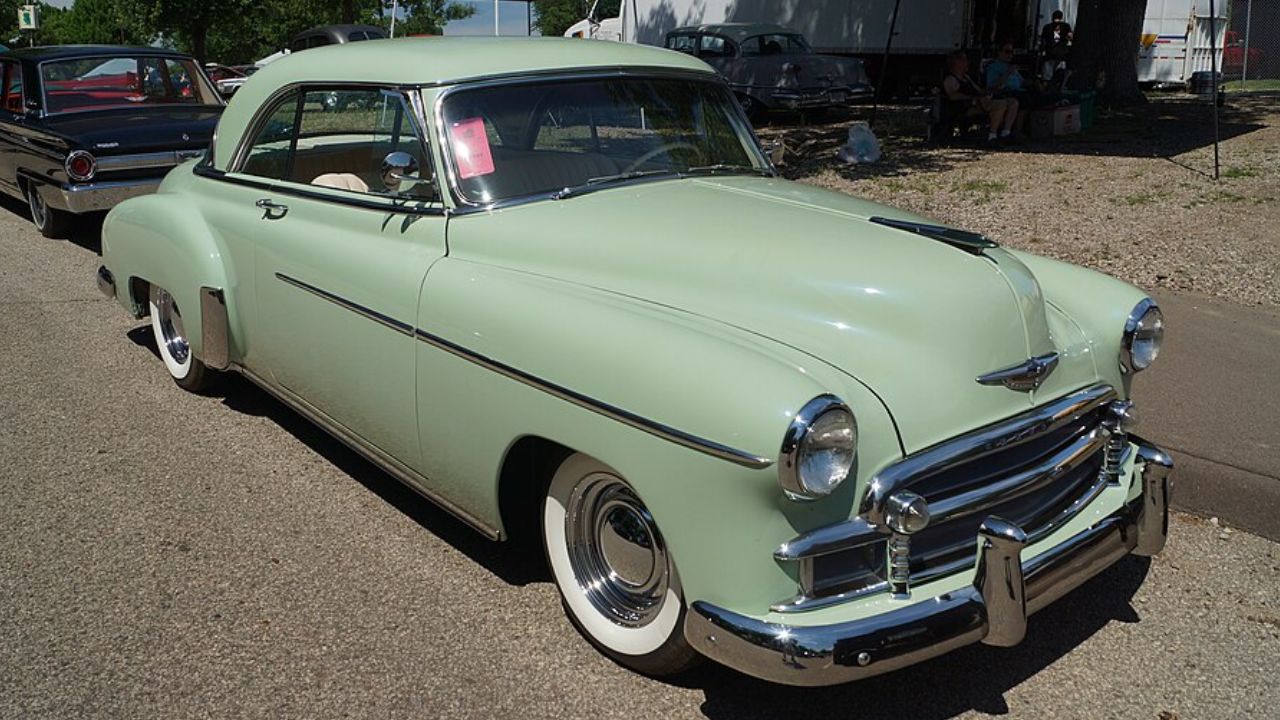
The 1950 Chevrolet Bel Air epitomized the post-war automobile boom, featuring stylish design and modern amenities. It became a symbol of American culture during the 1950s, appealing to a generation eager for freedom and adventure. With its distinctive tailfins and chrome detailing, the Bel Air represented the height of automotive design trends of the time. Its success not only marked a pivotal moment for Chevrolet but also underscored Detroit’s significance in shaping the future of the automotive industry.
More from Fast Lane Only