Some American performance cars arrived with ideas that seemed unusual at the time but later became much more common. They introduced advanced engines, clever drivetrains, unexpected handling, or bold designs that rivals eventually adopted. Many have since been overshadowed by more famous names, making these forgotten performance cars especially interesting to enthusiasts today.
Oldsmobile Toronado
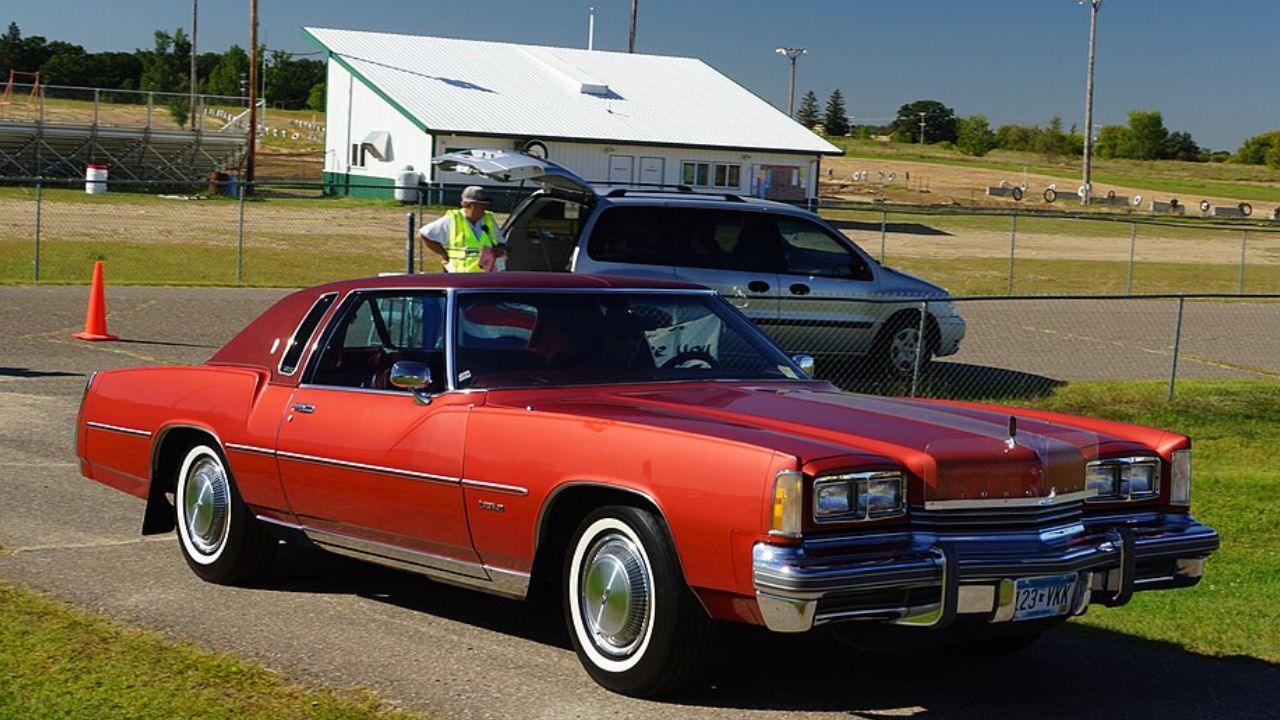
The Toronado shocked the American market with front-wheel drive at a time when large performance cars overwhelmingly used rear-wheel drive. Its unusual layout freed up interior space while still allowing Oldsmobile to offer serious V8 power. The combination was genuinely unconventional for its era. Although later remembered mainly as a luxury cruiser, the Toronado was an important engineering experiment that arrived well before front-wheel drive became commonplace in American cars.
Buick Riviera
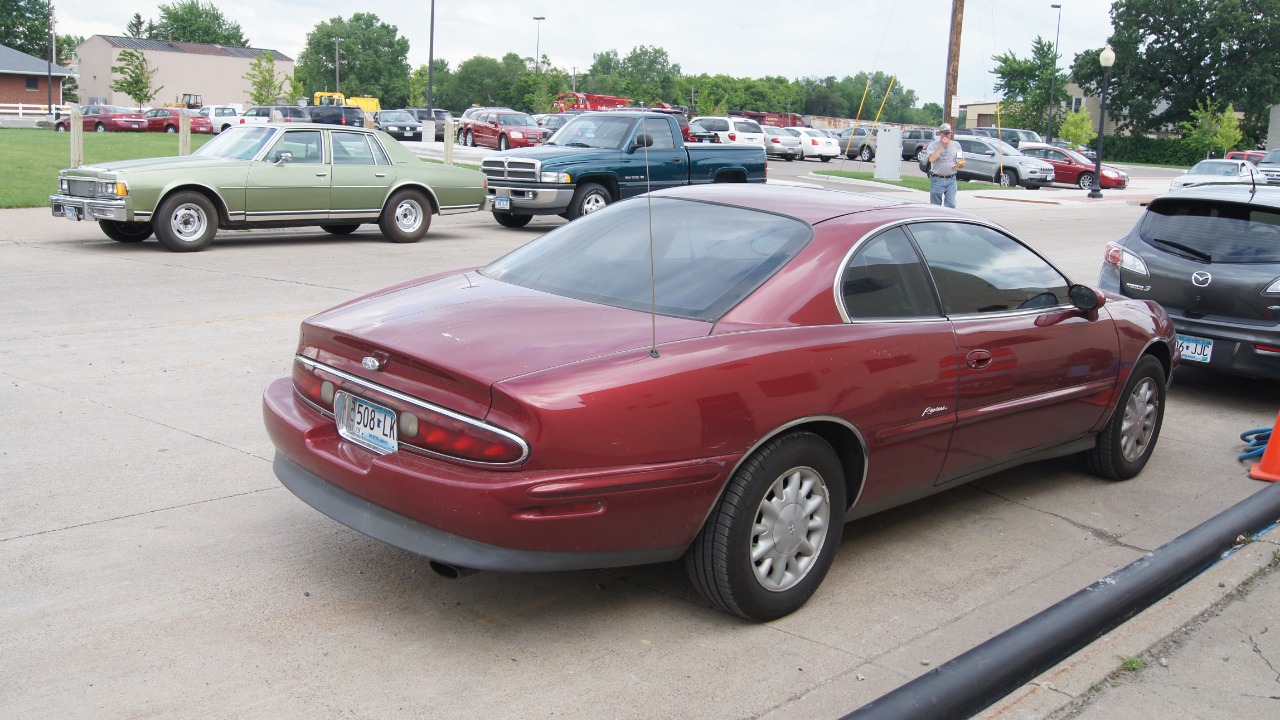
The Riviera showed that American luxury and performance could coexist in a sophisticated package. Its elegant styling concealed substantial V8 power, while the chassis delivered a more controlled driving experience than many traditional full-size cars. Buick positioned it between a luxury coupe and a performance machine, creating a formula that European and Japanese manufacturers would later explore extensively. Its combination of style, power, and refinement remains impressive.
Chevrolet Corvair Monza
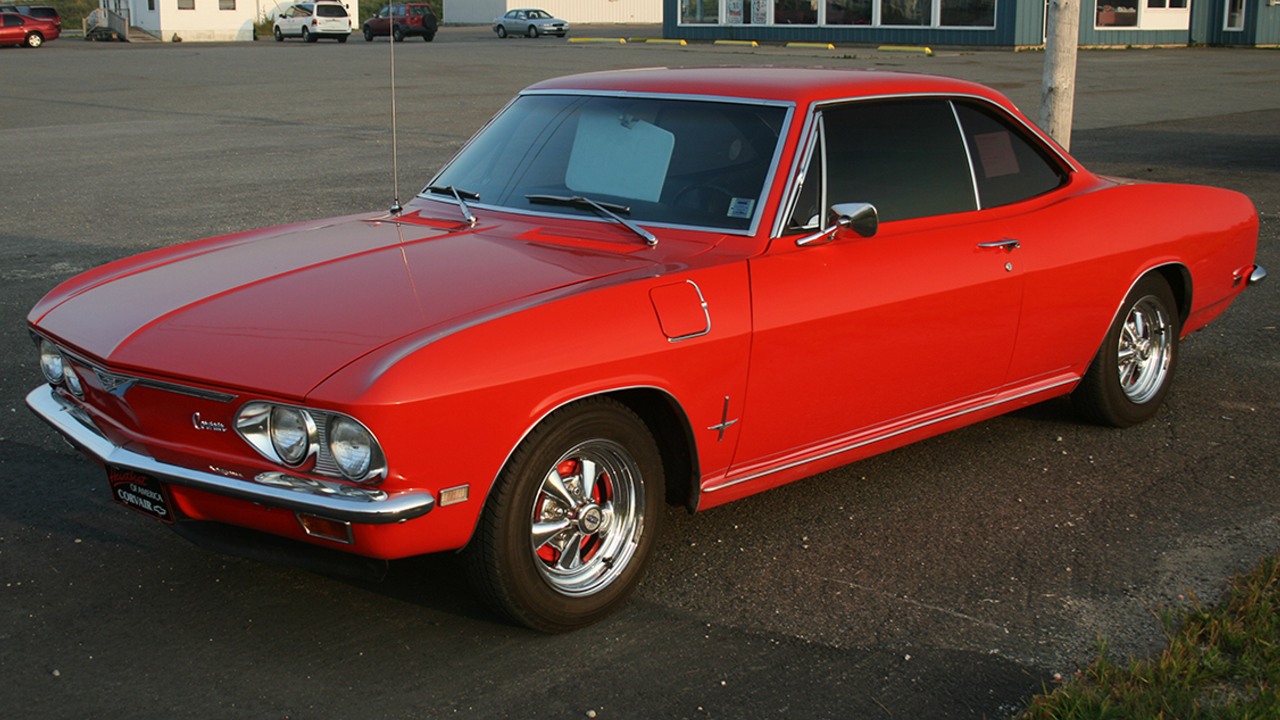
The Corvair was one of America’s most unusual production cars, using a rear-mounted, air-cooled flat-six rather than the conventional front-engine V8 layout. The Monza version added a sportier character and helped demonstrate that an American manufacturer could build a compact car with genuinely different engineering. Its independent suspension and balanced layout also gave it handling characteristics unlike most domestic competitors, making it one of Chevrolet’s boldest experiments.
Pontiac Fiero
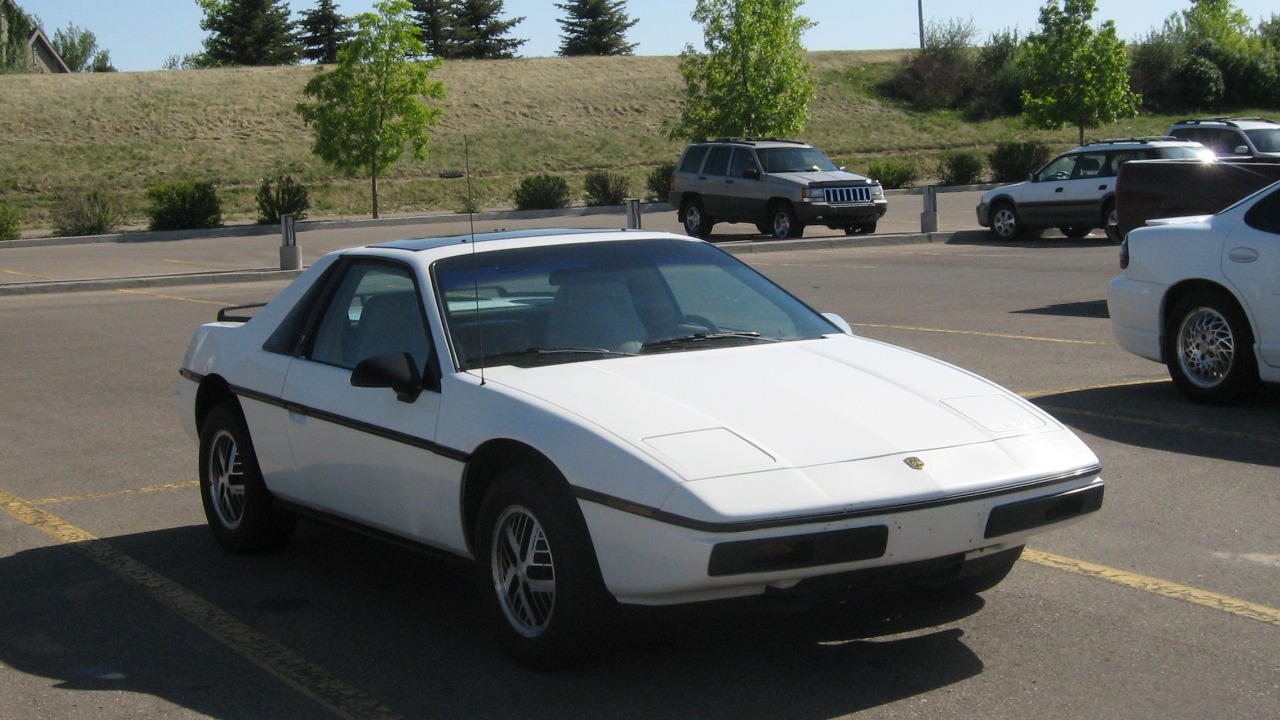
The Fiero was far more ambitious than its reputation suggests. Pontiac developed a mid-engine layout for a relatively affordable American sports car, something that was extremely unusual for the domestic market. Its space-efficient architecture and distinctive styling gave it genuine originality. Later performance versions improved the package further. Although the Fiero had shortcomings, its basic concept anticipated the growing popularity of compact mid-engine sports cars.
Cadillac Allanté

The Allanté was Cadillac’s attempt to compete with European luxury roadsters using a highly distinctive body and sophisticated technology. Its body panels were produced in Italy and transported to America for final assembly, creating an unusual international manufacturing process. The car also introduced advanced electronic features for its time. Although it never achieved the sales success Cadillac wanted, the Allanté demonstrated how ambitious American luxury engineering had become.
Buick Reatta
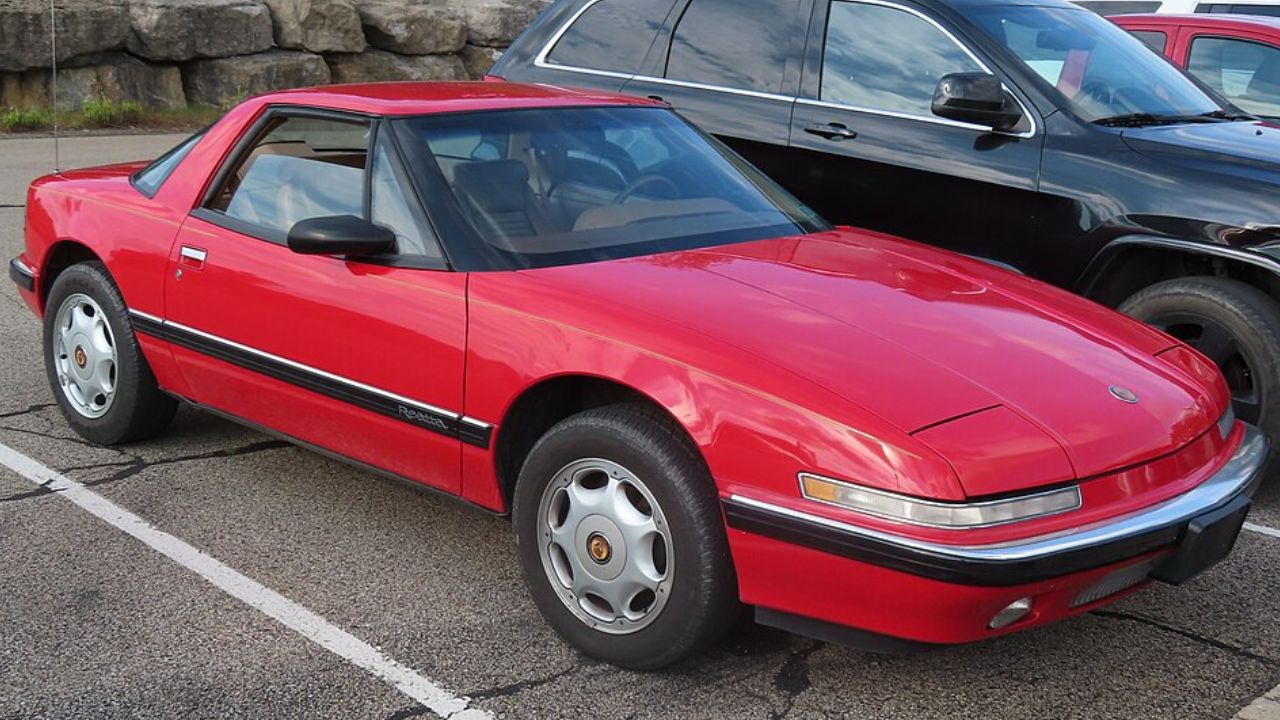
The Reatta combined luxury-car comfort with technology that was unusual for its class. Its touchscreen interface, digital controls, and hand-finished interior gave it a surprisingly modern personality. Buick also offered the Reatta as a two-door coupe and later as a convertible, giving the model an unusual range. Its production numbers remained low, and today it is remembered as one of the more technologically adventurous American luxury cars of its period.
Chrysler Conquest TSi
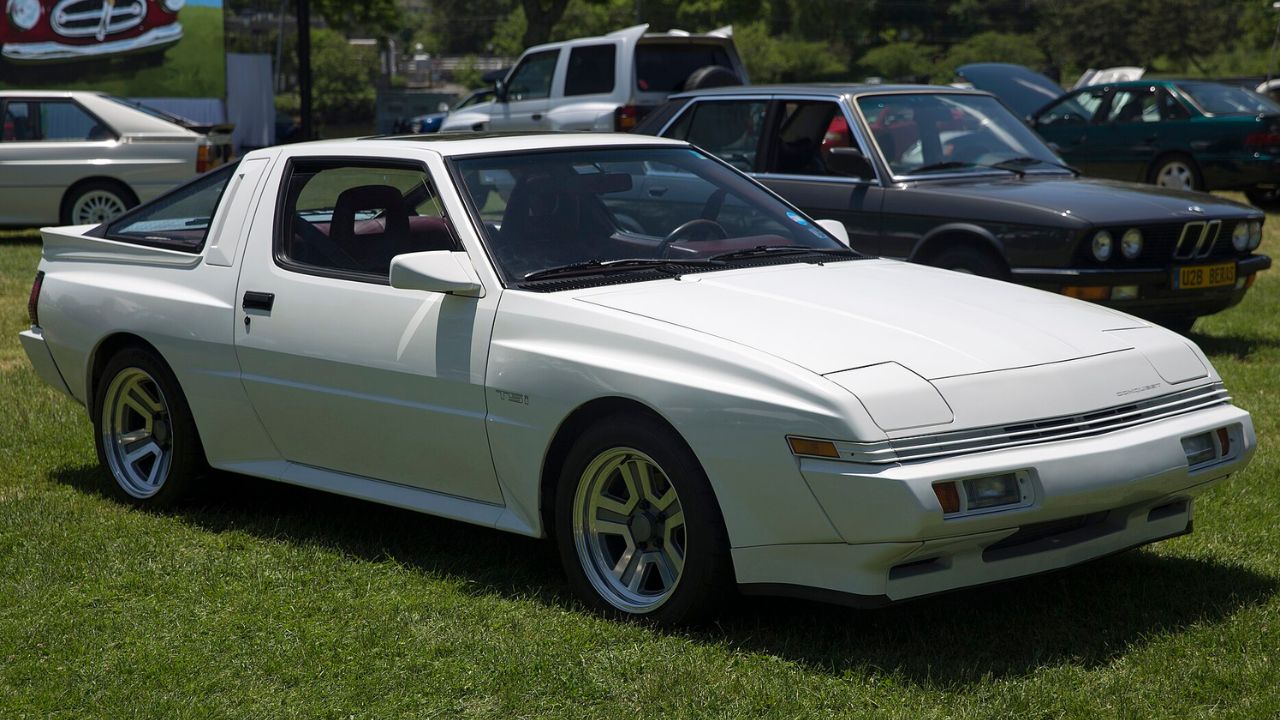
The Conquest TSi gave Chrysler access to a compact rear-wheel-drive performance coupe during an era when domestic manufacturers were increasingly moving toward front-wheel drive. Its turbocharged four-cylinder engine, independent suspension, and sharp styling made it a serious enthusiast car. The model was closely related to the Mitsubishi Starion, bringing Japanese performance engineering into Chrysler’s showroom. It remains an interesting example of American-Japanese cooperation.
Dodge Omni GLH

The Omni GLH transformed an ordinary-looking compact hatchback into a surprisingly serious performance machine. Carroll Shelby’s involvement helped turn the front-wheel-drive Omni into a lightweight turbocharged car capable of embarrassing much larger vehicles. The idea of a small, inexpensive hatchback delivering serious performance would later become a major part of the hot-hatch world. The GLH deserves credit for embracing that formula unusually early in America.
Chevrolet Beretta GTZ
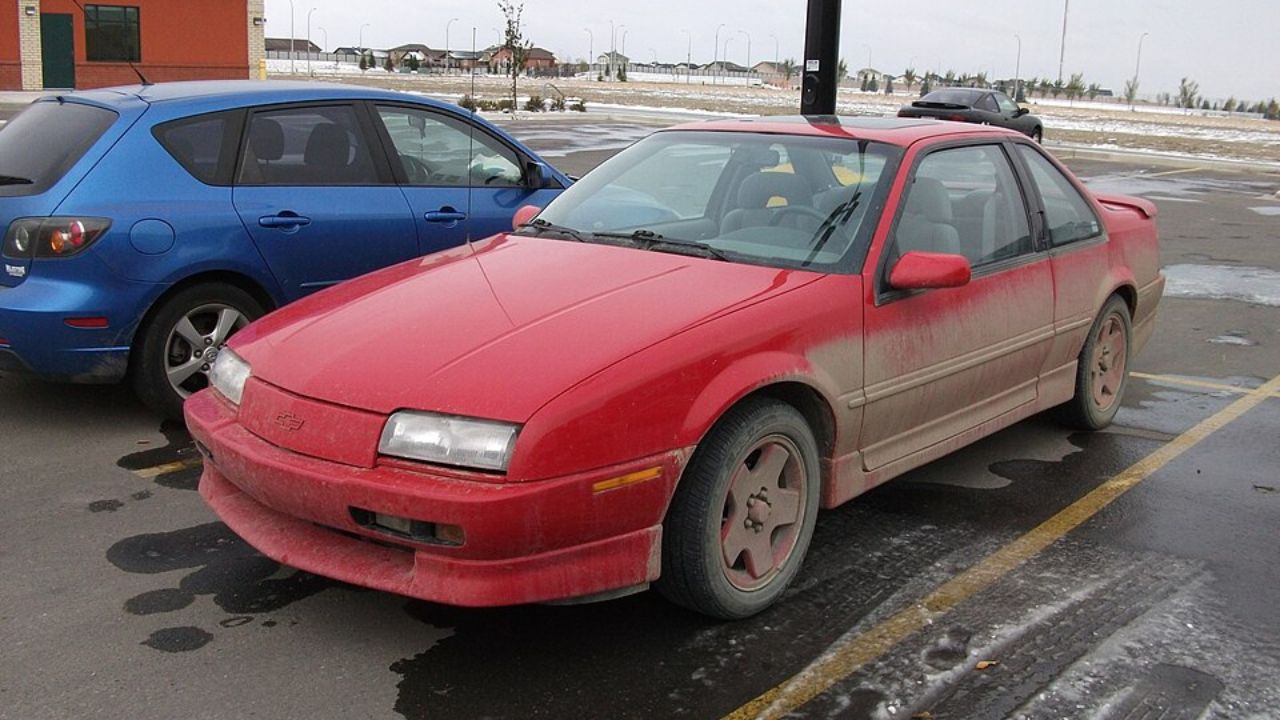
The Beretta GTZ showed that Chevrolet was willing to give a front-wheel-drive compact coupe a more serious performance identity. Its high-output four-cylinder, sport suspension, and aggressive appearance made it considerably more interesting than the ordinary Beretta. It arrived during a period when American manufacturers were experimenting with affordable performance cars based on everyday platforms. Today, the GTZ is an overlooked example of that transition.
Pontiac Grand Prix GTP

The Grand Prix GTP brought supercharged performance to a mainstream American front-wheel-drive coupe. Its supercharged V6 delivered strong acceleration without requiring a large-displacement V8, while the spacious cabin made it practical enough for everyday use. The formula became increasingly common later as manufacturers turned to forced induction and smaller engines. The GTP was an early example of how a family-oriented car could also deliver genuine performance.
Ford Taurus SHO
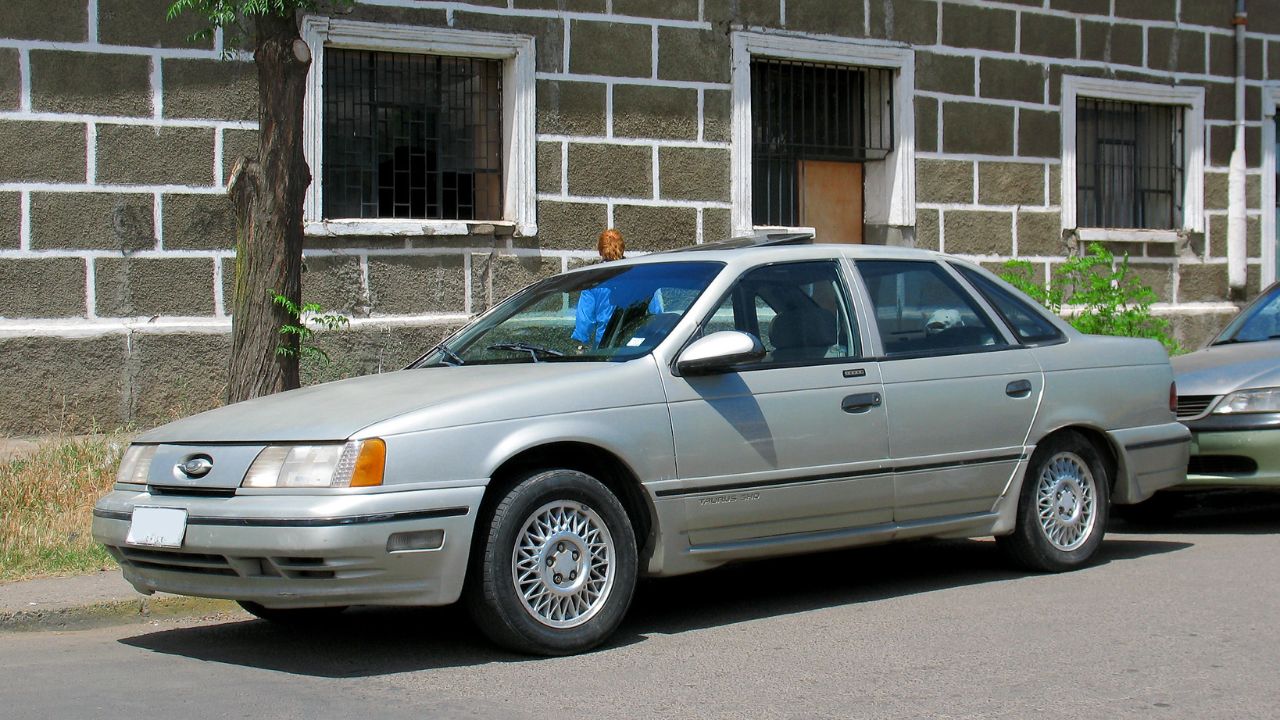
The Taurus SHO was one of Ford’s most surprising performance projects. Instead of simply installing a large V8, Ford used a sophisticated high-revving V6 developed with Yamaha. The result was a family sedan with genuinely sporting credentials and an engine unlike anything else in Ford’s lineup. The SHO helped establish the idea that a practical American sedan could combine everyday usability with serious performance engineering.
Chevrolet Impala SS
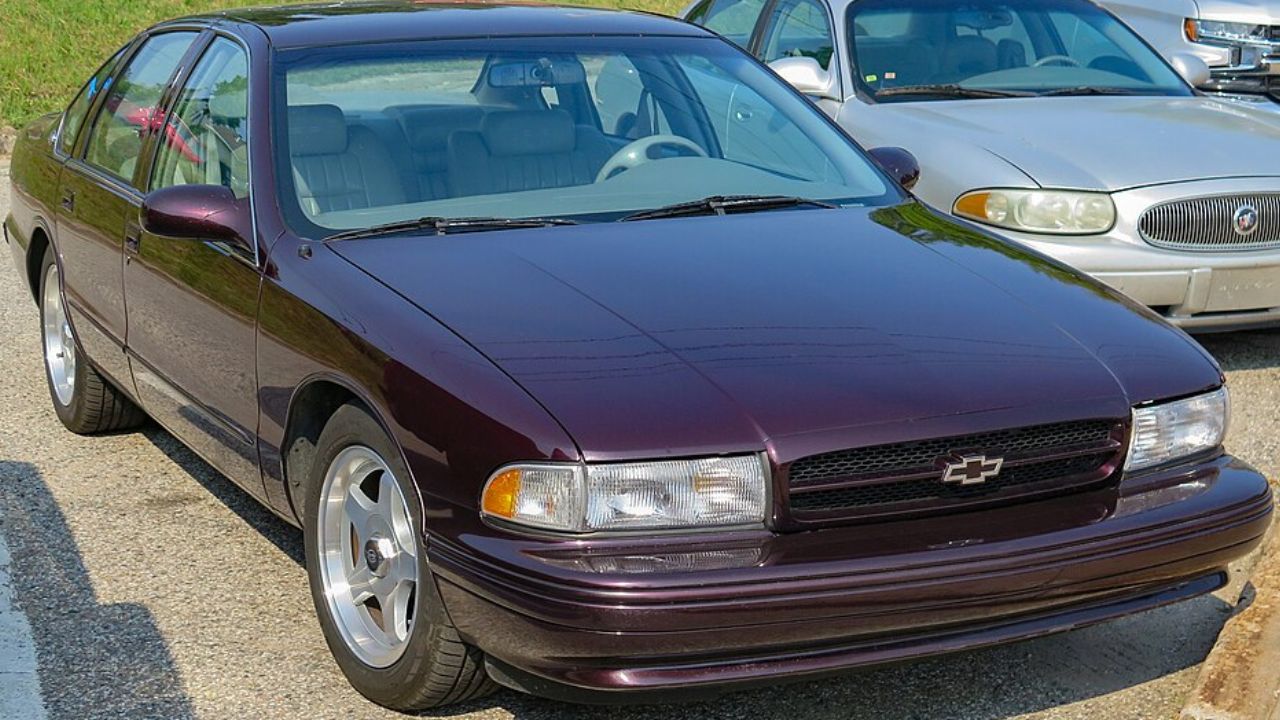
The Impala SS took a large rear-wheel-drive sedan and gave it a performance personality that seemed almost out of place in the 1990s. It used a Corvette-related V8 and combined strong acceleration with a comfortable four-door body. The concept anticipated the modern performance sedan, particularly the idea of putting serious V8 power into a practical family car. Its understated appearance only made its capabilities more surprising.
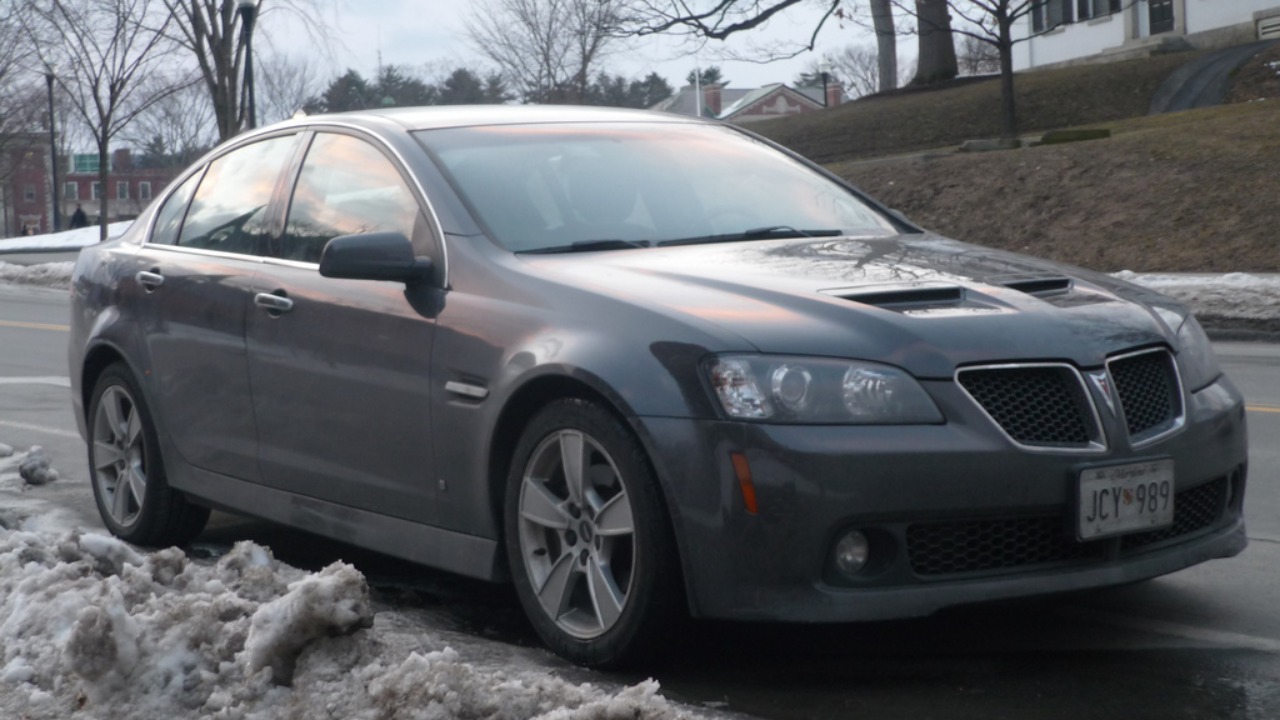
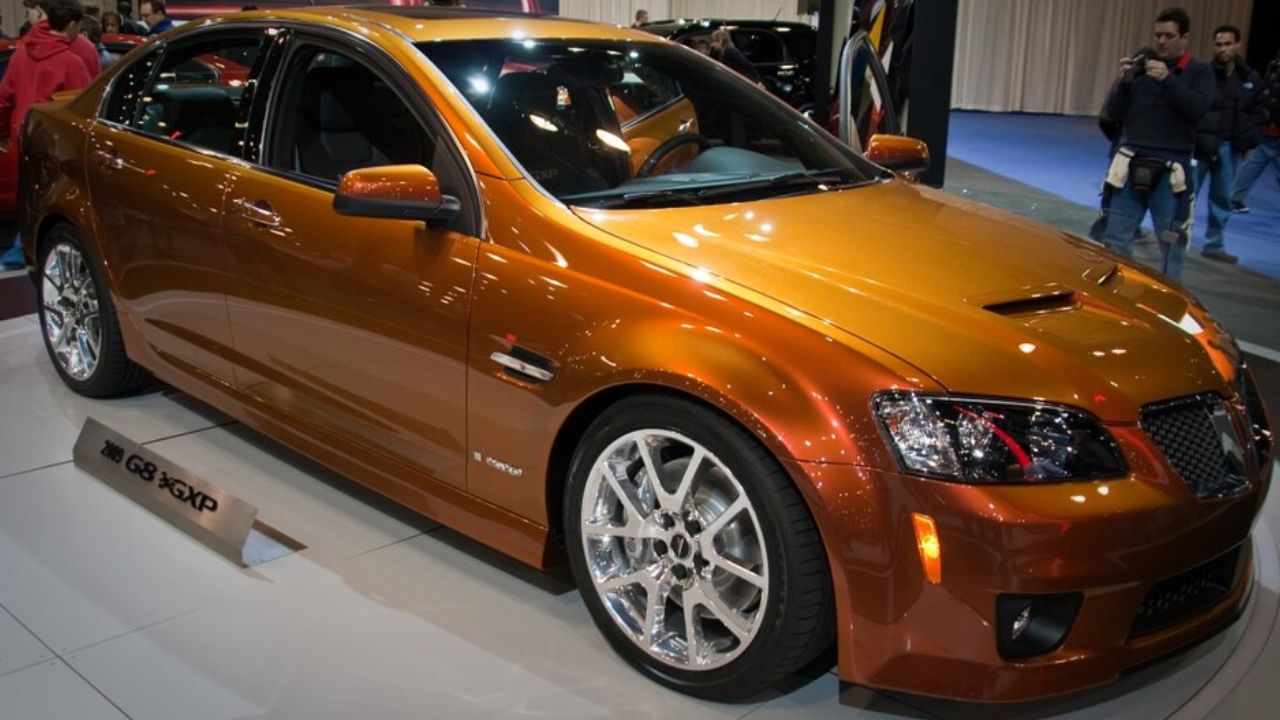
Pontiac G8 GXP
CC BY 2.0
The G8 GXP arrived with a combination that enthusiasts had wanted from American manufacturers for years: rear-wheel drive, a powerful V8, a manual transmission option, and four doors. Its Australian origins also gave it a different engineering character from most domestic sedans. The GXP demonstrated how well a practical performance sedan could work before the modern market became crowded with powerful four-door cars.
Cadillac CTS-V
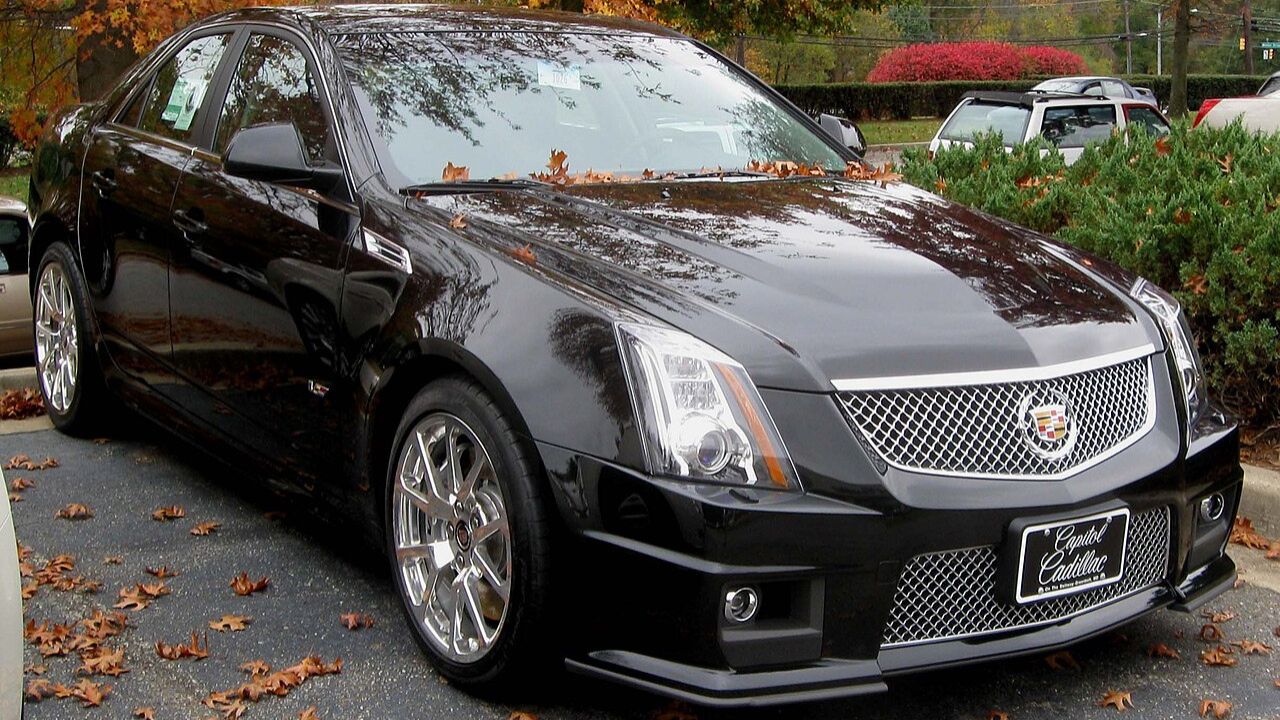
The CTS-V helped completely change perceptions of Cadillac performance. Instead of relying primarily on soft luxury and enormous dimensions, Cadillac created a serious sports sedan with rear-wheel drive, sharp handling, and a powerful V8. Later generations became even more extreme. The original concept was important because it showed that an American luxury sedan could challenge established European performance brands on their own territory.
Chrysler 300C SRT-8

The 300C SRT-8 combined imposing styling with a large-displacement V8 and rear-wheel drive. It delivered substantial performance while retaining four doors and a comfortable interior. At a time when performance sedans were becoming increasingly sophisticated, the Chrysler offered a distinctly American alternative based on straightforward muscle-car principles. Its aggressive character helped demonstrate that modern American performance did not have to imitate Europe.
Chevrolet SSR
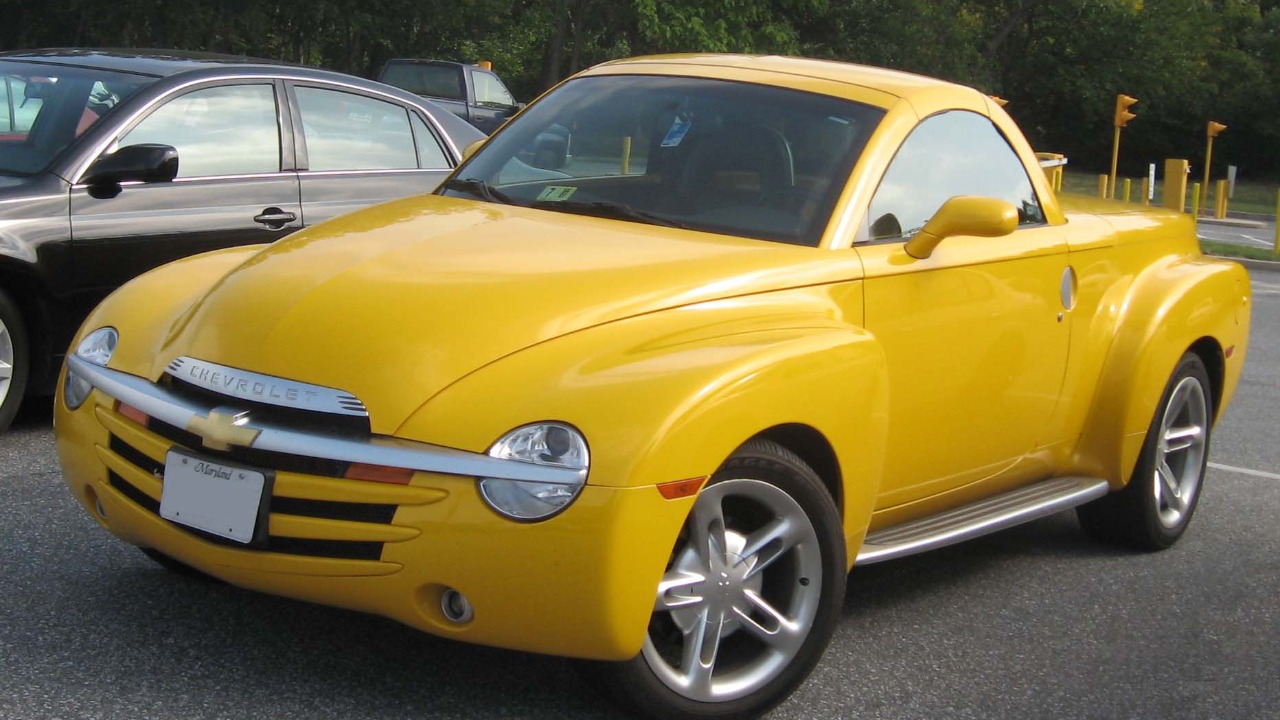
The SSR was one of Chevrolet’s strangest performance experiments. Its retro-inspired pickup body concealed a powerful V8 and rear-wheel-drive chassis, making it part sports car, part roadster, and part truck. The concept was unusual enough to have few direct competitors. Although its practicality was debatable, its combination of power, retractable hardtop, and open-bed design made it one of the most distinctive American performance vehicles of its time.
Pontiac Solstice GXP
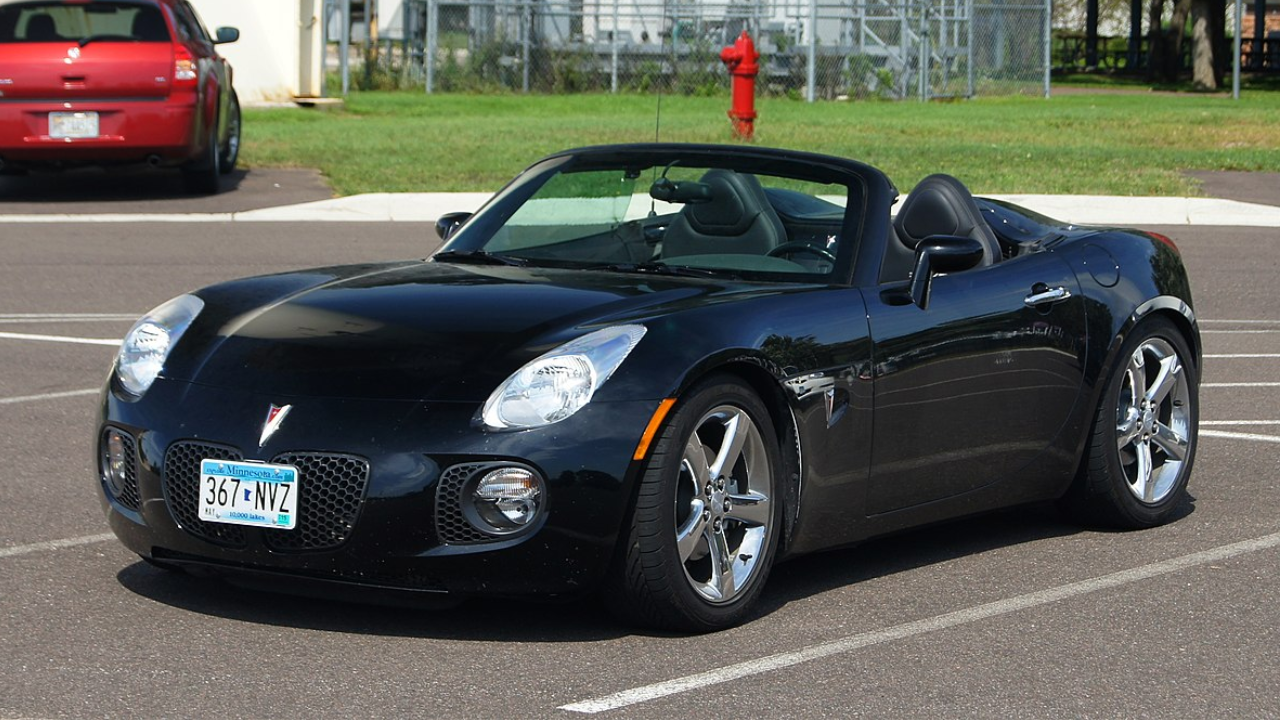
The Solstice GXP took Pontiac’s lightweight roadster concept and added turbocharged power. Its compact dimensions, rear-wheel drive, and relatively low weight gave it a genuinely sporting character. The GXP arrived before small turbocharged performance cars became so common across the industry. Pontiac never had enough time to fully develop the platform, but the car demonstrated how competitive an affordable American roadster could become.
Saturn Sky Red Line
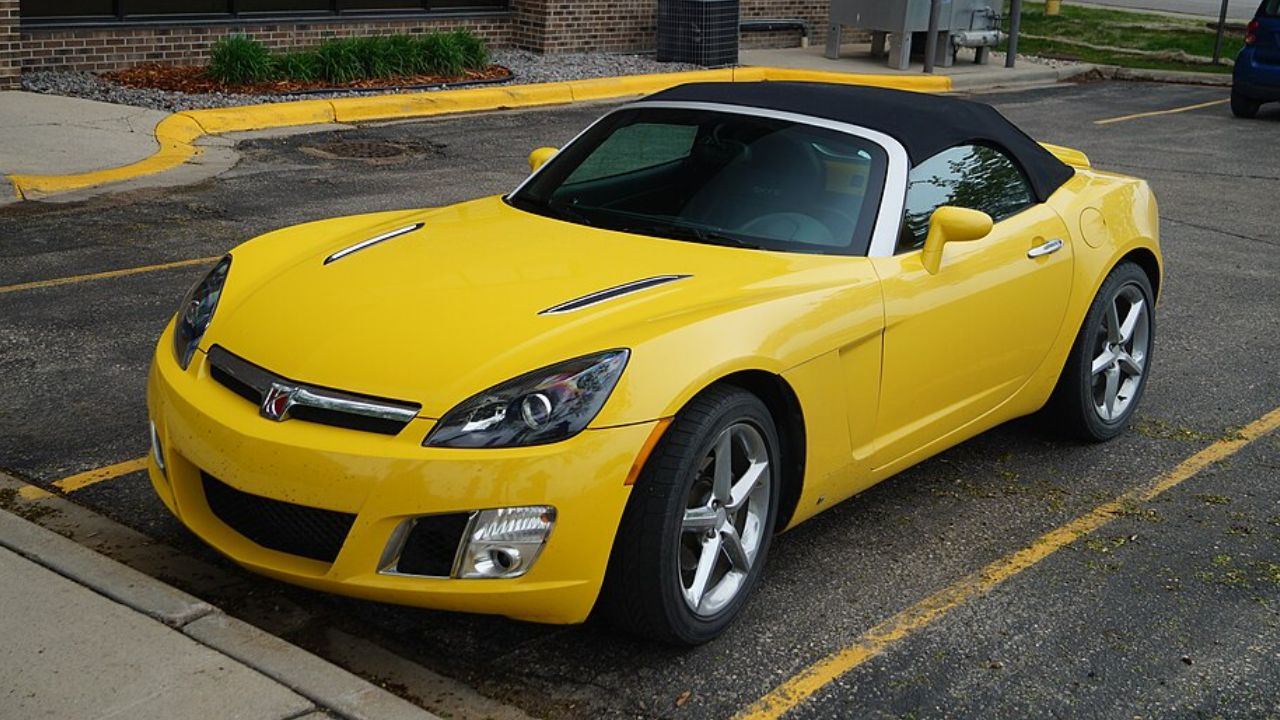
The Sky Red Line shared its basic architecture with the Solstice but brought a sharper personality and turbocharged performance. Its lightweight body and rear-wheel-drive chassis created an unusual combination for an American compact. The Red Line also demonstrated that General Motors could build an affordable roadster capable of delivering serious acceleration without relying on a large V8. Its short production run makes it increasingly easy to overlook.
Dodge Viper
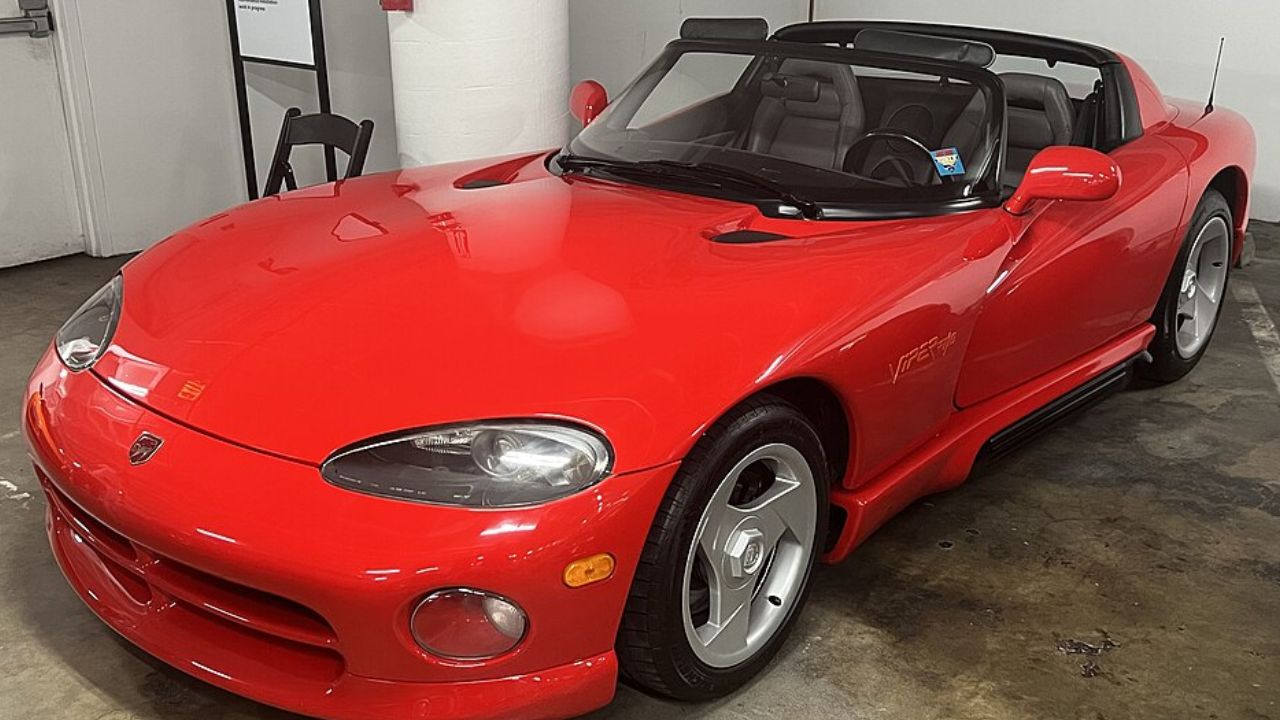
The Viper was one of the boldest American performance cars ever produced. Its enormous V10, lightweight construction, manual transmission, and minimal driver aids created an experience that was radically different from increasingly computerized sports cars. While it was not technologically advanced in the conventional sense, its philosophy was remarkably forward-looking. The Viper anticipated the modern appreciation for raw, analog performance and became an American icon in the process.
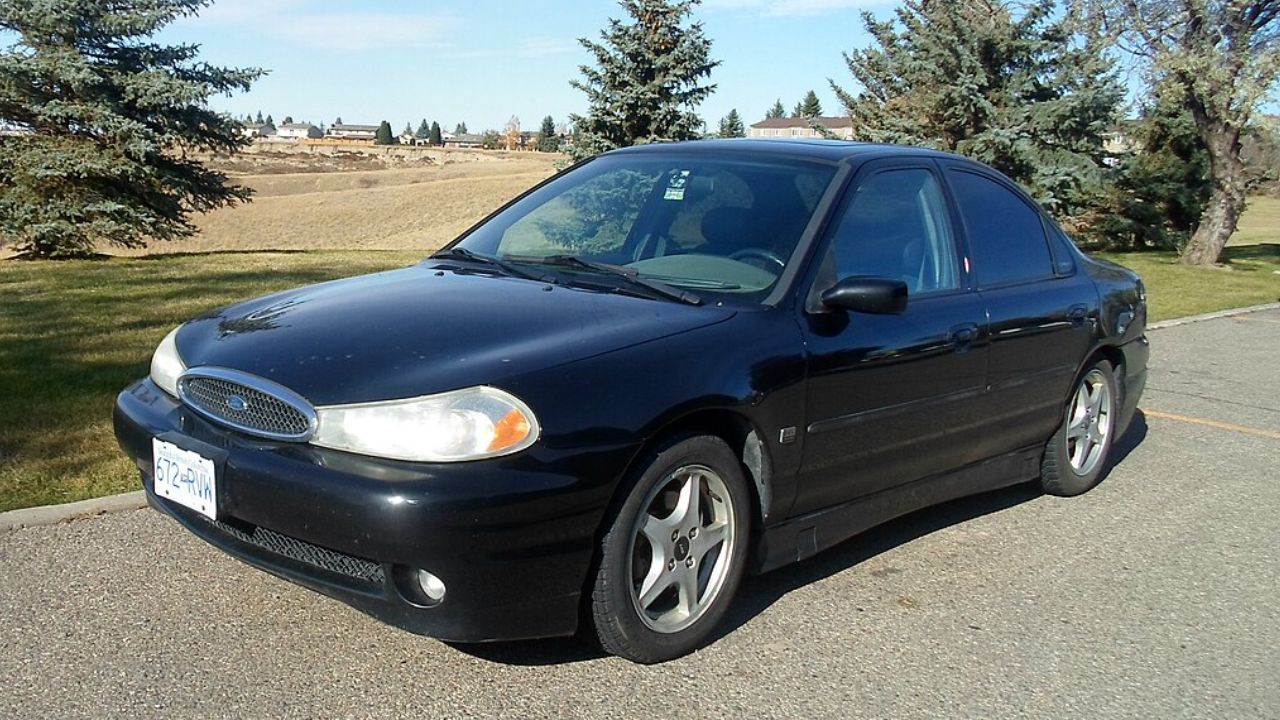
Ford SVT Contour
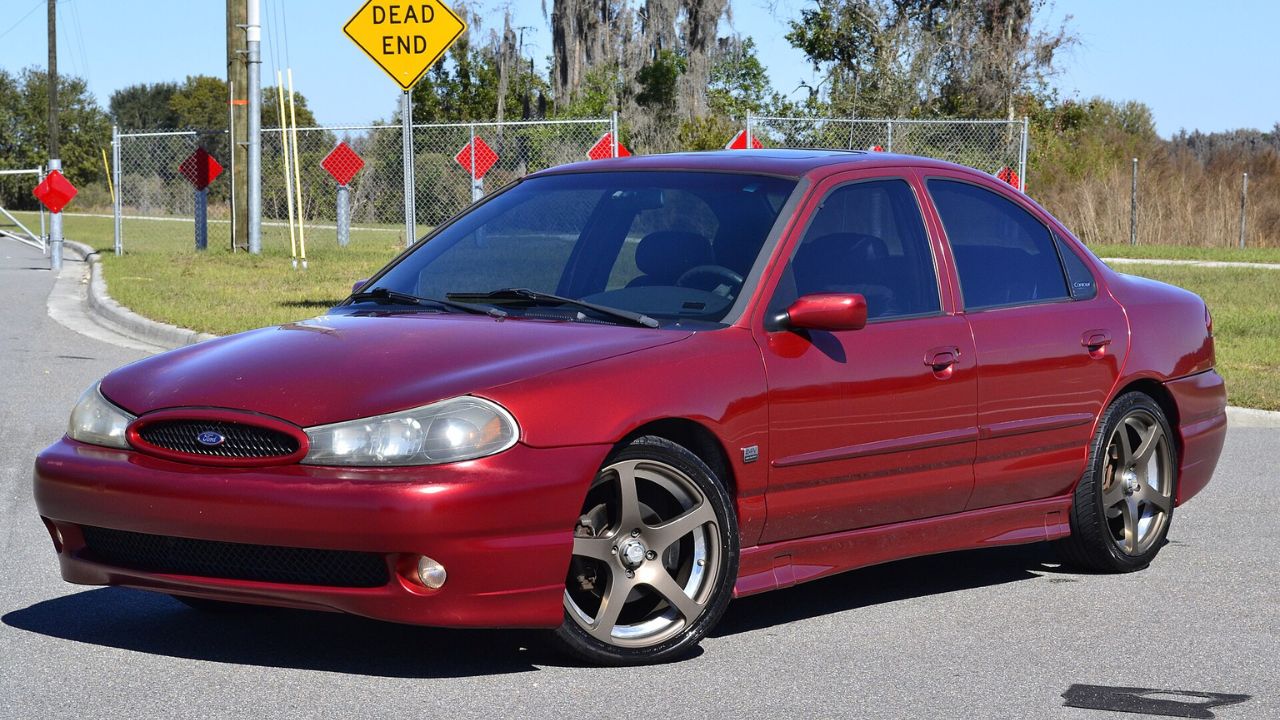
The SVT Contour was an unlikely performance car based on a practical family sedan, yet Ford gave it a high-revving V6, manual transmission, sport suspension, and sharper chassis tuning. It demonstrated that a relatively ordinary front-wheel-drive sedan could become an engaging driver’s car without requiring a giant engine. The model was easily overlooked when new, but its sophisticated approach makes it an interesting forgotten chapter in Ford performance history.
More from Fast Lane Only
- Unboxing the WWII Jeep in a Crate
- 15 rare Chevys collectors are quietly buying
- 10 underrated V8s still worth hunting down
- Police notice this before you even roll window down
*Research for this article included AI assistance, with all final content reviewed by human editors.