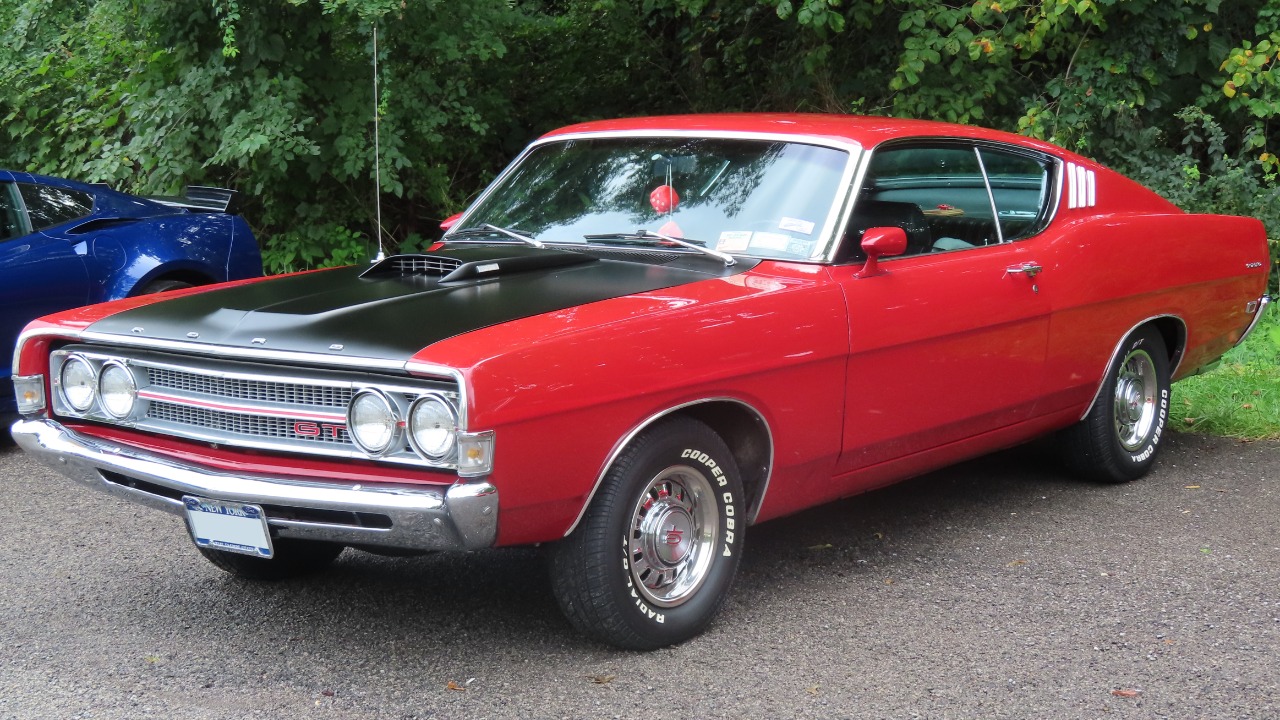
Some muscle cars became household names, while others remained largely under the radar even when they had serious performance credentials. These lesser-known machines were often built in small numbers, offered unusual combinations, or disappeared before collectors fully appreciated them. Today, they can be some of the most fascinating cars for enthusiasts who know what to look for.
Buick GS 455 Stage 1
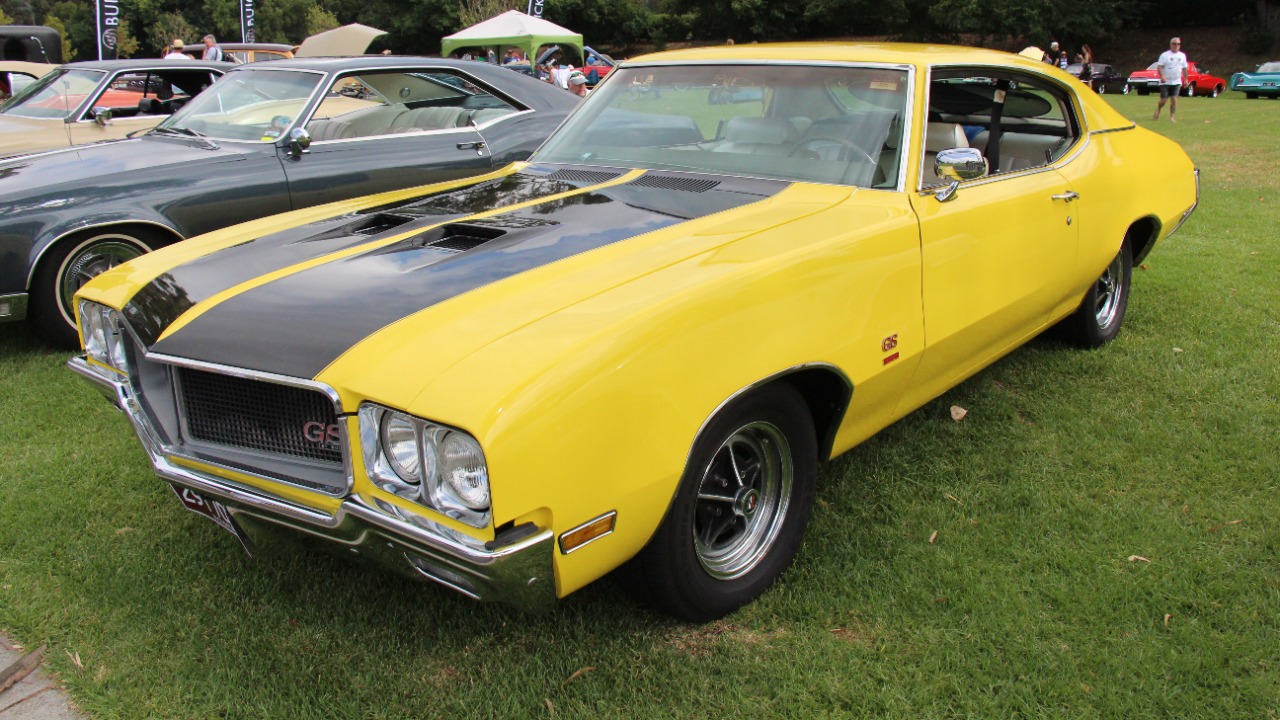
The GS 455 Stage 1 gave Buick a serious performance weapon without the flashy reputation of some competitors. Its big-block V8 produced substantial torque, making it exceptionally quick for a large American car. Buick buyers could enjoy strong acceleration while retaining the brand’s more upscale character. Production numbers were limited compared with mainstream muscle cars, helping make surviving examples particularly interesting to knowledgeable collectors.
Oldsmobile Rallye 350
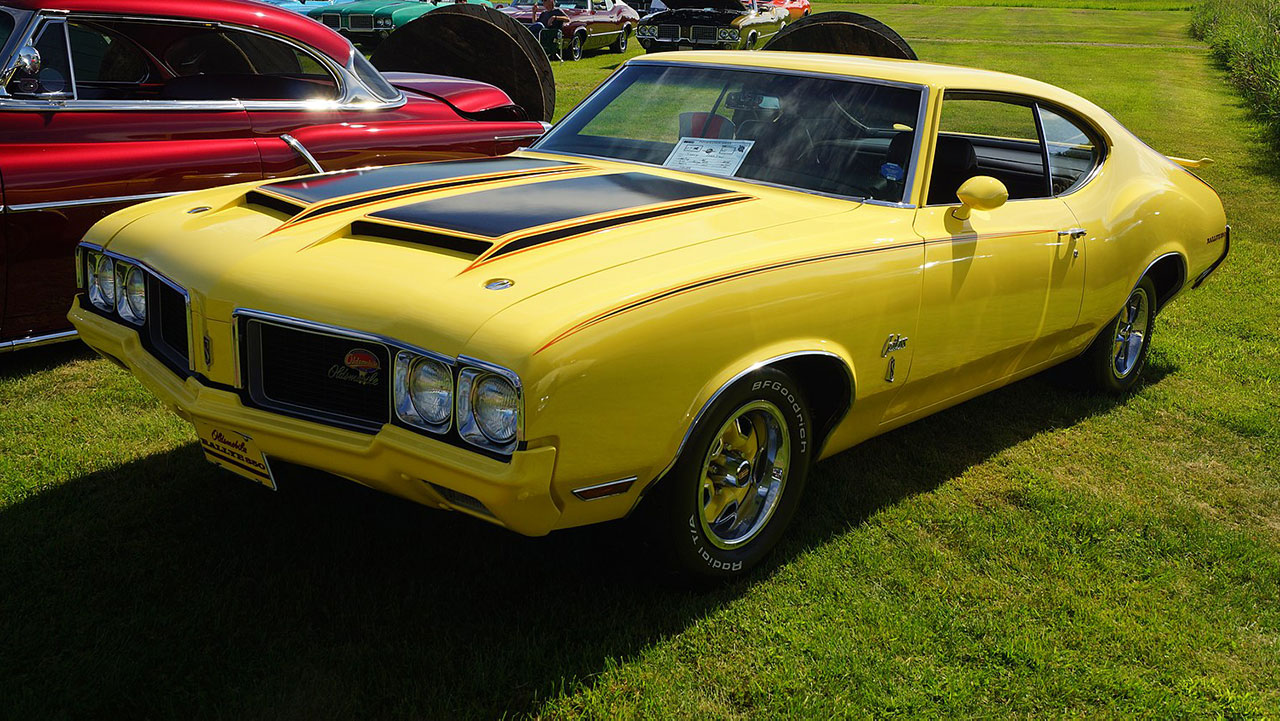
The Rallye 350 took a different approach to the muscle-car formula by combining a smaller-displacement V8 with aggressive styling and a lighter overall package. Bright exterior details and distinctive wheels made it easy to identify, while its performance was respectable for the era. It never achieved the fame of the 442, which is precisely why collectors increasingly appreciate the Rallye 350 today.
Pontiac Can Am
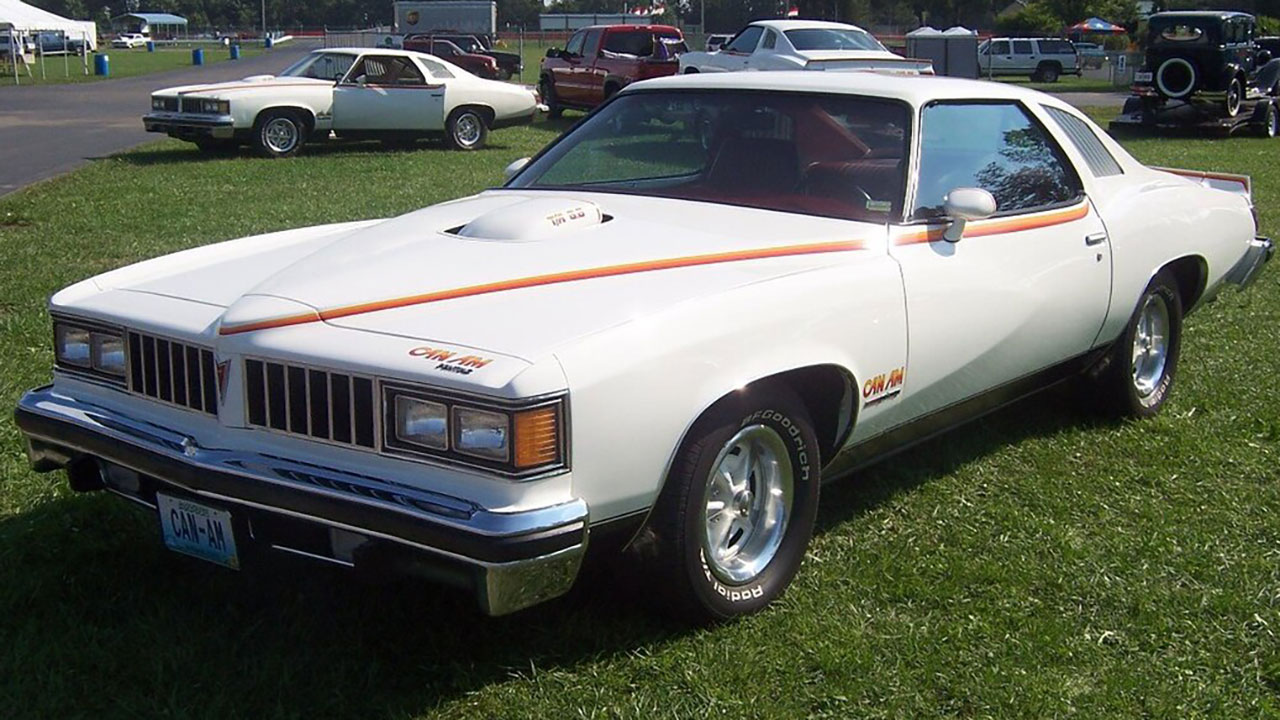
The Can Am was a short-lived performance wagon that combined practicality with Pontiac’s muscle-car personality. Based on the LeMans wagon, it received a distinctive appearance and strong V8 power. Production was limited, making surviving examples unusual at shows today. Its combination of family-car practicality and muscle-car performance gives it a unique place in Pontiac history and makes it a particularly interesting collector car.
Mercury Cyclone Spoiler II

The Cyclone Spoiler II was created with NASCAR homologation in mind and looked considerably more serious than an ordinary Mercury coupe. Its aerodynamic nose and unusual styling separated it from more conventional muscle cars. Production was limited, and many examples disappeared over the decades. Collectors who specialize in Ford and Mercury performance history recognize the model as one of the more unusual products of the muscle-car era.
Ford Torino Talladega
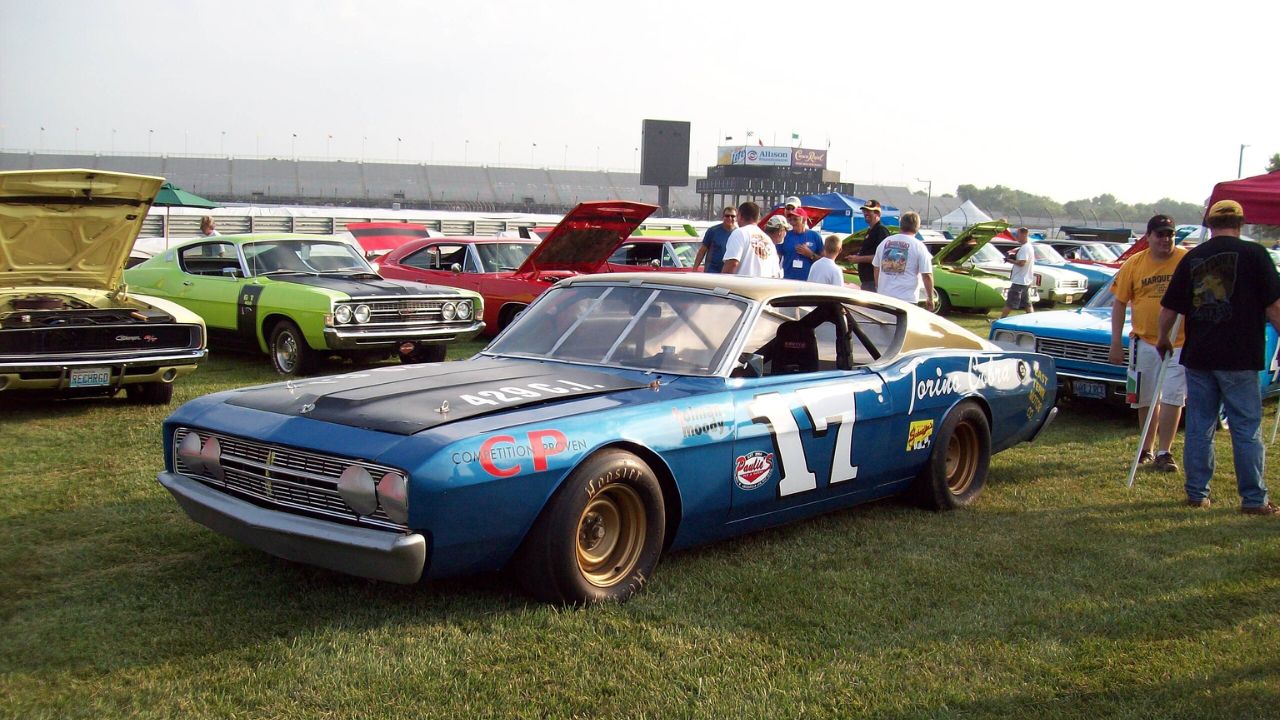
The Torino Talladega was another homologation special built with NASCAR competition in mind. Its extended nose was designed to improve high-speed aerodynamics, giving the car an appearance unlike ordinary Torino models. Only a limited number were produced, and their racing connection gives them considerable historical importance. Today, an original Talladega attracts attention from collectors who understand how much engineering went into its unusual shape.
Plymouth Duster 340
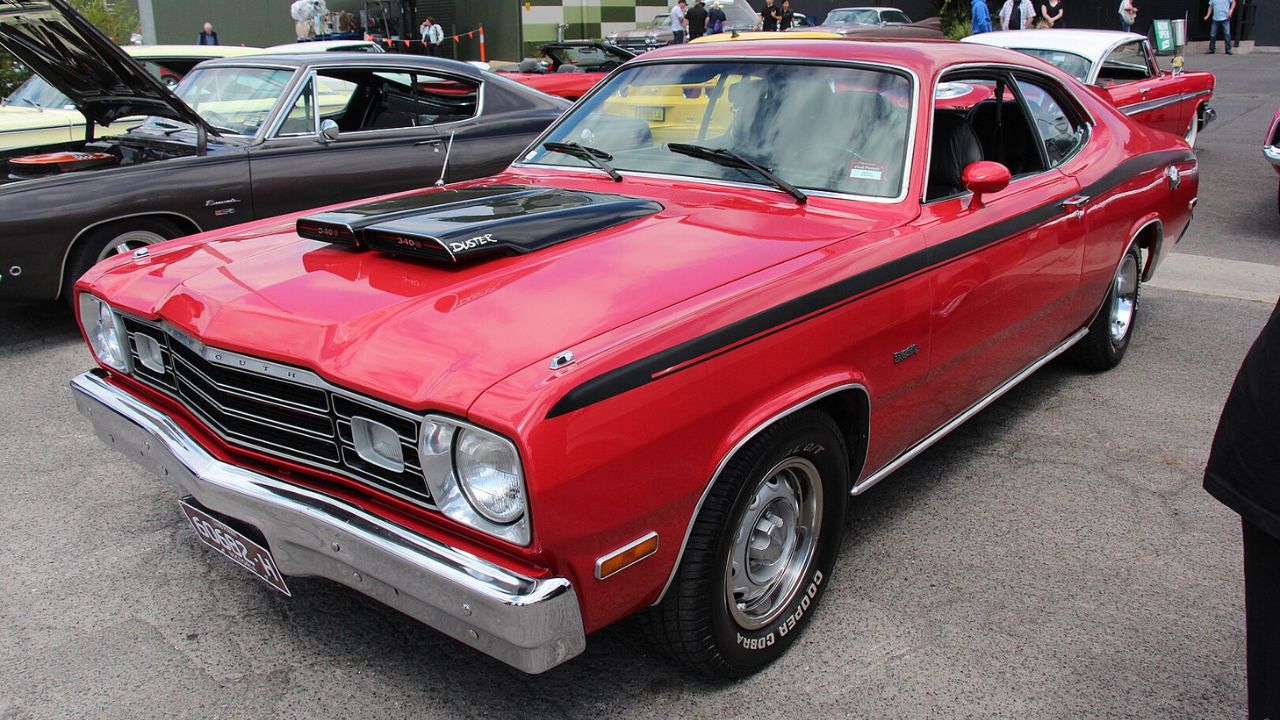
The Duster 340 offered serious performance in a smaller and more affordable package than many famous muscle cars. Its compact body made the V8’s power especially entertaining, while the model’s lower profile kept it from receiving the same attention as Plymouth’s headline performers. Clean examples are increasingly difficult to find, particularly cars that retain their original equipment. That combination makes the Duster 340 an appealing collector choice.
AMC Rebel Machine
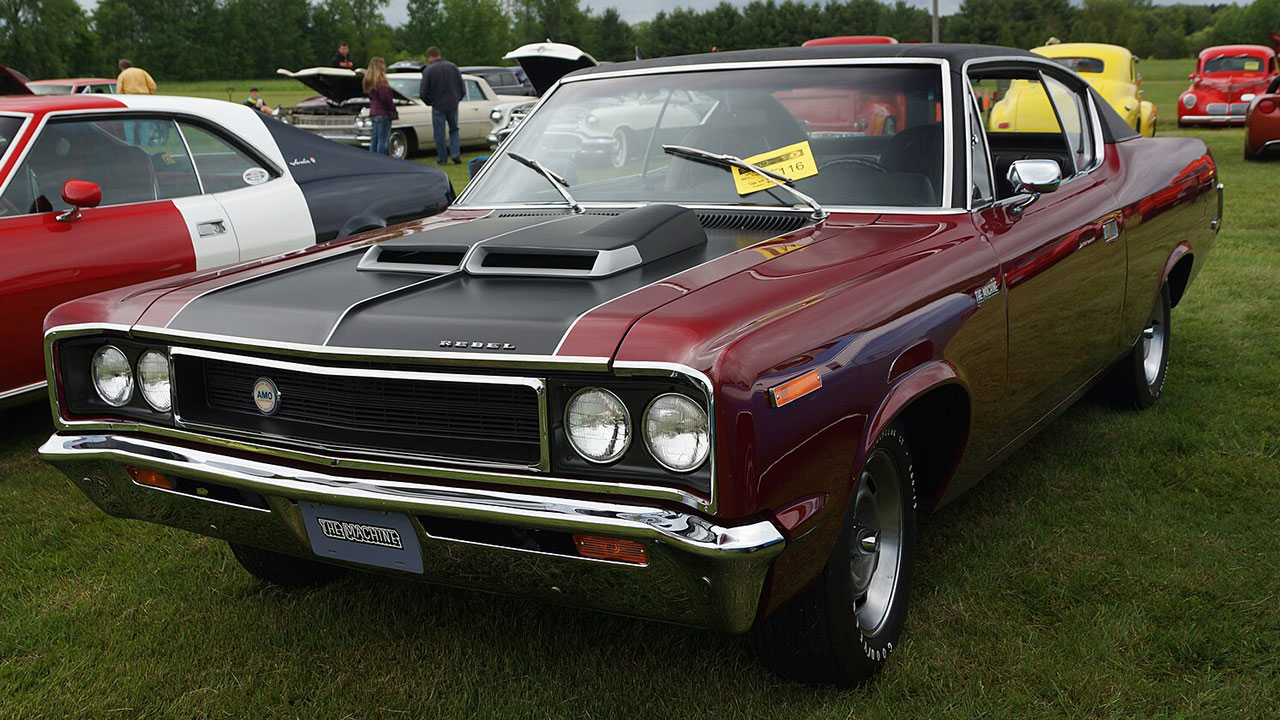
The Rebel Machine showed what American Motors could accomplish when it decided to compete directly with Detroit’s performance cars. Its bold appearance, large V8, and performance-oriented equipment gave it plenty of attitude. Production was far lower than that of many mainstream muscle cars, and its unusual AMC identity makes it especially appealing today. Serious collectors often value its rarity as much as its performance.
AMC Hornet SC/360
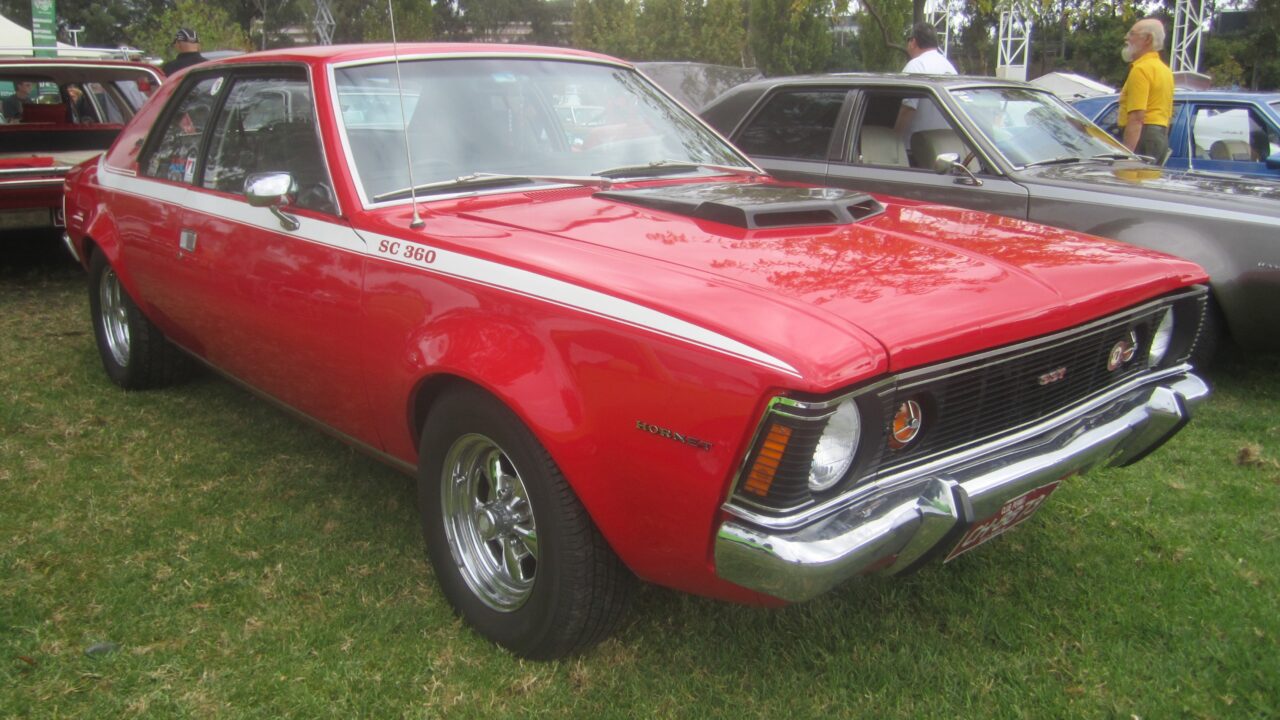
The Hornet SC/360 was a compact muscle car with an unusually strong combination of size, power, and practicality. AMC equipped it with a 360-cubic-inch V8 and performance-oriented components, creating a car that could surprise much larger rivals. Its limited production means surviving examples are uncommon. It remains one of the clearest examples of AMC quietly building something much more serious than its reputation suggested.
Dodge Dart Swinger 340
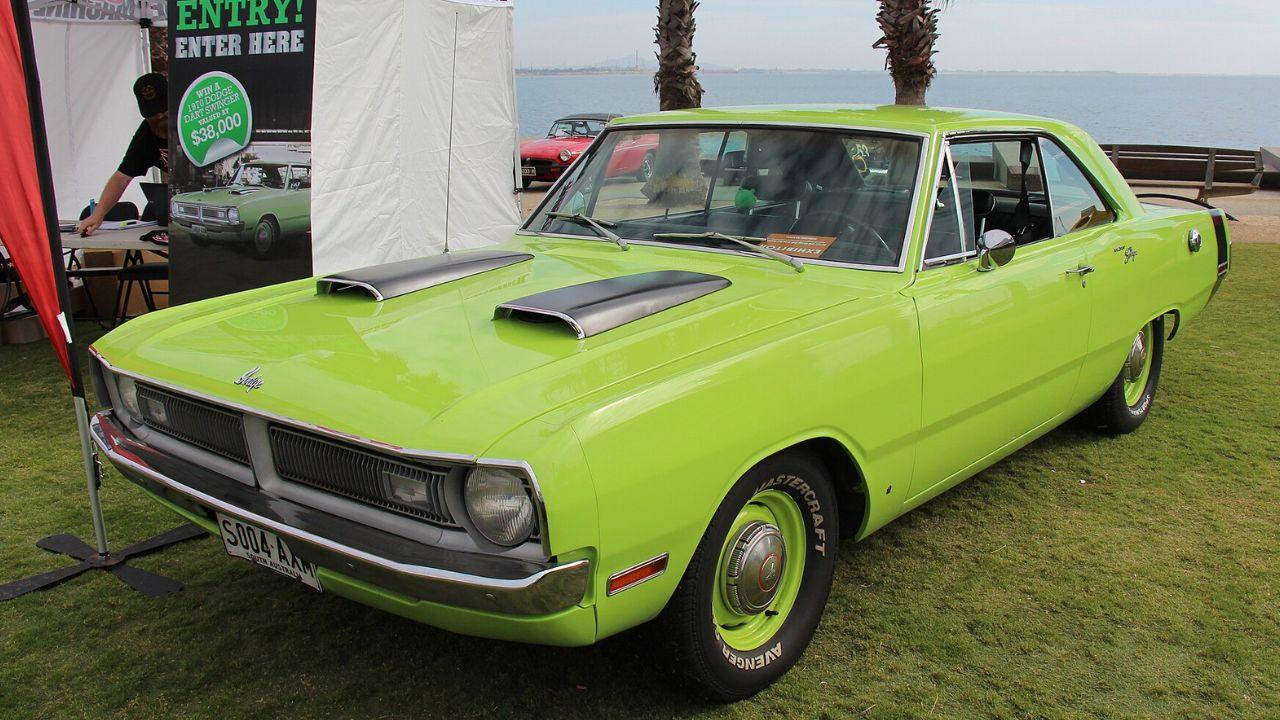
The Swinger 340 offered big performance in a relatively compact body and could deliver much of the excitement associated with larger muscle cars. Its combination of a high-performance small-block, lightweight dimensions, and understated styling made it an appealing street machine. Although the Dart name is familiar, properly equipped 340 examples are considerably less common. Collectors appreciate them for their straightforward performance formula.
Plymouth Valiant Duster Twister
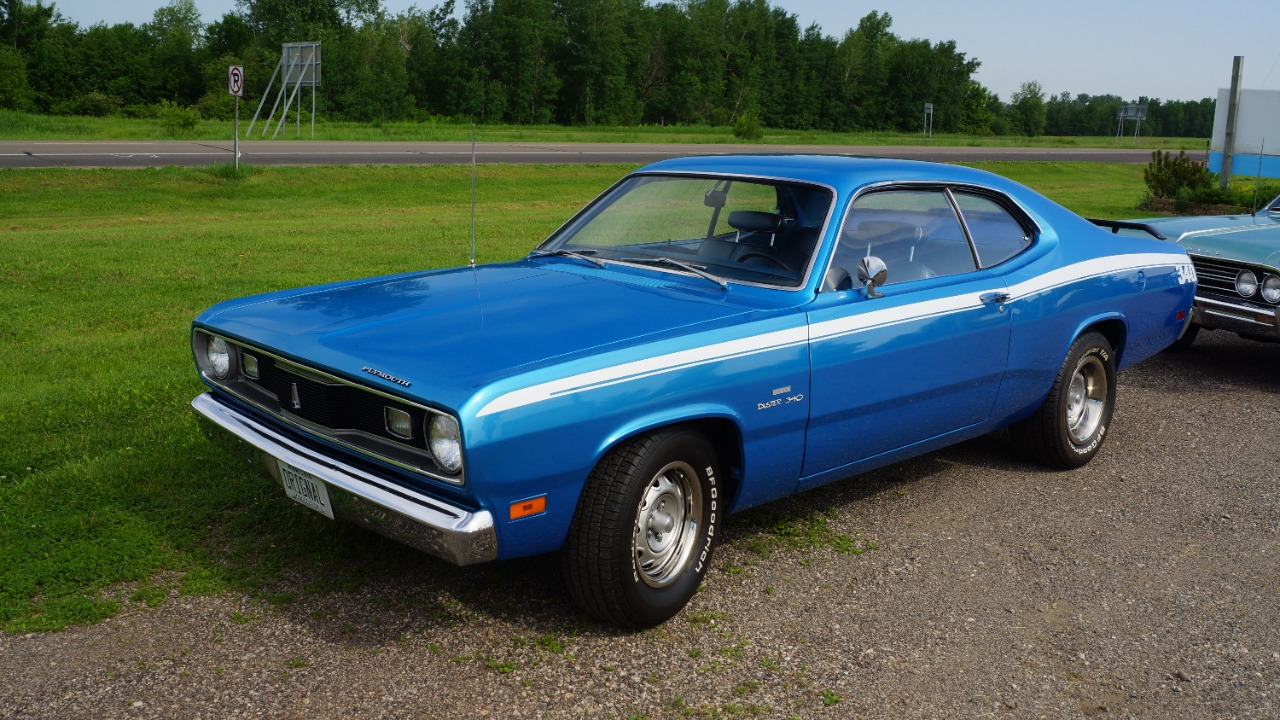
The Duster Twister was more about appearance than outright mechanical extremity, but that makes surviving examples interesting in their own way. It gave buyers sporty styling and special trim without requiring the biggest engine. Properly preserved cars are becoming harder to locate because many were treated as inexpensive transportation when new. Today, original examples can attract attention from collectors interested in unusual factory combinations.
Mercury Marauder X-100
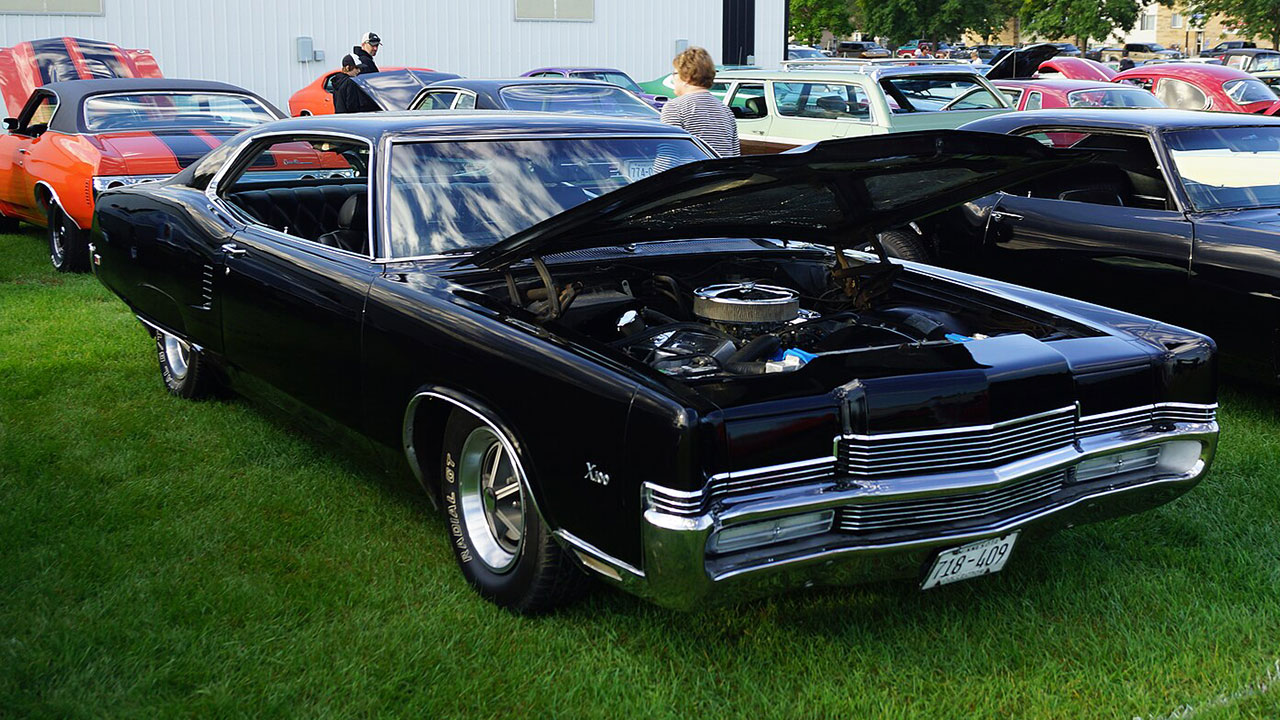
The Marauder X-100 represented Mercury’s answer to the growing demand for full-size performance cars. Its large V8, distinctive trim, and imposing proportions gave it a character quite different from smaller muscle cars. Because the model was never as common as Ford’s headline performance offerings, surviving examples are less frequently encountered. Collectors interested in full-size muscle appreciate its combination of luxury and power.
Chevrolet Nova SS 396
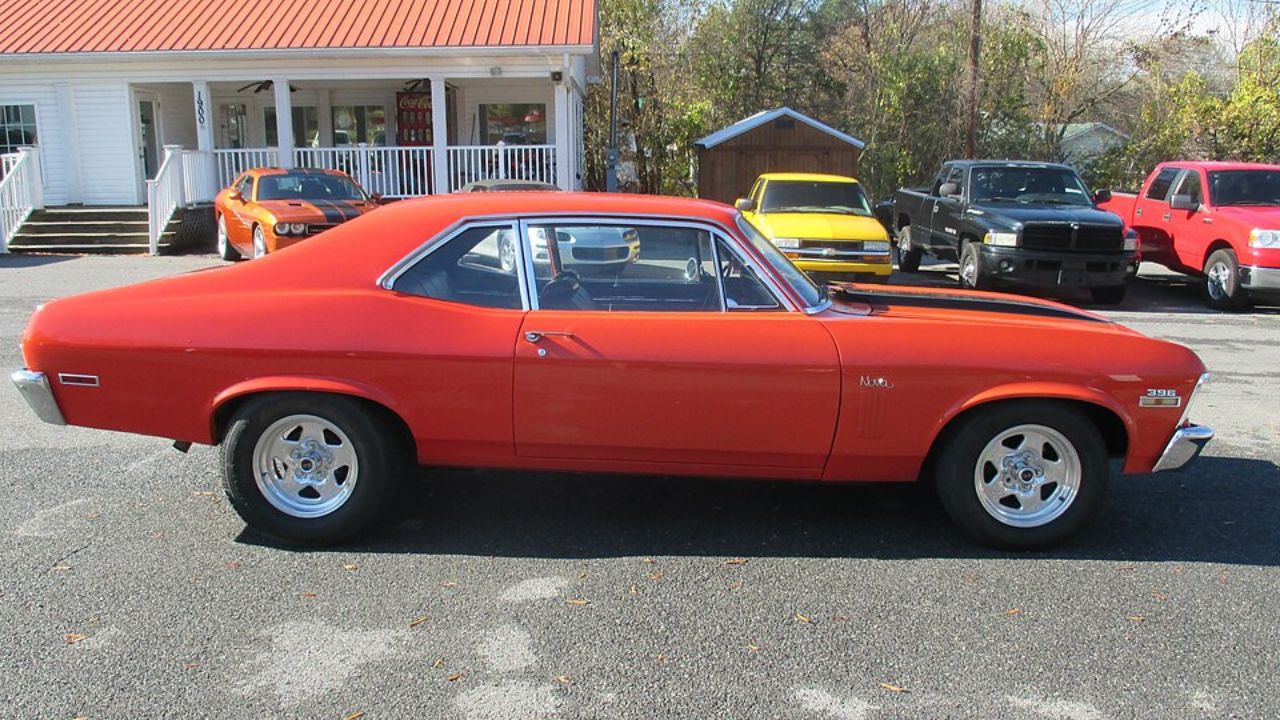
The Nova SS 396 was a compact Chevrolet with a surprisingly serious performance option. Putting a big-block V8 into such a relatively small body created a potent combination that could compete with much larger muscle cars. The model is familiar to enthusiasts, but genuine big-block examples are far less common than ordinary Novas. Original, well-documented cars are therefore highly interesting to serious collectors.
Ford Falcon Sprint
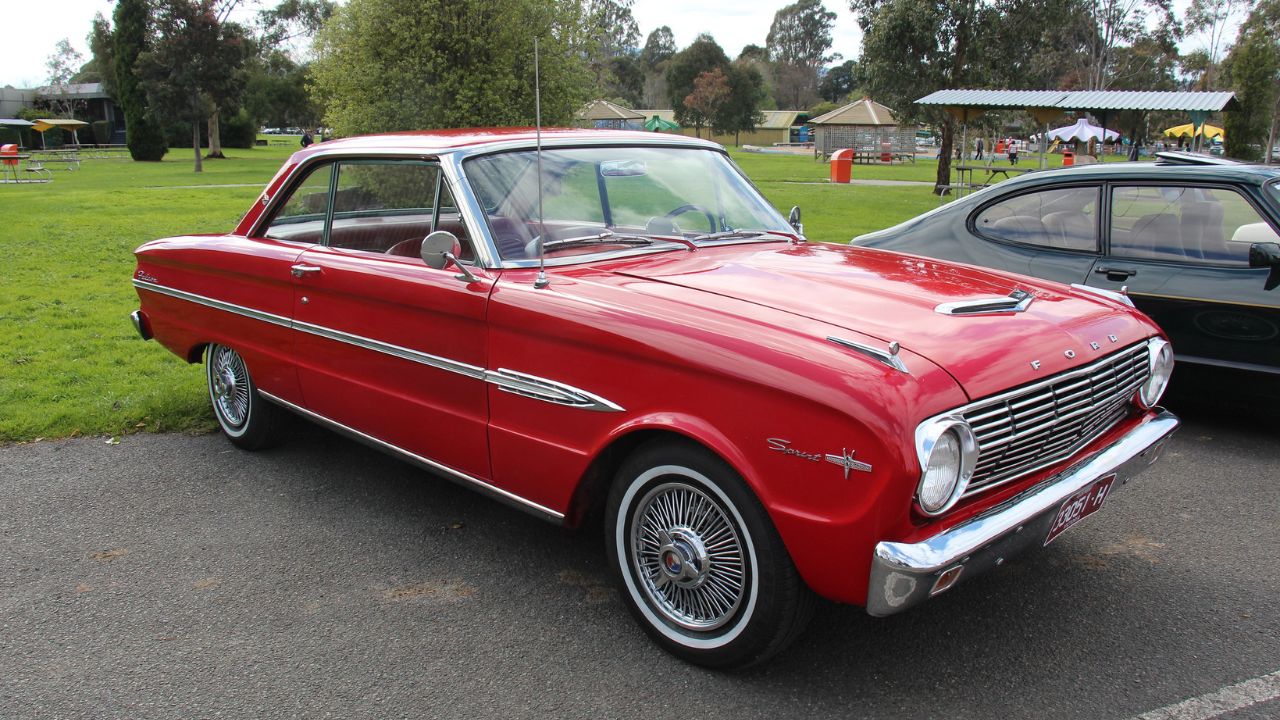
The Falcon Sprint helped establish the idea that a compact Ford could deliver genuine performance. Its V8 power and lightweight body created a lively combination, while its relatively simple construction made it appealing to buyers who wanted something sporty without the size of a full-size car. Early examples have become increasingly collectible, particularly when original equipment and documentation remain intact.
Mercury Comet Cyclone

The Comet Cyclone transformed Mercury’s compact platform into a much more performance-oriented machine. Available V8 power gave it genuine muscle-car credentials, while the smaller body provided a different driving character from Mercury’s larger coupes. The model never became as famous as the Mustang-based performance cars, leaving it comparatively overlooked. That relative obscurity now gives clean Cyclones considerable collector appeal.
Pontiac Ventura GTO
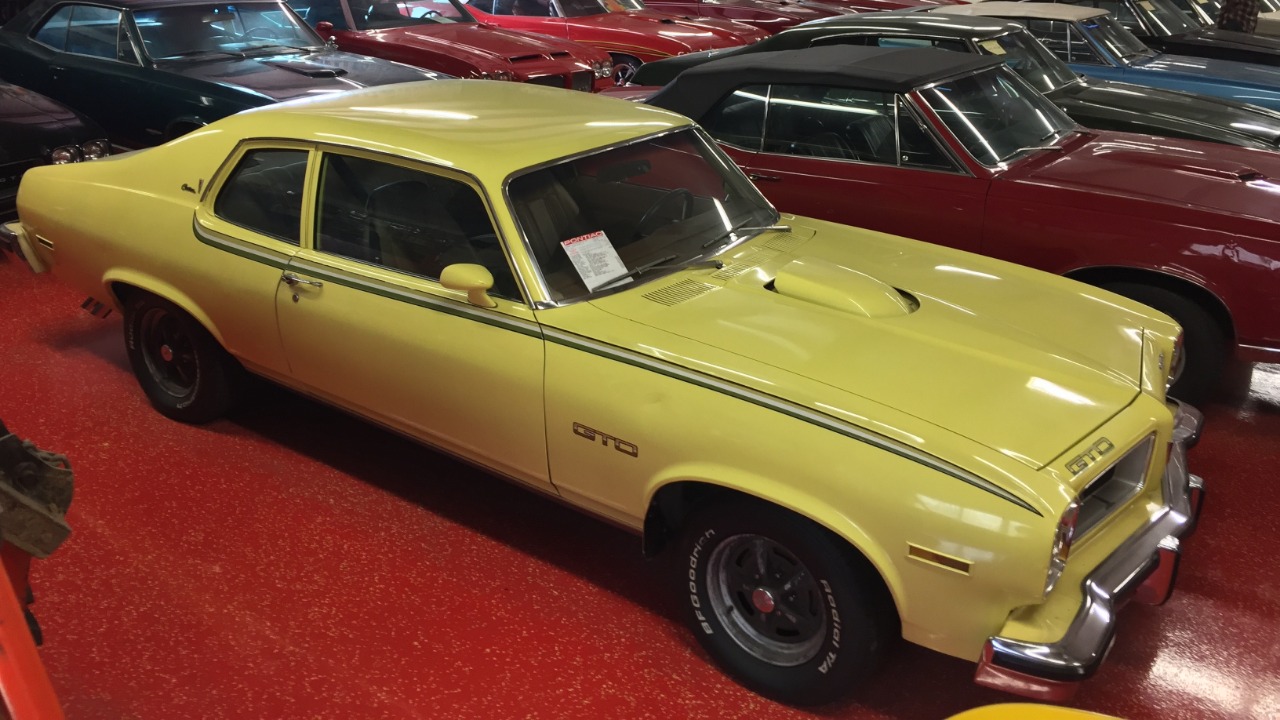
The Ventura GTO is one of the more unusual chapters in Pontiac’s performance history. Sold in Canada, it combined Ventura styling with GTO-inspired performance equipment, creating a model that is rarely encountered outside specialist collections. Its limited market availability makes original examples particularly interesting. Collectors familiar with Pontiac’s history often recognize it as one of the brand’s more obscure performance variations.
Chevrolet Chevelle Laguna S-3
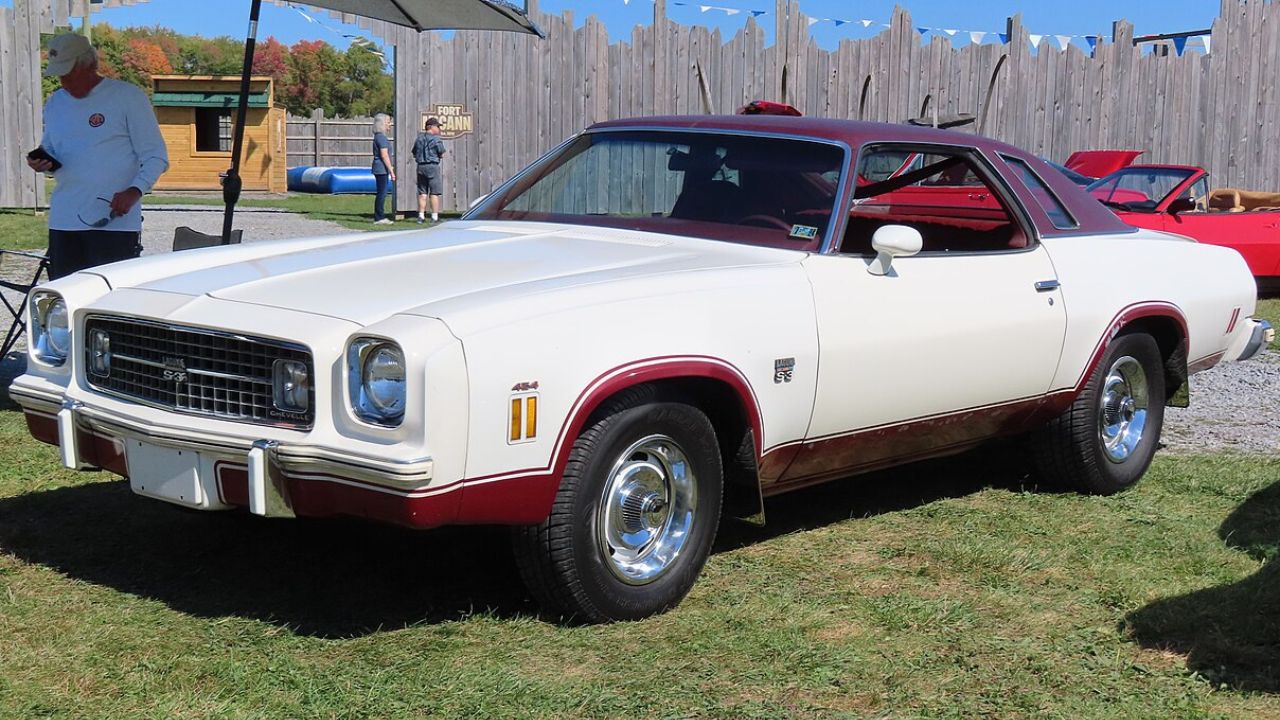
The Laguna S-3 arrived after the traditional muscle-car era had begun changing, but it still carried some of the performance spirit associated with earlier Chevrolets. Its distinctive aerodynamic nose and available V8 power gave it a unique identity. Production occurred during a difficult period for high-performance cars, which has left surviving examples relatively uncommon. Today, the Laguna S-3 appeals to collectors who appreciate overlooked transitional muscle.
Pontiac Grand Prix SJ
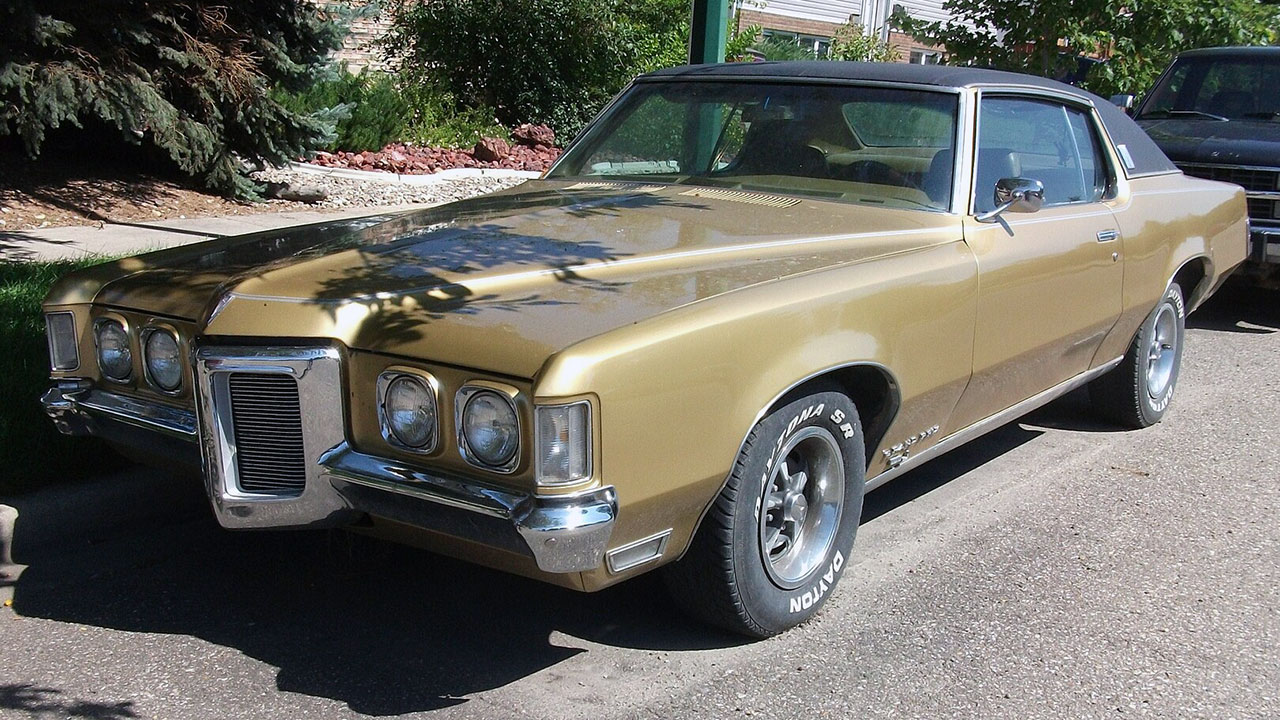
The Grand Prix SJ combined personal-luxury styling with serious V8 performance, giving Pontiac buyers something different from a traditional muscle coupe. Its larger dimensions and upscale interior separated it from smaller performance cars, while the available big-block engine provided plenty of authority. Because it was overshadowed by Pontiac’s more famous GTO and Firebird, the Grand Prix SJ remains a less obvious but fascinating collector choice.
Buick GS California
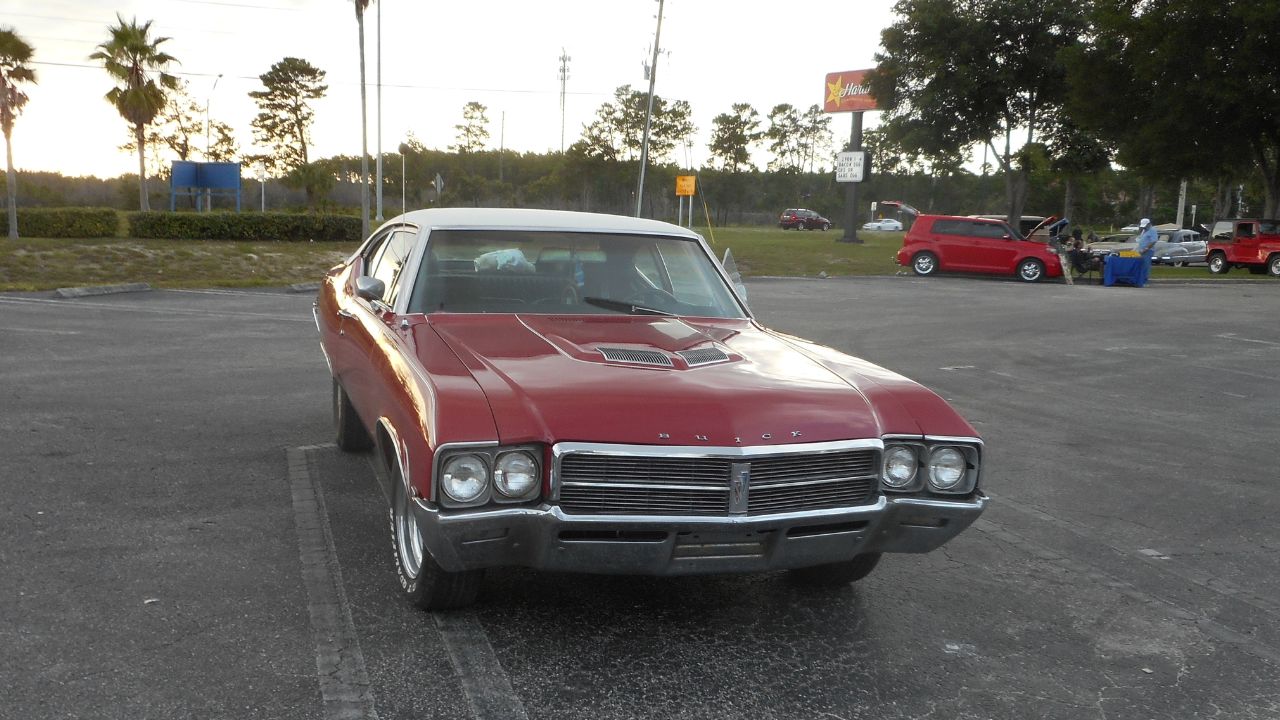
The GS California was created as a regional performance package and offered a strong combination of Buick styling and V8 power. Its limited availability makes authentic examples considerably more interesting than ordinary GS models. The car represents a period when manufacturers could produce specialized versions for particular markets or dealer networks. Collectors who know Buick history tend to pay close attention when a genuine GS California appears.
Oldsmobile Cutlass W-31
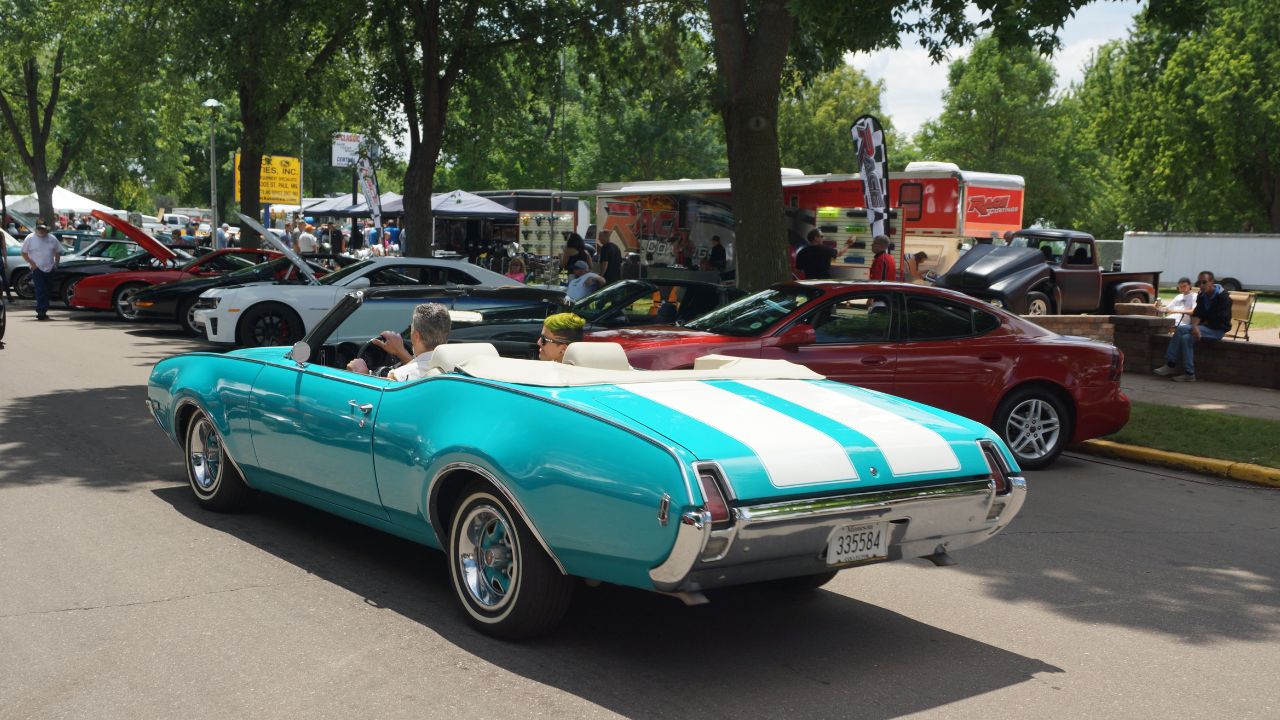
The W-31 gave the Cutlass a more serious performance personality without relying on the enormous engines associated with top-tier muscle cars. Its high-revving 350 V8, distinctive appearance, and relatively limited production made it a compelling alternative. Many examples were used hard, modified, or simply driven until they disappeared. Original cars are therefore especially desirable among Oldsmobile specialists.
Ford Fairlane Thunderbolt

The Fairlane Thunderbolt was one of the most extreme factory performance cars of its era. Ford combined a relatively compact Fairlane body with a massive V8 and extensive modifications designed for drag racing. Production was extremely limited, and the cars were never intended to be ordinary transportation. Surviving Thunderbolts are now highly prized because they represent the moment when Detroit manufacturers pushed factory muscle-car engineering to extraordinary lengths.
More from Fast Lane Only
- Unboxing the WWII Jeep in a Crate
- 15 rare Chevys collectors are quietly buying
- 10 underrated V8s still worth hunting down
- Police notice this before you even roll window down
*Research for this article included AI assistance, with all final content reviewed by human editors.