The early automotive industry was marked by a series of innovative power experiments that set the stage for the vehicles we know today. From steam to electric and internal combustion engines, these trials not only defined the era but also laid the groundwork for future advancements in automotive technology. I’m excited to delve into some of these lesser-known experiments that shaped the automotive landscape.
1. The Pioneers of Automotive Power
In the early days of the automotive industry, several inventors made significant contributions to the development of power systems. One of the most prominent figures was Nicolas-Joseph Cugnot, who in 1769 created one of the first full-scale, working automobiles powered by steam. His three-wheeled vehicle, known as the “Fardier à vapeur,” was a groundbreaking innovation, demonstrating the potential of steam power for transportation. Cugnot’s design paved the way for later developments in automotive engineering, even though steam power would ultimately be eclipsed by internal combustion engines.
Another notable pioneer was Gottlieb Daimler, who is often credited with inventing the first high-speed gasoline engine. His work in the late 19th century was crucial in transitioning the automotive industry from steam to more efficient power sources. Daimler’s innovations included the first motorcycle in 1885 and the prototype for the modern automobile in 1886, showcasing how early inventors were not only experimenting with power systems but also redefining personal transportation.
2. The Electric Revolution
The late 19th century saw the introduction of electric vehicles (EVs), marking a pivotal moment in automotive history. Early experiments with electric power sources were groundbreaking, with inventors like Thomas Parker in the UK building one of the first practical electric cars in 1889. Parker utilized non-rechargeable batteries, showcasing the potential for electric propulsion even before the widespread use of rechargeable batteries became viable. This initial foray into electric vehicles highlighted a significant alternative to steam and gasoline engines, sparking interest and competition in the emerging automotive market.
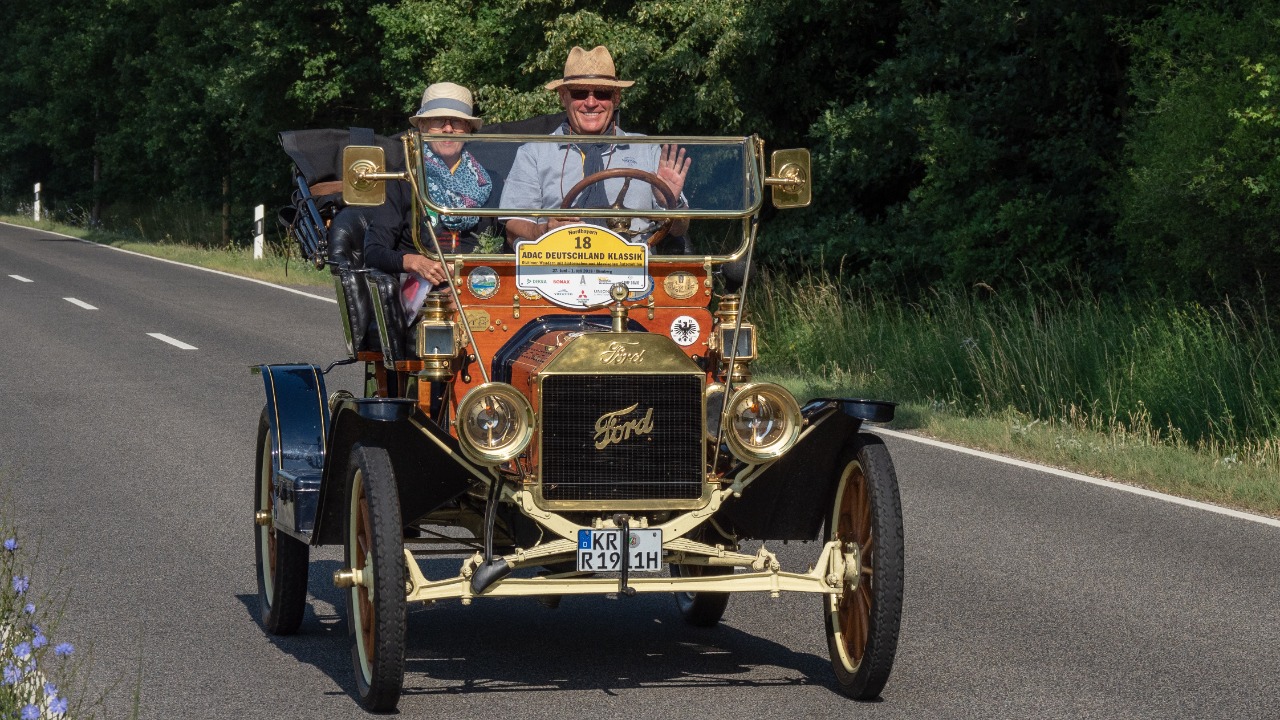
Despite the early promise of electric vehicles, the competition with internal combustion engines was fierce. By the early 1900s, gasoline-powered cars, exemplified by the Ford Model T, had begun to dominate the market. The advantages of gasoline engines—such as longer ranges and faster refueling times—made them more appealing to consumers. Nevertheless, the electric revolution laid foundational work for future advancements in battery technology and electric propulsion systems, which would resurface decades later as environmental concerns began to influence automotive design.
3. Internal Combustion Engine Innovations
The transition from steam to internal combustion engines was marked by significant innovations that propelled the automotive industry forward. Early internal combustion engines were often inefficient and unreliable, but focused experiments led to breakthroughs in design and fuel efficiency. For instance, the introduction of the four-stroke engine by Nikolaus Otto in 1876 helped to establish a more efficient and powerful engine configuration that would dominate for decades. Otto’s engine design laid the groundwork for modern gasoline engines, emphasizing the importance of innovation during this transformative period.
Additionally, early automobile races played a crucial role in advancing engine technology. The Paris-Bordeaux-Paris race of 1895, for example, served as a testing ground for various automotive technologies. Competitors were eager to push the limits of speed and performance, leading to rapid advancements in engine design, aerodynamics, and fuel efficiency. These competitions not only showcased the capabilities of internal combustion engines but also inspired engineers to innovate, creating a cycle of improvement that would benefit the entire industry.
4. Alternative Power Sources
While steam and gasoline engines took center stage, the exploration of alternative power sources was also gaining momentum. Early experiments with biofuels, such as ethanol and biodiesel, date back to the late 19th century, with figures like Henry Ford advocating for the use of renewable resources. Ford’s Model T was designed to run on ethanol, showcasing the historical significance of biofuels in the automotive landscape. However, the widespread adoption of gasoline sidelined these alternative fuels for much of the 20th century.
In more recent decades, there has been a resurgence of interest in alternative fuels, particularly hydrogen fuel cells. The challenges faced in the early experiments with hydrogen, including storage and distribution issues, have driven significant advancements in technology. Companies like Toyota have made strides in this area with vehicles like the Mirai, which utilizes hydrogen as a power source. Such developments remind us that the exploration of alternative fuels is a continuous journey, rooted in the experiments and aspirations of the past.
5. The Role of Competition and Collaboration
The automotive industry’s evolution was significantly influenced by competition and collaboration among inventors and manufacturers. Early automotive competitions, such as the aforementioned Paris-Bordeaux-Paris race, were not merely contests of speed; they were essential venues for testing new technologies and pushing the boundaries of engineering. These competitions fostered innovation and encouraged manufacturers to develop better, faster, and more efficient vehicles.
Collaboration also played a vital role in the early years of the automotive industry. Inventors shared ideas and technologies, often leading to unexpected breakthroughs. For instance, the partnership between Karl Benz and his wife Bertha Benz was instrumental in promoting early automotive technology. Bertha’s famous long-distance drive in 1888 not only showcased the practicality of their vehicle but also demonstrated the importance of public interest in promoting automotive innovation. This blend of competition and collaboration helped shape the industry, highlighting how the collective efforts of individuals can lead to significant advancements in technology.
6. The Legacy of Early Power Experiments
The early power experiments in the automotive industry have left an indelible mark on modern technology. Innovations from steam engines to electric vehicles paved the way for the sophisticated automotive systems we rely on today. The foundational work of early inventors and engineers laid the groundwork for the internal combustion engines that powered the 20th century and the electric vehicles that are gaining traction in the 21st century.
Moreover, the legacy of these early experiments continues to inform current developments in the automotive sector. Today’s engineers draw from the lessons learned in the past, applying historical insights to create more efficient, sustainable vehicles. As we face environmental challenges and seek to reduce our carbon footprint, the exploration of alternative power sources, such as electric and hydrogen fuel cell technology, reflects the ongoing relevance of early automotive innovations.
More from Fast Lane Only
- Unboxing the WWII Jeep in a Crate
- 15 rare Chevys collectors are quietly buying
- 10 underrated V8s still worth hunting down
- Police notice this before you even roll window down
*Research for this article included AI assistance, with all final content reviewed by human editors.