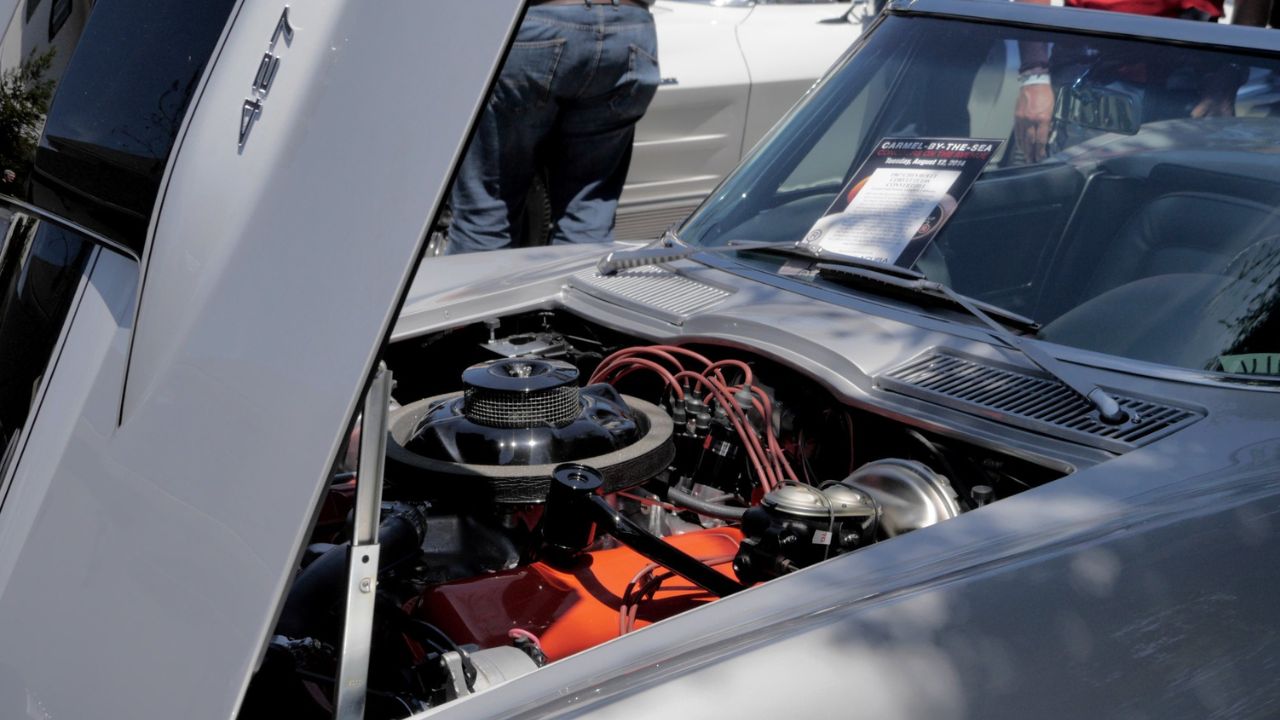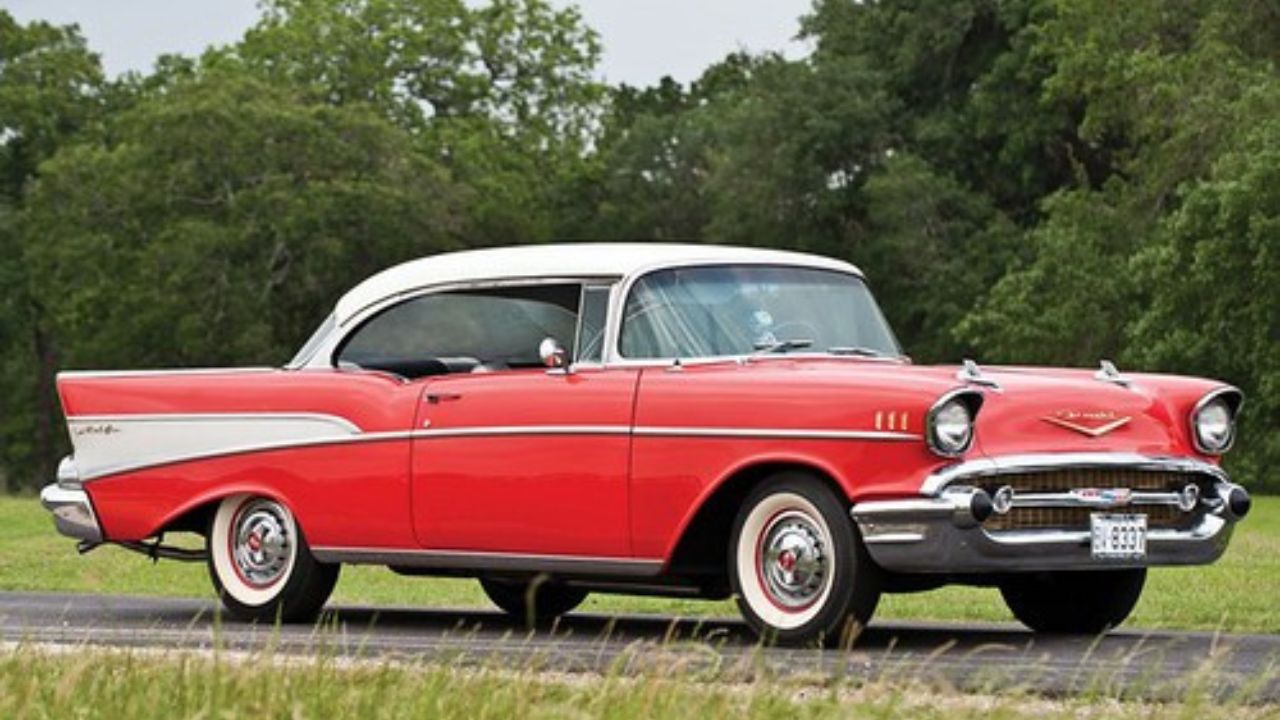
The history of automobiles is a fascinating journey of innovation and shifting consumer preferences. From the robust post-war vehicles of the 1950s to the cutting-edge electric and autonomous cars of today, each decade has introduced us to iconic best-sellers that defined their era. Let’s take a closer look at the best-selling cars of each decade and how they reflect the evolving automotive landscape.
1950s: The Iconic Post-War Vehicles
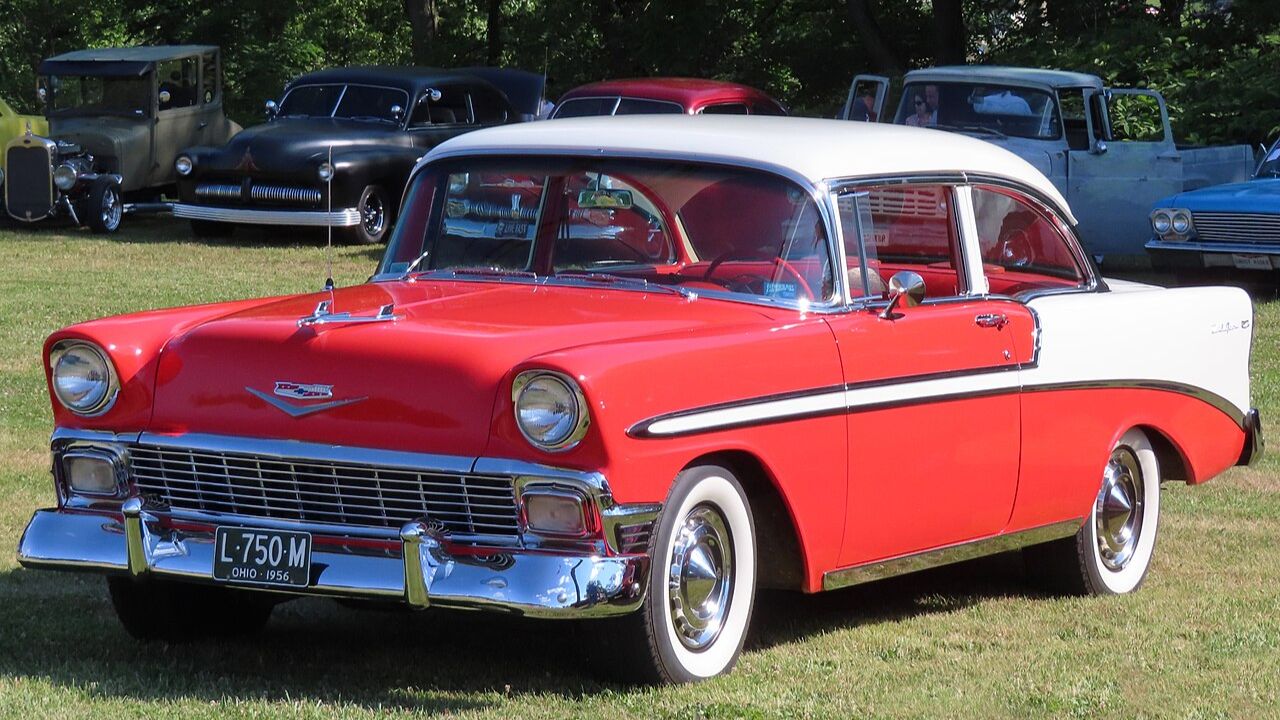
The 1950s were a time of prosperity and growth, with the automotive industry expanding rapidly. During this decade, the Chevrolet Bel Air became a household name, capturing the spirit of the era with its elegant design and powerful performance. Another notable model was the Ford F-Series, which laid the foundation for the popularity of pickup trucks.
Post-war economic growth allowed consumers to indulge in larger, more luxurious vehicles, and the Bel Air’s success reflected this trend. The decade also saw the rise of iconic brands like Volkswagen, with the Beetle becoming a global sensation due to its affordability and distinctive style.
1960s: The Rise of Compact Cars
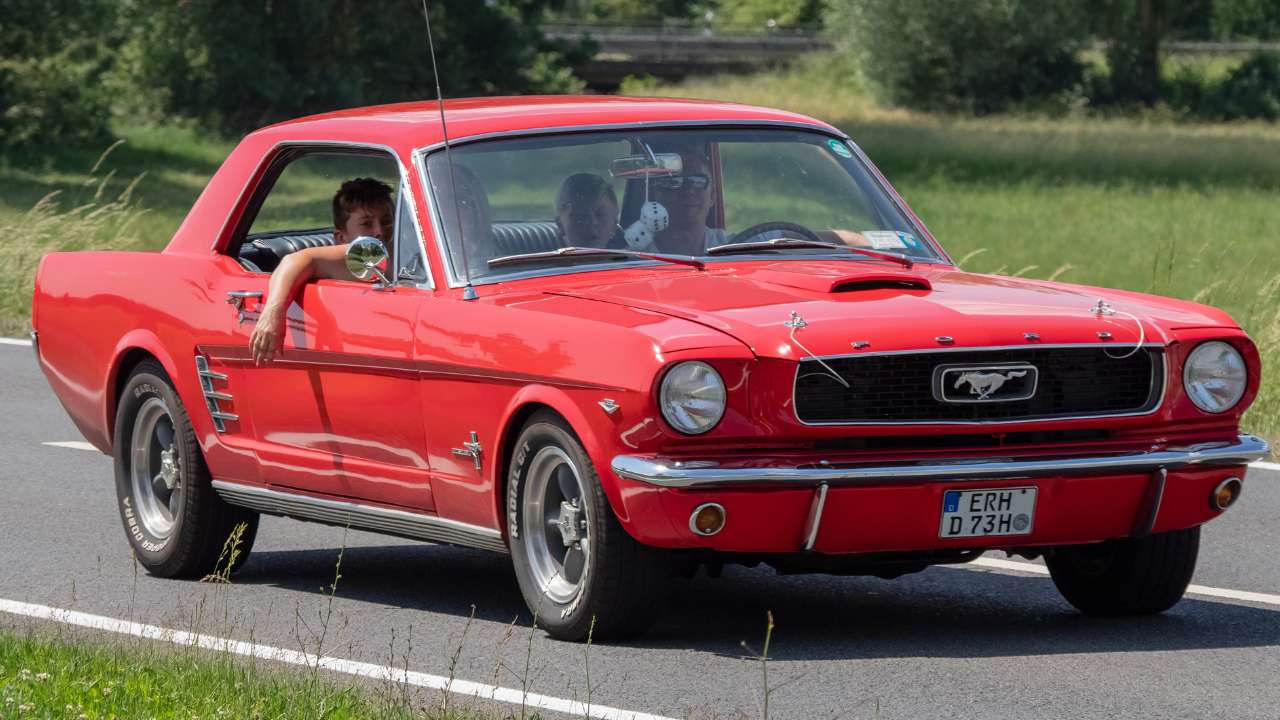
As the 1960s rolled in, the demand for compact cars increased, driven by a growing need for efficiency and affordability. The Ford Mustang, introduced in 1964, quickly became an American classic, appealing to younger drivers with its sporty design and performance. Meanwhile, the Volkswagen Beetle continued to dominate the global market, cementing its status as a timeless favorite.
The decade also witnessed the success of the Mini Cooper in Europe, which gained popularity for its compact size and innovative design. These models symbolized a shift towards smaller, more practical vehicles, reflecting changing consumer priorities.
1970s: The Era of Economic Efficiency
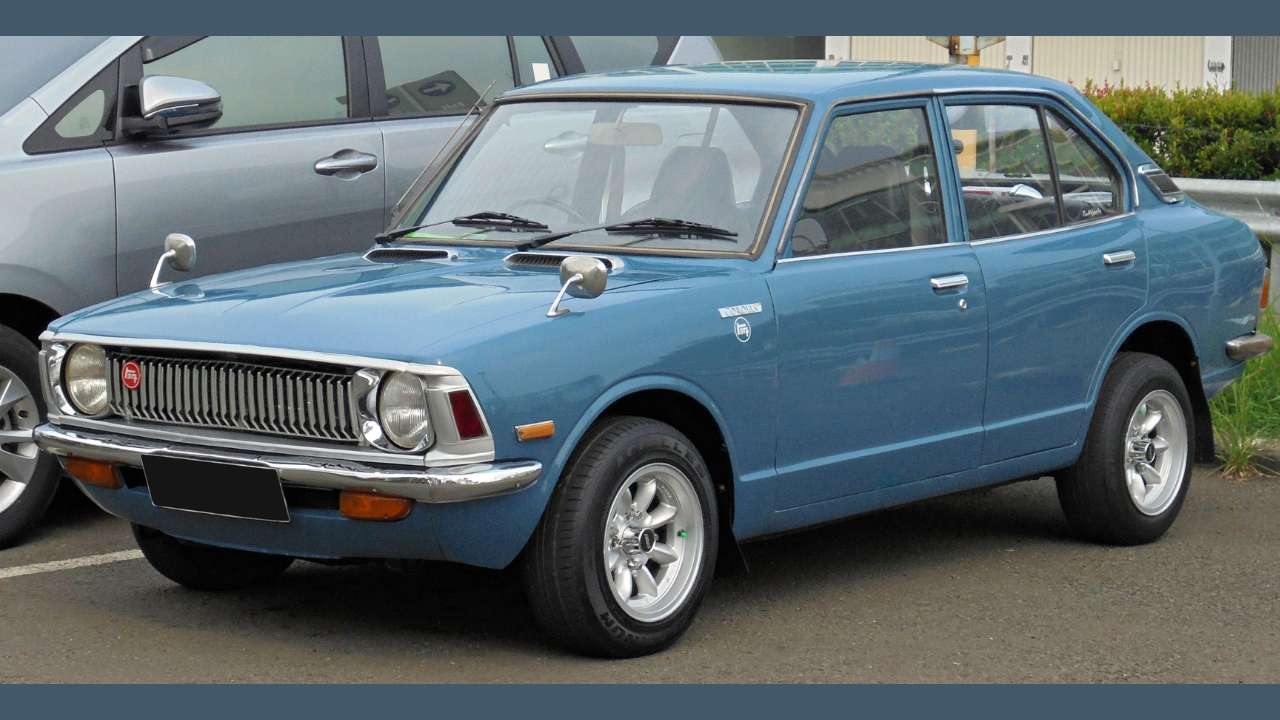
The 1970s were marked by economic challenges, including the oil crisis that led to a surge in demand for fuel-efficient vehicles. The Toyota Corolla emerged as a leader during this time, renowned for its reliability and fuel efficiency. Another standout was the Honda Civic, which quickly gained a reputation for being economical and dependable.
These vehicles represented a shift towards practicality and efficiency, addressing the needs of consumers facing rising fuel prices. The decade also saw a growing focus on environmental concerns, influencing the design and production of cars.
1980s: The Advent of Modern Engineering
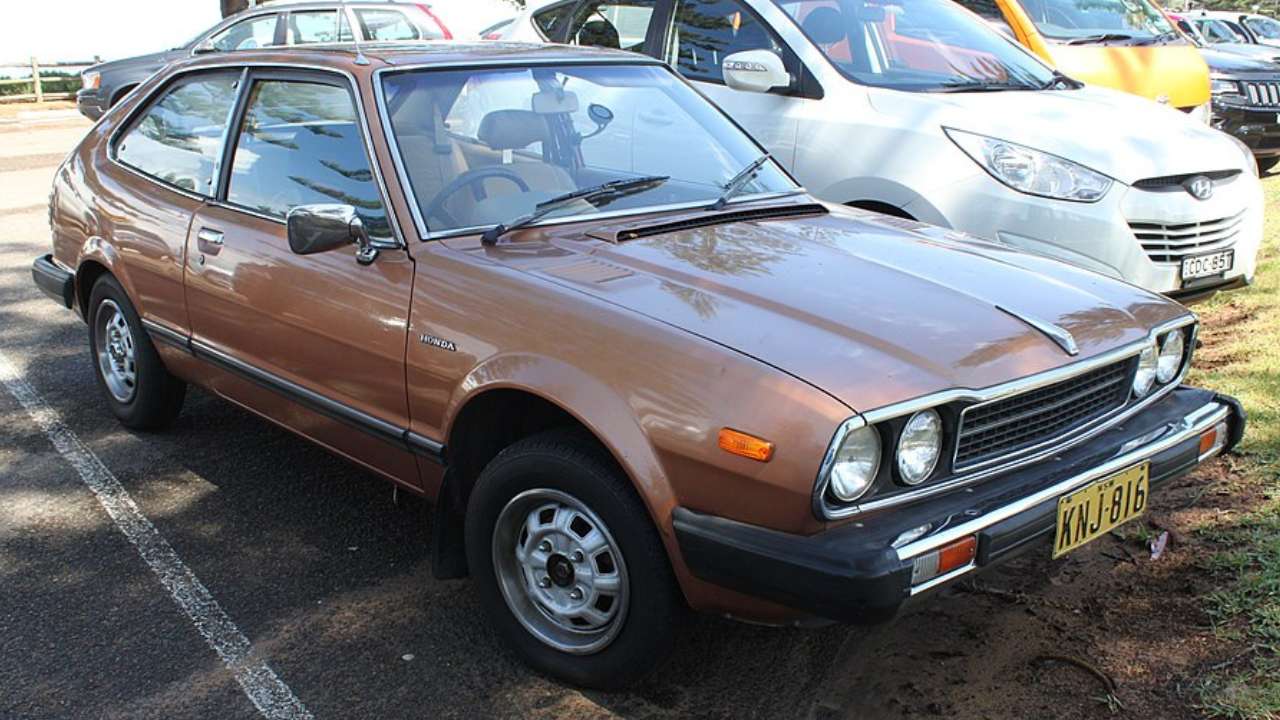
The 1980s introduced advancements in automotive technology, with manufacturers focusing on performance and innovation. The Honda Accord became a best-seller, known for its quality engineering and comfort. In the luxury segment, the Mercedes-Benz S-Class set new standards for safety and technology.
This era also saw the introduction of the minivan, with the Chrysler Town & Country leading the charge. These vehicles catered to families seeking spacious and versatile options, further diversifying the automotive market.
1990s: The Boom of Japanese Automobiles
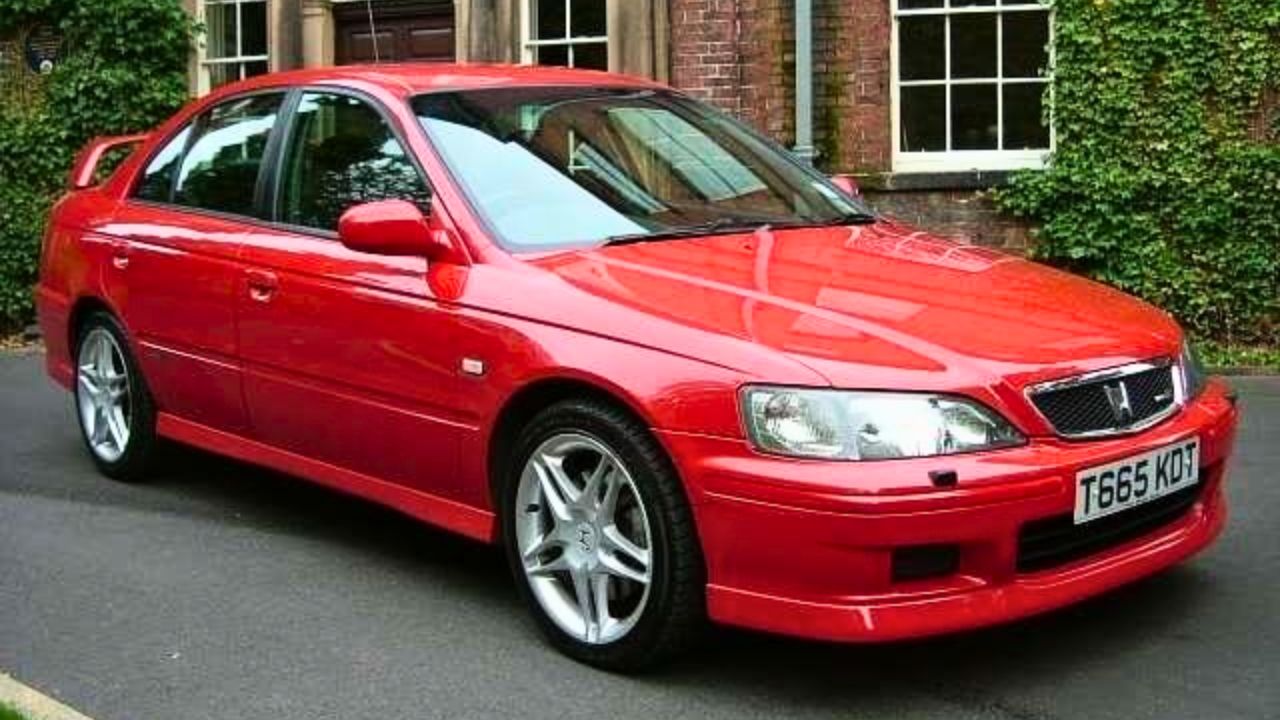
The 1990s witnessed a significant rise in the popularity of Japanese cars, with models like the Toyota Camry and Honda Accord dominating the market. These vehicles were celebrated for their reliability, affordability, and innovative features, which resonated with a wide range of consumers.
Meanwhile, the Ford Explorer became a trailblazer in the SUV segment, appealing to those seeking adventure and versatility. This decade marked the beginning of a new era in automotive design, with a focus on practicality and technological advancement.
2000s: The Shift Towards SUVs

The 2000s saw a growing consumer preference for SUVs, with models like the Toyota RAV4 and Honda CR-V leading the pack. These vehicles offered a blend of space, comfort, and performance, catering to the demands of modern families and adventure-seekers alike.
During this time, the Ford F-Series continued to dominate the truck segment, consistently ranking as one of the best-selling vehicles in the United States. This trend reflected a shift towards larger, more versatile vehicles, as consumers prioritized utility and capability.
2010s: The Dominance of Crossovers
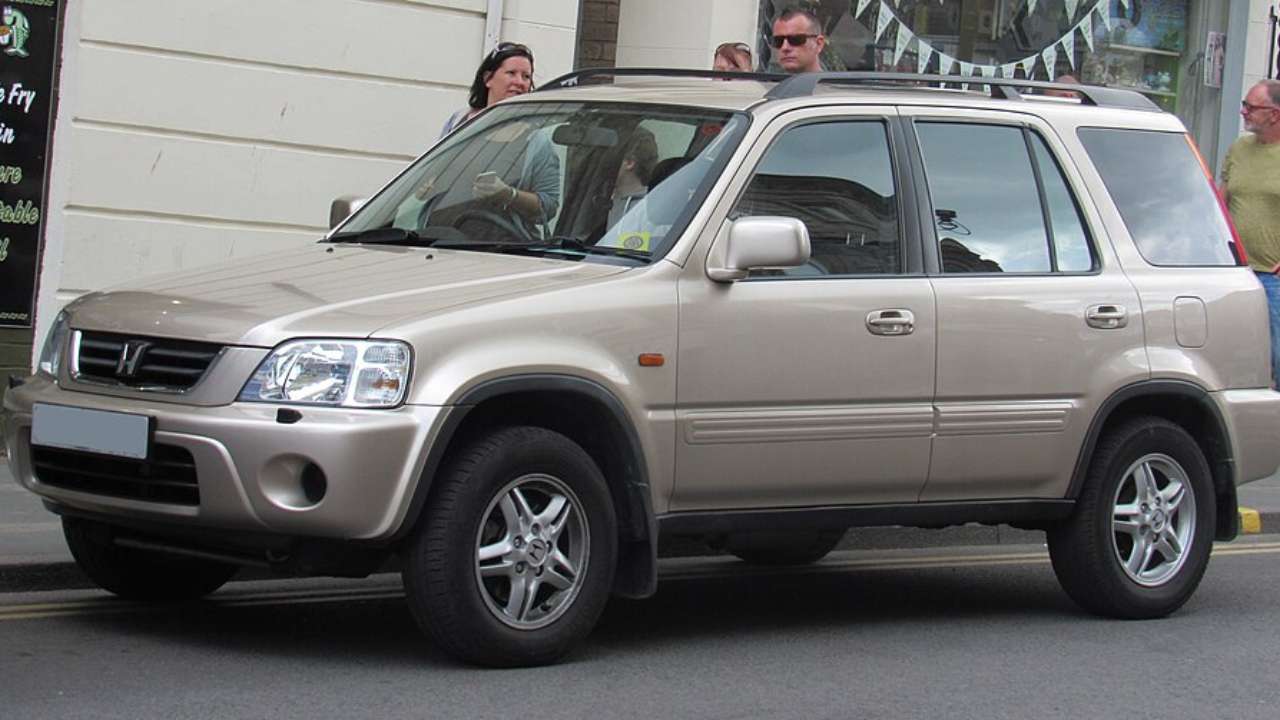
The 2010s marked the rise of crossovers, with the Honda CR-V and Toyota RAV4 emerging as top sellers. These vehicles combined the benefits of SUVs and sedans, offering versatility, efficiency, and comfort. The popularity of crossovers highlighted a shift in consumer preferences towards practical yet stylish options.
This decade also saw increasing interest in hybrid and electric vehicles, driven by growing environmental concerns and advancements in technology. The Toyota Prius remained a leader in the hybrid market, showcasing the potential for sustainable transportation.
2020s: The Surge in Electric Vehicles
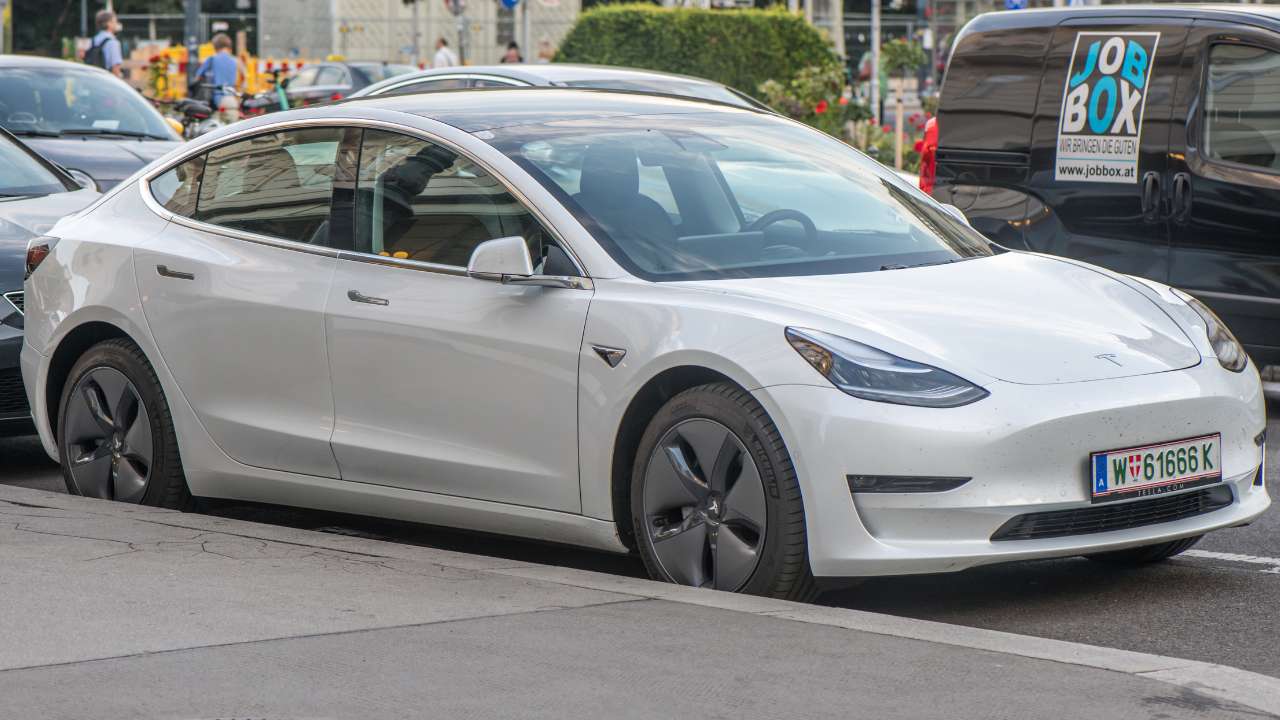
The 2020s have been characterized by a significant shift towards electric vehicles (EVs), with Tesla leading the charge. The Tesla Model 3, in particular, has become one of the best-selling cars globally, renowned for its cutting-edge technology and sustainable design.
Other automakers have also embraced the EV revolution, with models like the Ford Mustang Mach-E and Chevrolet Bolt gaining traction. This trend reflects a growing commitment to reducing carbon emissions and promoting environmentally friendly transportation solutions.
2030s: The Future of Autonomous Driving

Looking ahead to the 2030s, the automotive industry is poised for transformative changes, with autonomous driving technology at the forefront. Companies like Waymo and Tesla are pioneering self-driving vehicles, aiming to revolutionize transportation by enhancing safety and efficiency.
The integration of artificial intelligence and advanced sensors is expected to redefine the driving experience, making autonomous vehicles a staple on our roads. As we move towards this exciting future, the focus will be on innovation and adaptability, shaping the next generation of best-selling cars.
Like Fast Lane Only’s content? Be sure to follow us.
Here’s more from us:
*Created with AI assistance and editor review.