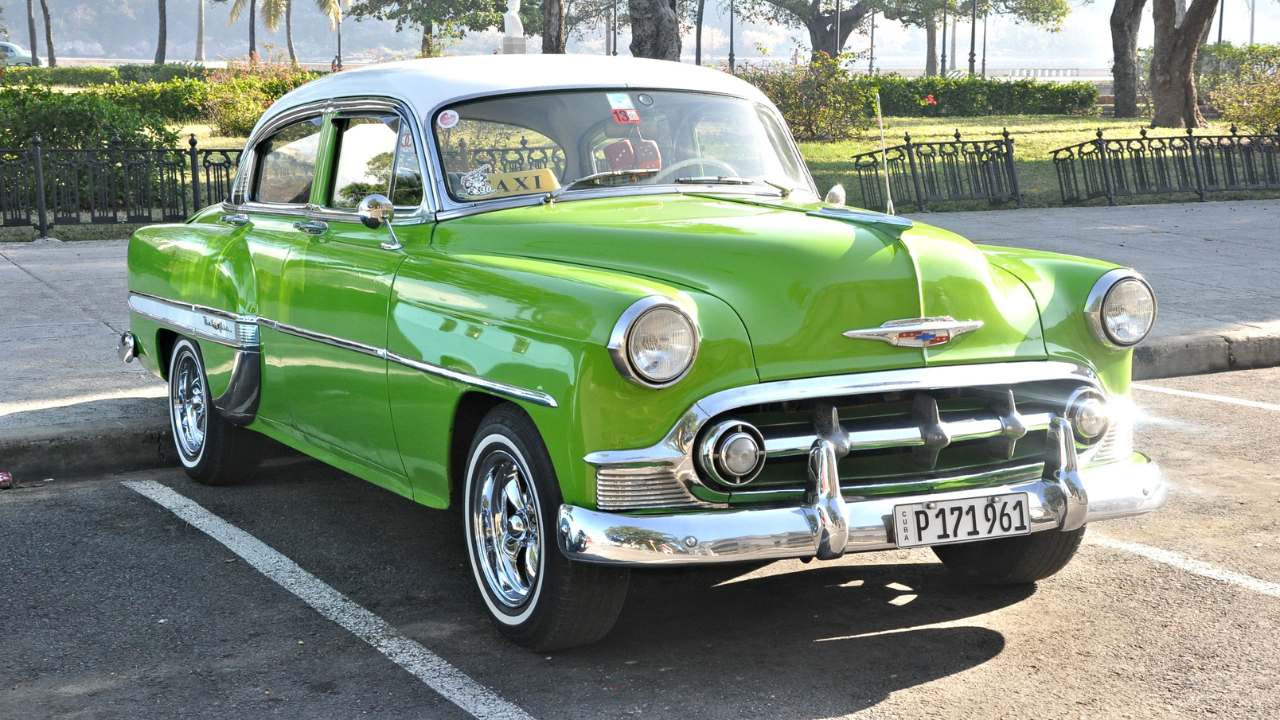
Through the decades, certain car models have left an indelible mark on automotive history, shaping the preferences and expectations of drivers worldwide. From groundbreaking designs to technological advancements, these vehicles have become iconic symbols of their respective eras. Here, I delve into twelve car models that defined their generation, exploring their impact and legacy.
Ford Model T
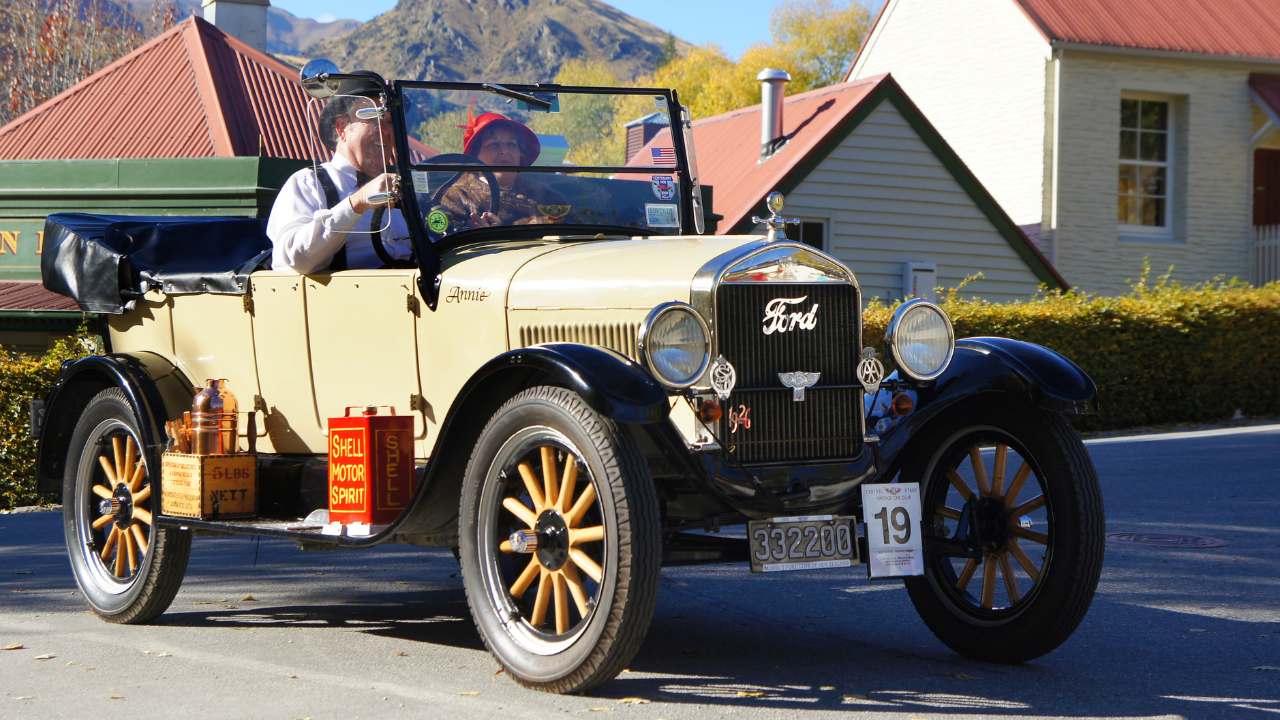
The Ford Model T, produced from 1908 to 1927, revolutionized the automobile industry by making cars affordable for the average American. Often referred to as the “Tin Lizzie,” it was the first car to be mass-produced using assembly line techniques. This innovation not only transformed car manufacturing but also had a profound impact on society, making personal transportation accessible to millions. The Model T’s legacy lives on, as it set the stage for modern car production methods.
Volkswagen Beetle
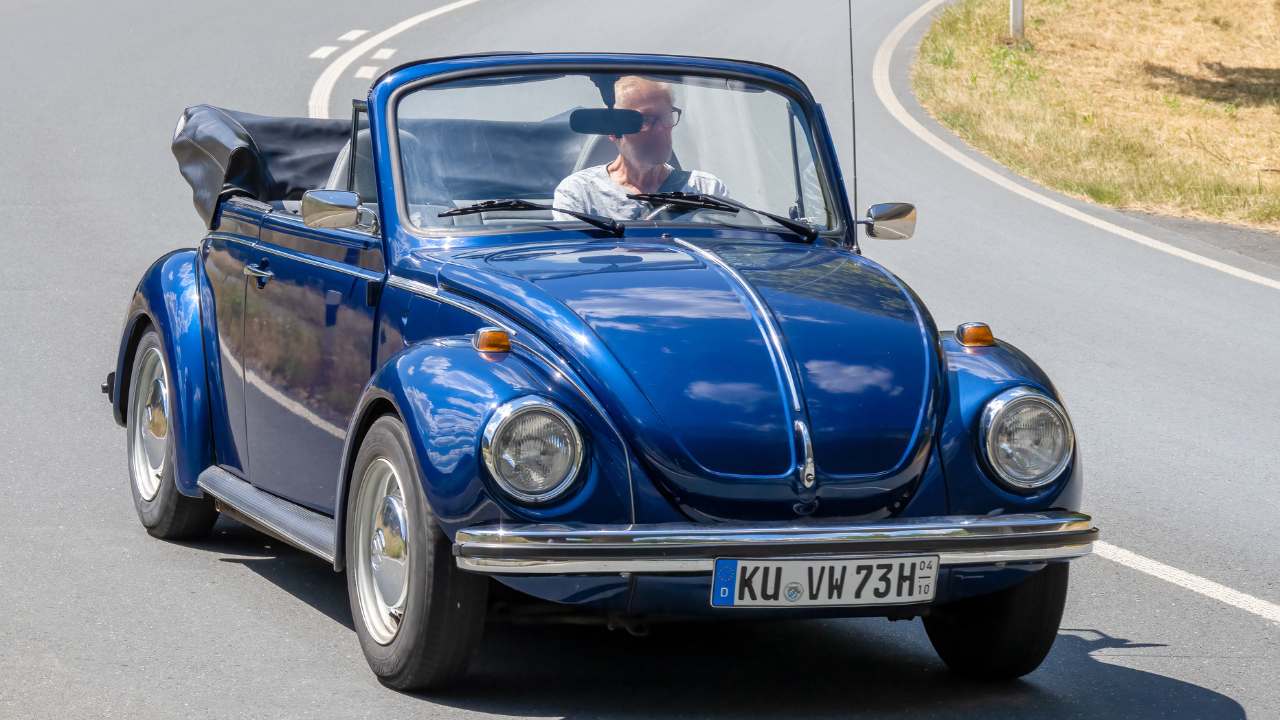
The Volkswagen Beetle, with its distinctive rounded shape and air-cooled rear engine, emerged as an icon of the 1960s counterculture. Initially designed in the 1930s, it gained popularity post-World War II, eventually becoming one of the best-selling cars of all time. The Beetle’s charm lay in its simplicity and reliability, endearing it to generations of drivers. Its influence is so enduring that the Beetle was reimagined in the late 1990s, appealing to a new generation of fans.
Chevrolet Bel Air
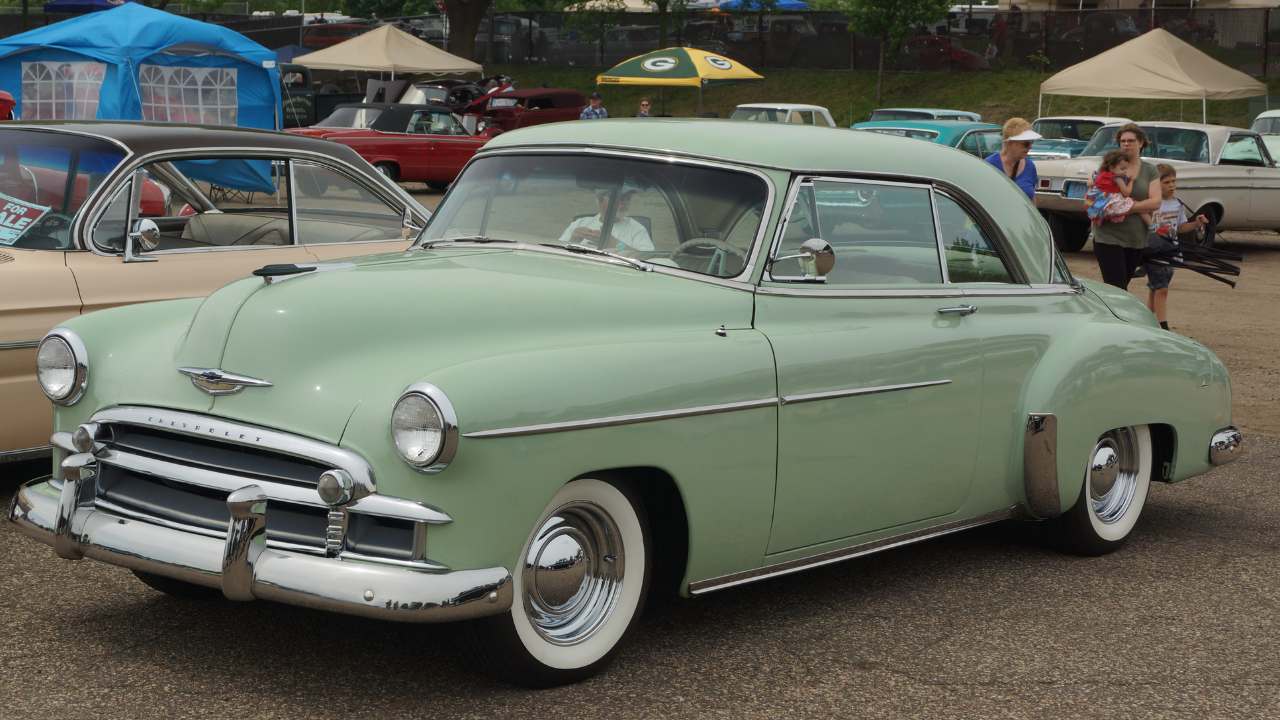
The Chevrolet Bel Air epitomized 1950s Americana with its bold styling and chrome accents. Produced from 1950 to 1975, the Bel Air was a symbol of post-war prosperity and the American dream. Its 1957 model, with tailfins and a powerful V8 engine, remains a classic example of mid-century automotive design. The Bel Air not only highlighted the era’s love for flashy cars but also set a standard for luxury and performance.
Ford Mustang
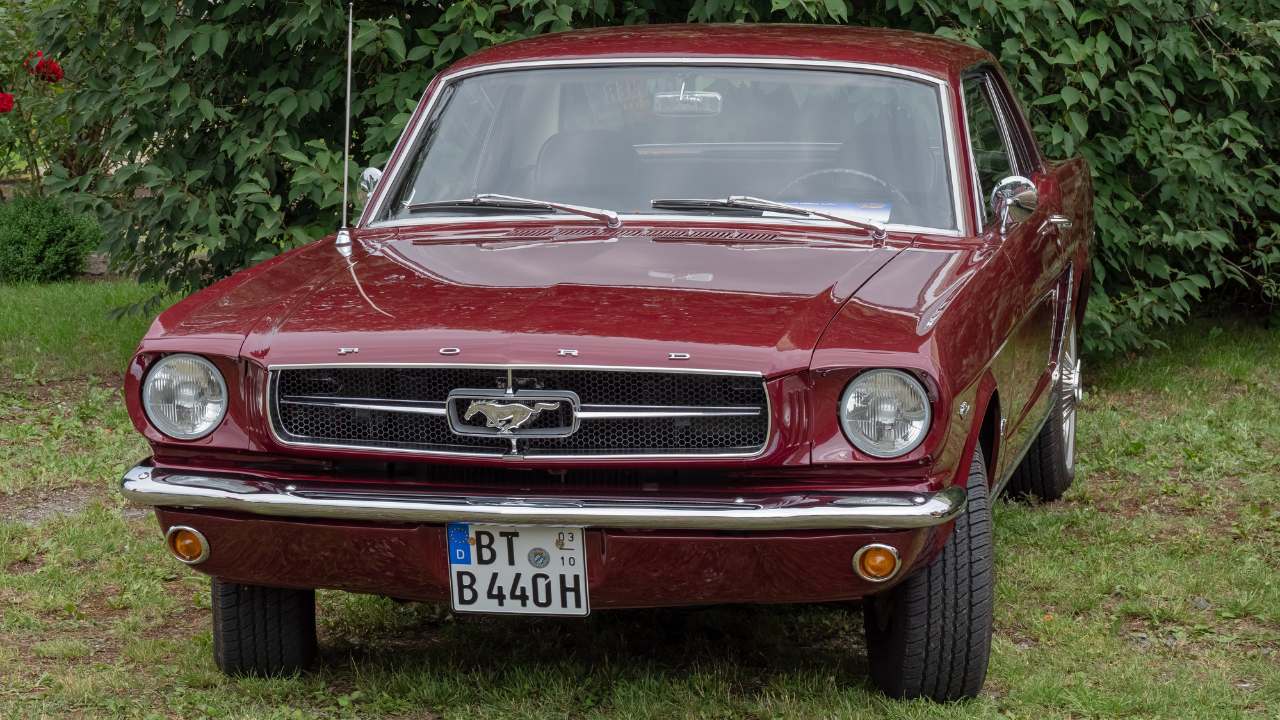
Introduced in 1964, the Ford Mustang created the “pony car” class of American automobiles characterized by affordable sports-car styling with long hoods and short rear decks. The Mustang quickly became a cultural icon, capturing the spirit of youthful rebellion and freedom. Its role in films and media further cemented its status, and even today, the Mustang continues to symbolize American muscle and innovation.
Porsche 911
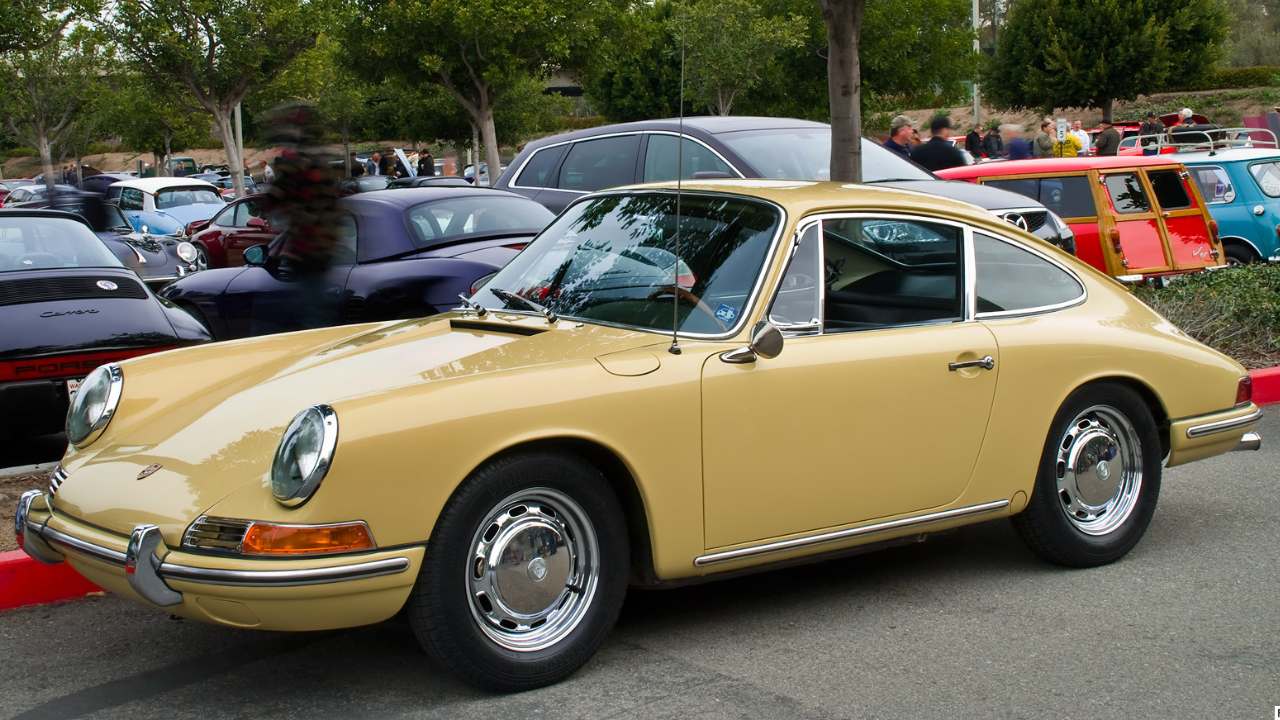
The Porsche 911 has been an enduring symbol of performance and elegance since its debut in 1964. Known for its distinctive design and rear-engine layout, the 911 quickly gained a reputation for exceptional handling and speed. Over the years, it has evolved while maintaining its classic appeal, making it a favorite among car enthusiasts and collectors. The 911’s impact on sports car engineering is undeniable, influencing countless other models.
Honda Civic
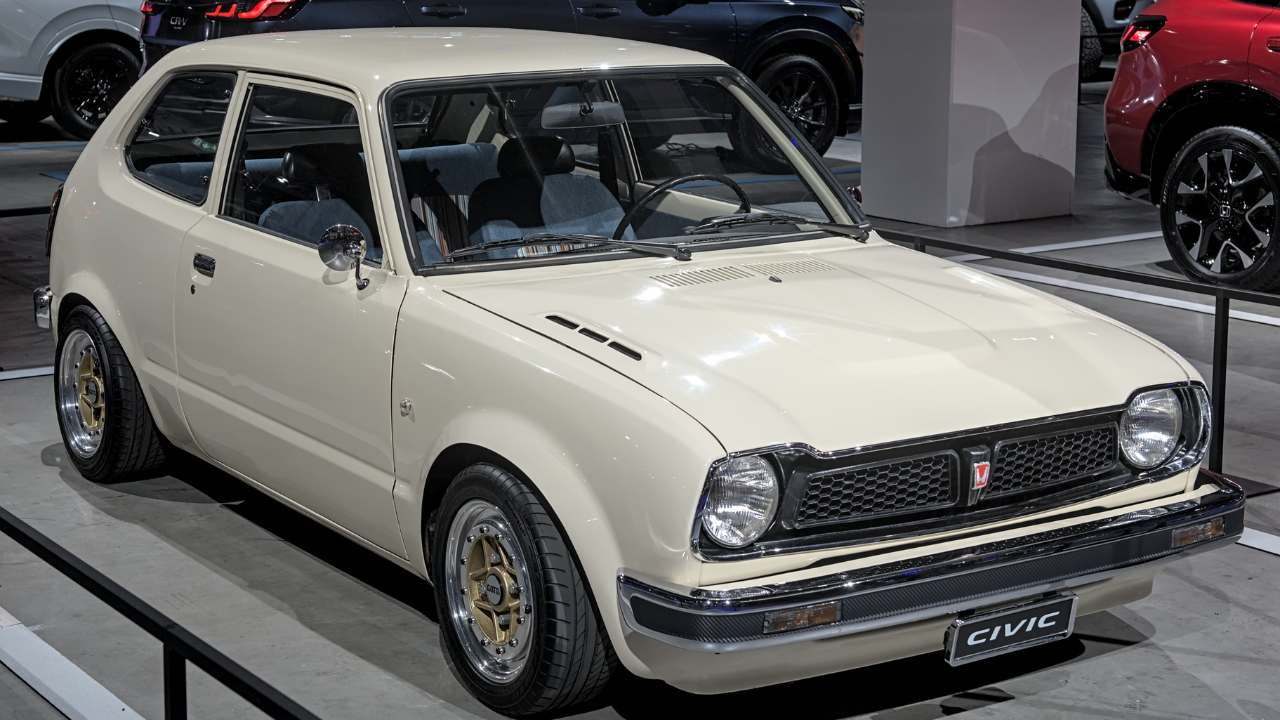
Since its introduction in 1972, the Honda Civic has become synonymous with reliability and fuel efficiency. This compact car gained popularity during the oil crisis of the 1970s, offering drivers an economical alternative without sacrificing quality. The Civic’s continuous innovation and adaptation to market demands have kept it relevant for decades, making it a staple in the automotive world. Its ability to evolve while maintaining core values is a testament to its enduring appeal.
BMW 3 Series
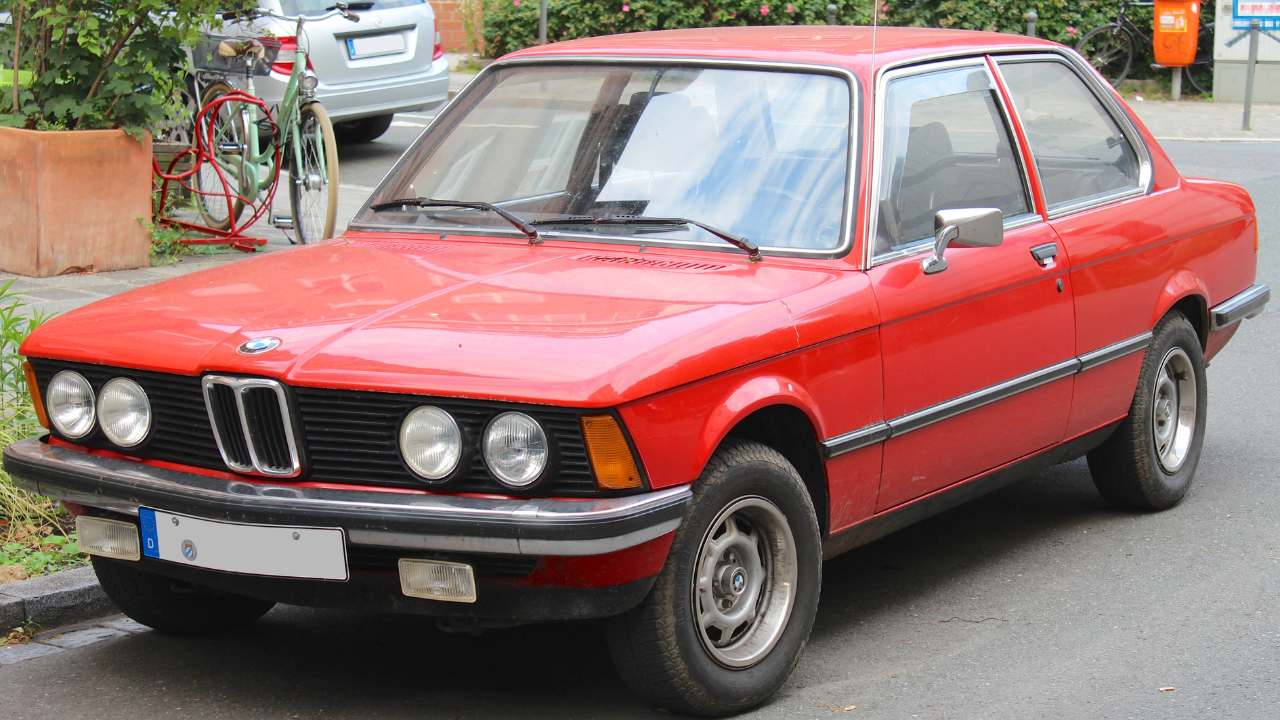
The BMW 3 Series, launched in 1975, has long been celebrated for its blend of performance, luxury, and affordability. As a compact executive car, it set the benchmark for driving dynamics in its class. The 3 Series’ success has been marked by numerous awards and accolades, and it continues to be a top choice for those seeking a sporty yet practical vehicle. Its influence extends beyond BMW, shaping the expectations for luxury sedans worldwide.
Toyota Prius

The Toyota Prius, introduced in 1997, was the world’s first mass-produced hybrid vehicle. It revolutionized the automotive industry by prioritizing fuel efficiency and environmental sustainability. The Prius became a symbol of the green movement, appealing to eco-conscious consumers seeking to reduce their carbon footprint. Its success paved the way for a broader acceptance of hybrid and electric vehicles, influencing car manufacturers globally to embrace alternative energy sources.
Jeep Wrangler
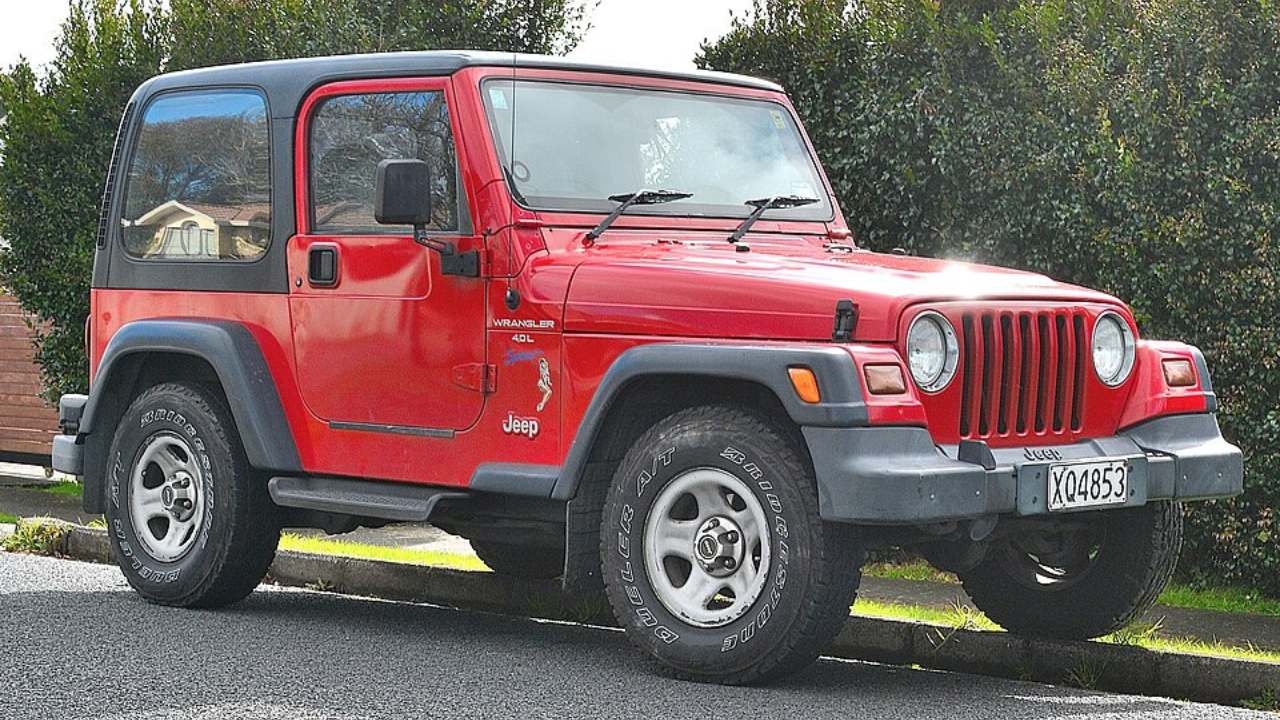
The Jeep Wrangler traces its roots back to the military Jeep of World War II, evolving into a symbol of rugged off-road capability. Since its civilian debut in 1986, the Wrangler has become synonymous with adventure and exploration. With its distinctive boxy design and removable doors and roof, it appeals to those with a passion for the great outdoors. The Wrangler’s enduring legacy is its ability to adapt while retaining its iconic look and feel.
Tesla Model S

The Tesla Model S, launched in 2012, redefined the possibilities of electric vehicles with its impressive range and performance. As a luxury sedan, it challenged traditional notions of what electric cars could achieve, offering both speed and sustainability. The Model S’s success has accelerated the shift towards electric vehicles, pushing established manufacturers to innovate. Its influence on the automotive industry is profound, marking a pivotal moment in the transition to a more sustainable future.
Mini Cooper
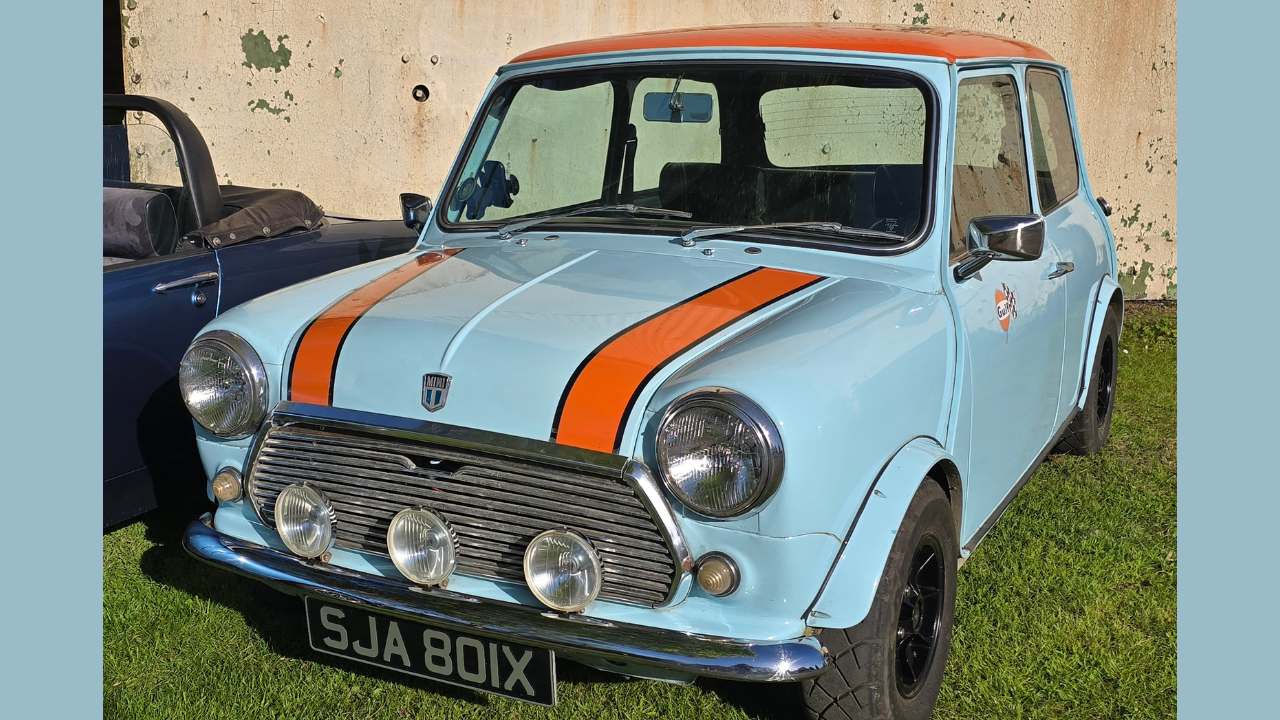
The Mini Cooper, originally designed in the late 1950s, became a symbol of British automotive ingenuity. Known for its compact size and agility, the Mini Cooper excelled in motorsports, capturing the public’s imagination. Its unique design and go-kart-like handling have made it a favorite among drivers seeking fun and practicality. The modern iteration, launched in 2001, retains the original’s spirit while incorporating modern technology and comforts.
Nissan GT-R

The Nissan GT-R has been a performance powerhouse since its debut in 2007. Known for its advanced technology and engineering, the GT-R offers supercar performance at a relatively accessible price. Its sophisticated all-wheel-drive system and powerful twin-turbocharged engine have earned it the nickname “Godzilla” among car enthusiasts. The GT-R’s impact on the sports car market is significant, challenging established brands and setting new standards for performance and value.
Like Fast Lane Only’s content? Be sure to follow us.
Here’s more from us:
*Created with AI assistance and editor review.