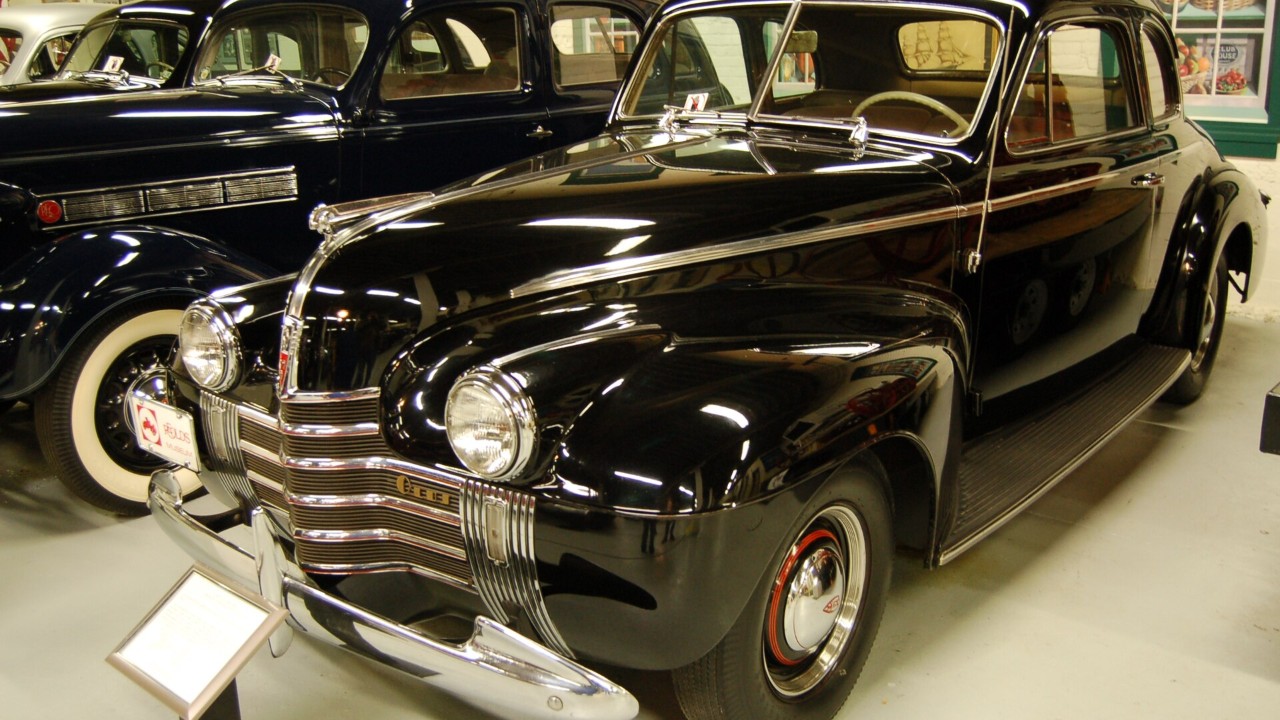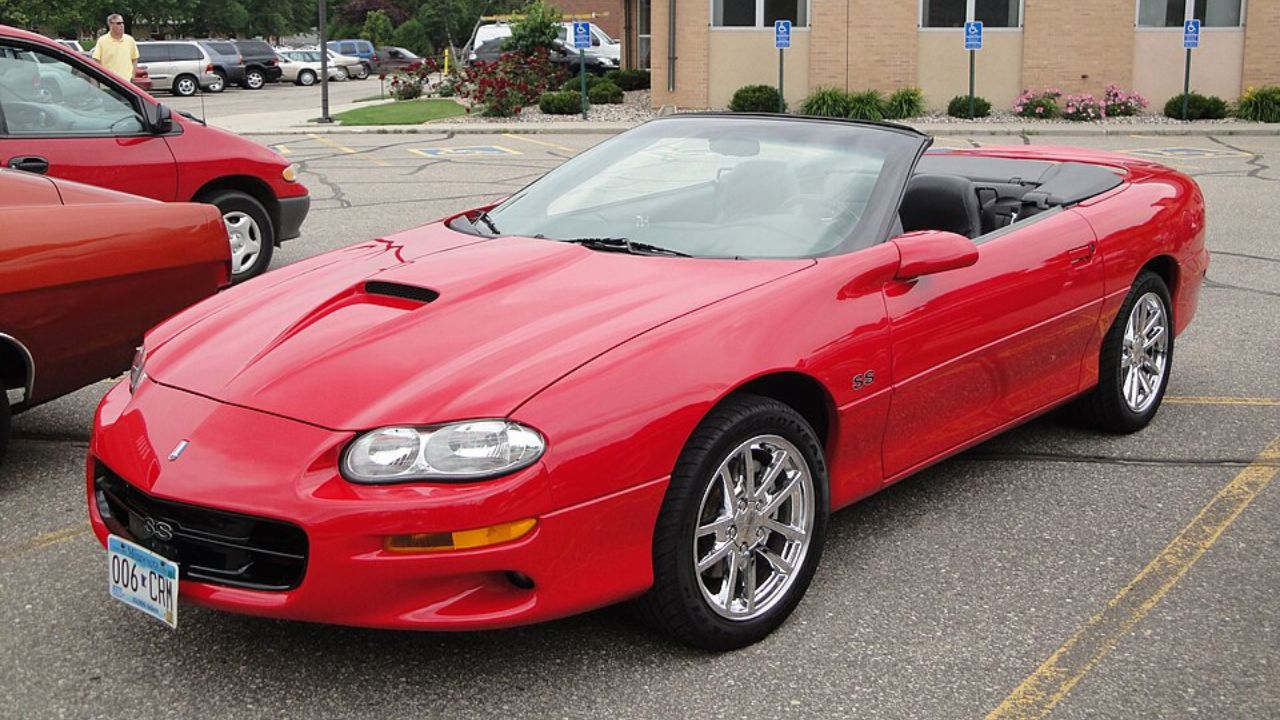
The Chevrolet Camaro has always offered plenty of performance, but some versions stand out because they kept the formula relatively straightforward. Strong engines, rear-wheel drive, familiar mechanical components, and fewer unnecessary complications made these Camaros appealing to enthusiasts. These 10 examples show why a simple performance car can remain enjoyable for decades.
Chevrolet Camaro 1967
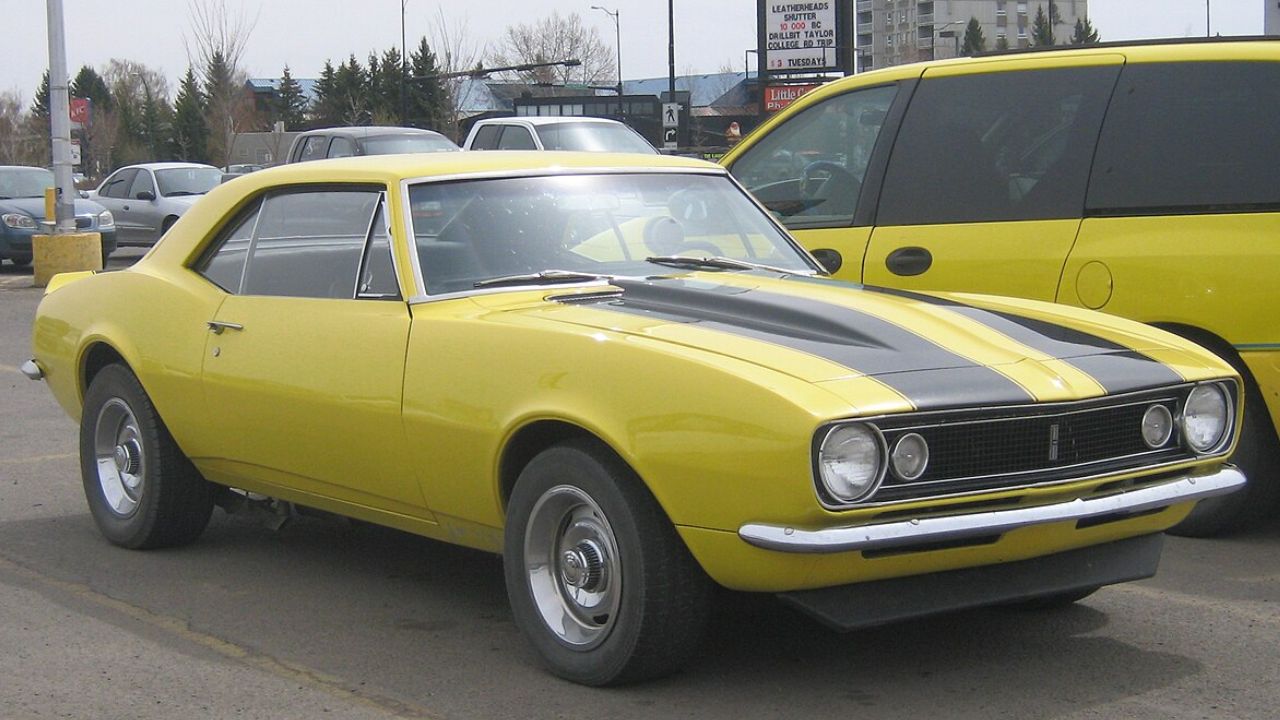
The first-year Chevrolet Camaro established the basic formula that would define the nameplate. Its rear-wheel-drive layout, available small-block and big-block V8s, and relatively straightforward mechanical design made it easy to understand and modify. Buyers could choose a simple six-cylinder model or build a serious performance machine. That flexibility helped make the Camaro an enduring American classic.
Chevrolet Camaro Z/28
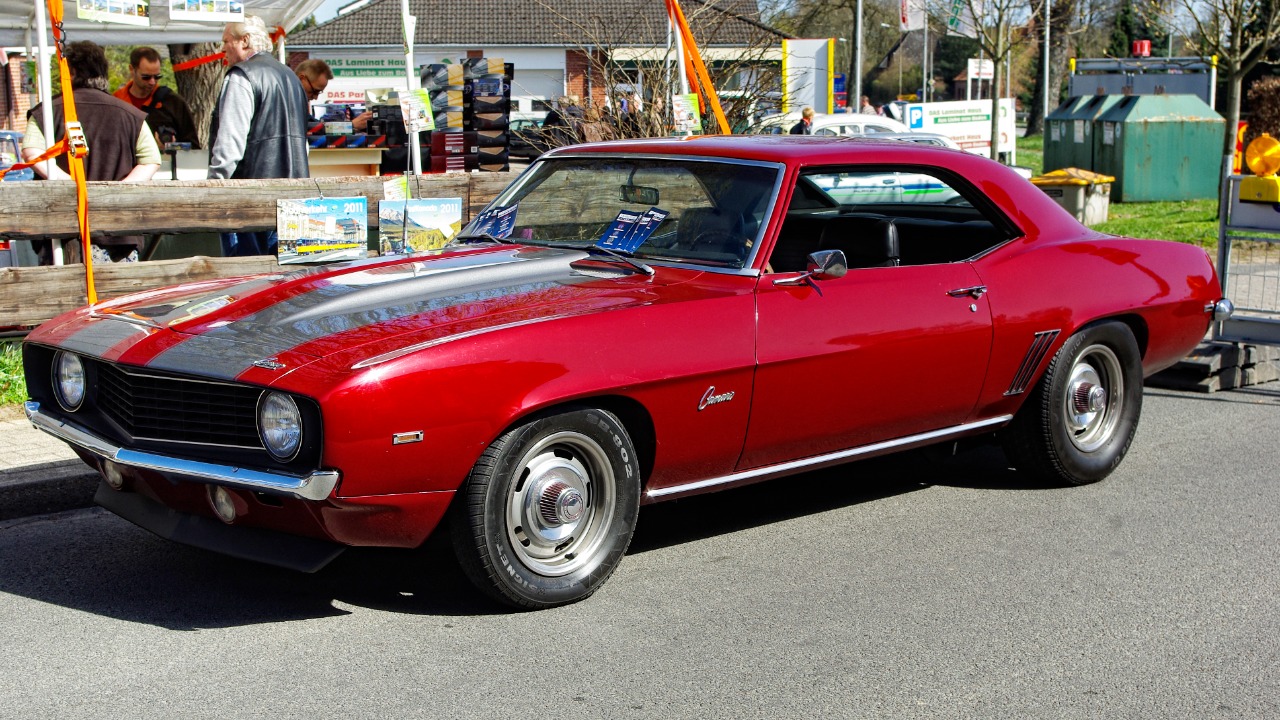
The Chevrolet Camaro Z/28 was developed with road-racing competition in mind. Its high-revving small-block V8, four-speed transmission, and performance suspension created a focused driving experience without relying on complicated technology. The Z/28 showed that careful engineering and a balanced chassis could produce a rewarding performance car. Its competition roots also helped establish the Camaro’s performance reputation.
Chevrolet Camaro SS 396
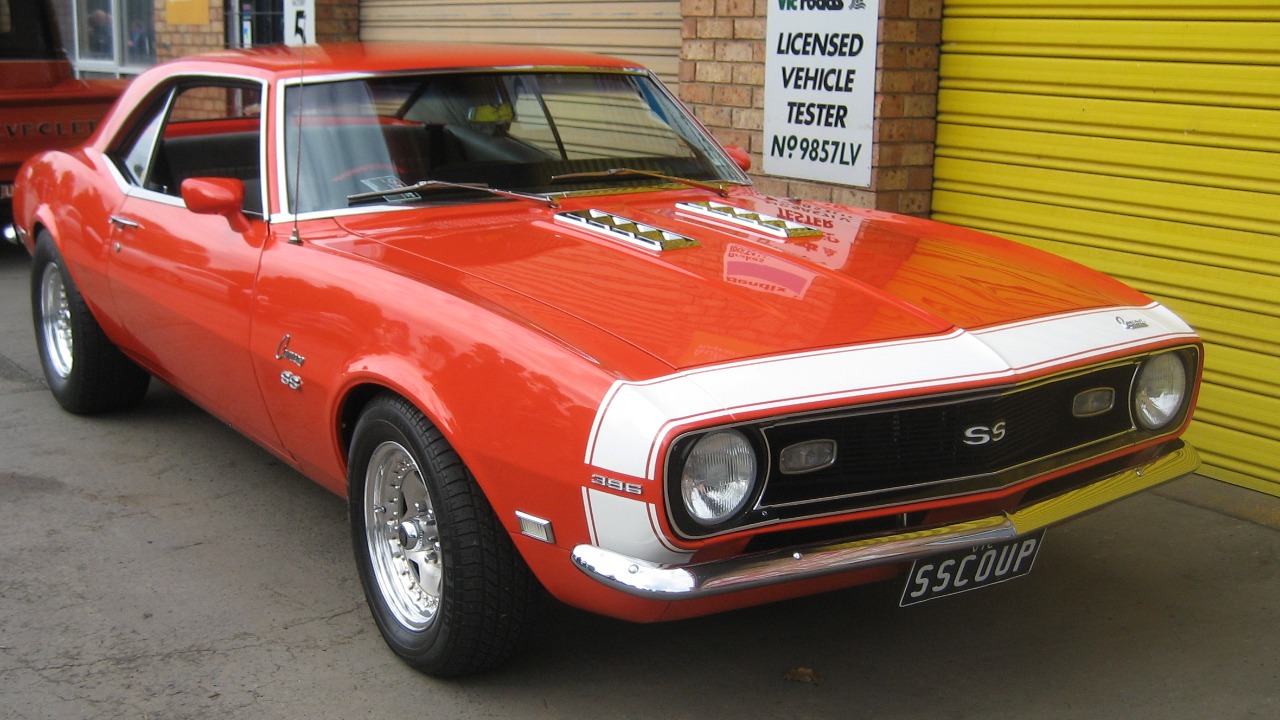
The Chevrolet Camaro SS 396 combined a relatively compact body with a large-displacement V8. The big-block engine delivered substantial torque, while the conventional rear-wheel-drive layout kept the mechanical formula familiar. Compared with modern performance cars, the SS 396 relied on a much simpler combination of engine, transmission, and chassis. That straightforward approach remains a major part of its appeal.
Chevrolet Camaro ZL1
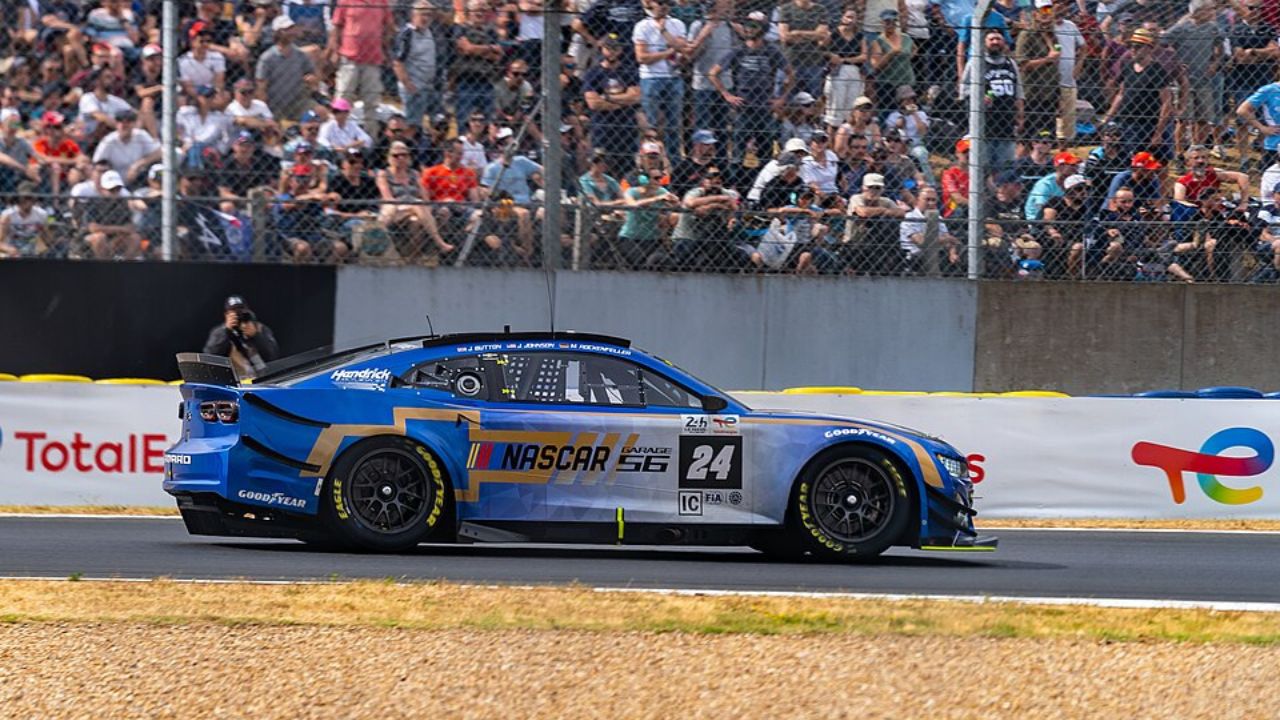
The Chevrolet Camaro ZL1 represented the extreme side of first-generation Camaro simplicity. Its aluminum 427 V8 provided enormous performance while eliminating unnecessary weight from the engine itself. Production was extremely limited, and the car was built primarily for serious performance. Despite its extraordinary specifications, the basic formula remained refreshingly direct: lightweight construction, huge power, and rear-wheel drive.
Chevrolet Camaro 1970
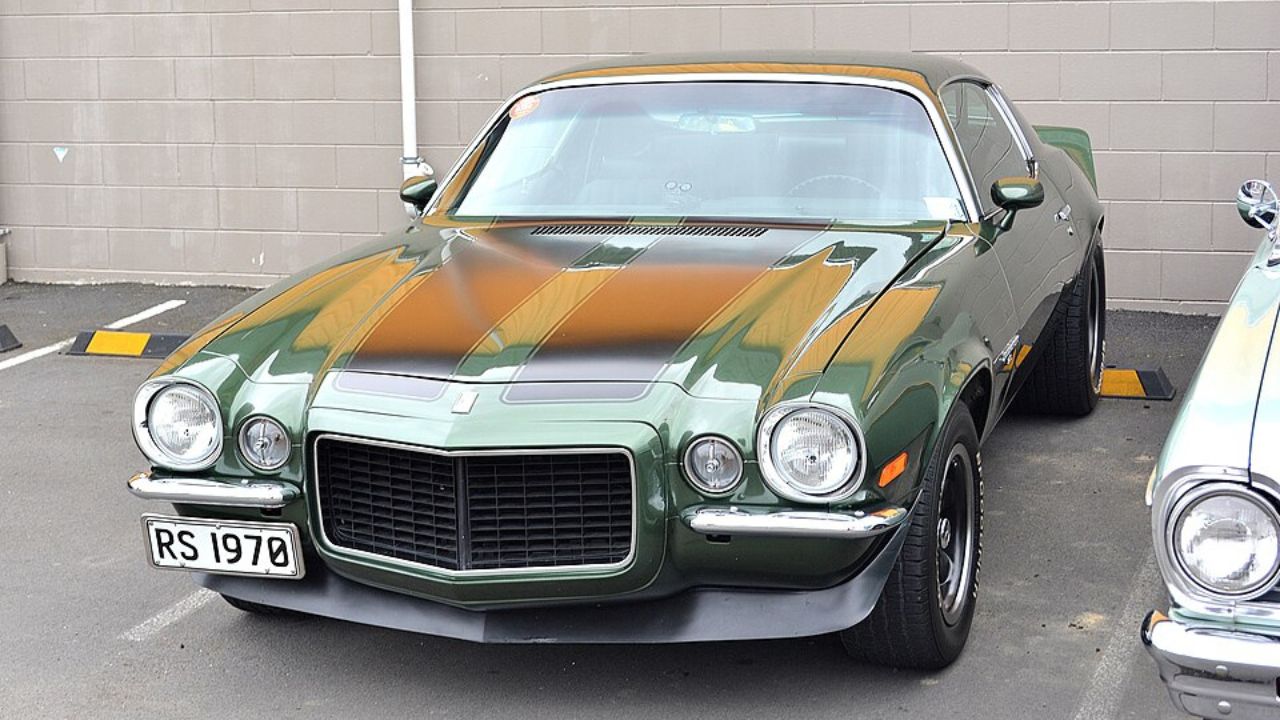
The 1970 Chevrolet Camaro introduced the dramatic second-generation body while retaining the traditional muscle-car formula. Long hood, short deck proportions surrounded familiar small-block and big-block Chevrolet engines. The car offered strong performance without the electronic complexity found in modern vehicles. Its mechanical character made it particularly attractive to enthusiasts who enjoy working on their own cars.
Chevrolet Camaro LT1
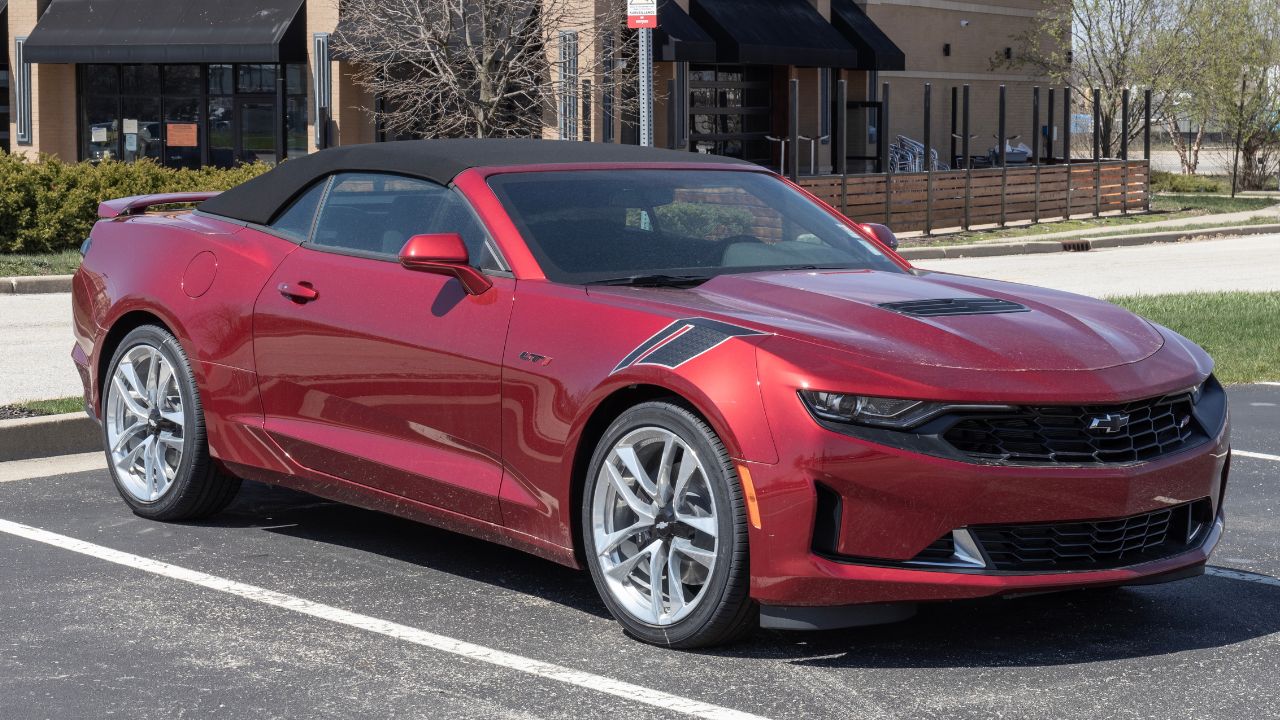
The Chevrolet Camaro LT1 combined a high-output small-block V8 with the relatively lightweight second-generation platform. The engine delivered strong performance while remaining based on Chevrolet’s familiar small-block architecture. Its conventional layout made it easier for enthusiasts to understand and modify. The LT1-powered Camaro demonstrated how much performance could be achieved without exotic engineering.
Chevrolet Camaro IROC-Z

The Chevrolet Camaro IROC-Z brought performance back into the spotlight during the 1980s. Its V8 power, rear-wheel-drive chassis, sport suspension, and limited electronic assistance created a distinctly mechanical driving experience. Although more advanced than earlier Camaros, it remained relatively simple compared with today’s performance cars. The IROC-Z became a memorable example of accessible American performance.
Chevrolet Camaro 1LE
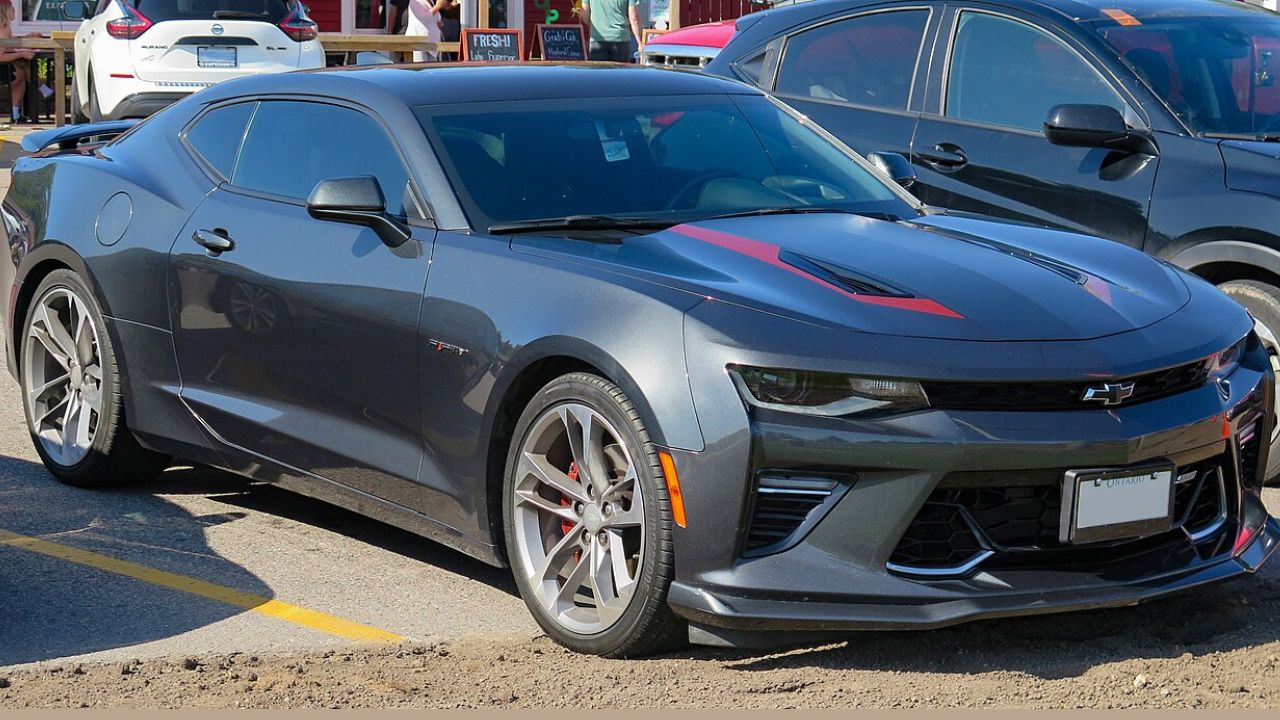
The Chevrolet Camaro 1LE package focused heavily on driving fundamentals. Upgraded suspension, brakes, and performance equipment made the Camaro more capable on a track without requiring extravagant technology. The package demonstrated that improvements to chassis balance and braking could be just as important as adding horsepower. For driving enthusiasts, that focus on fundamentals remains part of the 1LE’s appeal.
Chevrolet Camaro SS 1996
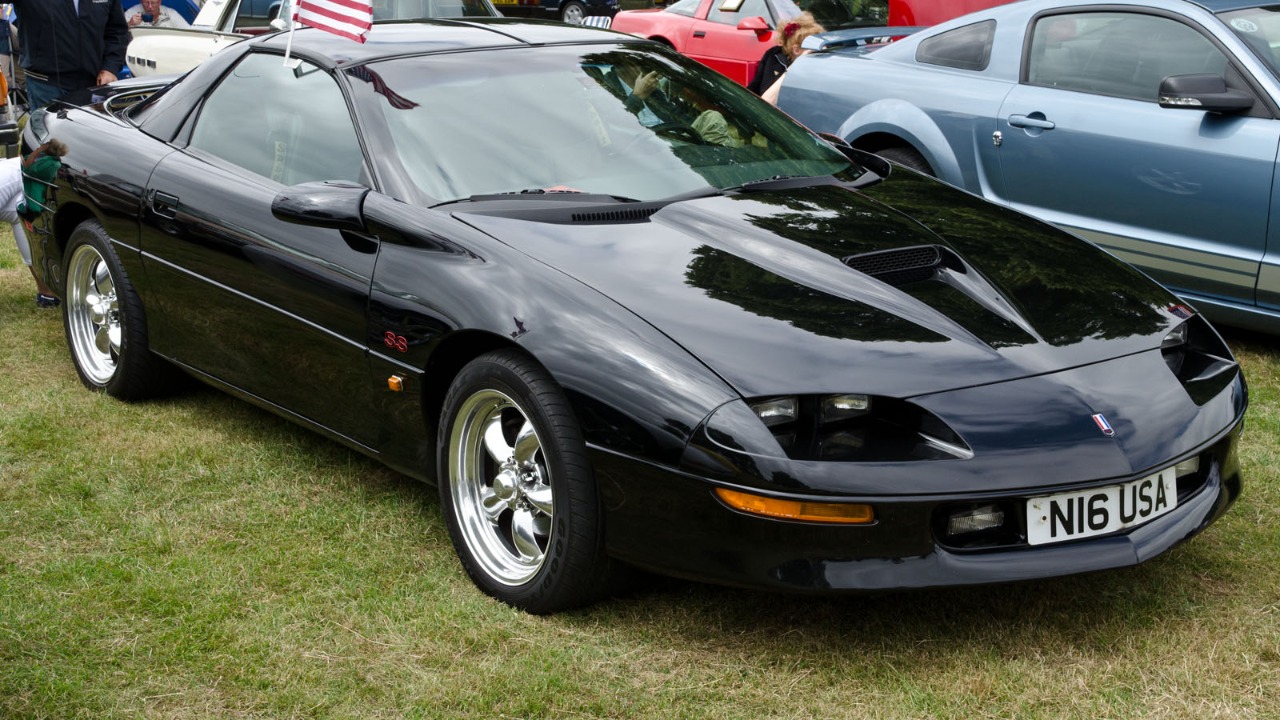
The 1996 Chevrolet Camaro SS offered strong V8 performance in a relatively uncomplicated rear-wheel-drive package. Its LT4-equipped versions were particularly desirable, combining substantial power with a manual transmission. Compared with today’s performance cars, the formula was remarkably direct. A powerful V8, a traditional drivetrain, and a lightweight two-door body provided most of what enthusiasts wanted.
Chevrolet Camaro SS 2002
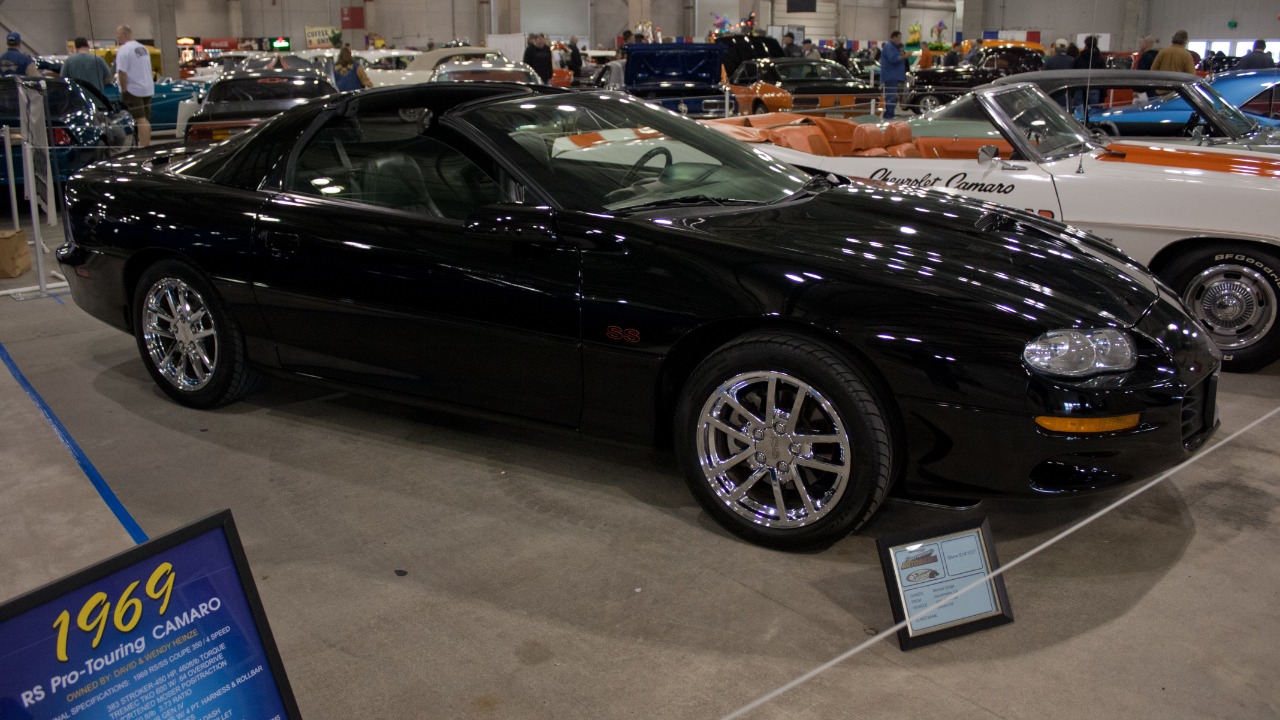
The 2002 Chevrolet Camaro SS represented the final years of the fourth-generation formula. Its LS1 V8, rear-wheel drive, and available manual transmission delivered substantial performance without the complexity found in many newer sports cars. With the right equipment, the car offered a direct connection between driver and machine. Its simplicity has become increasingly appealing as modern performance cars grow more complicated.
More from Fast Lane Only
- Unboxing the WWII Jeep in a Crate
- 15 rare Chevys collectors are quietly buying
- 10 underrated V8s still worth hunting down
- Police notice this before you even roll window down
*Research for this article included AI assistance, with all final content reviewed by human editors