Some work trucks never became household names, but they played important roles on farms, construction sites, logging operations, highways, and remote communities. Their value was measured by what they could accomplish rather than how famous they became. These 9 forgotten trucks deserve another look for their durability, versatility, and contributions to American working life.
International Harvester Loadstar
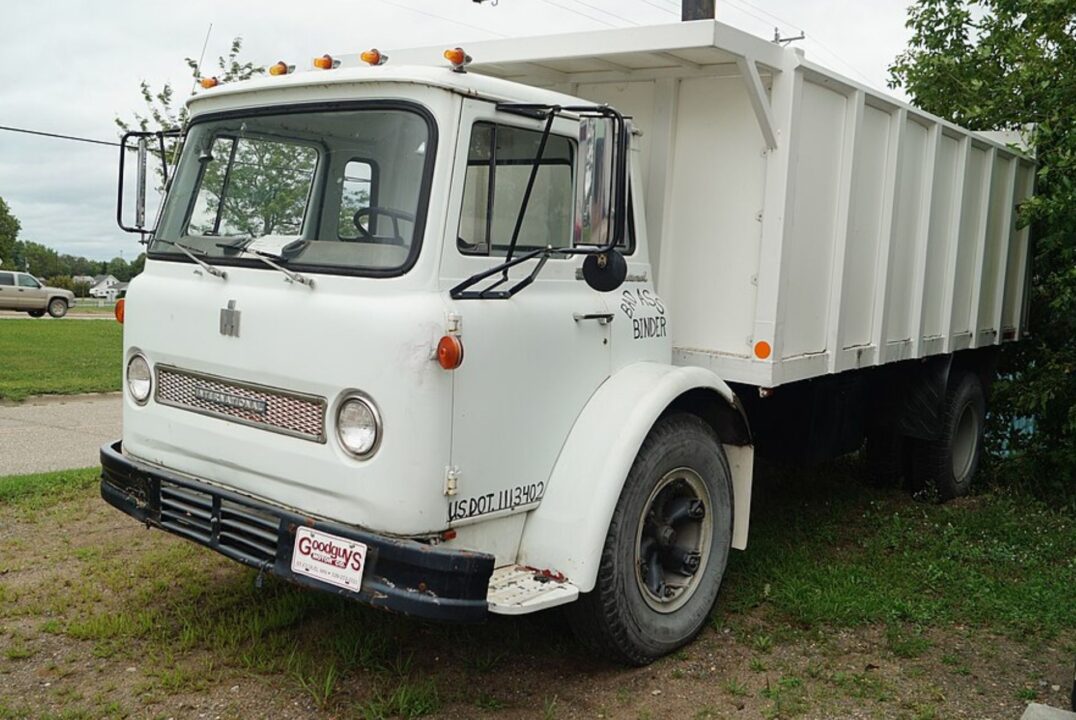
The International Harvester Loadstar became a dependable medium-duty truck for businesses, farms, municipalities, and construction companies. Its rugged chassis and broad range of configurations allowed it to handle everything from hauling equipment to delivering goods. Although it never achieved the fame of Ford or Chevrolet pickups, the Loadstar was an important working machine that spent decades supporting American businesses.
Ford N-Series
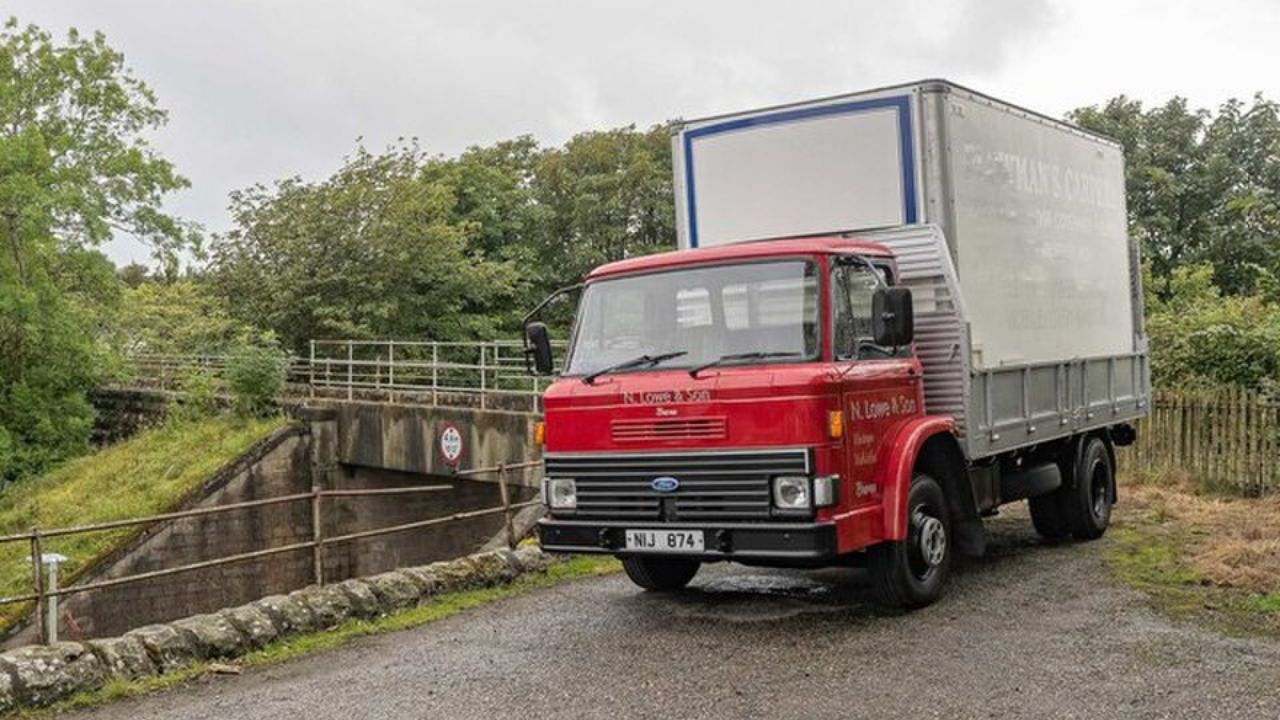
The Ford N-Series helped establish Ford as a serious competitor in the heavy-duty truck market. Models such as the N-500 and N-700 were designed for demanding commercial work and could be configured for numerous applications. Their durable construction allowed them to serve farms, businesses, and delivery operations. Today, they are overshadowed by more famous Ford pickups despite their considerable working legacy.
Chevrolet Task Force
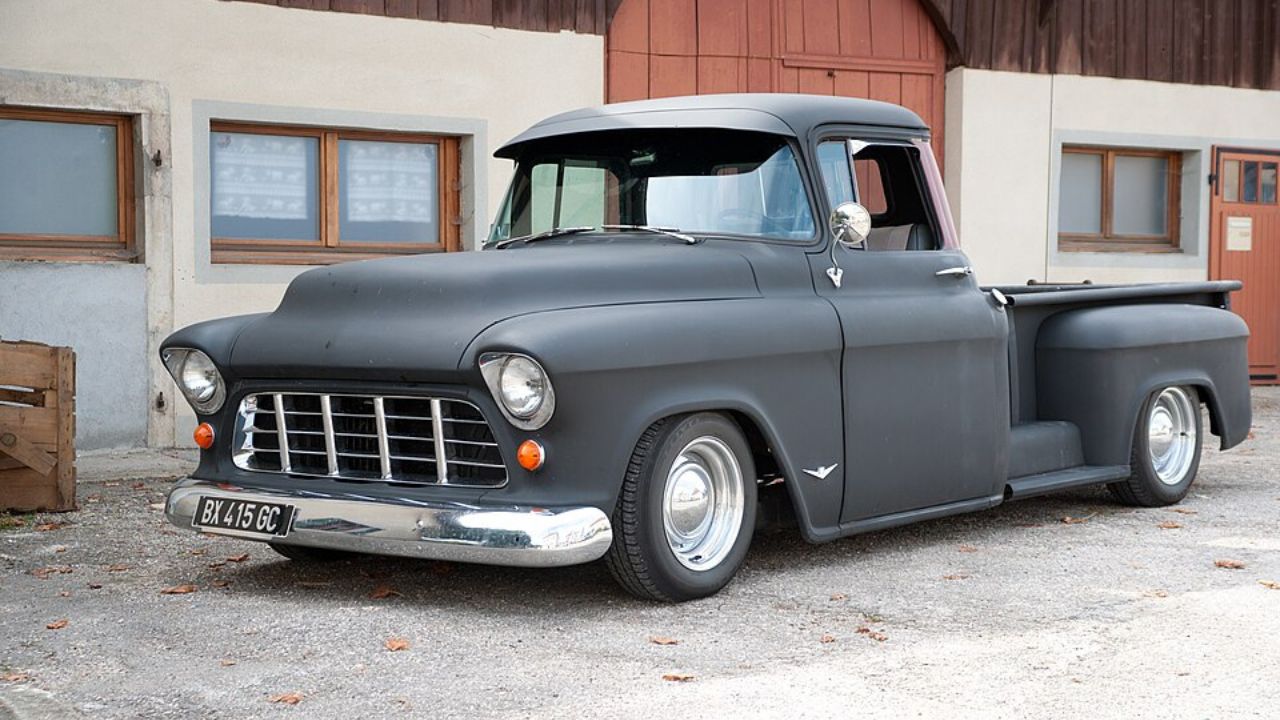
The Chevrolet Task Force series modernized Chevrolet’s pickup trucks during the 1950s. Its advanced-looking cab, wraparound windshield, and available V8 engines made it more comfortable and capable than many earlier work trucks. Farmers, contractors, and small businesses could use the same basic truck for multiple jobs. Its versatility helped establish the pickup as a practical everyday work vehicle.
Dodge Power Wagon
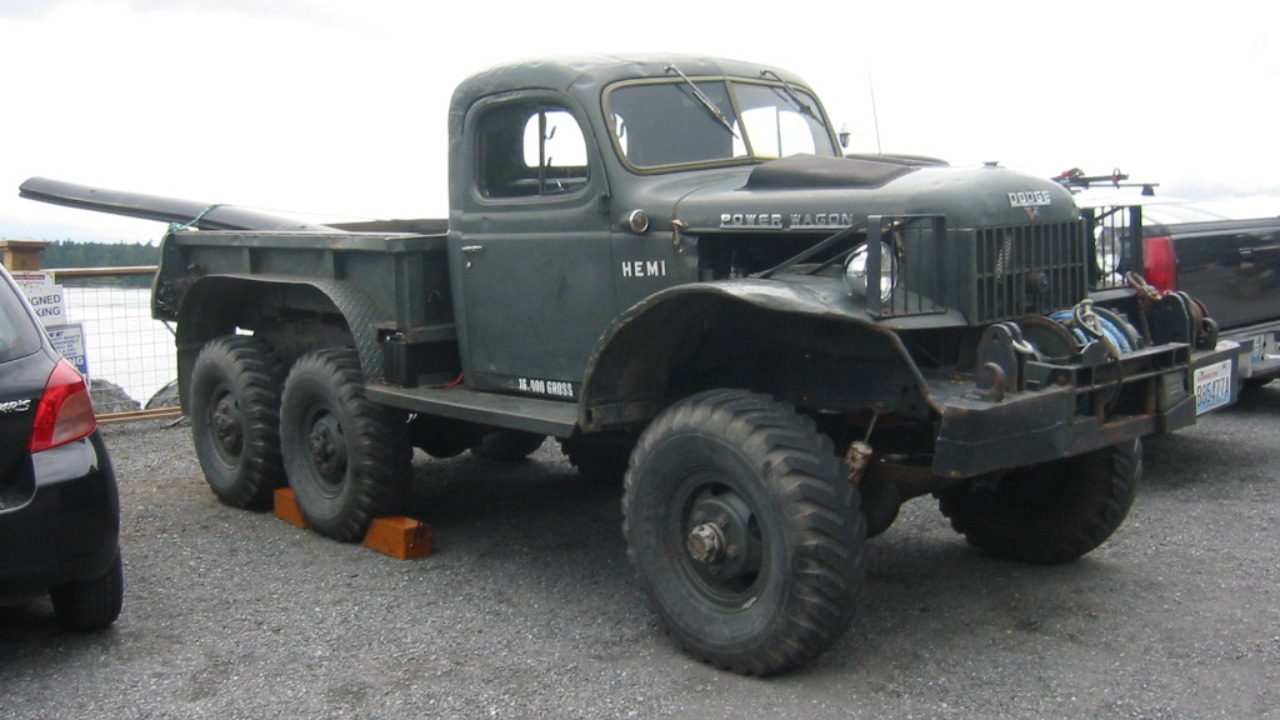
The Dodge Power Wagon was one of America’s most capable early four-wheel-drive work trucks. Developed from military experience, it brought rugged off-road capability into civilian applications. Farmers, utility companies, forestry crews, and construction workers used Power Wagons where ordinary trucks struggled. Its influence extended far beyond its sales numbers, helping establish the modern concept of a purpose-built four-wheel-drive work truck.
Chevrolet C30
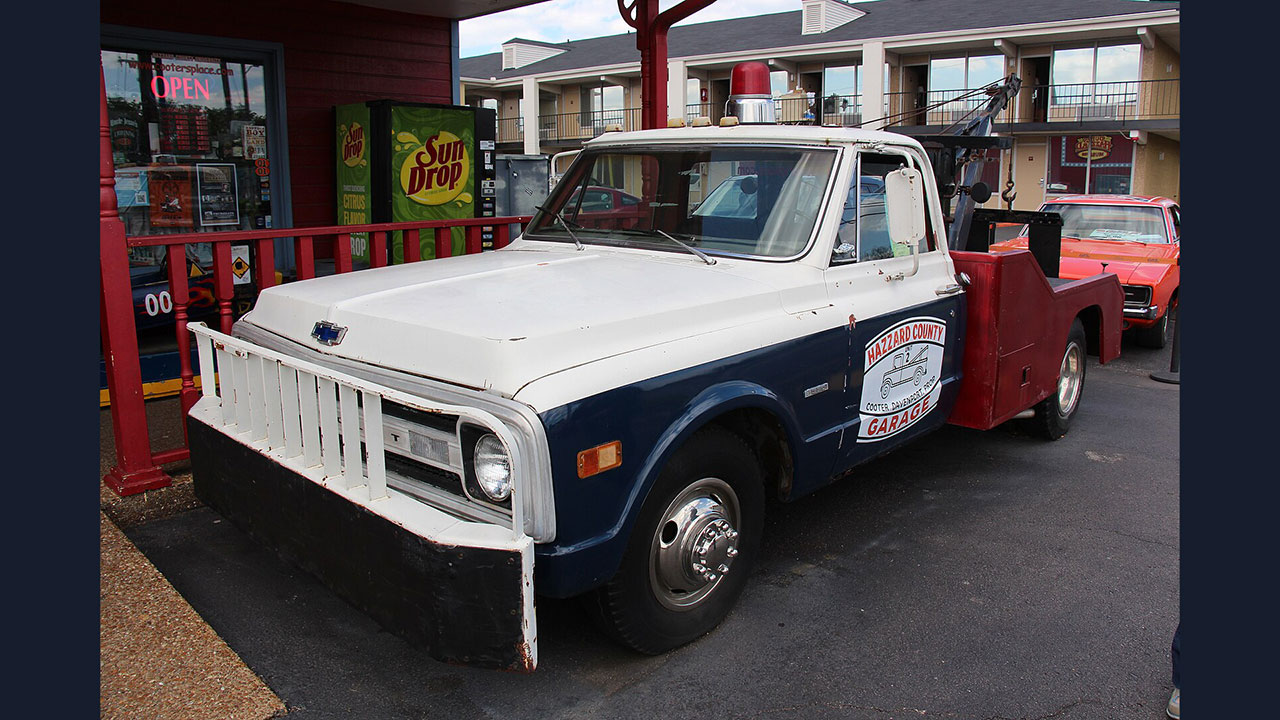
The Chevrolet C30 offered considerably more capability than an ordinary half-ton pickup. Its heavier chassis, stronger suspension, and available V8 engines made it suitable for serious hauling and towing. Businesses and farmers relied on trucks like the C30 for jobs that would overwhelm smaller pickups. Its importance is easy to overlook because it shared much of its appearance with more common Chevrolet models.
Jeep Forward Control
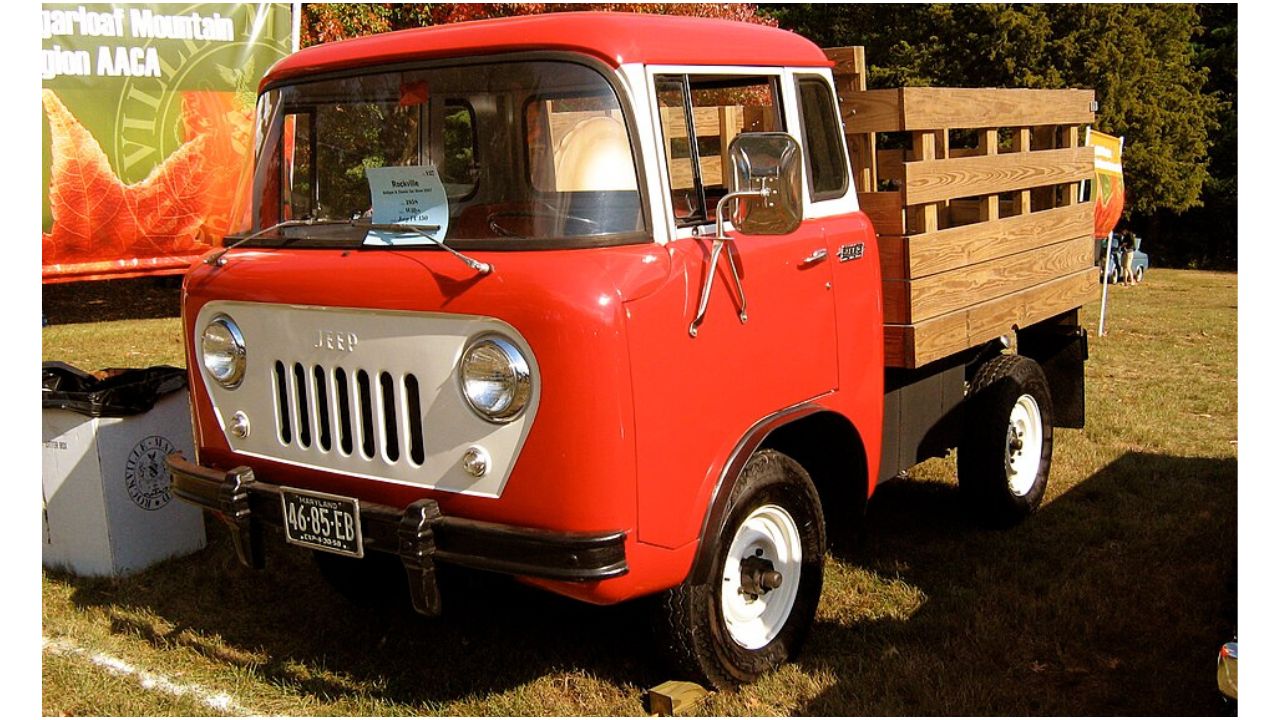
The Jeep Forward Control brought an unusual cab-over-engine layout to the light-truck market. Its compact exterior dimensions allowed useful cargo capacity while retaining Jeep’s off-road capability. Available configurations made it suitable for commercial and utility work. Although never a mainstream success, the Forward Control demonstrated considerable creativity and remains one of the more unusual American work trucks of its era.
Studebaker Transtar
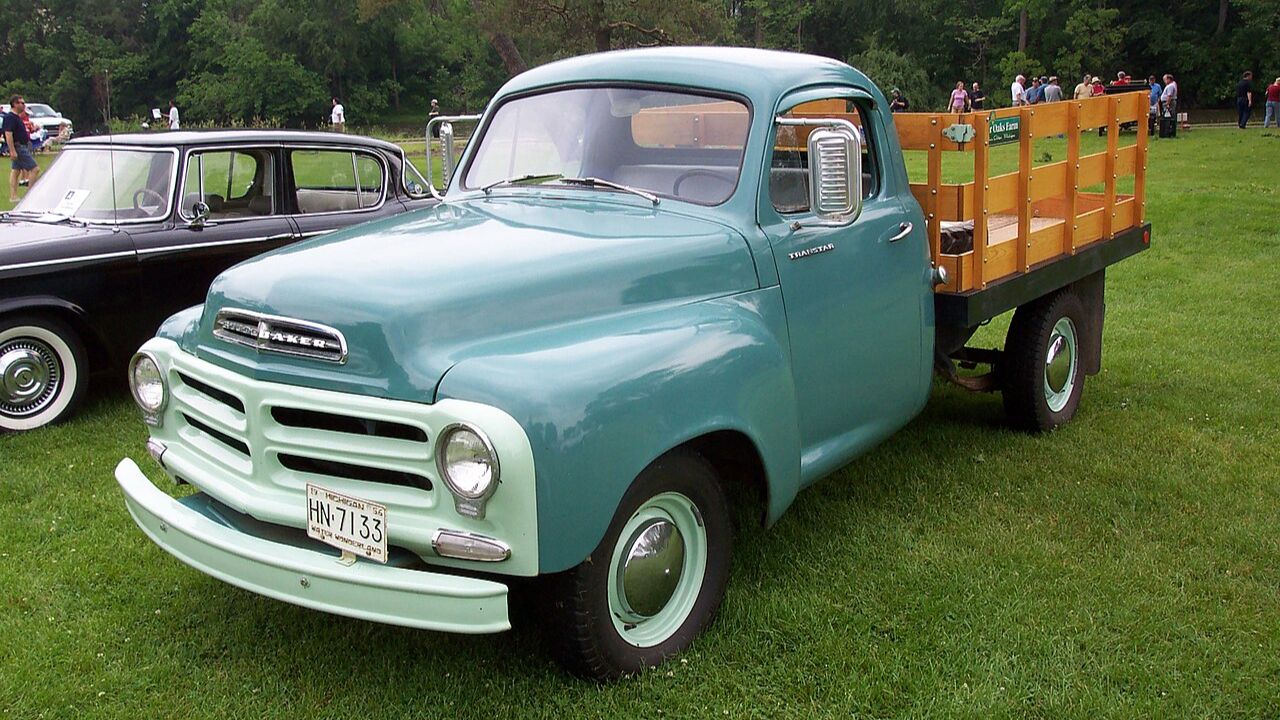
The Studebaker Transtar represented the company’s effort to remain competitive in the American commercial-truck market. It offered durable construction and multiple configurations for businesses that needed dependable hauling equipment. Studebaker eventually disappeared from the automobile industry, but its trucks continued serving practical roles. The Transtar deserves recognition as part of the company’s overlooked contribution to American commercial transportation.
Dodge D-Series

The Dodge D-Series became a dependable choice for farmers, contractors, and small businesses. Its wide range of body styles and engine options allowed buyers to configure trucks for different jobs. Four-wheel-drive versions provided additional capability for difficult terrain. While Dodge’s muscle cars often receive more attention from collectors, the D-Series played an equally important role in keeping American businesses moving.
International Harvester Scout II
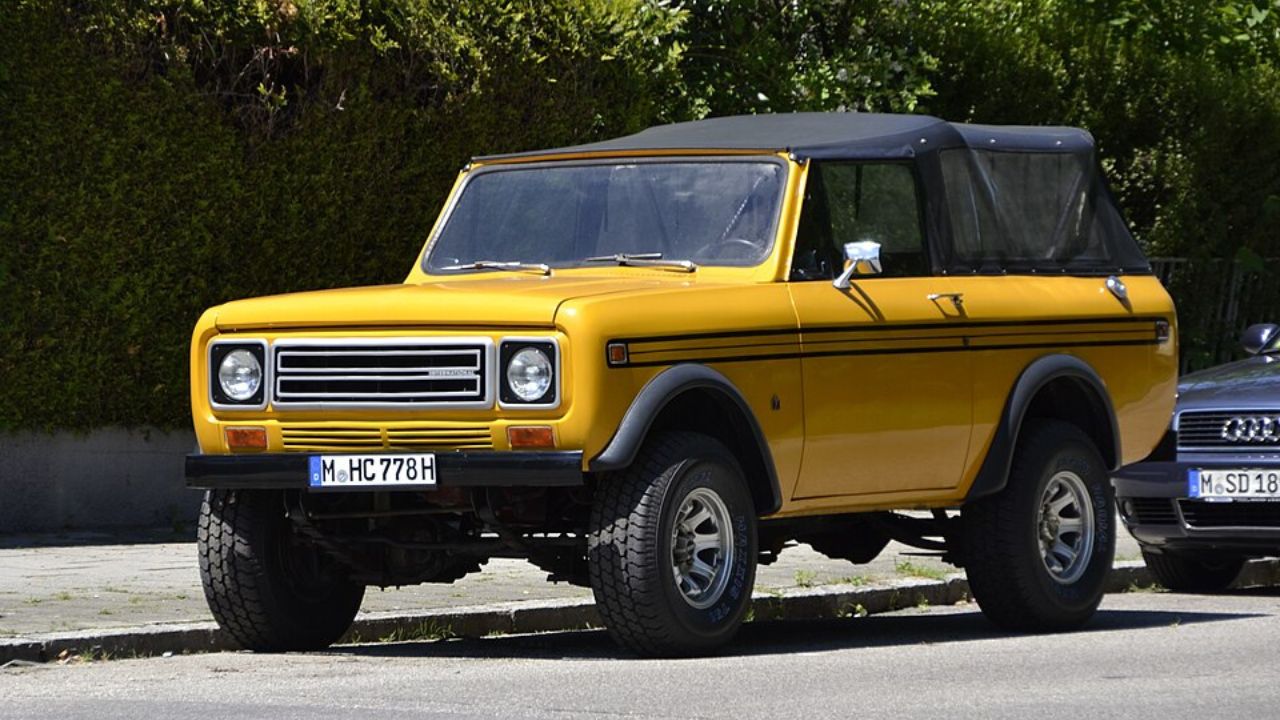
The International Harvester Scout II combined utility, off-road ability, and everyday transportation in a package that appealed to farmers, ranchers, and outdoor users. Its rugged construction allowed it to work in conditions where ordinary passenger vehicles struggled. Although often remembered as an early SUV rather than a work truck, the Scout II demonstrated how useful a compact utility vehicle could become in professional and recreational roles.
More from Fast Lane Only
- Unboxing the WWII Jeep in a Crate
- 15 rare Chevys collectors are quietly buying
- 10 underrated V8s still worth hunting down
- Police notice this before you even roll window down
*Research for this article included AI assistance, with all final content reviewed by human editors