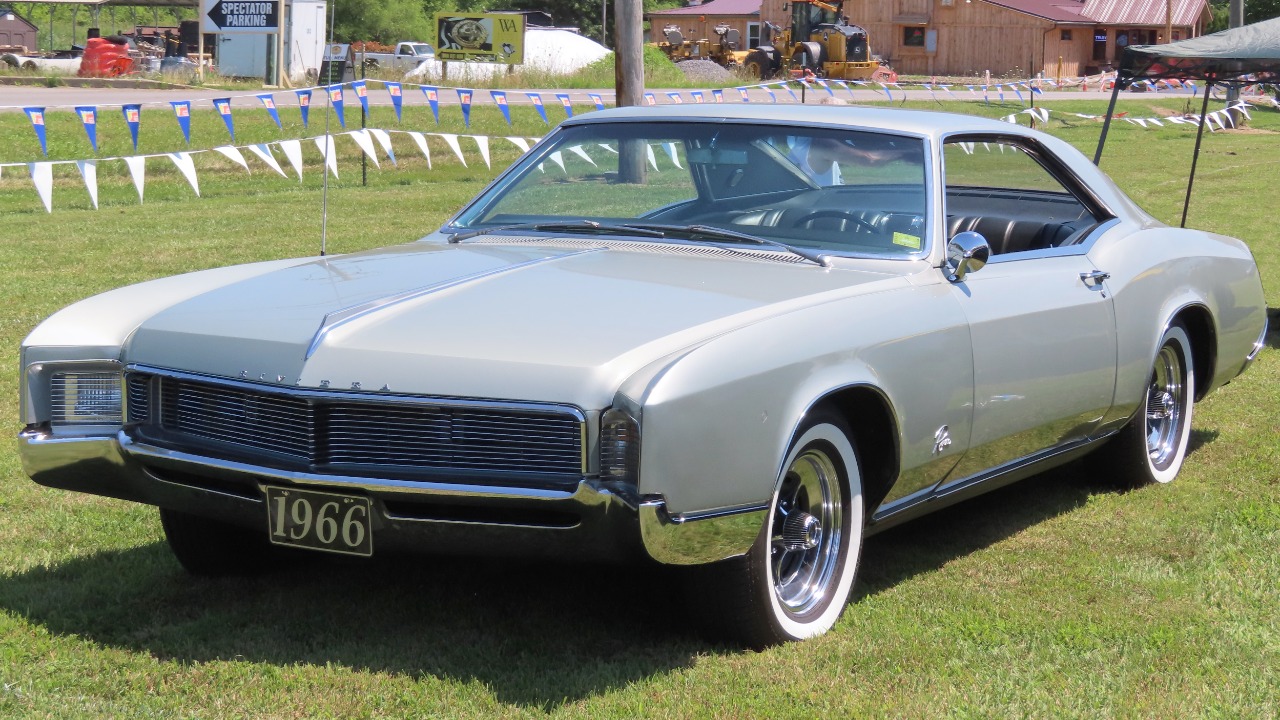
The 1960s transformed American automotive culture through bold styling, powerful engines, affordable performance, and entirely new vehicle categories. Detroit manufacturers competed fiercely for younger buyers while developing cars that became cultural icons. These ten automobiles captured the decade’s energy and helped make the 1960s one of the most influential periods in American automotive history.
Ford Mustang
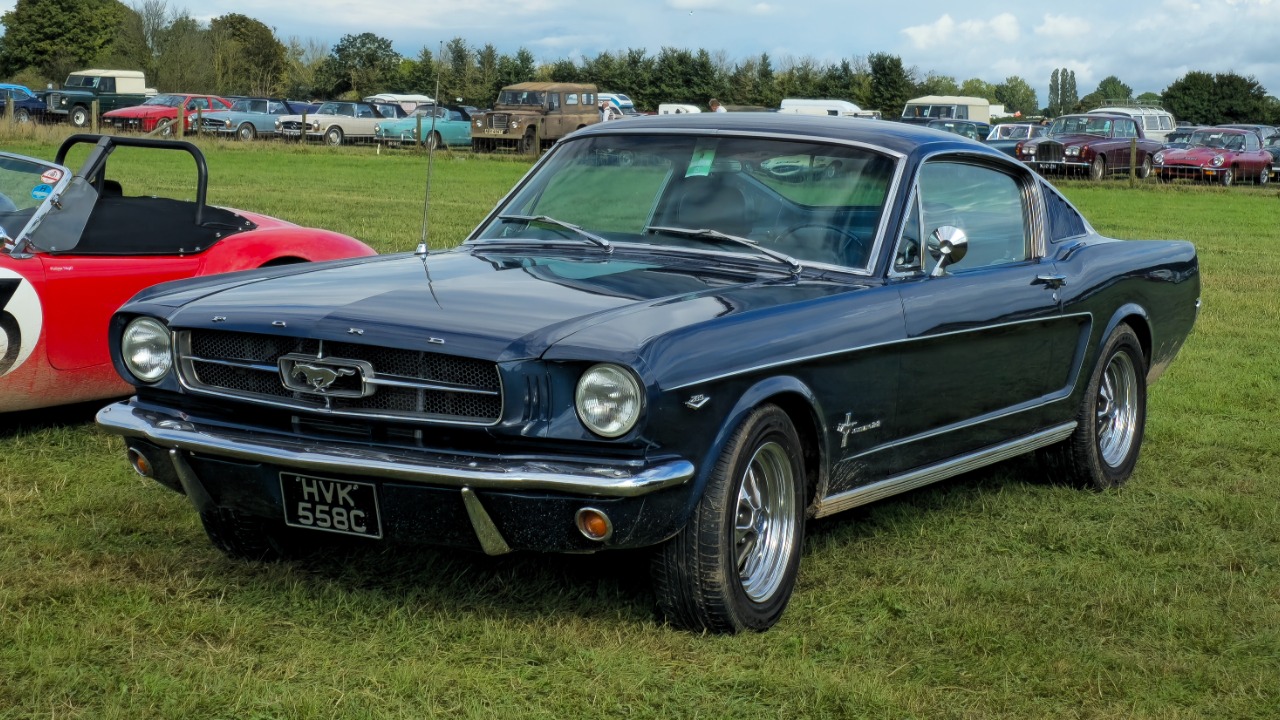
The Ford Mustang changed the American automotive market when it debuted in 1964. Its long hood, short rear deck, affordable pricing, and extensive selection of options allowed buyers to create everything from an economical cruiser to a serious V8 performance car. The Mustang quickly became a cultural phenomenon, establishing the pony-car segment and proving that sporty styling and performance could attract a massive mainstream audience.
Chevrolet Camaro
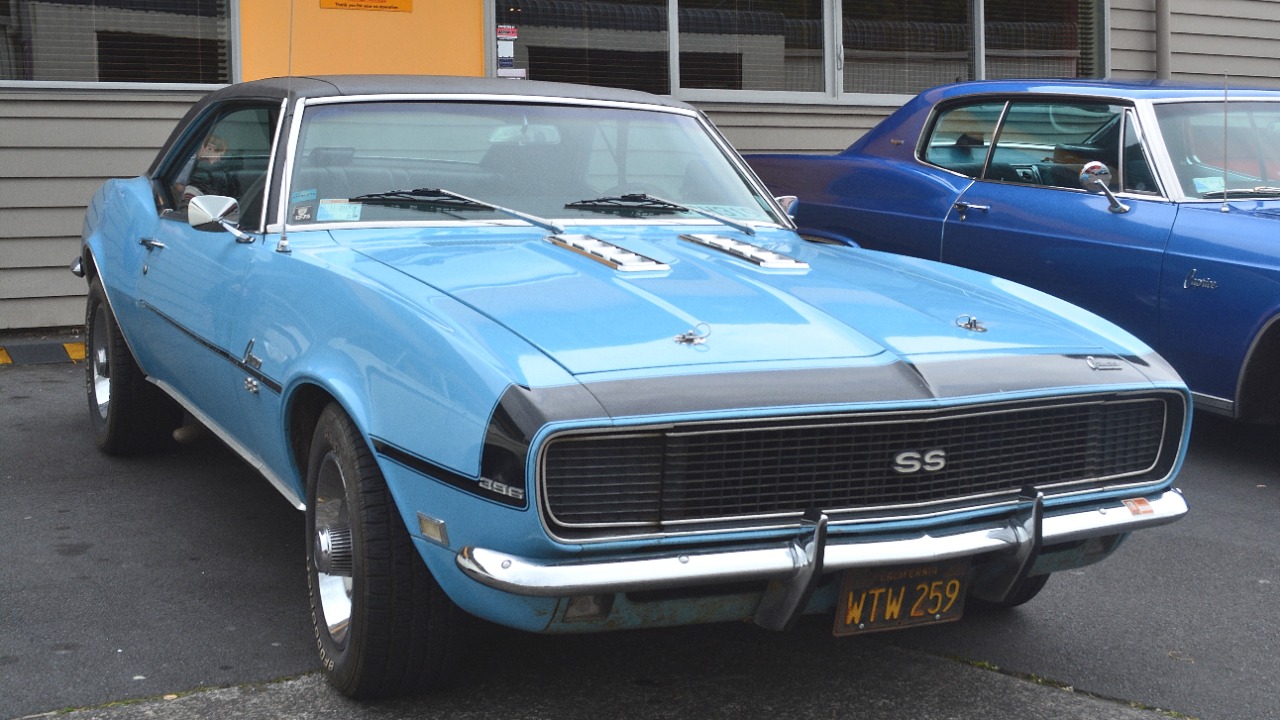
The Chevrolet Camaro arrived in 1966 as Chevrolet’s answer to the Mustang and quickly developed an identity of its own. Available with numerous engines, body styles, and performance packages, the Camaro offered buyers an impressive range of choices. High-performance versions such as the Z/28 demonstrated its competition potential. The Camaro intensified the pony-car rivalry and became an important symbol of Detroit’s increasingly aggressive performance competition.
Pontiac GTO
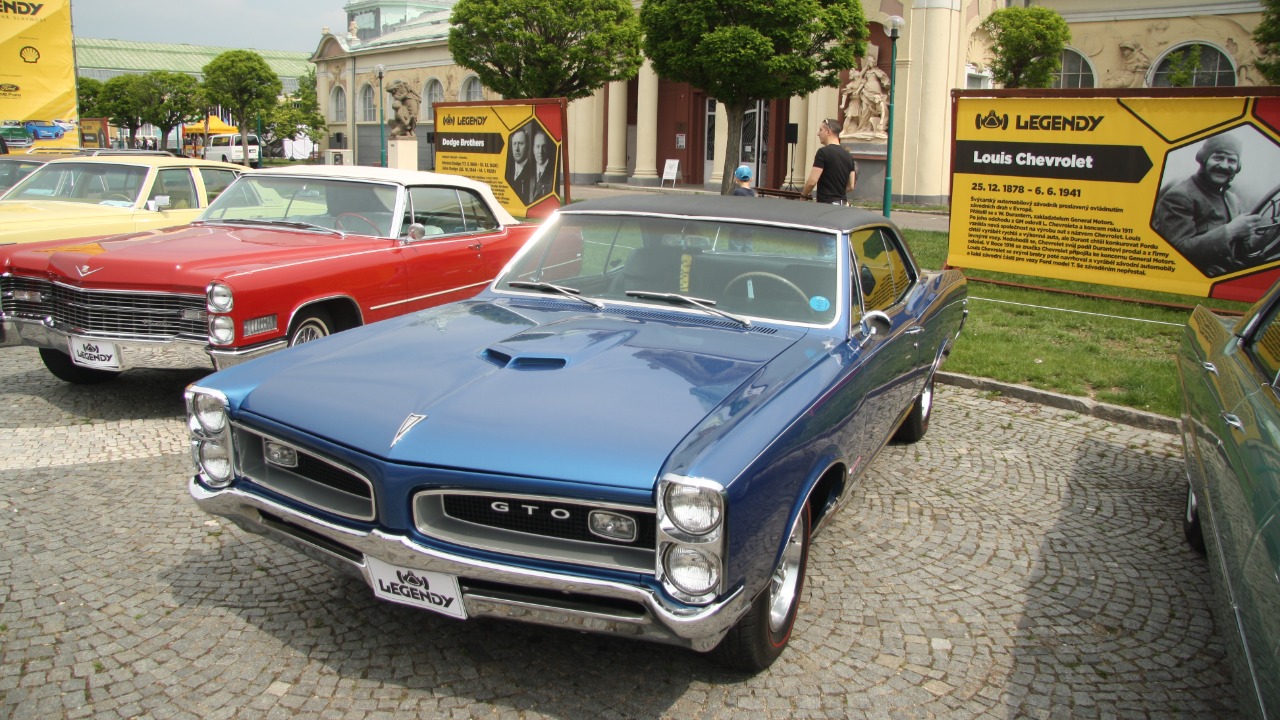
The Pontiac GTO helped establish the formula that defined the American muscle car. By combining a midsize body with a large-displacement V8, Pontiac created a machine that delivered substantial acceleration without requiring the size of a full-size sedan. Its success encouraged competitors to build their own high-performance intermediates. The GTO became a defining symbol of 1960s youth culture and remains one of the decade’s most influential American automobiles.
Chevrolet Corvette Sting Ray
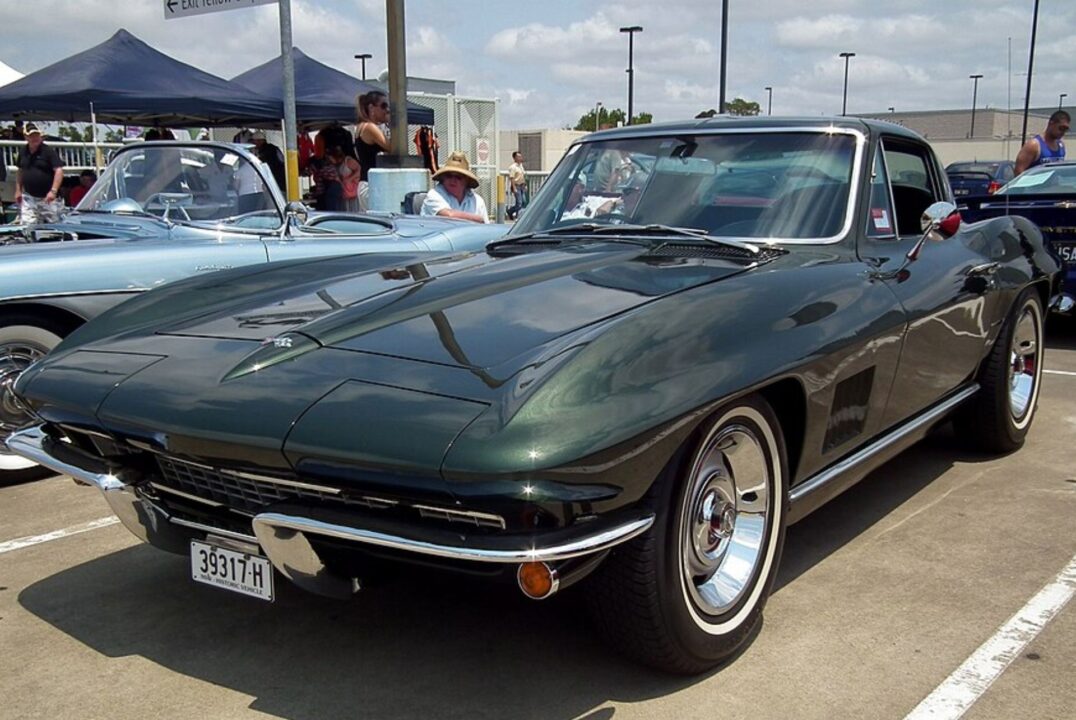
The Chevrolet Corvette Sting Ray transformed America’s two-seat sports car with dramatic styling and significant engineering improvements. Its independent rear suspension and available V8 engines provided a stronger combination of handling and performance, while the sculpted body made it one of the most recognizable cars of the decade. The Sting Ray demonstrated that an American manufacturer could produce a sports car capable of attracting attention far beyond the domestic market.
Plymouth Barracuda
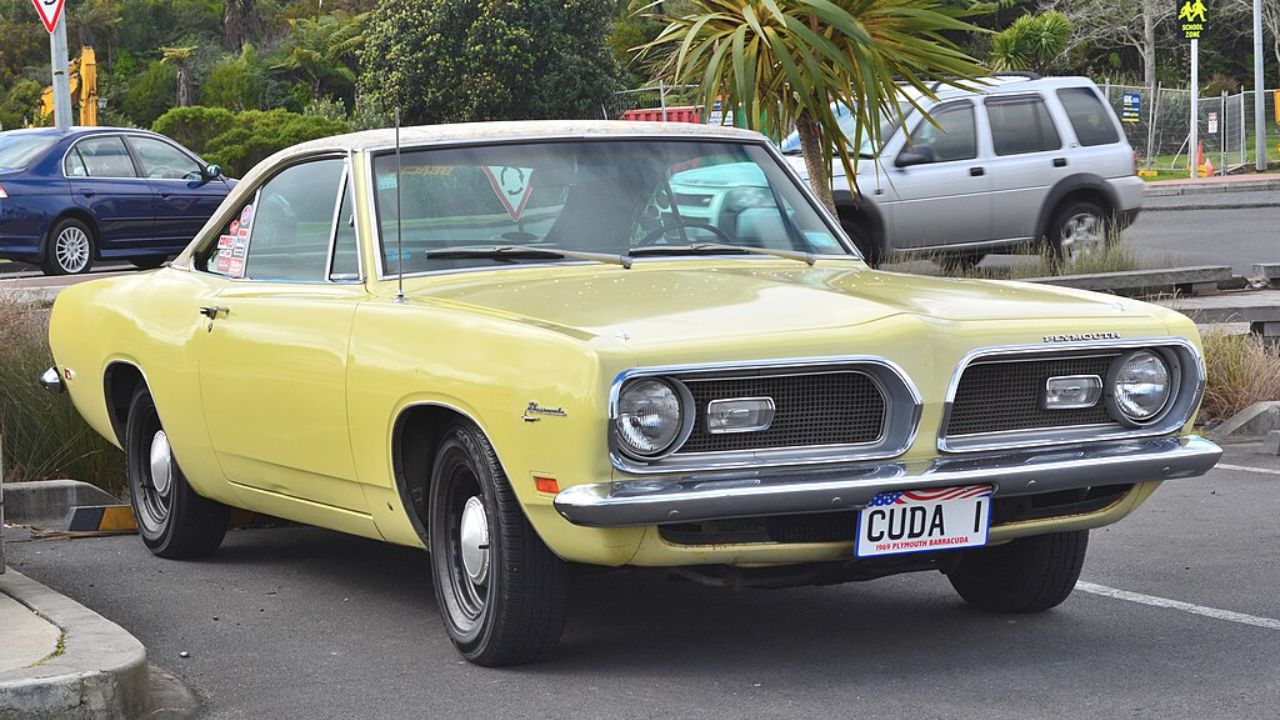
The Plymouth Barracuda arrived just before the Mustang and helped establish the compact sporty coupe market. Its unusual rear-window design made early examples distinctive, while later versions developed into serious performance cars. Plymouth eventually offered increasingly powerful V8 engines, allowing the Barracuda to compete directly with the growing muscle-car field. Its evolution during the decade reflected how quickly American manufacturers were adapting to changing consumer demand.
Dodge Charger
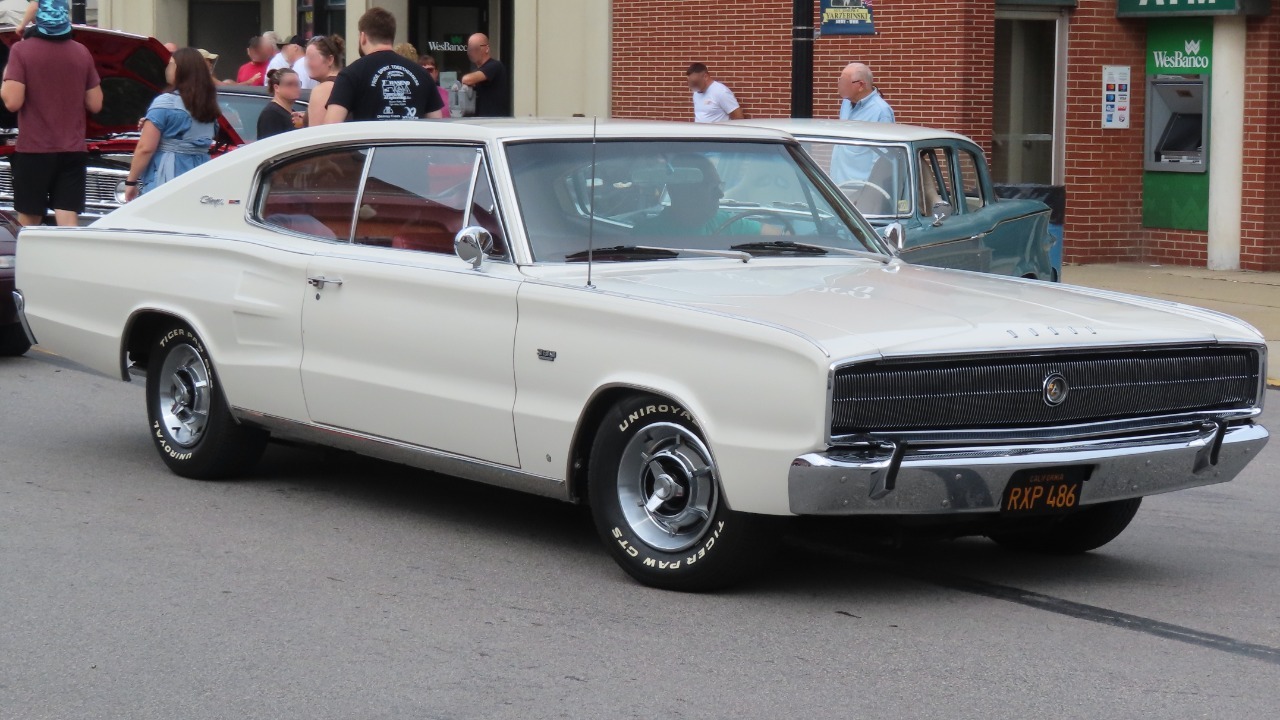
The Dodge Charger brought a dramatic fastback design to the growing American performance-car market. Its spacious interior, large rear glass, and available V8 engines created an unusual combination of practicality and performance. When the second-generation Charger appeared later in the decade, its aggressive proportions and hidden headlights made it an instant icon. The Charger became one of Dodge’s defining performance models and a lasting symbol of 1960s automotive excess.
Ford Galaxie 500
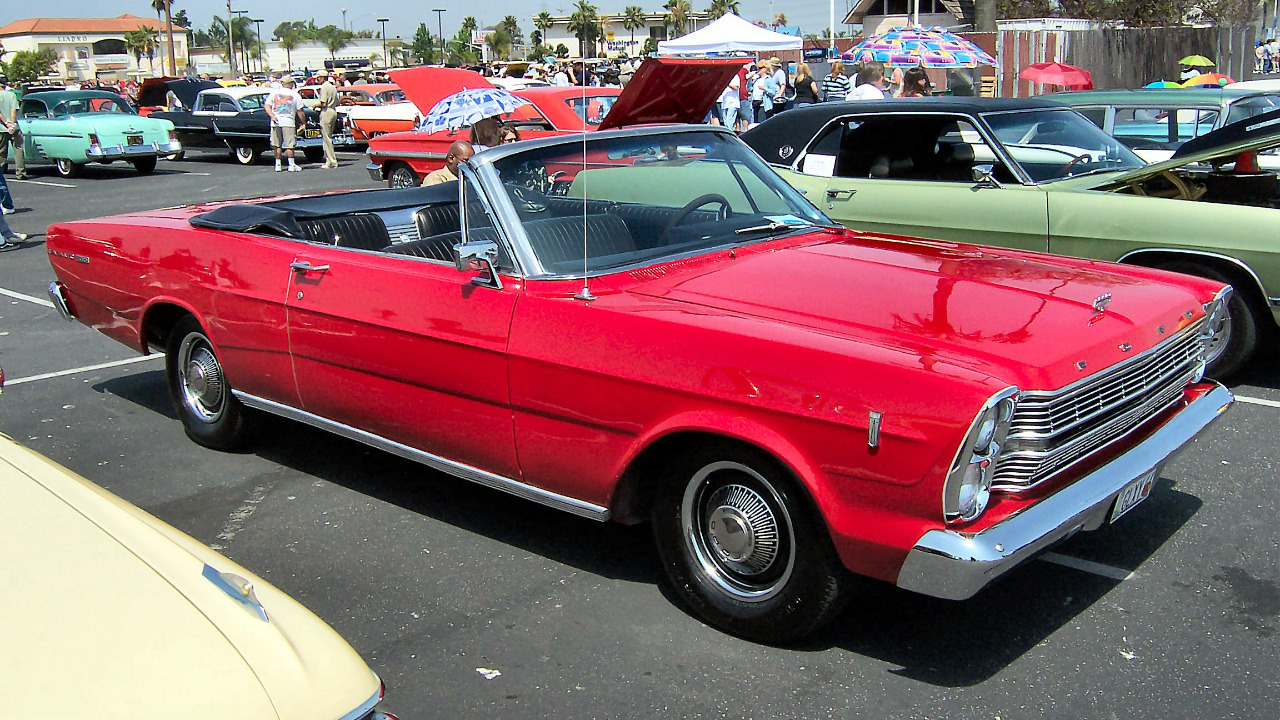
The Ford Galaxie 500 represented the full-size side of America’s performance culture. Its large body provided generous space and comfort, while powerful V8 options gave the car impressive acceleration for its size. Ford also developed competition-oriented versions that demonstrated the platform’s capabilities. The Galaxie showed that American buyers did not have to choose between family practicality and performance during a decade when horsepower remained a major selling point.
Oldsmobile 442
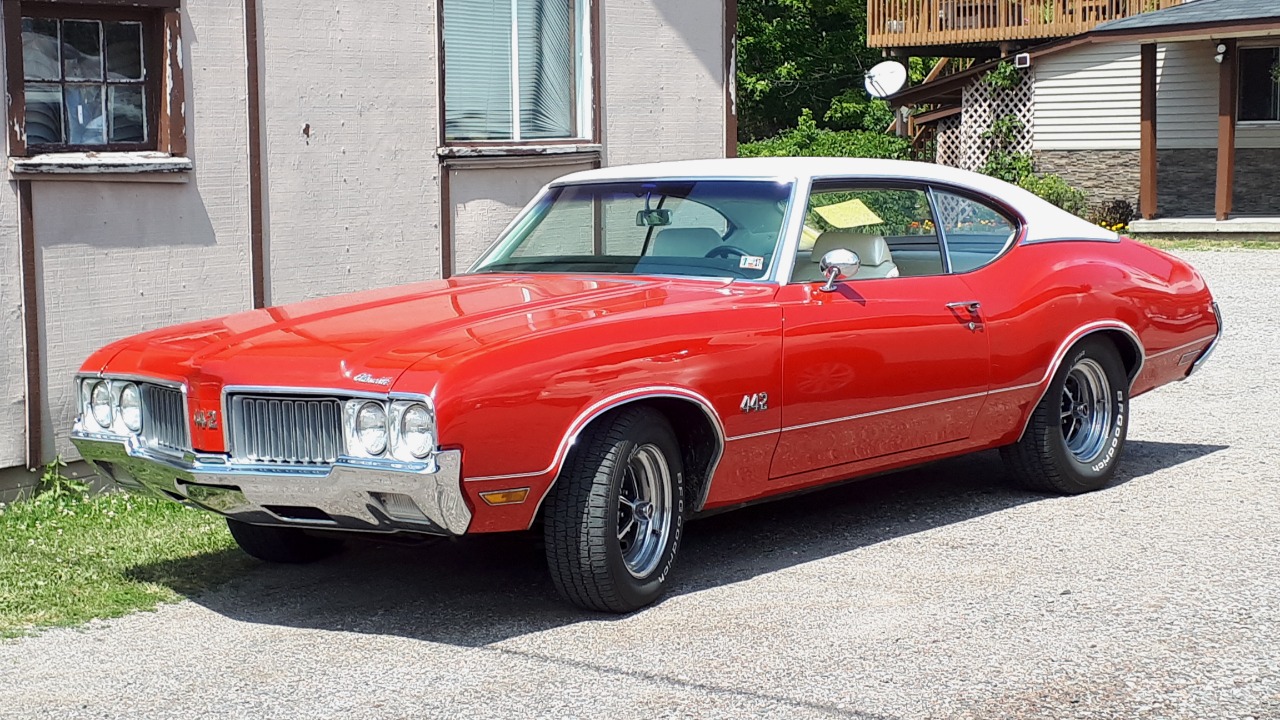
The Oldsmobile 442 gave buyers a more refined route into American muscle-car performance. Its powerful V8 engines, upgraded suspension, and comfortable interior created a balanced package that appealed to drivers who wanted both speed and sophistication. The 442 helped demonstrate that muscle cars could occupy different positions within the market rather than following one simple formula. Its combination of performance and comfort made it an important part of the decade’s variety.
Shelby Cobra
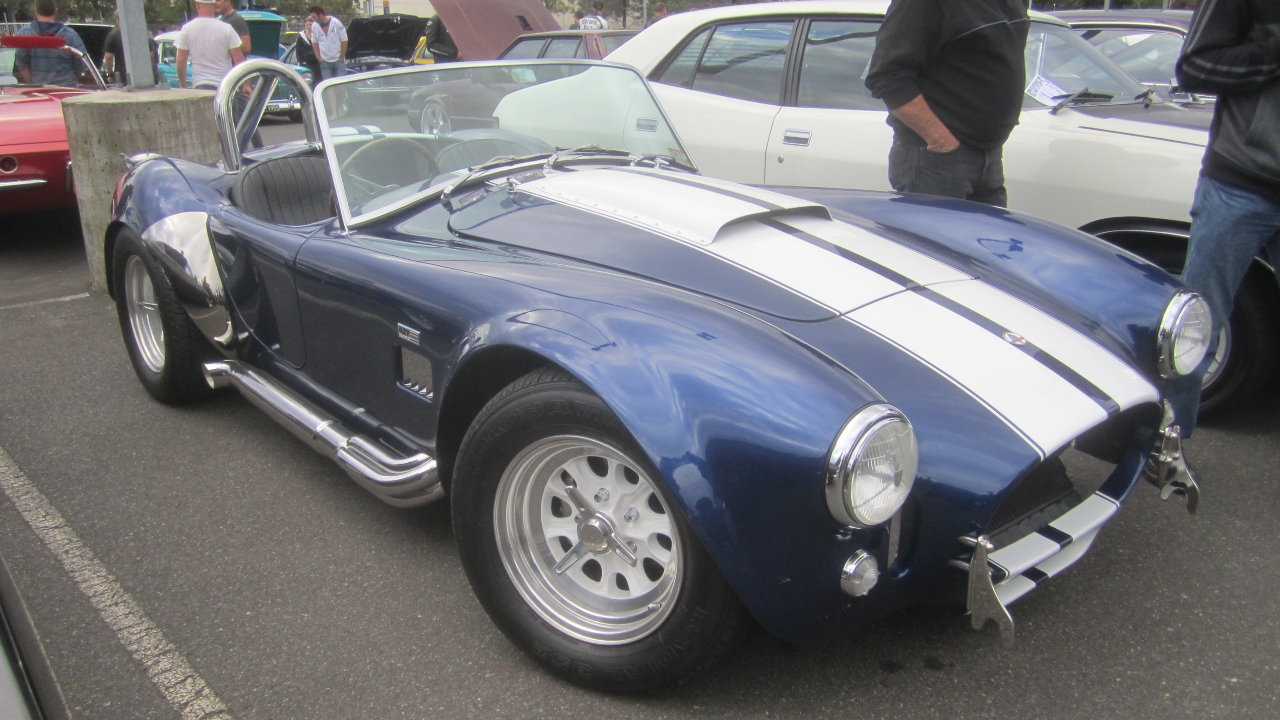
The Shelby Cobra combined a lightweight British roadster chassis with powerful American V8 engines, creating an exceptionally fast sports car. Carroll Shelby’s approach produced a machine that was dramatically different from Detroit’s heavier performance cars. The Cobra became famous for its explosive acceleration and competition success. Although produced in limited numbers, it demonstrated how American engine technology could be paired with lightweight engineering to create a world-class performance machine.
Buick Riviera
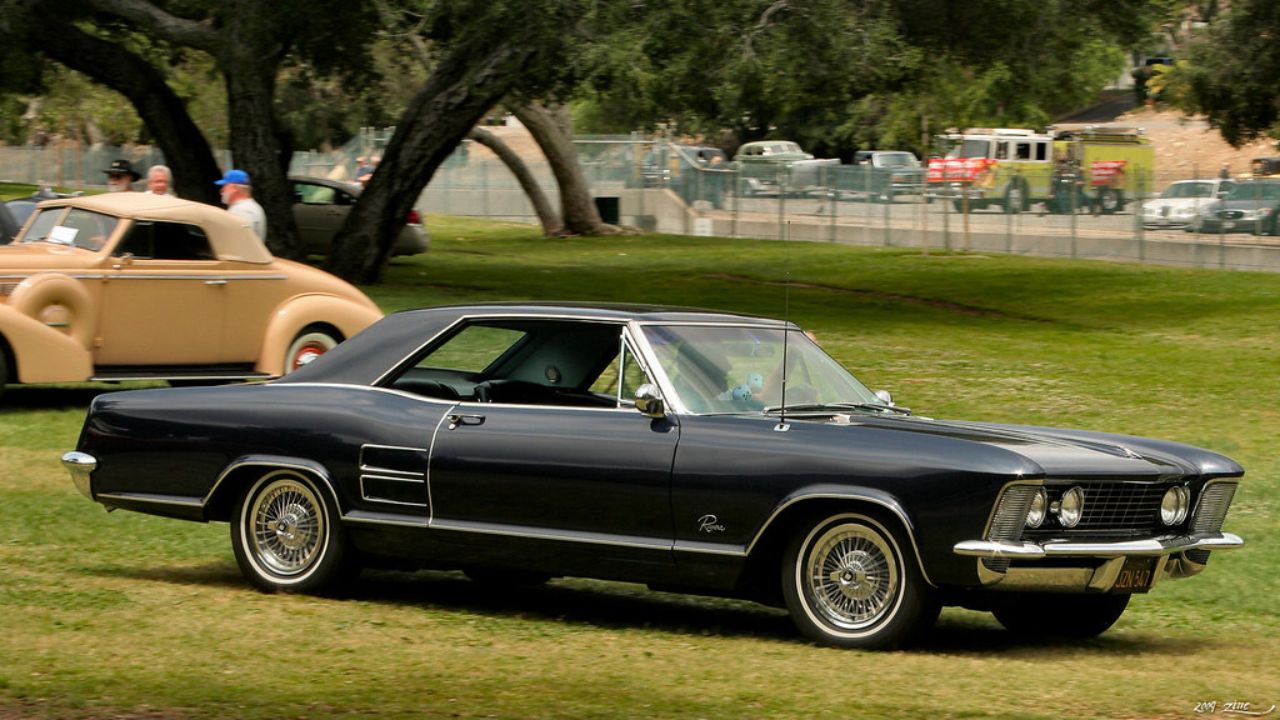
The Buick Riviera represented the stylish personal-luxury side of 1960s American automotive culture. Its elegant proportions, pillarless hardtop design, comfortable interior, and powerful V8 gave it a sophisticated personality without sacrificing performance. The Riviera demonstrated that American buyers increasingly wanted cars that could combine dramatic styling with long-distance comfort. Its influence helped establish the personal-luxury coupe as an important part of the American market.
More from Fast Lane Only
- Unboxing the WWII Jeep in a Crate
- 15 rare Chevys collectors are quietly buying
- 10 underrated V8s still worth hunting down
- Police notice this before you even roll window down
*Research for this article included AI assistance, with all final content reviewed by human editors