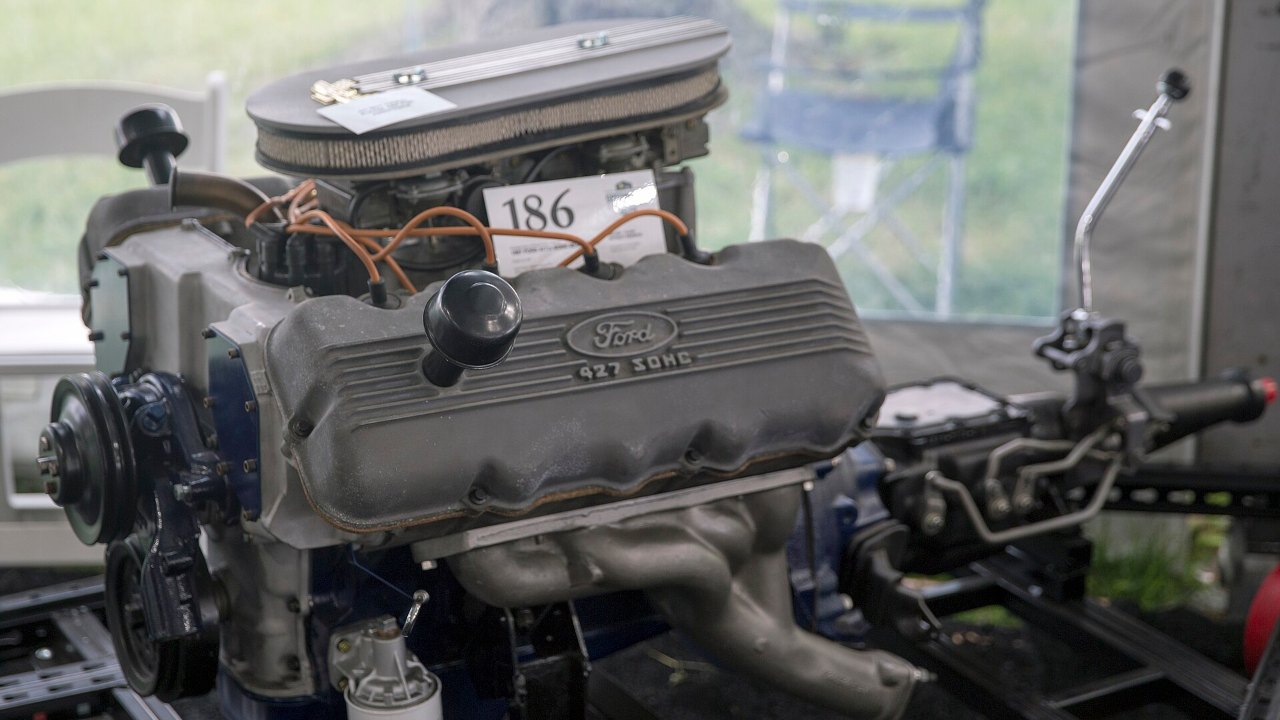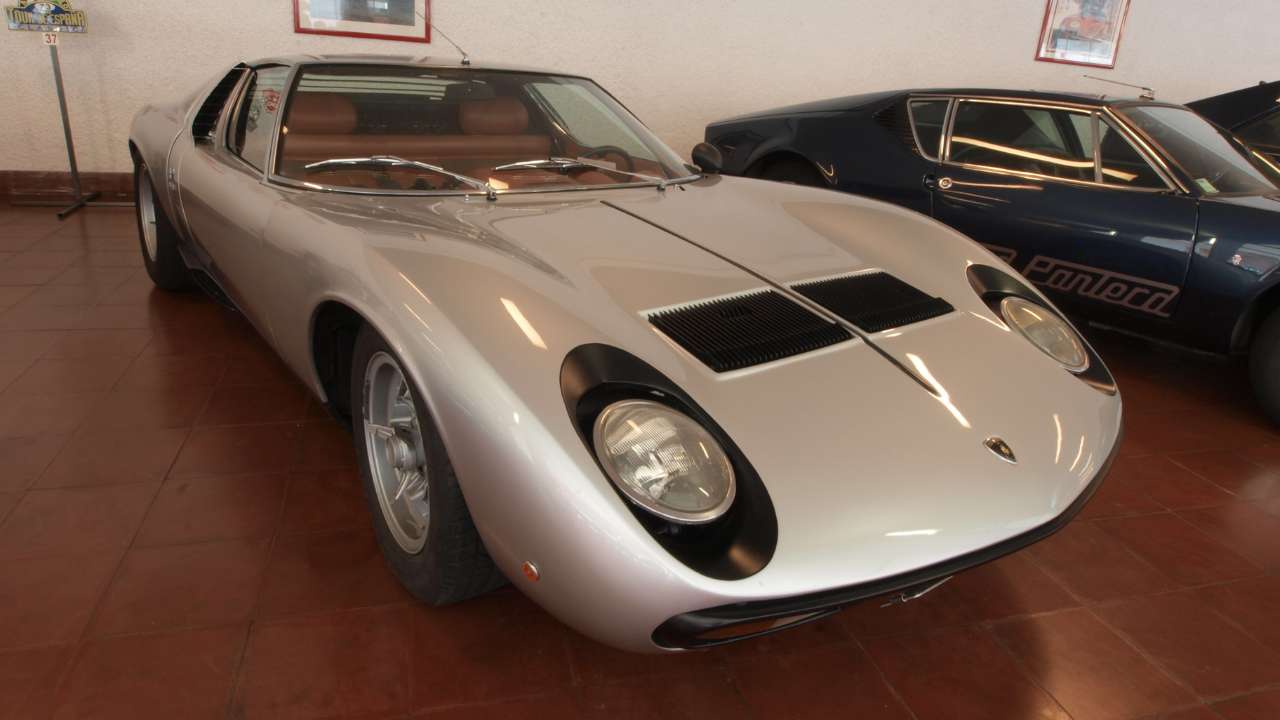
Some classic cars became famous despite being built in tiny numbers, while others simply disappeared because few survived decades of use. Their rarity makes them difficult to encounter outside specialist collections and major concours events. These nine classics remain especially elusive, giving enthusiasts a rare chance to see something genuinely unusual in person.
Tucker 48
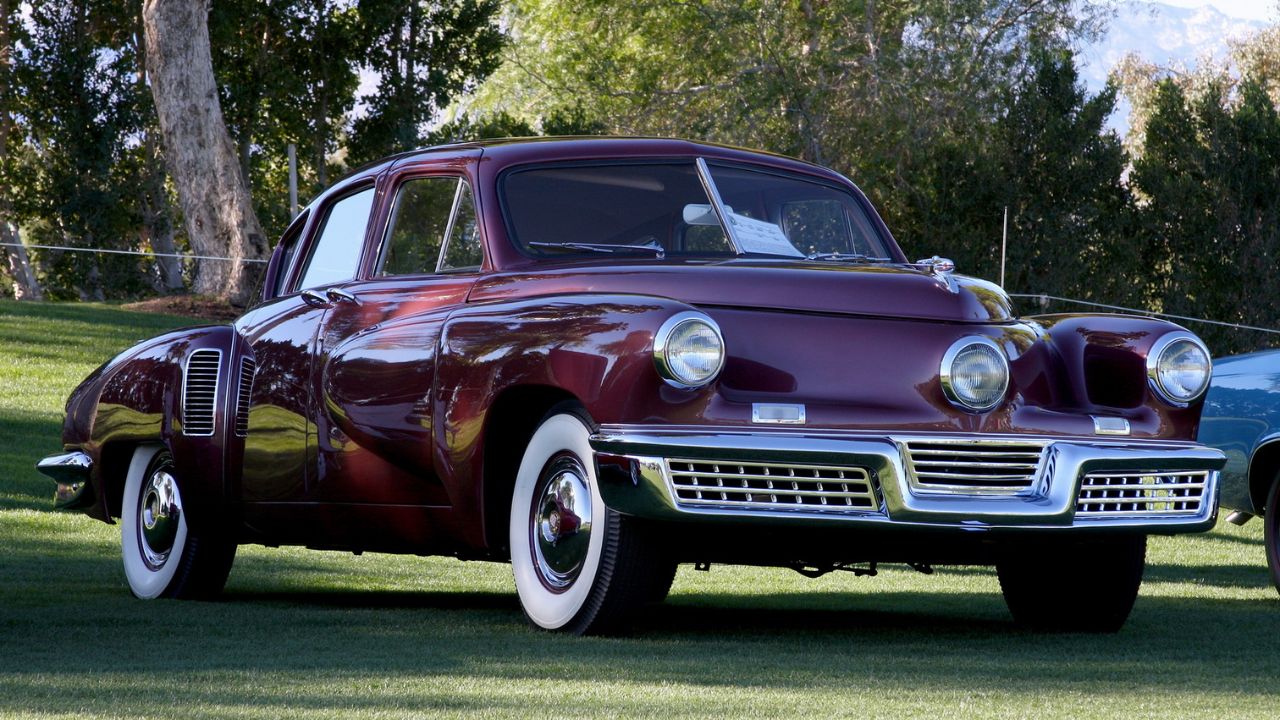
The Tucker 48 remains one of the most famous examples of a short-lived American automobile. Its rear-mounted flat-six engine, central steering-mounted headlight, and innovative safety concepts made it radically different from conventional Detroit products. Only a small number were completed before the company collapsed. Because surviving examples are closely guarded by collectors and museums, encountering a genuine Tucker 48 in person is an exceptionally uncommon experience.
Chrysler Turbine
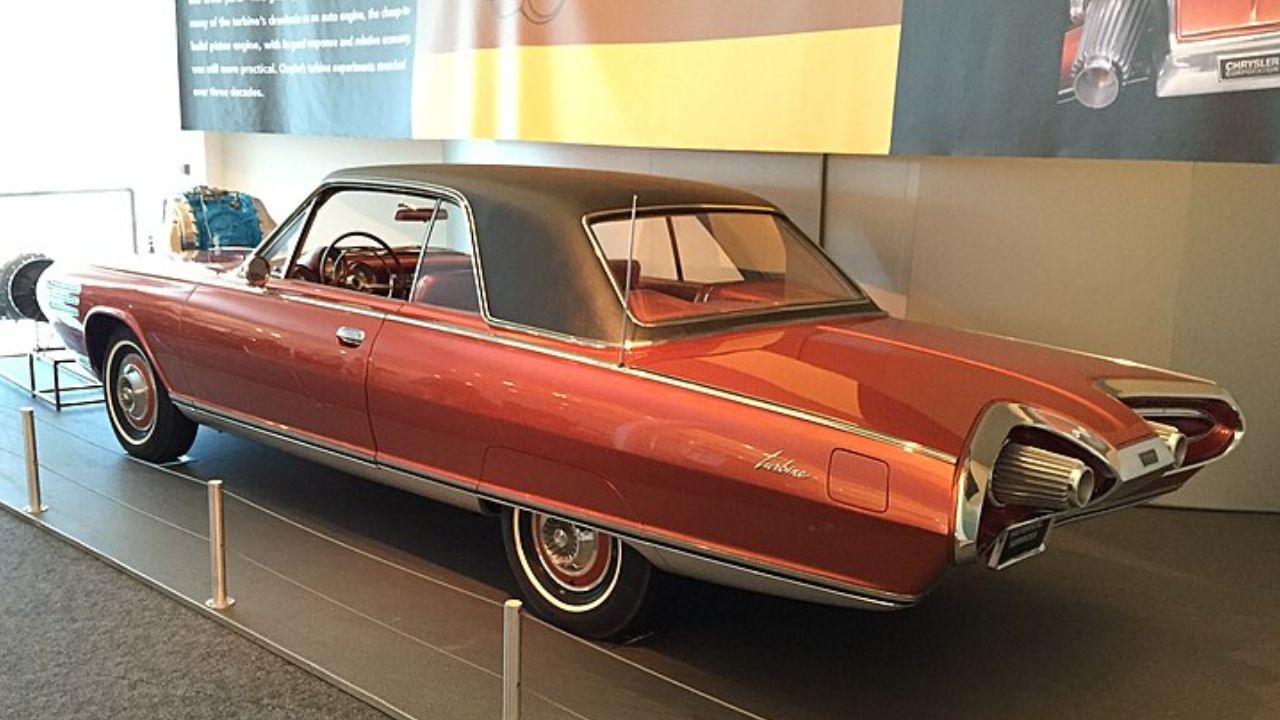
The Chrysler Turbine represented one of the boldest experiments in American automotive engineering. Instead of a conventional piston engine, it used a gas turbine that could operate on several types of fuel. Chrysler produced only a limited number for a public testing program during the 1960s. Most were eventually destroyed, leaving very few survivors. Seeing one today means encountering a fascinating reminder of an era when turbine-powered cars seemed like a possible future.
Plymouth Superbird
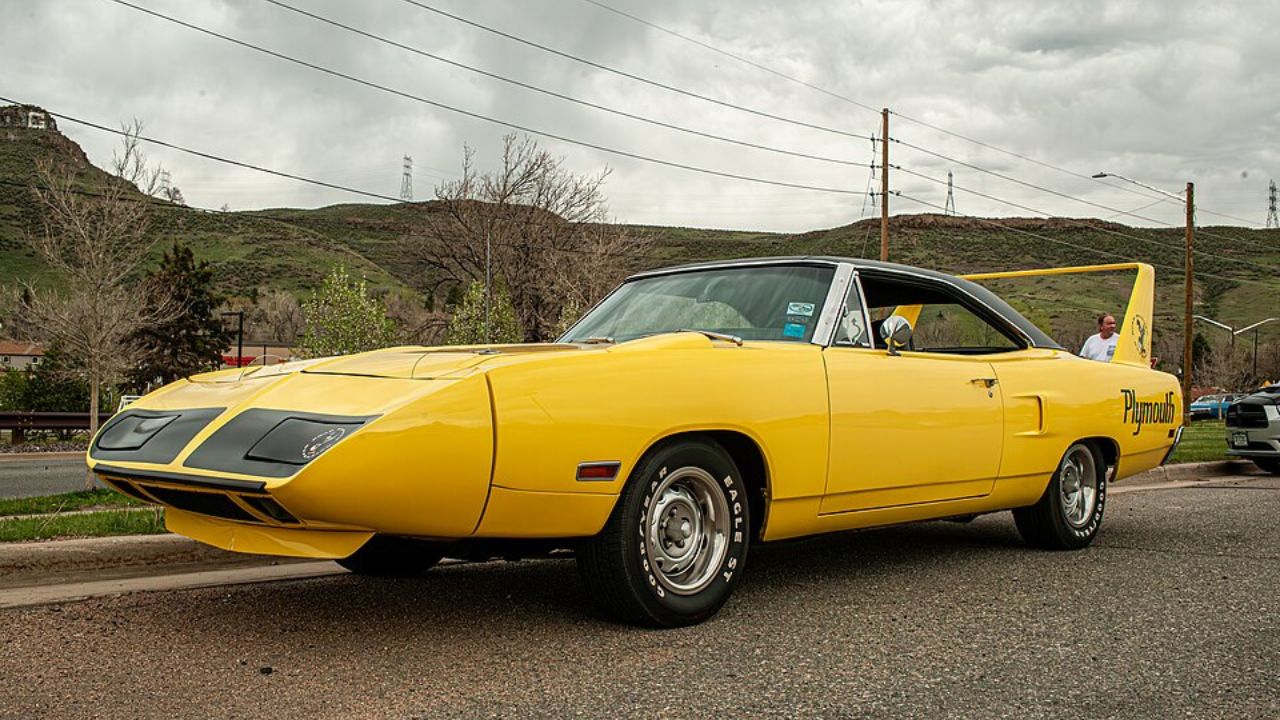
The Plymouth Superbird was created to dominate NASCAR competition while remaining street legal. Its enormous rear wing, aerodynamic nose, and powerful V8 options made it one of the most visually extreme American cars of its period. Production was limited, and many examples were modified or neglected over the years. Today, surviving original Superbirds are highly prized, making an unmodified example unusually difficult to encounter outside major collections and specialized events.
Ford GT40
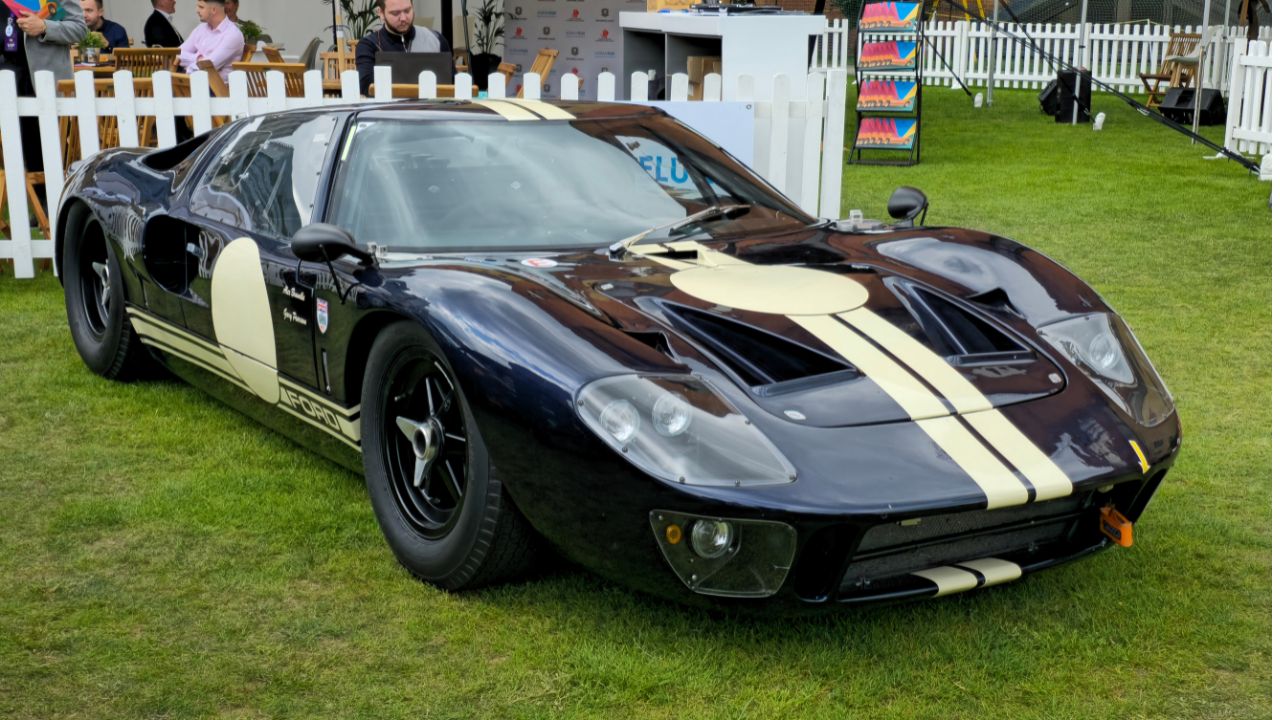
The Ford GT40 became legendary for defeating Ferrari at Le Mans, but genuine original examples are exceptionally scarce. Built primarily for racing, the cars were produced in tiny numbers compared with ordinary road-going performance models. Their historical importance and rarity have placed surviving GT40s among the world’s most valuable racing machines. For most enthusiasts, seeing an authentic original rather than a replica remains an extraordinary opportunity.
Aston Martin DB4 GT Zagato
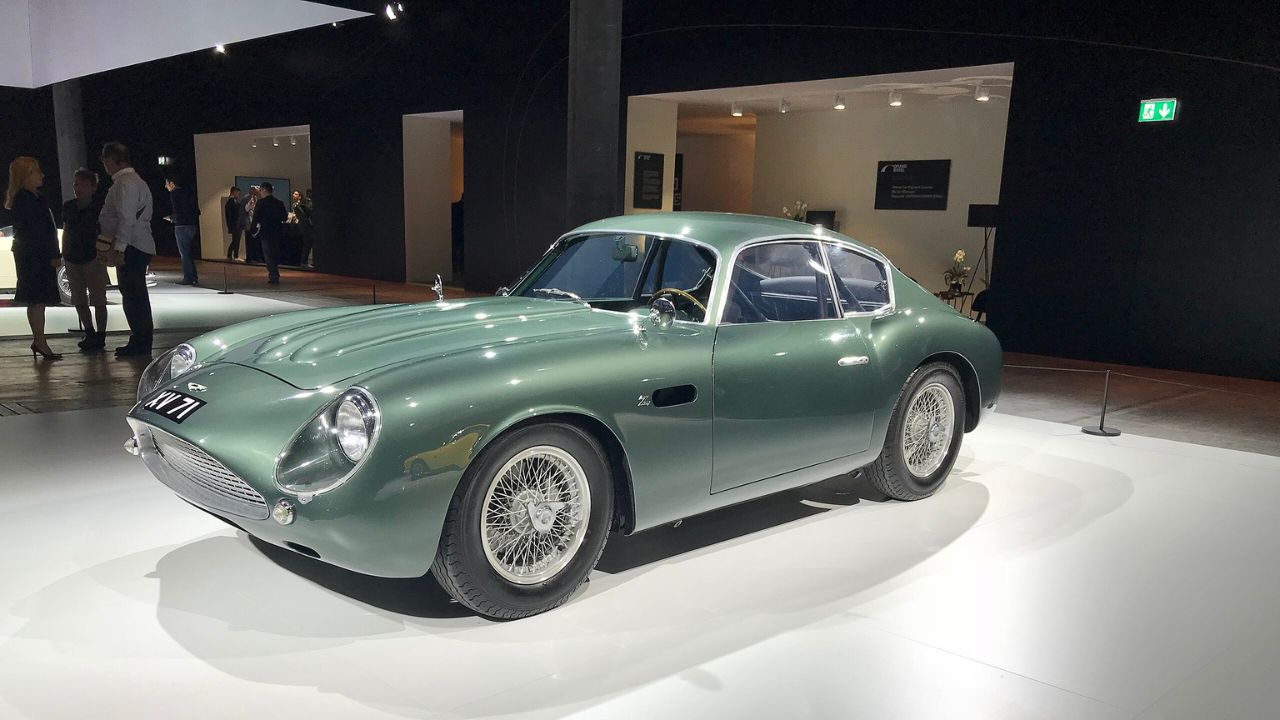
The Aston Martin DB4 GT Zagato combined a lightweight Italian body with the performance of Aston Martin’s competition-oriented DB4 GT. Its sleek aluminum bodywork and limited production made it one of the most exclusive British sports cars of its era. Only a small number were originally produced, ensuring that genuine examples are rarely encountered. Its combination of racing pedigree, elegant design, and extreme scarcity makes it a collector’s dream.
Chevrolet Corvette Grand Sport
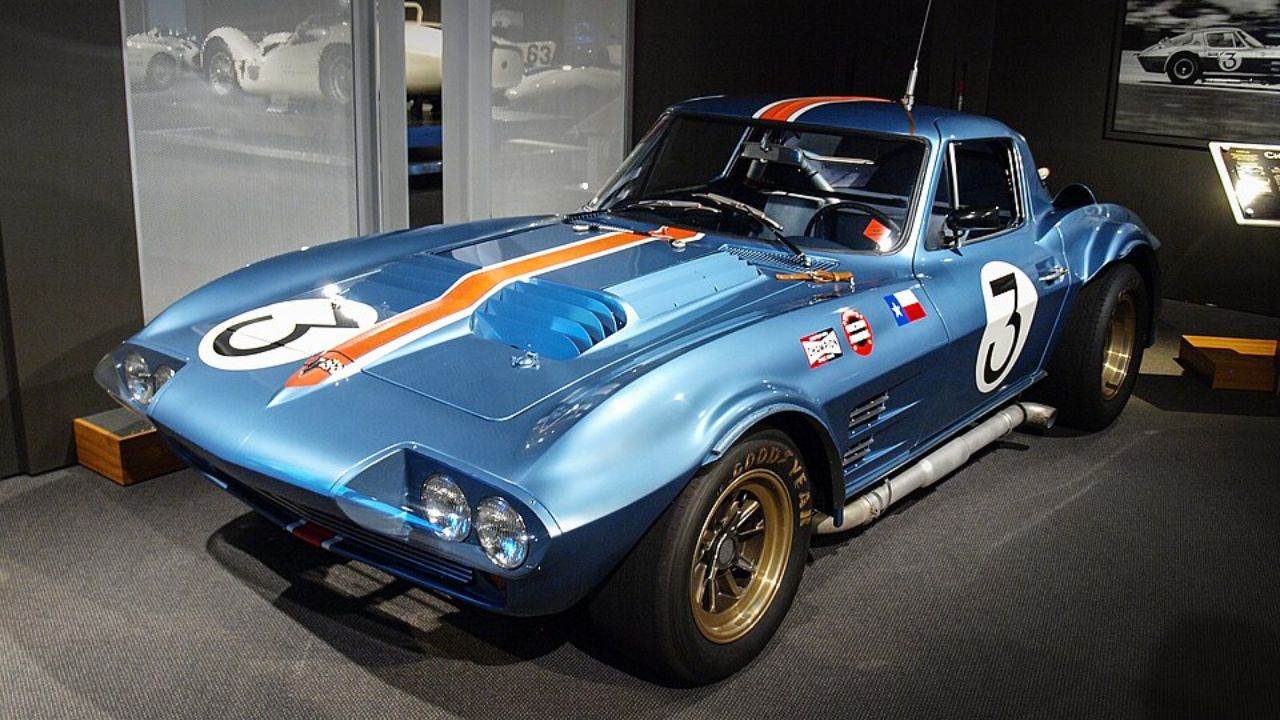
The Chevrolet Corvette Grand Sport was created as a lightweight racing weapon intended to challenge international competition. Its competition-focused chassis, reduced weight, and powerful V8 made it dramatically different from ordinary Corvettes. Chevrolet planned a larger production run, but only a very small number were ultimately completed. Surviving cars became extremely valuable, meaning most enthusiasts will never encounter an authentic Grand Sport outside a prestigious collection or specialized event.
Lamborghini Miura SV
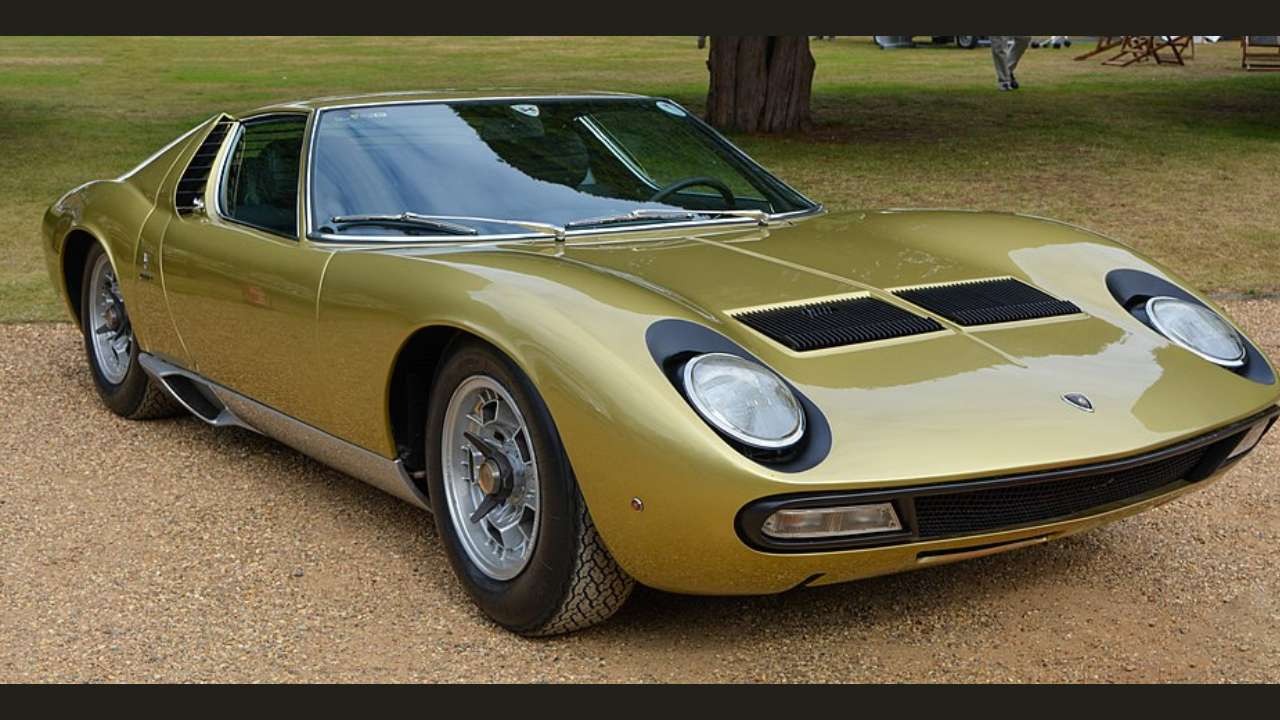
Image Credit: Chelsea Jay, via Wikimedia Commons, CC BY-SA 4.0
The Lamborghini Miura SV represented the final and most developed version of Lamborghini’s groundbreaking mid-engine V12 sports car. Its wider rear tires, revised suspension, and more powerful engine improved the already dramatic Miura formula. Production remained limited, and original SV examples are now highly prized. Because many have been carefully preserved or restored, encountering a genuine example in person is far less common than seeing photographs of this legendary Italian supercar.
Lancia Stratos HF Stradale
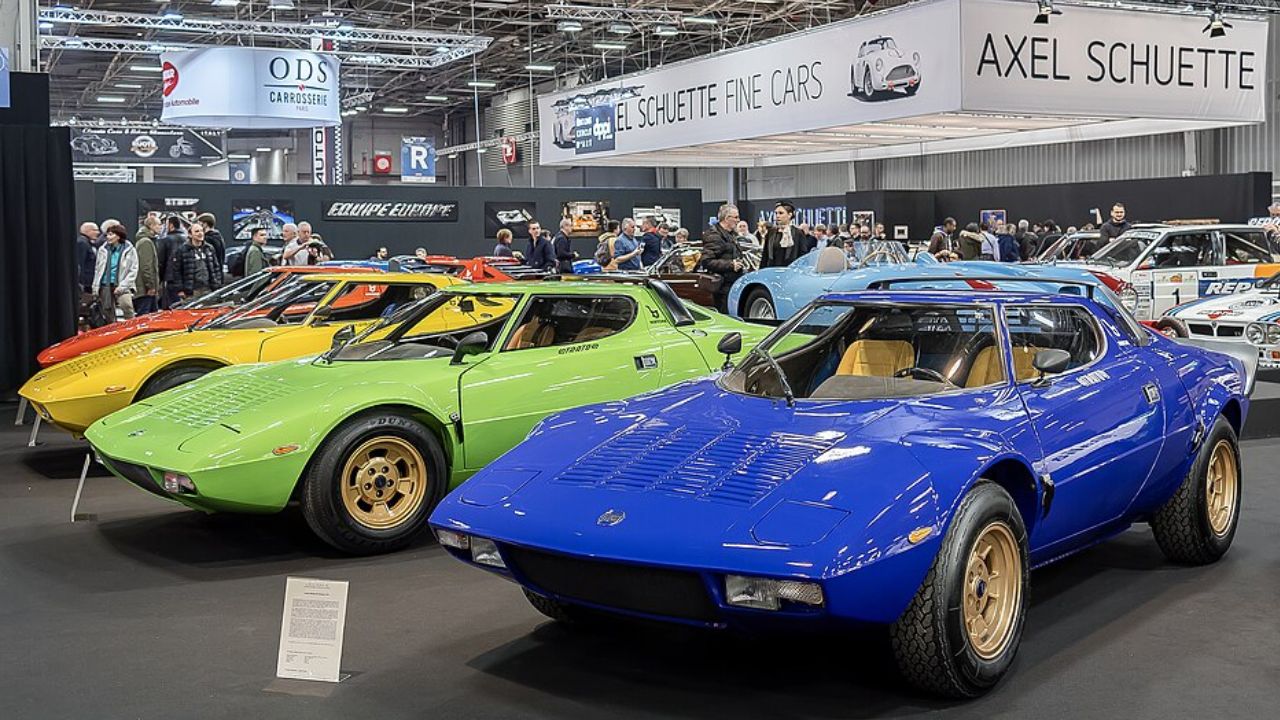
The Lancia Stratos HF Stradale was essentially a road-going version of a purpose-built rally machine. Its compact dimensions, mid-mounted V6, and distinctive wedge-shaped body were designed around competition performance rather than conventional practicality. Production numbers were low, and many examples became highly collectible. The Stratos is still difficult to encounter in ordinary classic-car gatherings, making an authentic road version a particularly memorable sight.
Vector W8
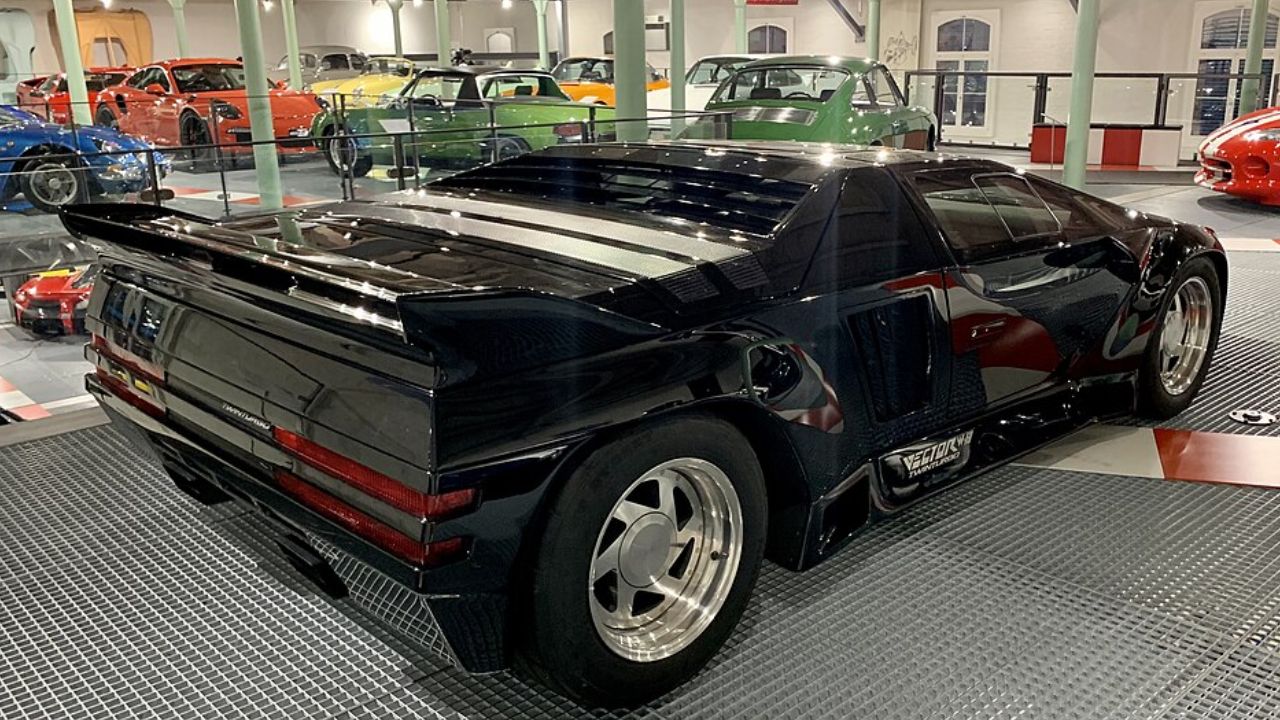
The Vector W8 represented an ambitious American attempt to build an exotic supercar using advanced materials, dramatic styling, and high-performance technology. Its twin-turbocharged V8 and futuristic wedge-shaped body gave it an unmistakable presence. Production was extremely limited, leaving very few examples in existence. Because of its rarity and unusual history, the W8 remains one of those cars that many enthusiasts know from photographs but may never actually encounter in person.
More from Fast Lane Only
- Unboxing the WWII Jeep in a Crate
- 15 rare Chevys collectors are quietly buying
- 10 underrated V8s still worth hunting down
- Police notice this before you even roll window down
*Research for this article included AI assistance, with all final content reviewed by human editors