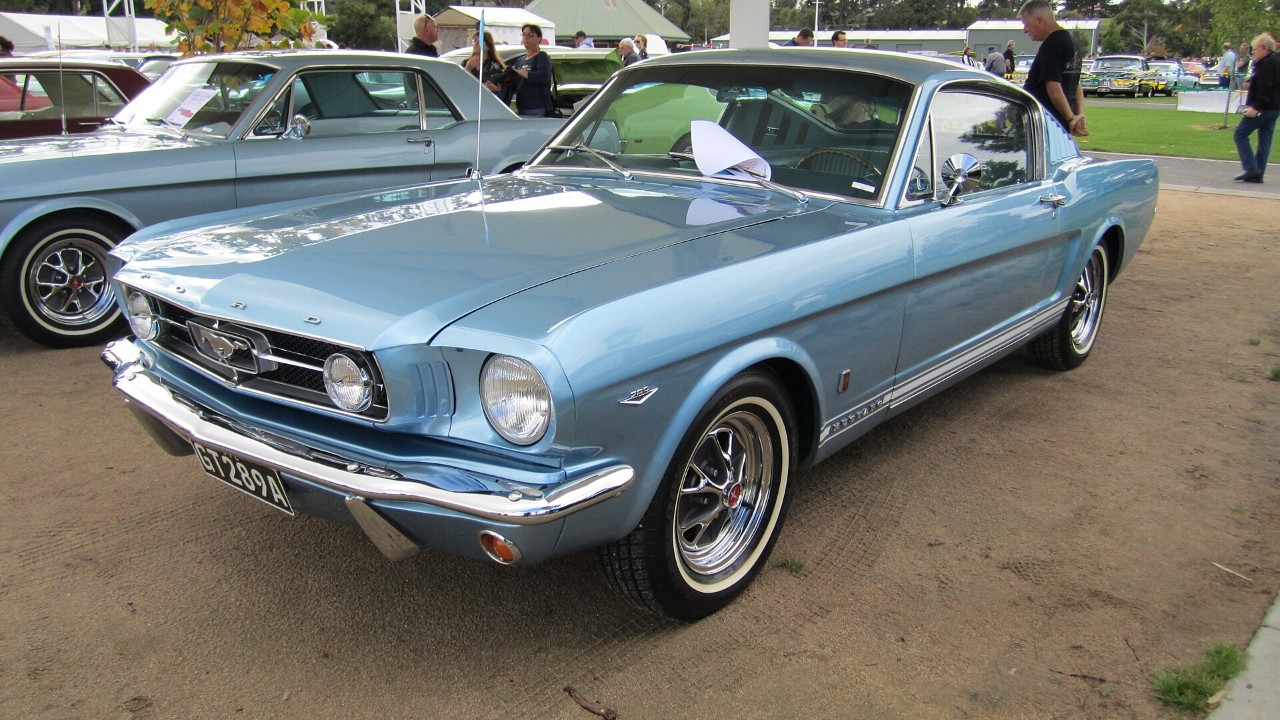
Chevrolet sold more than one million Impalas in 1965, an all-time industry record for a single model in a year. Ford had taken 22,000 Mustang orders on the car’s first day the spring before, and the Mustang fastback followed that August. Those two numbers tell you how badly Americans wanted to drive in the 1960s.
Gas was cheap, the new interstates were opening up, and every maker had something to sell you. There were pony cars, big personal coupes, full-size bruisers with bucket seats, and even a small Ford built for dirt roads. Not every car of the decade was a gem, but the best ones made an ordinary drive feel like an event.
These nine are our picks for the cars that made the 1960s America’s favorite decade to drive. The choices and verdicts are our opinion. The specs, prices and production figures come from maker records, auction houses and published model histories.
1. 1965 Ford Mustang 2+2 fastback
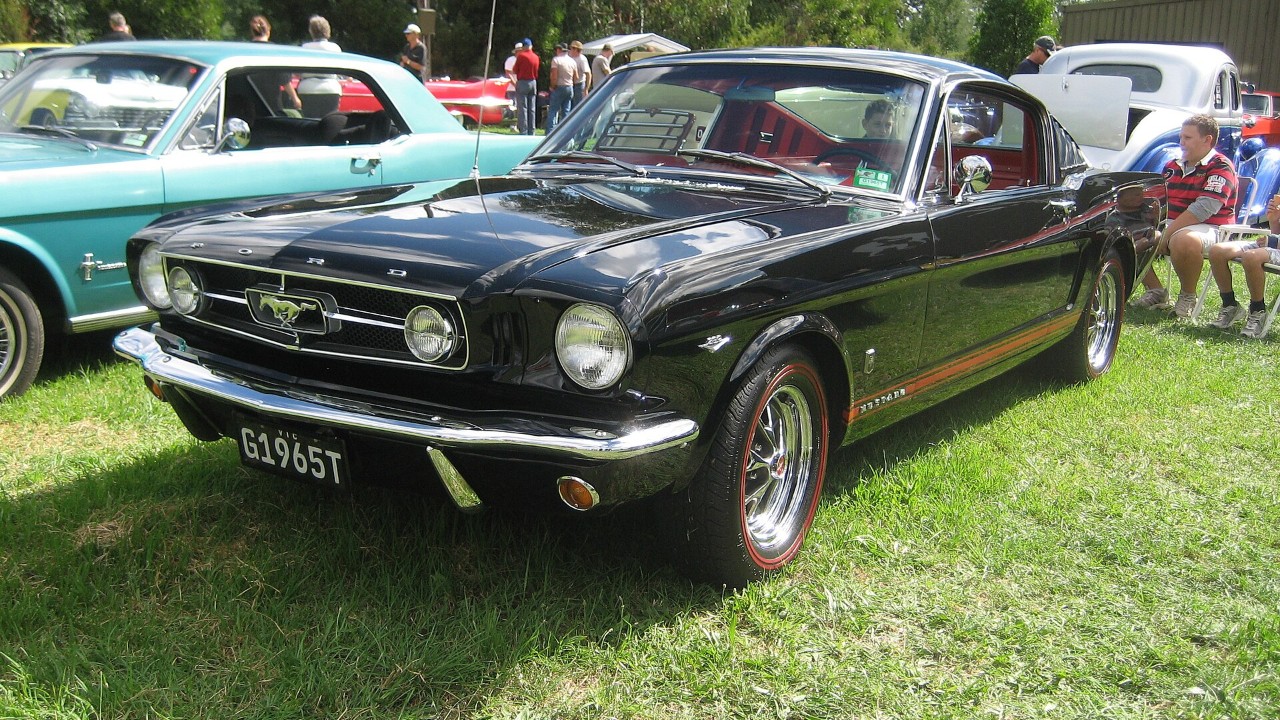
Ford launched the Mustang in April 1964 as a hardtop and convertible. In August 1964, the fastback joined the range as the 2+2. Its sweeping roofline ran all the way to the tail, which gave the car a sportier profile than the notchback.
Production records list 71,303 standard Mustang fastbacks for 1965, out of 559,451 Mustangs built that year. Buyers who wanted real speed could order the K-code 289 High Performance V8, rated at 271 horsepower at 6,000 rpm. For most owners, though, the six or a milder V8 was plenty for everyday fun.
Our take: the hardtop sold the volume, but the fastback is the Mustang that changed how a cheap car could look. It had the shape of a European grand tourer at a Ford price. That’s why, in our view, the 2+2 is the 1965 Mustang that best explains the whole decade’s love affair with driving. If you’re shopping, a documented K-code fastback commands the most attention, while a six-cylinder car gives you the same shape for far less money.
2. 1965 Chevrolet Impala SS 396
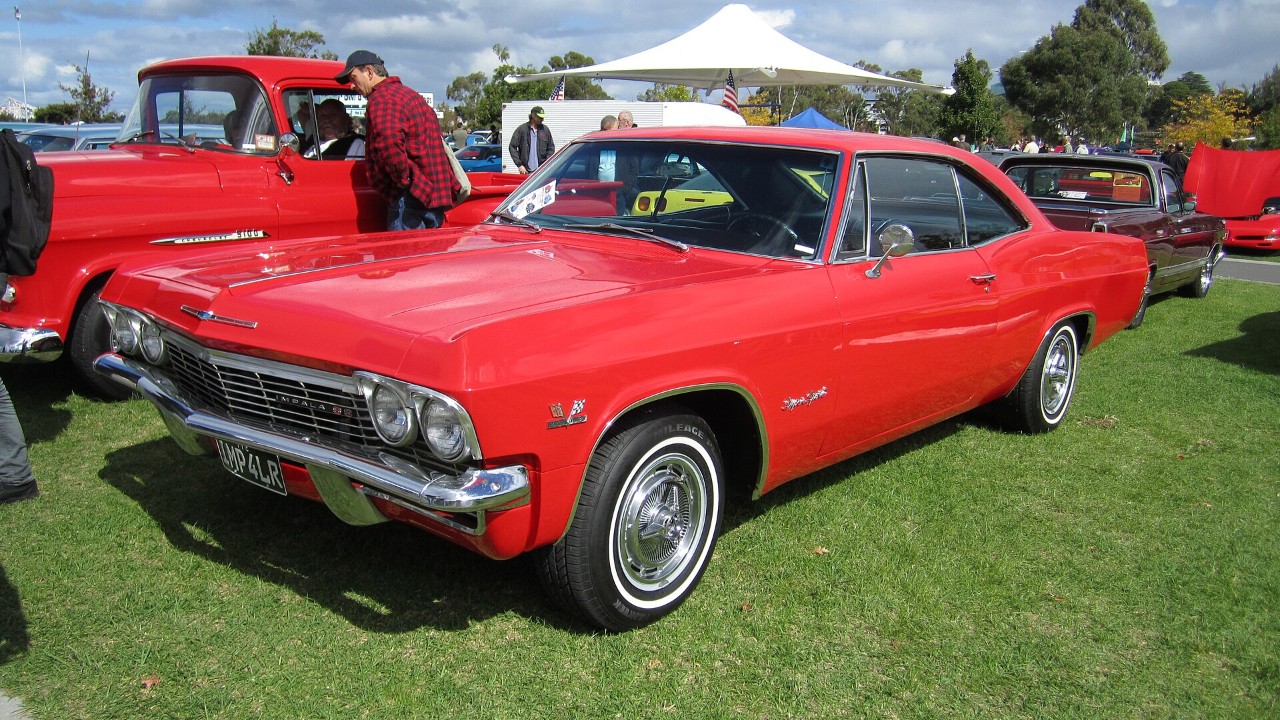
For 1965, the Impala came in seven body styles, from a two-door convertible to a three-seat wagon. According to Hagerty, Chevrolet built about 2.3 million cars that year, and more than one million were Impalas. Engines ran from a 230-cubic-inch six with 140 horsepower up to the new 396 V8.
The Super Sport traded the Impala fender script for “Super Sport” badging. Chevrolet built 243,114 Impala SS coupes and convertibles for 1965. Under the hood, the 396 came in a 325-horsepower version with hydraulic lifters, or as the solid-lifter L78 rated at 425 horsepower. The 396 was also the first GM engine to wear the Rochester Quadra-Jet four-barrel carburetor.
In our opinion, the SS 396 shows what made the decade special. A full-size family car could also be one of the fastest things on the boulevard. You got room for five, a smooth ride on the highway and real punch when the light turned green. For anyone hunting one today, a true SS with a 396 is the combination that matters, so check the paperwork before you pay a premium.
3. 1966 Chevrolet Corvette Sting Ray 427 convertible
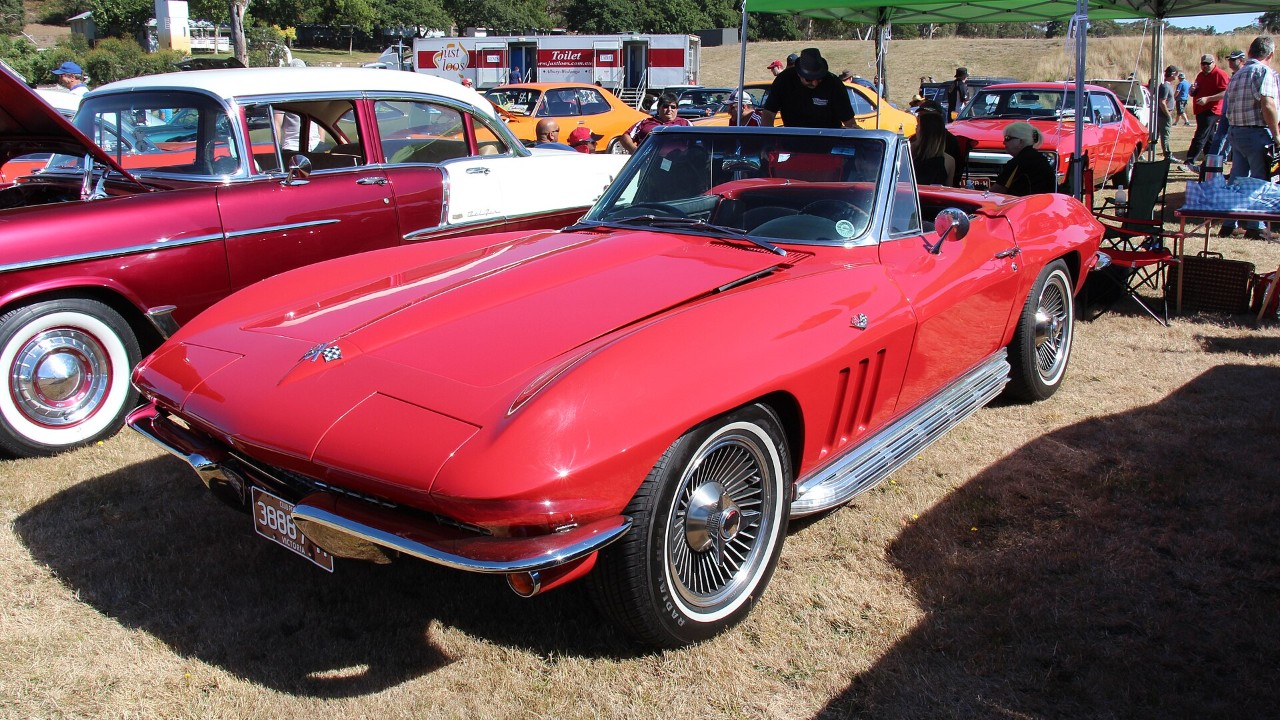
Chevrolet built 27,720 Corvettes for 1966. That year, the big-block came in two forms. The 427 offered 390 horsepower on 10.25:1 compression or 425 horsepower on 11:1. Those were gross ratings, and some estimates put the hotter 427 closer to 450 horsepower.
The chassis could handle it. Zora Arkus-Duntov’s independent rear suspension had arrived with the new 1963 car. Then, for 1965, Chevrolet added four-wheel disc brakes, and only 316 of the 23,562 Corvettes built that year took the drum-brake credit option. By 1966, then, the convertible paired big-block power with four-wheel discs and an independent rear end.
Our take: a Sting Ray convertible with the top down and a 427 under the hood is about as pure a 1960s driving experience as you can buy. It’s loud, fast and a little unruly, yet it stops and turns well. Like the Mustang fastback at the other end of the price scale, it made a weekend drive feel like an occasion. If you’re buying, budget for proof of the original engine, because a numbers-matching 427 car is worth far more than a later swap.
4. 1964 Ford Thunderbird Landau
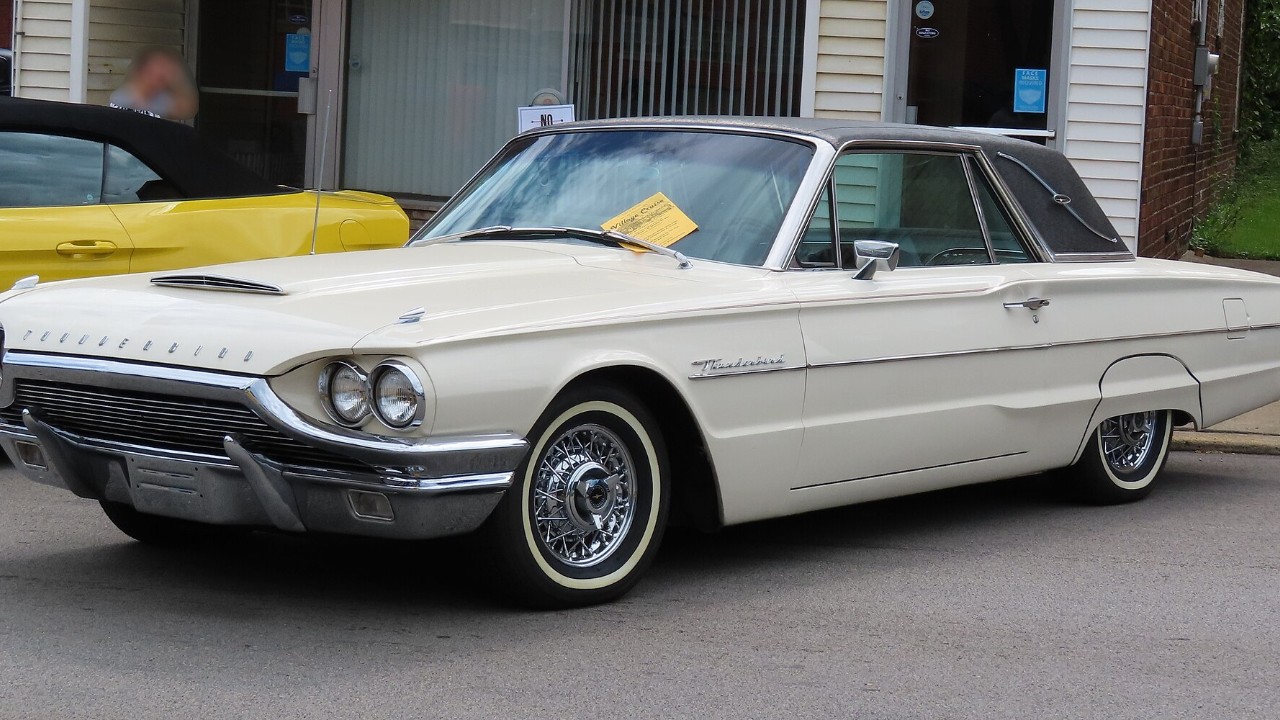
Ford redesigned the Thunderbird for 1964 and offered it as a hardtop, a convertible and a new Landau. The Landau added a vinyl roof, simulated landau irons on the rear roof pillars and wood-grain trim inside. Power came from a standard 390-cubic-inch V8 rated at 300 horsepower.
Buyers loved it. Ford sold 92,465 Thunderbirds for 1964. The Tilt-Away steering column also carried over from earlier models. We’ve looked at how the 1964 Thunderbird signaled a new direction for personal cars in an earlier feature.
Here, the Landau earns its spot because it turned driving into a comfortable ritual. It wasn’t a sports car, and it didn’t pretend to be. Instead, it gave buyers a quiet, plush and good-looking coupe for long drives on the new highways. In our view, the vinyl-roofed Landau is the version that best captures what the 1964 car was about. If you want one, a car with a sound vinyl top and complete wood-grain trim saves you a lot of hunting for parts. After all, those Landau details are what set it apart from the regular hardtop.
5. 1964 Pontiac Catalina 2+2
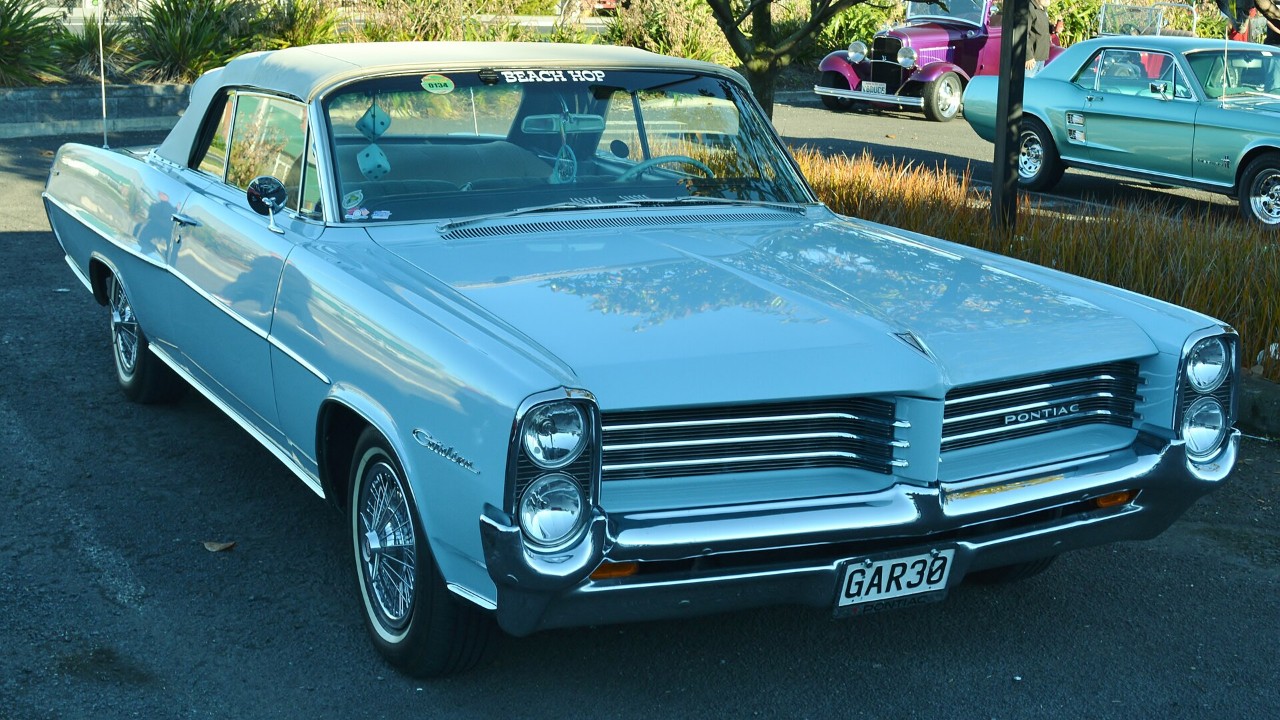
Pontiac introduced the 2+2 for 1964 as a $291 option on the Catalina, whose base price was $2,869. The package added bucket seats, heavy-duty suspension and other performance hardware. It could also carry the same 389 and 421 V8s as other Catalinas.
Those 421 options were serious. Carried over from 1963, they ranged from 338 horsepower with a four-barrel to 370 horsepower in High Output Tri-Power form. Meanwhile, Pontiac had been selling its “Wide-Track” stance since 1959, and the Catalina was often the third best-selling full-size car in America behind the Impala and Galaxie 500.
Our take: the 2+2 is a big car that drove smaller than it looked, and that’s what made it fun. A Wide-Track Pontiac with a Tri-Power 421 felt like a GTO with a back seat for adults. Buyer advice: verify that a claimed 2+2 is genuine, because the package was an option rather than a separate series, so the paperwork matters. Then, for 1965, the 421 became the 2+2’s standard engine.
6. 1967 Chevrolet Camaro SS 350
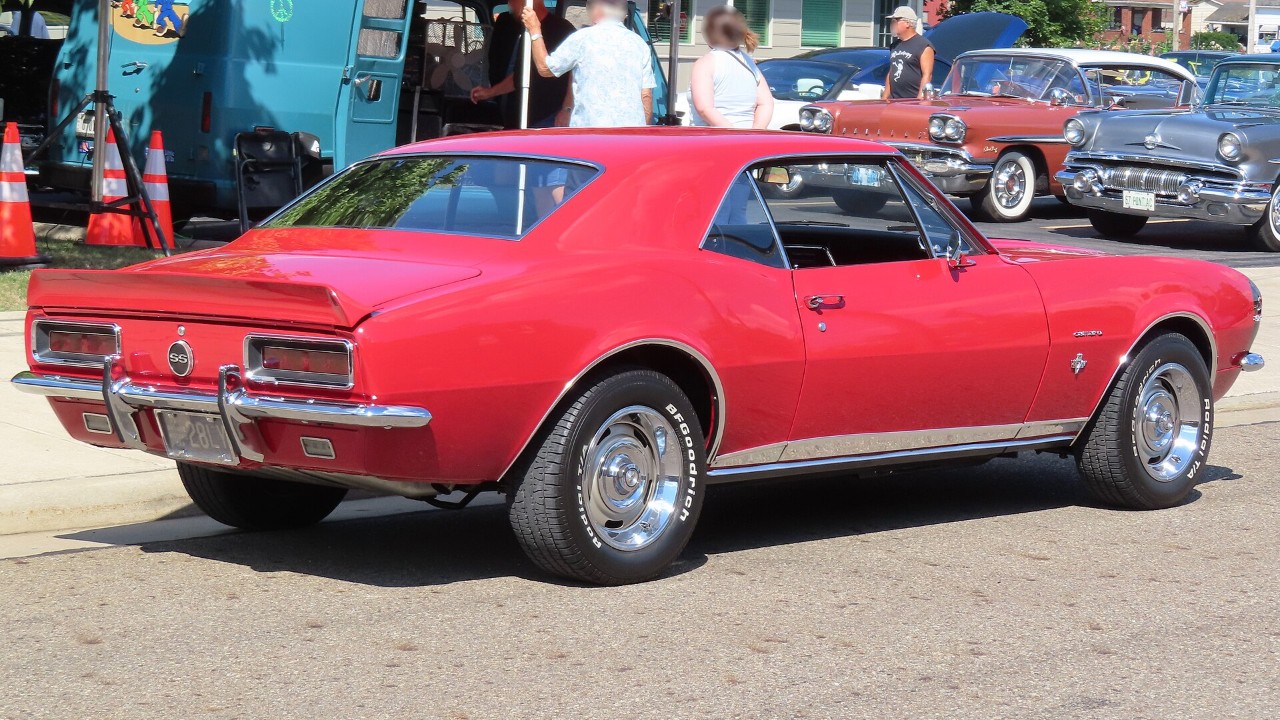
Chevrolet began building the Camaro on September 29, 1966, for the 1967 model year. General Motors created it to compete with the Mustang. Chevrolet general manager Pete Estes said the name “suggests the comradeship of good friends as a personal car should be to its owner,” as RM Sotheby’s catalog notes recall.
The SS package paired a 350 or 396 V8 with chassis upgrades. It also added non-functional hood inlets, special striping and SS badges. The 350 version made 295 horsepower and 380 lb-ft of torque. A Camaro RS/SS convertible with the 396 paced the 1967 Indianapolis 500, and Chevrolet sold 100 replicas to the public.
In our view, the SS 350 is the sweet spot of the first-year Camaro. It had enough power to be quick without the extra weight of the big-block over the front wheels. It also arrived just as the pony car niche got crowded, so buyers had real choices. Like the Mustang fastback it chased, it gave young buyers a sporty shape at a sensible price. If you want one, look for SS-specific details and paperwork, since tribute cars wear the same stripes.
7. 1966 Dodge Charger 383
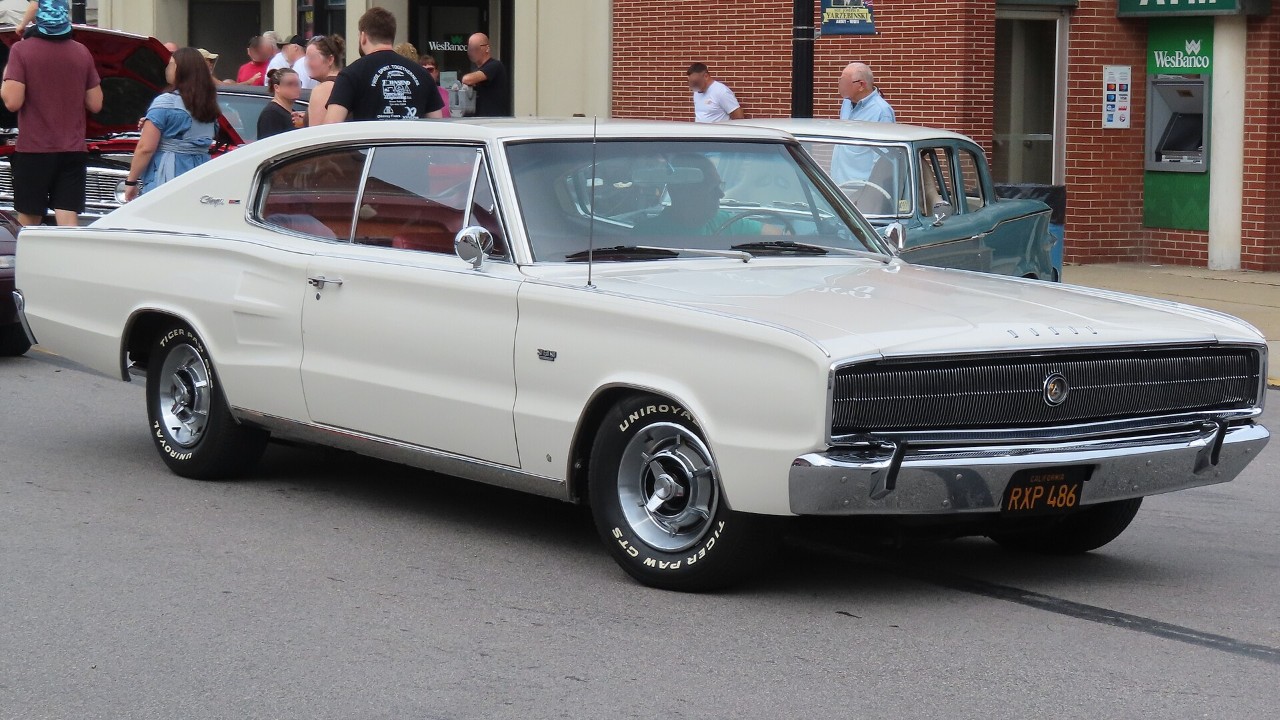
Dodge first showed the Charger on January 1, 1966, during the Rose Bowl broadcast. It was a fastback with a full-width “electric shaver” grille and headlights that rotated out of sight. Inside, four bucket seats sat above a console that ran the full length of the cabin.
The rear seats folded forward, and the trunk divider dropped back to make a long cargo floor. The 1966 engine list ran from a 318 two-barrel to the 361 and the 383 four-barrel, with the 426 Street Hemi on top. Dodge built 37,344 Chargers that first, shortened model year, and just 468 got the Hemi. We’ve written about how the 1966 Charger previewed muscle dominance before.
Our take: the 383 is the Charger most buyers drove, and it’s the one we’d pick for real road trips. It had plenty of torque for passing, and the four-seat cabin made it a different kind of personal car. Buyer advice: the hidden-headlight mechanism and full-length console trim are model-specific, so a complete, working car is worth paying extra for.
8. 1967 Plymouth Barracuda Formula S
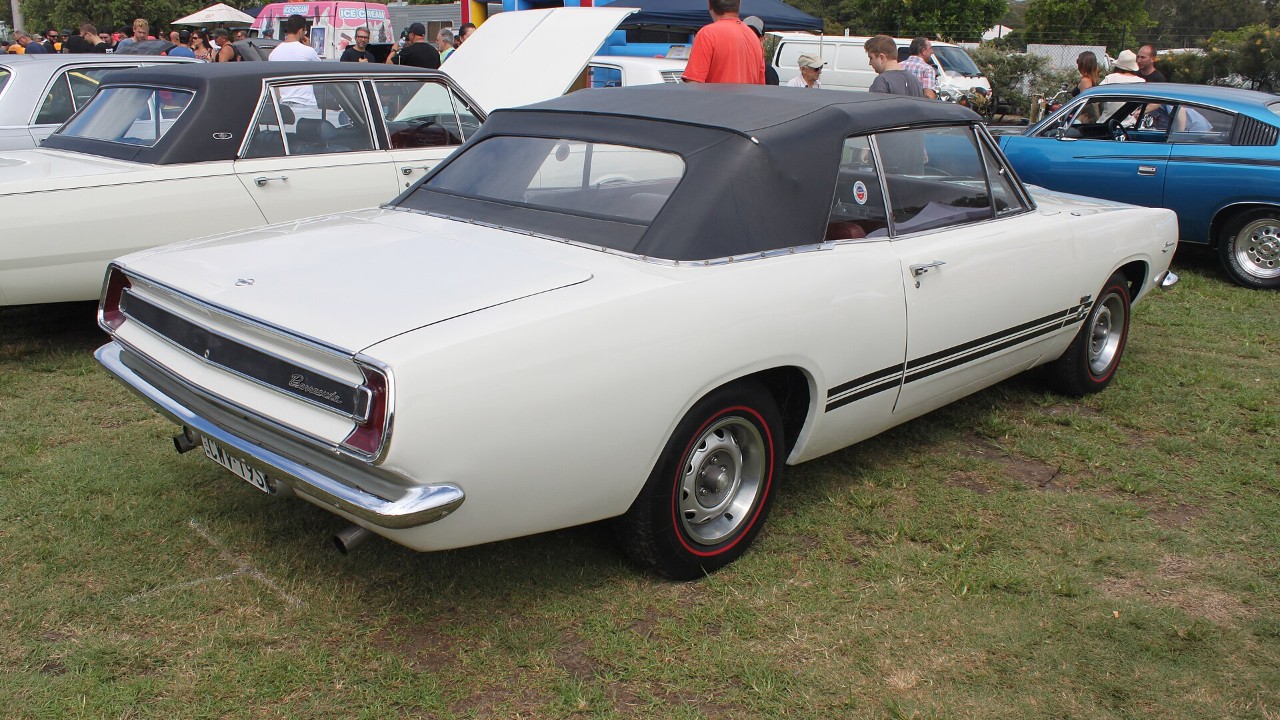
The second-generation Barracuda arrived for 1967 in three body styles: a fastback, a notchback coupe and a convertible. Plymouth tied its biggest engine to the Formula S package. The 383 V8, rated at 280 horsepower, came only with the Formula S, and few buyers ordered it.
Most Barracudas carried smaller engines, such as the 273 V8 rated at 180 horsepower. In our view, that made the small-engine car the better-balanced choice for twisty roads. By comparison, the 383 Formula S was a muscle car in a compact pony car body. As a result, Plymouth offered something for every kind of driver. We’ve covered the Barracuda 383 Formula S and its values in more detail elsewhere.
In our view, the 1967 Barracuda deserves more credit than it gets. Its clean new body was one of the best-looking shapes of the decade, and Plymouth gave buyers three ways to enjoy it. If you’re shopping for a Formula S, insist on documentation, because a badge alone proves nothing and the 383 was a seldom-ordered option.
9. 1966 Ford Bronco roadster
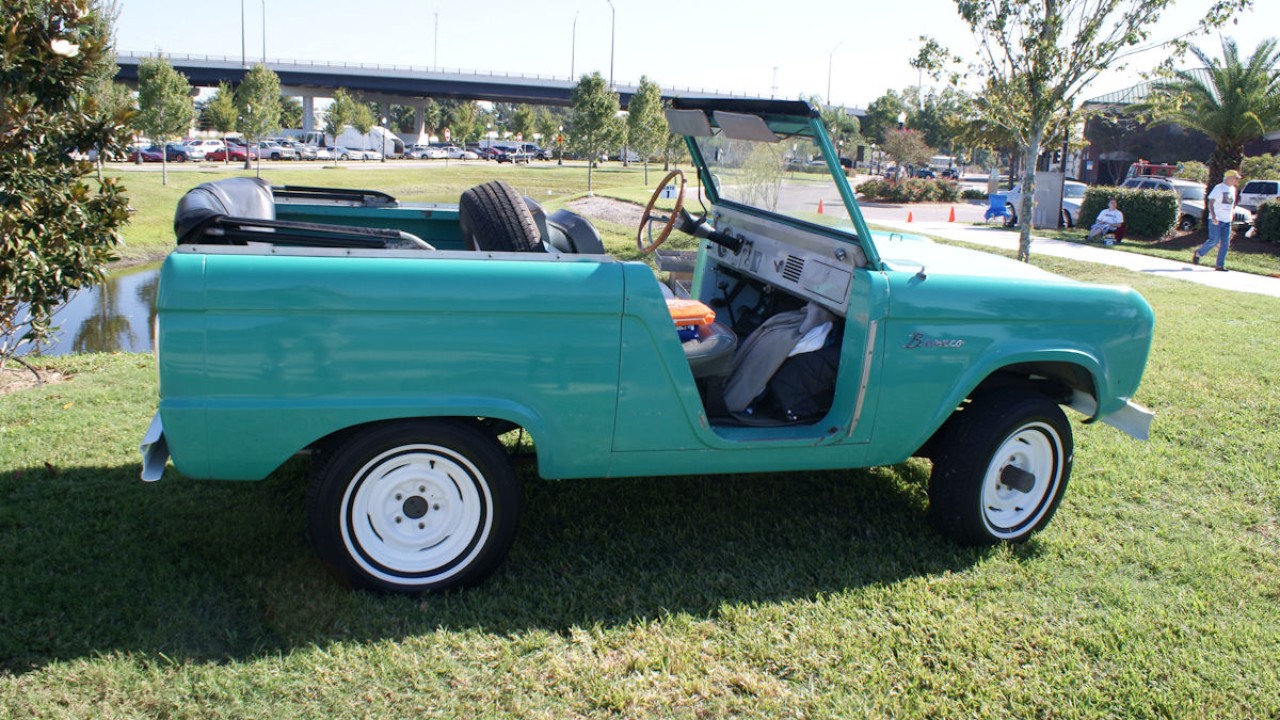
Ford launched the Bronco in August 1965 at a base price of $2,194. For 1966, it came as a two-door wagon, a half-cab pickup and an open roadster. Ford product manager Donald Frey, who also conceived the Mustang, came up with the idea, and Paul Axelrad engineered it.
At first, the only engine was a 170-cubic-inch inline six rated at 105 horsepower. In March 1966, a 289 V8 with 200 horsepower joined the options. The roadster had no doors or roof, and fiberglass covers filled the door openings. According to Silodrome, many roadsters later became wagons because the steel body was the same underneath.
Our take: the roadster is the purest kind of 1960s fun. It had no doors, no roof and a dual-range transfer case for trails. It also predicted the open-air off-roaders that fill showrooms now. For a weekend on back roads, few 1960s vehicles could match its sense of freedom. Buyers didn’t agree at the time, though. Ford dropped the roadster after 1968, and Silodrome reports just 212 were built in that final year, with only 26 known to survive.
More from Fast Lane Only