Most performance cars talk a big game, but only a few were genuinely bred for the track before they ever hit the showroom floor. These weren’t just fast—they were homologation specials, stripped-down road weapons, or full-blown race cars wearing just enough sheet metal and emissions gear to pass inspection.
They were loud, raw, and unforgiving—exactly what you’d expect from machines built to turn laps, not run errands. If you’ve ever wondered what it felt like to drive something with real racing pedigree, these 10 street-legal cars delivered the closest thing to the real deal.
2004 Porsche Carrera GT
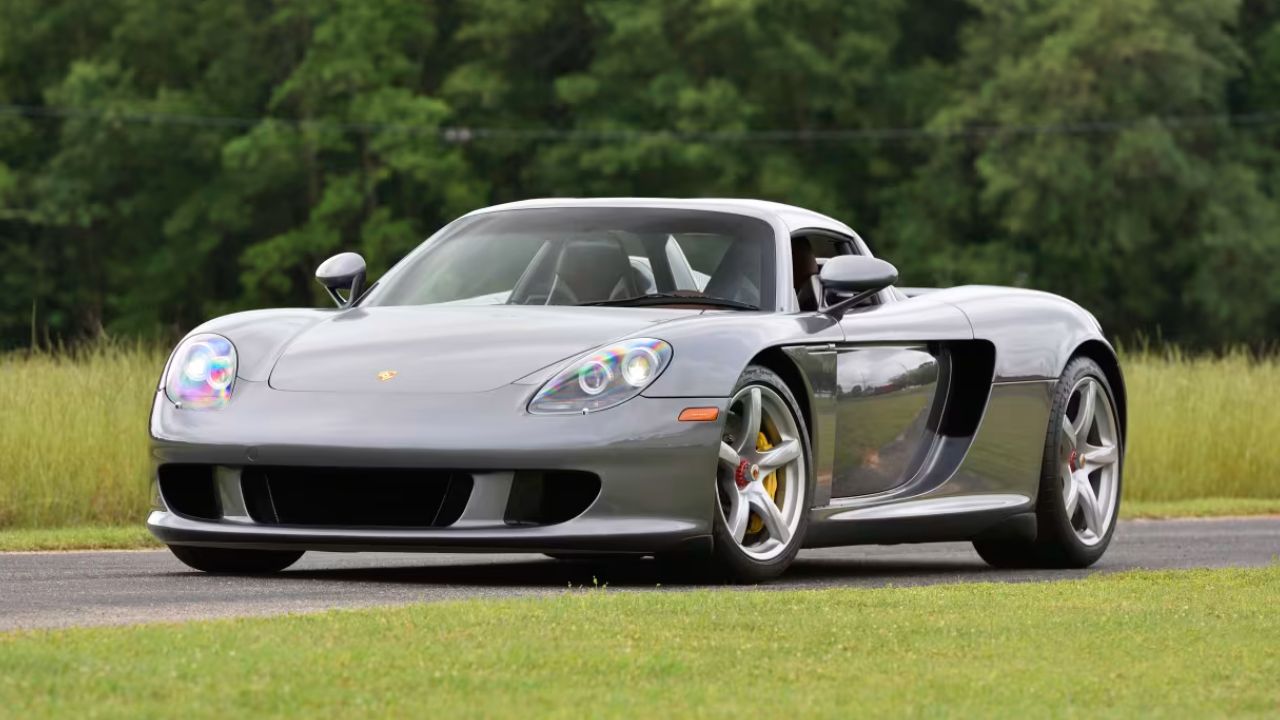
The Carrera GT was born from an abandoned Le Mans prototype project, and it shows. Under the carbon-fiber monocoque sat a 5.7L V10 pushing 605 hp at 8,000 rpm. The six-speed manual gearbox and carbon-ceramic brakes gave drivers complete control—if they were skilled enough to handle it.
Its pushrod suspension was lifted straight from racing, with double wishbones and inboard springs. The cockpit was minimal but precise, with a beechwood shift knob nodding to Porsche’s racing past. This car didn’t tolerate mistakes, and that raw, analog nature is exactly what makes it unforgettable.
1969 Chevrolet Camaro ZL1
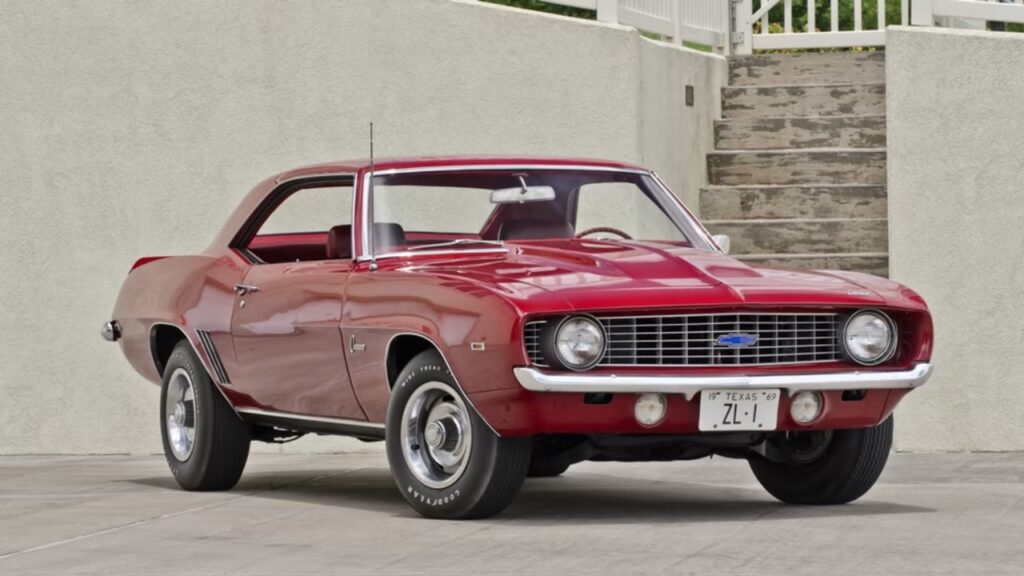
Only 69 ZL1 Camaros were ever sold, and every one of them was basically a drag car with a VIN. At its heart was an all-aluminum 427 big-block V8, officially rated at 430 hp—but real output was north of 500. It was developed for NHRA Super Stock competition, not for grocery runs.
The ZL1 came with heavy-duty suspension, upgraded cooling, and reinforced components throughout. Inside, it was barebones—basic gauges, no A/C, and no sound deadening. You didn’t buy this Camaro for comfort. You bought it to win races and run 11s with the right tires.
1992 Honda NSX-R

The NSX-R wasn’t just a stripped-down NSX—it was a focused track weapon built for Japan. Honda pulled 265 hp from the high-revving 3.0L V6, but the real changes were in the weight and handling. It dropped nearly 265 pounds thanks to thinner glass, no sound insulation, and carbon-backed Recaros.
Honda also stiffened the suspension, recalibrated the steering, and installed a shorter final drive. The result was a scalpel-sharp chassis that could shame much faster cars on a tight road course. It never came to the U.S., but its legend grew because of what it could do with so little.
2016 Dodge Viper ACR
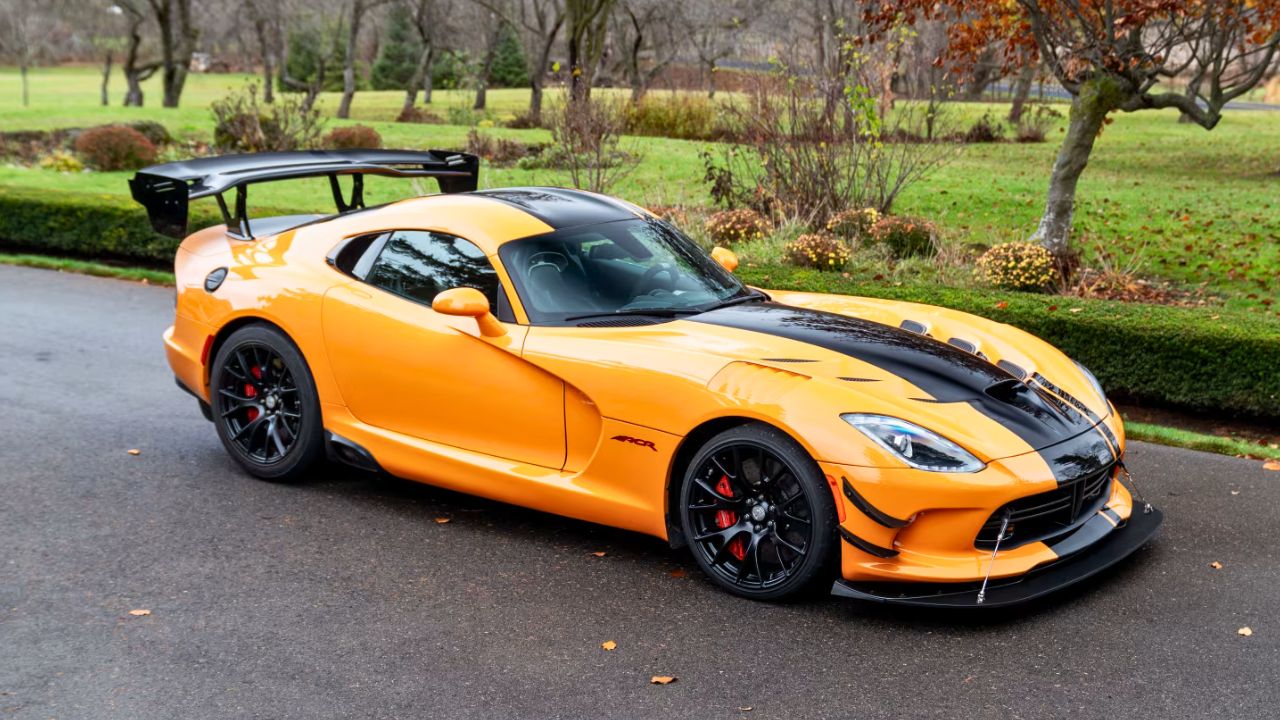
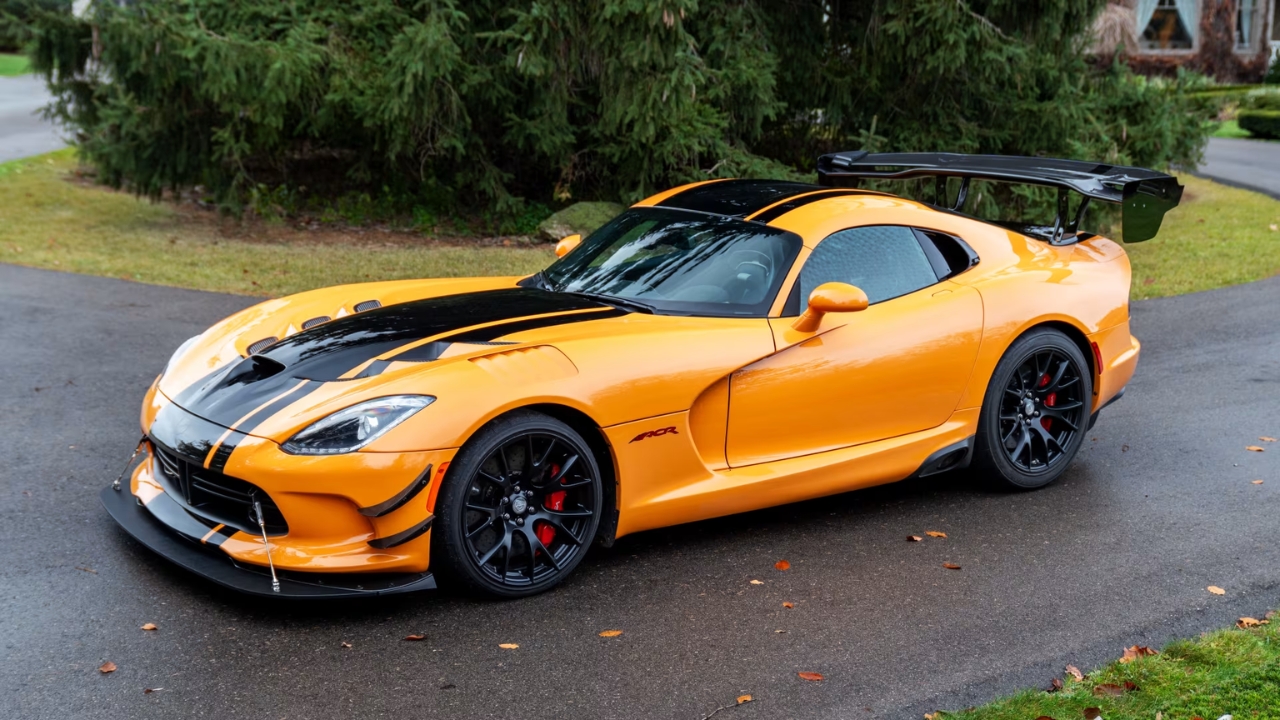
The final-gen Viper ACR wasn’t just a swan song—it was a full-blown track monster with a license plate. Its 8.4L V10 produced 645 hp, but the real magic was in the aero and chassis. With its Extreme Aero package, it produced nearly a ton of downforce at top speed.
Suspension came from KW, with fully adjustable coilovers and race-tuned settings. The interior was stripped down but still livable—Alcantara, basic infotainment, and a harness bar if you wanted it. On the track, it was unforgiving but brutally effective. This car set lap records all over the world before Dodge finally pulled the plug.
1987 Ford Sierra RS500 Cosworth
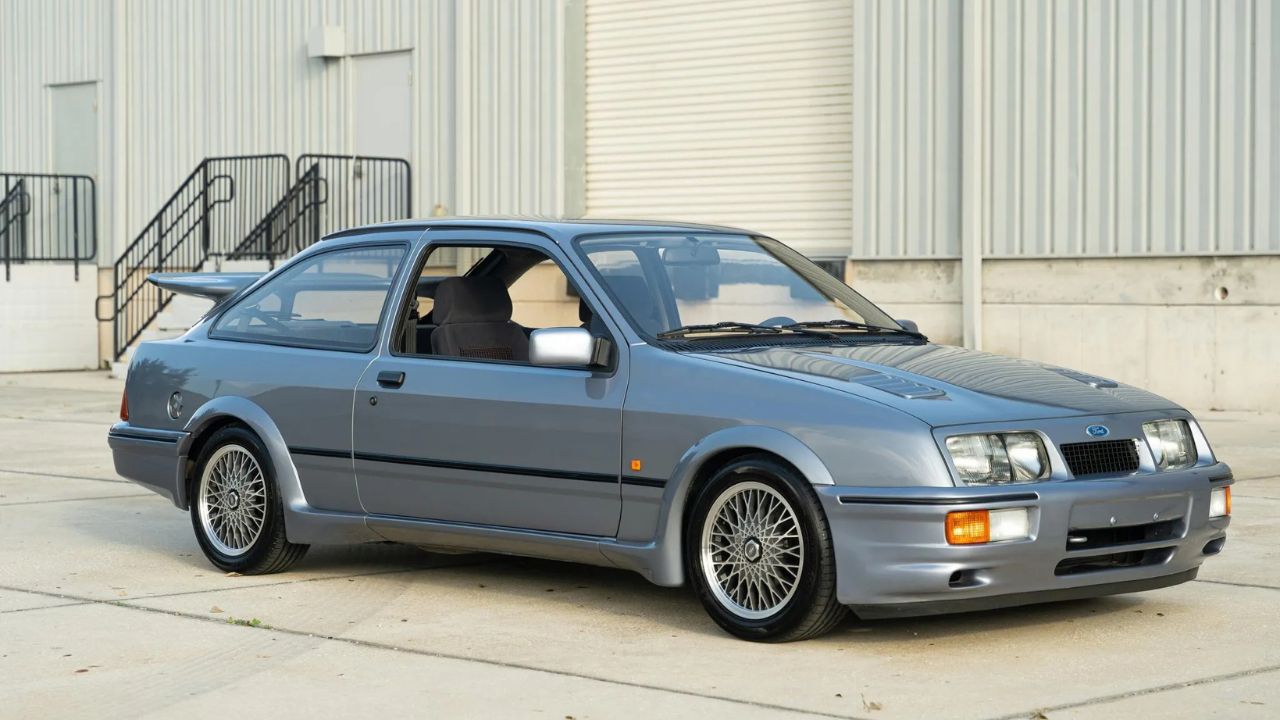
The RS500 was built for Group A touring car domination, and its street version was basically a homologation formality. It featured a turbocharged 2.0L four-cylinder good for 224 hp in street trim, but race teams easily pushed that beyond 500 hp.
Ford stiffened the suspension, upgraded the brakes, and added a second rear spoiler to help with high-speed stability. Inside, it was basic—manual everything, bolstered seats, and a focus on function. While it looked like a family car with a body kit, the RS500 could absolutely rip in the right hands.
2006 Maserati MC12
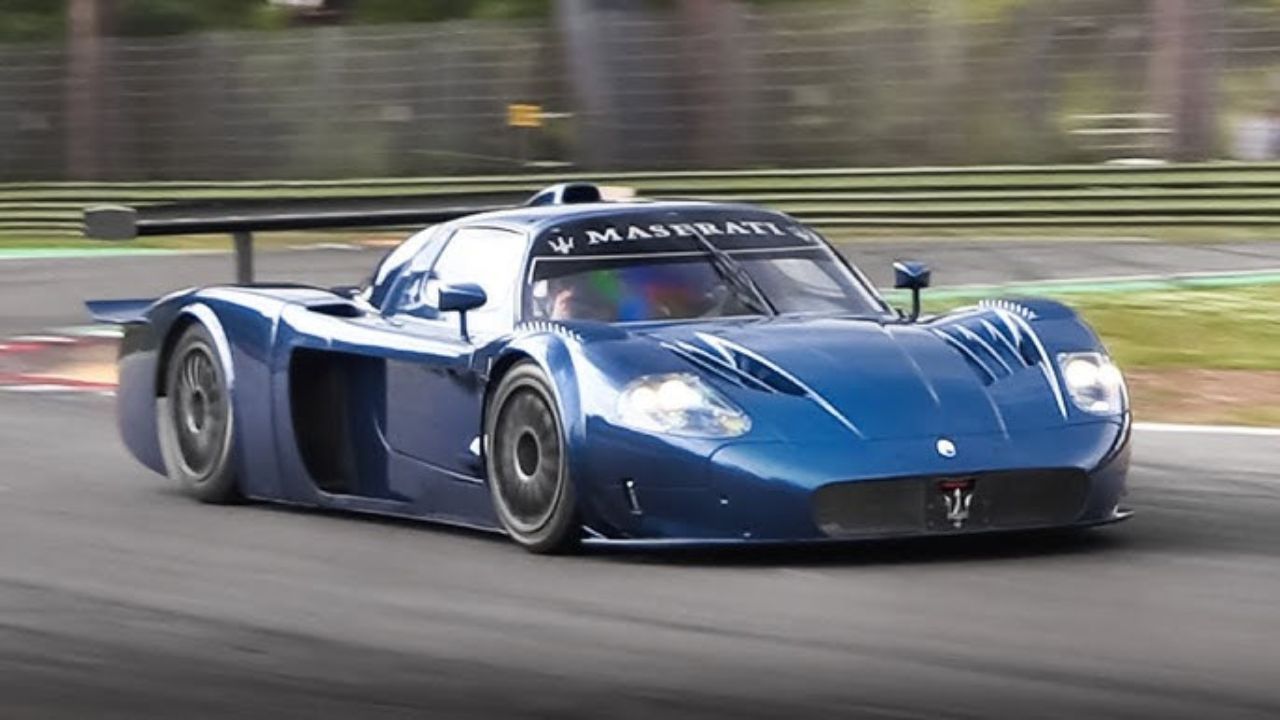
Built to qualify for FIA GT1 competition, the MC12 was more race car than grand tourer. It shared its chassis and V12 with the Ferrari Enzo but had longer bodywork and more focus on downforce. The 6.0L V12 made 621 hp and screamed past 8,000 rpm.
The car used double-wishbone suspension with pushrod-actuated dampers and had no rear window. Inside, it was race-ready with just enough comfort to be legal—carbon fiber everywhere, basic controls, and no pretense of luxury. Only 50 road cars were made, and every one of them carried serious racing DNA.
1970 Plymouth AAR ‘Cuda
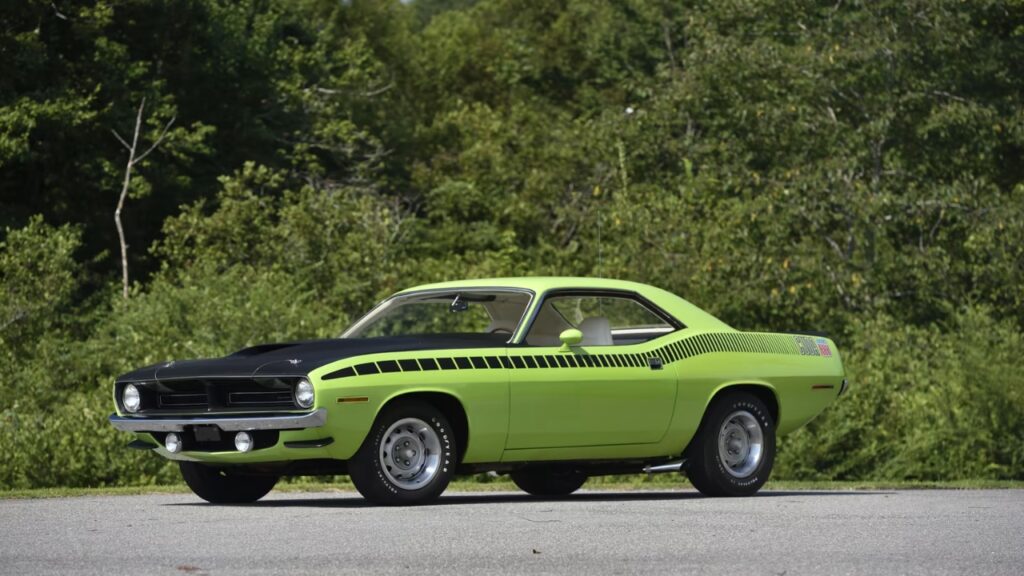
The AAR ‘Cuda was built so Plymouth could enter the SCCA Trans-Am series, and the street version was a dead ringer for the race car. It came with a 290-hp 340 cubic-inch V8 topped with a Six-Pack carb setup. A fiberglass hood and side-exit exhaust made it look—and sound—the part.
The suspension was specific to the AAR, with a unique front sway bar, revised geometry, and staggered tire sizing. Inside, it was all business—bucket seats, rally gauges, and a pistol-grip shifter. This was Mopar’s street-legal ticket to the track, and it wore its intentions proudly.
2011 Lotus Exige S260 Final Edition
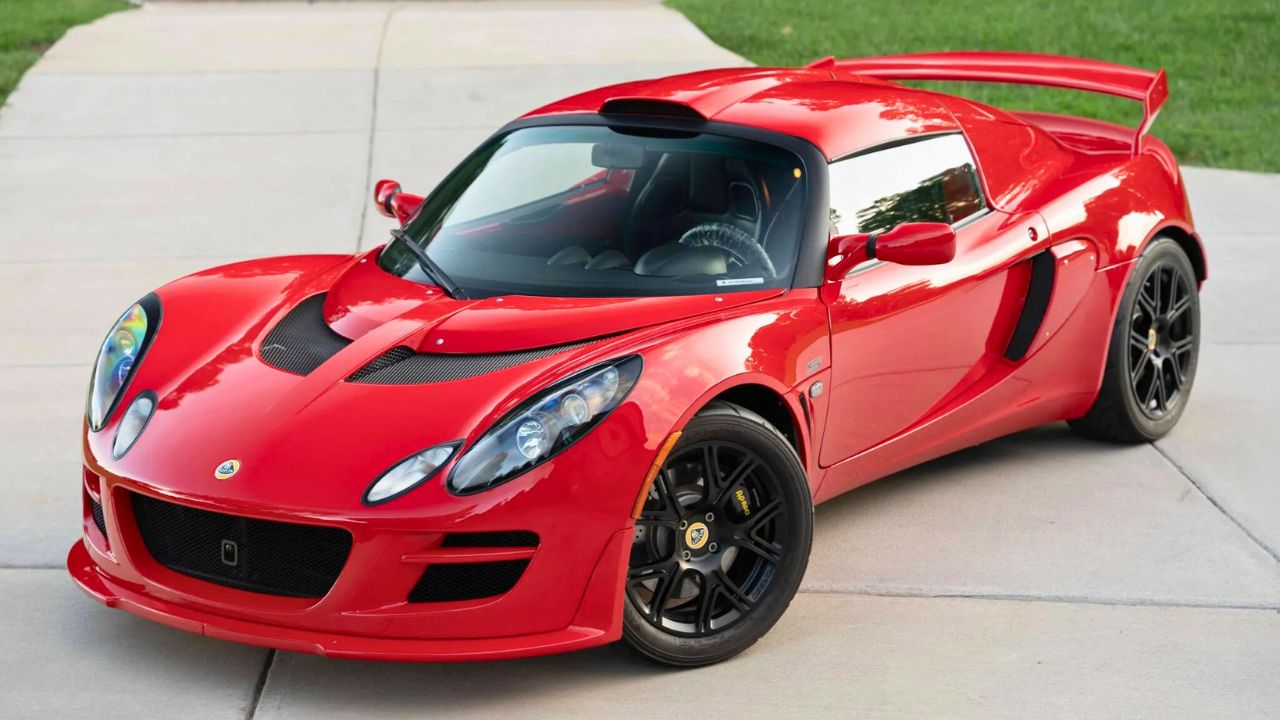
Lotus didn’t hide what the Exige was—it was a race car in street clothes. The S260 Final Edition was the last hurrah before Lotus pulled out of the U.S., packing a supercharged 1.8L engine with 257 hp into a car that weighed under 2,000 pounds.
It had adjustable dampers, AP Racing brakes, and sticky Yokohama A048 tires from the factory. Inside, you got a bare aluminum floor, fixed-back seats, and almost no sound insulation. The Exige was never built for comfort—it was built to clip apexes and punish anyone who didn’t respect it.
1984 Audi Sport Quattro

The Sport Quattro was Audi’s bid for Group B rally success, and the street version was about as close as most people would get to driving a WRC car. It had a turbocharged 2.1L inline-five with 302 hp, permanent quattro all-wheel drive, and a shortened wheelbase for quicker rotation.
The body panels were made from Kevlar and fiberglass to save weight, and the suspension used MacPherson struts up front and double wishbones in back. Only 214 road cars were built, just enough to get Audi on the stages. It wasn’t refined—but it was brutally fast and shockingly capable.
2003 Ferrari Enzo
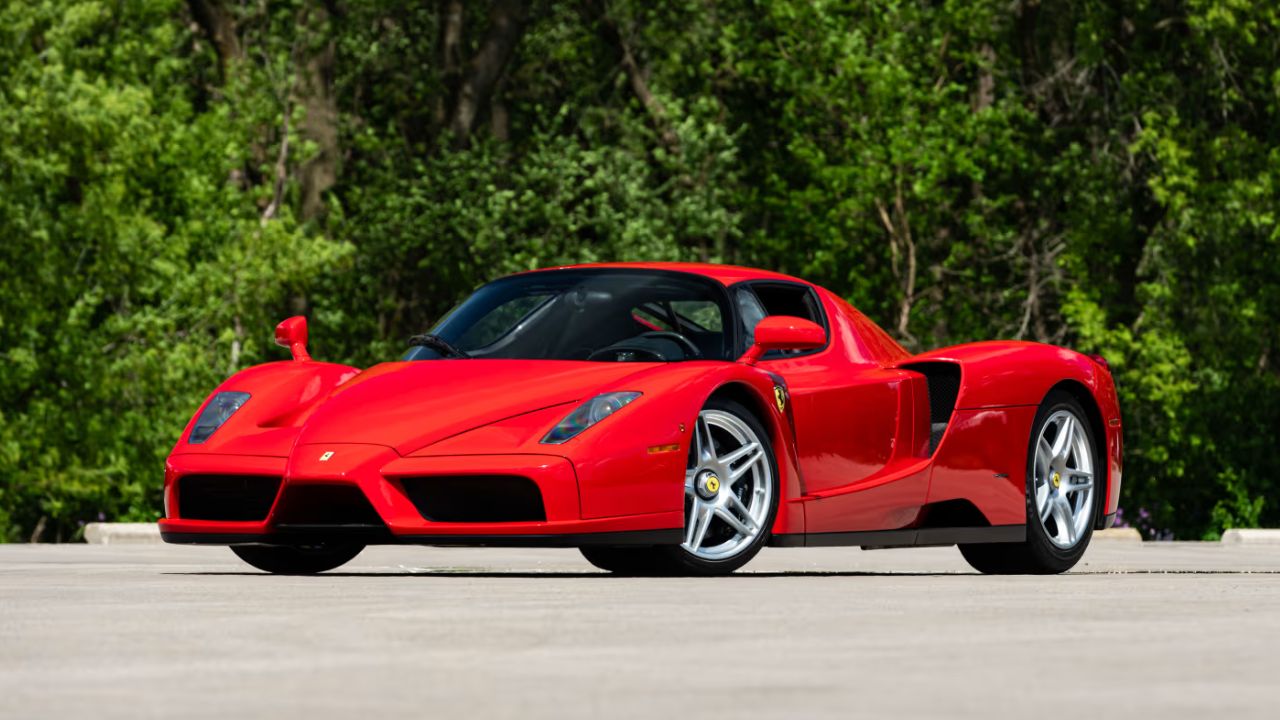
Named after the company’s founder, the Enzo was as close as Ferrari had come to putting an F1 car on the street at the time. It had a 6.0L V12 making 651 hp, carbon ceramic brakes, and a 6-speed automated manual that shifted faster than anything Ferrari had offered before.
The suspension was an F1-inspired pushrod setup, and the aerodynamics changed shape based on speed. Inside, it was stripped but technical—carbon fiber everywhere and paddles mounted directly to the steering column. The Enzo wasn’t built for comfort. It was built for lap times—and it delivered.
*This article was hand crafted with AI-powered tools and has been car-fully, I mean carefully, reviewed by our editors.