Not every sports car that could rip down a back road made it onto magazine covers or into poster collections. Some were too early, too odd, or just too overshadowed to get their due. But under the radar, there were machines that could flat-out move—cars that handled sharp, launched hard, and left a mark on anyone lucky enough to drive one.
This list isn’t about status symbols—it’s about speed you might’ve forgotten. These ten sports cars didn’t just look the part—they drove like rockets and earned respect the hard way.
1991 GMC Syclone
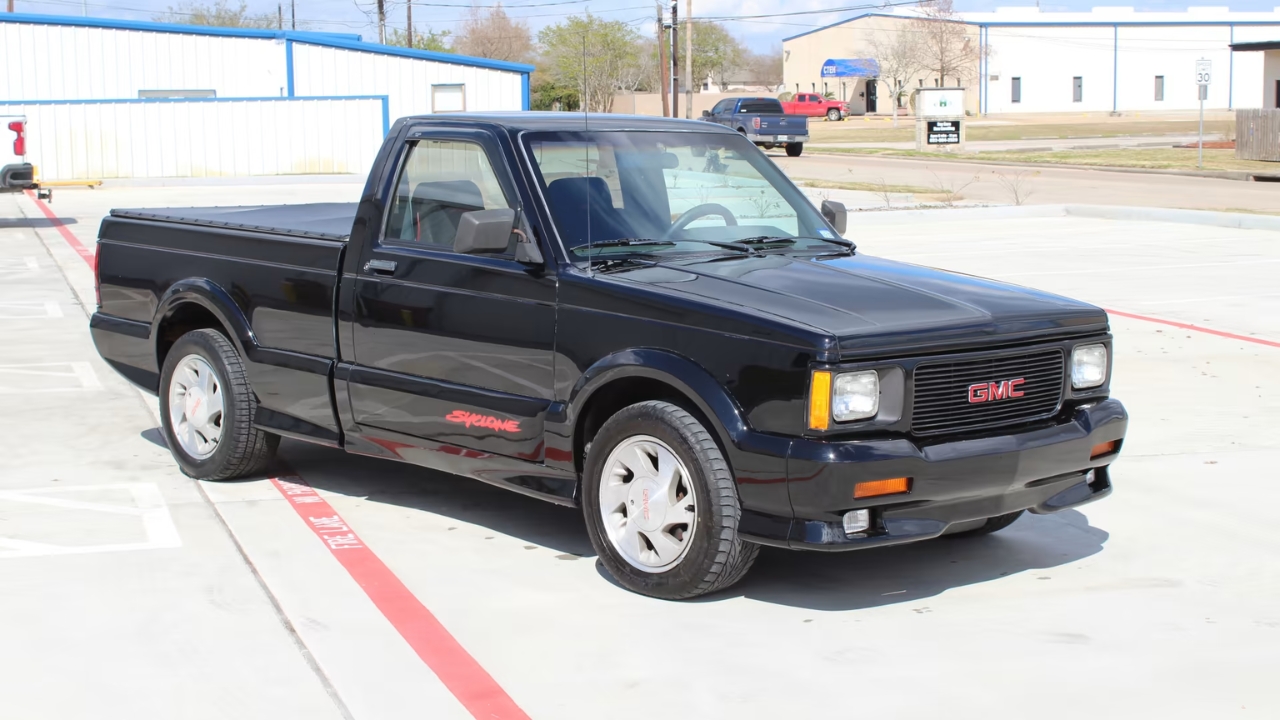
It looked like a compact pickup, but the GMC Syclone could embarrass Ferraris off the line. Under the hood sat a turbocharged 4.3L V6 making 280 hp and 350 lb-ft of torque. Mated to a 4-speed automatic and an all-wheel-drive setup, the Syclone hit 60 mph in just 4.3 seconds.
Despite the truck bed, it rode on a sport-tuned suspension with a lowered stance and performance shocks. Inside, it had bucket seats and a floor shifter, more car than truck. GM built just under 3,000 of them in ’91, which helps explain why many forgot it even existed.
1994 Toyota Celica GT-Four ST205

The ST205 GT-Four was Toyota’s rally-bred monster. It featured a turbocharged 2.0L 3S-GTE engine with 252 hp and full-time all-wheel drive. This wasn’t a poseur—it was built to meet WRC homologation standards and packed real motorsport hardware.
It came with a wide track, strut-based suspension with TTE tweaks, and a viscous center diff. The interior was pure ’90s Toyota: functional, firm, and built to last. It never officially came to the U.S., which means it lived in the shadow of other imports—until now, when enthusiasts are finally starting to wake up to it.
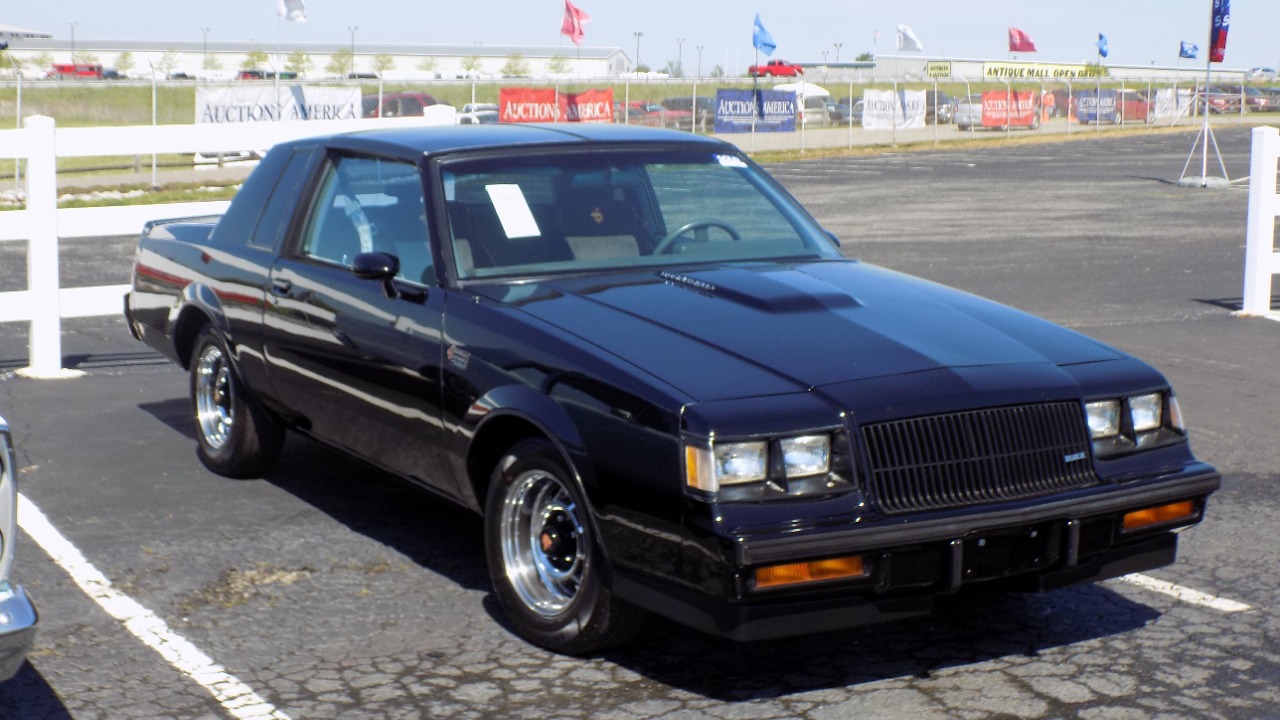
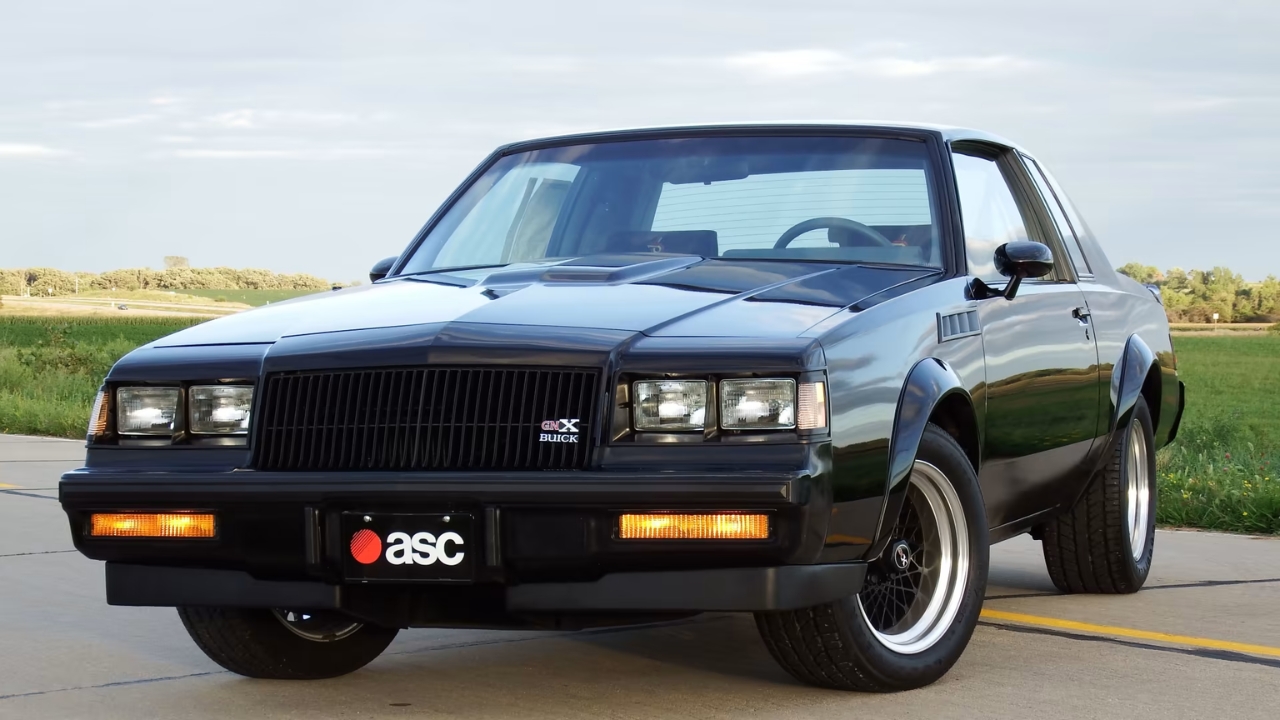
1987 Buick GNX
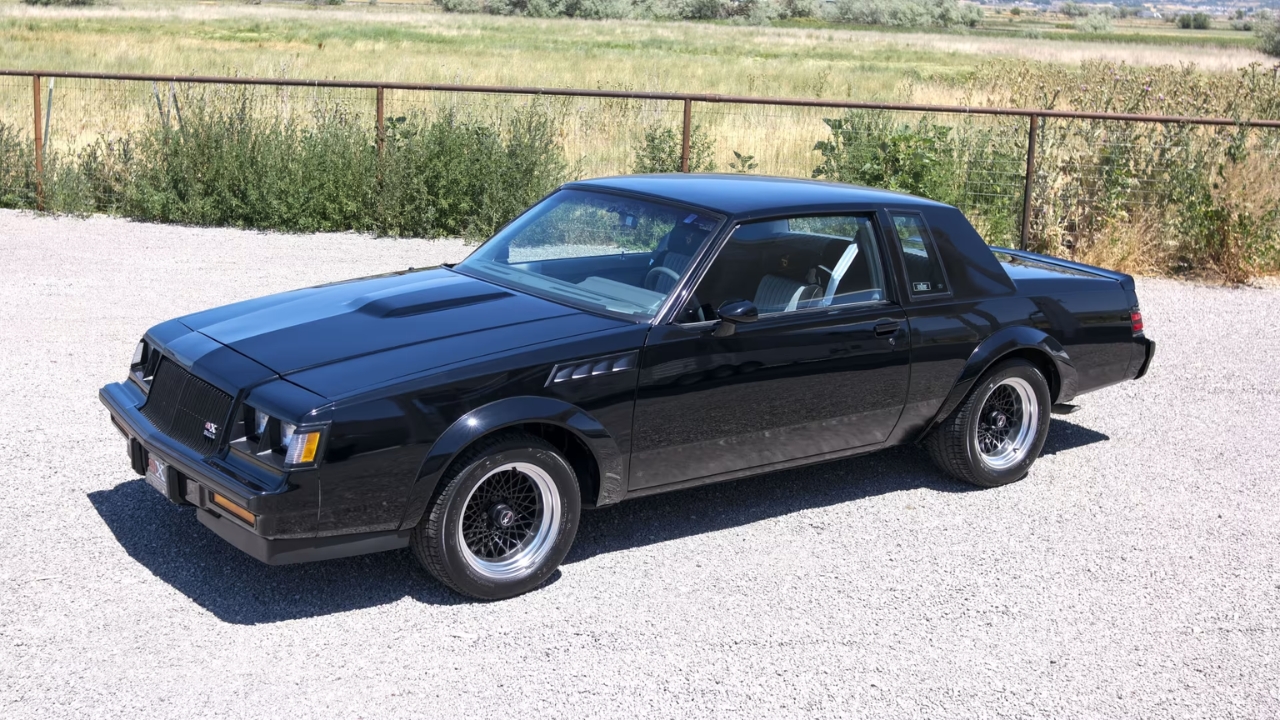
By 1987, muscle cars had gotten soft—but not the GNX. Buick teamed up with McLaren Performance Technologies to tune the Grand National into a 276-hp sleeper that ran 0–60 in under five seconds. The 3.8L turbo V6 was underrated on paper and mean in real life.
The GNX also came with a performance rear suspension featuring a torque arm and panhard bar for better launches. Inside, it was all business—analog gauges, blacked-out trim, and a numbered dash badge. Buick only made 547 of them, and while some remember the Grand National, the GNX takes forgotten speed to another level.
2004 Chrysler Crossfire SRT-6

The Crossfire never got much love—maybe because of its looks—but the SRT-6 was a serious performer. It borrowed its 330-hp supercharged V6 and 5-speed auto from the Mercedes-Benz SLK32 AMG. The result? A 0–60 time of around 4.8 seconds and a top speed near 160 mph.
It had stiffer suspension, bigger brakes, and sticky Z-rated tires. The cabin leaned on Benz parts with leather-trimmed sport seats and a simple but well-built layout. Chrysler never marketed it as a proper sports car, but the SRT-6 was quick enough to make people take notice—if only briefly.
1970 AMC AMX 401
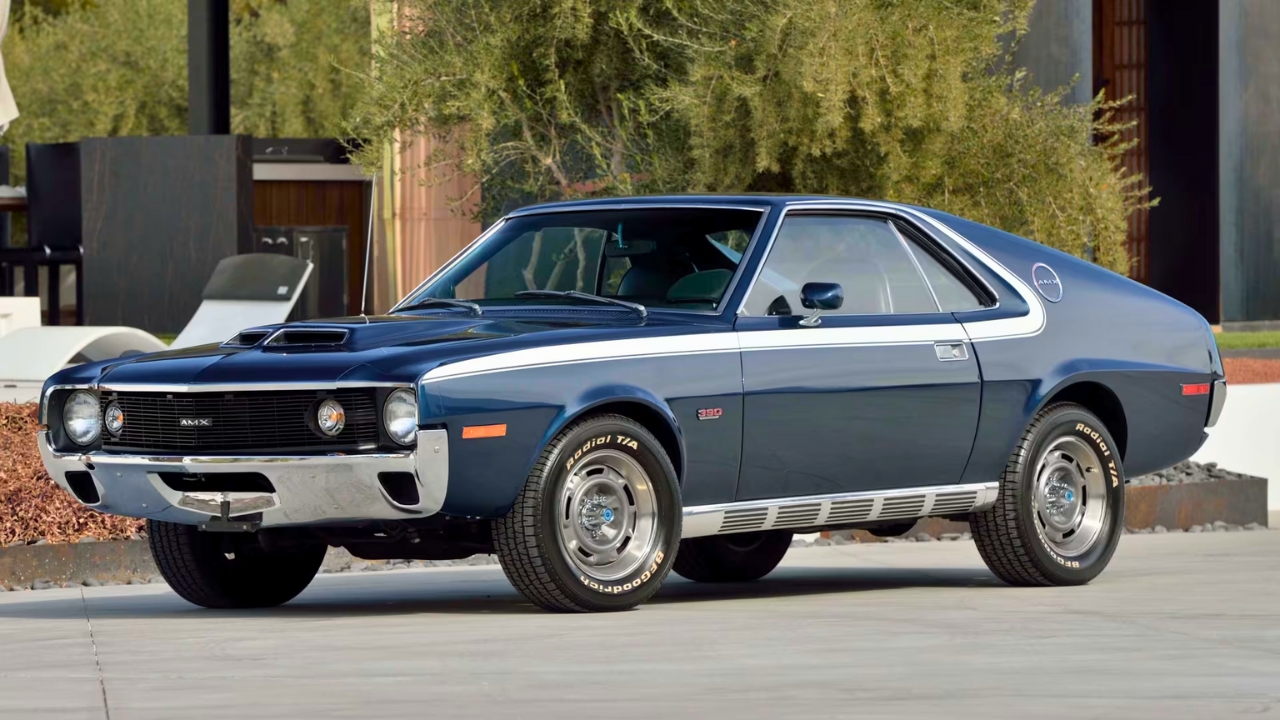
AMC’s AMX was always the oddball in muscle circles, and by ’71 it had morphed into a bigger, more aggressive beast. The 401-cubic-inch V8 made 330 hp and enough torque to roast the rear tires on demand. It ran through a 4-speed manual or automatic and came with AMC’s handling package.
This was a true two-seater sports car—rare in American muscle. The interior was snug, with rally gauges and high-back buckets. It didn’t sell in huge numbers, but on the street, it had no trouble keeping up with better-known rivals from GM or Ford.
1990 Nissan 300ZX Twin Turbo (Z32)
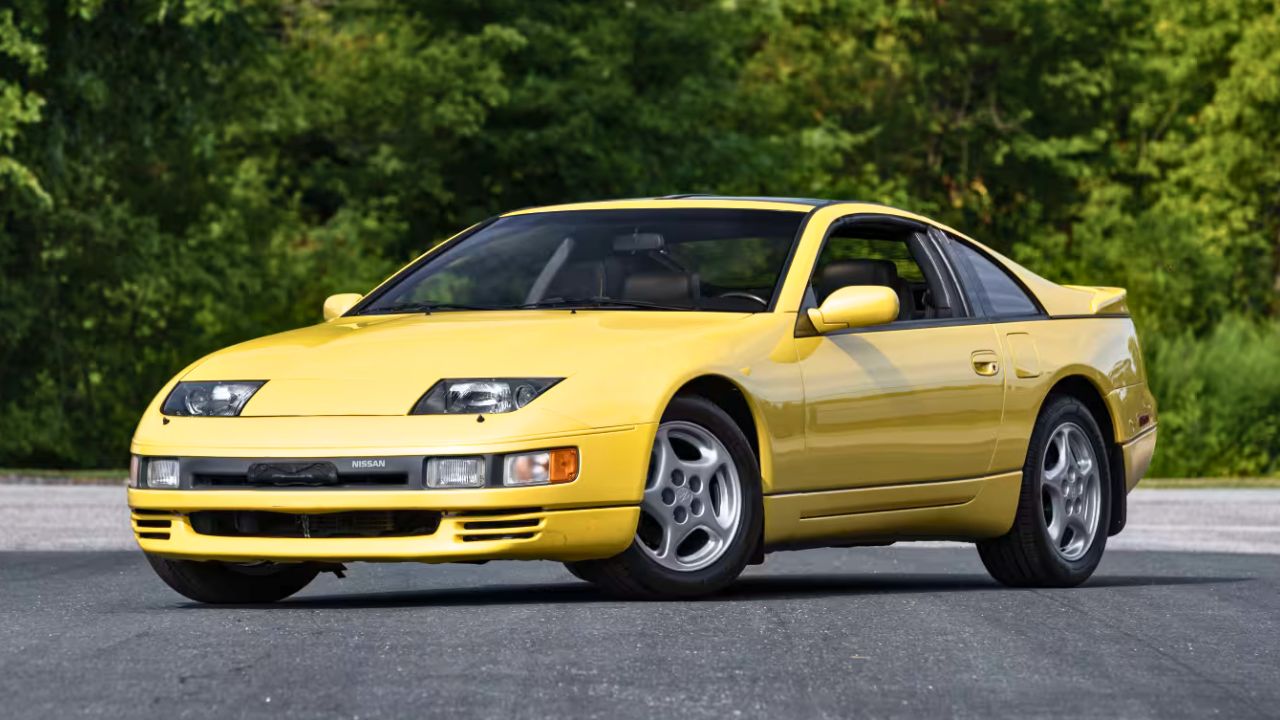
The Z32 300ZX Twin Turbo brought Nissan into the modern era. With a 3.0L DOHC V6 and twin turbos, it cranked out 300 hp and could hit 60 mph in five seconds flat. It also came with four-wheel steering and adjustable shocks, which was cutting-edge tech in 1990.
The chassis was tight, the suspension was refined, and the car handled with precision. Inside, you got a driver-focused dash and optional leather trim. It was praised by critics but overshadowed by RX-7s and Supras later on. Today, it’s still fast—and still forgotten in too many garages.
1975 Bricklin SV-1

You can’t miss a Bricklin SV-1. Built in Canada with wild gullwing doors and safety in mind, it used AMC or Ford V8s depending on the year. The later models got a 351 Windsor with 175 hp—not much, but the car’s fiberglass construction helped keep the weight reasonable.
Underneath, the suspension was a simple independent front and live rear setup, but it had decent balance. Inside, it was more kit car than luxury, but that only added to the raw character. Production ended fast, and most people wrote it off—but the SV-1 was far from slow.
1991 Alfa Romeo SZ
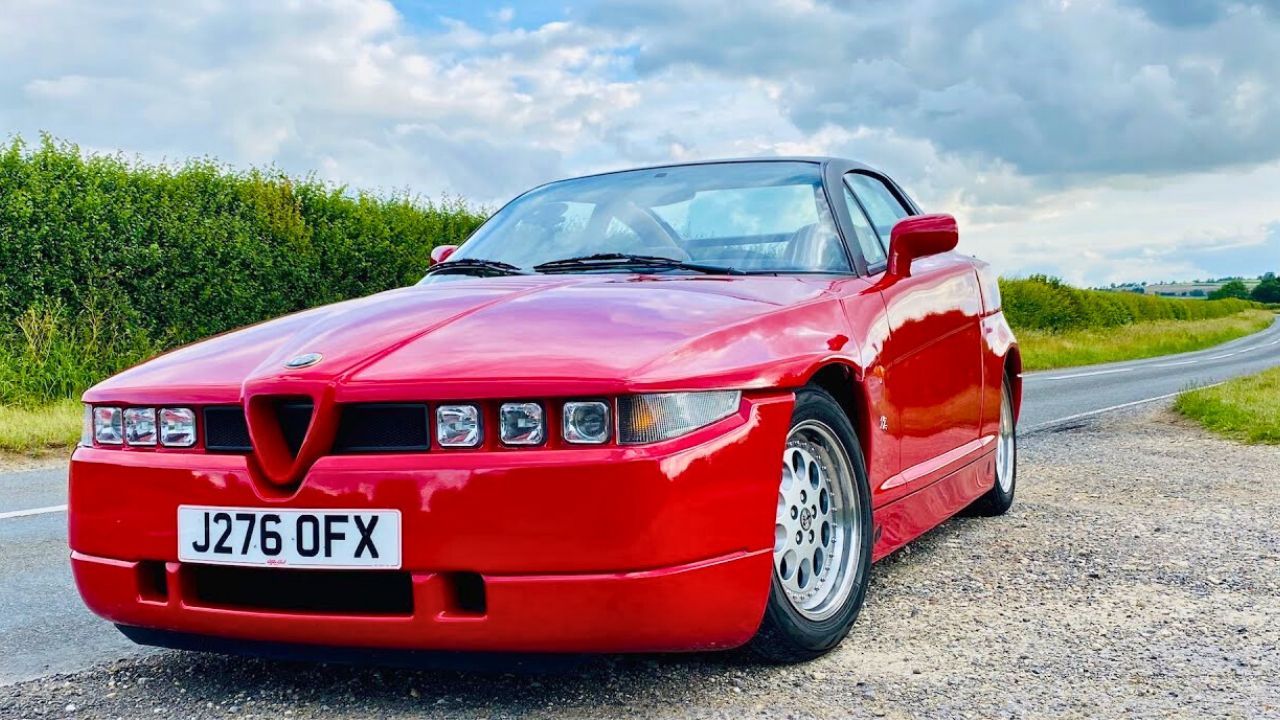
The Alfa SZ looked like a concept car that accidentally escaped the design studio—and that probably didn’t help sales. But underneath the weird was a 3.0L V6 good for 210 hp, mated to a 5-speed manual and a rear-wheel-drive transaxle. The power wasn’t insane, but the chassis sure was.
It featured Koni hydraulic suspension and a shortened version of the Alfa 75 platform, giving it razor-sharp handling. The interior was stripped and functional, with leather buckets and a squared-off dash. Alfa only made 1,036 of them, and most never made it out of Europe.
2007 Saab 9-3 Turbo X
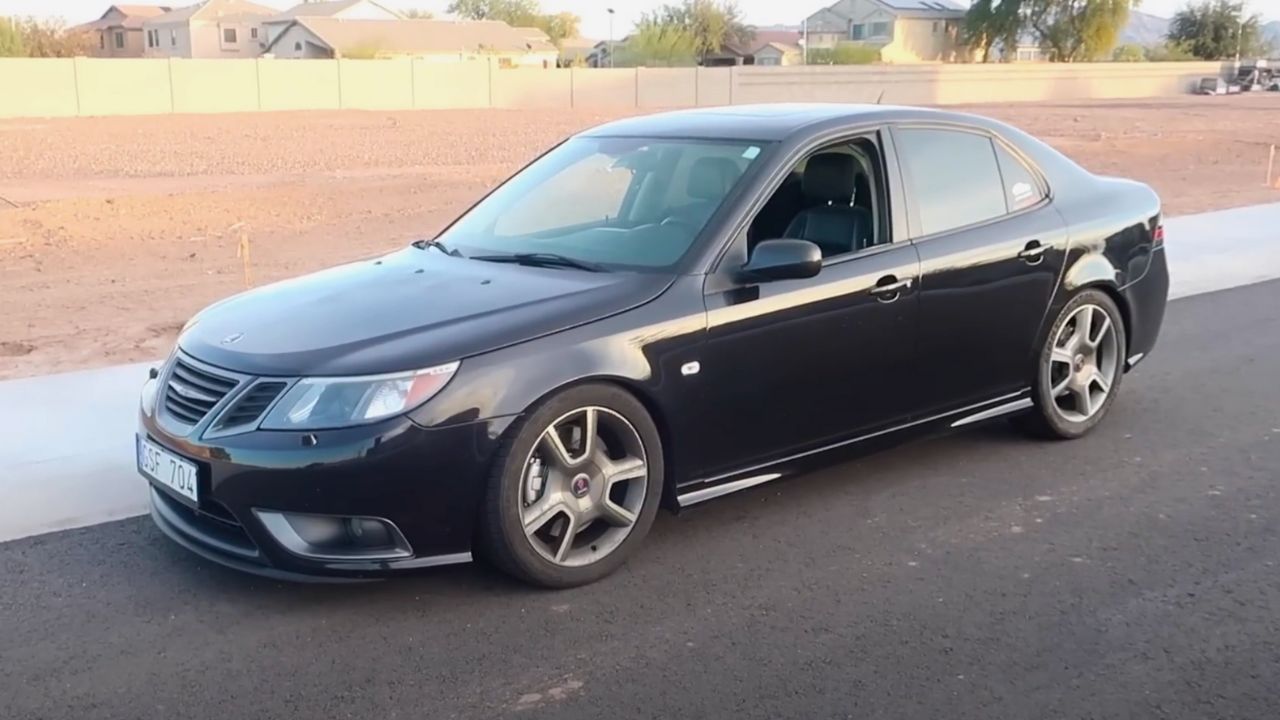
Saab took one last swing at performance with the 9-3 Turbo X. It featured a 2.8L turbocharged V6 with 280 hp and 295 lb-ft of torque. But the real trick was its XWD all-wheel-drive system, which included a Haldex differential and torque vectoring—a first for Saab.
It came with stiffer suspension, bigger brakes, and optional 6-speed manual. The Turbo X sedan and wagon both felt tight and fast, even if they didn’t scream performance from the outside. Production was limited to under 2,000 units for the U.S., and like most good Saabs, it faded quietly into the background.
1985 Renault R5 Turbo 2
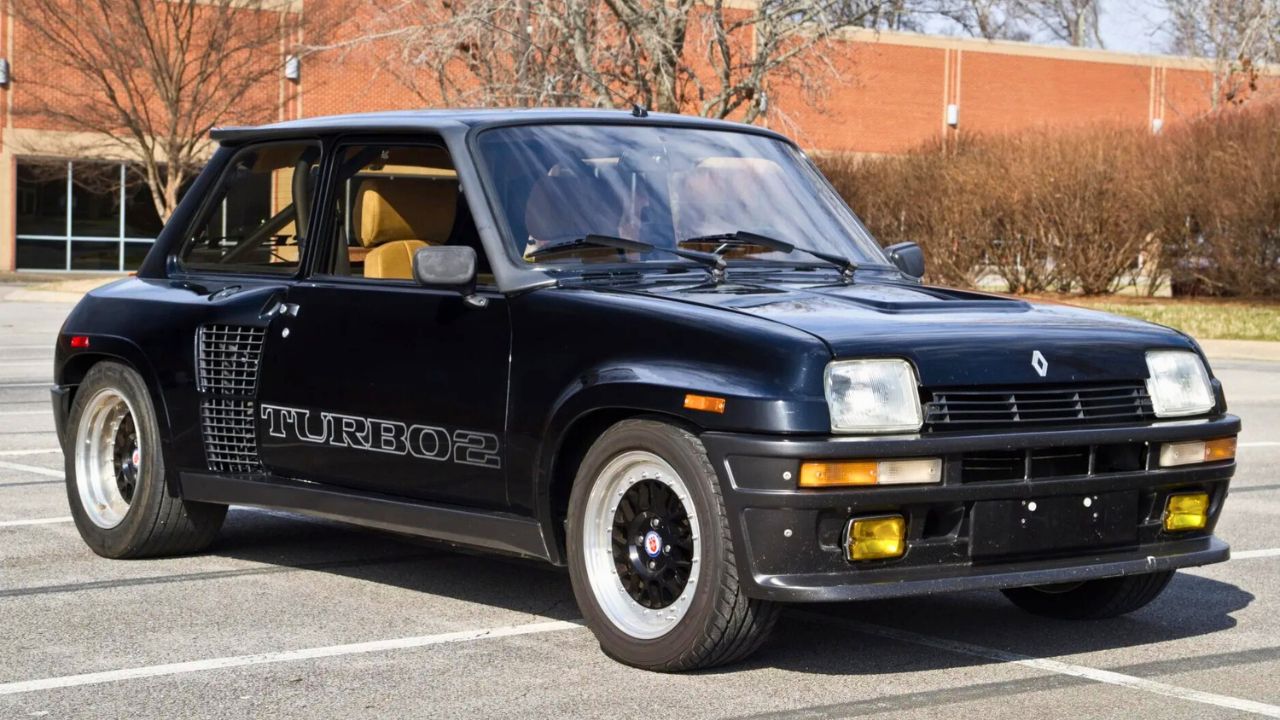
The R5 Turbo 2 was a little French hatchback stuffed with a mid-mounted 1.4L turbocharged engine making 158 hp. Doesn’t sound like much—until you realize it weighed just over 2,000 pounds and had the engine sitting where the rear seats used to be.
With massive rear fenders, rear-wheel drive, and rally-ready suspension, it was built to win on dirt and tarmac. The interior was stripped and rally-focused, with bold gauges and deep buckets. It was too weird for most buyers at the time, but on a twisty road, it still feels like a guided missile.
*This article was hand crafted with AI-powered tools and has been car-fully, I mean carefully, reviewed by our editors.