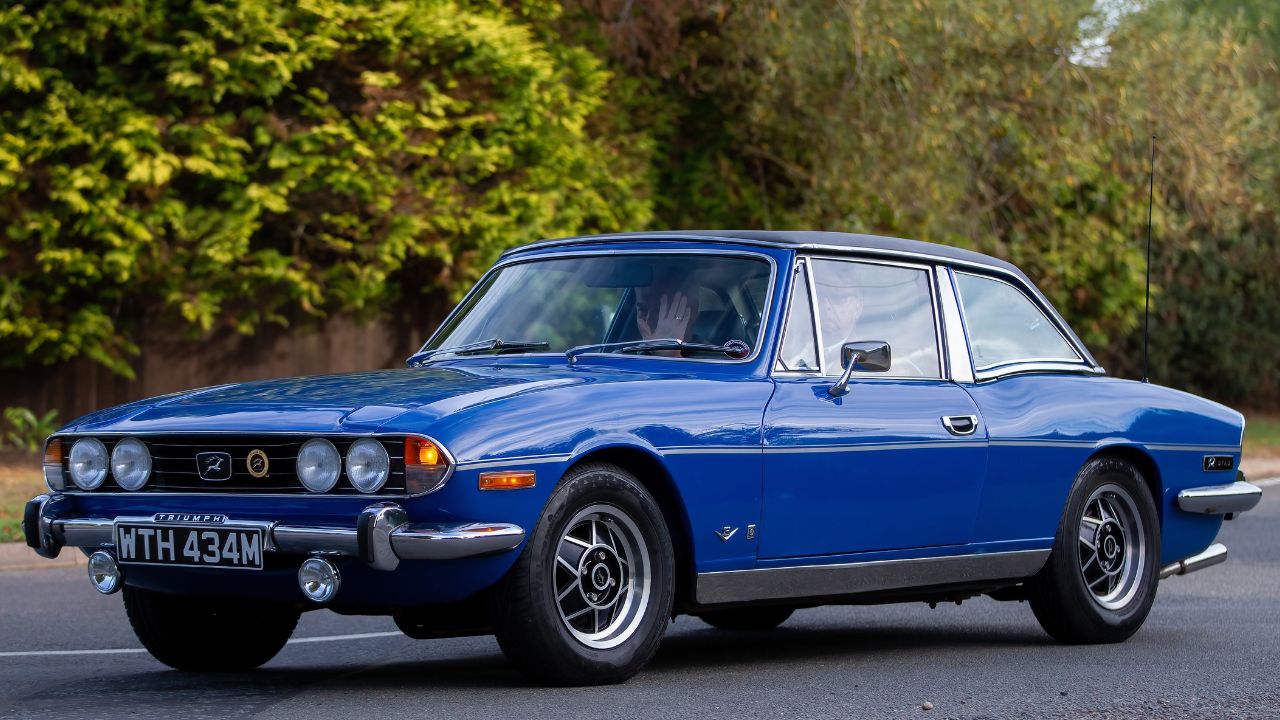
The 1973 Triumph Stag was a bold attempt by British Leyland to create a stylish grand tourer that could rival European luxury sports cars. With its sleek Michelotti design and a unique V8 engine, the Stag had plenty of promise. However, it quickly gained a reputation for mechanical issues and questionable reliability. This article explores what the Triumph Stag got wrong—and what it surprisingly got right.
Engine Design Flaws
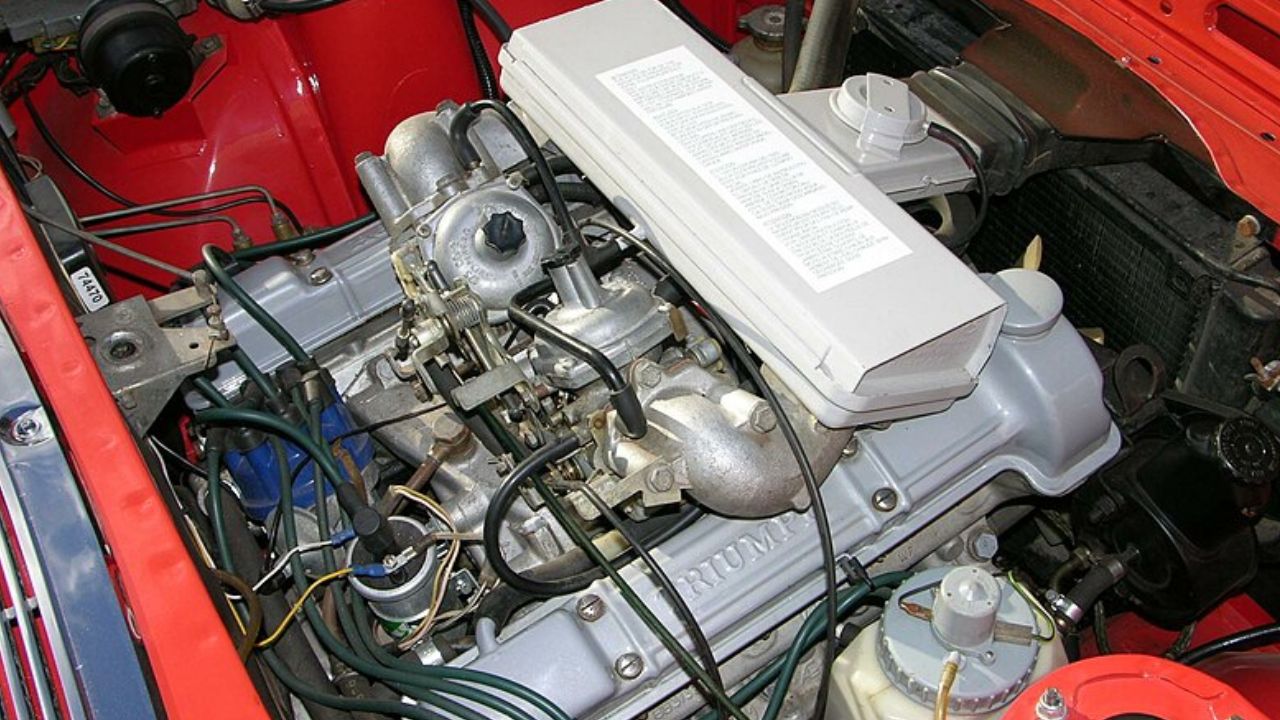
One of the most talked-about issues with the 1973 Triumph Stag was its engine design. The Stag was equipped with a 3.0-liter V8 engine that, on paper, seemed promising. However, the design suffered from a series of flaws that plagued its performance and reliability. The engine’s aluminum head was prone to warping and cracking, leading to frequent overheating and other mechanical issues.
Moreover, the timing chain tensioners in the engine were inadequate, resulting in premature wear and potential engine failure. This was a major disappointment for enthusiasts who expected robust performance from a V8. The problems with the engine design were significant enough to overshadow some of the car’s other positive attributes, making it a point of contention among collectors and vintage car fans.
Iconic Styling and Aesthetics
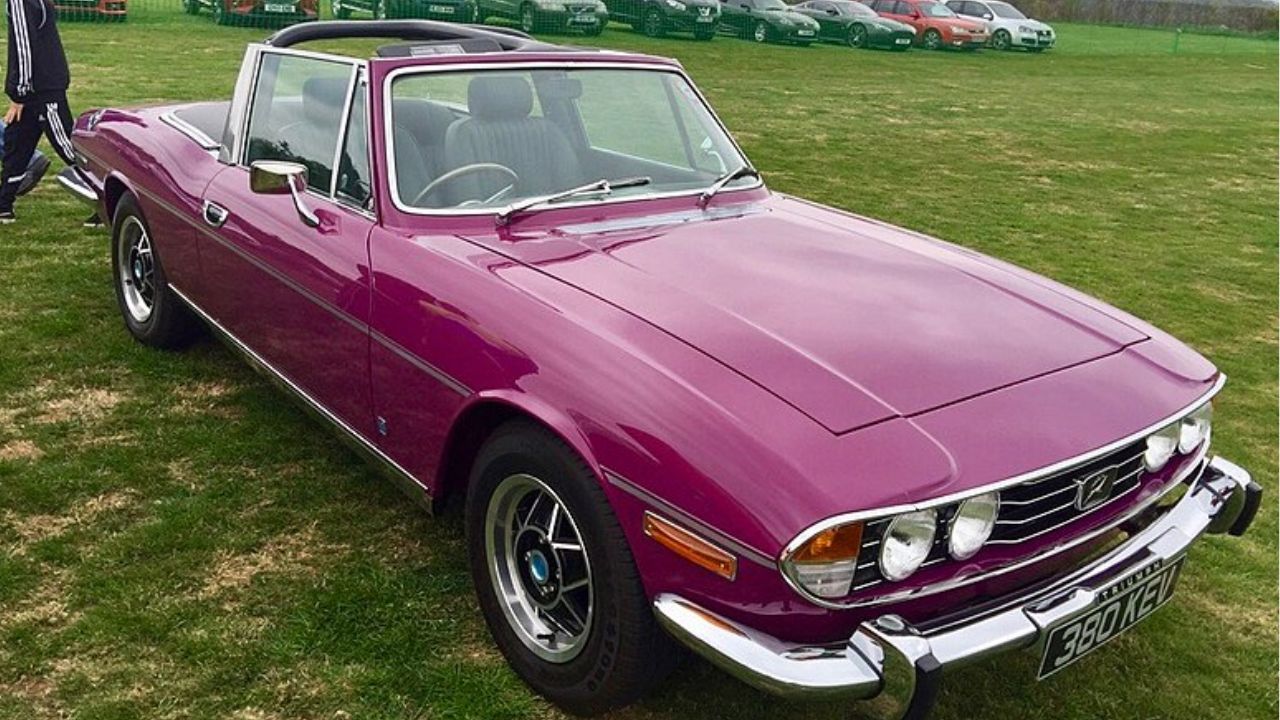
Despite its mechanical issues, the Triumph Stag was renowned for its iconic styling and aesthetics. Designed by the legendary Giovanni Michelotti, the Stag featured a sleek and sophisticated look that was ahead of its time. Its distinctive T-bar roof and elegant lines gave it a unique profile that still turns heads today.
From the sporty front grille to the refined rear end, the Stag’s design was a perfect blend of British elegance and Italian flair. Many car enthusiasts appreciate the Stag not just as a vehicle, but as a work of art on wheels. Its timeless design continues to be a major selling point for those looking to own a piece of automotive history.
Cooling System Issues
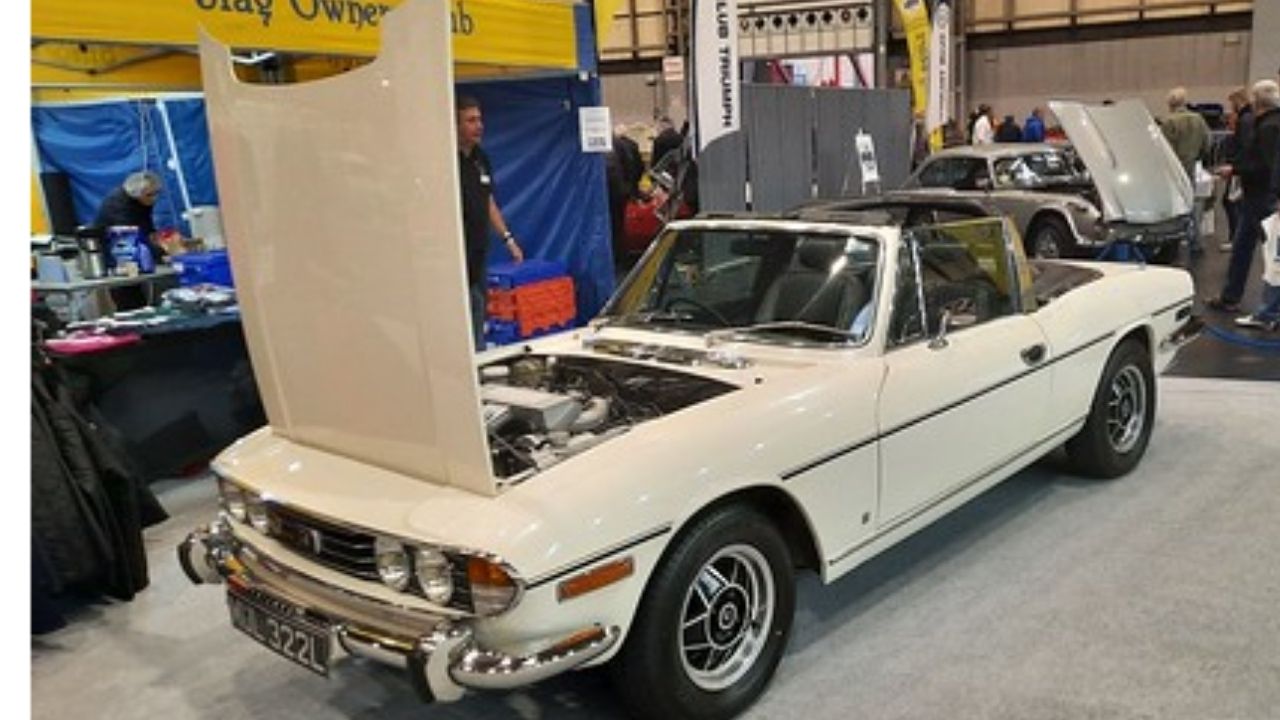
The cooling system of the Triumph Stag was another significant shortcoming. The engine’s tendency to overheat was compounded by an inefficient cooling system that struggled to maintain optimal temperatures. This issue was exacerbated in warmer climates, where the car’s performance could quickly become compromised.
Owners often had to resort to aftermarket solutions to address these problems, such as installing larger radiators or more powerful fans. Despite these efforts, the cooling system remained a persistent hurdle for many Stag owners, affecting the car’s overall reliability and driving experience.
Comfortable and Spacious Interior
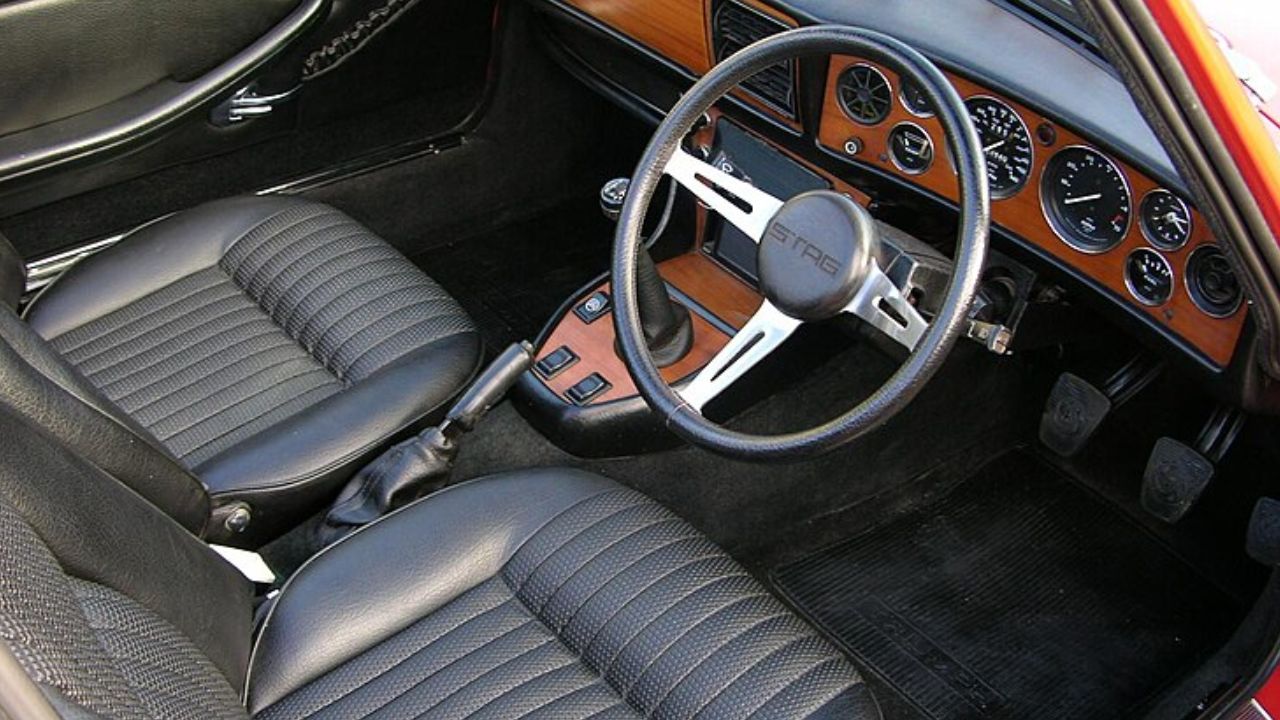
On the flip side, the Triumph Stag boasted a comfortable and spacious interior. Unlike many sports cars of its era, the Stag offered a roomy cabin that could comfortably accommodate four adults. This made it a practical choice for those who desired both performance and comfort.
The seats were well-cushioned and supportive, ideal for long drives. The dashboard was thoughtfully designed, with controls that were easy to reach and operate. Leather upholstery and wood trim added a touch of luxury, making the Stag’s interior a pleasant place to spend time, even if the ride was occasionally interrupted by mechanical gremlins.
Poor Build Quality
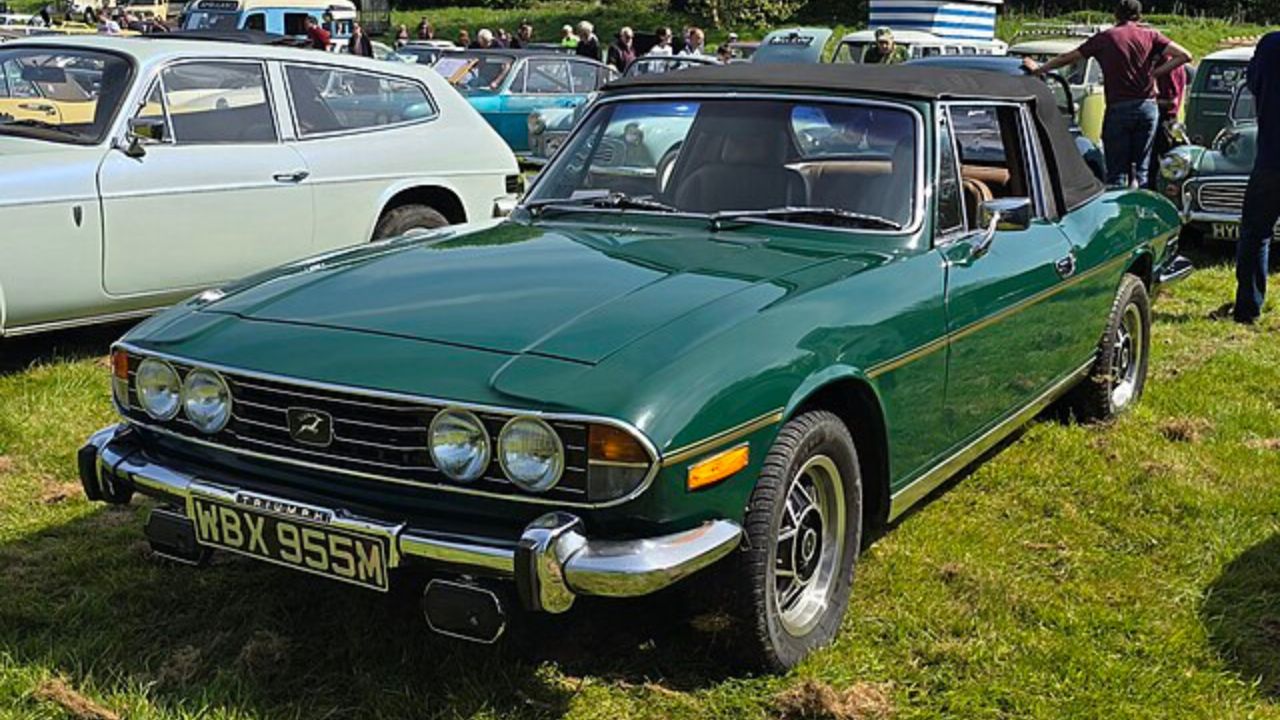
Though the Triumph Stag had its share of flaws, its enduring appeal is a testament to the charisma that lay beneath its imperfections. Yes, the build quality was inconsistent—assembly issues led to varying levels of finish and reliability, and owners in damp climates often battled rust. The electrical system, too, was notoriously delicate, sometimes turning everyday drives into exercises in patience.
Yet for all its quirks, the Stag’s elegant design and open-air driving charm continue to captivate classic car lovers decades later—proof that character can outlast criticism.
Innovative Targa Top Design
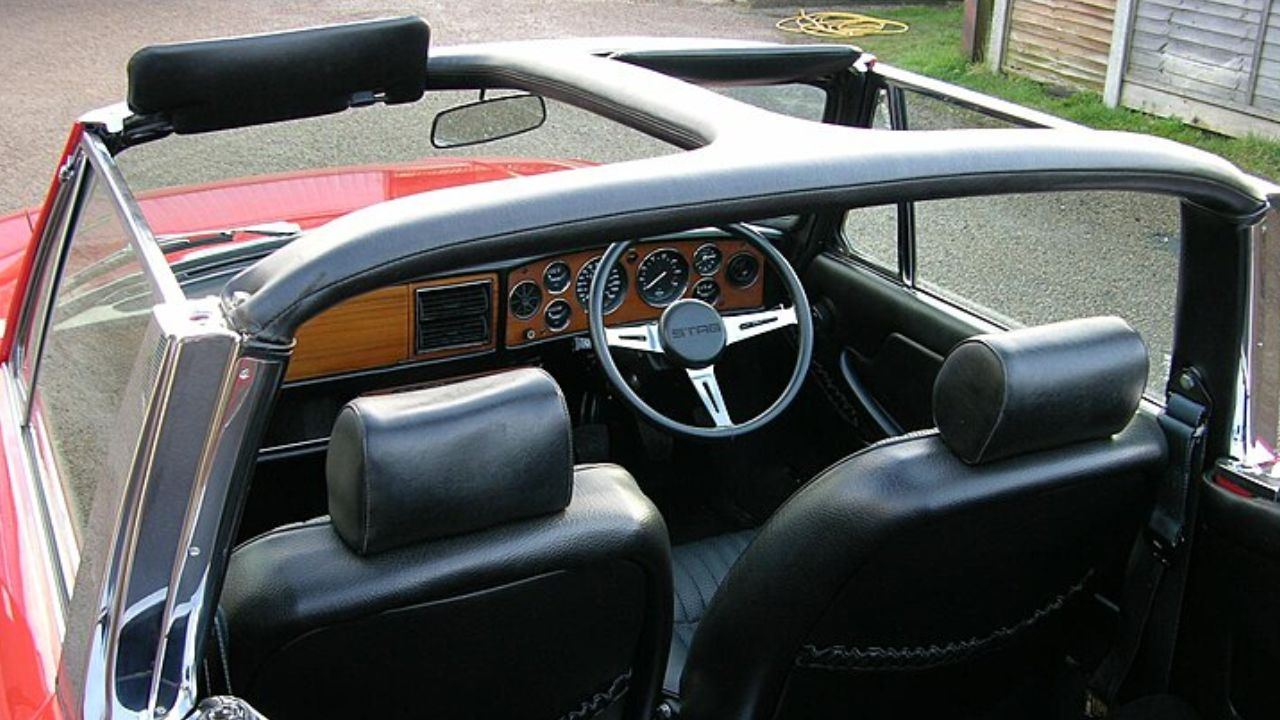
One of the Stag’s standout features was its innovative Targa top design. This design allowed drivers to enjoy an open-air experience without sacrificing the structural rigidity of a full convertible. The Targa top could be removed in sections, offering flexibility and convenience.
For many, this was a major selling point, as it combined the thrill of open-top driving with the practicality of a hardtop. The Targa design was a testament to the Stag’s ambition to blend style with functionality, even if other areas fell short.
Reliability Concerns
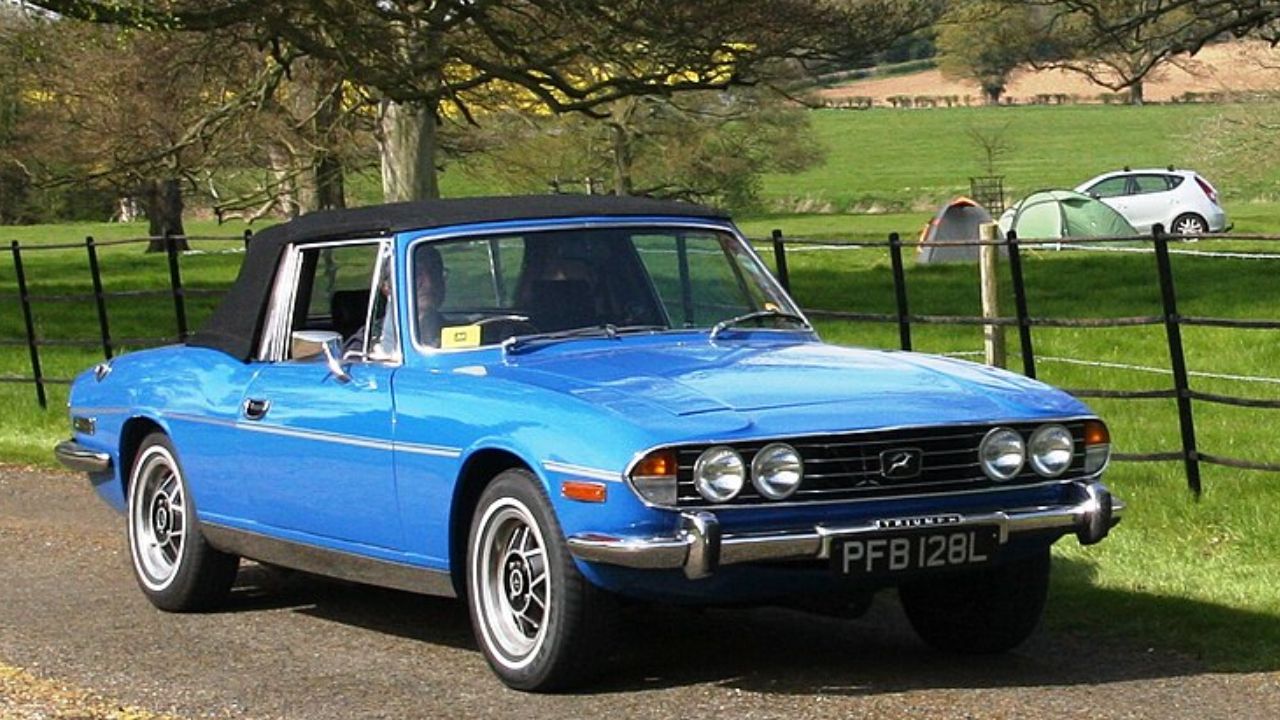
Reliability was a significant concern for the Triumph Stag, affecting its reputation and resale value. The combination of engine, cooling, and build quality issues meant that the Stag required frequent maintenance and care. Owners often found themselves investing time and money to keep their cars on the road.
Despite these challenges, many enthusiasts were willing to overlook the Stag’s faults in favor of its unique charm and character. For those who could manage its quirks, the Stag offered a rewarding driving experience and a connection to a bygone era of automotive design.
Distinctive V8 Sound
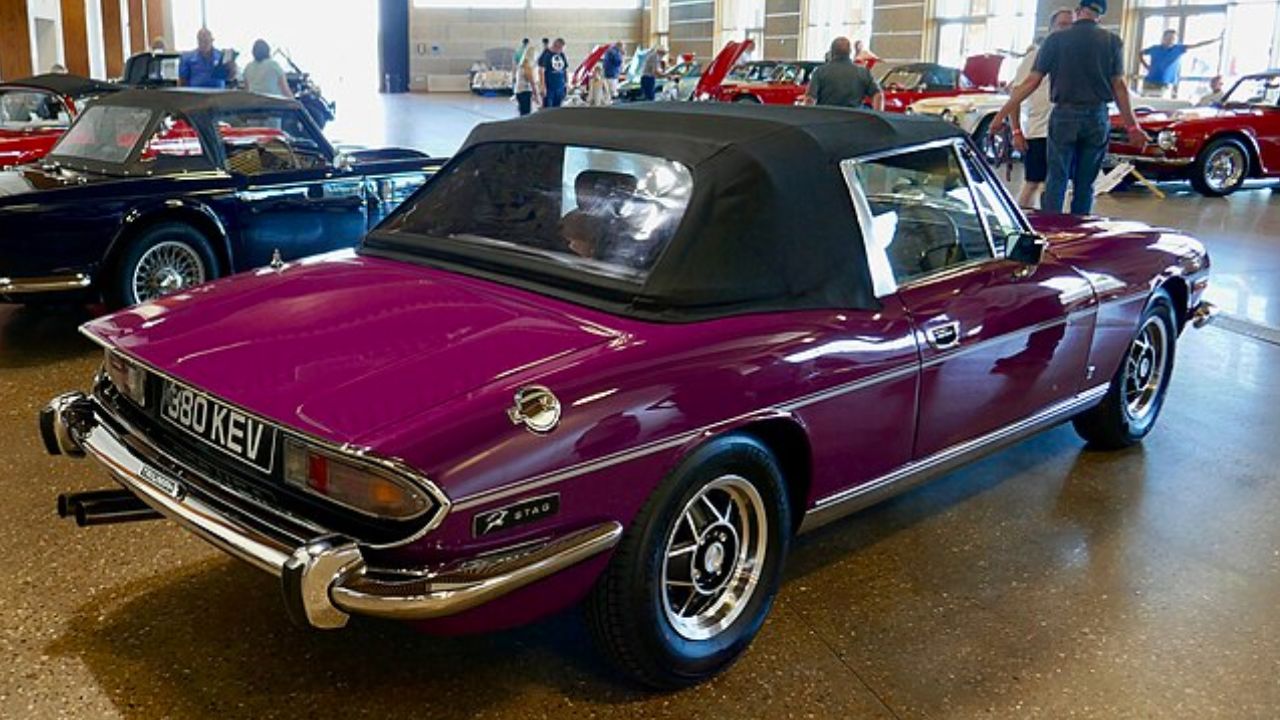
One aspect of the Triumph Stag that continues to be celebrated is its distinctive V8 sound. The exhaust note of the Stag’s engine is deep and resonant, offering an auditory experience that many car enthusiasts find irresistible. This sound is a defining characteristic of the Stag, contributing to its enduring appeal.
For many, the V8’s growl is a reminder of the car’s sporting intentions and adds to the overall driving experience. Although the engine had its flaws, the unique sound it produced remains one of the Stag’s most cherished features, drawing both admiration and nostalgia from those lucky enough to experience it firsthand.
Like Fast Lane Only’s content? Be sure to follow us.
Here’s more from us:
*Created with AI assistance and editor review.