In the world of automobiles, innovation often races ahead of consumer readiness. Several classic cars introduced groundbreaking features that were simply too advanced for their time, leaving them misunderstood and underappreciated by buyers. Let’s take a closer look at ten of these trailblazing vehicles.
Tucker 48
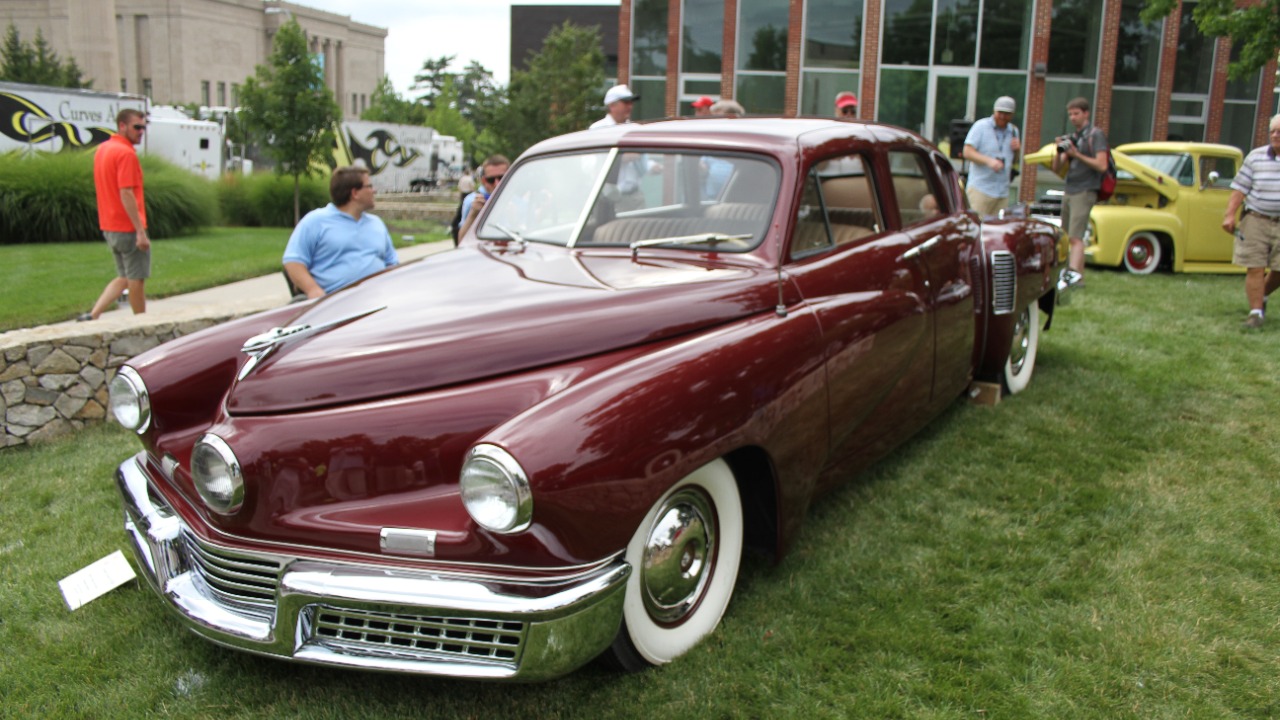
The Tucker 48, also known as the “Tucker Torpedo,” was a car well ahead of its time. Produced in 1948, it featured safety innovations like a padded dashboard and a shatterproof windshield. Its most notable feature was the “Cyclops Eye,” a third headlight that turned with the steering wheel. Despite its advanced design, only 51 units were built before the company folded, leaving it a rare collector’s item today.
Preston Tucker’s vision was to revolutionize the automotive industry, but financial difficulties and legal challenges halted his ambitious plans. The Tucker 48 remains a symbol of what could have been, cherished by enthusiasts but never fully embraced in its own era.
Citroën DS
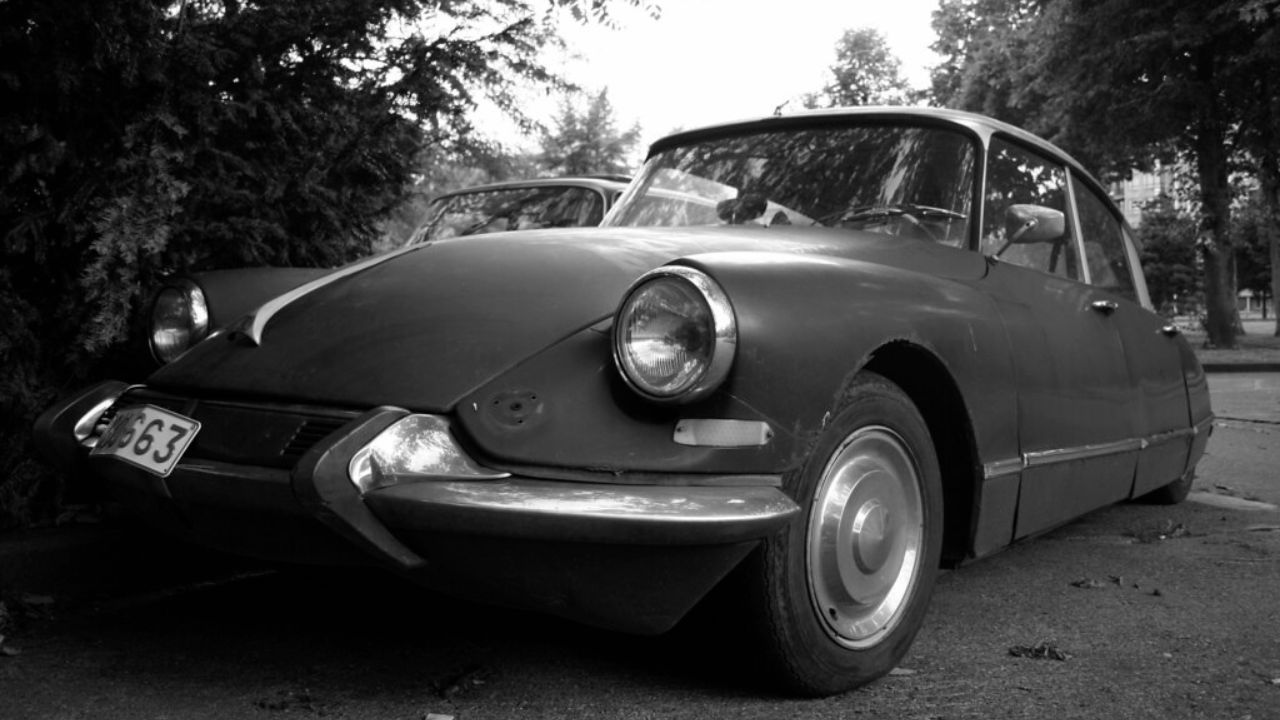
Introduced in 1955, the Citroën DS was a marvel of engineering with its hydropneumatic suspension system, which provided an exceptionally smooth ride. It also had features like power steering and disc brakes, which were rare at the time. The DS’s futuristic design and innovative technology made it stand out, but its complexity also intimidated potential buyers.
Despite initial hesitance in the market, the DS gained a loyal following and influenced car design for years. Its impact on the automotive world is undeniable, but it was a car that demanded appreciation for its technical brilliance rather than mass-market appeal.
NSU Ro 80
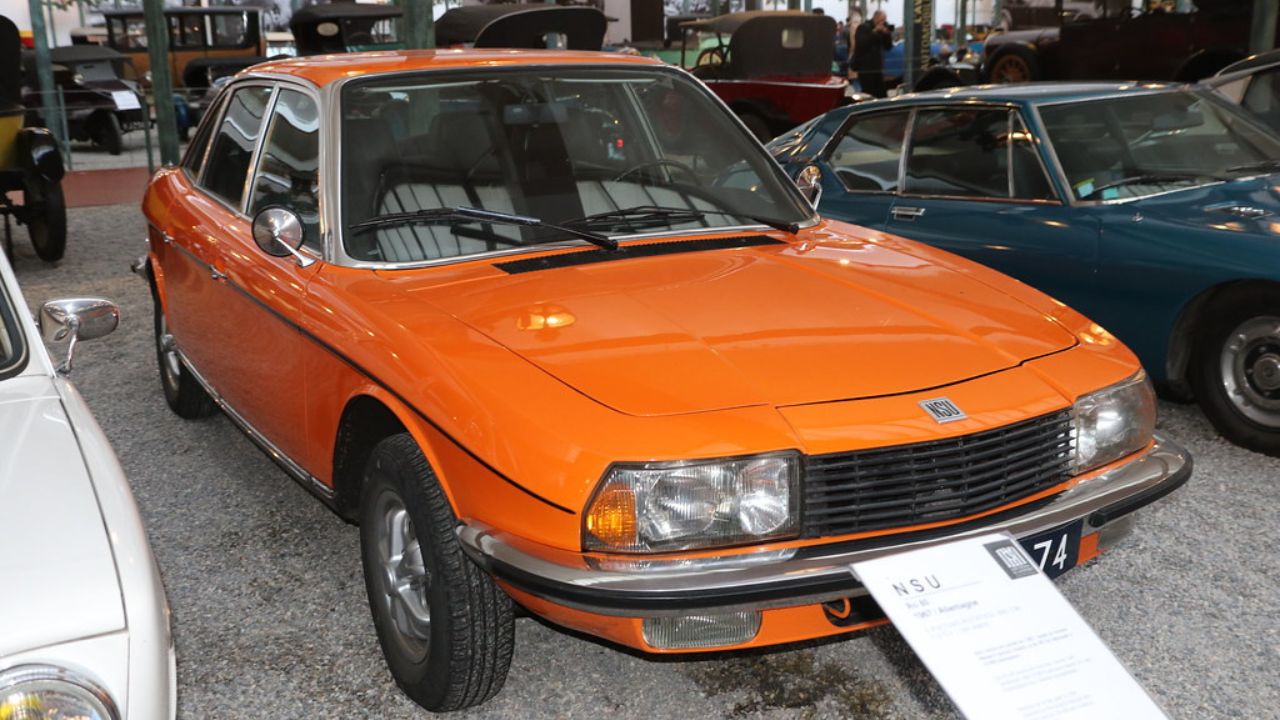
The NSU Ro 80, launched in 1967, was a pioneer with its Wankel rotary engine, which promised smooth and powerful performance. The car also featured a sleek, aerodynamic design and advanced safety features. However, the rotary engine faced reliability issues, leading to expensive repairs and a tarnished reputation.
While the Ro 80 was praised for its driving experience and innovation, it was ultimately a commercial failure. Its story serves as a cautionary tale of how advanced technology can sometimes outpace reliability and consumer trust.
Chevrolet Corvair
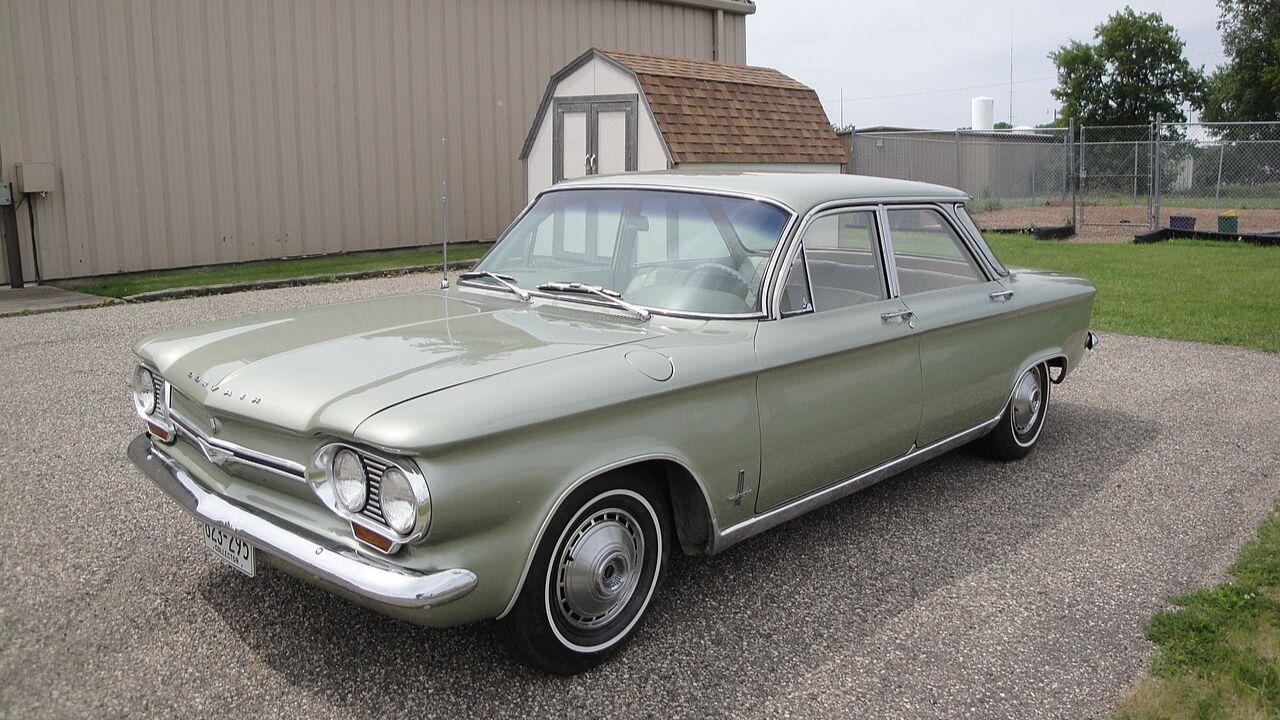
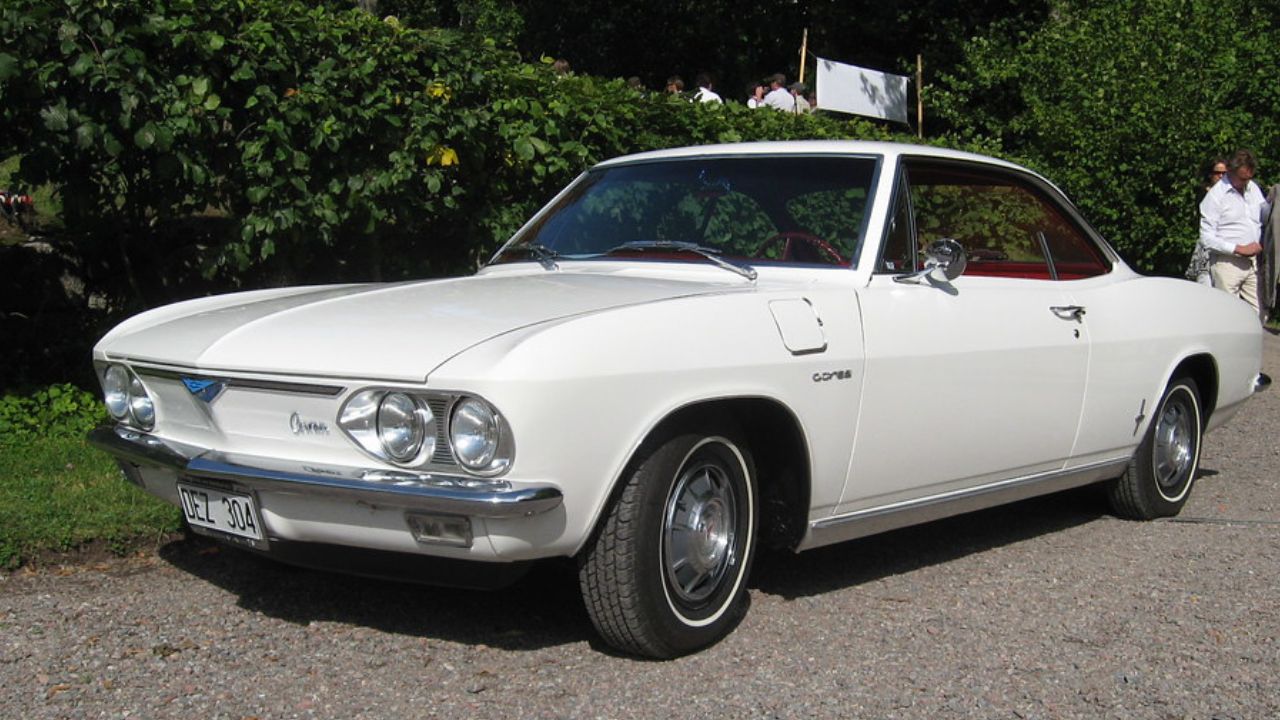
The Chevrolet Corvair, produced between 1960 and 1969, was Chevrolet’s answer to the growing demand for compact cars. It featured a rear-engine design, which was unusual for American cars at the time. This unique setup offered a different driving experience but also led to handling issues that were highlighted in Ralph Nader’s book “Unsafe at Any Speed.”
The negative publicity hurt Corvair’s reputation, overshadowing its engineering achievements. Despite its advanced design and engineering, the Corvair struggled to recover from the safety concerns that plagued its image.
DeLorean DMC-12
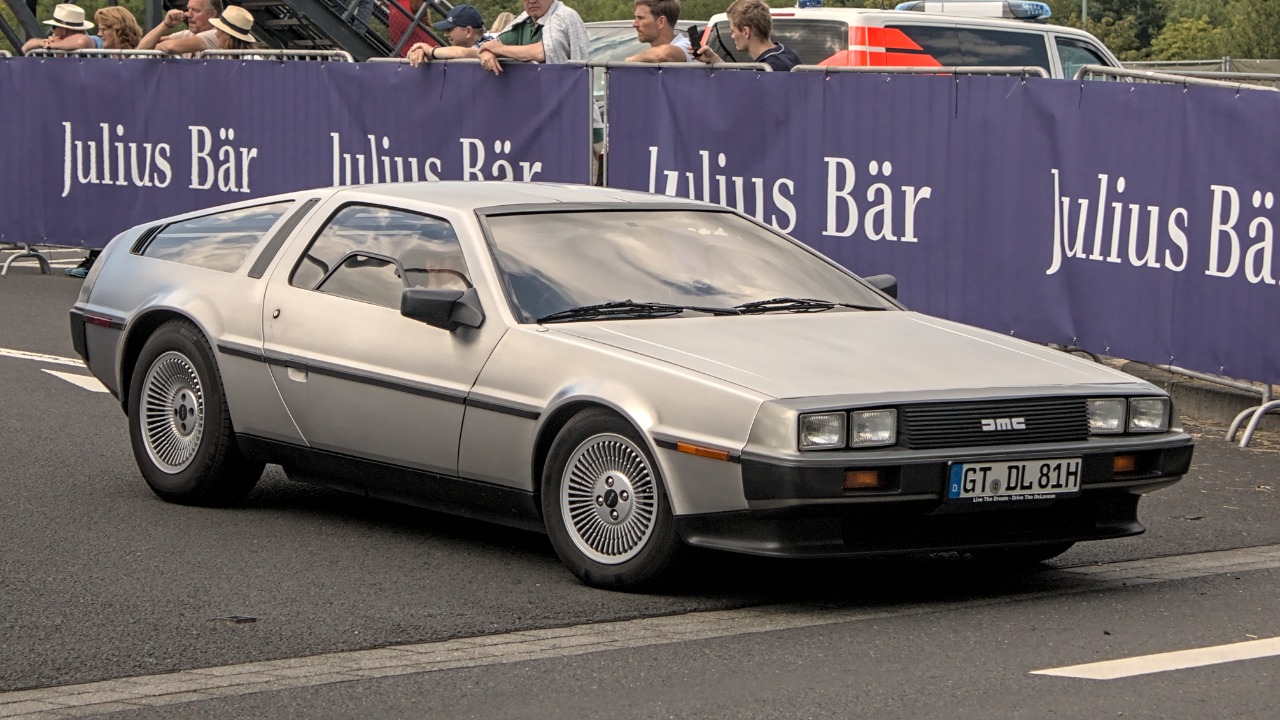
Famed for its iconic appearance in the “Back to the Future” films, the DeLorean DMC-12 is a car that was as ambitious as its creator, John DeLorean. Launched in 1981, it featured stainless steel body panels and gull-wing doors, making it a head-turner. However, its performance didn’t match its futuristic looks, leading to disappointing sales.
Production issues and financial troubles further marred its success. Despite its initial struggles, the DMC-12 has achieved cult status, capturing the imagination of car enthusiasts and film buffs alike.
AMC Pacer

The AMC Pacer, introduced in 1975, was a bold attempt to create a compact car with a spacious interior. Its wide, rounded design and large glass area were intended to offer a unique driving experience. However, its unconventional looks and mediocre performance failed to win over consumers.
The Pacer’s ambitious design was perhaps too radical for its time, leading to its eventual discontinuation. Its quirky style has since found a niche following, but it remains a car that struggled to find its place during its production years.
Mazda RX-7

The Mazda RX-7, introduced in 1978, debuted with the 1.1-liter 12A Wankel rotary engine, delivering around 100 horsepower in U.S. spec. Its lightweight chassis, near 50/50 weight distribution, and responsive handling made it an instant hit with driving enthusiasts. The rotary provided smooth, high-revving performance that felt unique compared to piston engines.
While early RX-7s were generally reliable, later rotary variants—especially turbocharged and 13B-equipped models—required more specialized maintenance. For many buyers, that upkeep limited its mainstream appeal. Still, the RX-7 remains one of Mazda’s most celebrated sports cars, known for its balance, agility, and distinctive character.
Saab 900 Turbo
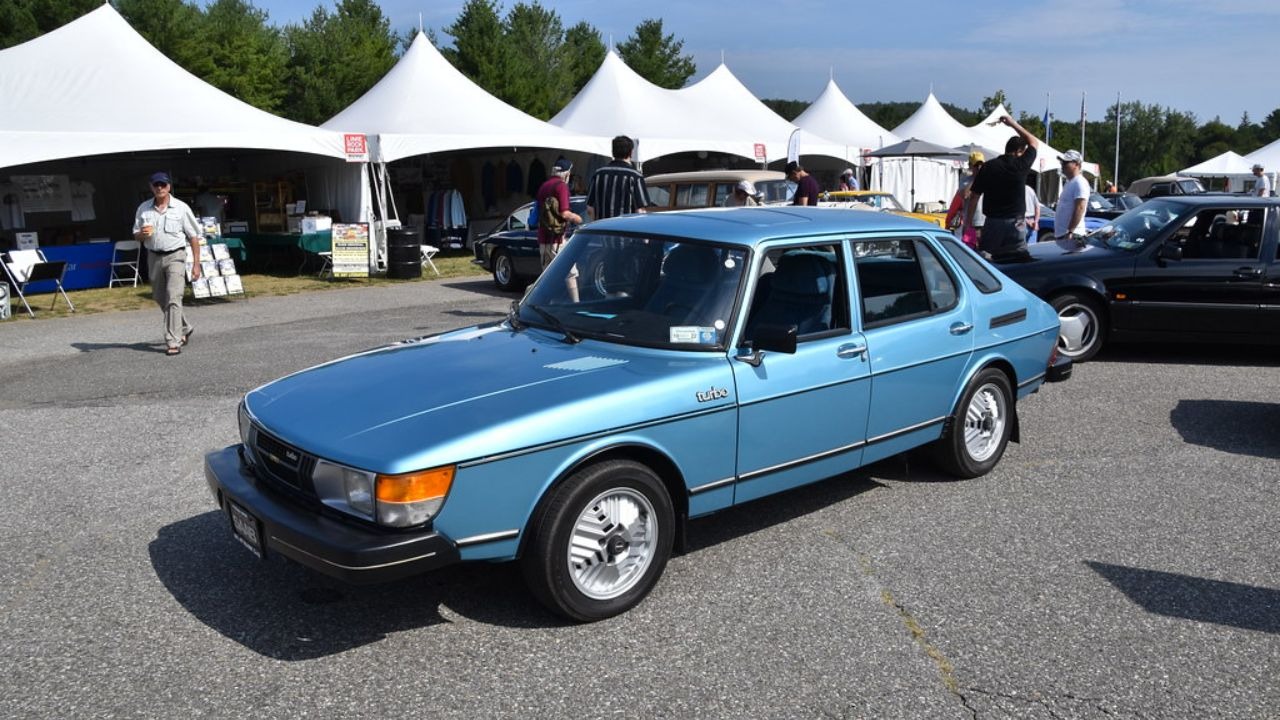
Launched in the late 1970s, the Saab 900 Turbo was one of the first mass-produced turbocharged cars. Its innovative engineering included a turbocharged engine that offered excellent performance and fuel efficiency. However, its premium price and the complexity of maintaining a turbocharged engine deterred many potential buyers.
The Saab 900 Turbo’s legacy is one of pioneering technology that was ahead of its time. Those who embraced its innovations enjoyed a unique driving experience, but its advanced features were not enough to make it a mainstream hit.
BMW Z1

The BMW Z1, produced from 1989 to 1991, was a limited-production roadster known for its distinctive features like retractable doors and a high-tech plastic body. Its innovative design and engineering made it a fascinating car, but its high price and limited practicality narrowed its appeal.
While the Z1 was never intended for mass production, its futuristic design elements influenced future BMW models. It’s a car that remains a collector’s treasure, admired for its bold experimentation but misunderstood by the average buyer of its time.
Audi A2

The Audi A2, produced from 1999 to 2005, was a compact car that boasted an all-aluminum body, making it lightweight and fuel-efficient. Its design prioritized aerodynamics and efficiency, setting it apart from its contemporaries. However, its relatively high cost and unconventional styling limited its market success.
The A2’s advanced engineering was appreciated by those who valued innovation and sustainability, but it struggled to gain widespread popularity. Today, it is recognized as a forward-thinking vehicle that laid the groundwork for future advancements in automotive technology.
Like Fast Lane Only’s content? Be sure to follow us.
Here’s more from us:
*Created with AI assistance and editor review.