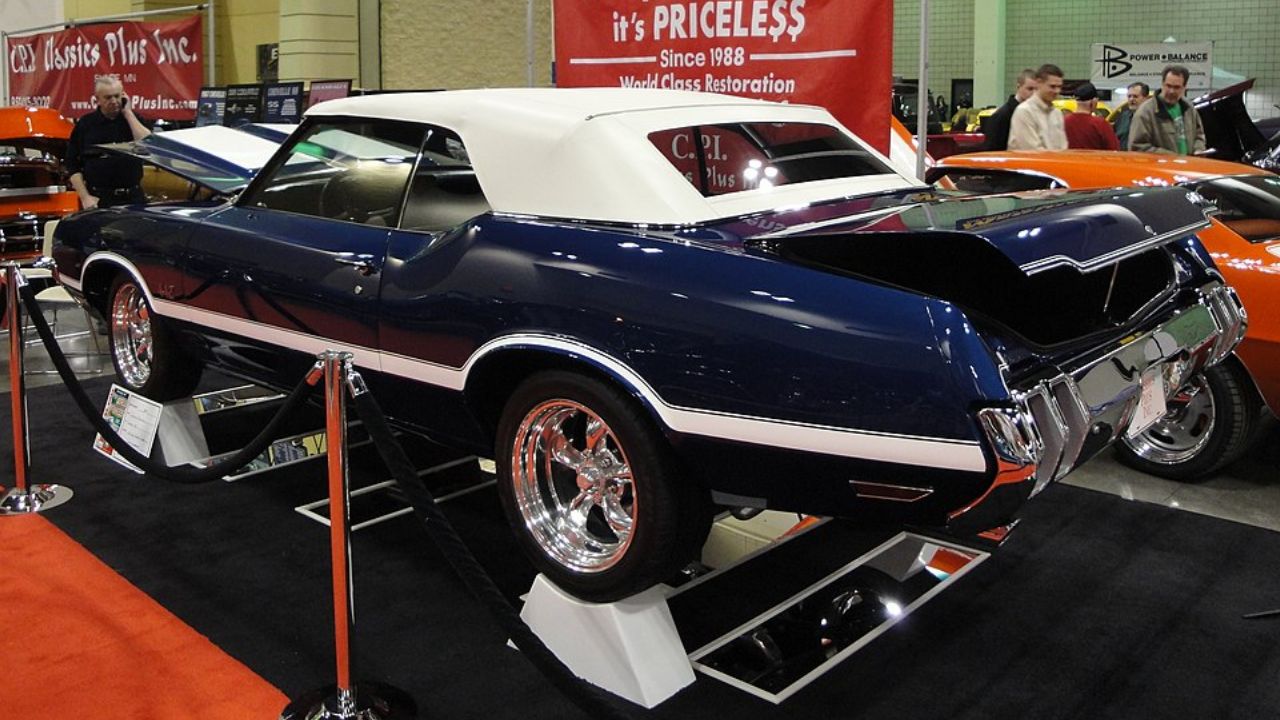
By the early 1970s, muscle cars were fighting for survival. Emissions regulations, rising insurance premiums, and fuel concerns were erasing the raw performance that had defined the previous decade. Yet Oldsmobile’s 442 managed to keep its identity intact, adapting each year with clever engineering, strong styling, and the kind of torque that still put a grin on your face. From big-block power to special-edition collaborations, the 442 weathered the industry’s toughest years — proving that a well-balanced muscle coupe could survive even when the rules were stacked against it.
1972 W-29 Option Kept It Alive
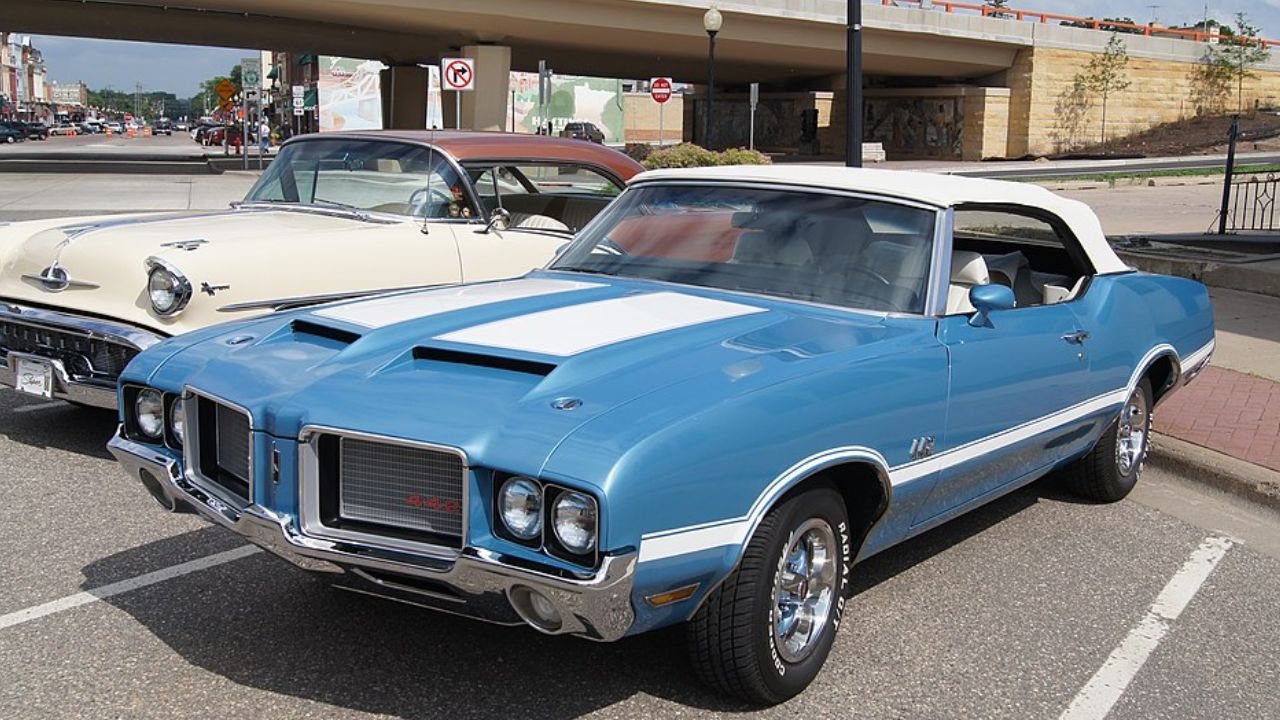
The 1972 442 was no longer a standalone model but an option package (W-29) on the Cutlass. Under the hood, the 455-cubic-inch V8 was rated at 250 net hp and 370 lb-ft of torque, with an optional L77 at 270 hp. With a three-speed automatic, it could run 0–60 mph in about 8 seconds and cover the quarter-mile in roughly 15.5 seconds. The W-29 included heavy-duty suspension with sway bars, boxed rear control arms, and 14×7-inch wheels. Bucket seats were common, with a console available. Despite tightening emissions, the W-29 preserved the 442’s performance character.
455 V8 Stayed Potent
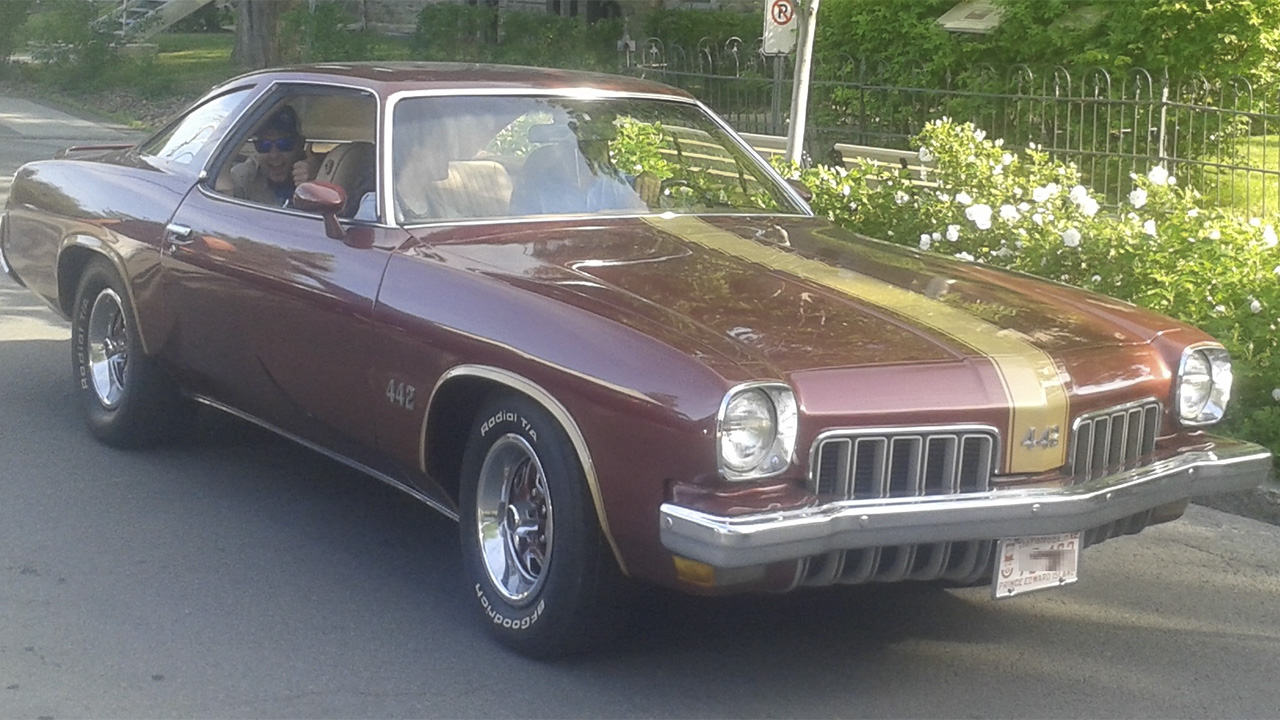
The 1973 442 carried over the 455 V8 at 250 net hp and 370 lb-ft. With a curb weight around 3,800 pounds and a Turbo Hydra-Matic, it typically managed a quarter-mile in the high 15s at about 88 mph. The facelift brought Colonnade styling with a split grille and cleaner lines. Interiors offered vinyl or cloth bench seats, with Strato buckets optional. Even with lower compression, the 455’s torque kept the 442 competitive in an era when many rivals saw steeper performance declines.
Hurst/Olds Partnership
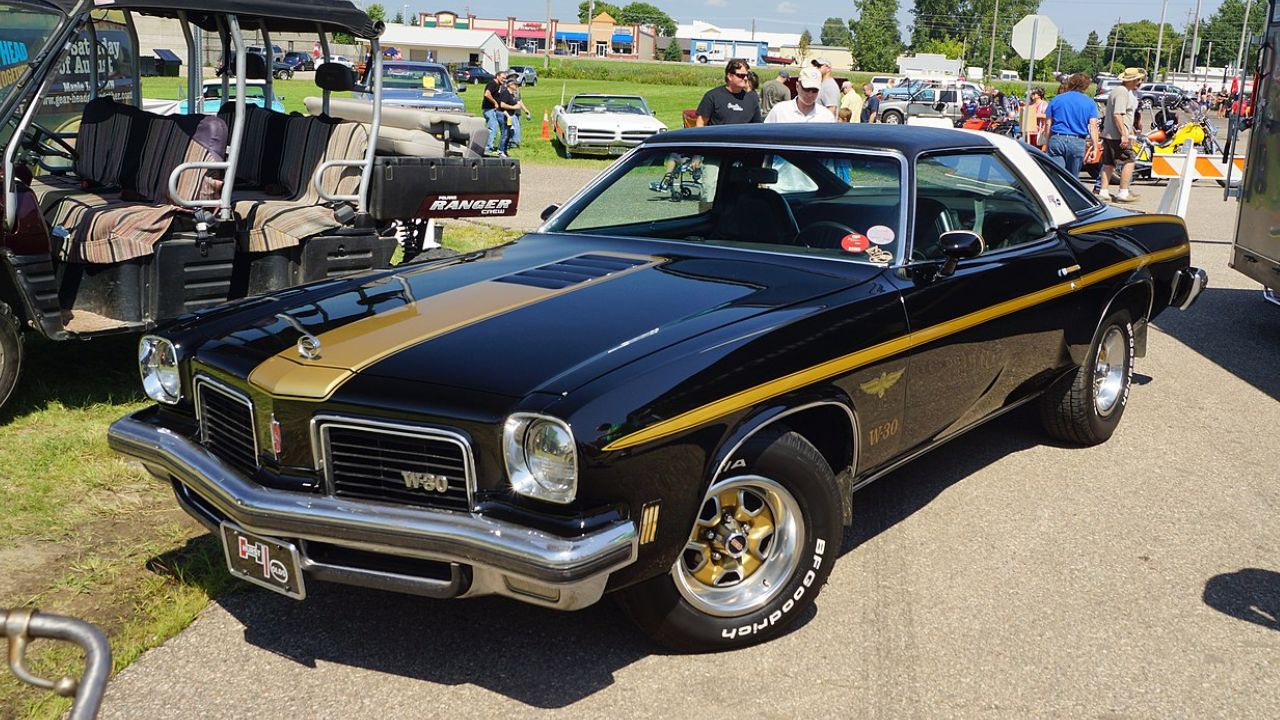
In 1974, Oldsmobile partnered with Hurst Performance to produce a special 442 variant. The Hurst/Olds came standard with the 455 rated at 230 hp and 375 lb-ft, good for 0–60 mph in about 8.5 seconds. Unique touches included gold striping, optional white vinyl roof, swivel bucket seats, a Hurst Dual-Gate shifter, and woodgrain trim. Just 1,800 were built, making them collectible today. This collaboration offered style and performance at a time when most muscle cars were losing their punch.
Handling Stayed Sharp
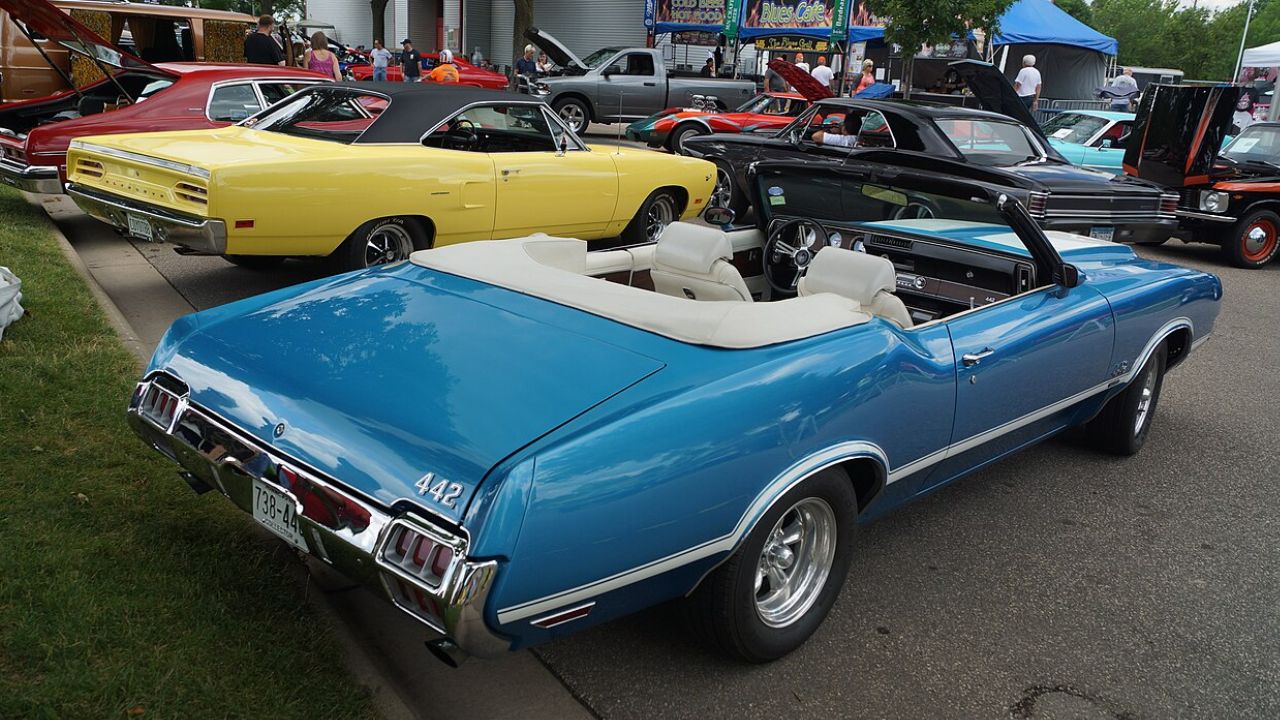
The 1972 442 W-29’s FE2 heavy-duty suspension package kept handling respectable for the time, with contemporary skidpad tests in the low 0.70g range on bias-ply tires. It’s 112-inch wheelbase and balanced chassis made it more nimble than some heavier big-block rivals. The available 455 V8 provided the grunt, while 14×7-inch wheels and sway bars improved cornering confidence. It wasn’t a sports car, but it handled well enough to keep driving fun alive during the early emissions era.
1973 Redesign Kept Appeal
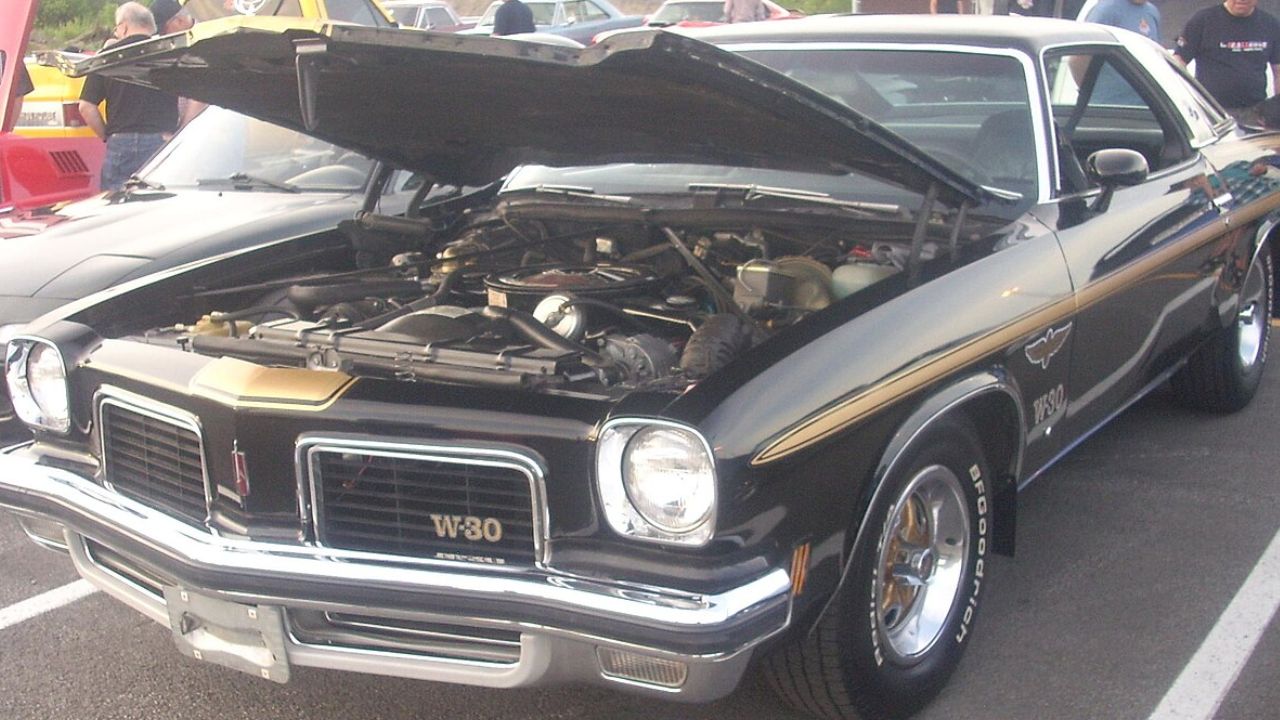
For 1973, the redesigned 442 adopted GM’s new Colonnade body style. The 455 still made 250 hp and 370 lb-ft, with a top speed near 115 mph. In quarter-mile runs, it posted mid-to-high 15-second times. The new sheet metal, wraparound rear glass, and refined trim helped modernize the look. Interiors remained comfortable, with optional bucket seats and upscale Morocceen vinyl. The redesign helped the 442 stay attractive to buyers even as regulations tightened.
Smaller 350 V8 Option
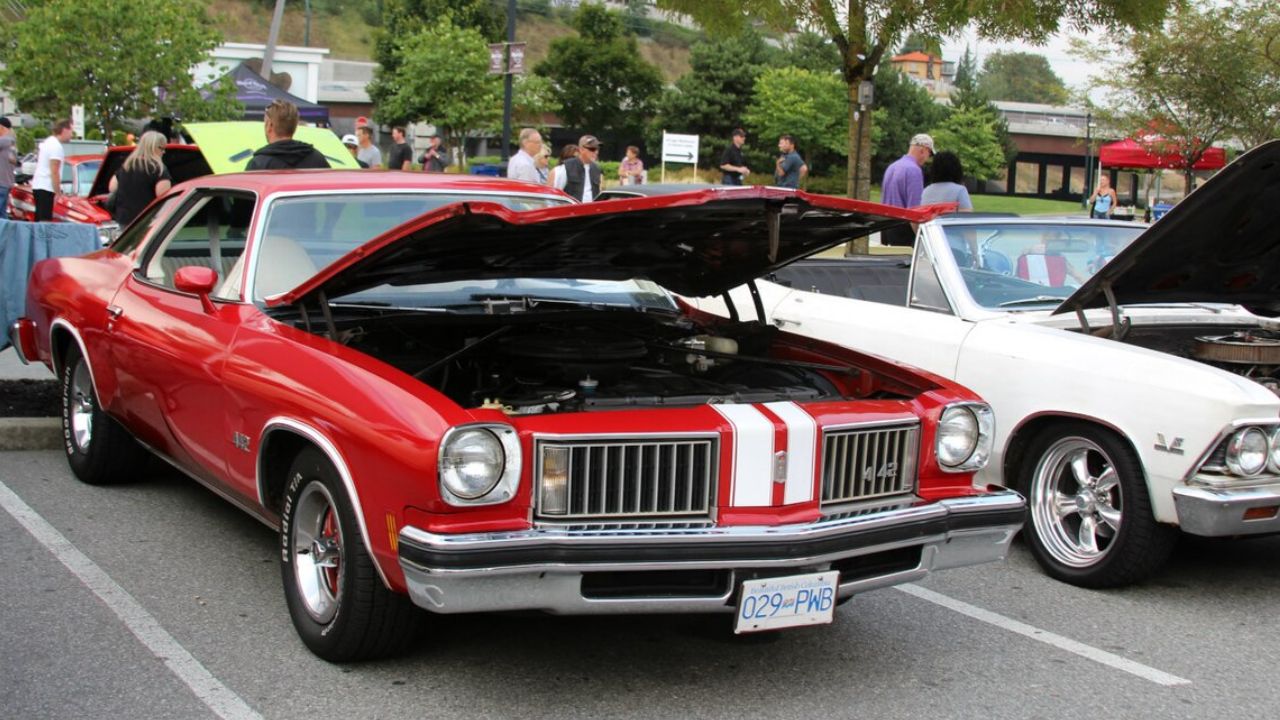
The 1975 442 offered a base 350-cubic-inch V8 producing 170 hp and 275 lb-ft, paired with a three-speed automatic. Performance was modest — about 0–60 mph in 9–10 seconds — but fuel economy improved compared to the 455.
Styling was understated, with subtle stripes and a distinctive grille. Inside, buyers could choose vinyl benches or Strato buckets with a console. The smaller V8 helped the 442 adapt to emissions and fuel economy demands while still offering respectable performance for the time.
1976 455 Hung On
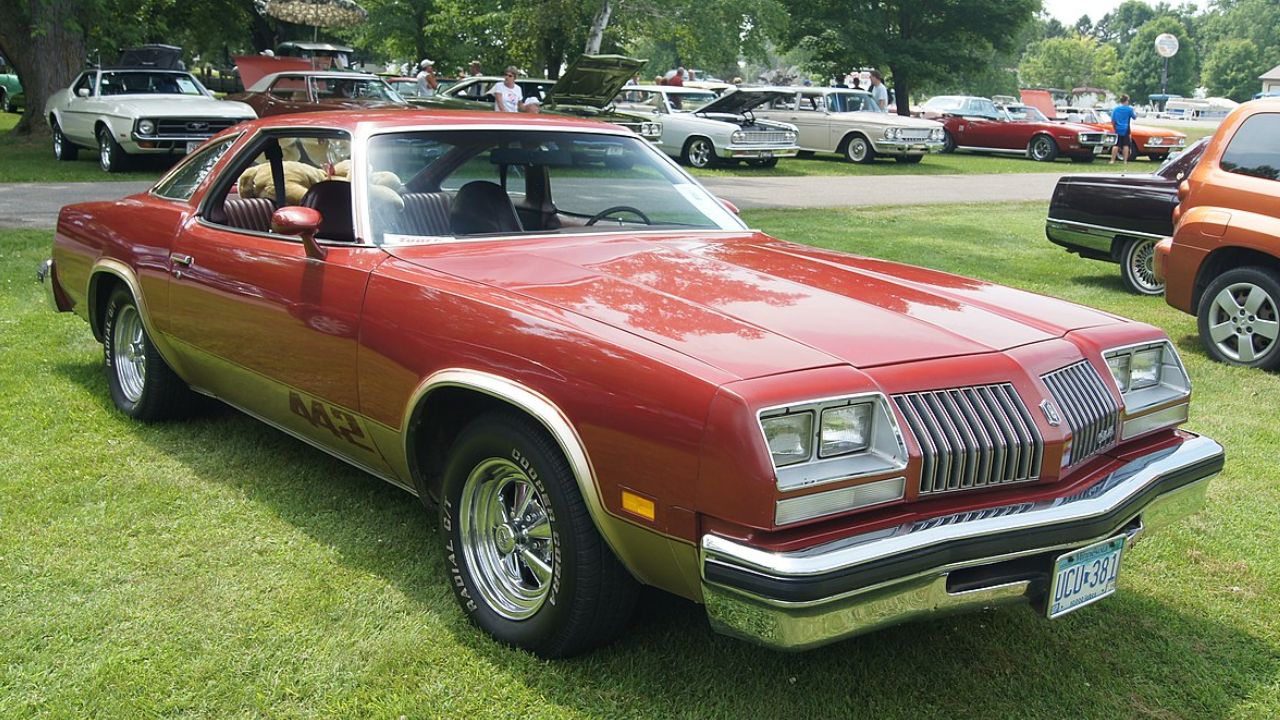
By 1976, the big 455 was in its final year in the 442, rated at 190 hp and 350 lb-ft. Buyers could still get a four-speed manual, though most opted for the automatic. Quarter-mile times hovered around 16 seconds at 85 mph.
The car wore a sloped nose with decal accents and retained a sporty feel inside, with available buckets and console. This last hurrah for the 455 kept loyalists happy before Oldsmobile shifted to smaller-displacement engines.
1980 W-30 Revival
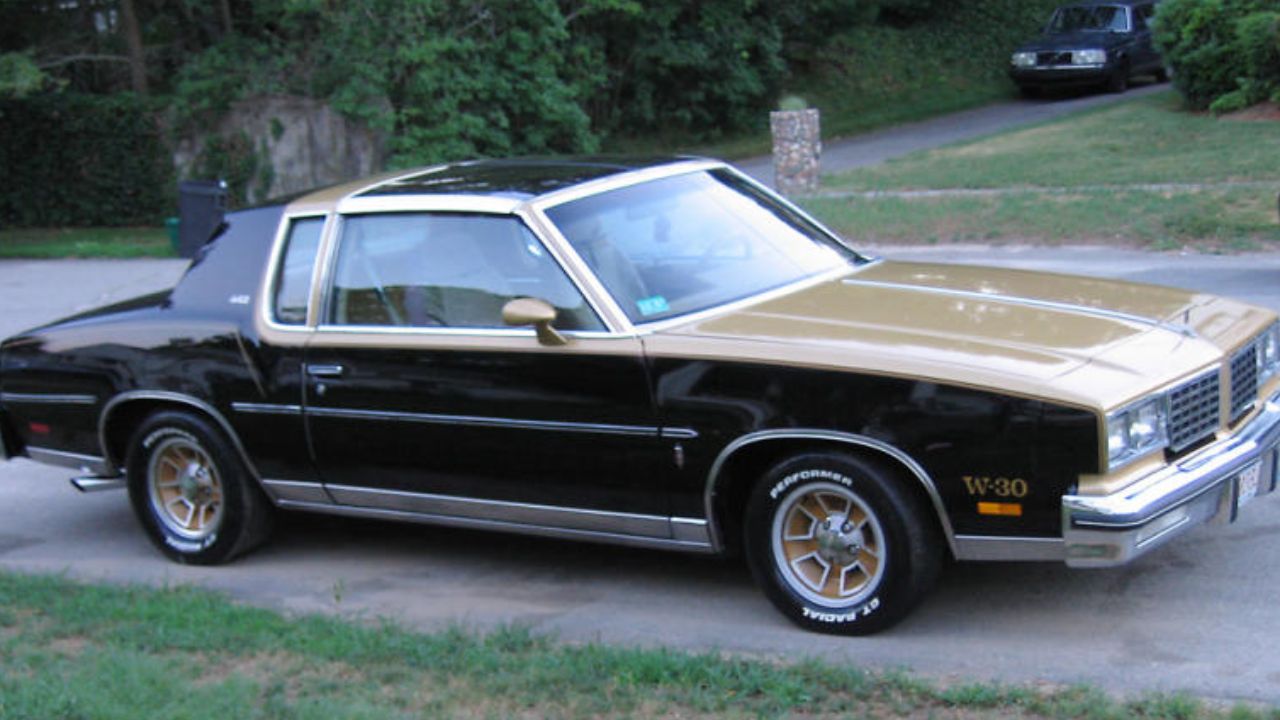
The 1980 442 W-30 used Oldsmobile’s 350 V8 at 170 hp and 275 lb-ft, paired with a four-speed manual or automatic. Performance was modest — 0–60 mph in about 9.5 seconds — but styling made it stand out.
Gold-over-white or black paint, W-30 decals, and bucket seats with a sport console gave it flair. Only 886 were built, making it one of the rarer post-emissions 442s.
Balanced Performance
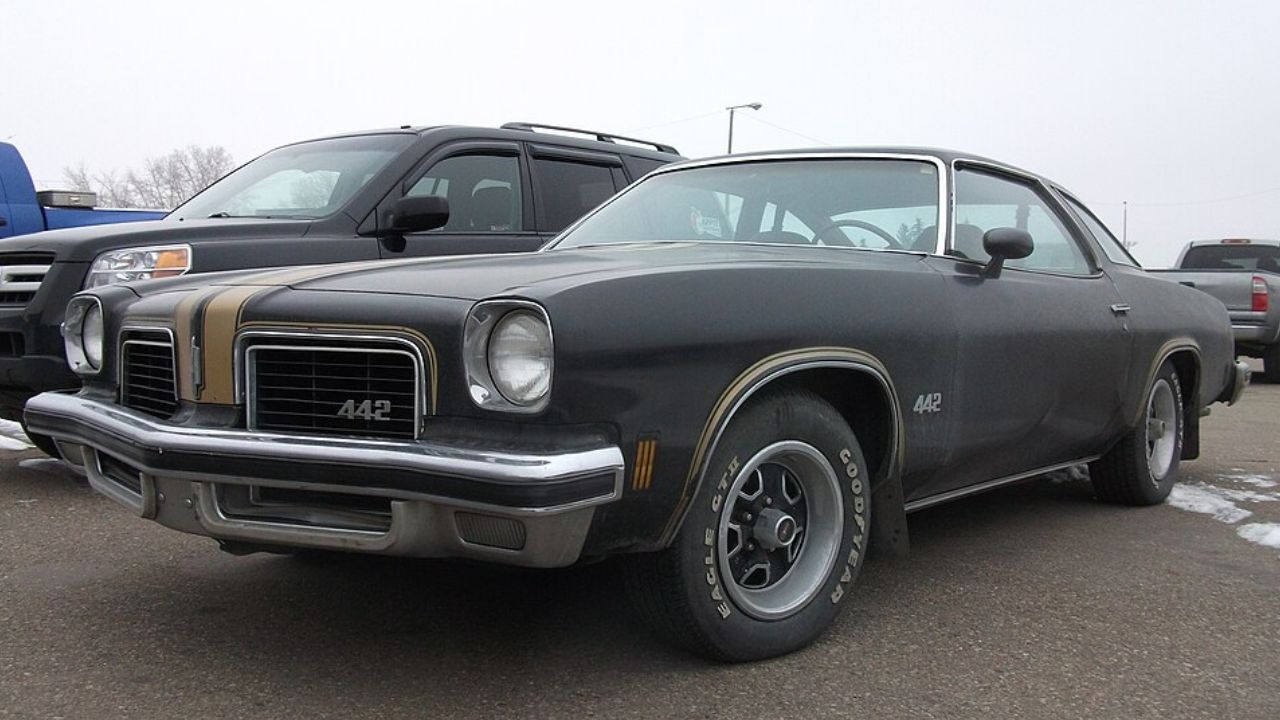
The 1974 442 with the 455 (230 hp) and FE2 suspension could run 0–60 mph in roughly 8.5 seconds. Its chassis balance and steering feel kept it competitive in the handling department, even against lighter cars.
Clean body lines, chrome trim, and a driver-focused cockpit made it appealing to those wanting both comfort and capability in a muscle-era holdover.
Cultural Staying Power
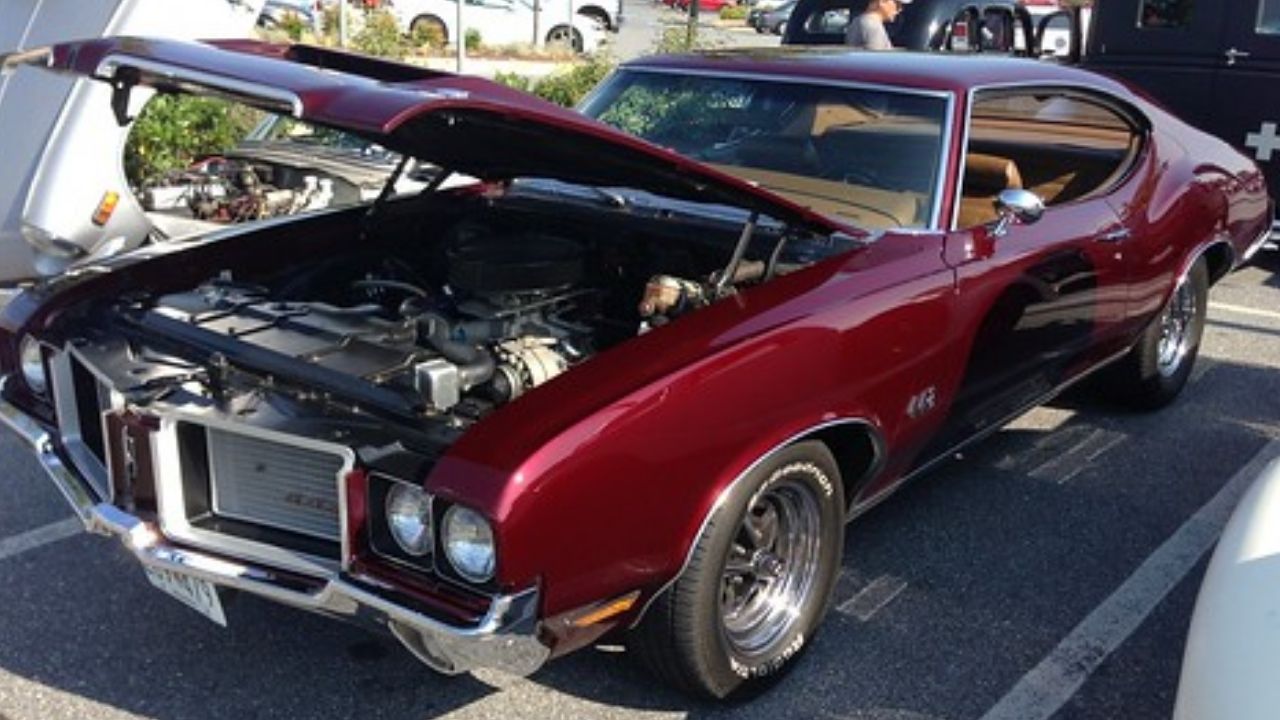
The 442’s survival through the 1970s was due to more than specs — it carried a name built on 1960s performance credibility. Even with net horsepower ratings dropping, the 455’s torque and the car’s style kept it relevant.
Where some nameplates faded, the 442 adapted, balancing performance, comfort, and image. By the time the GTO left the scene in the mid-’70s, the 442 was still holding on, ready for the performance revival of the 1980s.
Like Fast Lane Only’s content? Be sure to follow us.
Here’s more from us:
*Created with AI assistance and editor review.