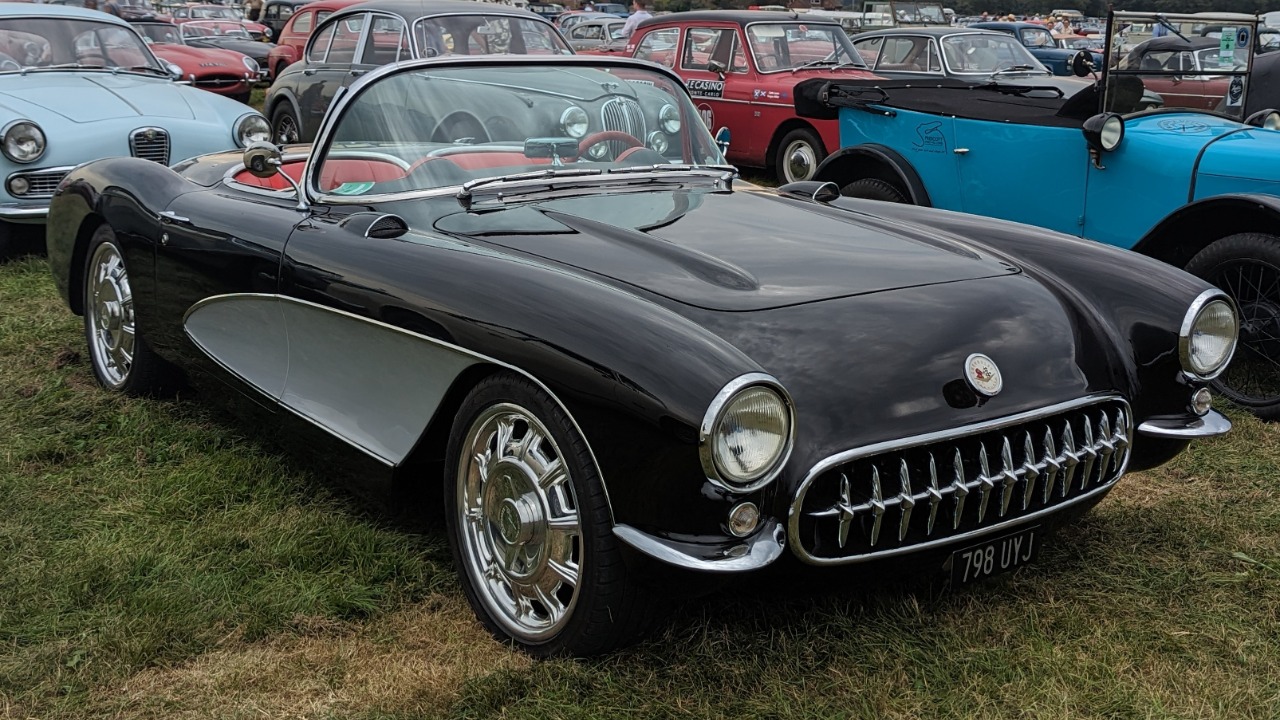
Since its debut in 1953, the Chevrolet Corvette has served as the brand’s performance flagship and engineering showcase. Each generation introduced innovations that influenced not only future Corvettes but also Chevrolet’s broader lineup. These ten Corvettes changed Chevrolet forever by redefining performance, technology, and what an American sports car could achieve.
1953 Chevrolet Corvette
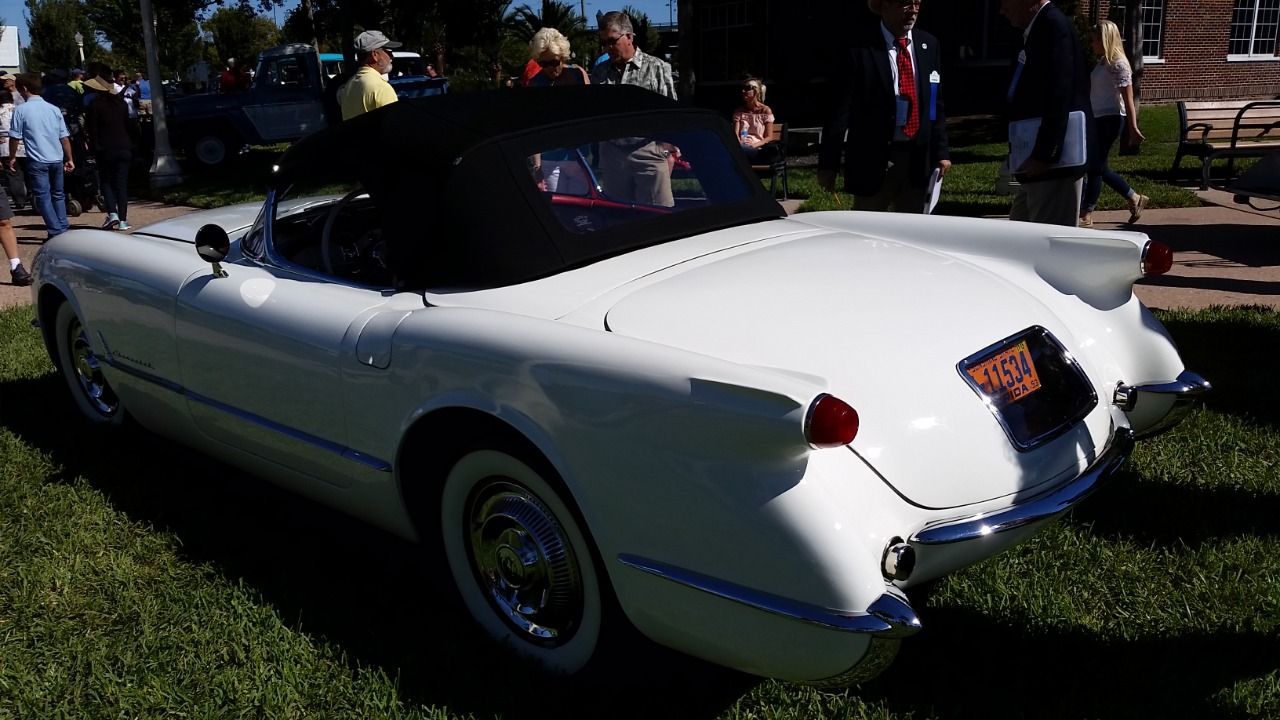
The 1953 Chevrolet Corvette introduced America’s first mass-produced fiberglass sports car. Powered by a 235 cubic-inch inline-six paired with a two-speed Powerglide automatic transmission, it emphasized style and innovation more than outright speed. Although only 300 examples were built, it established the Corvette nameplate and launched Chevrolet into the sports car market.
1957 Chevrolet Corvette
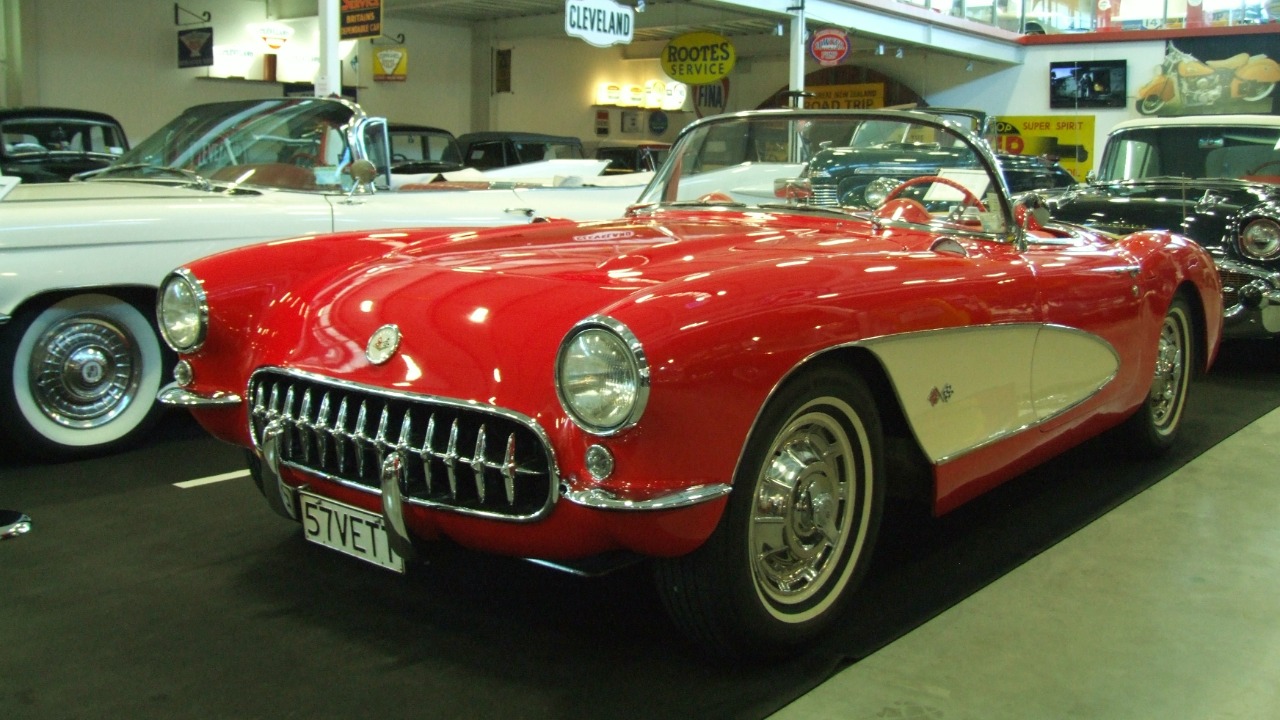
The 1957 Chevrolet Corvette became a major turning point by introducing fuel injection and an available four-speed manual transmission. Its fuel-injected 283 cubic-inch V8 achieved the milestone of one horsepower per cubic inch, setting new performance standards. This model transformed the Corvette into a serious sports car capable of competing with respected European rivals.
1963 Chevrolet Corvette Sting Ray
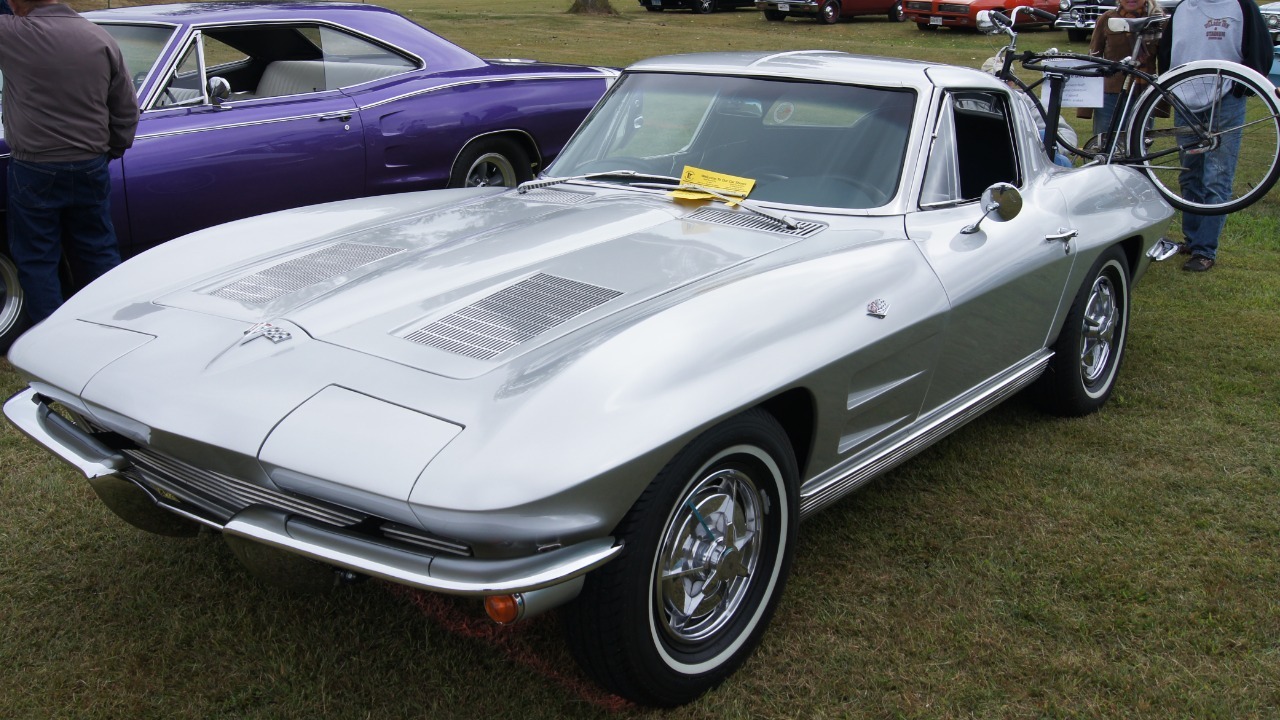
The 1963 Chevrolet Corvette Sting Ray introduced the second-generation platform with independent rear suspension and striking aerodynamic styling. The split-window coupe became one of the most recognizable Corvettes ever produced. Improved handling, stronger V8 options, and advanced engineering elevated Chevrolet’s reputation for building world-class performance automobiles.
1967 Chevrolet Corvette 427
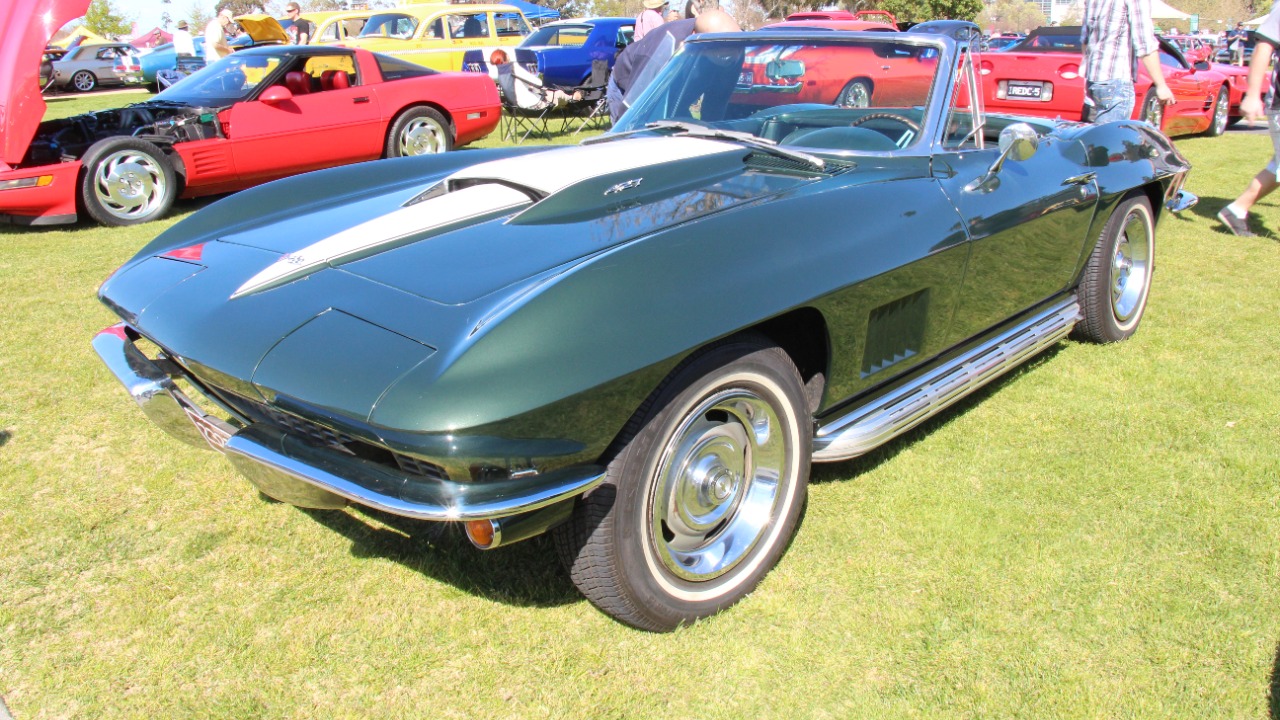
The 1967 Chevrolet Corvette 427 represented the peak of the C2 generation by pairing timeless styling with exceptional big-block power. Available with multiple 427 cubic-inch V8 options, including the legendary L88 package, it delivered breathtaking acceleration and racing capability. It remains one of the most collectible and admired Corvettes ever built.
1978 Chevrolet Corvette Indy Pace Car
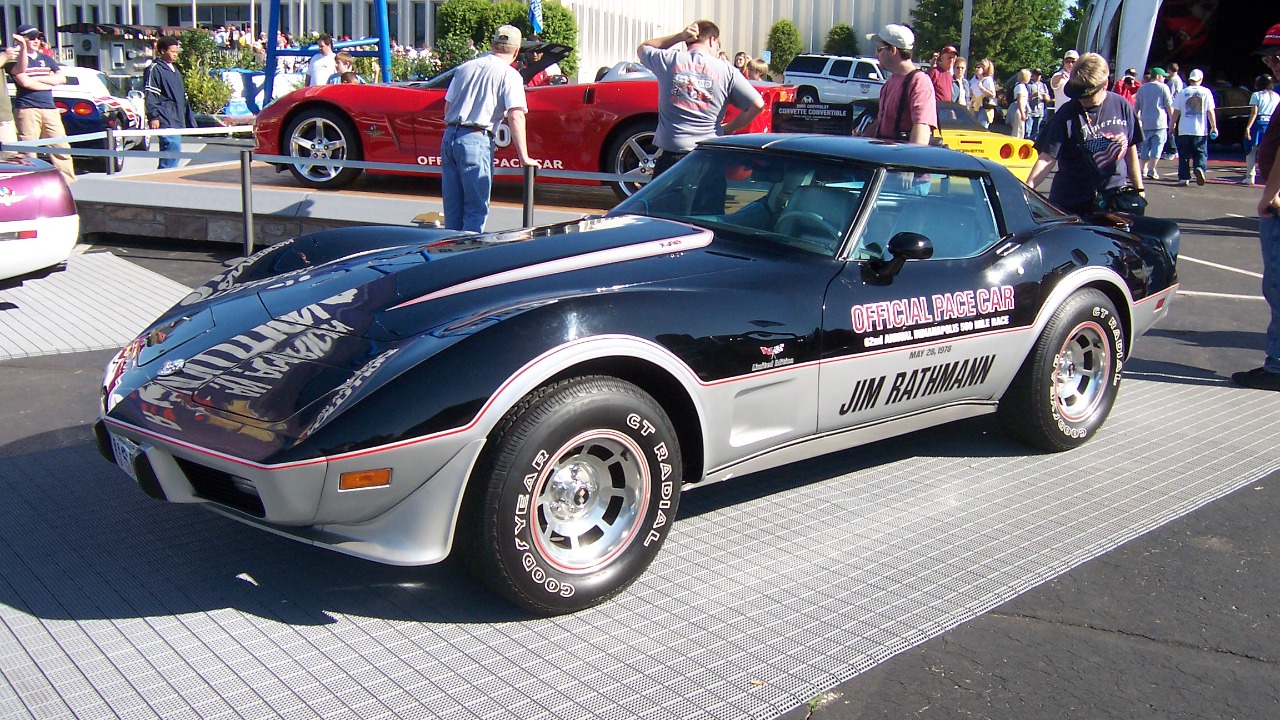
The 1978 Chevrolet Corvette Indy Pace Car celebrated the Corvette’s 25th anniversary while serving as the official pace car for the Indianapolis 500. Featuring distinctive two-tone paint, unique graphics, and special equipment, it became an instant collector favorite. Its success reinforced the Corvette’s status as Chevrolet’s premier performance and image vehicle.
1990 Chevrolet Corvette ZR-1
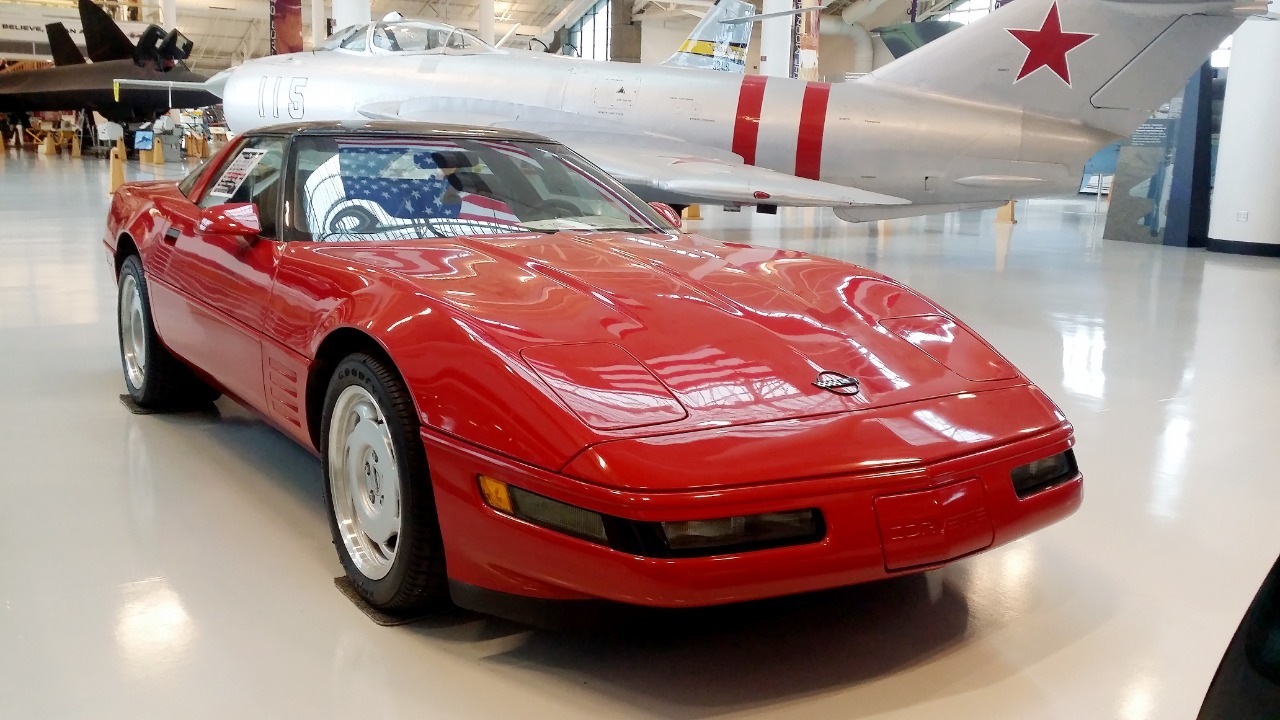
The 1990 Chevrolet Corvette ZR-1 introduced advanced engineering through its Lotus-designed, Mercury Marine-built LT5 5.7-liter DOHC V8. Producing 375 horsepower, it significantly outperformed previous Corvettes while showcasing sophisticated technology. The ZR-1 demonstrated that Chevrolet could successfully compete with high-end international sports cars on performance and innovation.
1997 Chevrolet Corvette
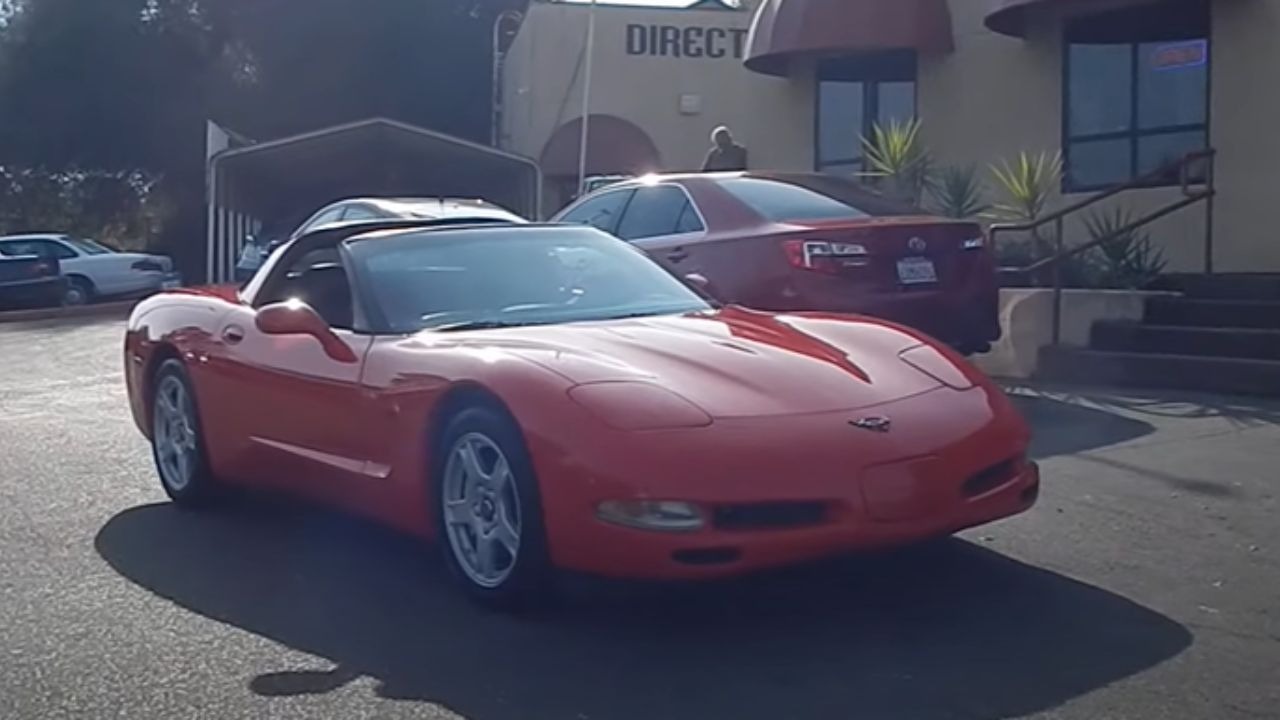
The 1997 Chevrolet Corvette launched the fifth generation with an all-new platform and the revolutionary LS1 V8 engine. Its rear-mounted transaxle improved weight distribution, while the lightweight chassis enhanced handling and efficiency. This model established the foundation for Chevrolet’s modern performance philosophy and influenced future generations of V8-powered vehicles.
2009 Chevrolet Corvette ZR1
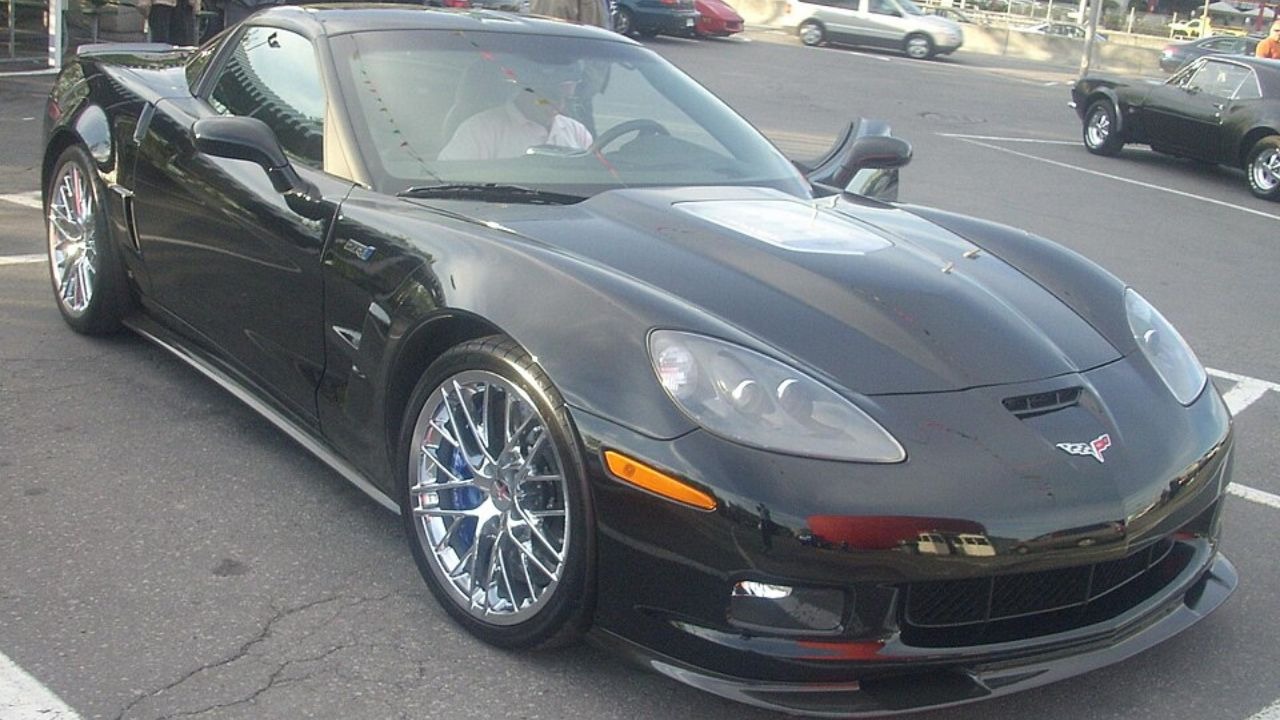
The 2009 Chevrolet Corvette ZR1 became the most powerful production Corvette ever built at the time, thanks to its supercharged 6.2-liter LS9 V8 producing 638 horsepower. Carbon-fiber body panels, magnetic ride control, and exceptional speed allowed it to compete directly with elite European supercars while maintaining everyday usability.
2015 Chevrolet Corvette Z06
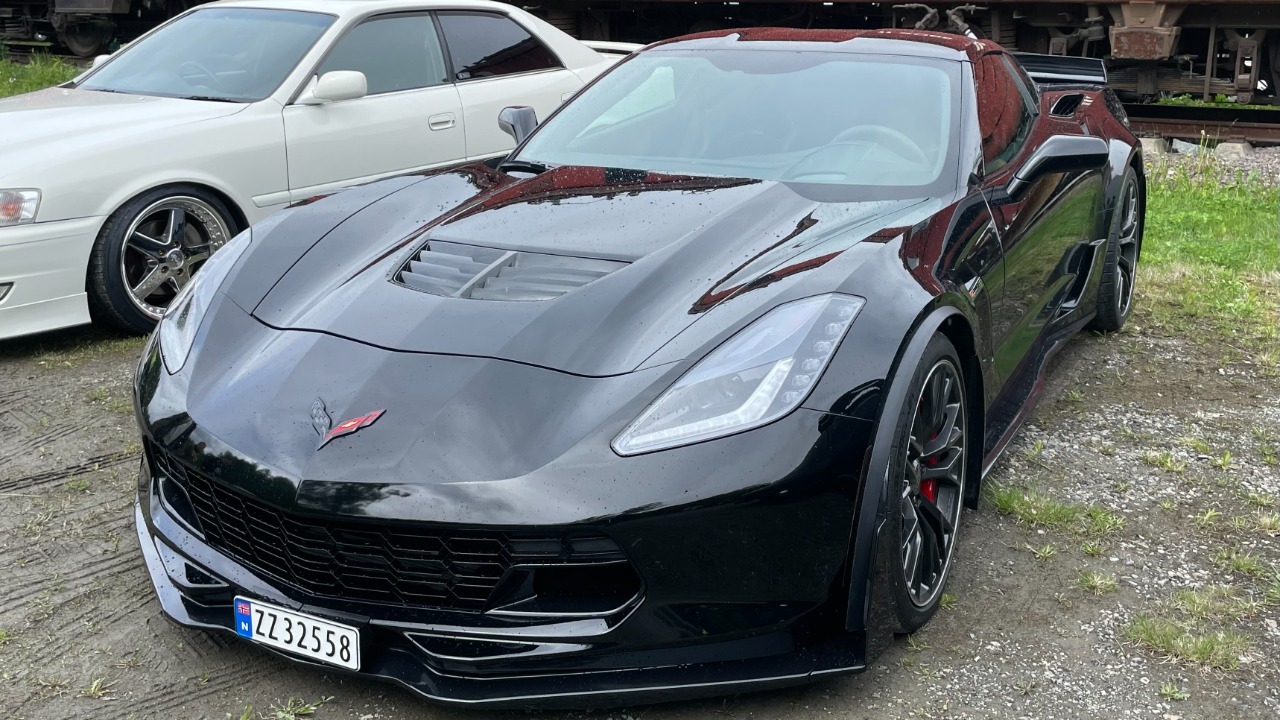
The 2015 Chevrolet Corvette Z06 introduced a supercharged LT4 V8 producing 650 horsepower, making it one of the most capable factory Corvettes in history. Advanced aerodynamics, magnetic ride suspension, and track-focused technology enabled remarkable performance on both road and racetrack. It demonstrated Chevrolet’s commitment to combining extreme power with modern engineering.
2020 Chevrolet Corvette Stingray

The 2020 Chevrolet Corvette Stingray revolutionized the nameplate by adopting a mid-engine layout for the first time in production history. Powered by a naturally aspirated 6.2-liter LT2 V8, it delivered outstanding balance, acceleration, and handling. This dramatic redesign fundamentally changed Chevrolet’s approach to sports car engineering and elevated the Corvette into a new era of global performance.
More from Fast Lane Only
- Unboxing the WWII Jeep in a Crate
- 15 rare Chevys collectors are quietly buying
- 10 underrated V8s still worth hunting down
- Police notice this before you even roll window down
*Research for this article included AI assistance, with all final content reviewed by human editors