Detroit used to know how to build a proper coupe—long doors, rear-wheel drive, and an engine that could back up the look. Some of these models faded quietly, others left with a bang, but all of them could fill a serious gap in today’s market. Here are 10 coupes that deserve another shot.
1970 Mercury Cougar Eliminator
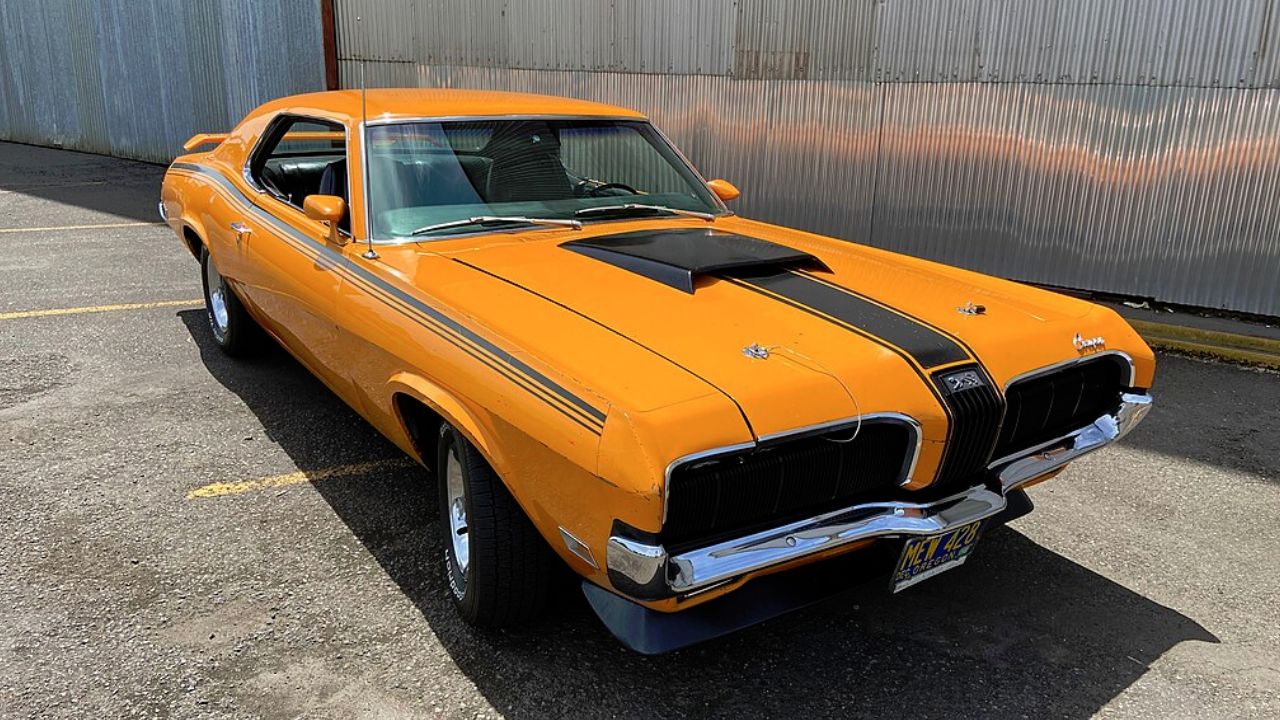
The Cougar Eliminator sat between muscle car aggression and luxury cruiser comfort. With available engines like the 428 Cobra Jet and Boss 302, it wasn’t soft under the hood. But unlike a Mustang, it had more wheelbase, better insulation, and grown-up styling.
Only around 2,200 Eliminators were built in 1970, making them rare even then. The option packages included spoilers, competition suspension, and blackout trim. A modern take could bring back that blend of power and poise—something between Shelby firepower and Lincoln composure.
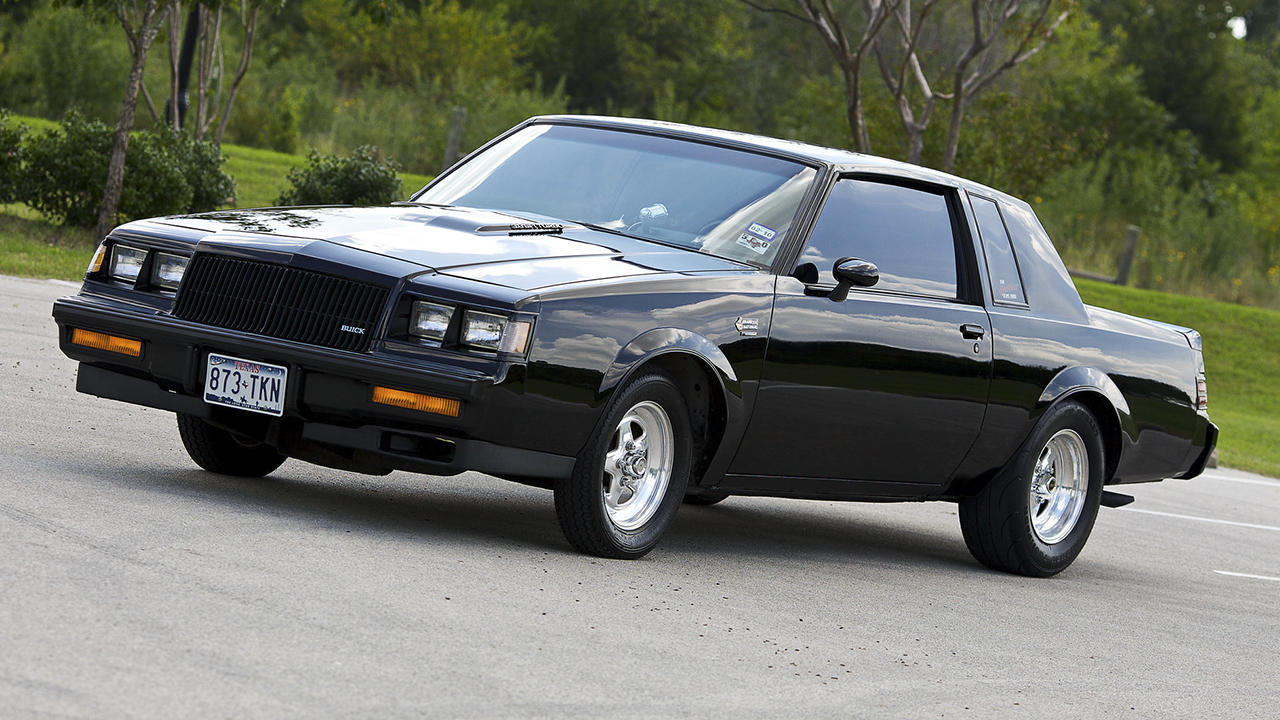
1987 Buick GNX

GM built only 547 GNXs, but their reputation has outlived almost everything else from the era. The turbocharged 3.8-liter V6 made 276 hp and 360 lb-ft, sent to the rear wheels through a 4-speed automatic and torque-sensing differential.
What looked like a mild-mannered Regal could take down Ferraris at the time. It had a stealthy exterior, a boost gauge where the tach should be, and enough torque to light up both tires at a stoplight. Buick could use another hit like this—clean styling, brutal speed, and no extra fluff.
1971 Chevrolet Monte Carlo SS 454

Before the Monte Carlo went full malaise, it had some punch. In ’71, the SS 454 packed a 365-hp version of the LS5 big block, bolted to a TH400 with a 3.31 axle. It wasn’t built for corners—but it was built for highway pulls and street presence.
With bucket seats, optional tach, and a 15-foot-long hood, it had the size and attitude to back it up. Only about 1,900 SS 454s were made that year. A comeback could carve out a place for a grand touring coupe with serious torque and real rear-drive manners.
1969 Pontiac Grand Prix SJ
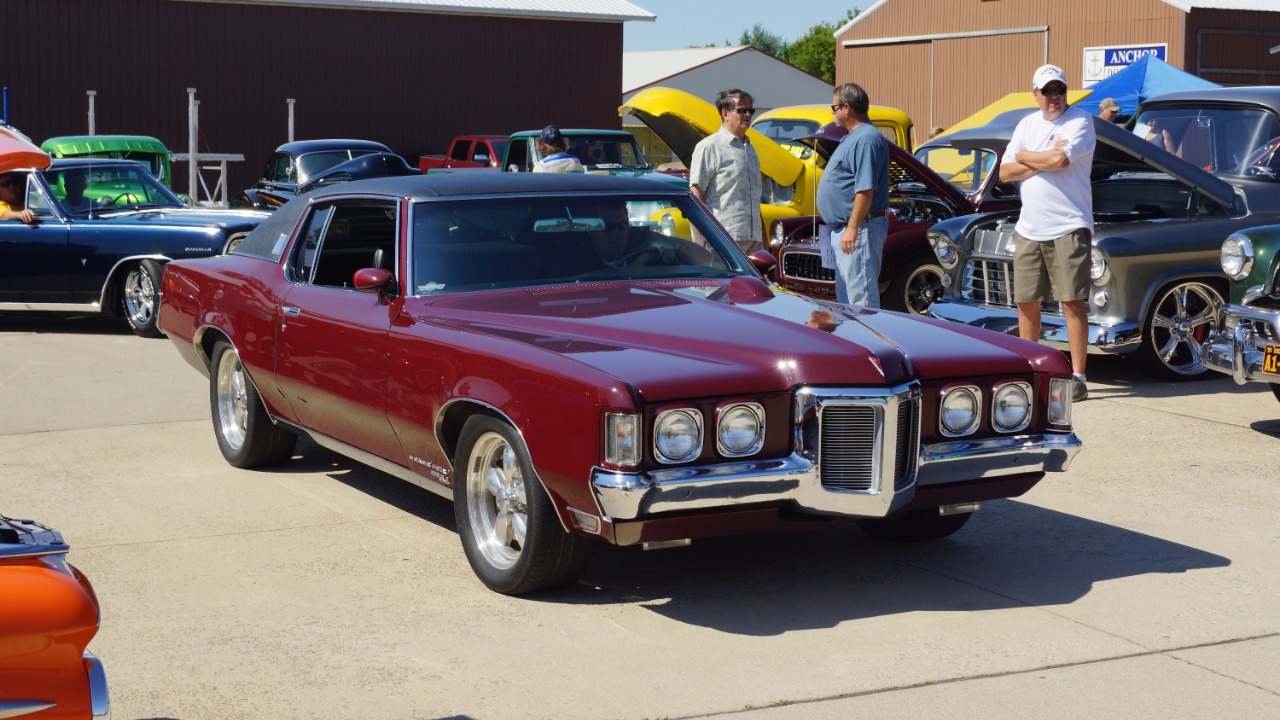
The 1969 Grand Prix brought a new personal luxury layout with a 118-inch wheelbase and massive hood line. The SJ trim added a 428 V8 with up to 390 hp and loaded interiors—think real wood, wraparound dashboards, and thick carpeting.
It was a gentleman’s hot rod. While the GTO got the headlines, the Grand Prix could cruise at triple-digit speeds all day. Today’s buyers might just go for a modern version with RWD proportions, big torque, and clean lines—without the SUV ride height.
1986 Oldsmobile 442
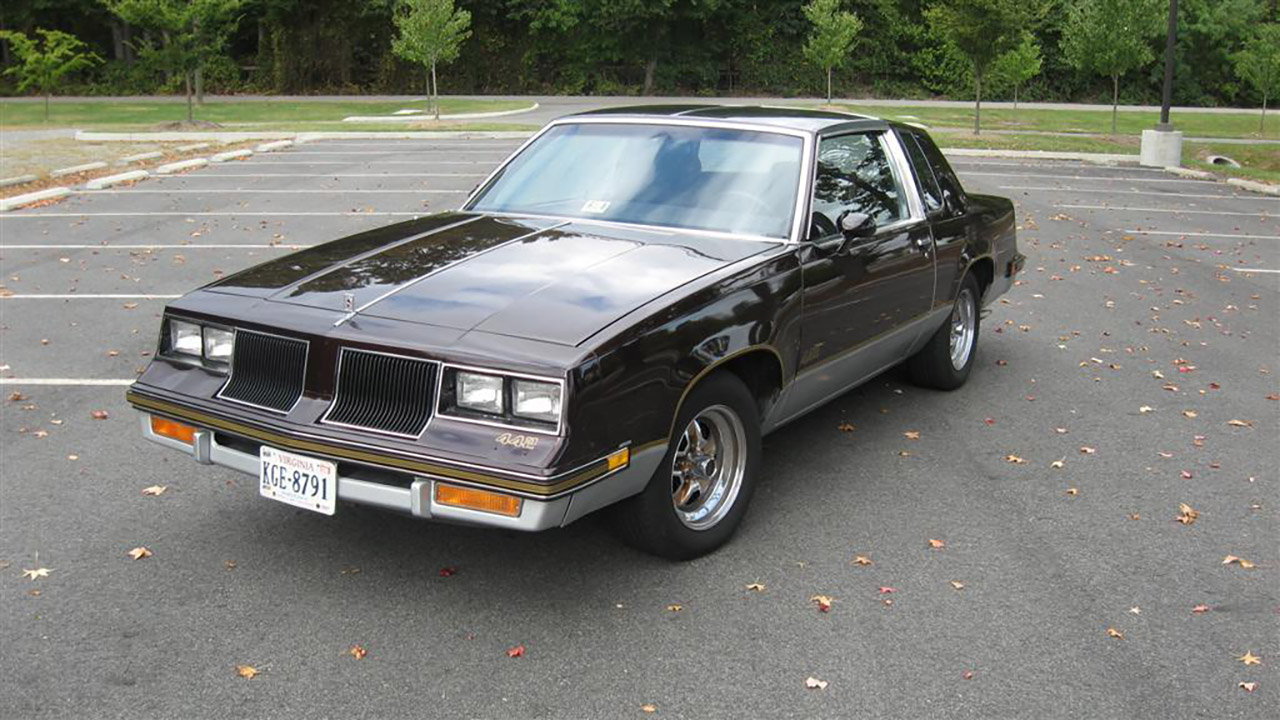
This was a sleeper that didn’t try too hard. The 442 package on the G-body Cutlass brought a 307ci V8, Hurst dual-gate shifter, 3.73 rear gears, and firmer suspension. It only made 180 hp—but torque was flat and useful, and the setup made it surprisingly capable.
The styling was clean—no fake scoops or tacked-on wings. The interior was all business, with supportive buckets and a console layout that worked. A revived 442 could do well today with modern LS power and analog charm—no touchscreen overload required.
1970 Dodge Challenger R/T SE

The Challenger R/T SE was about as upscale as Mopar muscle got. Underneath, it could hide a 440 Magnum or 426 Hemi, while inside it came with leather buckets, a rim-blow steering wheel, and full Rallye gauges. It blended menace with manners.
Unlike the modern Challenger, the original wasn’t oversized. It was well-proportioned, aggressive, but still refined. A modern version that leaned into the R/T SE’s luxury-meets-power ethos—rather than just retro styling—could stand out in a market full of numb performance.
1963 Ford Thunderbird Sports Roadster

The ‘63 Thunderbird was more boulevard than back road, but the Sports Roadster package added wire wheels, a fiberglass tonneau, and bucket-seat interior that made it feel like a two-seat grand tourer. The 390 FE V8 pushed 300 hp and gobs of torque.
Only a few hundred were built with this trim, and most didn’t survive intact. Still, the formula was smart: long, low, sleek, with V8 confidence and style-first execution. There’s room again for a rear-drive coupe with presence and comfort, not just numbers.
1977 Chevrolet Monza Spyder V8

The Monza is rarely remembered, but the Spyder version with the 305 V8 was GM’s idea of a Euro-inspired coupe with American grunt. It was light, cheap, and fairly quick for its time—even if emissions choked it to 140 hp.
It had sporty looks, decent handling, and just enough muscle to make it interesting. A modern interpretation could work with a turbo-four or small V8, rear-wheel drive, and honest packaging. Not everything needs 600 hp—sometimes 3,000 pounds and good gearing are enough.
1992 Cadillac Eldorado Touring Coupe

By the early ‘90s, Cadillac had started to pivot away from land yachts. The Touring Coupe trim of the Eldorado had firmer suspension, leather Recaro-style buckets, a digital dash, and clean bodywork. Under the hood was a 200-hp 4.9L V8—not fast, but refined.
It wasn’t trying to be German—it was just trying to be a sharp-driving American coupe. Cadillac dropped the ball after this, but the formula could work again: keep it rear-drive, give it real power, and skip the fake woodgrain. Plenty of buyers still want comfort and power in one package.
1978 Chrysler Cordoba 360

The Cordoba may be remembered more for Ricardo Montalbán ads than performance, but the 360 V8 option gave it usable grunt and a throaty idle. It had a column or console shifter, deep-padded seats, and just enough muscle under all that vinyl and chrome.
It wasn’t meant to take corners—but neither are most modern luxury coupes. If Chrysler ever wanted to bring back a personal coupe with some swagger, the Cordoba nameplate could be a wildcard choice. Just leave out the Corinthian leather—and give it a HEMI this time.
Like Fast Lane Only’s content? Be sure to follow us.
Here’s more from us:
*Created with AI assistance and editor review.