Muscle cars have always been a symbol of power, speed, and rebellion. Throughout the history of the automotive industry, manufacturers have bent the rules to produce vehicles that defy conventional standards. Here, I delve into nine iconic muscle cars that were built just to dodge regulations, each with its own unique story and impact on the automotive world.
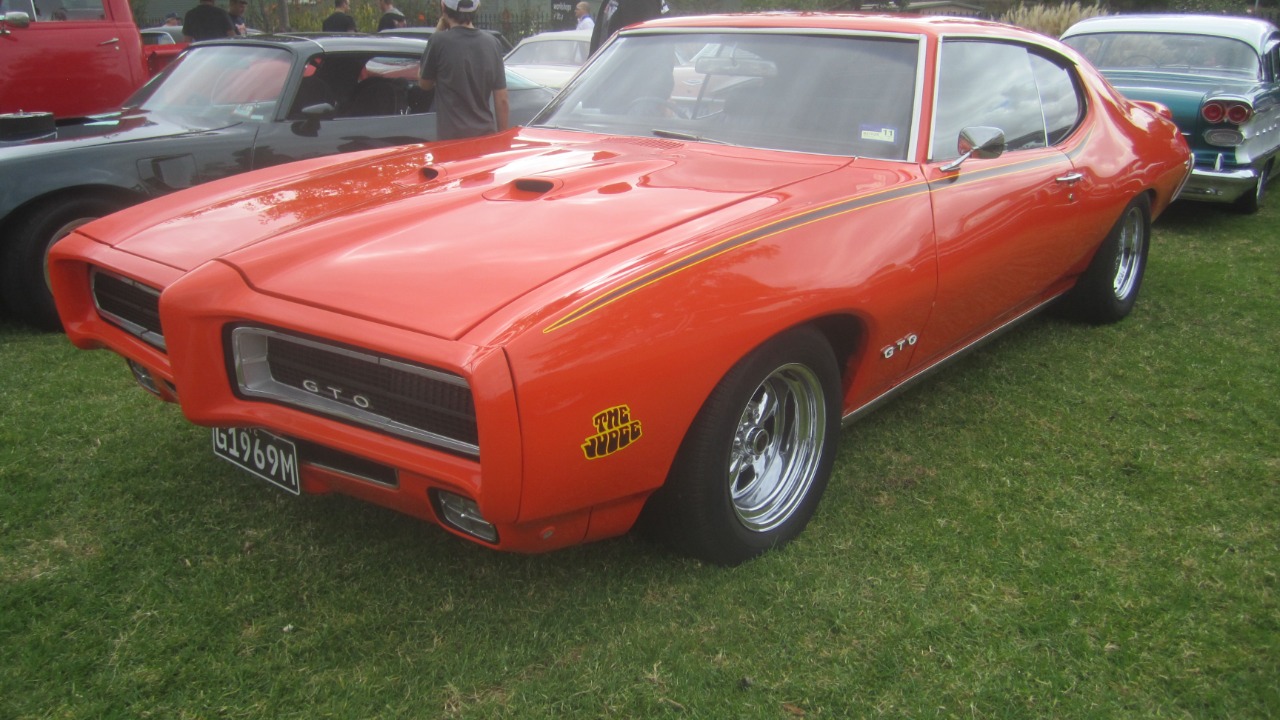
Pontiac GTO Judge
Image Credit: Sicnag – CC BY 2.0/Wiki Commons
The Pontiac GTO Judge was introduced as a response to the rising demand for high-performance cars in the late 1960s. With its bold colors and distinctive graphics, the Judge stood out not just for its looks but also for its power. Equipped with a Ram Air III engine, it was designed to deliver a thrilling driving experience.
Named after a catchphrase from a popular TV show, the GTO Judge was Pontiac’s way of making a statement. Its production was a strategic move to maintain competitiveness in the muscle car market. The Judge’s unique combination of style and performance made it a favorite among enthusiasts and a symbol of Pontiac’s innovative spirit.
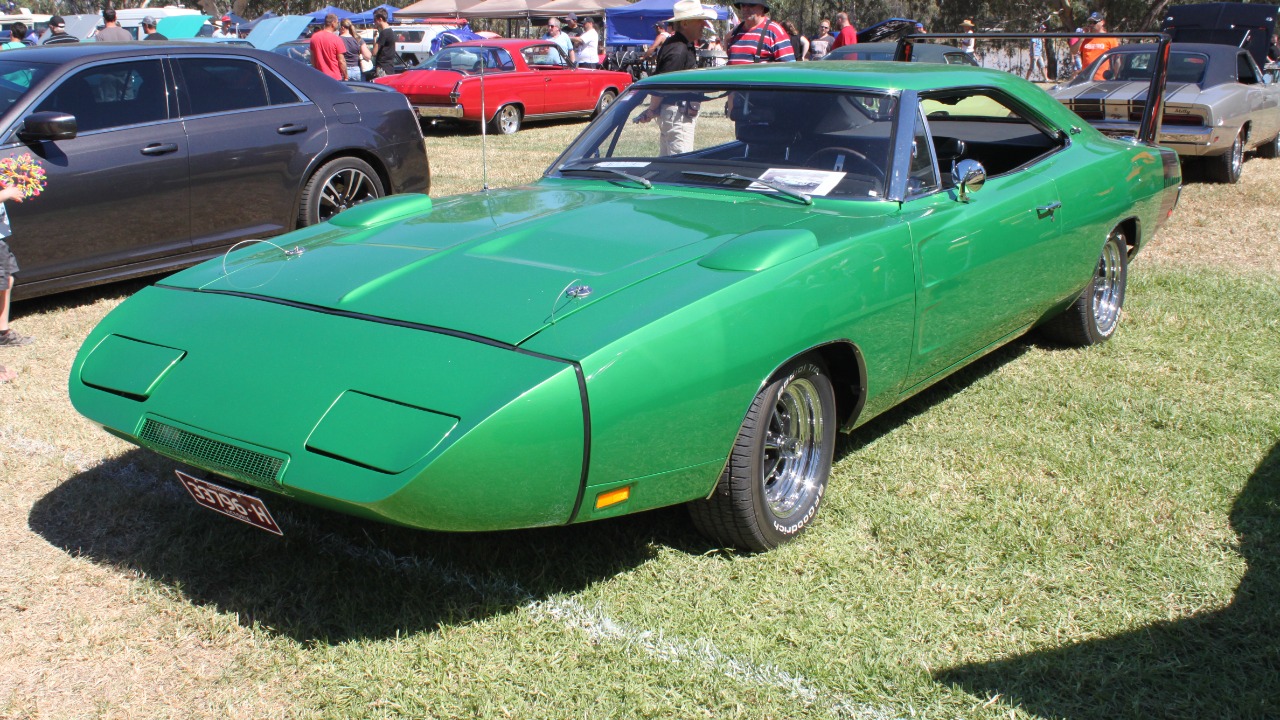
Dodge Charger Daytona
Image Credit: Jeremy from Sydney, Australia – CC BY 2.0/Wiki Commons
The Dodge Charger Daytona was a game-changer in the world of racing. Designed to dominate NASCAR, it featured a distinctive aerodynamic design with a pointed nose and a massive rear wing. These modifications were made to increase speed and stability on the track, giving it a competitive edge.
The Daytona’s production was limited, primarily to meet homologation requirements for competition. Its success on the track led to a lasting legacy, and it remains one of the most sought-after muscle cars by collectors and racing enthusiasts alike.
Chevrolet Camaro ZL1
Image Credit: Mecum.
The Chevrolet Camaro ZL1 was a powerhouse built with one purpose in mind: to be the fastest and most powerful Camaro ever. With a 427-cubic-inch V8 engine, the ZL1 was capable of extraordinary performance. It was a rare and expensive option, making it an exclusive choice for those seeking unparalleled power.
Despite its limited production, the ZL1 made a significant impact on the muscle car scene. Its raw power and engineering excellence set a new standard for performance, solidifying its place in automotive history as a true icon.
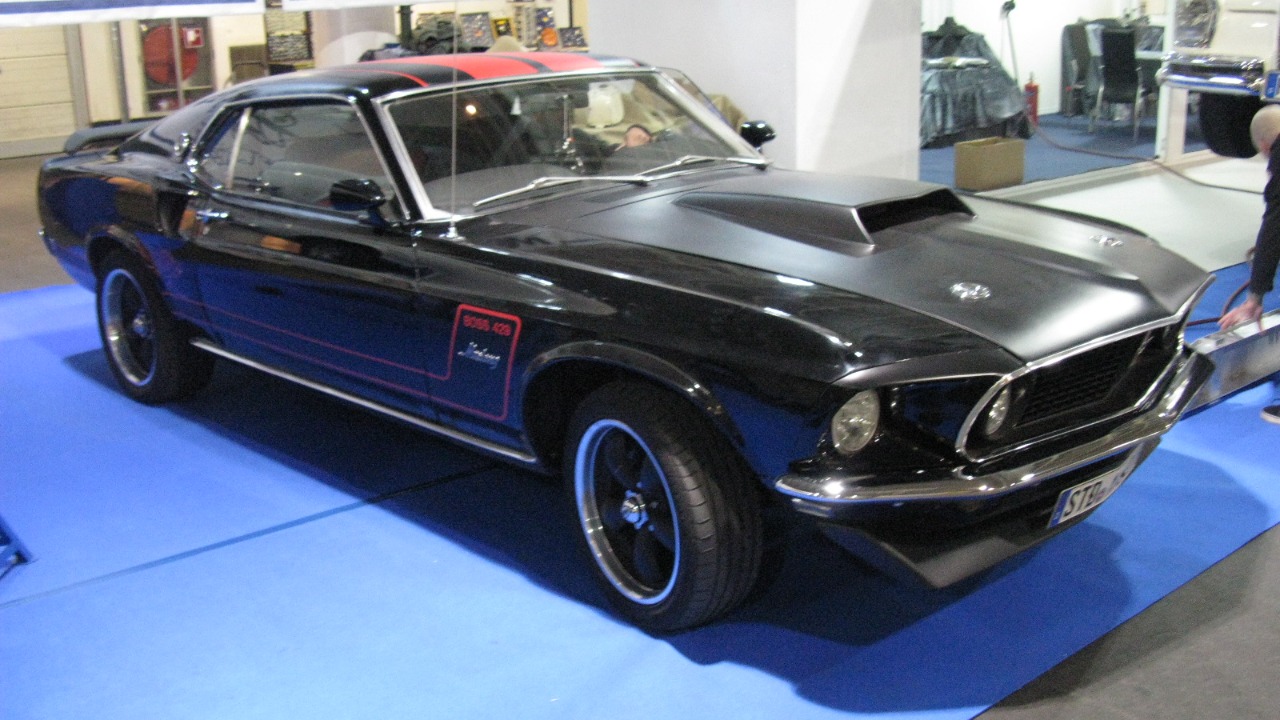
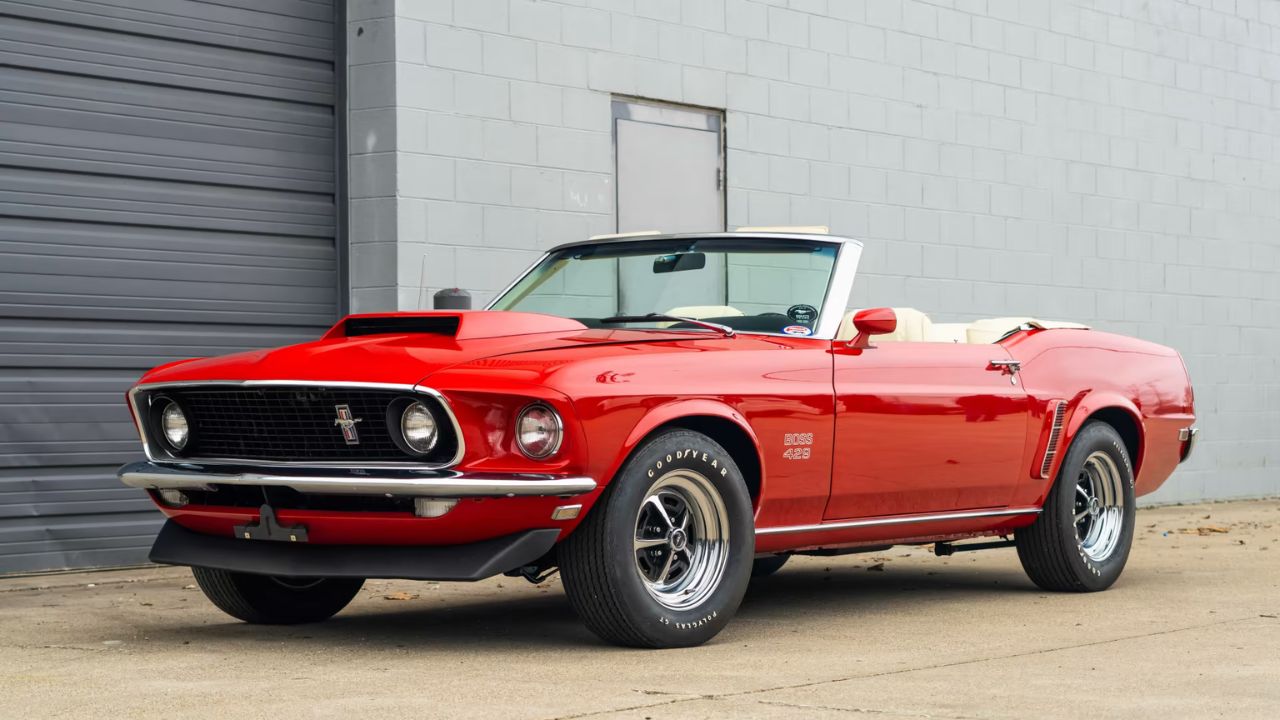
Ford Mustang Boss 429
Image Credit: nakhon100 – CC BY 2.0/Wiki Commons
The Ford Mustang Boss 429 was created to homologate Ford’s new engine for NASCAR racing. The car featured a 429 cubic inch V8 engine, designed specifically for high performance on the track. Its production involved extensive modifications to the car’s body to fit the massive engine, showcasing Ford’s commitment to performance.
Due to its limited production and unique engineering, the Boss 429 became a collector’s dream. Its legacy lives on as one of the most powerful Mustangs ever built, demonstrating Ford’s ability to push the boundaries of what a muscle car could be.
Plymouth Superbird
Image Credit: Mecum.
The Plymouth Superbird was born from the need to dominate NASCAR. Like its cousin, the Dodge Charger Daytona, the Superbird featured a long nose and a towering rear wing, enhancing its aerodynamics and speed. These features were crucial in achieving success on the racetrack.
Despite its striking appearance, the Superbird faced challenges in the consumer market due to its radical design. However, it has since become a beloved classic among collectors and enthusiasts, cherished for its unique contribution to racing history.
Buick GSX
Image Credit: Robotriot – CC BY-SA 3.0/Wiki Commons
The Buick GSX was Buick’s answer to the muscle car craze of the 1970s. With its bold stripes and powerful 455 cubic inch V8 engine, the GSX was designed to stand out both in looks and performance. It offered a combination of luxury and power, appealing to a broad range of buyers.
Despite its relatively short production run, the GSX made a lasting impact. It demonstrated Buick’s ability to compete with the best in the muscle car world, offering a blend of speed, style, and sophistication.
Oldsmobile 442 W-30
Image Credit: Riley – CC BY 2.0/Wiki Commons
The Oldsmobile 442 W-30 represented the pinnacle of Oldsmobile’s performance offerings. With a potent V8 engine and an aggressive design, the 442 W-30 was built to deliver thrilling performance on the road. It was a car that demanded attention and respect from its competitors.
Oldsmobile’s decision to produce the 442 W-30 was driven by a desire to compete with other muscle cars of the era. Its success was a testament to Oldsmobile’s engineering and design prowess, making it a cherished classic among enthusiasts today.
AMC Rebel Machine
Image Credit: Greg Gjerdingen, via Wikimedia Commons, CC BY 2.0
The AMC Rebel Machine was AMC’s bold entry into the muscle car arena. With its striking red, white, and blue paint scheme and powerful V8 engine, the Rebel Machine was built to make a statement. It offered impressive performance at an affordable price, appealing to a wide audience.
Despite being produced by a smaller manufacturer, the Rebel Machine held its own against more established competitors. Its unique styling and performance capabilities have earned it a place in the hearts of muscle car fans, showcasing AMC’s innovative spirit.
Mercury Cyclone Spoiler II
Image Credit: Carl Sharp – CC BY-SA 3.0/Wiki Commons
The Mercury Cyclone Spoiler II was developed as part of Ford’s strategy to dominate NASCAR. With its aerodynamic enhancements, including a sloped front end and flush-mounted grille, the Spoiler II was built for speed and stability on the track.
Its production was limited, intended primarily for racing homologation purposes. Despite its rarity, the Spoiler II remains a symbol of Mercury’s commitment to performance and innovation. It stands as a testament to the brand’s ability to create exceptional vehicles under competitive pressures.
Bobby Clark is the founder and editor of Fast Lane Only, covering performance cars, automotive news, recalls, classic vehicles, consumer automotive topics, and enthusiast culture. His work focuses on making automotive news engaging, accessible, and informative for both enthusiasts and everyday drivers.
Welcome!
Welcome to Fast Lane Only—We are an independent automotive publication covering performance cars, automotive news, recalls, classic vehicles, industry trends, and enthusiast culture.
From the rarest collector’s cars to the high-performance machines turning heads today, we bring you stories, specs, and insider looks at the rides that matter. If it’s fast, legendary, or owned by someone famous, you’ll find it here. Buckle up and stay in the fast lane!