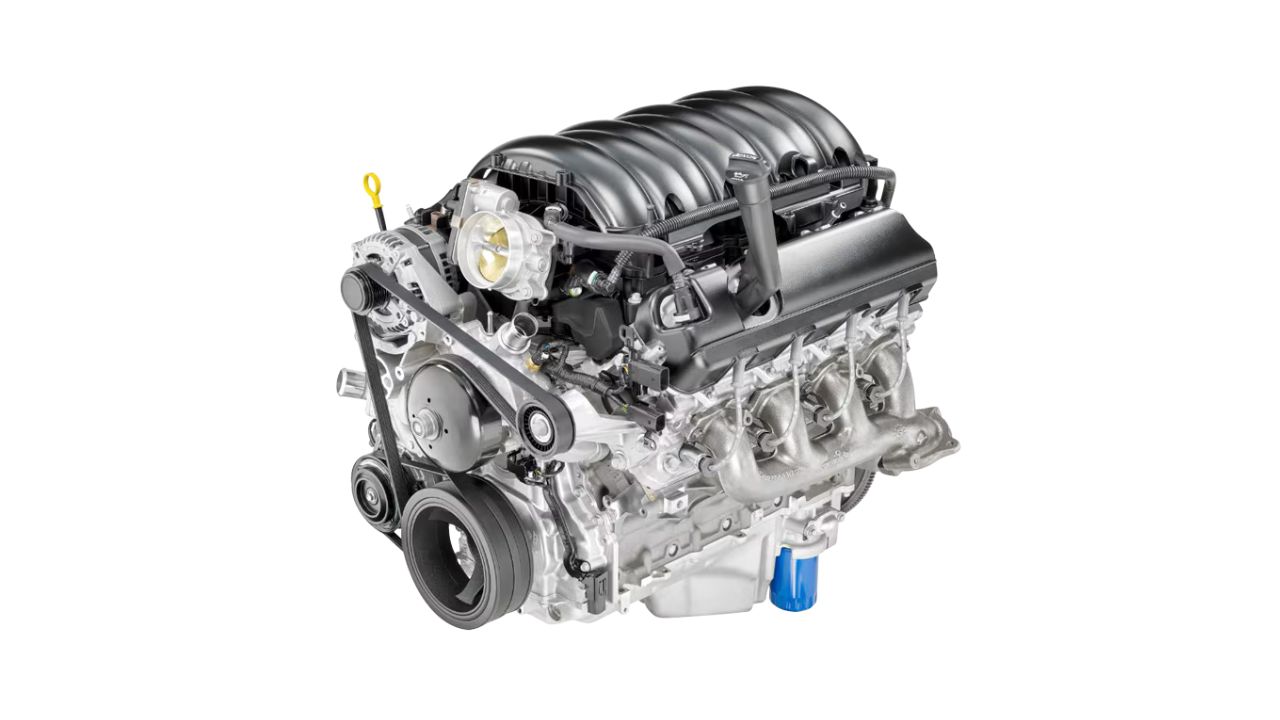
Certain racing engines became so successful that they permanently altered motorsport history. Their combination of power, durability, and engineering innovation forced competitors to adapt or fall behind entirely. From Formula One to endurance racing and NASCAR, these engines reshaped entire categories and established performance standards that engineers and mechanics still study decades later.
Ford Cosworth DFV V8

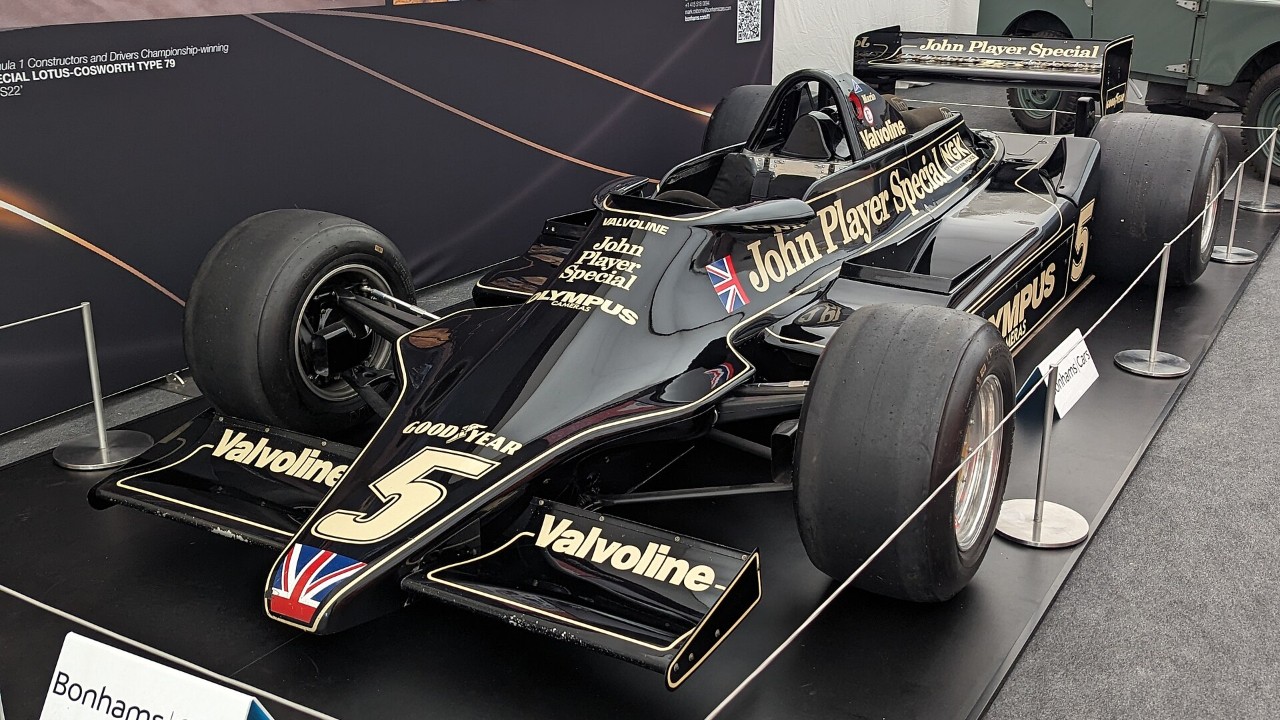
The Ford Cosworth DFV revolutionized Formula One by combining strong power output with affordability and reliability for independent teams. Introduced in the late 1960s, it quickly became the dominant engine across the grid for more than a decade. Mechanics admired its simplicity, serviceability, and ability to function as a stressed chassis component. The DFV transformed Formula One because it allowed smaller teams to compete directly against factory-backed operations with unprecedented success.
Porsche Flat-12 917 Engine

The Porsche 917 changed endurance racing forever with its powerful flat-12 engine that finally delivered Porsche an overall victory at Le Mans. Its incredible speed and durability allowed the 917 to dominate long-distance competition during the early 1970s. Mechanics respected the engineering precision required to keep the high-output engine reliable for endurance events. The engine’s performance forced rivals to rethink aerodynamics, cooling systems, and race strategy across international endurance racing.
Chevrolet Small-Block NASCAR V8

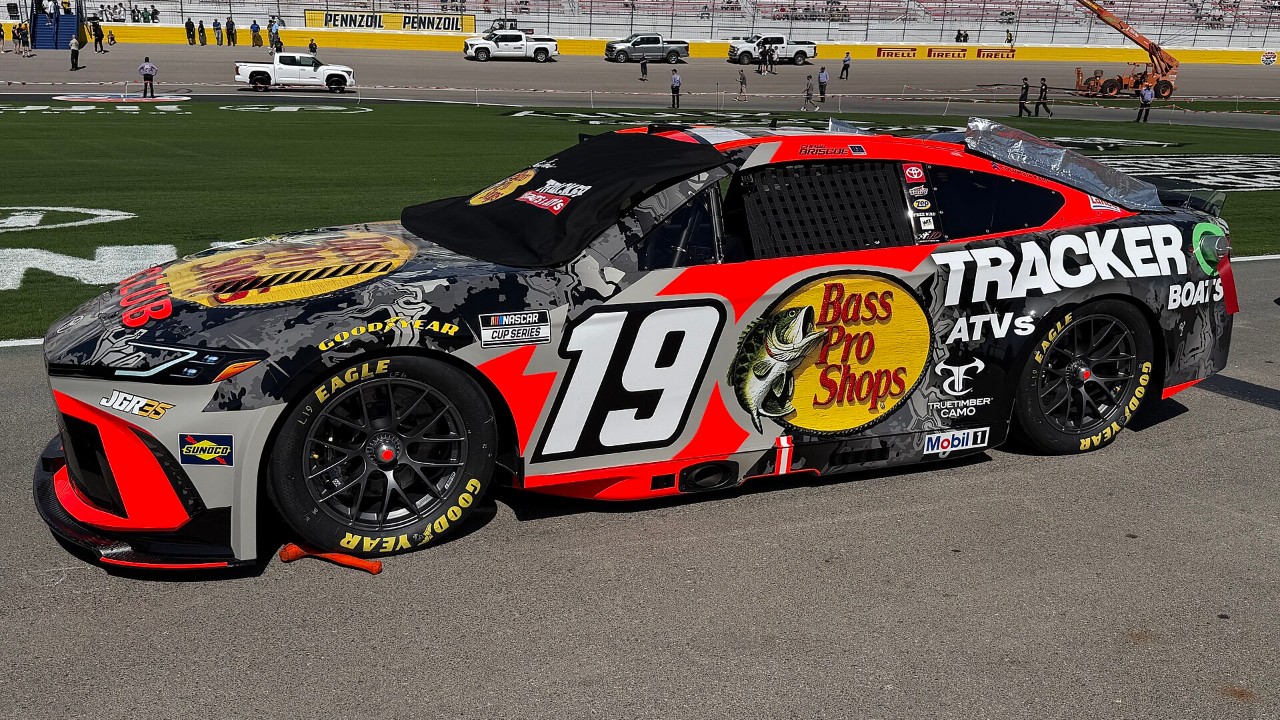
The Chevrolet NASCAR Small-Block V8 became one of the defining powerplants in NASCAR history through decades of consistent competitiveness and adaptability. Its compact design and durability made it ideal for sustained high-speed oval racing. Mechanics appreciated the endless tuning potential and relatively straightforward maintenance requirements. This engine architecture became so dominant that it shaped NASCAR engineering philosophy for generations and influenced countless racing engine development programs worldwide.
Ferrari Tipo 056 V10

The Ferrari Tipo 056 powered Ferrari during one of the most dominant eras in Formula One history. Its combination of reliability, throttle response, and screaming high-revving performance helped secure multiple world championships. Mechanics respected its advanced engineering and ability to survive extreme race conditions while maintaining consistent output. The Tipo 056 helped define the peak of Formula One’s V10 era and influenced future high-performance engine development across motorsports.
Offenhauser Indy Engine

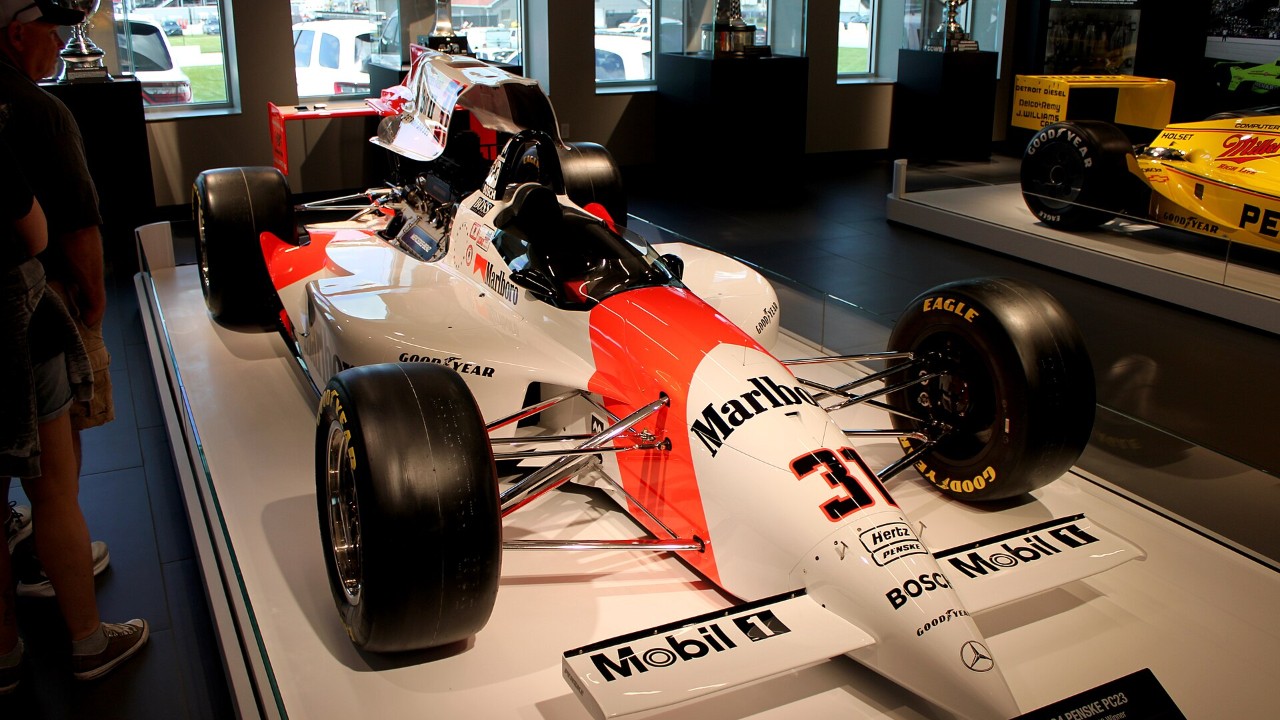
The Offenhauser Racing Engine dominated American open-wheel racing for decades through unmatched reliability and remarkable adaptability. Originally developed in the 1930s, it remained competitive at Indianapolis well into the turbocharged era. Mechanics admired its rugged construction and ability to handle massive boost pressures under racing conditions. The Offenhauser became so successful that it essentially defined Indianapolis racing for generations and established engineering standards for American motorsport powerplants.
Renault EF1 Turbo V6

The Renault EF1 introduced turbocharging to modern Formula One and completely changed the sport’s engineering direction. Early reliability problems earned criticism, but the engine eventually delivered massive power outputs that naturally aspirated competitors struggled to match. Mechanics respected Renault’s persistence and technical innovation under difficult conditions. The EF1 permanently transformed Formula One by triggering the turbo era, forcing nearly every major manufacturer to pursue forced induction technology aggressively.
Chrysler 426 HEMI Race Engine
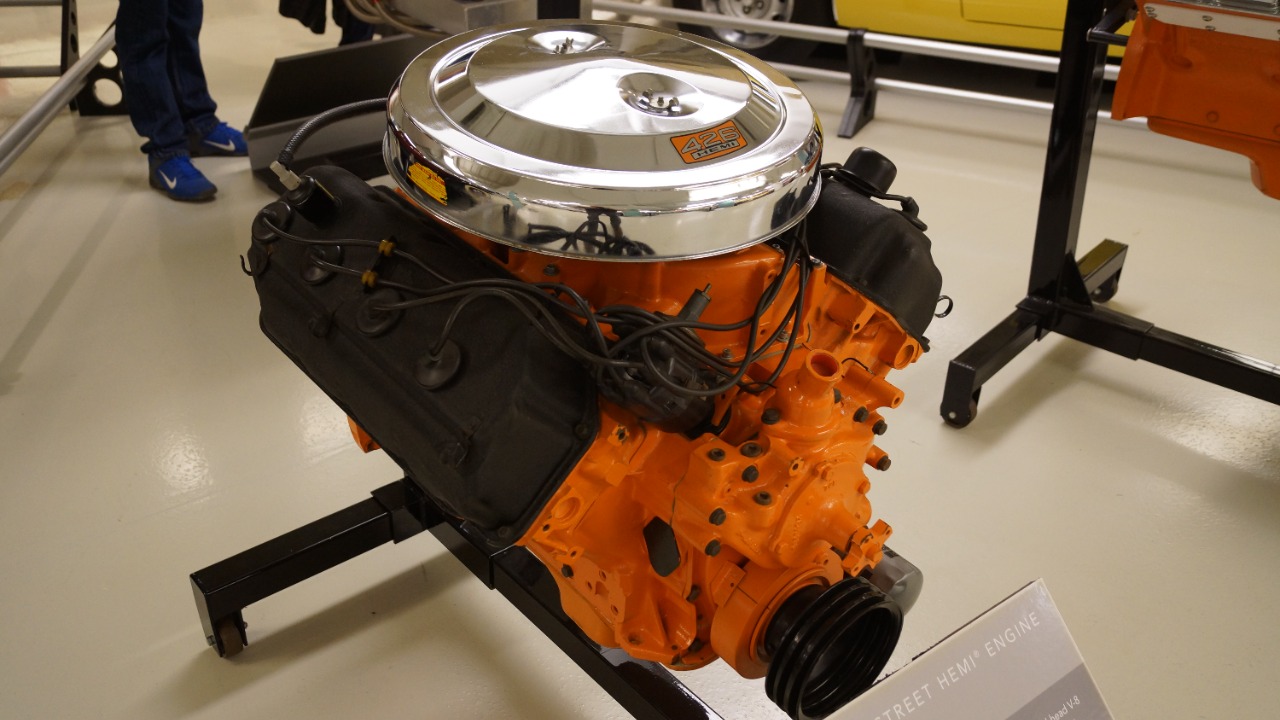
The Chrysler 426 HEMI became legendary for overwhelming power and dominance across drag racing and NASCAR competition during the 1960s. Its hemispherical combustion chamber design delivered exceptional airflow and horsepower potential that competitors found difficult to match. Mechanics respected its incredible durability under extreme stress. The 426 HEMI changed American racing forever by establishing new expectations for factory-backed performance and influencing high-performance engine development for decades afterward.
Honda RA168E Turbo V6

The Honda RA168E powered one of Formula One’s most dominant periods alongside McLaren during the late 1980s. Combining incredible power with excellent reliability, it allowed drivers to dominate championship competition consistently. Mechanics admired Honda’s engineering precision and ability to maximize turbo performance while maintaining race durability. The RA168E helped cement Honda’s reputation as one of the greatest racing engine manufacturers in motorsport history.
BMW M12/13 Turbo Inline-Four

The BMW M12/13 became infamous for producing astonishing horsepower figures during Formula One’s turbo era. Based partly on a production-derived engine block, it demonstrated how extreme engineering development could transform humble origins into championship-winning performance. Mechanics respected its ability to survive unbelievable boost pressures during qualifying sessions. The M12/13 permanently altered perceptions of turbocharged racing engines and pushed Formula One engineering into unprecedented territory.
Mazda 787B Rotary Engine

The Mazda 787B changed endurance racing history by becoming the only rotary-powered car ever to win the 24 Hours of Le Mans outright. Its four-rotor engine delivered a unique combination of high-revving performance and durability during long-distance competition. Mechanics admired the complexity and precision required to maintain the rotary system under racing stress. The 787B proved unconventional engine concepts could defeat traditional piston-powered rivals at the highest level of motorsport.
More from Fast Lane Only