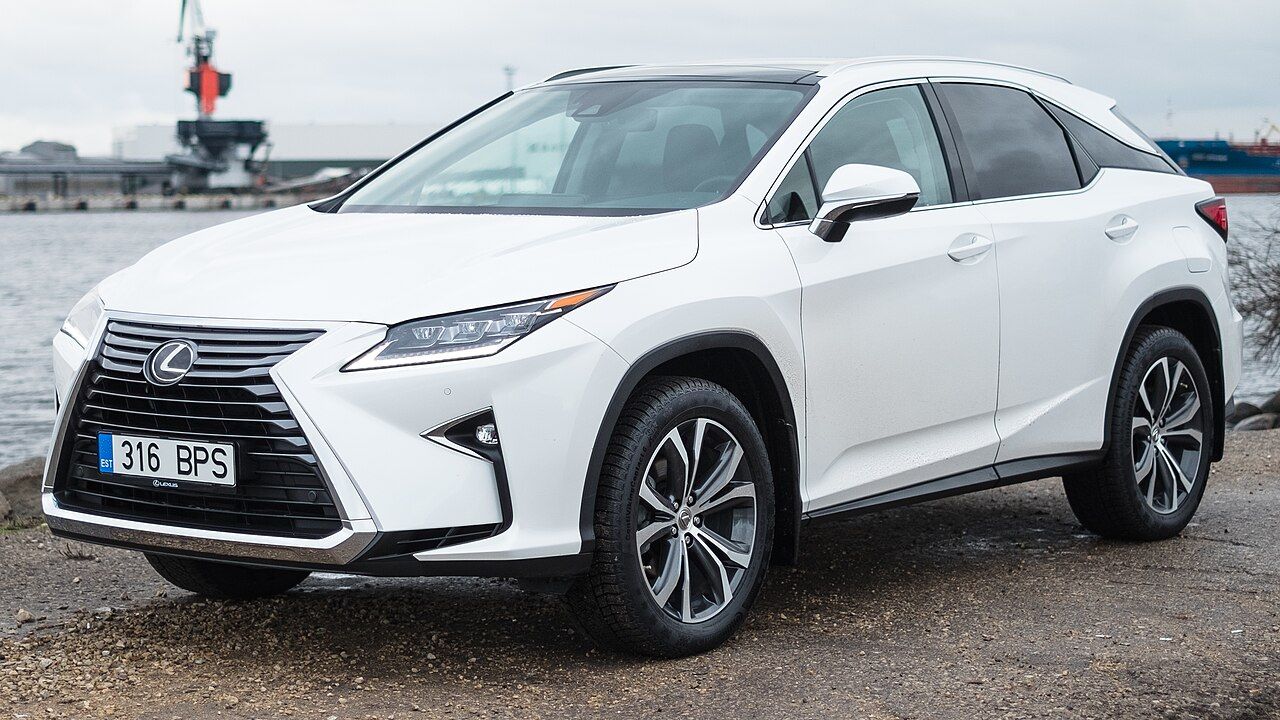
High-mileage luxury crossovers are increasingly showing a troubling pattern in repair shops, with transmission failures becoming one of the most common and expensive issues. What once seemed like refined, low-stress daily drivers are now revealing long-term durability weaknesses as complex transmissions age under real-world driving conditions.
Complex automatic transmissions in luxury crossovers are under more stress than expected
Modern luxury crossovers from manufacturers like BMW and Mercedes-Benz rely on highly advanced automatic transmissions designed for smooth shifting, fuel efficiency, and performance. These systems often include 8-speed or 9-speed gearboxes, dual-clutch setups, or continuously variable transmission technologies that prioritize refinement over mechanical simplicity.
The problem mechanics frequently point out is heat and complexity. The automatic transmission fluid degradation accelerates in heavier luxury crossovers, especially in stop-and-go traffic or mountainous driving. As fluid breaks down, it loses its ability to properly lubricate and cool internal components, leading to slipping, harsh shifting, and eventual internal wear.
High mileage exposes weaknesses in modern transmission design
As vehicles from BMW and Mercedes-Benz accumulate mileage, wear begins to show in valve bodies, mechatronic units, and clutch packs. These components are highly sensitive to both heat and fluid condition, meaning even small maintenance lapses can lead to cascading transmission issues.
Unlike older automatic transmissions that used simpler hydraulic designs, modern units rely heavily on electronic control systems. When wear begins, symptoms can appear gradually—delayed engagement, rough shifts, or hesitation—before escalating into complete transmission failure. Mechanics often note that once internal damage begins, repair costs can approach or exceed the value of older vehicles.
Driving habits and weight contribute to early transmission wear
Luxury crossovers are significantly heavier than traditional sedans, which places additional stress on their transmissions during acceleration and low-speed driving. Combined with turbocharged engines that deliver strong low-end torque, this creates repeated strain on clutch packs and gear engagement systems.
In vehicles produced by BMW and Mercedes-Benz, aggressive driving styles, frequent stop-and-go commuting, and towing can significantly shorten transmission lifespan. Even though these vehicles are engineered for performance, their transmissions operate closer to their design limits compared to simpler drivetrain layouts.
Maintenance gaps are accelerating long-term transmission problems
One of the most common issues mechanics see is extended or ignored transmission fluid service intervals. Many luxury crossover owners assume their vehicles are “sealed for life,” but in reality, transmission fluid still degrades over time and requires replacement to maintain proper performance.
The automatic transmission fluid degradation process is gradual but unavoidable, especially under real-world driving conditions. Without regular service, contaminants build up and hydraulic performance declines, increasing wear on sensitive internal components and raising the risk of sudden failure.
Repair costs are pushing owners to rethink long-term ownership
When transmission failures occur in luxury crossovers from brands like BMW and Mercedes-Benz, repair costs can be extremely high due to the complexity of the systems involved. In many cases, full transmission replacement is recommended instead of individual component repair.
As a result, mechanics are seeing more owners reconsider long-term ownership of high-mileage luxury crossovers. While these vehicles offer comfort and performance in their early years, their long-term maintenance profile highlights how advanced engineering can sometimes come with higher repair risks once warranty coverage ends.
More from Fast Lane Only