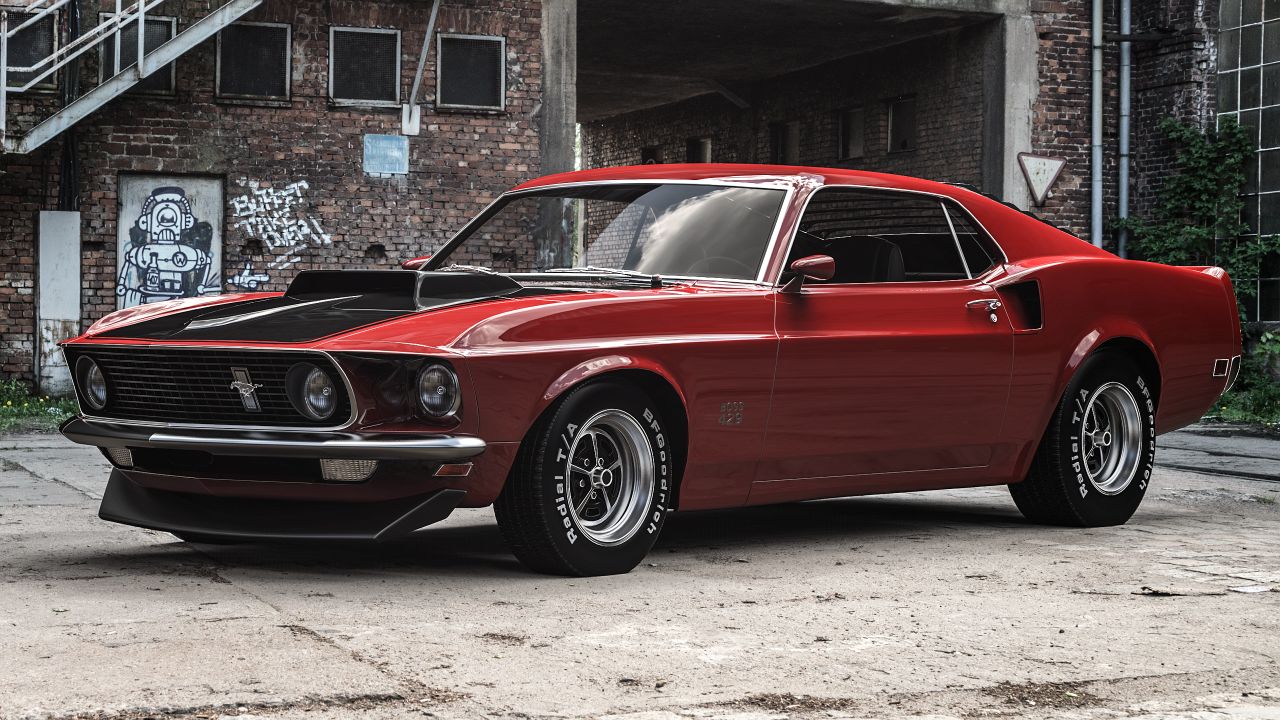
Ford has carved a significant niche in the muscle car landscape, producing vehicles that not only dominate the streets but also elevate the street racing experience. From the original Mustang to modern iterations, each model has its unique story and impact on the racing scene.
1964½ Ford Mustang
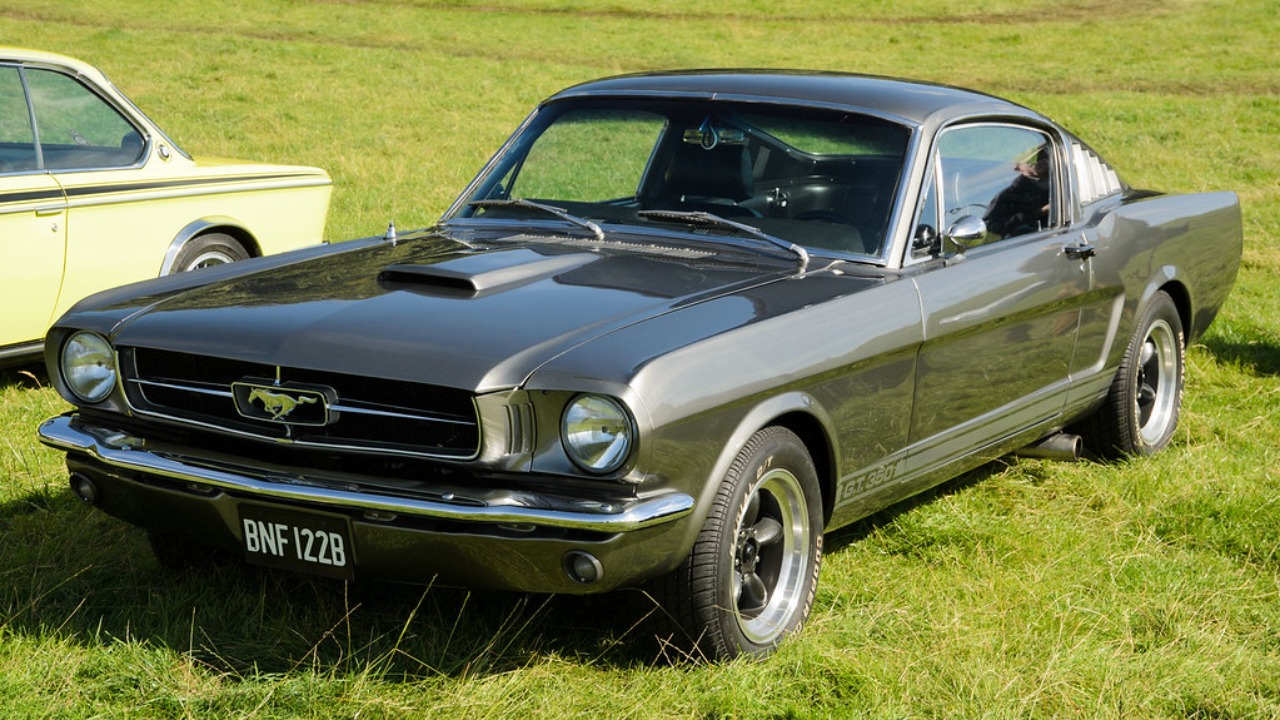
The 1964½ Ford Mustang was a game-changer when it was unveiled, introducing the concept of a “pony car” to the American market. With its sleek design and powerful engine options, it quickly gained popularity among young drivers, igniting a passion for speed and style. It was the first car to truly blend performance with affordability, making it accessible to a broader audience.
Equipped with a 260 cubic inch V8 engine, the Mustang offered a thrilling driving experience that encouraged owners to push their limits on the open road. This model’s success not only led to a massive sales boom but also established a legacy that would influence countless vehicles in the decades to follow.
1967 Ford Mustang Shelby GT350
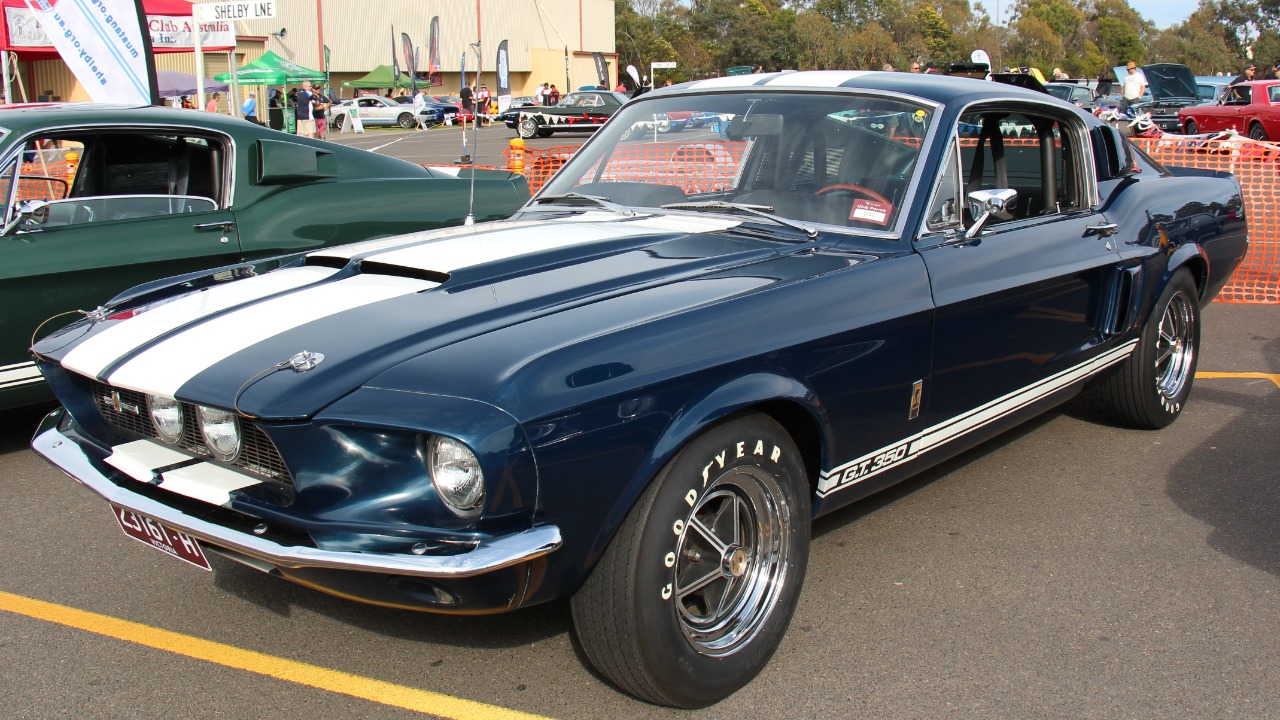
The 1967 Ford Mustang Shelby GT350 elevated the Mustang brand to new heights with its racing pedigree, thanks to Carroll Shelby’s influence. This model was designed for performance, featuring a high-output 289 cubic inch V8 engine that produced an impressive 306 horsepower. The GT350 was born from a desire to compete in the Trans-Am racing series, and it delivered on all fronts.
With its distinctive stripes and aggressive stance, the GT350 quickly became a favorite among car enthusiasts and racers alike. Its combination of speed and handling made it a formidable competitor on the track, and its design elements have inspired many modern muscle cars. The GT350 solidified Ford’s position in the racing world and set a standard for future performance vehicles.
1970 Ford Mustang Boss 302
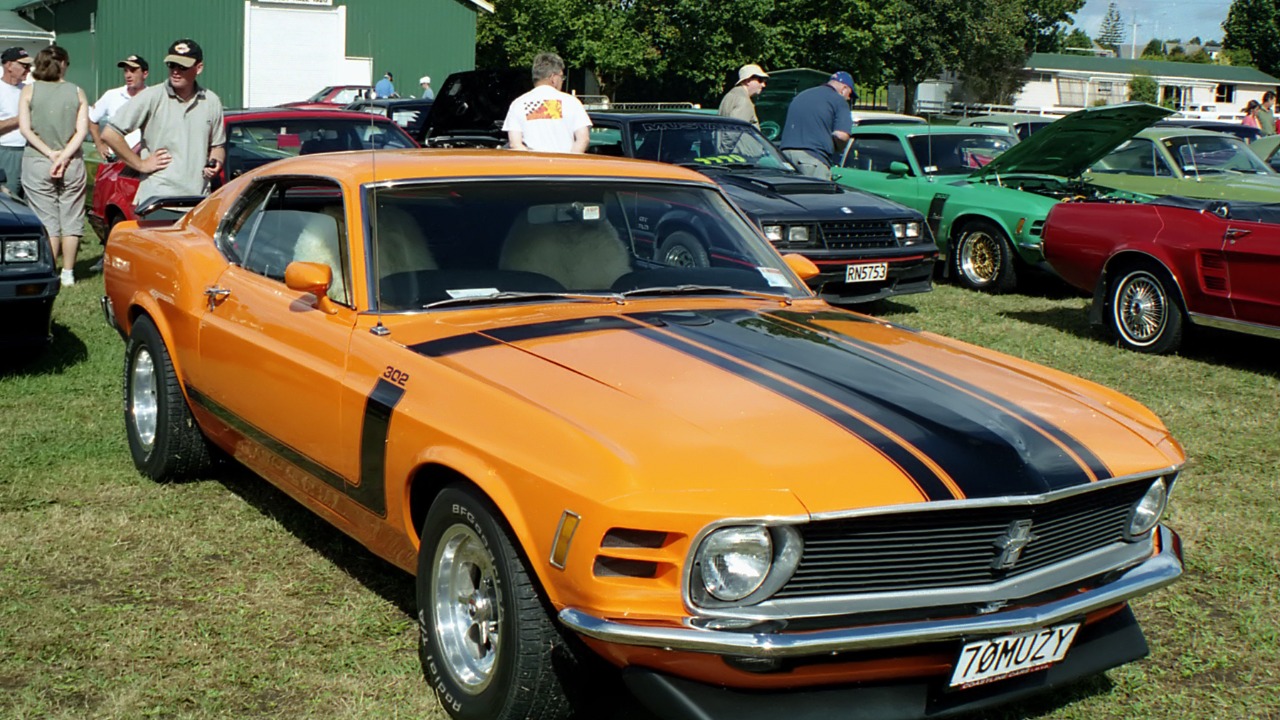
The 1970 Ford Mustang Boss 302 was engineered to dominate the racetrack. It featured a 302 cubic inch V8 engine, specifically designed for the SCCA Trans-Am series. With its superior handling and performance, the Boss 302 became a symbol of Ford’s commitment to motorsports. Its aggressive design and performance-oriented features made it a legend among muscle car fans.
Beyond its racing success, the Boss 302 showcased innovative technology, such as a special intake manifold and a robust exhaust system that enhanced its performance. Its legacy continues to inspire enthusiasts today, proving that the Boss 302 was not just a car but a pivotal part of the muscle car narrative.
1971 Ford Mustang Mach 1
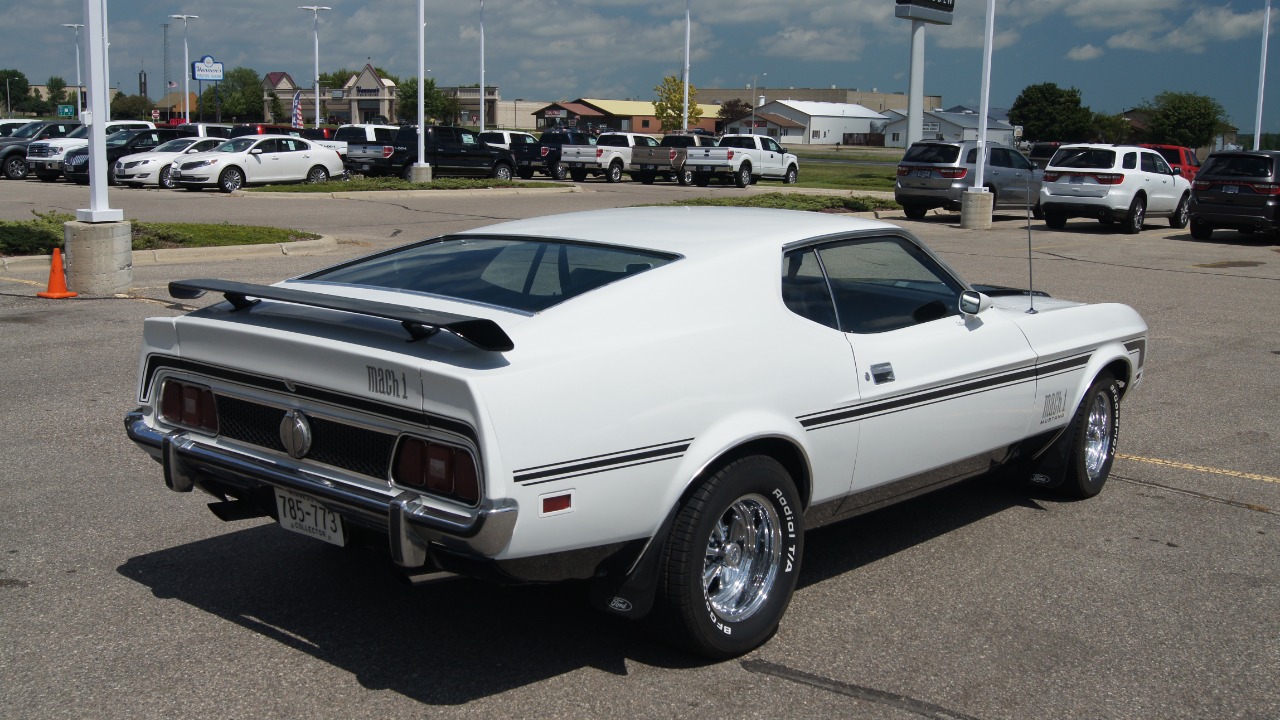
The 1971 Ford Mustang Mach 1 marked a shift in the muscle car landscape with its bold styling and powerful engine options. Equipped with either a 351 cubic inch or a 429 cubic inch V8, the Mach 1 delivered thrilling performance that appealed to a broad audience of car lovers. Its design featured a distinctive front grille and a sporty rear spoiler, making it a standout on the road.
This model was not just about looks; it was engineered for performance, boasting features like a performance-tuned suspension and heavy-duty brakes. The Mach 1 embodied the muscle car spirit, appealing to both casual drivers and serious racers. Its impact on the industry can still be felt today as it paved the way for future high-performance Mustangs.
1979 Ford Mustang Cobra
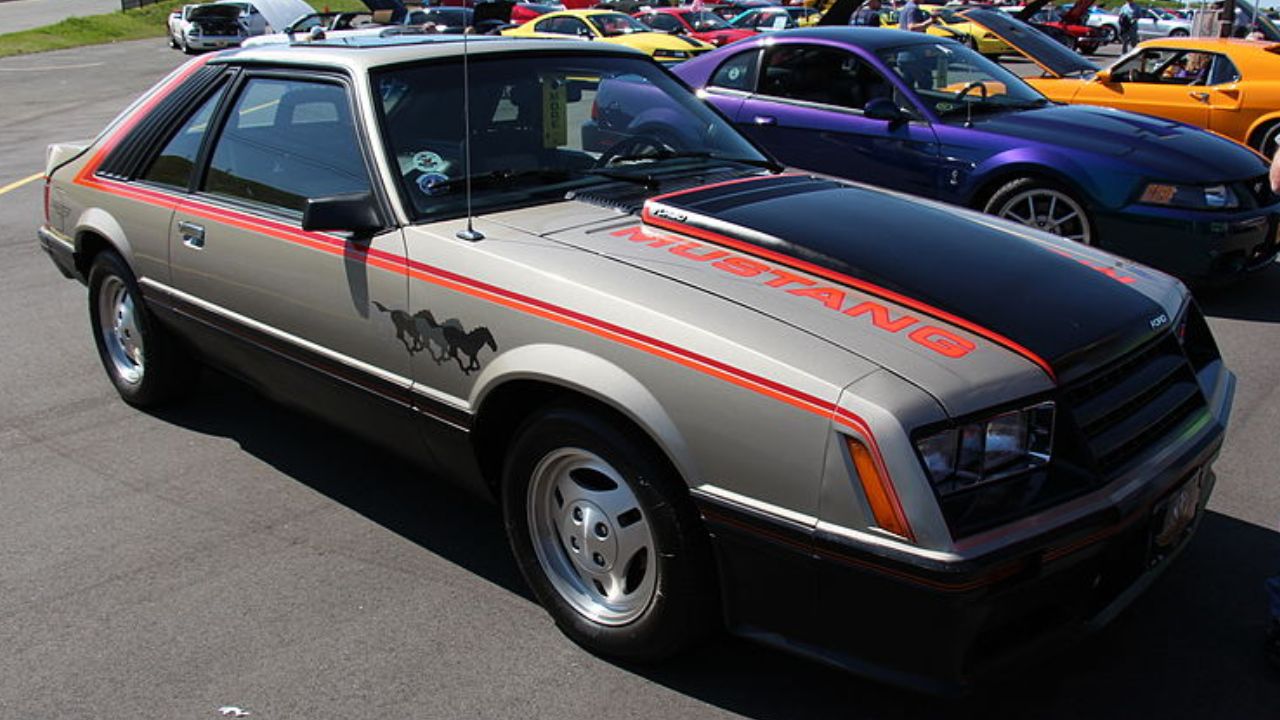
The 1979 Ford Mustang Cobra marked a new era for the Mustang, bringing a fresh design and a focus on performance. With its turbocharged 2.3-liter inline-four engine, the Cobra offered a unique blend of power and efficiency. This model was a departure from the classic muscle car formula, appealing to a new generation of drivers.
The Cobra’s sporty body kit and distinctive graphics made it visually striking and a favorite among street racers. It was one of the first Mustangs to embrace the idea of a more modern, aerodynamic design, setting the stage for future iterations. The Cobra’s success contributed to the Mustang’s enduring popularity, showing that innovation and performance could go hand in hand.
1987 Ford Mustang GT
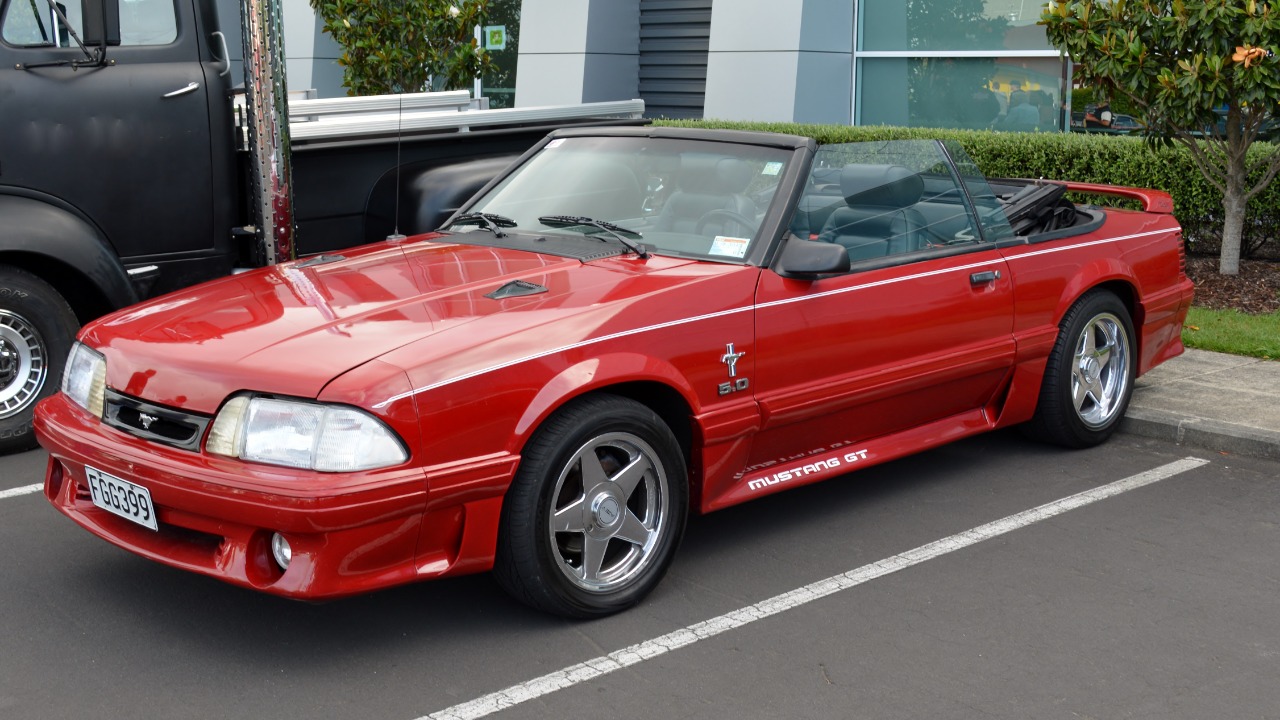
The 1987 Ford Mustang GT brought back the muscle car spirit with a vengeance. Featuring a 5.0-liter V8 engine, this model was a powerhouse that could easily compete with contemporary sports cars. The GT was characterized by its aggressive styling and performance enhancements, making it a popular choice among enthusiasts and street racers.
This generation marked a return to form for the Mustang, emphasizing performance while also embracing modern technology. The Mustang GT was a symbol of the resurgence of American muscle cars in the late ’80s, proving that Ford could still deliver thrilling performance without compromising on style. The GT’s legacy remains strong in the hearts of car lovers everywhere.
1993 Ford Mustang SVT Cobra
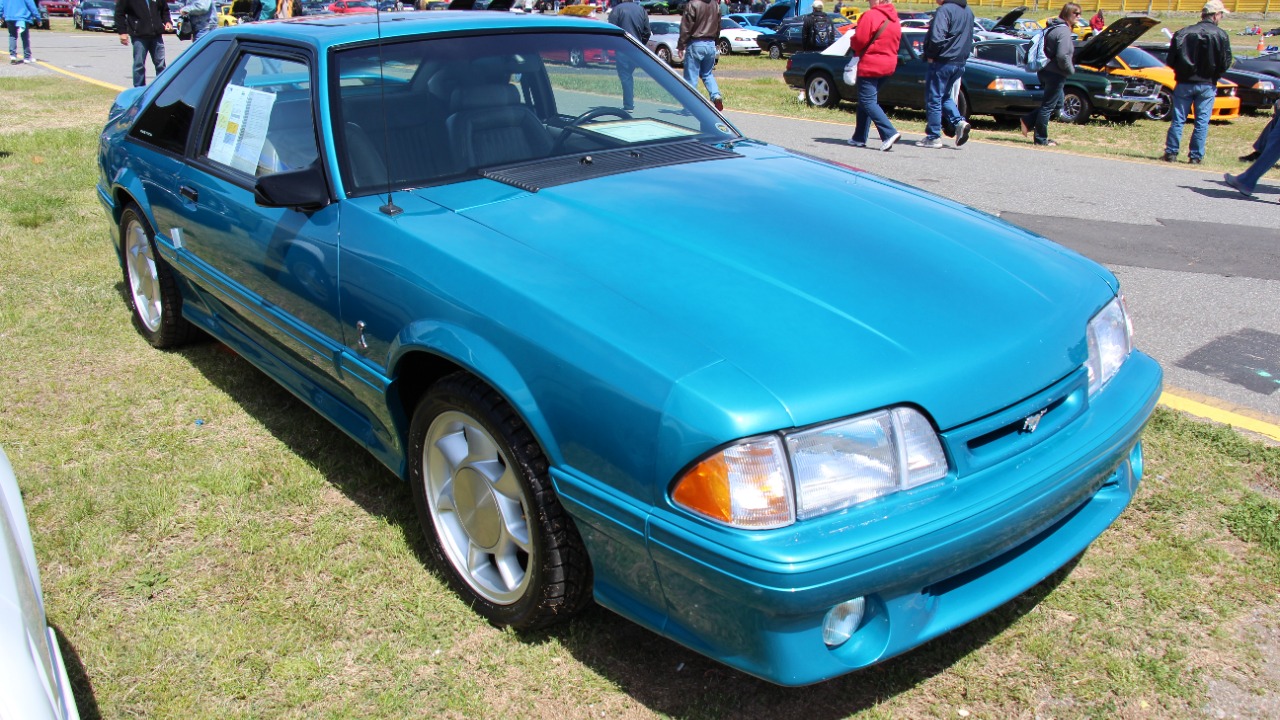
The 1993 Ford Mustang SVT Cobra was a landmark model that introduced the world to the Special Vehicle Team (SVT). With a 5.0-liter V8 engine producing 305 horsepower, it was one of the most powerful Mustangs of its time. The SVT Cobra featured upgraded suspension, brakes, and styling, setting a new benchmark for performance.
This model was designed not just for speed but also for handling, making it a favorite among driving purists. The Cobra’s combination of power and agility made it a formidable contender on the street and the track. Its influence can still be seen today, as modern Mustangs continue to draw inspiration from this iconic model.
2003 Ford Mustang SVT Cobra (Terminator)
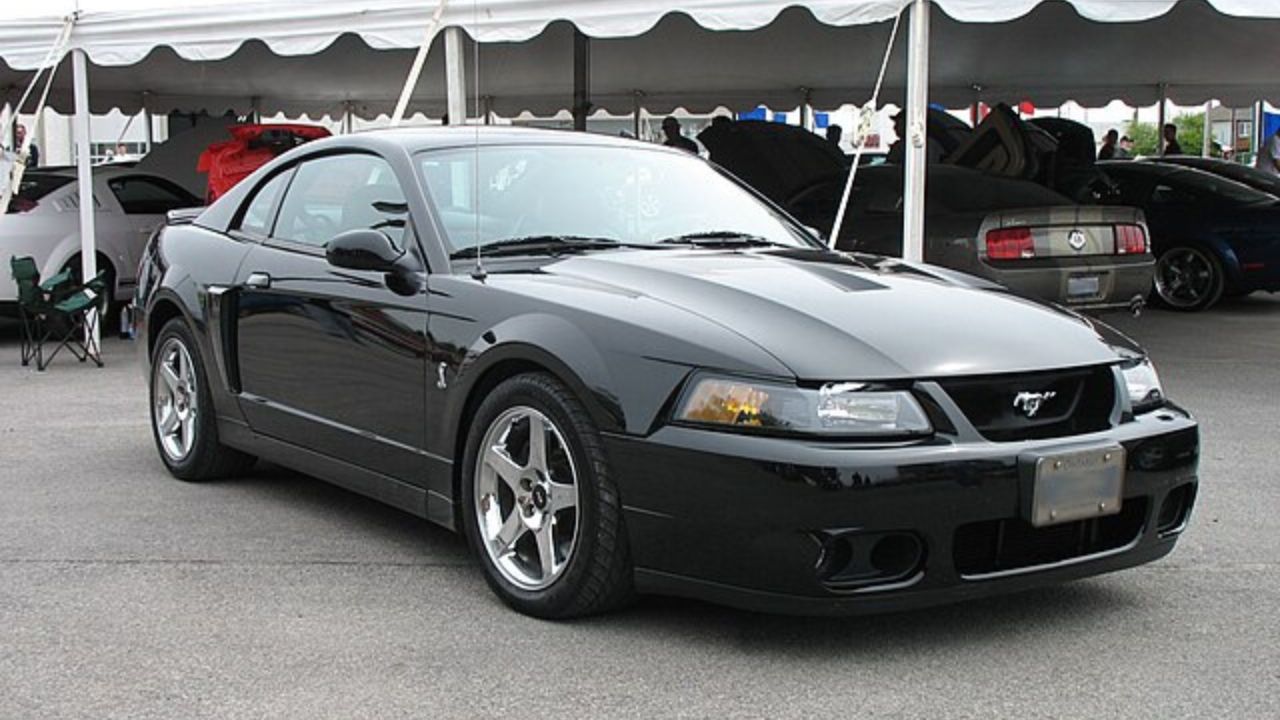
The 2003 Ford Mustang SVT Cobra, often referred to as the “Terminator,” is legendary for its supercharged 4.6-liter V8 engine that churned out an astonishing 390 horsepower. This model was engineered for performance, featuring a reinforced chassis and upgraded suspension to handle the extra power. The Terminator became a benchmark for street racing, thanks to its impressive acceleration and top speed.
The car’s aggressive styling, combined with its performance capabilities, made it a favorite among enthusiasts and racers. The Terminator’s reputation for being a “sleeper”—a high-performance car that looks unassuming—only added to its allure. Its impact on the muscle car scene is undeniable, and it remains a sought-after model among collectors.
2015 Ford Mustang GT
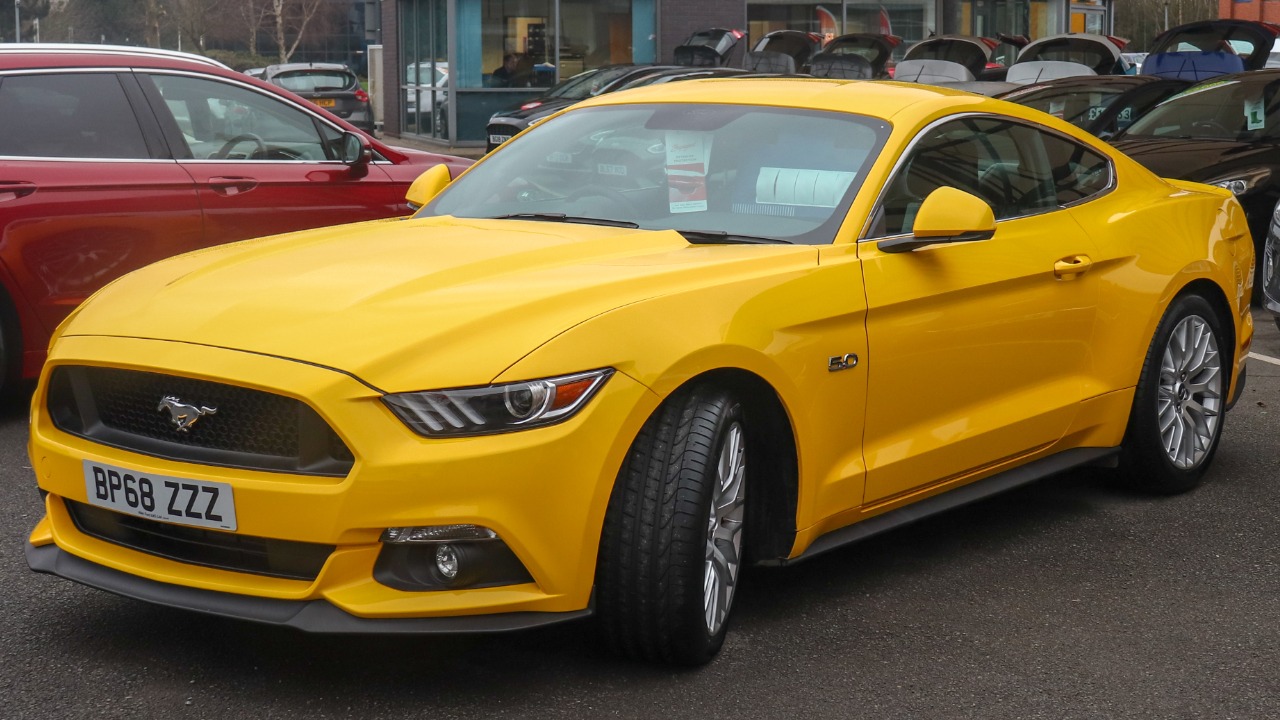
The 2015 Ford Mustang GT marked a significant redesign that brought the model into the modern era while retaining its classic appeal. With a 5.0-liter V8 engine producing 435 horsepower, it combined performance with advanced technology, making it a top contender in the muscle car category. This generation featured independent rear suspension, improving handling and ride quality.
The 2015 Mustang GT also embraced modern connectivity options, offering features like Ford’s SYNC infotainment system. Its blend of classic styling and modern performance made it a hit among both traditionalists and new buyers. The 2015 model set the stage for the Mustang’s continued evolution, proving that it could adapt while maintaining its iconic status.
2020 Ford Mustang Shelby GT500
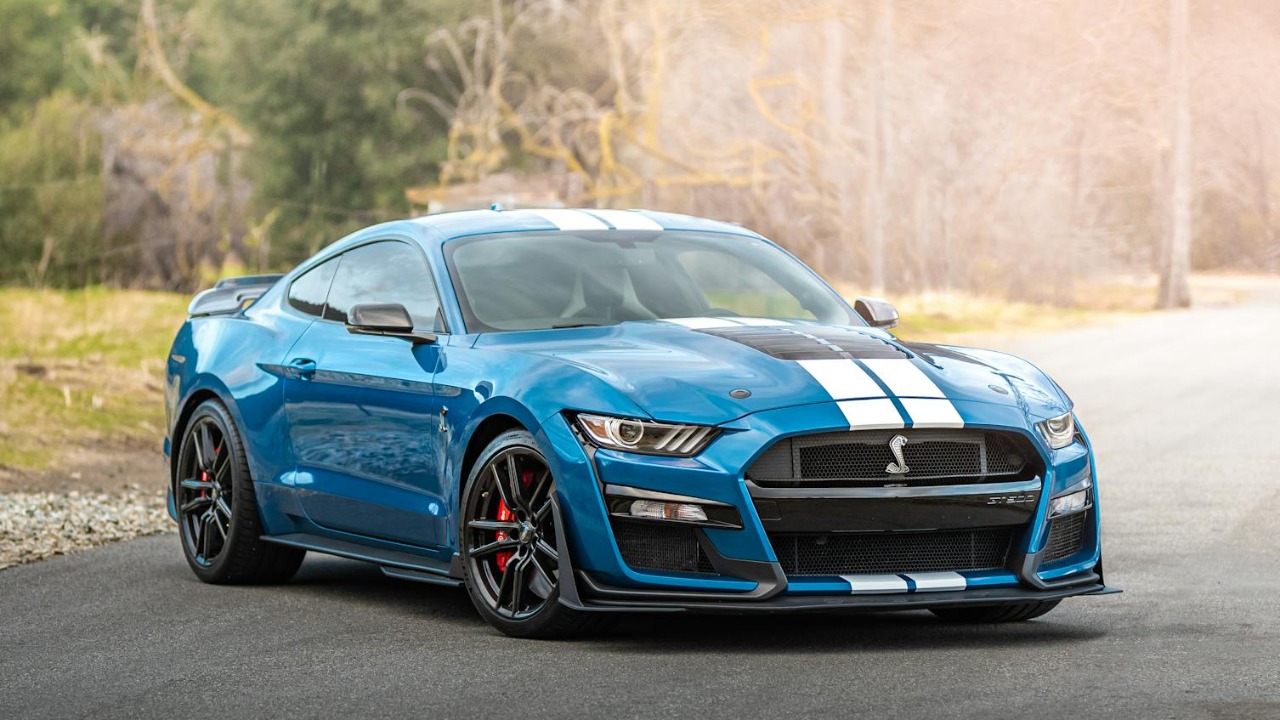
The 2020 Ford Mustang Shelby GT500 represents the pinnacle of Ford’s muscle car engineering. With a supercharged 5.2-liter V8 engine producing over 700 horsepower, it redefined what a Mustang could be. This model features cutting-edge technology, including a 7-speed dual-clutch transmission and advanced aerodynamics, making it a track-ready beast.
The GT500’s aggressive styling includes a prominent front splitter and rear wing, designed for maximum downforce. It combines raw power with precision handling, appealing to a new generation of performance enthusiasts. The 2020 GT500 is a testament to Ford’s commitment to