The 1970s were a challenging decade for the American auto industry. Emissions regulations, fuel crises, and declining horsepower left many vehicles unfairly dismissed by later enthusiasts. Ford produced several models during this period that were overlooked for years, only to gain appreciation later for their styling, engineering, durability, or historical significance. These Fords proved to be better than their reputations suggested.
Ford Torino Cobra
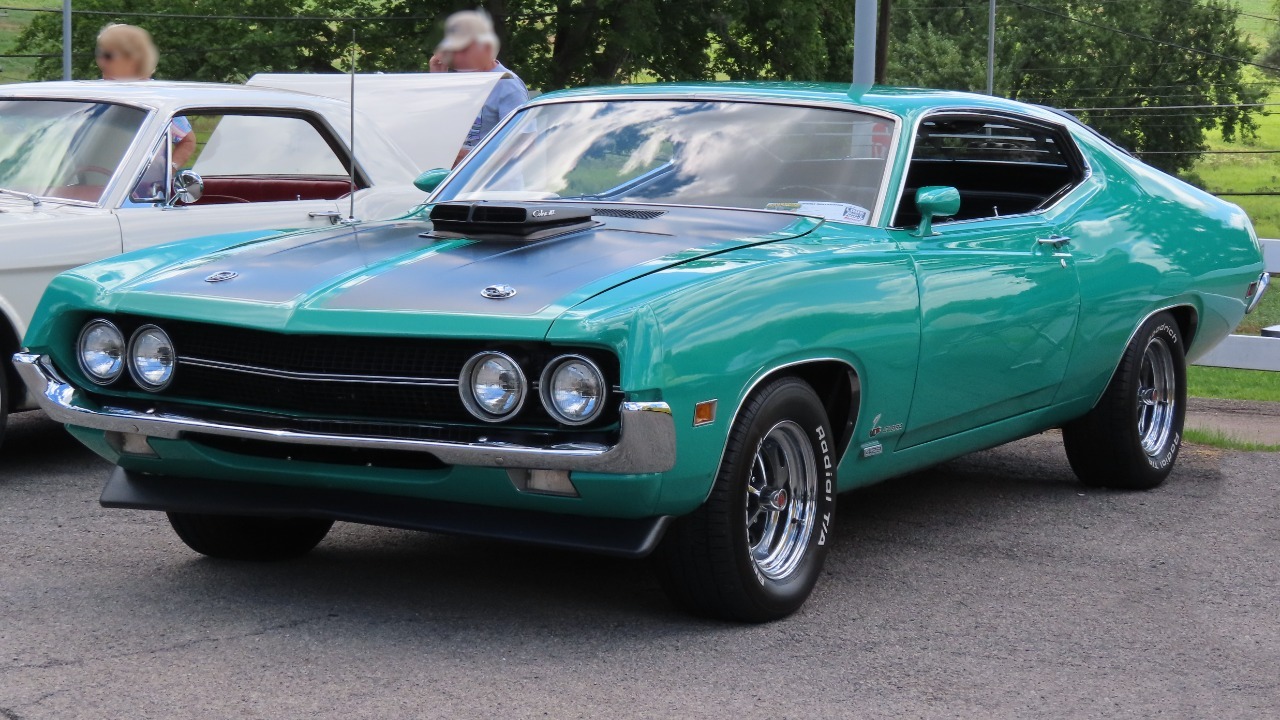
The Ford Torino Cobra arrived as the muscle car era began facing increasing pressure from regulations and insurance costs. Overshadowed by the Mustang, the Torino Cobra delivered impressive performance with available Cobra Jet engines and strong NASCAR ties. Mechanics appreciated its durable drivetrains and straightforward engineering. Over time, enthusiasts recognized the Torino Cobra as one of Ford’s most capable muscle cars, helping it earn far more respect than it initially received.
Ford Ranchero GT
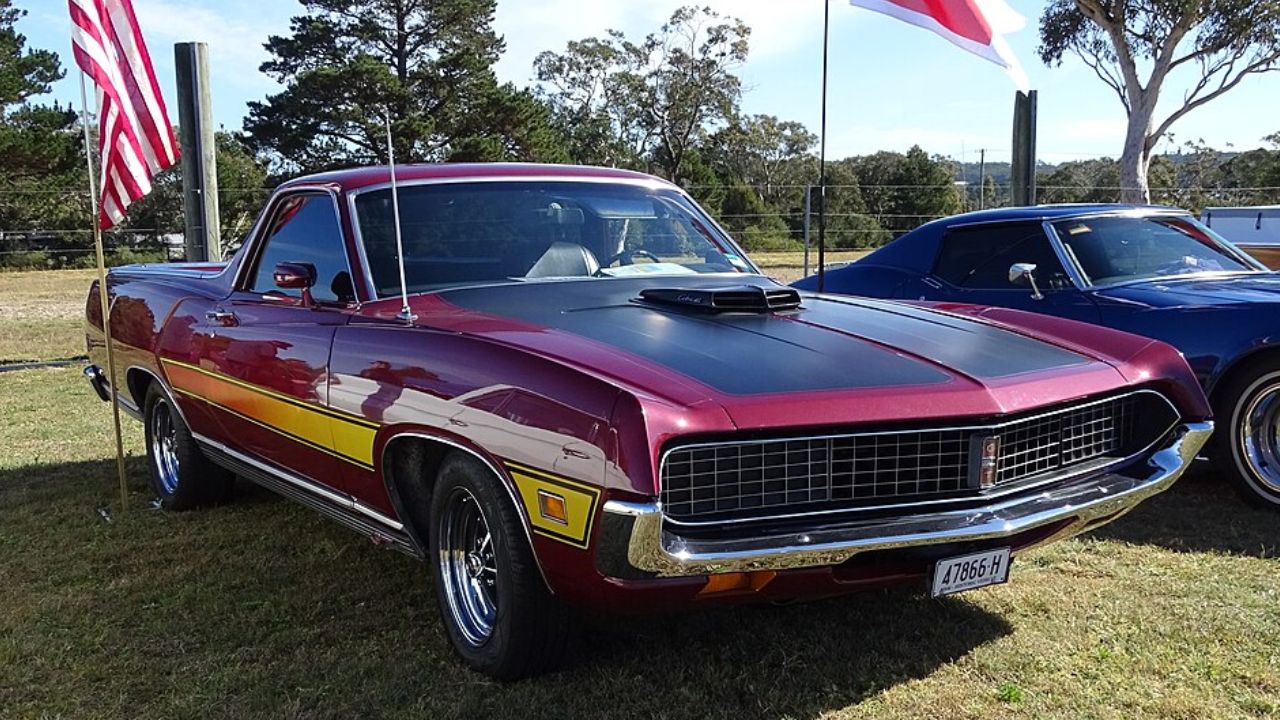
The Ford Ranchero GT often lived in the shadow of Chevrolet’s El Camino despite offering similar versatility and performance. Available V8 engines and sporty styling gave it genuine muscle-car character. Mechanics respected its simple mechanical layout and dependable powertrains. As collector interest expanded beyond traditional coupes, the Ranchero GT gained appreciation for blending utility and performance in a uniquely American package that remains appealing today.
Ford Maverick Grabber
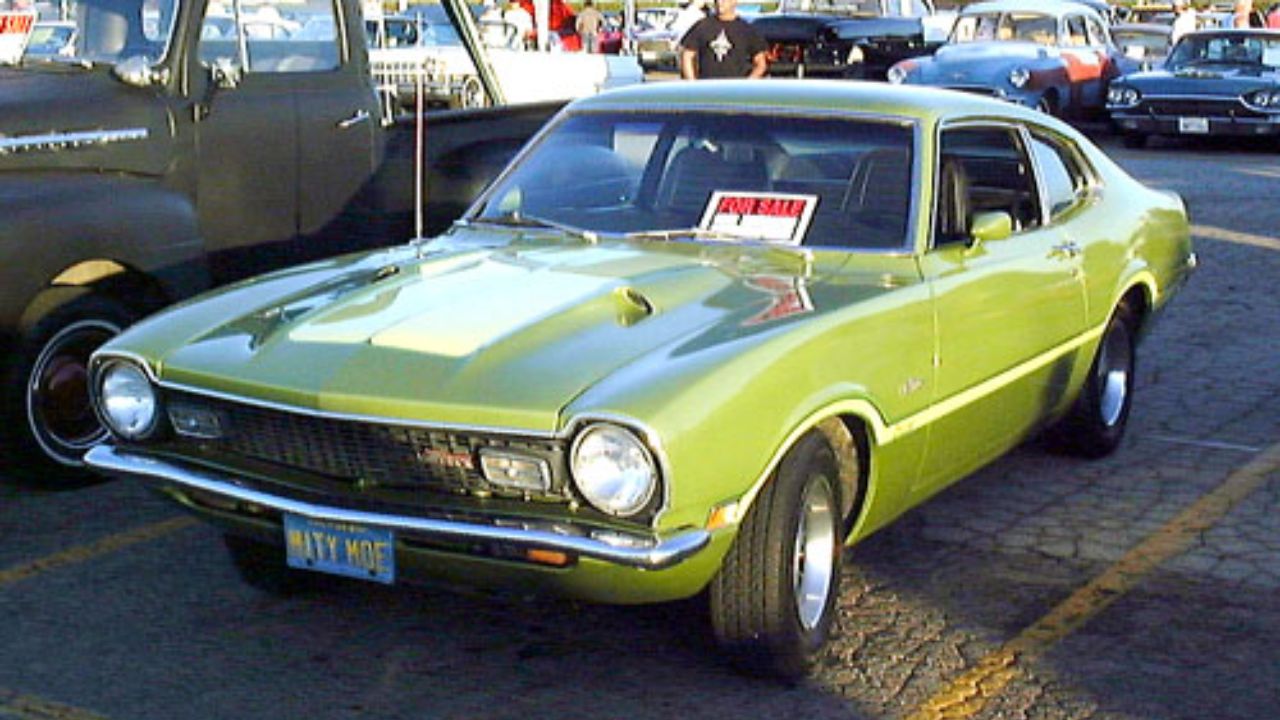
The Ford Maverick Grabber was frequently viewed as basic transportation rather than a serious enthusiast vehicle. However, its lightweight construction, available V8 power, and sporty appearance created a surprisingly entertaining driving experience. Mechanics appreciated its simplicity and ease of maintenance. Decades later, collectors began recognizing the Grabber as an affordable and distinctive compact Ford that delivered more character and performance than many initially realized.
Ford LTD II
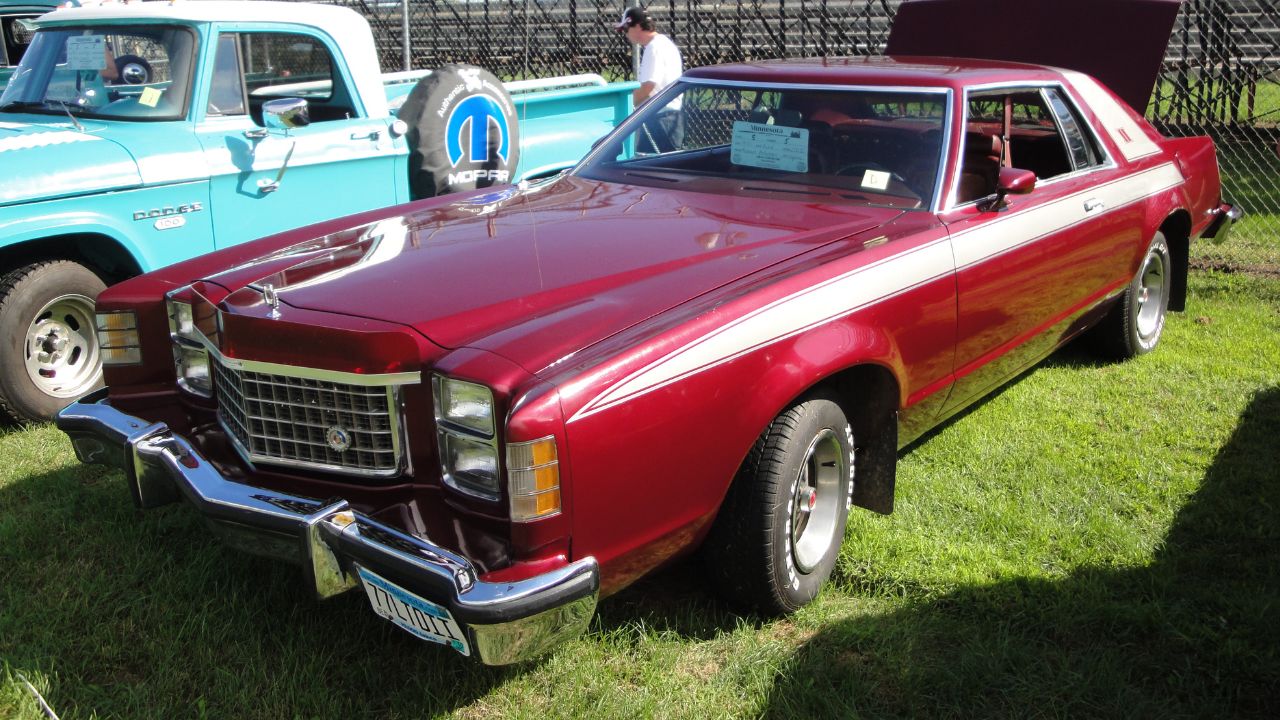
The Ford LTD II spent years overlooked because it arrived during a period when performance expectations were falling. While not a traditional muscle car, it offered comfortable cruising, attractive styling, and dependable V8 options. Mechanics admired its durable chassis and widely available parts. As surviving examples became increasingly rare, enthusiasts started appreciating the LTD II as a representative example of Ford’s approach to personal transportation during the late 1970s.
Ford Thunderbird
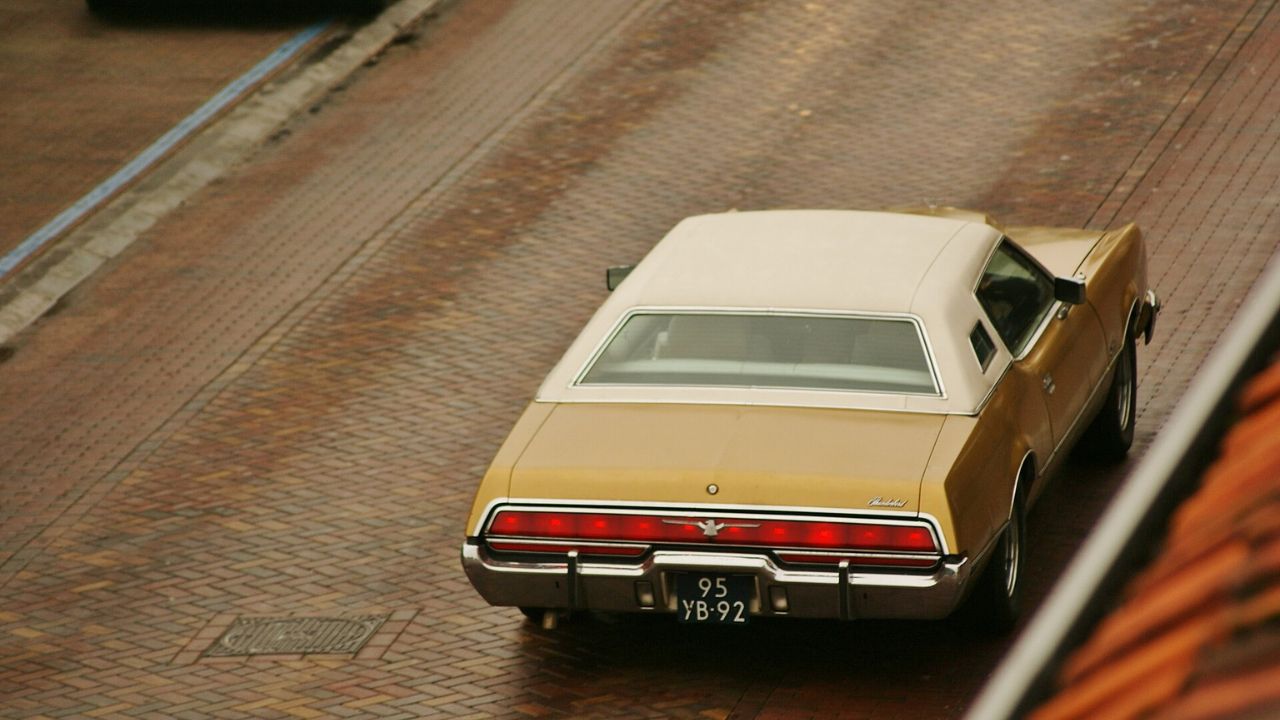
The Ford Thunderbird was often criticized for emphasizing comfort over performance, but its dramatic styling and upscale features helped define the personal luxury segment. Buyers appreciated its smooth ride and road presence. Mechanics respected the reliability of its proven drivetrains. Over time, collectors gained a greater appreciation for the Thunderbird’s role in shaping automotive trends and preserving Ford’s reputation for stylish grand touring automobiles.
Ford Pinto Runabout
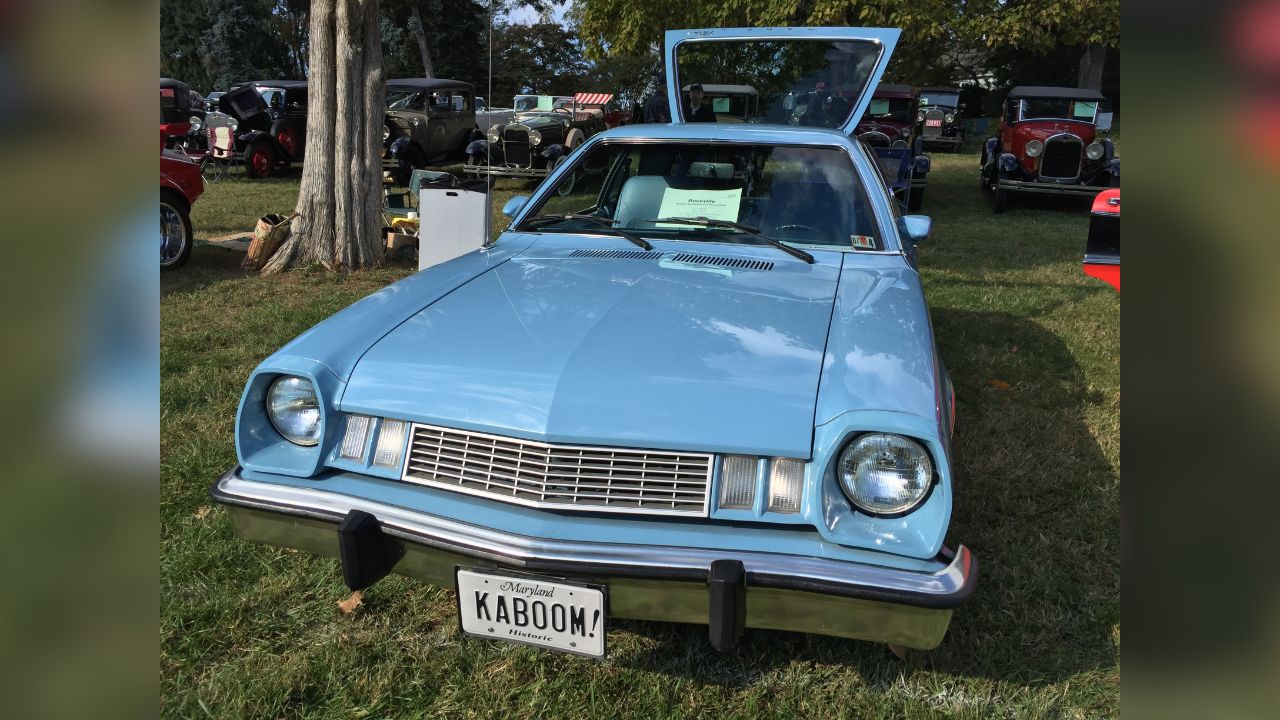
The Ford Pinto Runabout became infamous for reasons unrelated to its actual driving experience, overshadowing many of its strengths. Affordable, practical, and easy to maintain, it served millions of owners effectively throughout the decade. Mechanics appreciated its straightforward engineering and low operating costs. While its reputation remains controversial, many enthusiasts now acknowledge that the Pinto offered useful transportation and reflected the industry’s shift toward smaller, more efficient vehicles.
Ford Granada
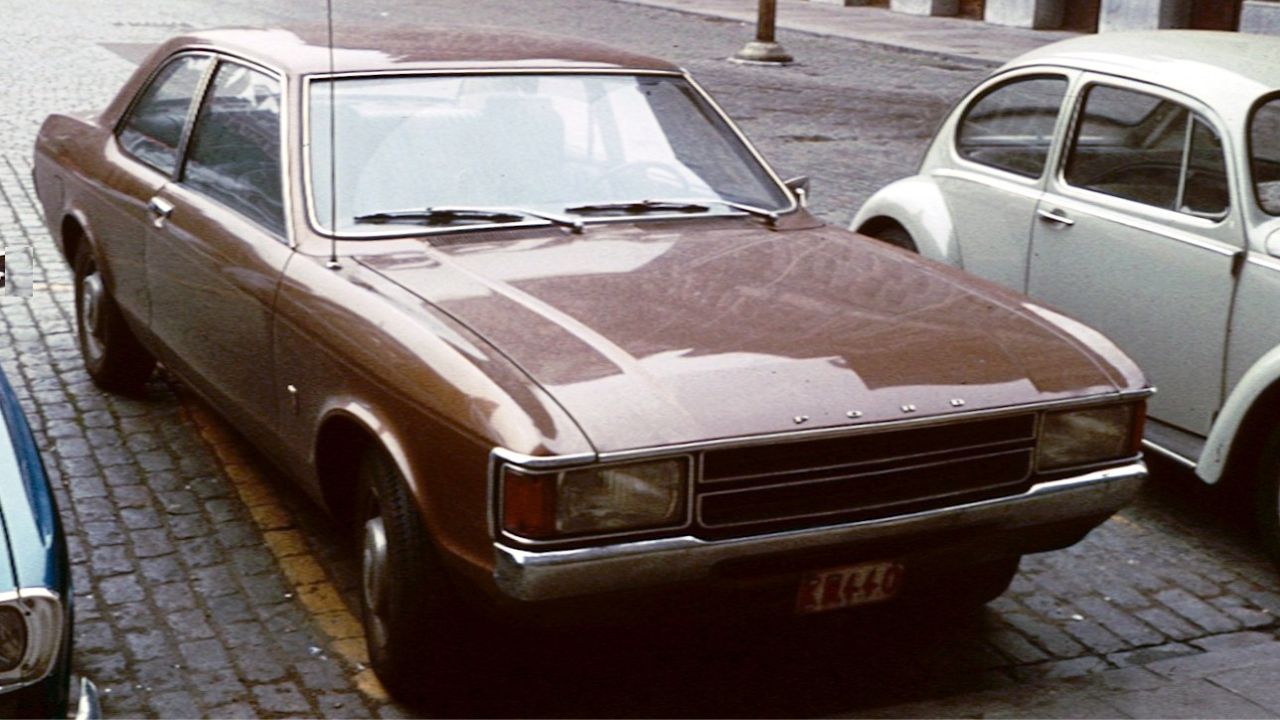
The Ford Granada was marketed as an affordable alternative to more expensive European luxury cars. Though often criticized for ambitious marketing claims, it delivered comfort, refinement, and dependable transportation. Mechanics respected its simple design and durable mechanical components. As enthusiasts revisited 1970s American sedans, the Granada earned greater appreciation for providing a pleasant ownership experience and representing an important shift in consumer preferences.
Ford Mustang II Cobra II
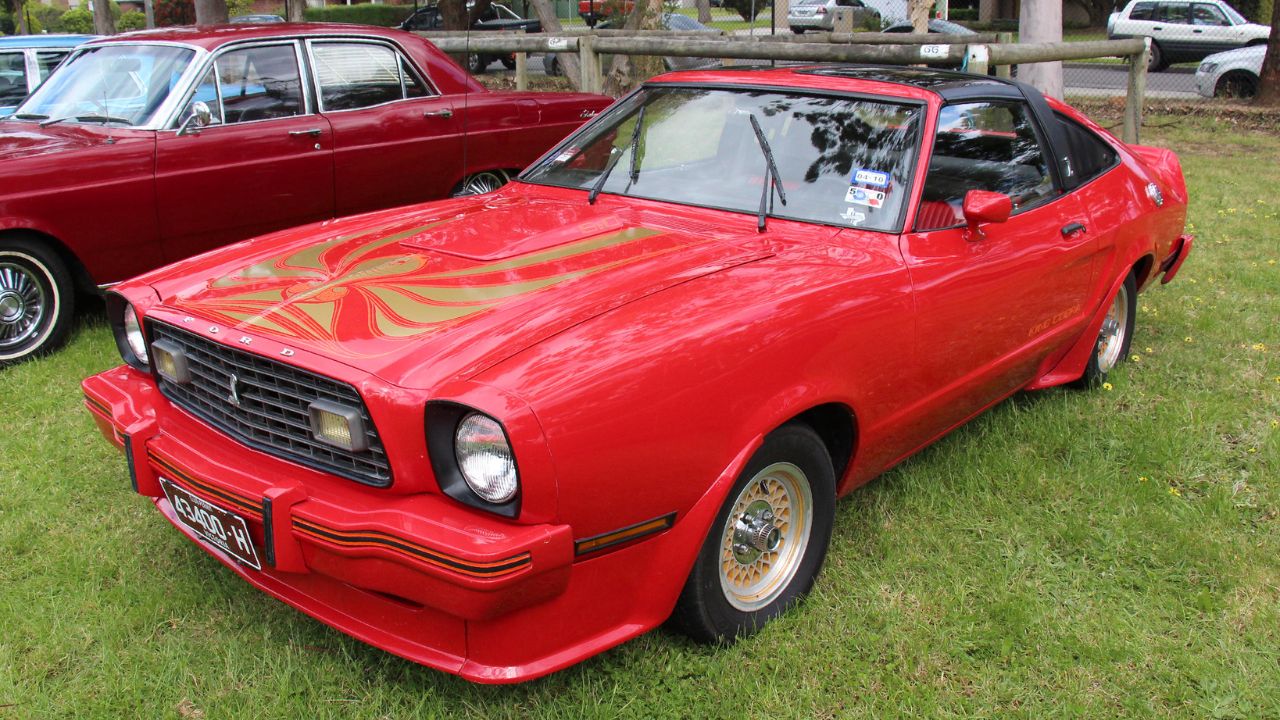
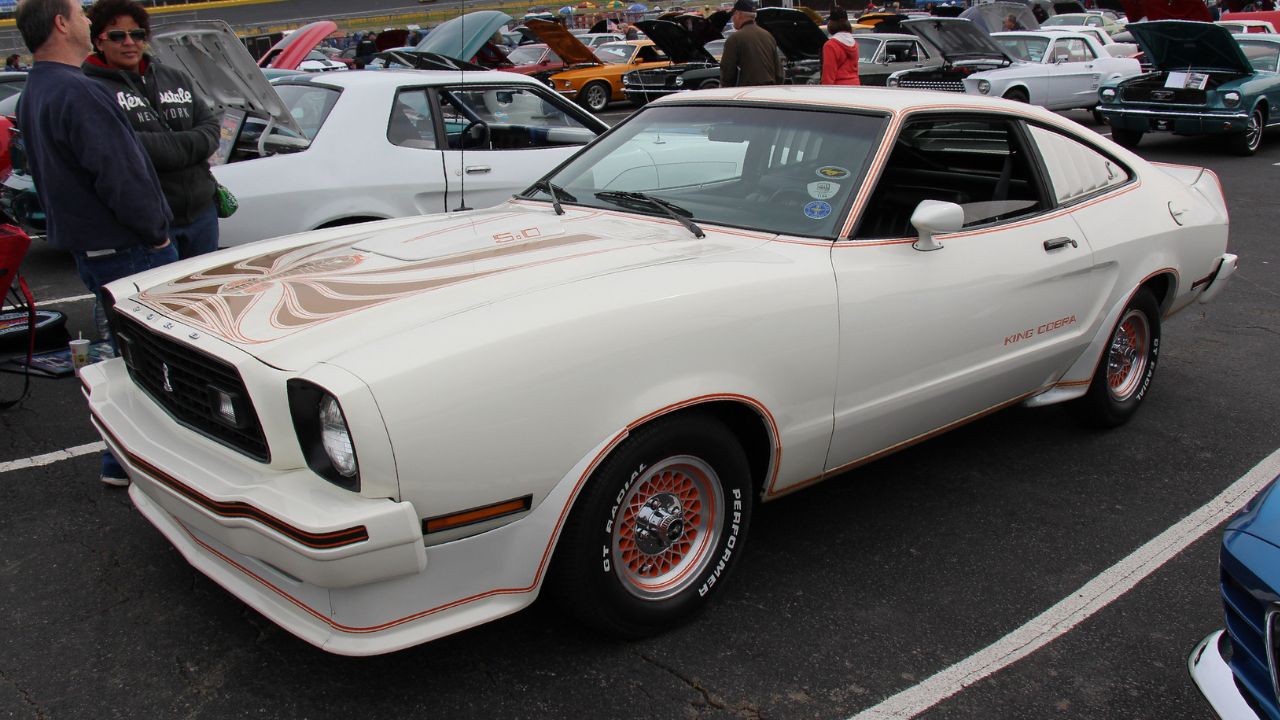
The Ford Mustang II Cobra II spent decades being criticized for lacking the power of earlier Mustangs. However, its compact size, distinctive styling, and role in keeping the Mustang name alive have earned it renewed respect. Mechanics appreciated its manageable dimensions and serviceable components. Modern enthusiasts increasingly recognize that the Mustang II helped ensure the survival of Ford’s iconic pony car during a difficult period for performance vehicles.
Ford Country Squire
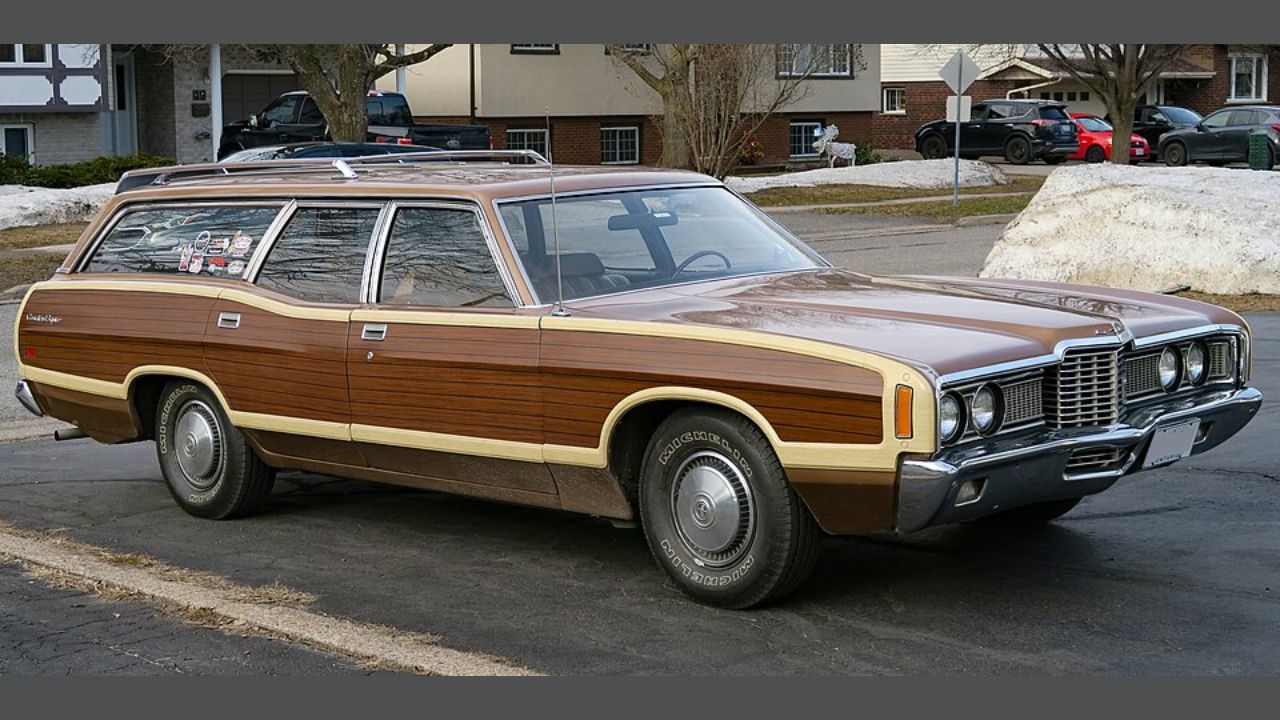
The Ford Country Squire represented family transportation at its most practical and comfortable. Its woodgrain trim, spacious interior, and long-distance cruising ability made it a favorite among growing households. Mechanics admired its durable V8 engines and robust construction. While station wagons later fell out of fashion, collectors now appreciate the Country Squire as a symbol of a uniquely American automotive era and lifestyle.
Ford F-150
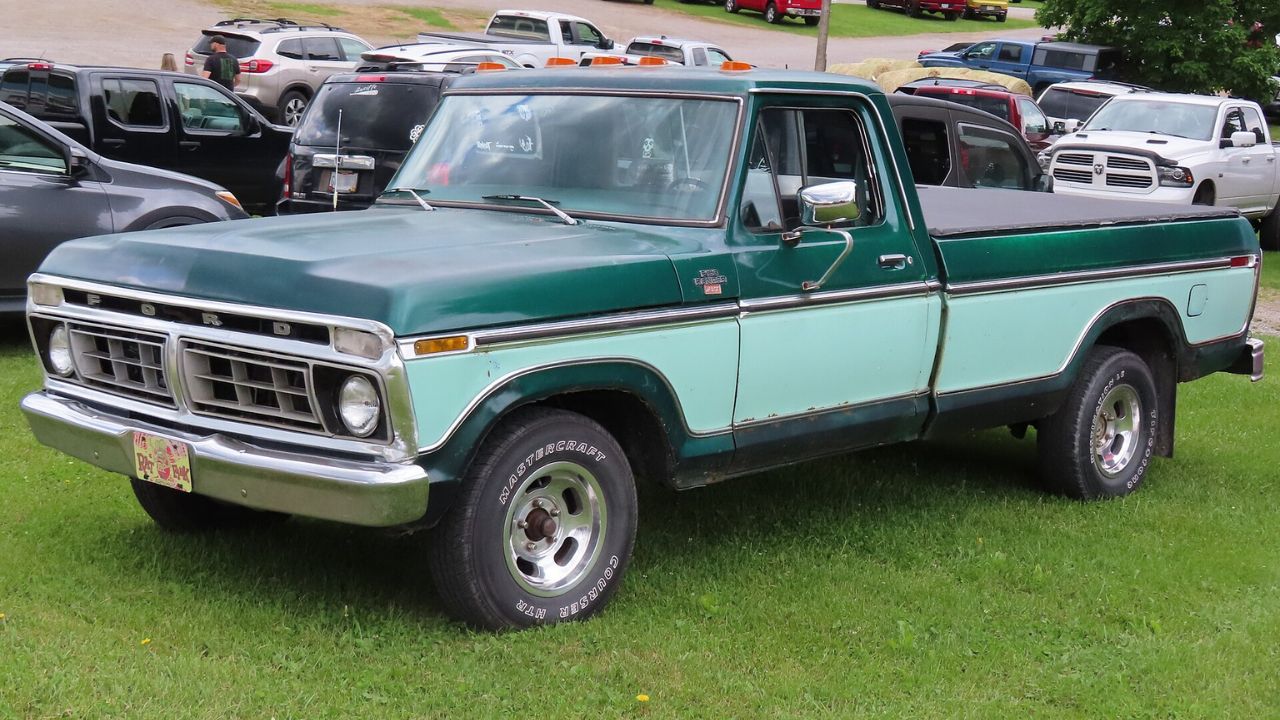
The Ford F-150 debuted midway through the decade and quickly established itself as a dependable workhorse. At the time, it was simply viewed as another pickup, but its long-term influence proved enormous. Mechanics appreciated its rugged construction and versatile engine options. Looking back, enthusiasts recognize the 1970s F-150 as the beginning of one of the most successful vehicle lineages in automotive history, making it far more significant than many initially realized.
More from Fast Lane Only
- Unboxing the WWII Jeep in a Crate
- 15 rare Chevys collectors are quietly buying
- 10 underrated V8s still worth hunting down
- Police notice this before you even roll window down
*Research for this article included AI assistance, with all final content reviewed by human editors