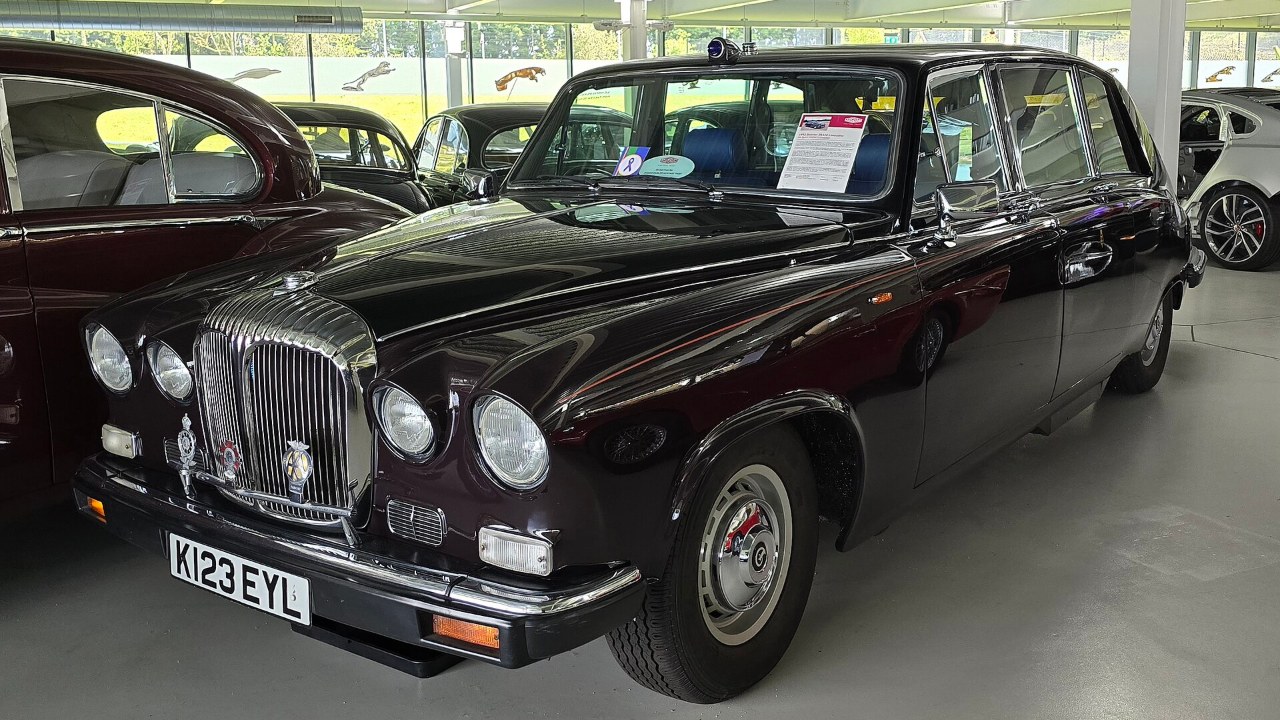
Britain’s Queen Mother rode in a Daimler DS420 for more than 30 years, and she owned five of them. That says a lot about how good the great limousines of the last century were. They carried kings, cosmonauts, popes and airport travelers, and most of them have slipped out of memory.
Today, a limousine usually means a stretched SUV with a light show. Back then, however, it meant a car built from the start to carry important people in comfort. Many were hand-built, some had glass partitions, and a few came from countries that rarely sold cars to the West at all.
These 10 are our picks, the forgotten limousines we swear we’d never sell if one ever reached our garage. The verdict is our opinion. Every fact behind it comes from the sources linked below.
1. 1971 Cadillac Fleetwood Seventy-Five limousine
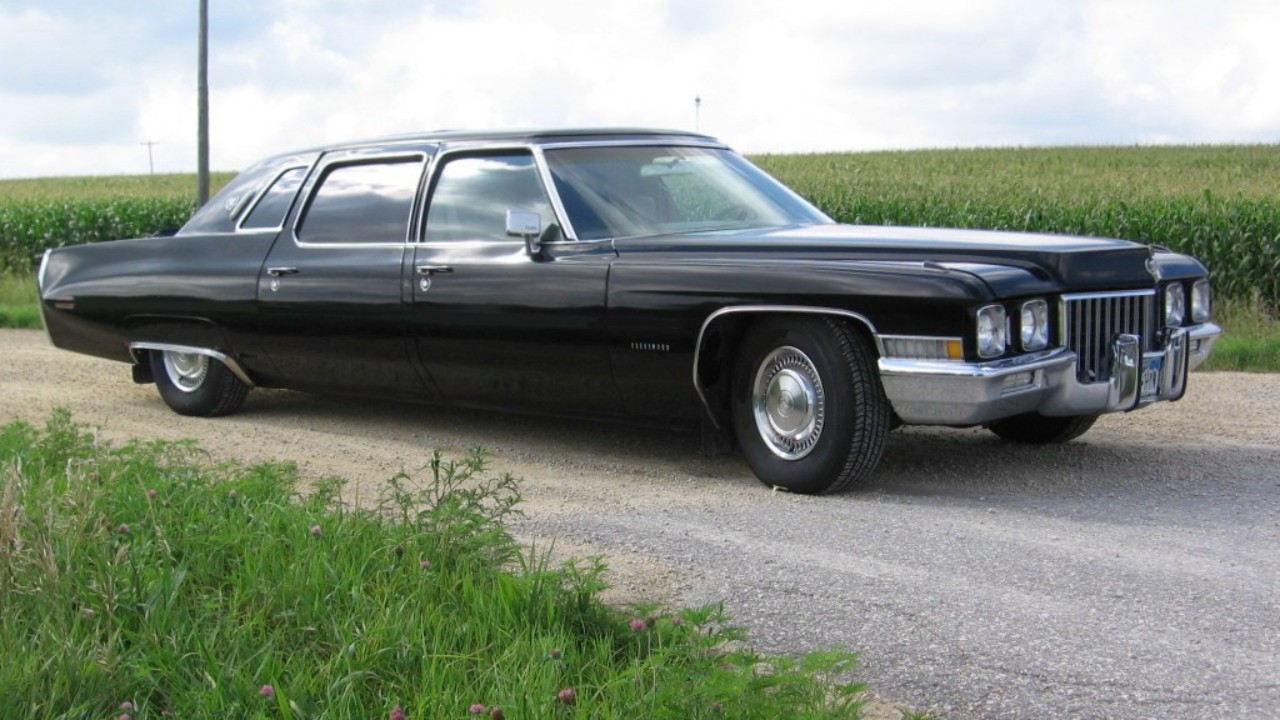
Cadillac’s Seventy-Five was the long-wheelbase line that ran from the 1930s into the 1980s. For 1971, it rode on a 151.5-inch wheelbase and used a 472-cubic-inch V8 rated at 375 horsepower, according to Hagerty’s 1971 Fleetwood 75 profile. A Turbo-Hydramatic 400 automatic handled the shifting.
The numbers show how few people bought one new. Hagerty puts 1971 output at about 1,600 sedans and limousines. By comparison, Cadillac built just over 2,000 commercial chassis that year for hearse and ambulance builders. The limousine listed at $12,008 when new, only $139 more than the sedan. Commercial chassis rode on an even longer 157.5-inch wheelbase.
In our view, this is the most usable car on the list. After all, it has GM parts, a big V8 and room for a whole family. Hagerty also notes that a limousine is generally valued at about 50% more than a sedan, so the formal version is the one to keep. It’s a lot of car for the money, and it shows how hard Cadillac worked to keep the formal limousine trade. For an earlier chapter of the same story, see how the 1957 Cadillac Fleetwood became rolling architecture.
2. 1965 Mercedes-Benz 600 Pullman
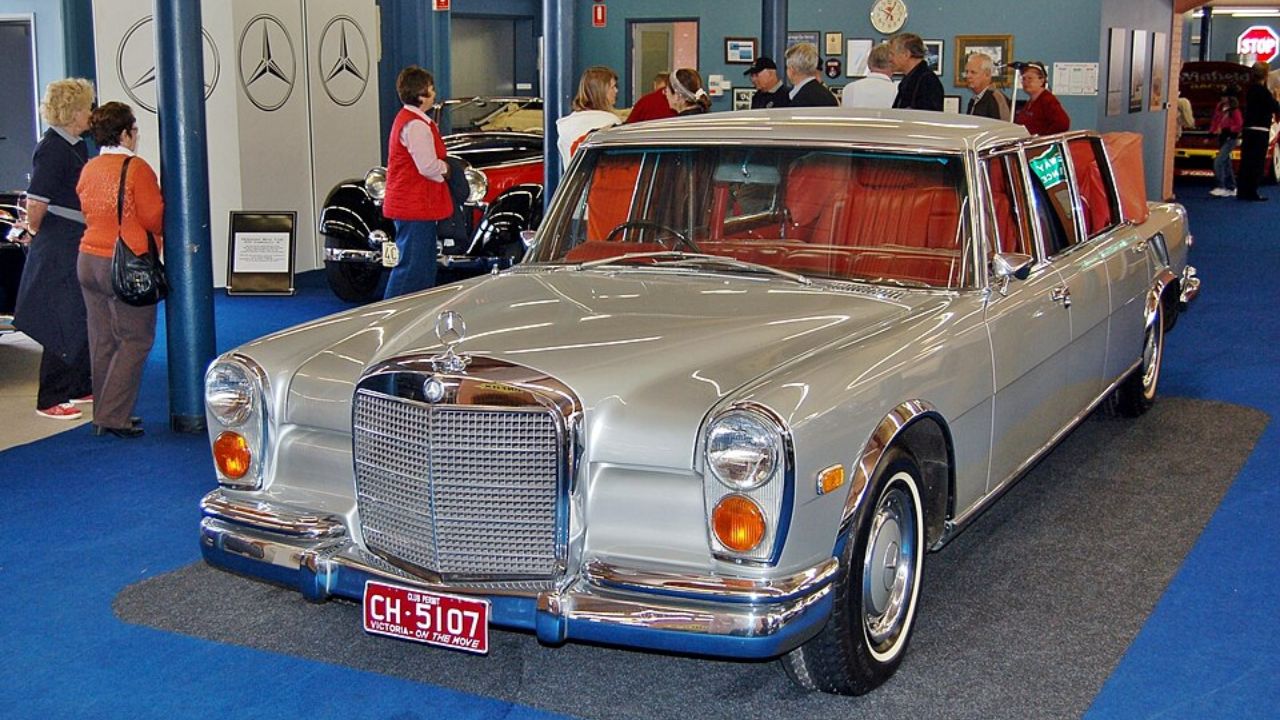
The “Grosser Mercedes” arrived in 1963 and stayed in production until 1981. Its 6.3-liter M100 engine was Mercedes’ first V8, and the car needed it. According to RM Sotheby’s lot description, hydraulics powered the doors, trunk lid, windows, sunroof, partition, seat adjusters and self-leveling suspension.
The stretched Pullman came with four or six doors. RM Sotheby’s counts 487 Pullmans in all. Its buyers included heads of industry, entertainers, diplomats and Pope Paul VI. Then, at its Monterey sale in 2026, RM Sotheby’s sold a 1970 Pullman for $218,400. That car once belonged to film producer James G. Robinson, who owned four of them. The same car also had a brief role in the 1990 film Pacific Heights with Michael Keaton.
Our take: a 600 Pullman is the car we’d most like to own and least like to fix. With that much hydraulic plumbing, it’s a complex car. Even so, nothing else from the 1960s feels this grand from the back seat. If you buy one, budget for a specialist before you budget for the paint.
3. 1970 Daimler DS420 limousine
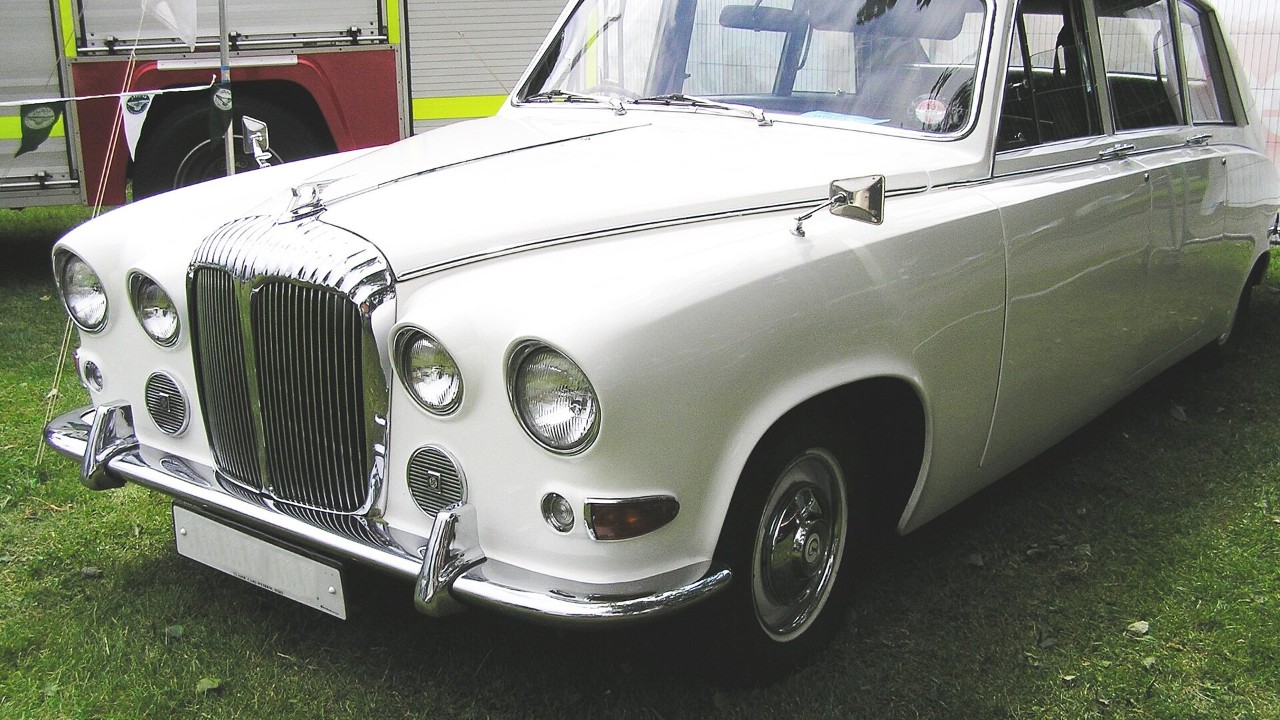
The Daimler DS420 replaced both the Daimler DR450 and the Vanden Plas Princess limousine. It used the chassis of Jaguar’s 420G sedan and the Jaguar XK twin-cam six. In fact, Curbside Classic’s DS420 history notes that it was the last car to use the XK engine, five years after the XJ6 dropped it.
The Daimler DS420 lasted from 1968 to 1992. Over those 24 years, the factory built 4,141 limousines and 903 chassis for hearses. Its customers ranged from the royal houses of Denmark and Luxembourg to Howard Hughes and a Hong Kong hotel. Meanwhile, the Queen Mother used one as her official car from 1970 to 2002. The funeral trade used it as both hearse and limousine, including at Princess Diana’s funeral. Curbside Classic also calls it the only British rival to the Rolls-Royce Phantom VI.
In our view, a 1970 Daimler DS420 is the sweet spot. It’s early, it’s simple by limousine standards, and it carries the fluted Daimler grille. Many lived hard lives in the funeral trade, so we’d look for one with a royal or private history.
4. 1960 Vanden Plas Princess limousine
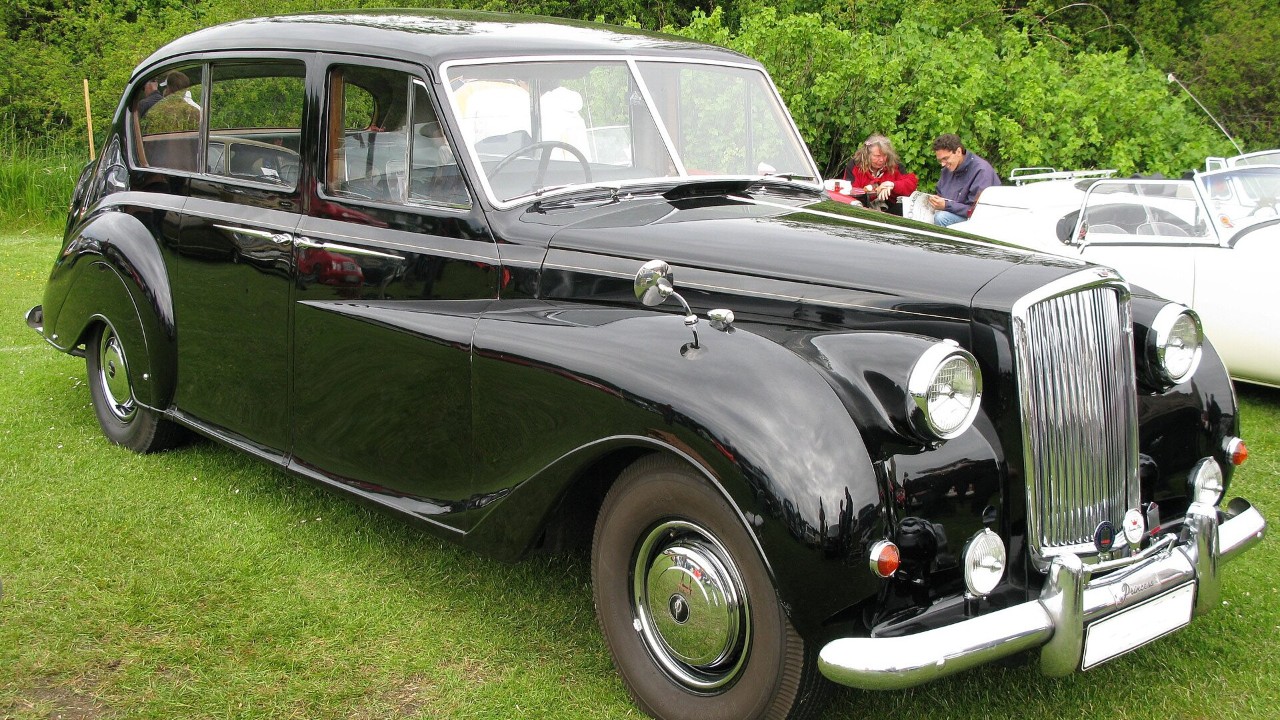
This one began life as the Austin Princess. The long-wheelbase DM4 limousine arrived in 1952, and in 1960 the car moved to the Vanden Plas name. Craftsmen built it by hand in limited numbers at Vanden Plas’s Kingsbury works in North London, and it stayed in production until 1968.
Power came from a 4.0-liter version of the D-Series straight-six. Inside, the body seated seven, and its wide coach doors made it a favorite of the Beatles. Overall, production reached 3,238 DM4 limousines plus just 18 landaulettes. Later, a 1964 Austin Princess carried Winston Churchill’s coffin. The Princess also worked civic ceremonial duties and served hire companies. A DS6 saloon version existed too, and only 88 of those were built.
Our take: the Princess is the British limousine people forget because the Daimler DS420 replaced it. That’s a mistake. It’s a hand-built car with an upright, formal shape that no modern car copies. If you find one, check the wood and leather first, because trim restoration costs more than mechanical work on a big, slow six.
5. 1965 Checker Aerobus
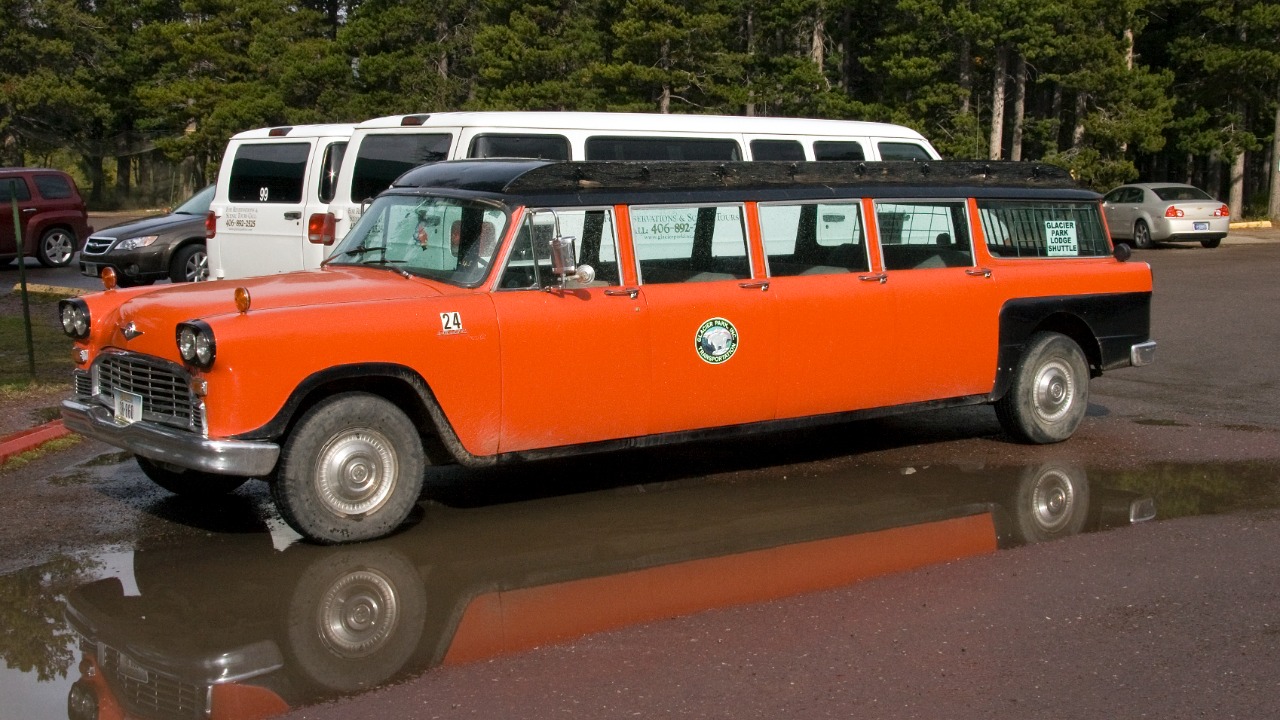
Not every limousine served royalty. The Checker Aerobus was a stretched Checker built mostly as an airport shuttle from 1962 to 1977. Sedans came with six or eight doors, and wagons had seven or nine counting the tailgate. On the long 189-inch wheelbase, it seated 12 people plus luggage.
For 1965, Checker switched from Chrysler’s 318 V8 to a 327-cubic-inch Chevrolet V8 rated at 185 horsepower. Production across every version reached only 3,568. Later, for 1976 and 1977, an even longer Aerobus 15 seated 15 riders, and Checker built just 107 of those. Short-wheelbase cars rode on 154.5 inches and seated nine. From 1969, a 350 Chevrolet V8 took over, rated at 200 horsepower at first.
In our view, this is the most fun car here. It’s a working vehicle, not a status symbol, and it gets more smiles at a show than anything with a crest on the door. Better yet, parts for the Chevy V8 are easy to find. For more of the company’s odd side, see our list of forgotten Checker models.
6. 1960 GAZ-13 Chaika
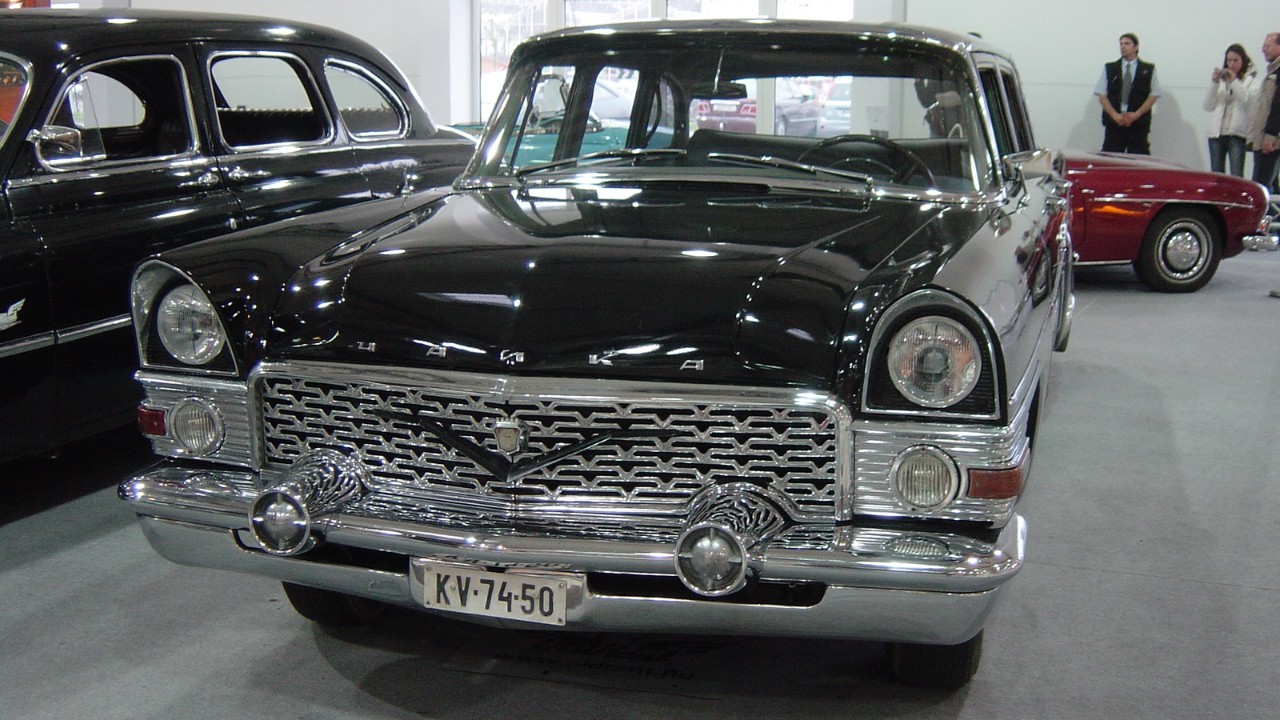
The Chaika, or “Seagull,” was the Soviet limousine for officials just below the very top. GAZ built it from 1959 to 1981, and its styling looked a lot like a 1950s Packard Patrician. Under the hood sat a 5.5-liter V8 with a four-barrel carburetor. Its push-button automatic worked much like Chrysler’s PowerFlite.
Over 22 years, GAZ built 3,179 of them. Officially, only the Soviet government could have one, although the KGB ordered some too. Nikita Khrushchev gave Chaikas to Fidel Castro and other foreign leaders. Ordinary citizens could also rent one for a wedding. For 1961 and 1962, GAZ even built a four-door convertible version for parades. In the 1960s, the RAF works in Riga also built a GAZ-13 estate, along with ambulance and hearse versions.
Our take: a Chaika is a piece of Cold War history you can drive. In other words, it’s American in shape and Soviet in every detail. We’d never sell one, mostly because we’d never find another. Imports are rare in the U.S., so check title and import papers before anything else.
7. 1959 ZIL-111
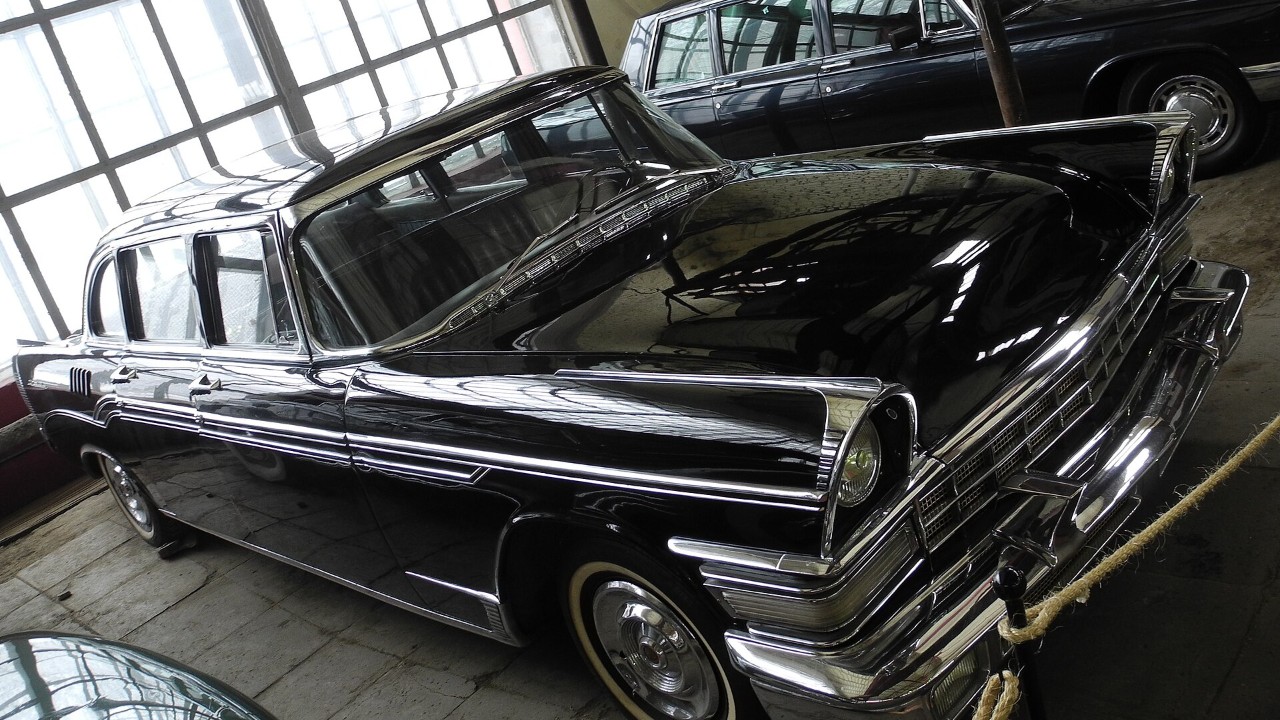
If the Chaika was for deputies, the ZIL-111 was for the bosses. ZIL had a full-size mock-up ready before the end of 1956 and built the car from 1958 to 1967. According to Ingenium, Canada’s science and technology museums, its eight-cylinder engine made 220 horsepower, and the car could reach about 105 mph.
Ingenium counts only 112 built. Inside, six or seven passengers sat behind a safety glass partition, with polished wood, thick carpet and electric windows. Some cars also had air conditioning and a radio. Its styling drew on American limousines that ZIL bought, especially the Packard. The car earned an honor diploma at the 1958 Brussels world’s fair. Then, after his April 1961 spaceflight, Yuri Gagarin rode through Moscow in a convertible ZIL-111.
In our view, this is one of the scarcest cars here that a private buyer could, in theory, own. Around 1961, ZIL added a large chrome grille and small fins, so an early 1959 car has the cleaner shape. With so few built, we’d treat one as a museum piece first and a driver second.
8. 1967 Nissan Prince Royal
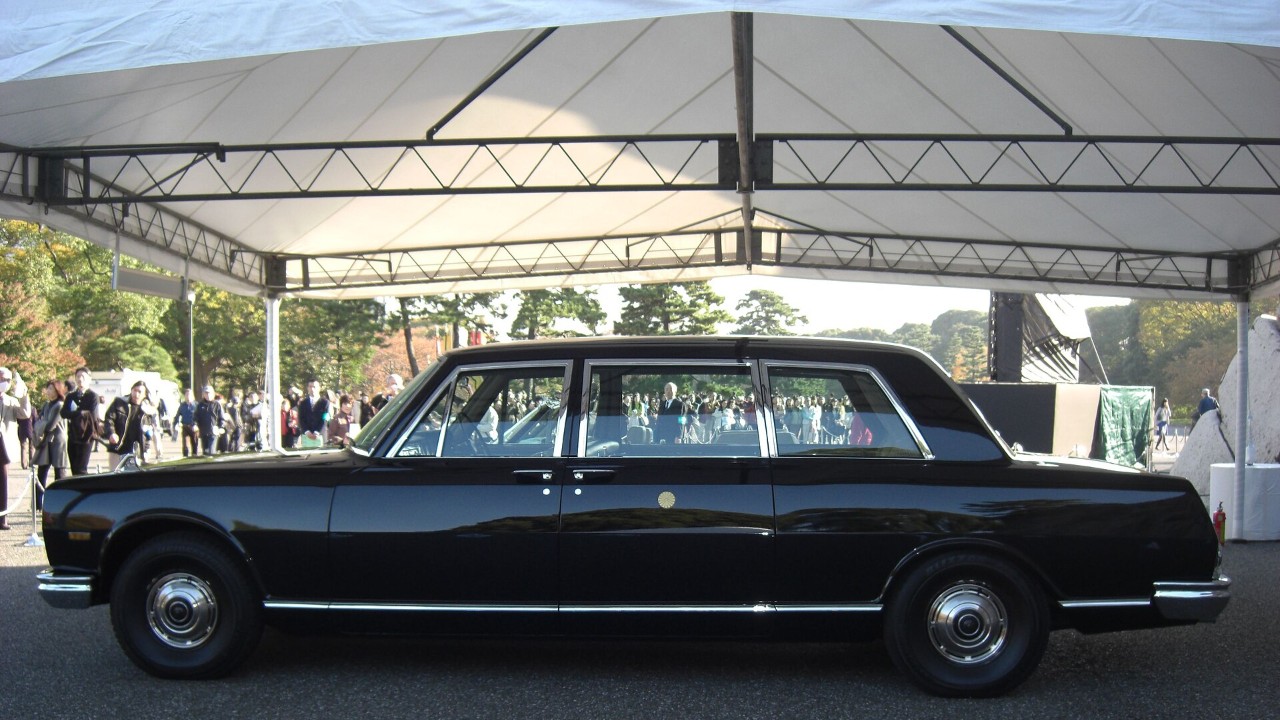
In September 1965, Prince Motor Company agreed to build two limousines for the Emperor of Japan. Before they were done, Prince merged with Nissan in May 1966, and that’s why the car carries both names. The Prince Royal was built in 1966 and 1967.
It’s also a huge car. The Prince Royal measures 242.3 inches long, and it used a 6.4-liter Prince W64 V8. That works out to 6,437 cc, or 391 cubic inches. The first car was due in 1966 and the second in 1967. Prince had served the Imperial Household before, too, with a Prince Sedan in 1954 and a Prince Gloria as a wedding gift to Crown Prince Akihito. The Imperial Household finally retired the Royal on July 7, 2006.
Our take: this is the dream entry, since none were ever sold to the public. Still, it belongs here because it shows what a Japanese maker could build in the 1960s when cost didn’t matter. It carried the Emperor for roughly four decades. If you ever see one on display, take the time to walk its full length.
9. 1950 Humber Pullman
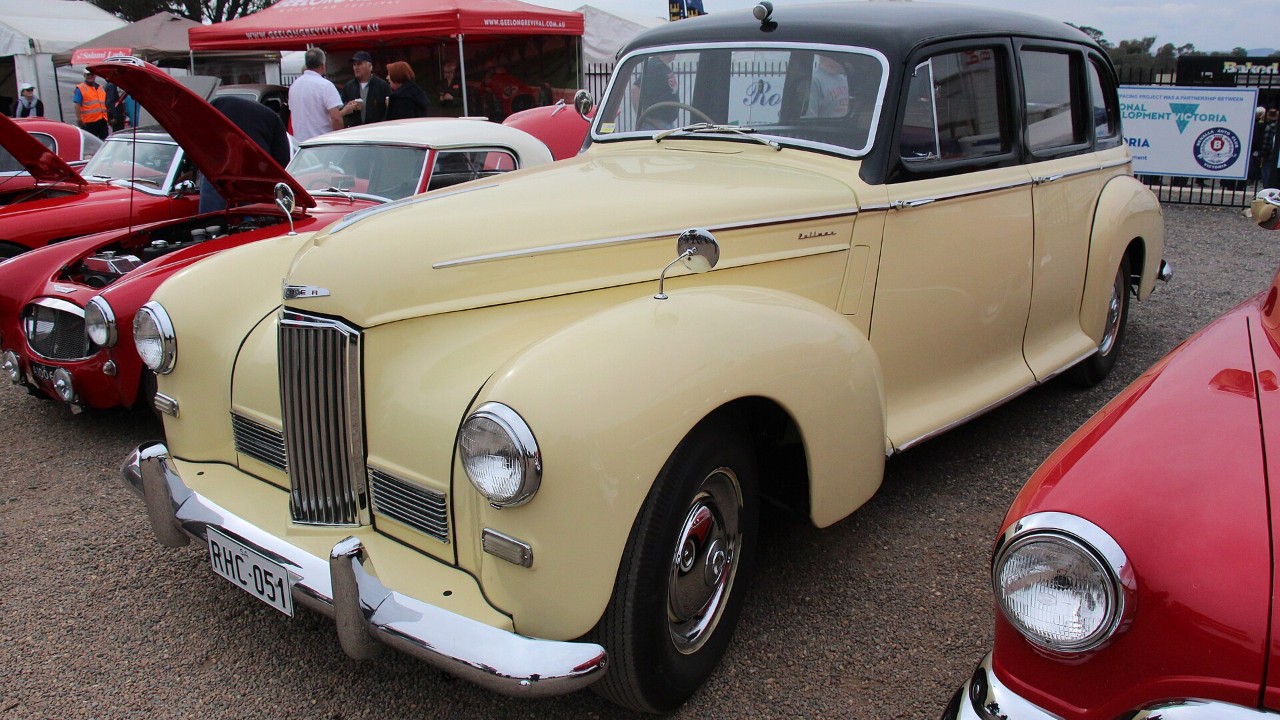
Humber’s postwar Pullman was a seven-seat British limousine for officials and hire firms. In 1948, the Mark II version moved to a longer chassis and put its headlamps into the wings. From that year, the Pullman had a partition between the front and rear seats. Without the partition, the same car sold as the Humber Imperial for owner-drivers.
Humber made 2,200 Mark II and Mark III Pullmans, along with 1,526 Imperials. Later, the 1953 to 1954 Mark IV used a 4,139 cc overhead-valve straight-six. A 1954 photo shows Queen Elizabeth II and Prince Philip riding in a Pullman during a visit to Brisbane, Australia. Before that, the 1945 car had offered seven-seat limousine and landaulette bodies. The 1951 Mark III grew to 212 inches long and gained an all-synchromesh gearbox.
In our view, the Humber is the bargain-hunter’s limousine. It has royal history and real British craftsmanship, yet it’s far less known than a Daimler or a Rolls-Royce. A 1950 Mark II has the postwar look we like best. Before you buy, make sure the partition glass and its winder work.
10. 1949 Chrysler Crown Imperial limousine
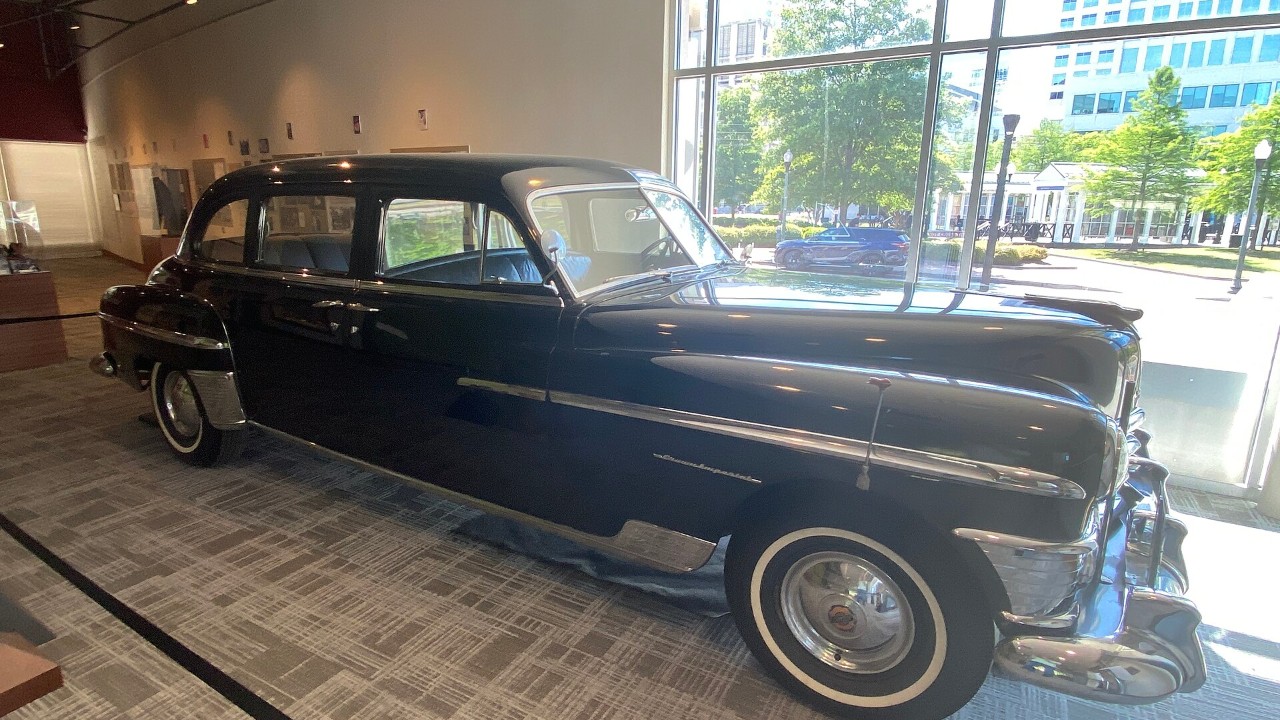
Chrysler’s Crown Imperial was its biggest and most formal car of the late 1940s. For 1949, the eight-passenger Crown came as a sedan or a limousine with a retractable division window. Chrysler built only 85 Crown Imperial limousines that year, and each one cost $5,334.
The 1949 Crown also had something unusual for its day. Chrysler fitted Ausco-Lambert disc brakes as standard, with twin expanding discs inside a cast-iron drum. Those brakes remained standard on the Crown through 1954. In addition, later Crowns added power windows, power steering and, by 1954, air conditioning as standard. For 1950, a special limousine got a unique leather interior and a leather top that blacked out the rear quarter windows.
Our take: 85 cars makes this the most exclusive American car on our list. It’s also a reminder that Chrysler once aimed squarely at the top of the market. For a later chapter of that story, read why the 1959 Imperial Crown made sure nobody confused it with anything else. Of the 1949 limousines, Chrysler built just 85.
More from Fast Lane Only