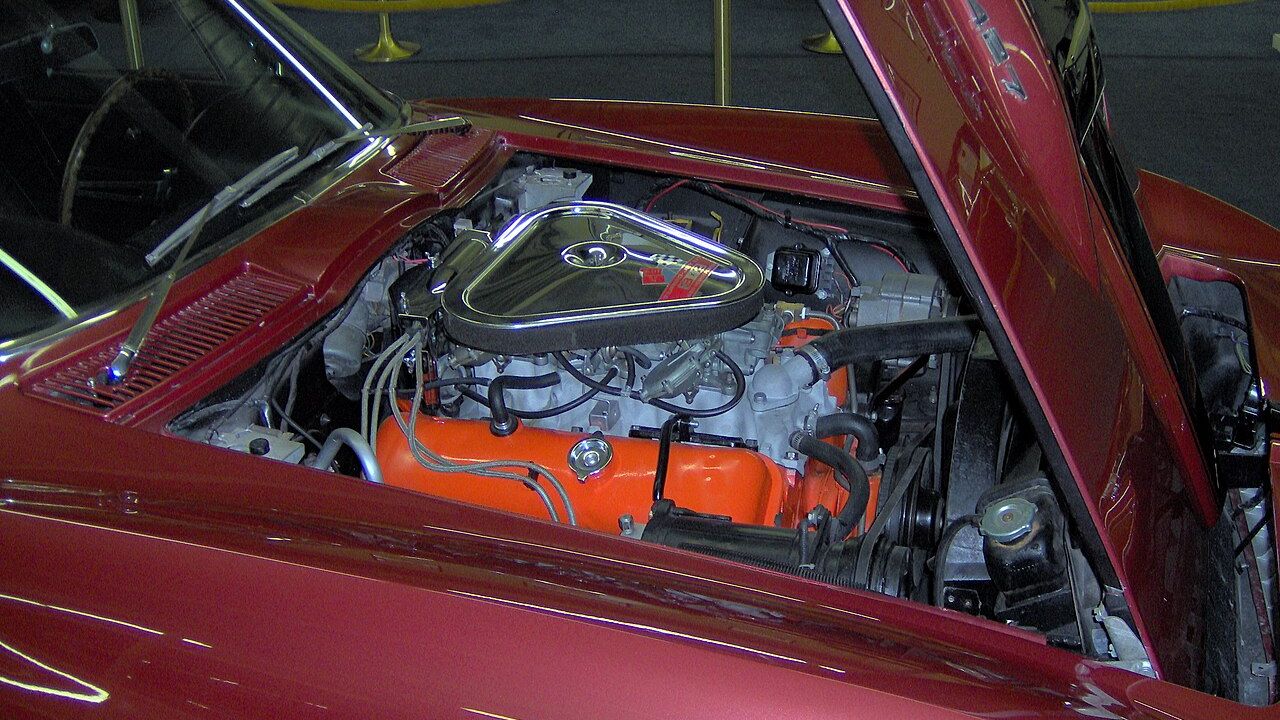
In 1969, Chevrolet built just 69 Camaros with an all-aluminum Chevrolet 427, and each one was really a race engine with license plates. That car was not alone. Through the 1960s and early 1970s, Detroit kept slipping competition engines into showroom cars.
Most big-blocks of the era existed to haul heavy sedans with ease. A few, however, were something else. They had sky-high compression, solid-lifter cams and carburetors sized for the drag strip. Some came with warnings, missing options or a price that scared off casual buyers.
These seven are our picks, the big-block V8s we think were nearly too powerful for the street. That verdict is our opinion. The ratings, production counts and prices behind it come from the sources linked below.
1. 1962 Chrysler 413 Max Wedge
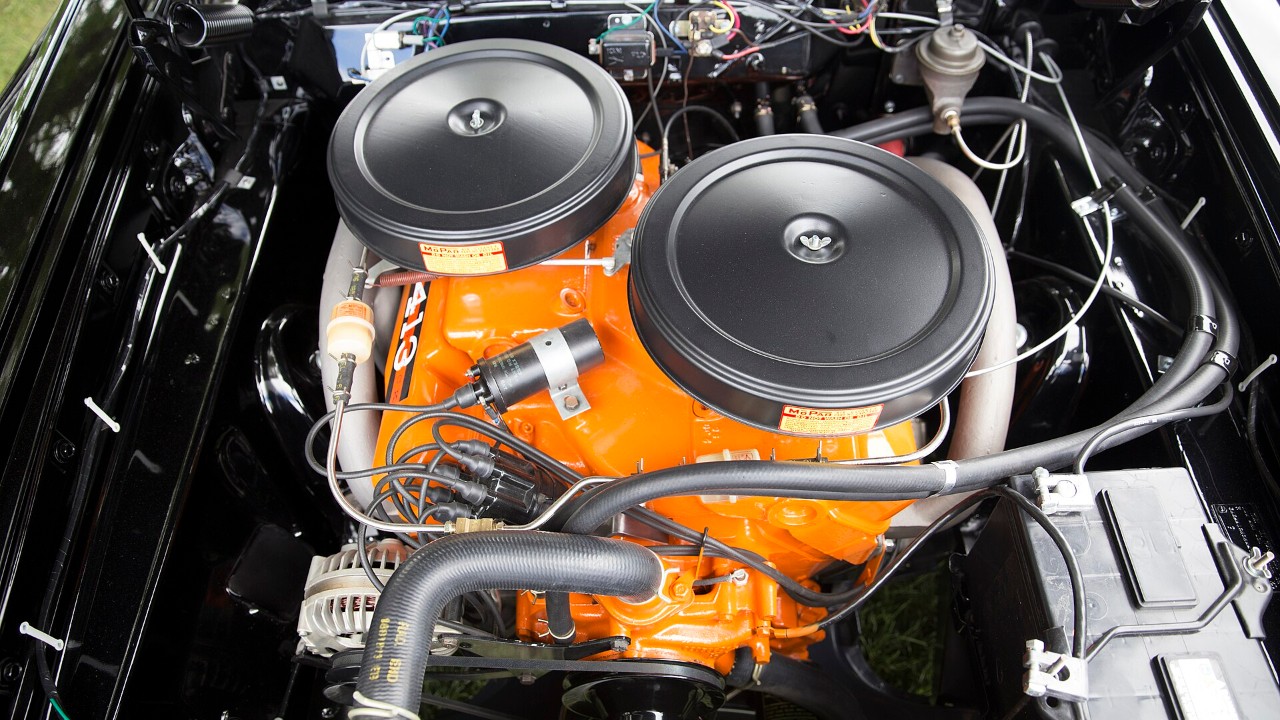
Chrysler’s Max Wedge was a drag racing engine that dealers happened to sell. For 1962, it went into Plymouth’s Super Stock 413 and Dodge’s Ramcharger 413, in the brands’ smaller, lighter models. As a result, the pairing of a huge engine and a modest body was the whole point.
According to Driving Line’s history of the Max Wedge, the 413 made up to 420 horsepower and 500 lb-ft of torque. Compression ran as high as 13.5:1, and twin carburetors fed it. Cars soon broke into the 11-second range in NHRA competition. Meanwhile, the Dodge Ramchargers team won a class title at the U.S. Nationals.
In our view, that compression figure tells you everything. An engine like that wanted race fuel and a drag strip, not a trip to the grocery store. Chrysler then stretched it to 426 cubic inches for 1963 before the Hemi took over by 1965. Still, the 413 started it all for Mopar’s street racers. For 1963, Chrysler rated the 426 version at up to 425 horsepower. If you ever find a real 1962 Max Wedge car, treat it like the race car it was.
2. 1965–1967 Ford 427 FE Side Oiler
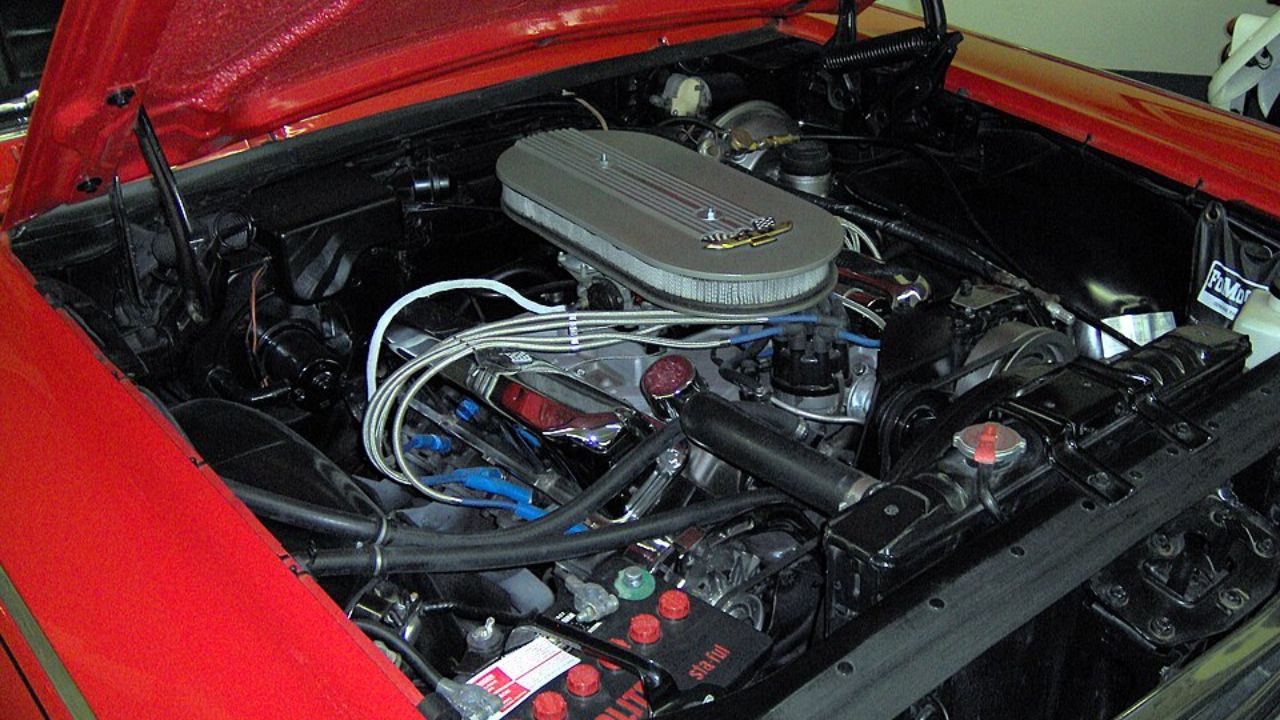
Ford’s 427 began in 1963 as a “top-oiler,” which fed the cam and valvetrain first. Then, for 1965, Ford reworked the block into the side oiler. Now oil went to the crankshaft first and the valvetrain second. That change was all about surviving long stretches at high rpm. In other words, Ford built it for racing first and street cars second.
The dual-quad version ran two Holley 780 cfm four-barrels and 11.5:1 compression. In that form, Ford listed it at 425 horsepower at 6,000 rpm for 1965 to 1967 Fords and Mercurys. It also powered the Shelby Cobra 427, for example. Most famously, side-oiler GT40 Mk IIs finished first, second and third at Le Mans in 1966.
Our take: few engines have a better resume. The same basic V8 that won Le Mans could go into a full-size Galaxie from the factory. That is a wild idea for a family car. Today, we’d rank a factory side-oiler car among the best Ford finds out there. If you see one, check the block before you believe the badges.
3. 1966–1969 Chevrolet L72 427
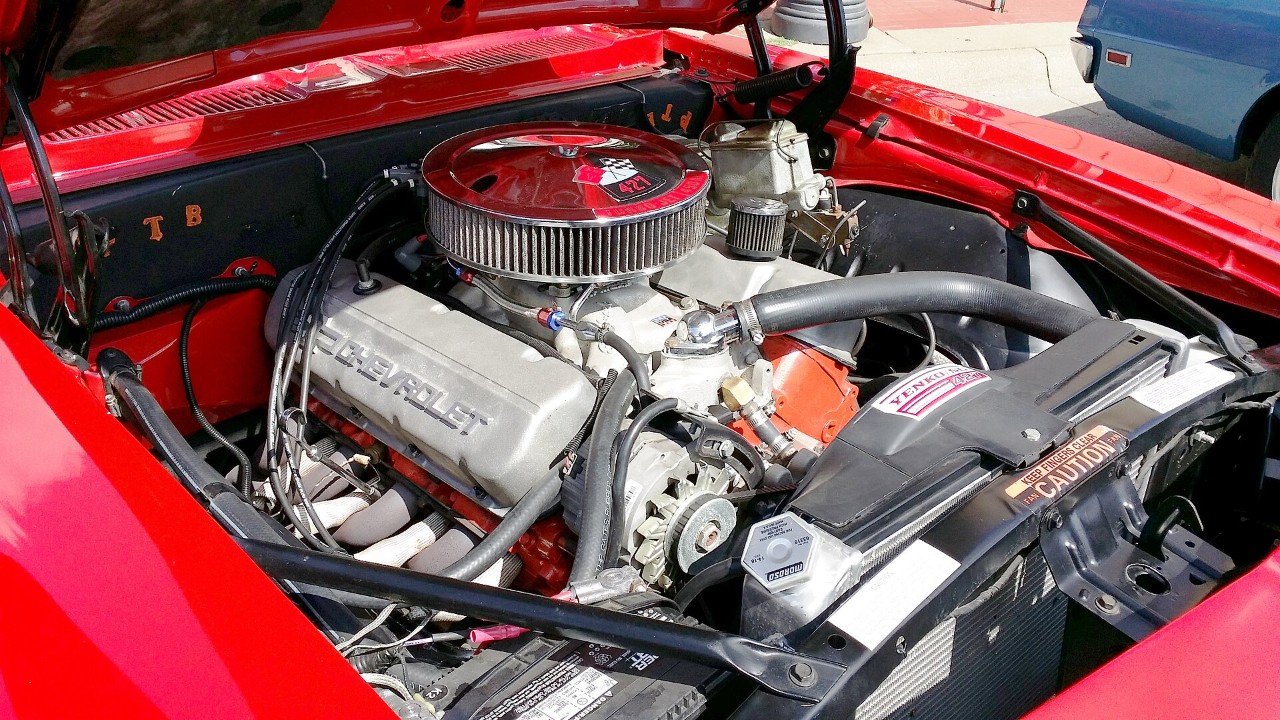
The L72 was the big-block that brought serious power to ordinary Chevrolets. From 1966 to 1969, it went into the Biscayne, Impala, Caprice and Corvette. In 1968 and 1969, it also landed in Camaros, mostly through dealers until it became a factory option for 1969.
Chevrolet rated the L72 427 at 425 horsepower gross, with 11.0:1 compression. At the time, that was a huge number for a car you could buy off the lot with a bench seat. It also gave tuning dealers a ready-made engine to drop into smaller cars. For more Chevy and rival engines with long lives, see our list of 18 big-block V8s that earned their reputations.
We’d argue the L72 is the most usable engine on this list. It was wild by any normal standard, yet it could live in a Biscayne without much drama. That is exactly why it was dangerous. It made a plain-looking sedan far quicker than most people expected, and that is our favorite kind of street car. If you shop for one, confirm the engine with the car’s paperwork, because a 427 badge alone proves very little.
4. 1967–1969 Chevrolet L88 427
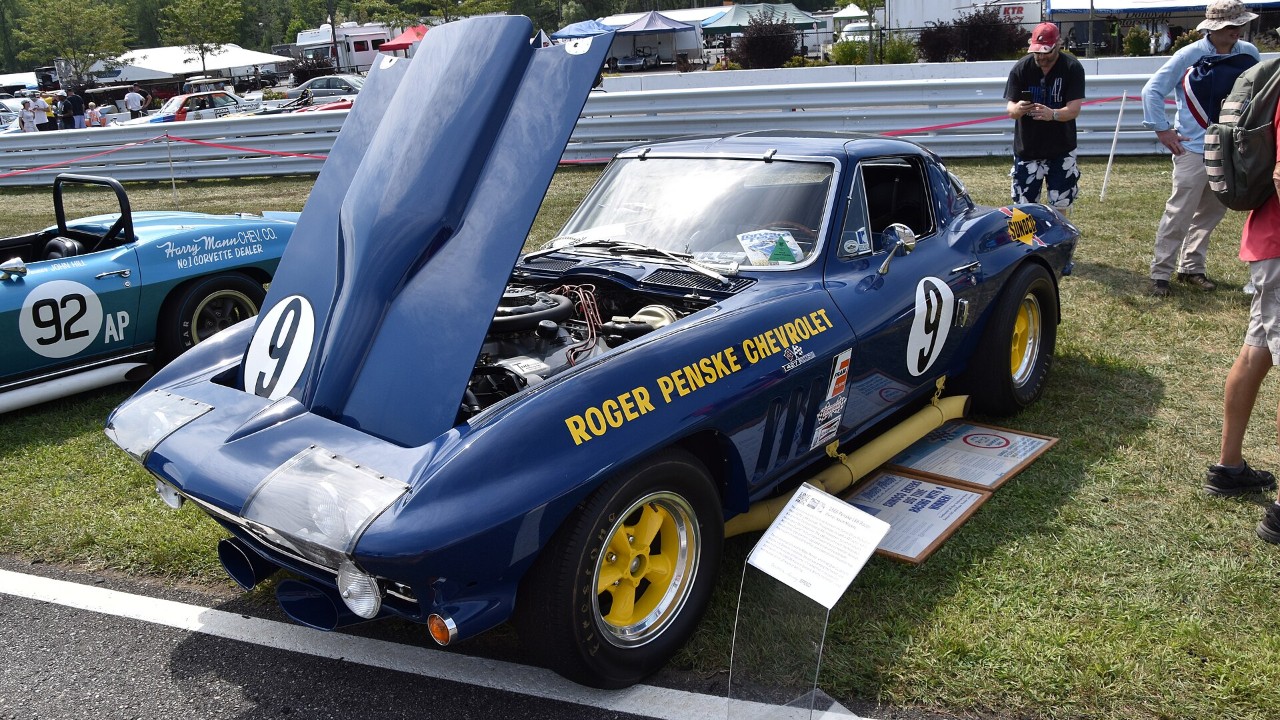
The L88 was Chevrolet’s way of selling a race engine in a Corvette without saying so. On paper, Chevrolet rated the L88 427 at 430 horsepower and 460 lb-ft. In addition, it had aluminum heads, a solid-lifter cam and 12.5:1 compression.
According to Chevy Hardcore’s look at the L88, the engine needed 103-octane fuel to reach its full potential. Modern dyno tests of factory-spec engines show 520 to 540 horsepower. Chevrolet built roughly 20 in 1967, 80 in 1968 and 116 in 1969. The option cost nearly $950 and deleted air conditioning, power steering and the radio. Dealers were reportedly told to discourage casual buyers, too. In near-stock form, the same article estimates 500 to 560 horsepower.
Our take: no other engine here fits the headline so well. Chevrolet itself seemed to treat it as too much for the street. Chevy Hardcore reports that verified L88 cars sell for $400,000 to $500,000 at auction. If you want one, insist on documentation before you spend that kind of money.
5. 1969 Chevrolet ZL1 427
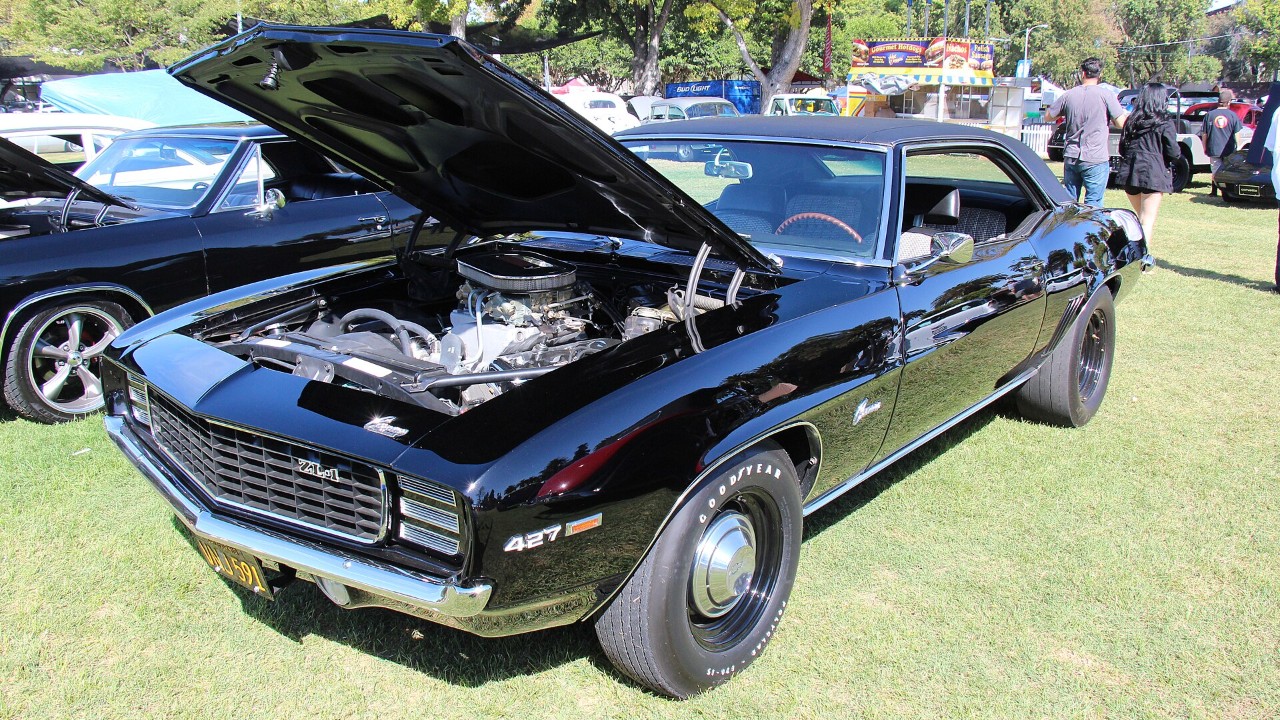
The ZL1 took the L88 idea and made it out of aluminum. In fact, Chevrolet developed it mainly for Can-Am racing. Unlike the iron-block 427s, it used an aluminum block as well as aluminum heads.
As Hagerty reported, Chevrolet built only 69 ZL1 Camaros, and GM cast the engines at its Tonawanda plant. It was Chevrolet’s first production aluminum block. Like the L88, the ZL1 carried a 430-horsepower rating, which Hagerty calls laughably low. In Corvettes, the option cost $4,718 and roughly doubled the car’s price. As a result, Chevrolet built only two ZL1 Corvettes. Meanwhile, Hagerty notes that its open-chamber aluminum heads used rectangular ports, a design built for airflow at high rpm. All of that hardware went into a car you could, in theory, drive to work.
In our view, the ZL1 is the clearest proof that Detroit sometimes built more engine than the street could use. After all, it was light, strong and very expensive. That combination made it a collector’s prize. Hagerty reported one ZL1 Camaro selling for $1,094,500 at Barrett-Jackson’s Scottsdale auction.
6. 1969–1970 Ford Boss 429

The Boss 429 existed because NASCAR said it had to. Ford wanted its semi-hemi 429 on the track, and the rules required the engine in at least 500 cars for sale to the public. So Ford fitted it to the Mustang, a car it was never designed to fit.
According to FordMuscle’s profile of the 1969 Boss 429, Kar Kraft in Brighton, Michigan, did the conversions. First, workers had to cut out and move the shock towers and inner fenders. Then the engine itself used staggered-valve aluminum heads. However, Ford rated it at 375 horsepower and 450 lb-ft, though the article puts the real figure closer to 500 horsepower. Most sources count 858 for 1969, and the car cost $4,798.
Our take: the Boss 429 was overkill, and we love it for that. After all, it was a race homologation special squeezed into a pony car. In our view, it felt most at home on a track, not in traffic. As a result, a well-documented Boss 429 Mustang is a prize for any Ford collector.
7. 1973–1974 Pontiac 455 Super Duty
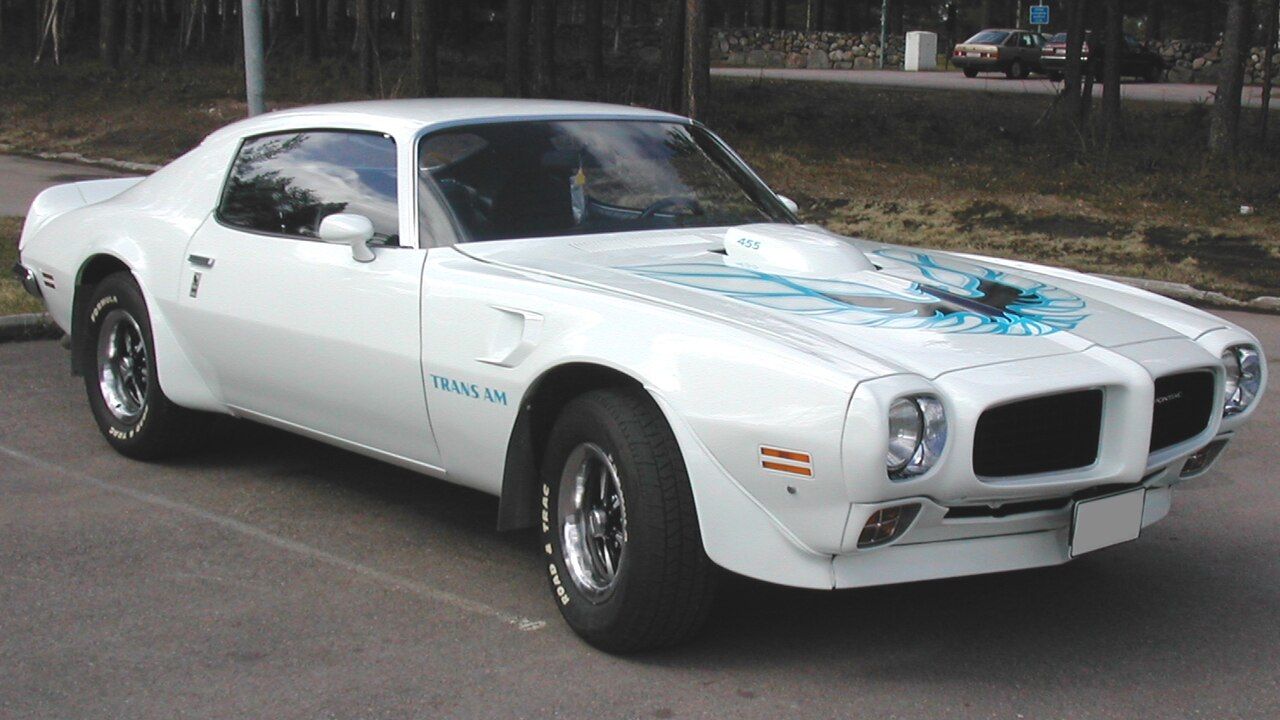
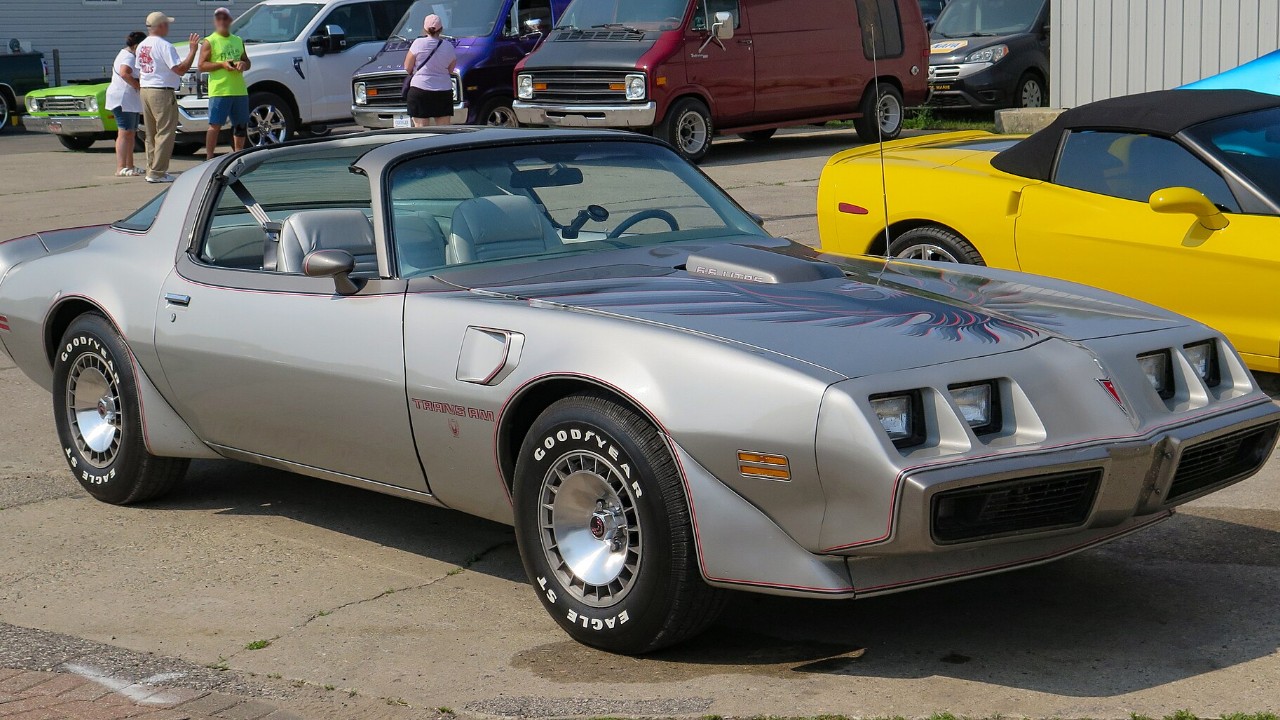
The 455 Super Duty arrived after the horsepower wars were supposed to be over. Pontiac offered it only in the Firebird Trans Am and Formula for 1973 and 1974. The name went back to 1961, when Pontiac first sold a Super Duty engine as a dealer-installed racing option.
Pontiac built the SD-455 like a race motor, with four-bolt mains, forged rods, forged aluminum pistons and high-flow round-port heads. Pontiac rated it at 290 net horsepower. In addition, EPA emissions testing delayed its release until late April 1973. Pontiac built 295 in 1973 and 1,001 in 1974, then dropped it. For more big-block engines built to last, see our list of big-block V8s that seem impossible to wear out.
We think the SD-455 was the last true street-legal race engine of the classic muscle era. It showed up in a decade of strangled V8s and refused to play along. Just 1,296 cars got one across both years. That makes it a rare, fitting end to this list. If you want one, look for documented Trans Am or Formula cars and verify the engine codes before you pay a Super Duty price.
More from Fast Lane Only