Muscle cars have a storied history, celebrated for their raw power and performance. However, many remarkable models have faded into obscurity, overshadowed by more popular counterparts. Here are ten forgotten muscle cars that deserve a second look, showcasing their unique features and the potential for revival among car enthusiasts.
1. Pontiac GTO (1970-1972)
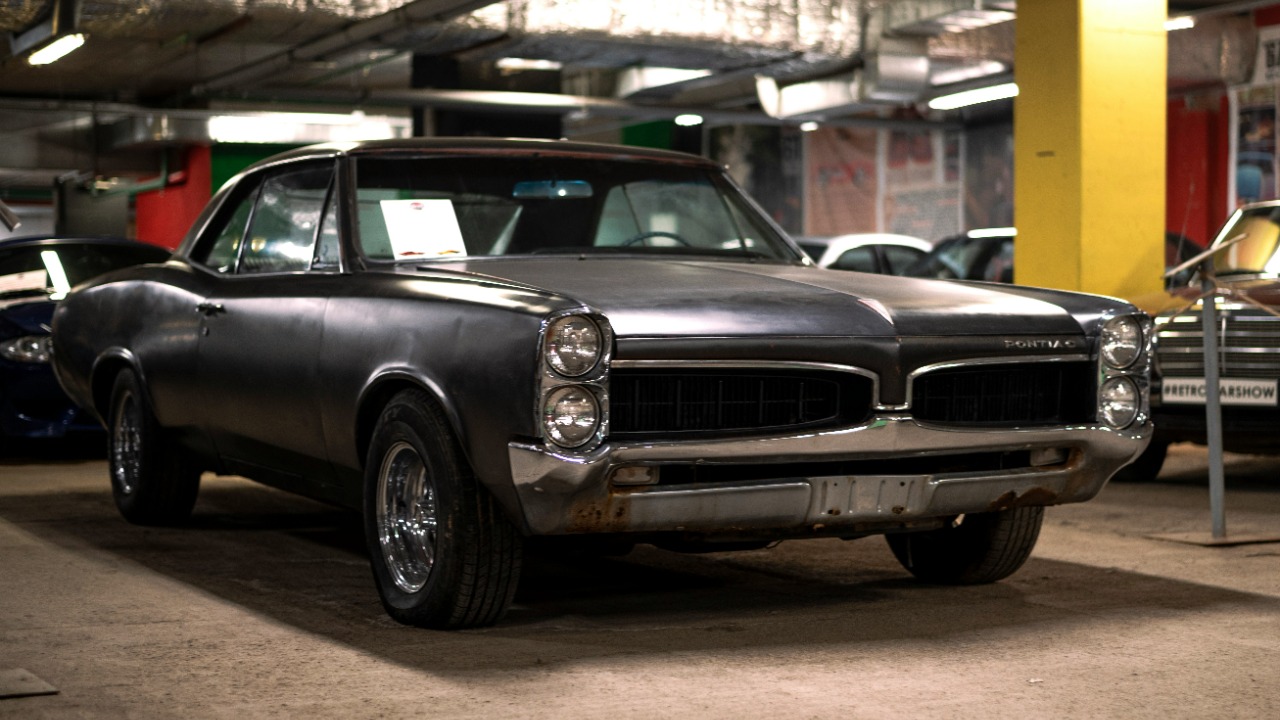
The Pontiac GTO is often credited with igniting the muscle car era, and its significance in American automotive history cannot be overstated. By the early 1970s, the GTO had evolved into a formidable vehicle, offering a range of powerful engines, including the Ram Air IV option that delivered an impressive 370 horsepower. Its distinctive styling elements, such as the dual-scooped hood and aggressive stance, made it a head-turner on the streets.
Despite its early success, the GTO’s popularity waned by the mid-1970s due to rising insurance costs and changing consumer preferences. As the focus shifted towards fuel economy and practicality, the GTO was eventually overshadowed. Today, many enthusiasts recognize its potential for revival, as modern performance upgrades and restorations can bring this classic muscle car back to life.
2. Dodge Coronet R/T (1967-1970)
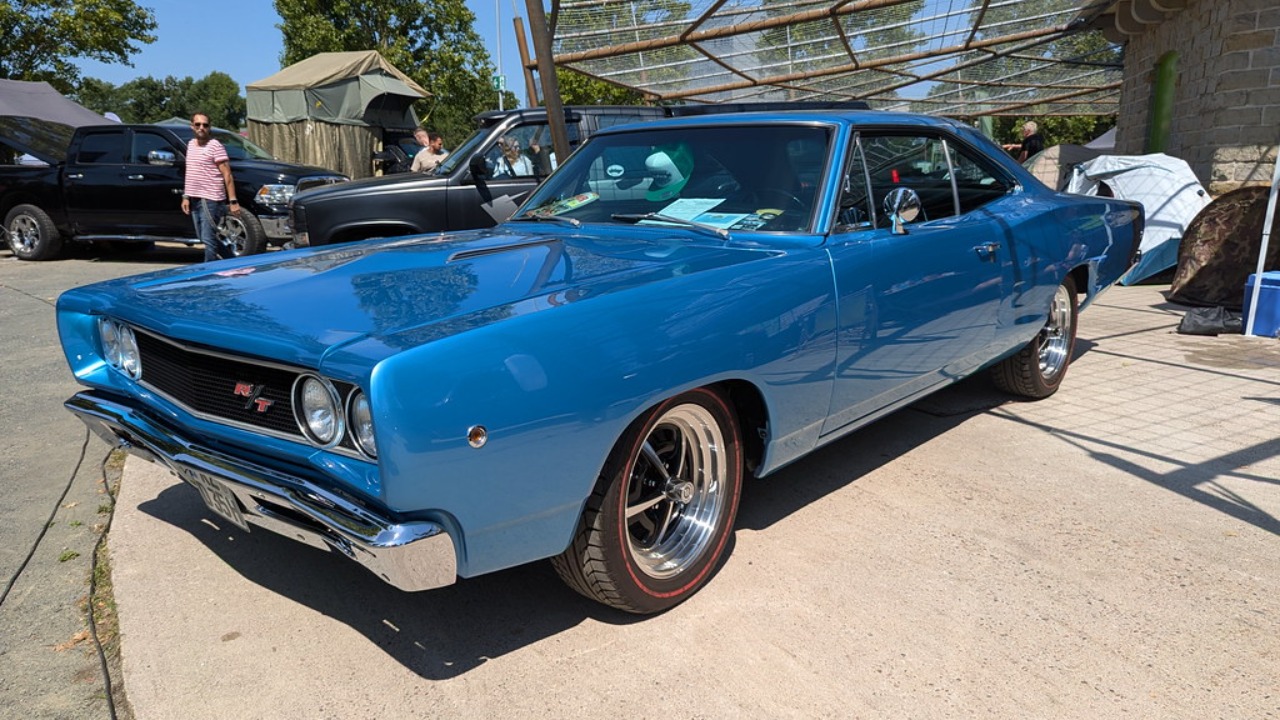
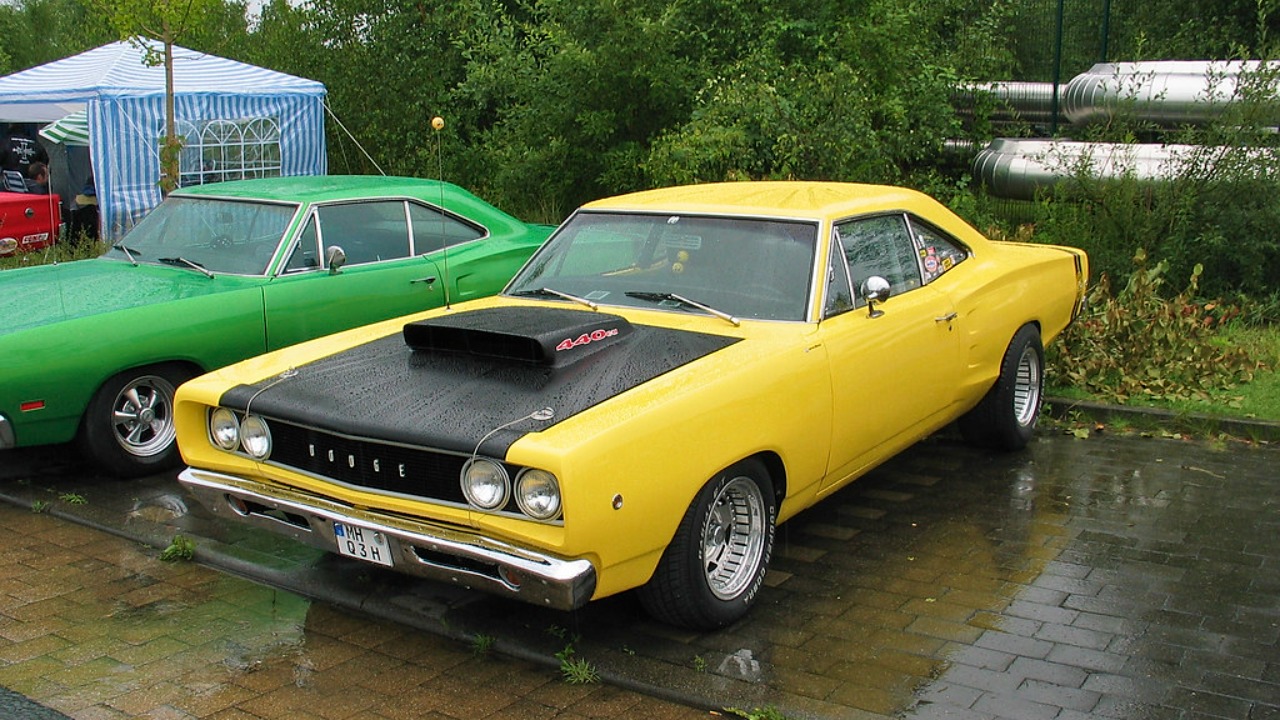
The Dodge Coronet R/T was a powerhouse during its production years, offering a range of potent engine options, including the legendary 426 Hemi. With its muscular design, the R/T variant was engineered to compete fiercely with other muscle cars of the era. Its performance capabilities were impressive, with a 0-60 mph time that could rival even the best of its contemporaries.
However, the Coronet R/T was produced in limited numbers, contributing to its current status as a forgotten classic. As Dodge shifted its marketing focus towards more popular models, the R/T faded into obscurity. Its rarity and performance pedigree make it a compelling candidate for revival among collectors and muscle car enthusiasts.
3. Mercury Cougar (1967-1973)
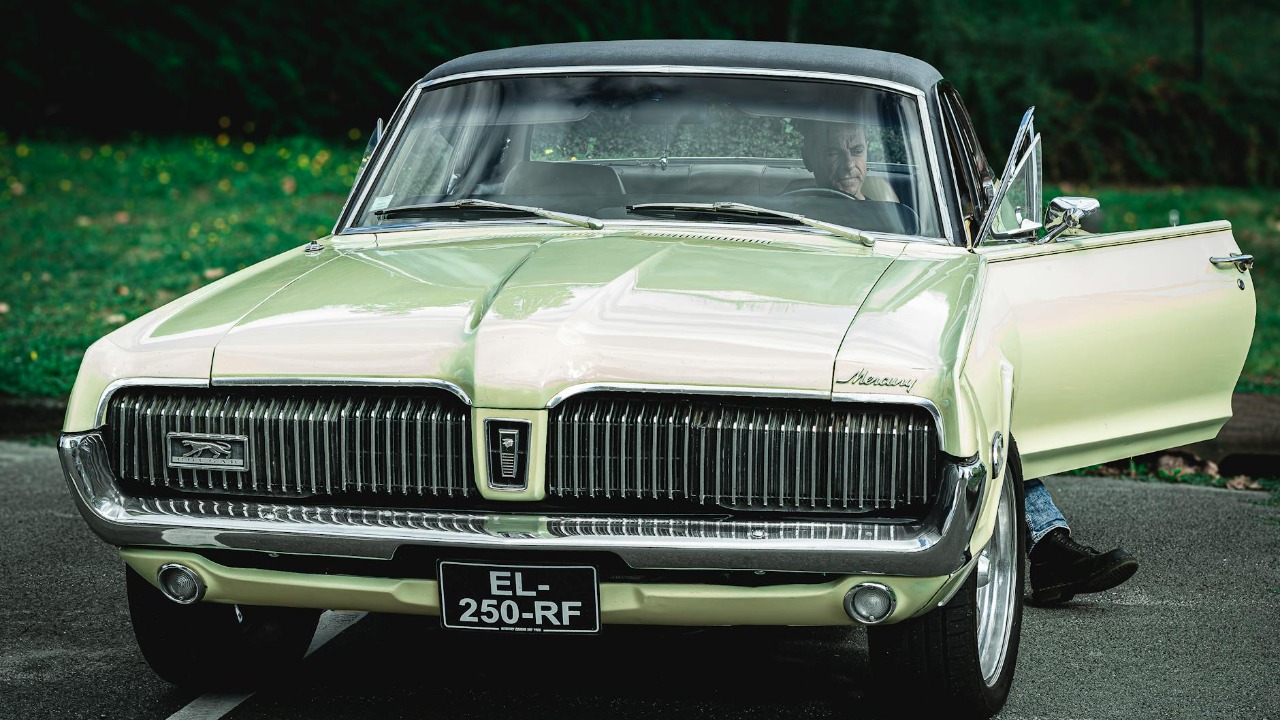
Originally marketed as a luxury muscle car, the Mercury Cougar offered a unique blend of performance and refinement. With its sleek lines and innovative features, such as hidden headlights and a comfortable interior, the Cougar carved out a niche for itself in the muscle car market. The introduction of the 390 cubic-inch V8 engine solidified its status as a serious performance contender.
Over the years, the Cougar transitioned away from its muscle car roots, becoming more of a personal luxury vehicle. This shift, combined with the eventual decline of the Mercury brand, led to its diminished recognition. Today, the Cougar represents an opportunity for revival, as enthusiasts seek to restore its performance legacy and reclaim its status in the muscle car community.
4. AMC Javelin (1968-1974)
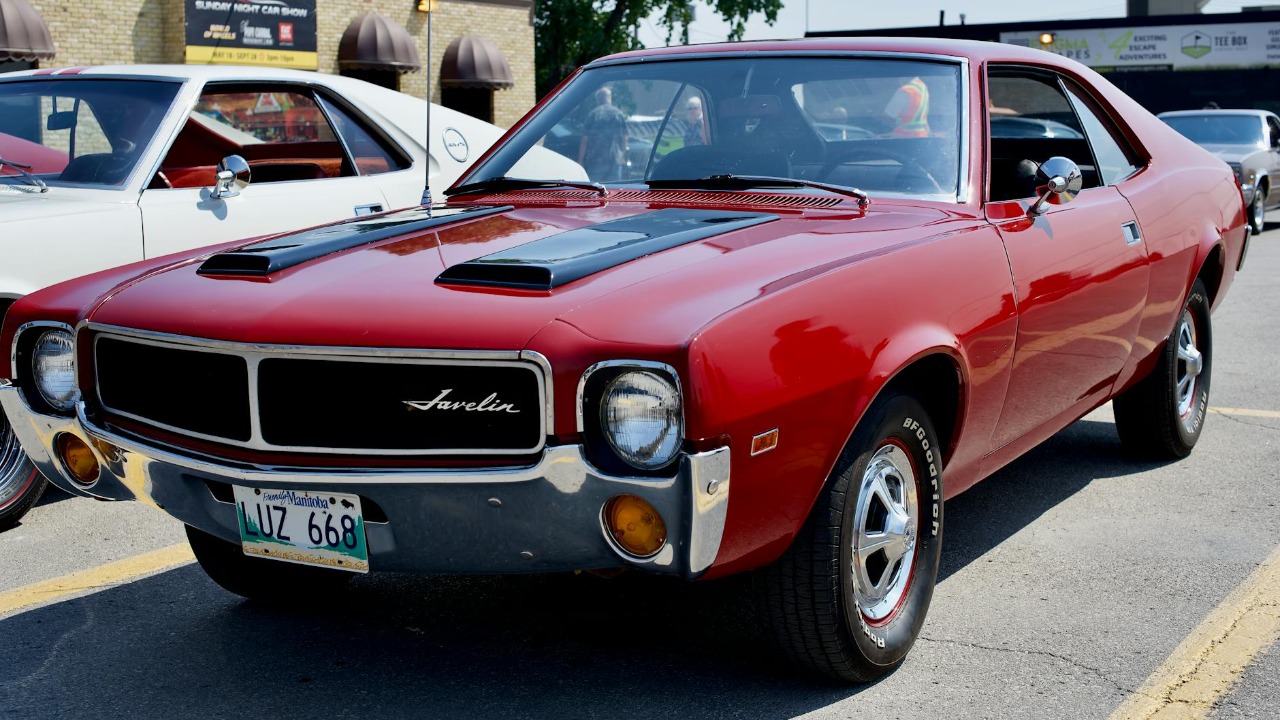
The AMC Javelin was a bold entry into the muscle car arena, featuring a unique design that set it apart from its competitors. With its aggressive stance and sporty profile, the Javelin appealed to a younger demographic looking for performance and style. The Rebel Machine model, equipped with a high-output 390 V8 engine, showcased AMC’s commitment to delivering serious power.
Despite its innovative design and performance packages, the Javelin struggled against more established brands and marketing strategies that often left it overlooked. As AMC’s presence in the market dwindled, so did the Javelin’s legacy. However, its distinctiveness makes it worthy of revival, particularly as the demand for unique muscle cars continues to grow.
5. Chevrolet Nova SS (1968-1974)

The Chevrolet Nova SS is often regarded as one of the ultimate sleeper cars, thanks to its compact size and impressive performance capabilities. Initially launched as a simple compact model, the SS variant packed a powerful punch with engine options ranging from a 327 V8 to the potent 396 big-block engine. Its lightweight design allowed for quick acceleration and agile handling.
Despite its strengths, the Nova SS has been overshadowed by Chevrolet’s more famous muscle car offerings, such as the Camaro and Chevelle. As a result, it often goes unnoticed in collector circles. Reviving interest in the Nova SS could highlight its impressive engineering and performance, potentially bringing it back into the spotlight among muscle car enthusiasts.
6. Oldsmobile 442 (1964-1980)
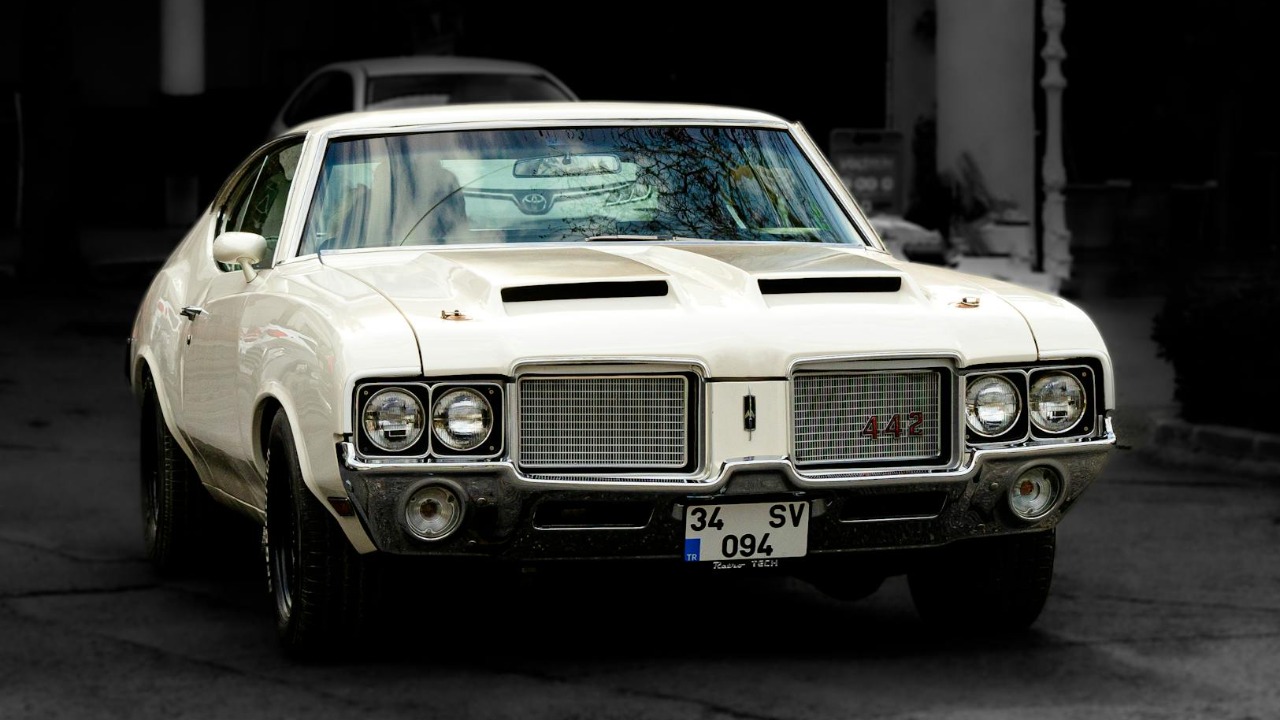
The Oldsmobile 442 began as a trim package before evolving into a full-fledged muscle car that captivated enthusiasts. Known for its powerful performance packages, such as the W-30 and W-31, the 442 delivered thrilling driving experiences with its robust V8 engines. Its combination of style and power made it a significant player in the muscle car era.
However, the closure of Oldsmobile in 2004 contributed to the decline of the 442’s recognition. As the years went by, its legacy faded, overshadowed by more popular models. Today, the 442 deserves a second look, as its performance innovations and unique history can inspire a new generation of car enthusiasts to appreciate this classic muscle car.
7. Plymouth Road Runner (1968-1975)
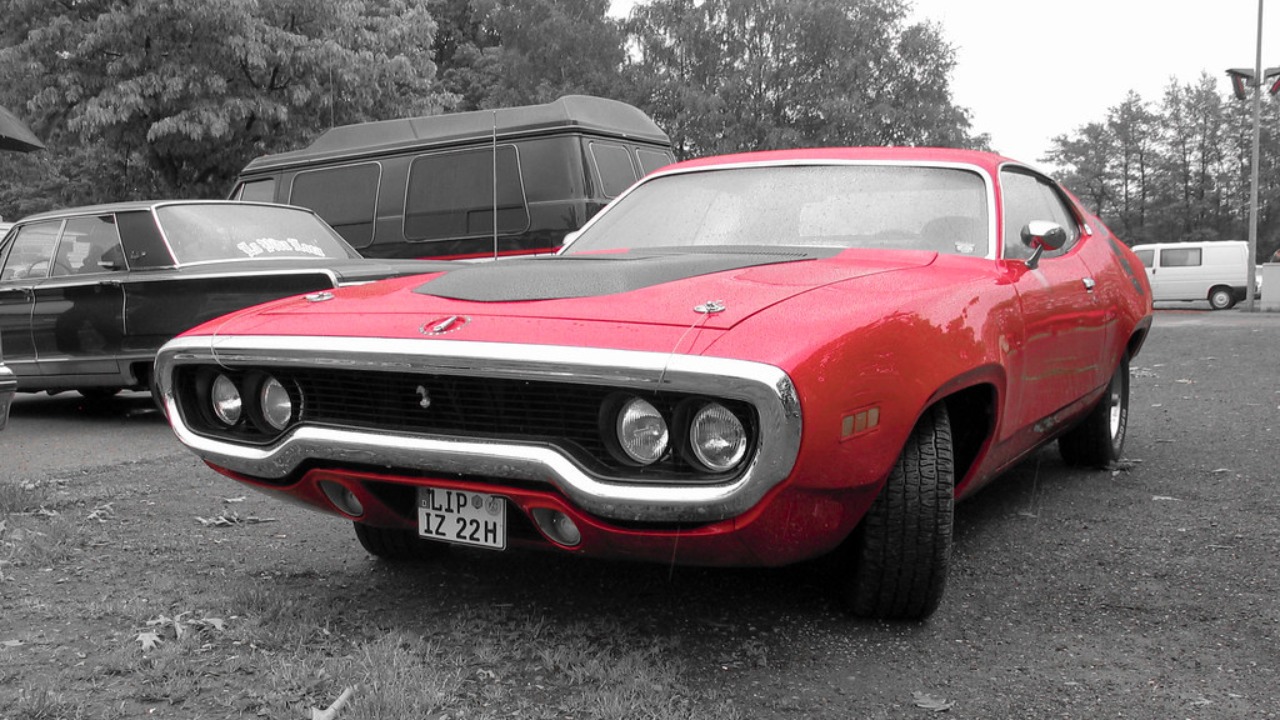
The Plymouth Road Runner made its debut as a no-frills muscle car, designed to offer performance at an affordable price. Its distinct features, including the famous “beep-beep” horn and simple styling, appealed to a wide audience. The Road Runner was built for speed, with options like the 426 Hemi engine that made it a formidable force on the drag strip.
Despite its initial success, the Road Runner was eventually eclipsed by more luxurious models in the Plymouth lineup. As the market shifted, it became less prominent, leading to its current status as a forgotten classic. However, its fun-loving spirit and performance capabilities make it a candidate for revival among muscle car aficionados.
8. Buick Gran Sport (1965-1972)

The Buick Gran Sport was a powerful contender in the muscle car market, known for its performance capabilities and luxurious features. With engine options that included the 455 V8, the Gran Sport delivered impressive power and speed. Its sleek design and upscale interior set it apart from many of its competitors, appealing to those who wanted both performance and comfort.
Over the years, the Gran Sport has often been overlooked as other muscle cars gained popularity. Factors contributing to its diminished recognition include the shifting market and Buick’s evolution towards more family-oriented vehicles. Reviving interest in the Gran Sport can highlight its unique blend of performance and luxury, reinvigorating its status among classic car enthusiasts.
9. Ford Torino Cobra (1969-1971)
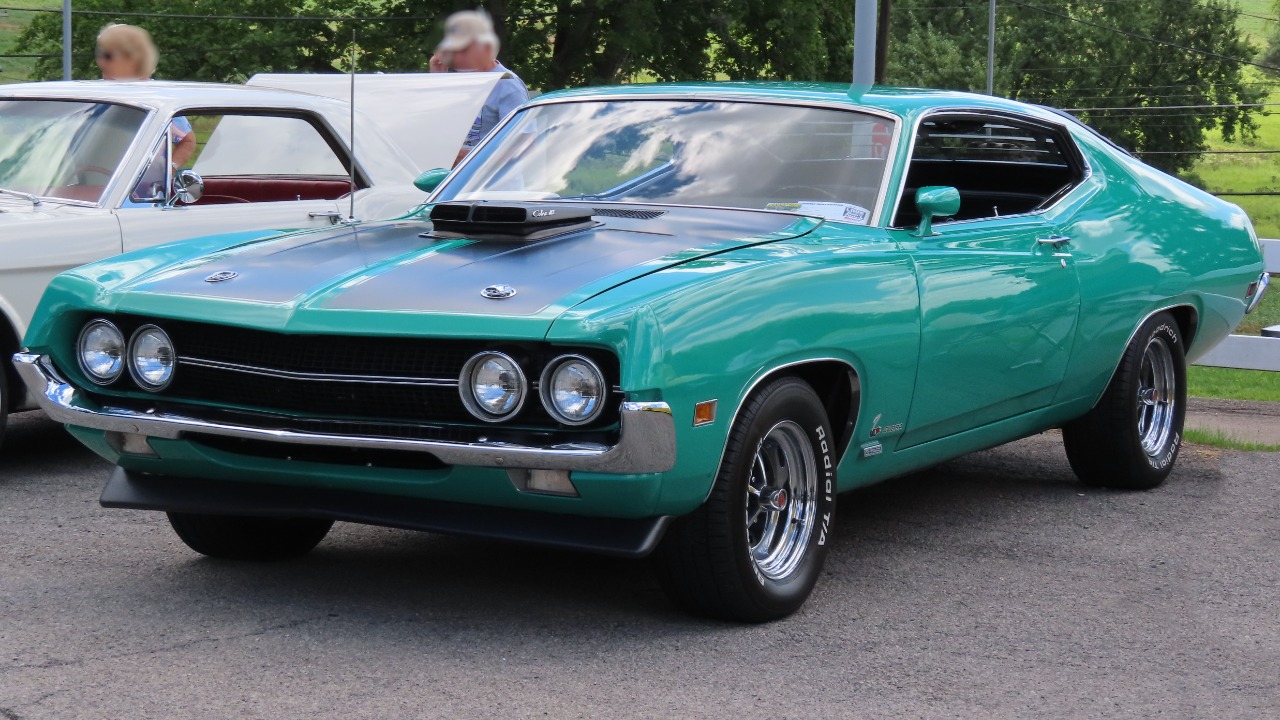
The Ford Torino Cobra was a performance-oriented variant of the Torino lineup, boasting impressive credentials that made it a notable player in the muscle car scene. Equipped with powerful engine options, including the 429 Cobra Jet, the Torino Cobra was not only fast but also made a name for itself in NASCAR, showcasing Ford’s racing pedigree.
Despite its performance capabilities and unique design elements, the Torino Cobra has remained relatively obscure compared to other Ford muscle cars like the Mustang. Its limited production numbers and a shift in consumer preferences contributed to its fading legacy. However, its connection to motorsport and powerful performance make it a strong candidate for revival among collectors.
10. Dodge Super Bee (1968-1971)
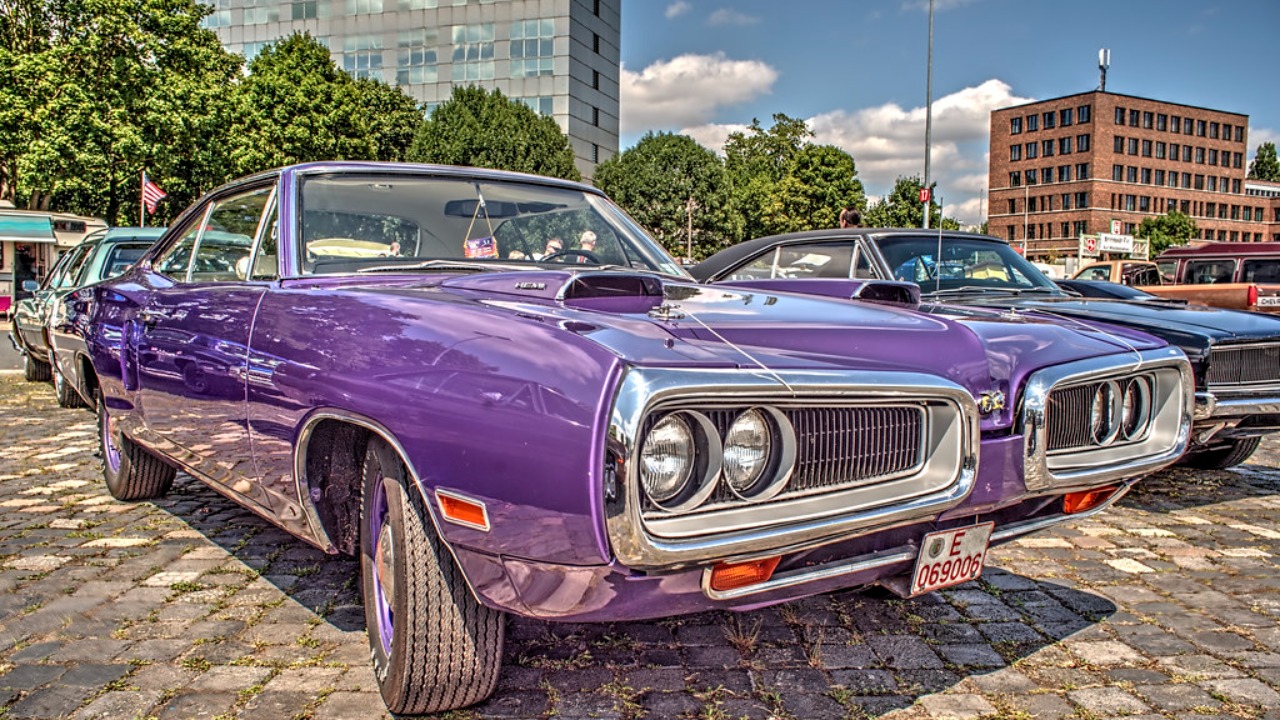
The Dodge Super Bee was a powerful entry in the muscle car segment, closely associated with the Mopar brand. Known for its robust performance and distinctive design features, including its “B-Body” platform, the Super Bee was designed to deliver speed and agility on the road. Options like the 426 Hemi made it a serious contender in the muscle car market.
Despite its strong performance credentials, the Super Bee faced challenges in gaining traction among collectors and enthusiasts. Its competition from other muscle cars and changing market dynamics led to its relative obscurity. However, the Super Bee’s unique characteristics and performance pedigree make it a worthy candidate for revival, capturing the interest of a new generation of muscle car lovers.