AMC’s designs have long captured the attention of car enthusiasts and casual observers alike, presenting a fascinating blend of innovation and eccentricity. With a reputation for producing vehicles that were as distinctive as they were functional, AMC carved out a unique niche in the automotive landscape. The elements that made AMC’s designs both brilliant in their creativity and bizarre in their execution are worth exploring.
The Historical Context of AMC’s Designs
Founded in 1954, American Motors Corporation (AMC) emerged during a time when the American automotive market was dominated by a few major players like Ford, General Motors, and Chrysler. AMC set out to create a brand that appealed to a more budget-conscious consumer while also offering unique styling and features. The company’s focus was on producing compact and intermediate cars that addressed the changing needs of American families in the post-war era.
The economic landscape of the 1960s and 1970s played a significant role in shaping AMC’s design choices. As fuel prices fluctuated and consumer preferences shifted towards smaller cars, AMC seized the opportunity to innovate. Their designs were often influenced by the economic necessity of producing affordable yet appealing vehicles, leading to a distinctive approach that combined practicality with a flair for the unconventional.
Facing stiff competition from larger automakers, AMC knew that it needed to stand out. This led to the creation of vehicles that were not only functional but also had unique styling cues. The need for distinctive designs was paramount, and AMC embraced this challenge, resulting in some of the most innovative yet peculiar cars of the era.
Innovative Engineering Techniques
One of the hallmarks of AMC’s design philosophy was its commitment to incorporating innovative engineering techniques. The company utilized advanced structural designs in its vehicles, which significantly impacted performance and structural integrity
One of its notable innovations was the adoption of unitized body construction, which combined the body and chassis into a single unit. This approach not only improved structural integrity but also simplified manufacturing processes, allowing for more efficient assembly lines. The result was vehicles that were both safer and more robust, setting a precedent for future automotive designs.
Technology also played a crucial role in AMC’s engineering solutions. The incorporation of advanced safety features, such as improved crumple zones and better seatbelt designs, reflected a growing awareness of consumer safety during the era. These innovations positioned AMC as a forward-thinking brand that prioritized both performance and the well-being of its drivers.
Iconic Models and Their Design Elements
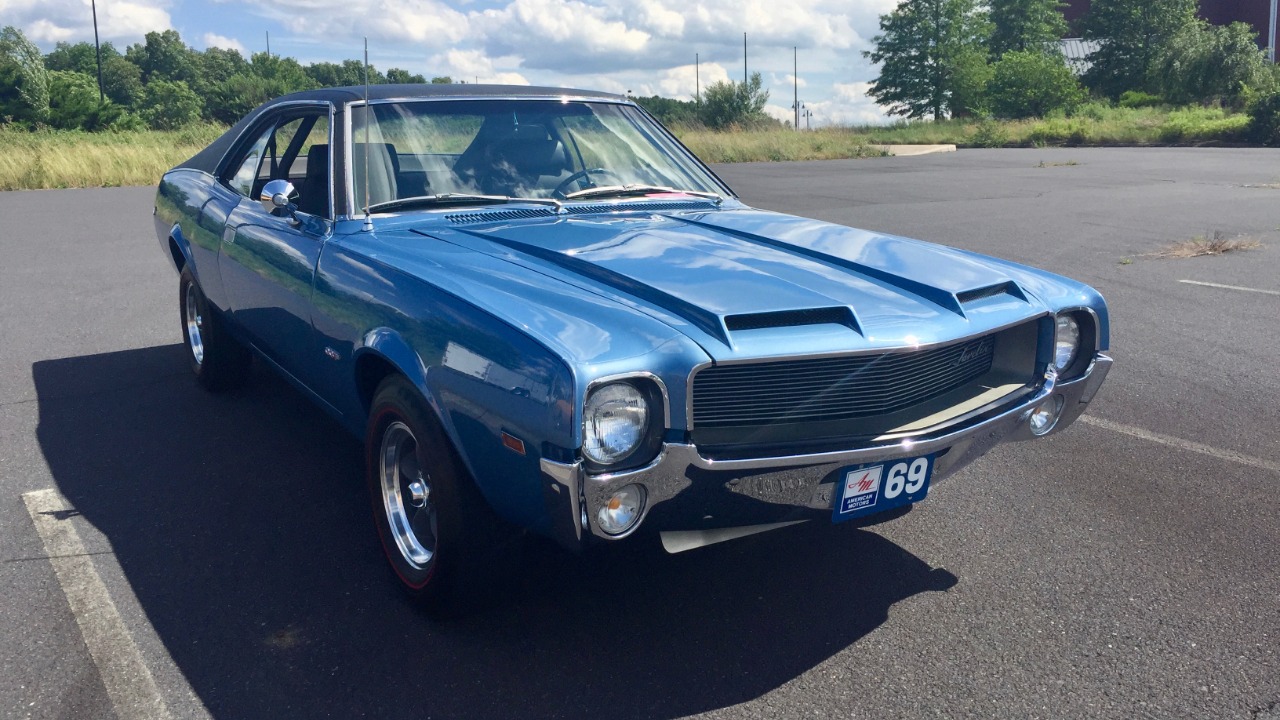
Among AMC’s most notable vehicles is the AMX, launched in 1968. This model stood out for its blend of muscle and sophistication. With a sleek fastback design and a powerful V8 engine, the AMX was a serious competitor in the muscle car segment. Its design was celebrated for its bold lines and aggressive stance, making it an instant classic among car enthusiasts.
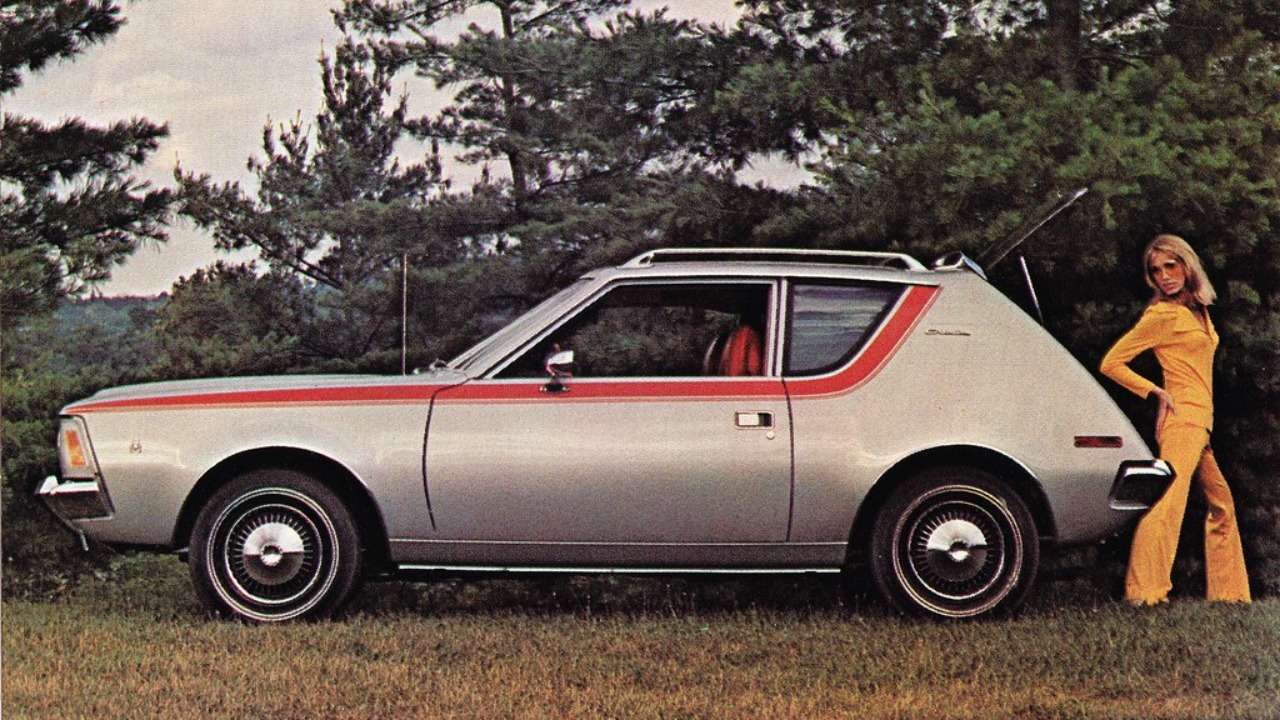
Then there’s the Gremlin, introduced in 1970, which showcased AMC’s knack for quirky aesthetics. The Gremlin was a compact car that defied traditional design norms with its unconventional hatchback shape and unusual proportions. Its affordability and unique look quickly garnered attention, making it a popular choice for budget-conscious consumers.
The Javelin, released in 1967, represented AMC’s bold move toward sporty design. With its long hood and short rear deck, the Javelin was designed to compete with other pony cars of the era. Its aggressive styling and performance capabilities made it a favorite among drivers looking for a stylish yet practical vehicle. Each of these models highlighted AMC’s ability to blend creativity with functionality.
Legacy and Influence on Future Designs
AMC’s design philosophy has left a lasting legacy on the automotive industry. Elements of AMC’s innovative approaches can be seen in the designs of modern vehicles, particularly in the emphasis on unique styling and engineering efficiency. The idea of combining performance with distinctive aesthetics has been embraced by many contemporary automakers seeking to capture the attention of today’s consumers.
There has been a resurgence of interest in classic AMC models, with collectors and enthusiasts celebrating their unique designs. Auctions and car shows often feature restored versions of iconic models like the Javelin and AMX, showcasing their enduring appeal. This renewed appreciation emphasizes the importance of AMC’s contributions to automotive design and culture.
Lessons learned from AMC’s approach to design continue to resonate in modern automotive culture. The brand’s willingness to innovate and embrace eccentricity serves as a reminder that creativity and individuality can lead to groundbreaking designs that stand the test of time. As the automotive industry evolves, AMC’s influence remains a vital part of the conversation.