When people talk muscle cars, Mercury rarely comes up first—and that’s a shame. Ford’s other brand quietly cranked out some serious performance machines, many of which could hang with the best from Chevy, Dodge, or even big brother Ford. These weren’t just rebadged Falcons and Fairlanes either—Mercury had its own approach to speed, often blending muscle with a touch of refinement.
From big-block bruisers to underrated street sleepers, Mercury had a run of muscle machines that deserve a second look. Here are ten forgotten power cars that prove Mercury wasn’t just a sideline act—it was in the game.
1969 Mercury Cyclone CJ

The Cyclone CJ was Mercury’s answer to big-block muscle, packing Ford’s 428 Cobra Jet V8 under the hood. With 335 hp on paper—though closer to 400 in practice—it delivered serious straight-line speed. Backed by a C6 automatic or a 4-speed Toploader, the Cyclone CJ could hustle through the quarter-mile in the low 14s.
The car featured beefier suspension than its Montego siblings, including stiffer springs and upgraded shocks. Inside, it was more stripped-down than plush, with bucket seats and optional tach. It never grabbed headlines like a Mustang or GTO, but it had all the muscle and none of the flash.
1970 Mercury Marauder X-100
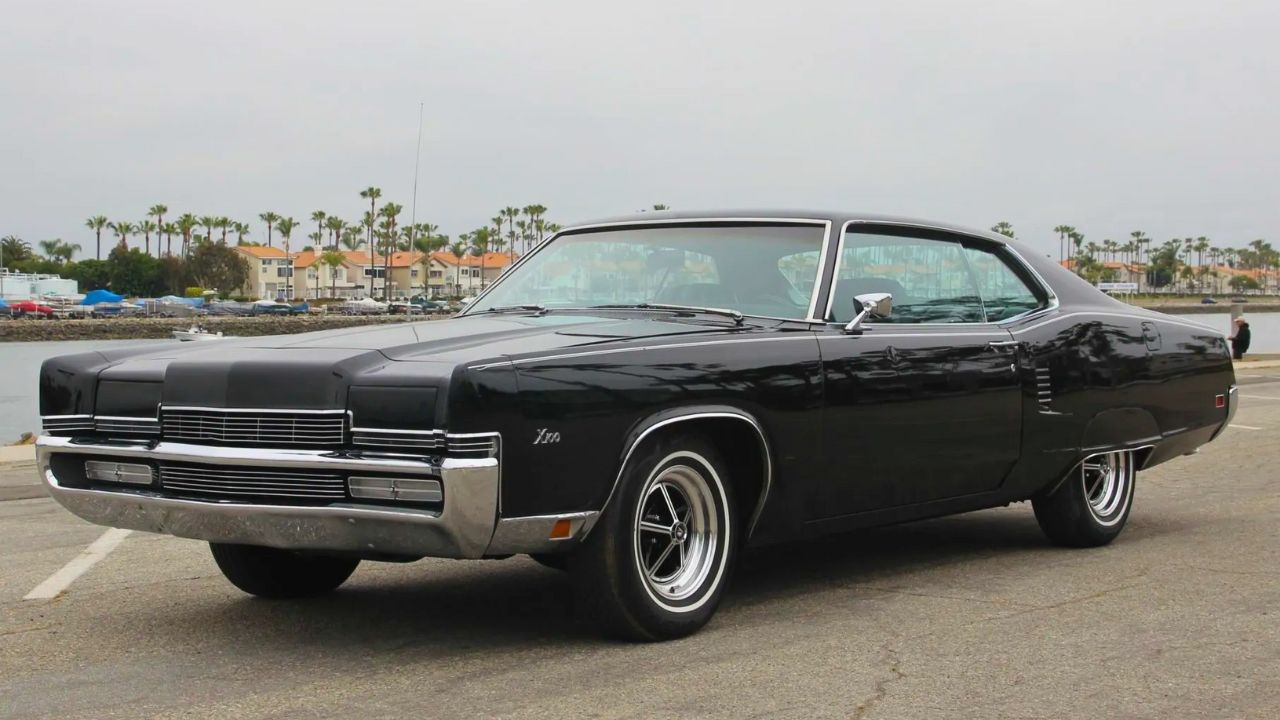
The Marauder X-100 looked like a luxury cruiser, but underneath, it was packing Ford’s 429 cubic-inch “Thunder Jet” V8. With 360 horsepower and 480 lb-ft of torque, it wasn’t just for show. The X-100 came with dual exhausts, a performance axle ratio, and firmer suspension than the base model.
It rode on a 121-inch wheelbase and featured hidden headlights, a sporty fastback roofline, and a formal vinyl top. Inside, it was loaded with comfort—bucket seats, center console, and a ton of chrome. The X-100 blurred the line between muscle car and executive express in the best way.
1964 Mercury Comet Cyclone

Before the Mustang took over, Mercury had the Comet Cyclone—a lightweight compact stuffed with a 289 V8. It was good for around 210 hp and came standard with a 4-speed manual. The Cyclone weighed in under 3,000 pounds, making it quick for its era.
The Cyclone stood out with unique badging, sporty trim, and full instrumentation. It didn’t have the brute force of later muscle cars, but it had a hot-rodded feel and great balance. For many Mercury fans, this was where the muscle era really started for the brand.
1969 Mercury Cougar Eliminator 428 CJ
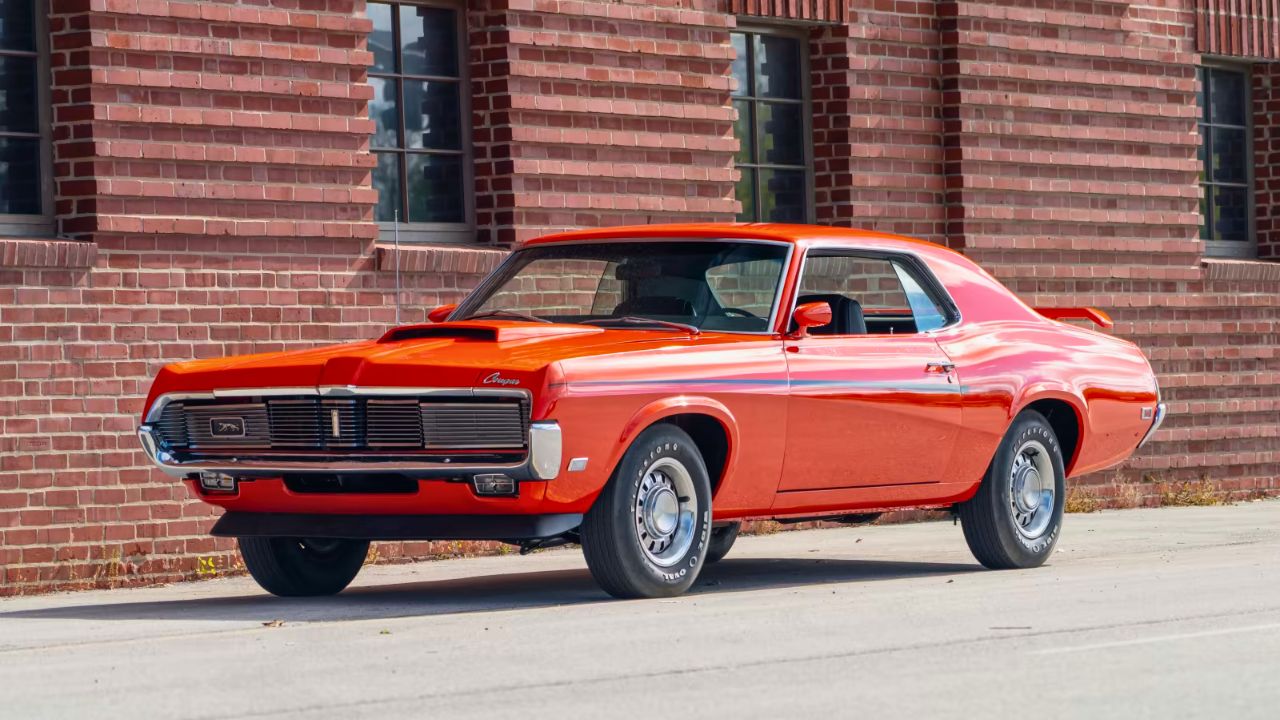
The Cougar Eliminator took Mercury into serious muscle car territory. With a factory 428 Cobra Jet under the hood, it made an advertised 335 hp but actually pulled much more. The Eliminator package added spoilers, stripes, and a performance-tuned suspension setup.
It rode on a slightly longer wheelbase than the Mustang, making it feel a bit more composed at speed. Inside, you got high-back buckets, a full gauge cluster, and an optional close-ratio 4-speed. Only a few thousand were made, which is why original 428 CJs are prized today by collectors who know what they’re looking at.
1971 Mercury Montego GT
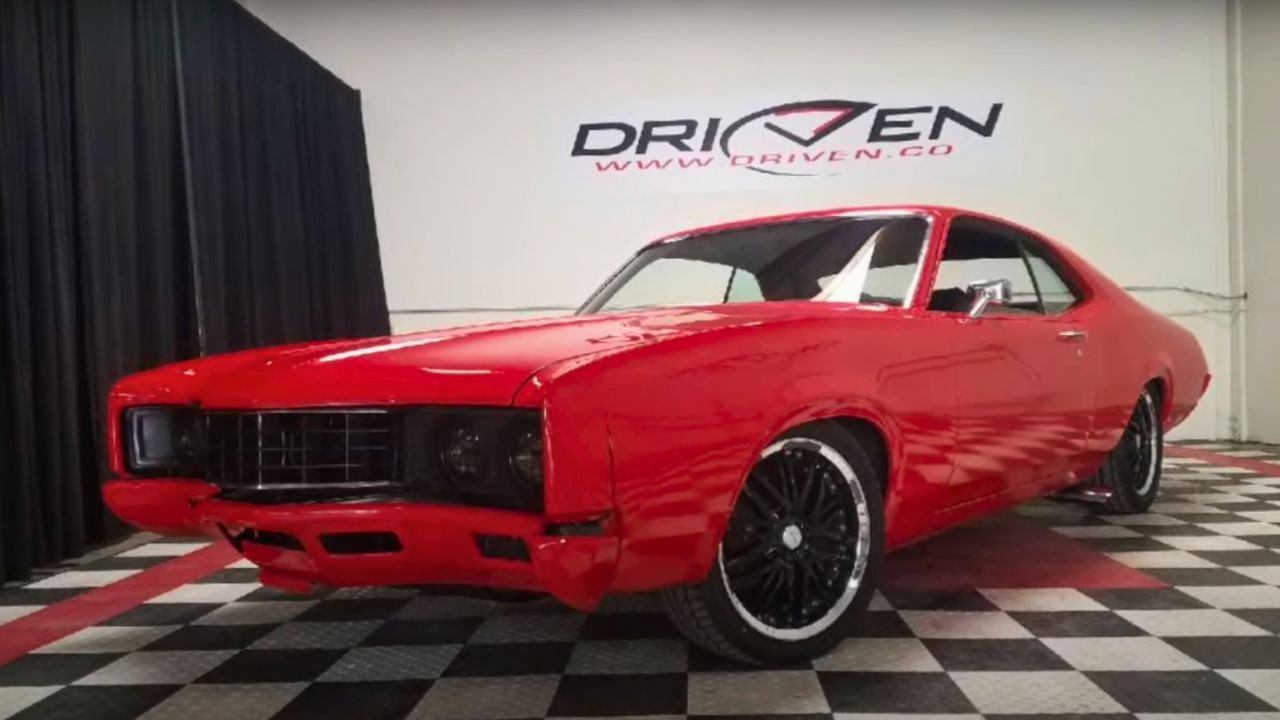
The Montego GT often gets overlooked, but it had legit performance when ordered with the right engine. The 351 Cleveland was the most common, but you could also spec a 429 big-block. In top form, the GT delivered over 370 hp and had a wide-track stance that helped with stability.
The suspension was stiffer than the standard Montego, and GT models had blackout grilles, GT badging, and dual scoops. Inside, it was more comfort than racer, but you could still get a console-mounted shifter and bucket seats. It had the hardware—just not the marketing flash.
1967 Mercury Cougar GT 390
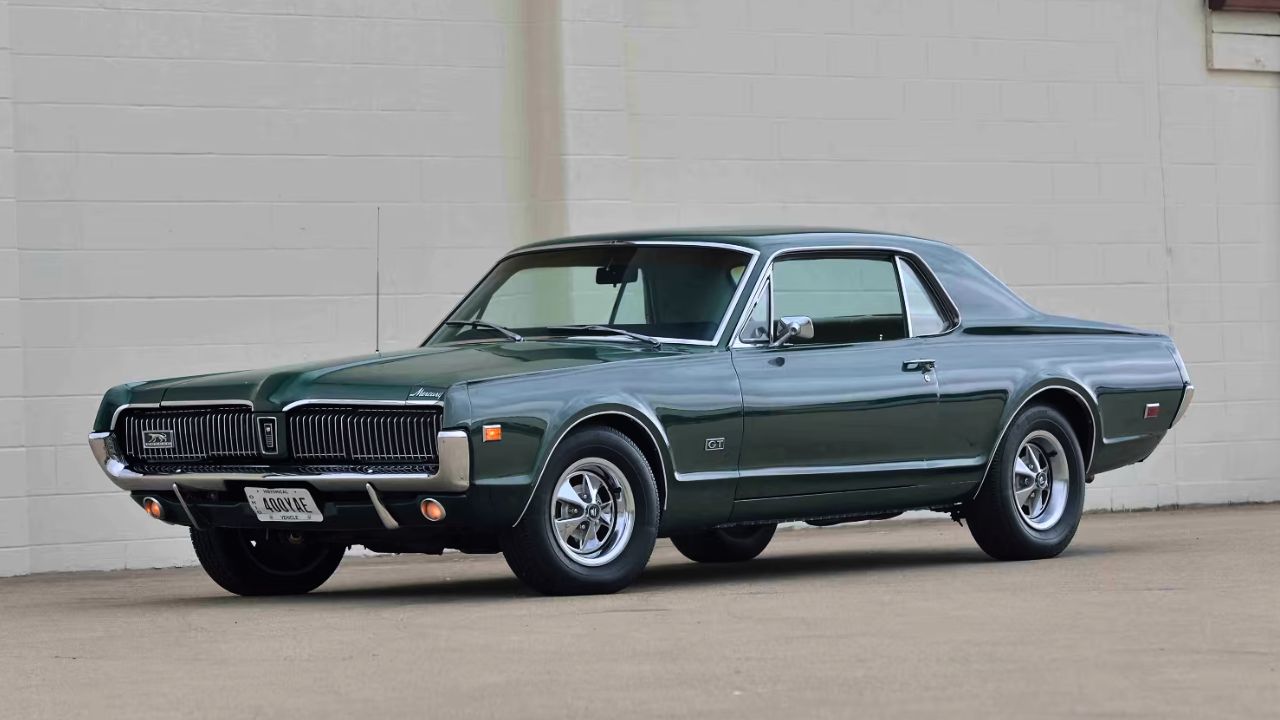
When the Cougar debuted in 1967, it brought European flair to the pony car world. The GT package gave it more bite with a 390 cubic-inch V8 producing 320 hp. Paired with stiffer suspension, disc brakes, and performance tires, the GT wasn’t just about style.
Inside, the Cougar stood apart with its upscale dash, toggle switches, and full instrumentation. Sequential taillights and hidden headlamps added a touch of class. It wasn’t as raw as a Mustang GT, but for drivers who wanted muscle with manners, the Cougar GT 390 hit the mark.
1973 Mercury Cougar XR-7 351 Cobra Jet

By 1973, muscle was on the decline, but the Cougar XR-7 still had some punch. The optional 351 Cobra Jet engine made 266 hp—nothing compared to earlier big blocks, but respectable for the time. It featured a dual exhaust setup and a recalibrated suspension for a firmer ride.
The XR-7 leaned into the personal luxury market with padded interiors, woodgrain accents, and power everything. You could still get a 4-speed, though most buyers went with automatics. It may not have screamed “muscle,” but the XR-7 kept Mercury’s performance torch lit a little longer.
1963 Mercury Monterey S-55

The S-55 was Mercury’s early attempt at combining full-size comfort with hot V8 power. It came with a 406 cubic-inch V8 good for up to 405 hp when equipped with triple carbs. That power went through a heavy-duty driveline, and buyers could pick a 4-speed floor shifter.
This wasn’t a nimble street machine—it was a heavyweight bruiser built for highway pulls. Inside, it had bucket seats, a center console, and lots of chrome. Few remember it today, but in the early ’60s, the S-55 was Mercury’s muscle machine before the term even existed.
1972 Mercury Montego MX Brougham 429
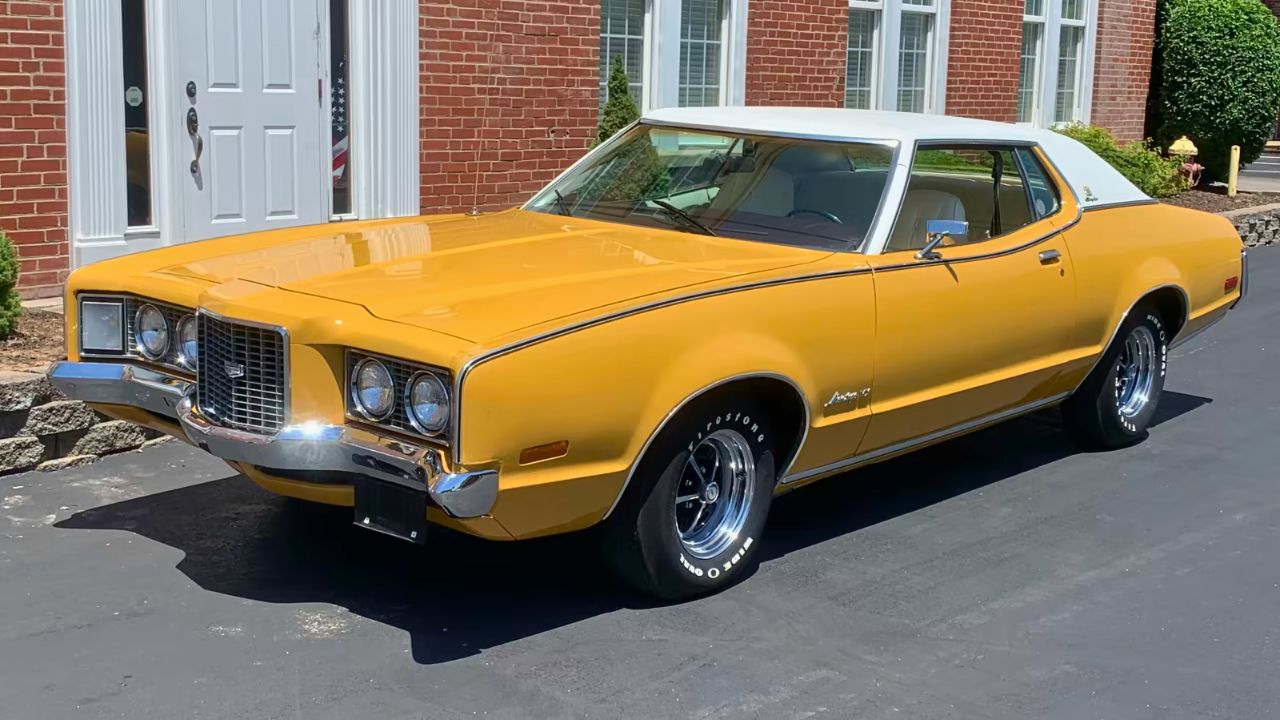
The Montego MX Brougham may have sounded like a lounge act, but if you ordered it with a 429, you had a serious sleeper. That big V8 still put out around 205 net horsepower, which translated to solid torque for a full-size car. It used a 3-speed automatic and highway-friendly gearing.
The ride leaned more toward comfort, but the powertrain had guts. Inside, the Brougham trim came with plush upholstery, wood-style accents, and all the amenities. It wasn’t marketed as a muscle car, but under the skin, it still had the heart of one—just dressed in a suit.
1966 Mercury Cyclone GT

By 1966, the Cyclone GT had found its footing. With a 390 cubic-inch V8 rated at 335 hp, it finally had enough motor to back up its image. Buyers got a functional hood scoop, performance suspension, and wide-oval tires right from the factory.
It came with a Hurst shifter and dual exhaust, and looked the part with its unique grille and badging. While Ford’s Fairlane GT got more attention, the Cyclone GT offered similar performance with Mercury’s own flavor. If you wanted to fly under the radar with serious firepower, this was the one to grab.
*This article was hand crafted with AI-powered tools and has been car-fully, I mean carefully, reviewed by our editors.