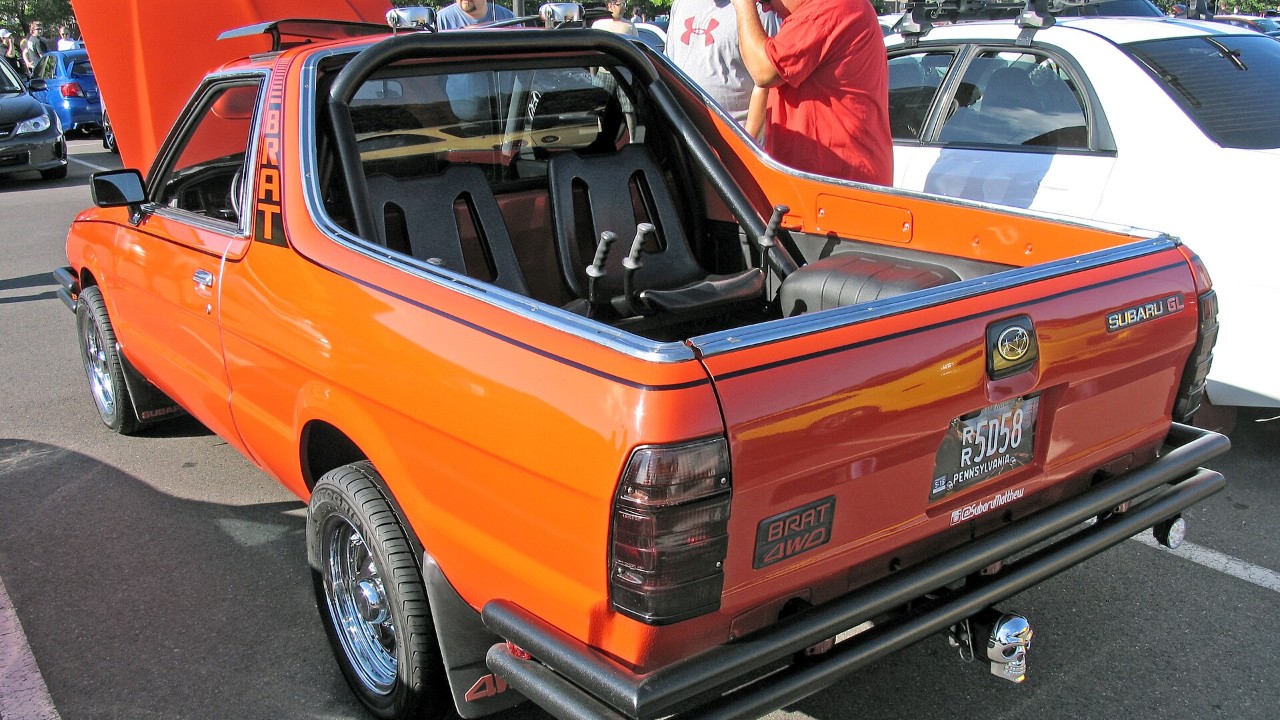
Street culture transformed certain imported performance cars from ordinary showroom models into global automotive icons. Through underground racing scenes, tuning communities, movies, magazines, and enthusiast gatherings, these machines earned reputations far beyond factory specifications. Their influence spread through late-night meets and modified builds, helping define generations of enthusiasts who valued individuality, speed, and mechanical creativity above everything else.
Nissan Skyline GT-R R34
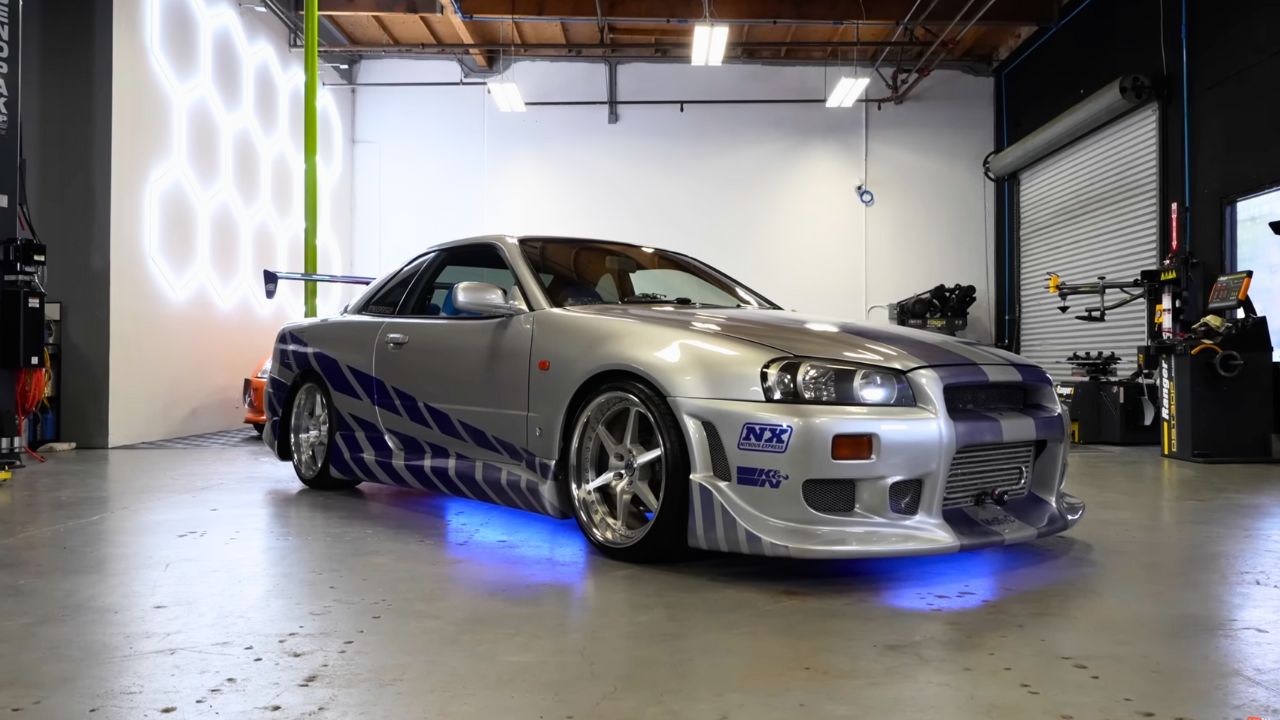
The Nissan Skyline GT-R R34 became one of the most recognizable imported performance cars ever created through pure street-culture influence. Developed by Nissan, it combined twin-turbo RB26 power with advanced all-wheel-drive technology and enormous tuning potential. Underground racing scenes embraced its ability to produce massive horsepower reliably. Video games and films amplified its mystique internationally. The R34 became legendary because it symbolized the ultimate balance of technology, aggression, and tuner freedom.
Toyota Supra Mk4
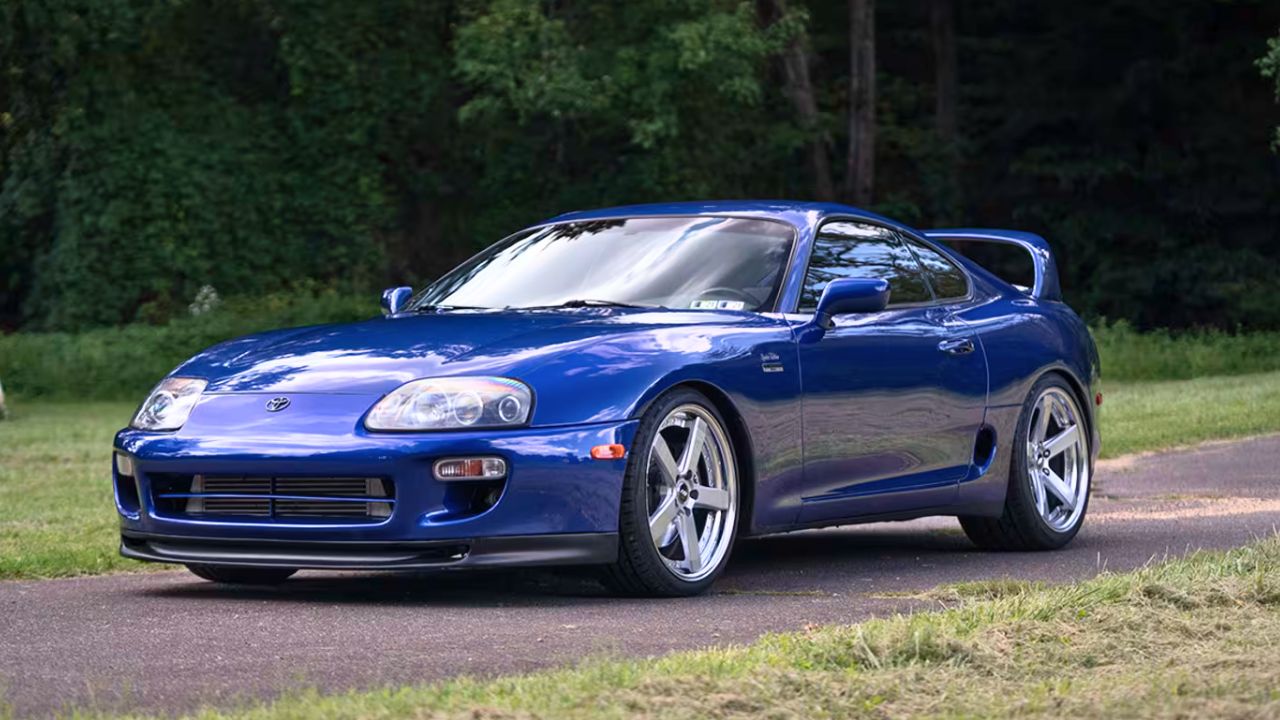
The Toyota Supra Mk4 evolved from a respected sports coupe into a worldwide street-culture phenomenon. Built by Toyota, it featured the nearly indestructible 2JZ-GTE twin-turbo inline-six capable of extraordinary power increases. Tuners pushed Supras far beyond factory limits in drag racing and street builds alike. Pop-culture exposure elevated its reputation dramatically during the early 2000s. The Supra became legendary because it represented limitless tuning ambition within import performance culture.
Honda Civic EG Hatchback

The Honda Civic EG hatchback became a cornerstone of grassroots street culture through accessibility and endless modification possibilities. Produced by Honda, its lightweight chassis and interchangeable engine platforms made it ideal for customization. Enthusiasts embraced engine swaps, suspension tuning, and stripped-down performance builds worldwide. Affordable pricing helped introduce younger drivers to import culture. The EG Civic became legendary because it proved creativity and engineering mattered more than expensive factory horsepower.
Mazda RX-7 FD
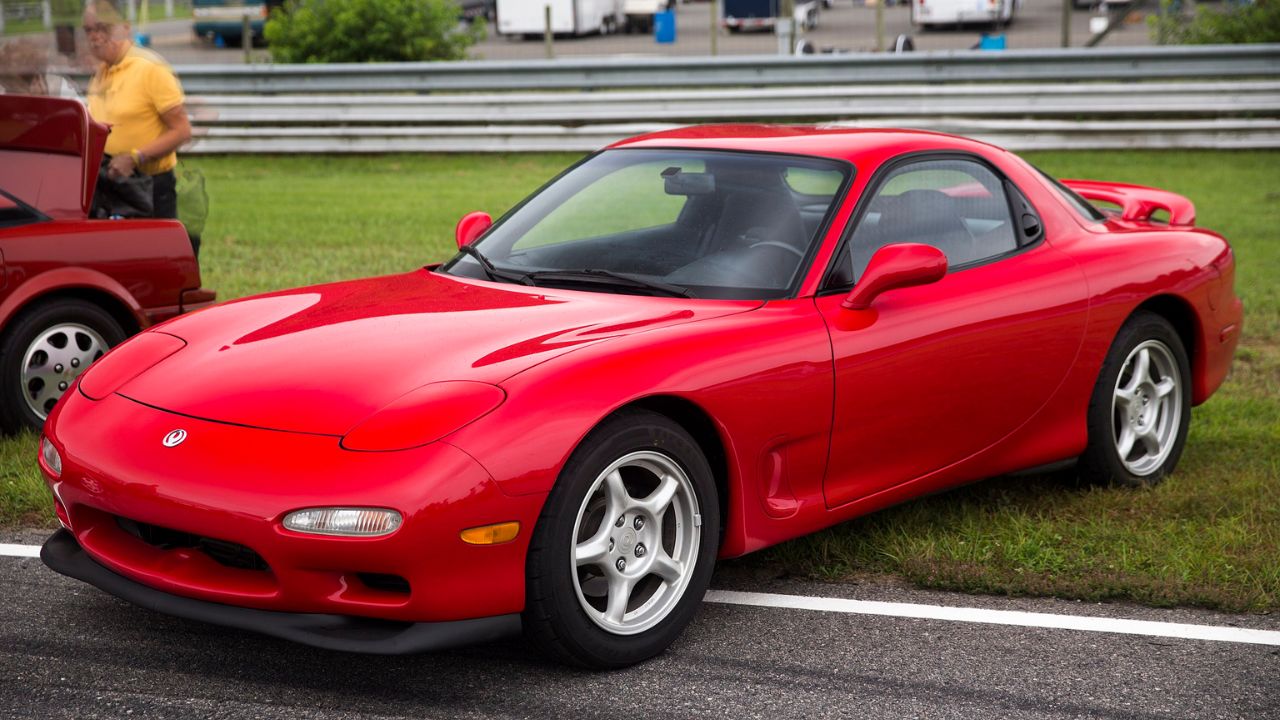
The Mazda RX-7 FD developed cult status through its combination of beauty, balance, and rotary-engine uniqueness. Built by Mazda, it featured sequential twin turbos and lightweight construction that created exceptional handling characteristics. Street tuners appreciated the rotary engine’s high-rpm personality and enormous tuning potential. Sleek styling gave it lasting visual appeal across generations. The RX-7 became legendary because it blended exotic driving feel with deeply customizable performance culture.
Mitsubishi Lancer Evolution VIII

The Mitsubishi Lancer Evolution VIII became a defining street-culture icon by translating rally engineering directly into urban performance scenes. Developed by Mitsubishi Motors, it paired turbocharged power with all-wheel drive and aggressive handling. Tuners quickly discovered the 4G63 engine tolerated major horsepower upgrades effectively. Its rivalry with the Subaru STI energized enthusiast communities globally. The Evo VIII became legendary because it combined real motorsport credibility with everyday street performance accessibility.
Subaru Impreza WRX STI
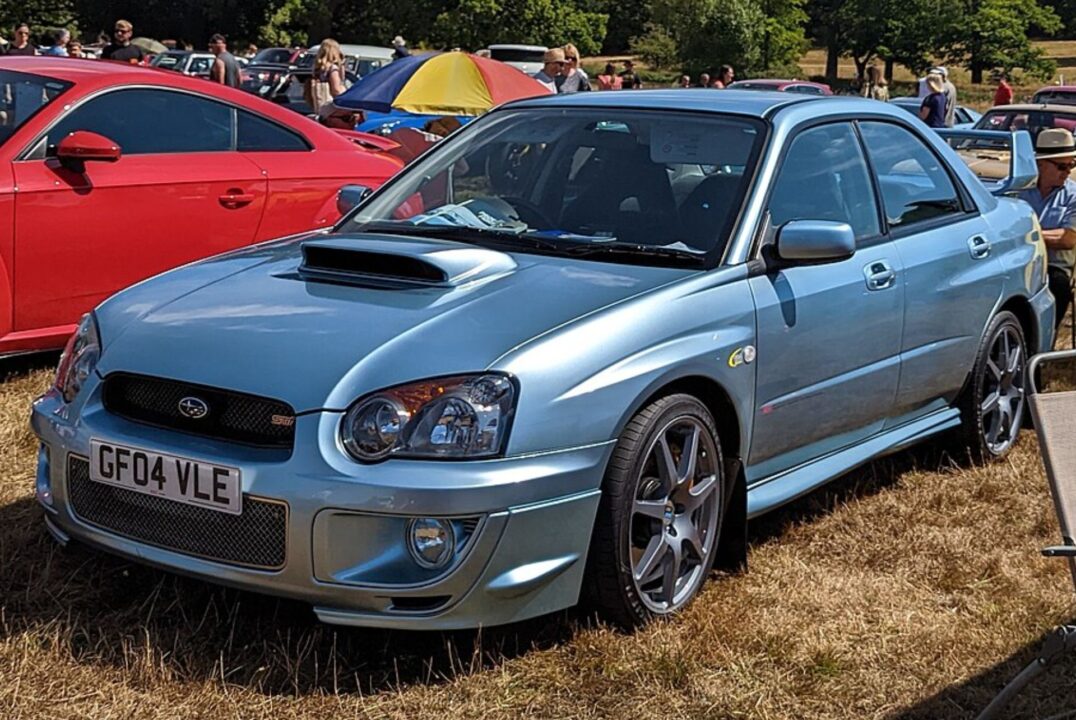
The Subaru Impreza WRX STI earned massive street-culture respect through turbocharged performance and unmistakable personality. Produced by Subaru, it featured a turbo flat-four engine, all-wheel drive, and rally-inspired styling that stood out immediately. Exhaust rumble and hood scoops became part of its identity within enthusiast gatherings. Street tuners embraced its durability and tuning flexibility enthusiastically. The STI became legendary because it brought rally-car energy directly into everyday street driving culture.
Volkswagen Golf GTI Mk2
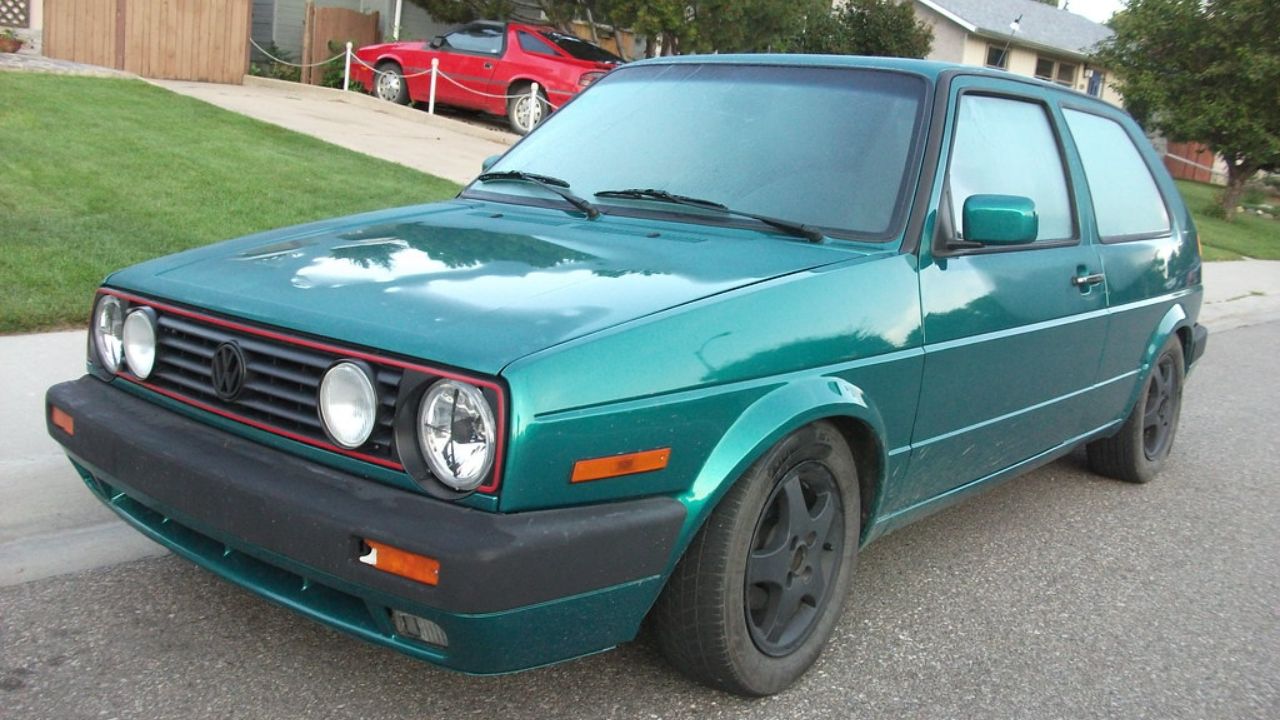
The Volkswagen Golf GTI Mk2 helped establish European hot-hatch culture within global street scenes. Built by Volkswagen, it balanced lightweight agility with practical usability and strong tuning potential. Lowered suspension setups and clean styling modifications became central to European street-car aesthetics. Enthusiasts appreciated its precision and understated personality compared to flashier rivals. The Mk2 GTI became legendary because it proved subtle performance could build just as much street credibility as raw horsepower.
Acura Integra Type R
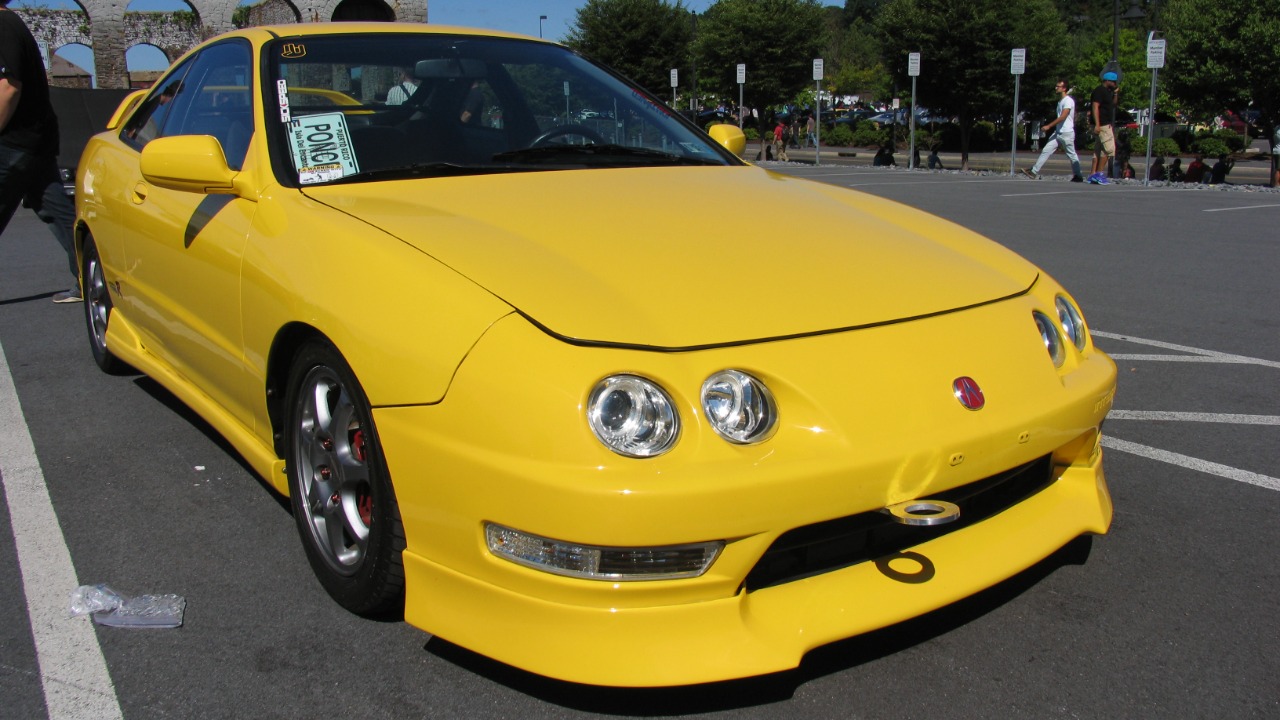
The Acura Integra Type R gained legendary status through precision engineering and obsessive enthusiast devotion. Developed by Honda under the Acura brand, it featured lightweight construction, aggressive suspension tuning, and one of the greatest naturally aspirated four-cylinder engines ever built. Street racers and track enthusiasts admired its razor-sharp responsiveness. Limited production increased exclusivity within tuner communities. The Integra Type R became legendary because it rewarded driving skill rather than brute-force power alone.
Nissan 240SX

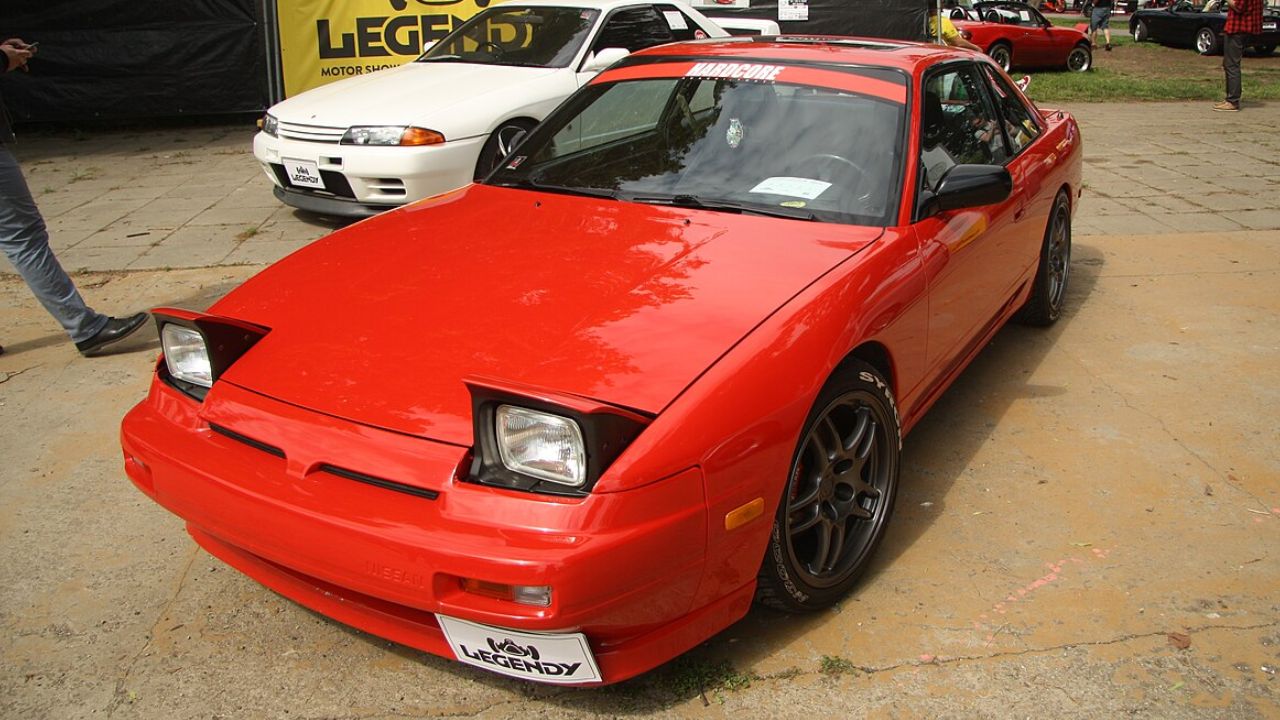
The Nissan 240SX became a street-culture icon largely because of drifting and grassroots tuning communities. Produced by Nissan, it offered rear-wheel drive, balanced handling, and easy modification potential at affordable prices. Engine swaps and drift-focused builds quickly became common worldwide. Lightweight chassis dynamics made it highly adaptable for multiple motorsport styles. The 240SX became legendary because it allowed enthusiasts to build personalized performance machines without enormous financial barriers.
Peugeot 205 GTI
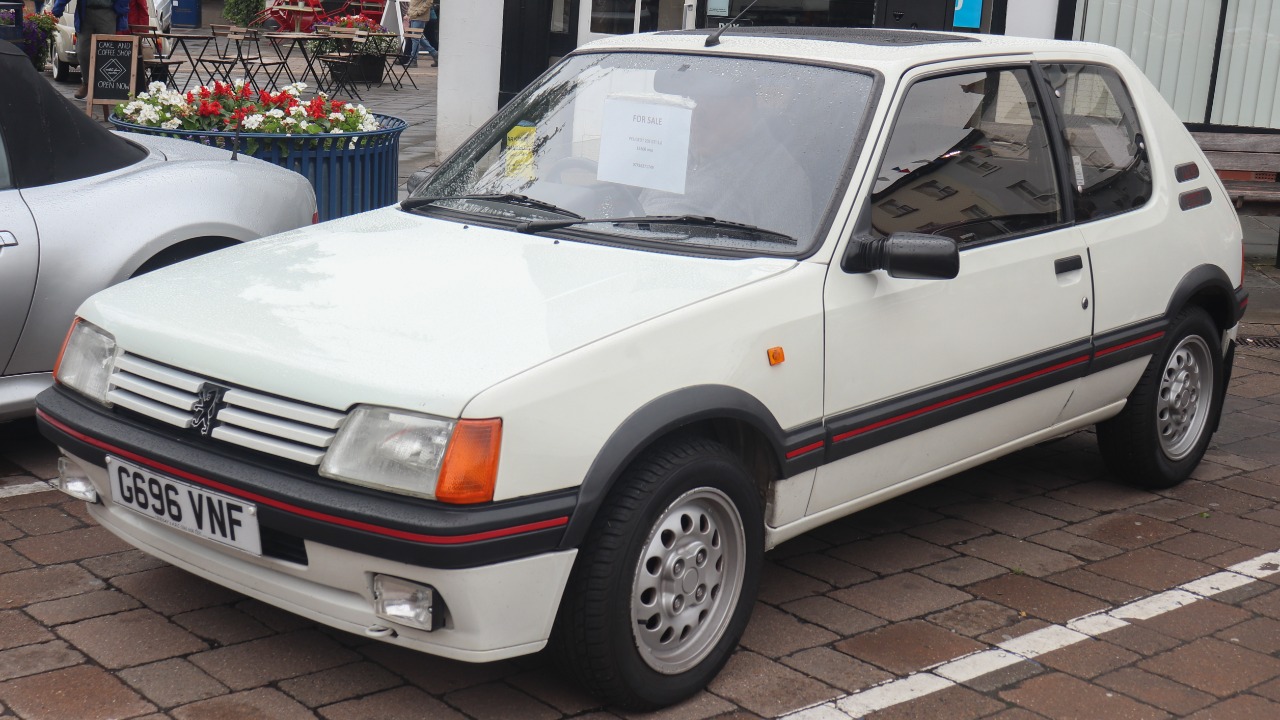
The Peugeot 205 GTI built an enduring reputation through compact dimensions and intensely engaging driving dynamics. Developed by Peugeot, it delivered lightweight agility and responsive handling that made it beloved across European street scenes. Tuners appreciated its simplicity and lively personality on narrow city roads. Its reputation spread organically through enthusiast communities rather than massive marketing campaigns. The 205 GTI became legendary because it captured the raw spirit of grassroots performance culture perfectly.
More from Fast Lane Only