Muscle cars were never judged by horsepower figures alone. Exhaust tone, idle quality, camshaft lope, and full-throttle roar all became part of the experience that defined American performance culture. Some cars developed reputations before they even arrived at the stoplight simply because they sounded violent, aggressive, and impossible to ignore from blocks away.
Chevrolet Chevelle SS 454
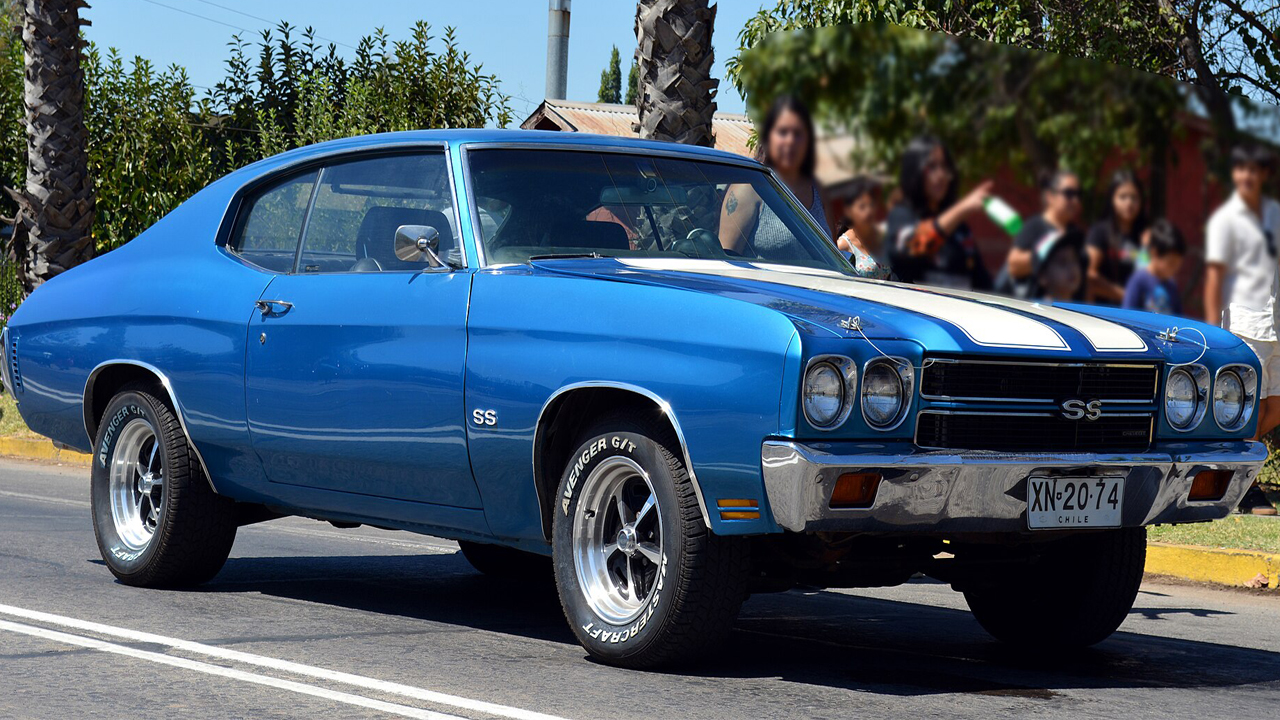
The Chevrolet Chevelle SS 454 produced a deep big-block soundtrack that instantly commanded attention on American streets. Built by Chevrolet, it paired massive displacement with aggressive exhaust tuning and brutal low-end torque. Even at idle, the engine sounded restless and intimidating. Full-throttle acceleration unleashed a thunderous roar that became synonymous with late-1960s muscle culture. The Chevelle SS 454 earned its reputation because few factory cars sounded so overwhelmingly powerful straight from the dealership.
Dodge Charger R/T
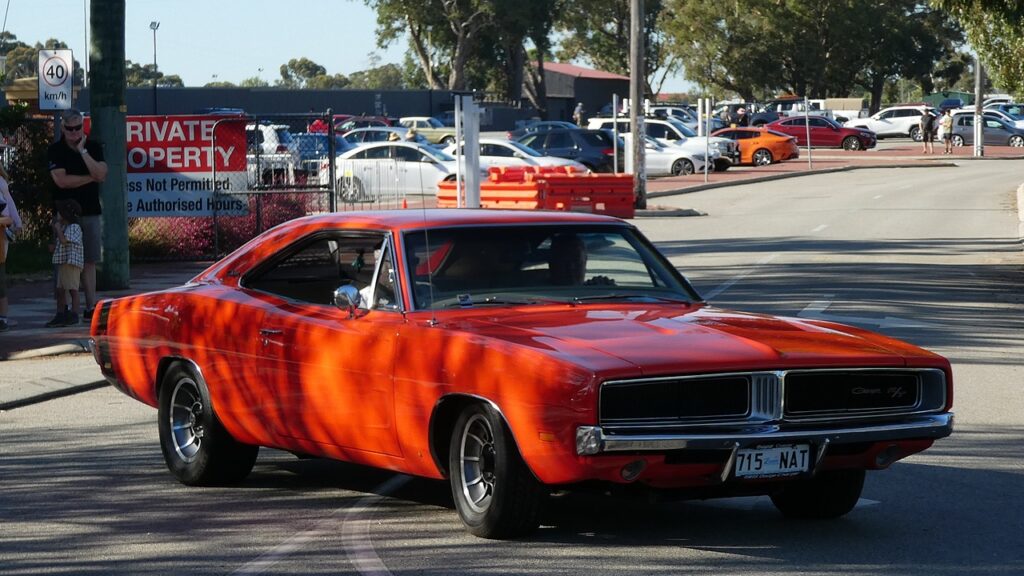
The Dodge Charger R/T blended dramatic styling with one of the most recognizable exhaust notes of the muscle era. Produced by Dodge, it featured available Magnum and Hemi V8 engines capable of producing enormous mechanical presence. Long-body proportions amplified the car’s aggressive personality visually and acoustically. The deep exhaust pulses echoed with unmistakable authority during acceleration. The Charger R/T sounded faster than almost anything else simply because it carried raw intimidation in every rev.
Pontiac GTO Judge
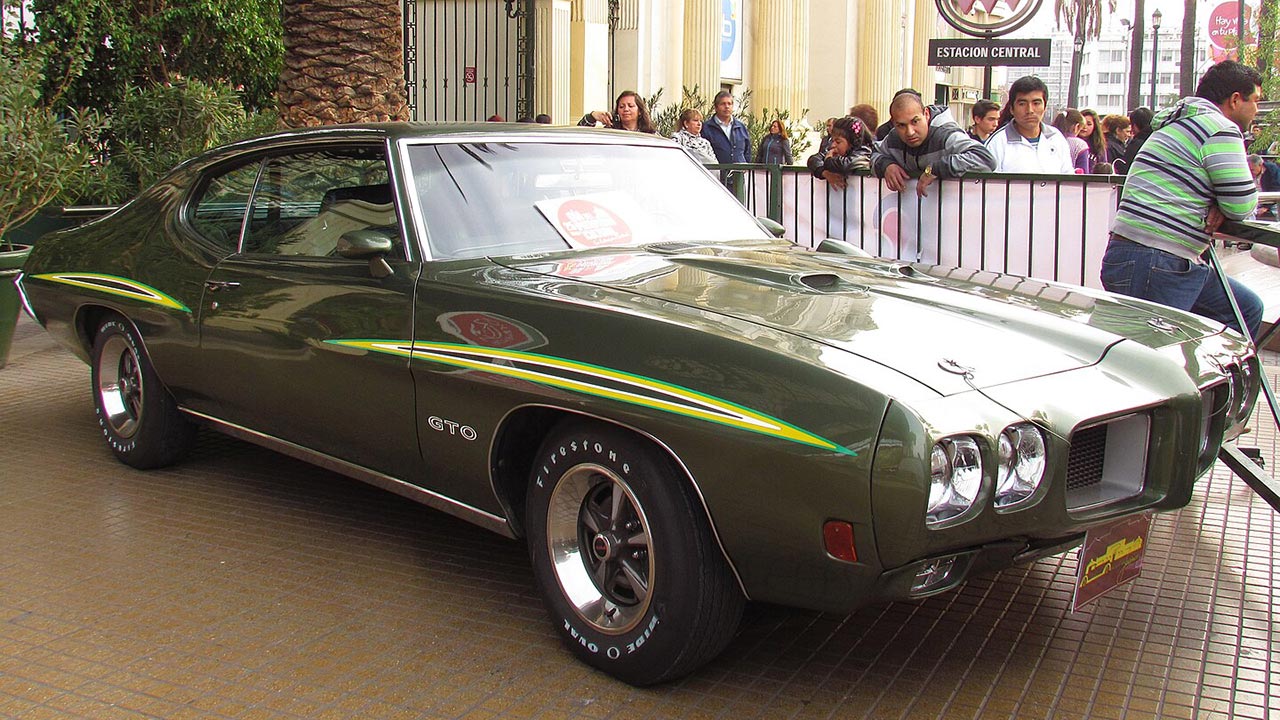
The Pontiac GTO Judge combined bright styling with an exhaust note that perfectly matched its rebellious image. Developed by Pontiac, it used high-compression V8 engines that delivered sharp throttle response and aggressive exhaust crackle. Ram Air-equipped versions became especially feared for their angry high-rpm sound. Drivers recognized one approaching long before seeing it clearly. The Judge built much of its reputation through the kind of mechanical noise that defined classic American street performance.
Plymouth Road Runner 426 Hemi

The Plymouth Road Runner equipped with the 426 Hemi sounded unapologetically aggressive in every situation. Built by Plymouth, it combined stripped-down muscle-car simplicity with one of the loudest and most brutal V8 engines ever installed in a production car. Massive airflow and aggressive cam timing created a violent exhaust rhythm. Hard acceleration sounded closer to a race car than ordinary transportation. The Hemi Road Runner became legendary because its soundtrack felt almost physically intimidating.
Ford Mustang Boss 429

The Ford Mustang Boss 429 delivered a raw mechanical soundtrack unlike most other Mustangs of its era. Produced by Ford Motor Company, the semi-hemi big-block engine generated an aggressive exhaust tone with serious NASCAR influence. Wide cylinder heads and high-performance tuning gave the engine a unique high-rpm character. Drivers and spectators immediately recognized its sharper, angrier sound profile. The Boss 429 became famous because it sounded purpose-built for domination rather than ordinary street driving.
Buick GSX 455 Stage 1
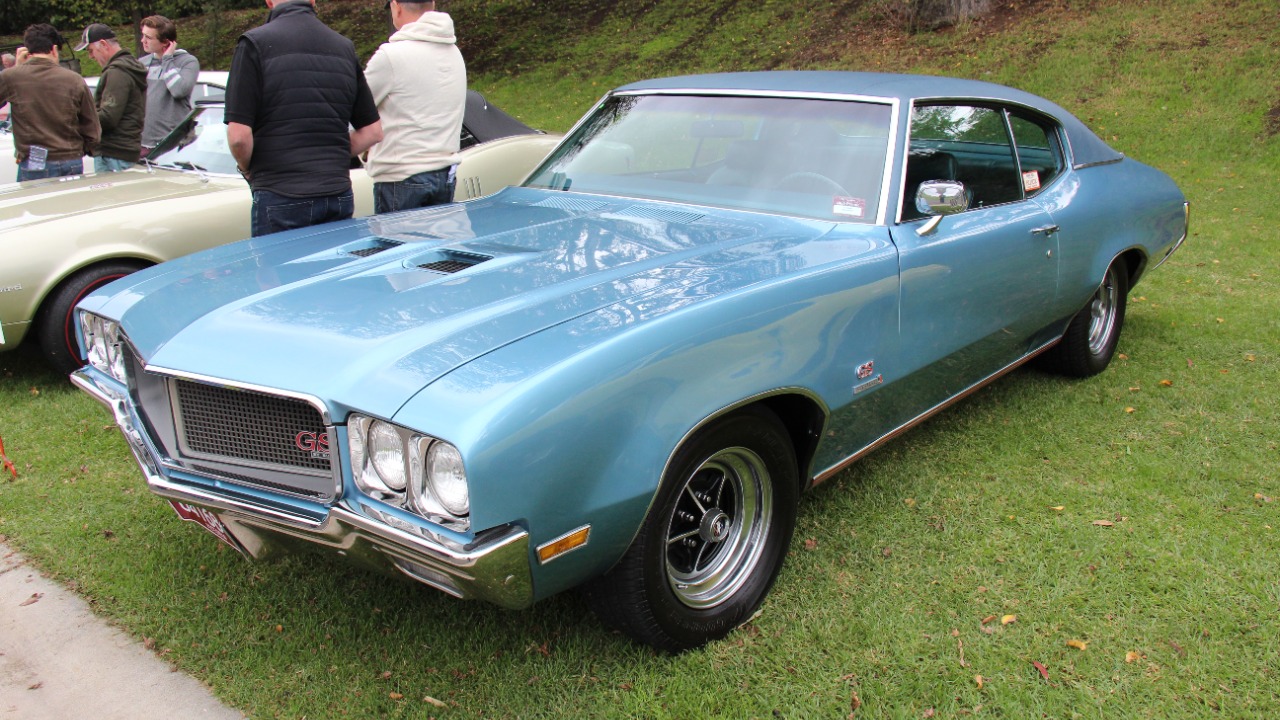
The Buick GSX 455 Stage 1 surprised many enthusiasts by sounding as intimidating as it accelerated. Built by Buick, it used enormous torque and carefully tuned exhaust systems to create a deep, muscular rumble. Unlike some competitors, the GSX balanced refinement with frightening bursts of sound under throttle. Bright colors and hood-mounted tachometers reinforced its aggressive identity visually. The GSX proved Buick could create a muscle car soundtrack every bit as serious as its rivals.
AMC Javelin AMX
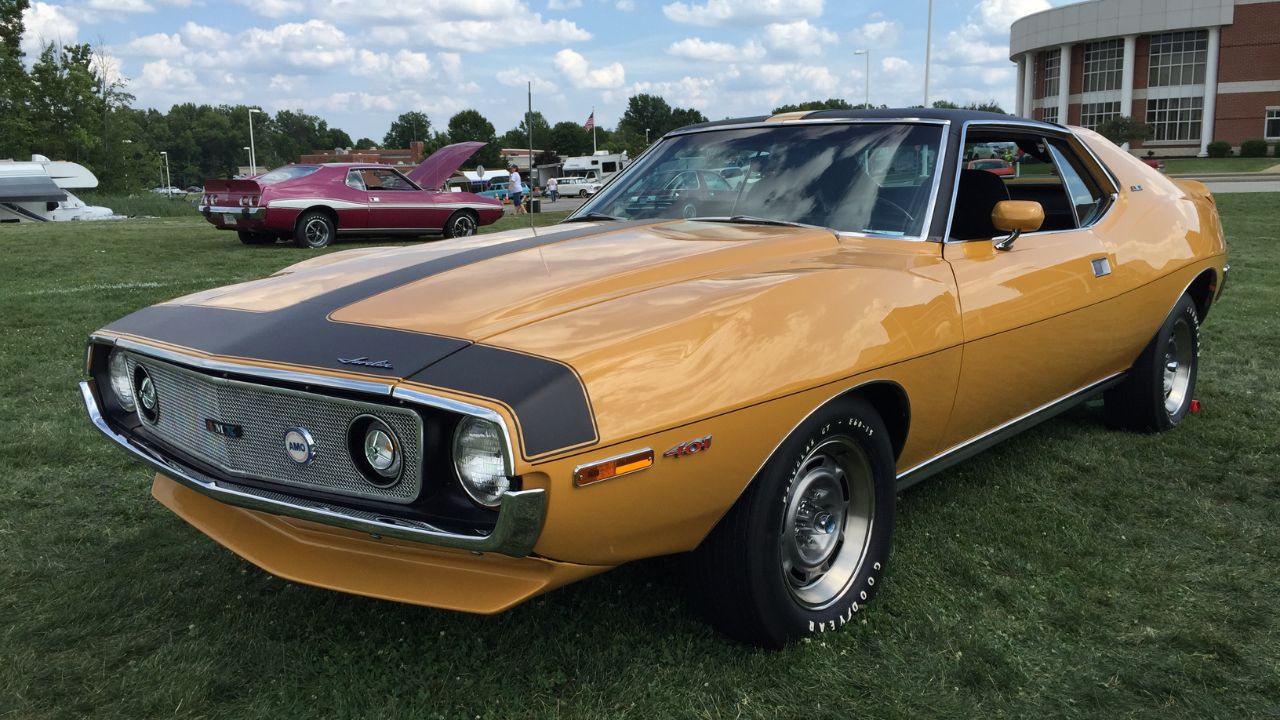
The AMC Javelin AMX carried a distinctive exhaust note that separated it from more common Detroit competitors. Produced by American Motors Corporation, it featured high-output V8 engines delivering sharp acceleration and aggressive engine noise. Smaller production numbers made the sound feel even more unique on public roads. Drivers appreciated the raw, less-refined character compared to mainstream muscle cars. The Javelin AMX sounded faster than expected because it delivered authentic race-inspired aggression without relying on giant marketing campaigns.
Oldsmobile 442 W-30
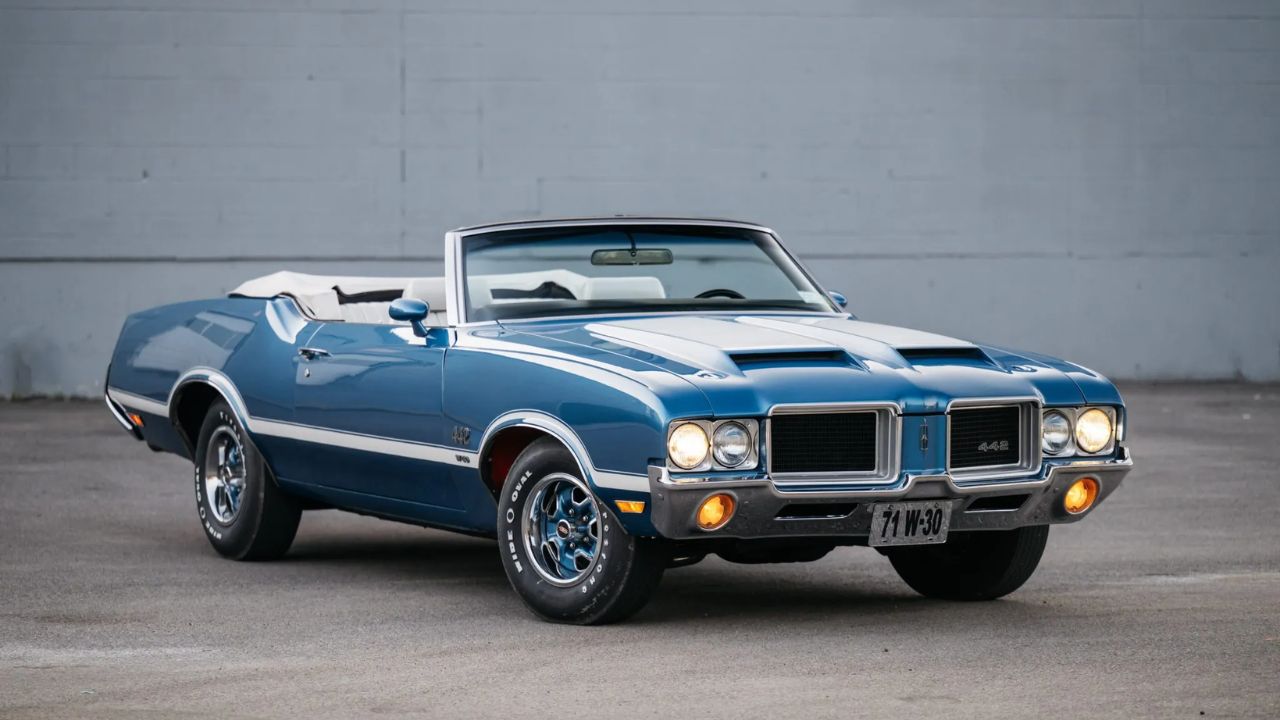
The Oldsmobile 442 W-30 developed a reputation for combining smooth torque delivery with unmistakable exhaust authority. Built by Oldsmobile, it used functional cold-air induction and high-performance engine tuning to create a serious mechanical presence. Heavy throttle inputs unleashed a booming roar that matched its strong acceleration perfectly. Many rivals underestimated it based on Oldsmobile’s conservative image. The 442 W-30 sounded special because it balanced refinement with genuine muscle-car violence.
Chevrolet Camaro Z/28 (1969)
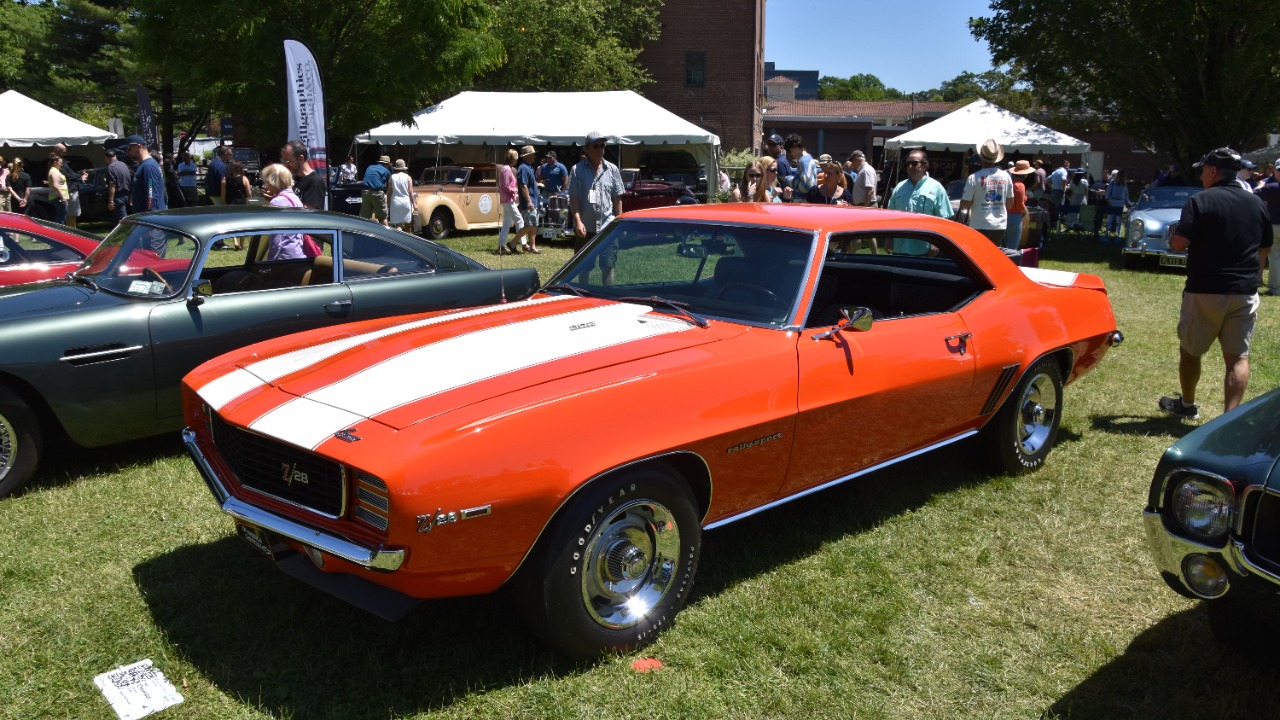
The 1969 Chevrolet Camaro Z/28 produced a sharper, more high-revving sound than many larger-displacement muscle cars. Developed by Chevrolet, its high-performance small-block V8 loved revs and rewarded aggressive driving with an unmistakably aggressive exhaust tone. Cross-ram induction and racing heritage influenced its overall character heavily. The Z/28 sounded more focused and urgent than many street-oriented rivals. Its soundtrack helped establish the Camaro as a serious performance machine beyond simple straight-line racing.
Dodge Challenger T/A
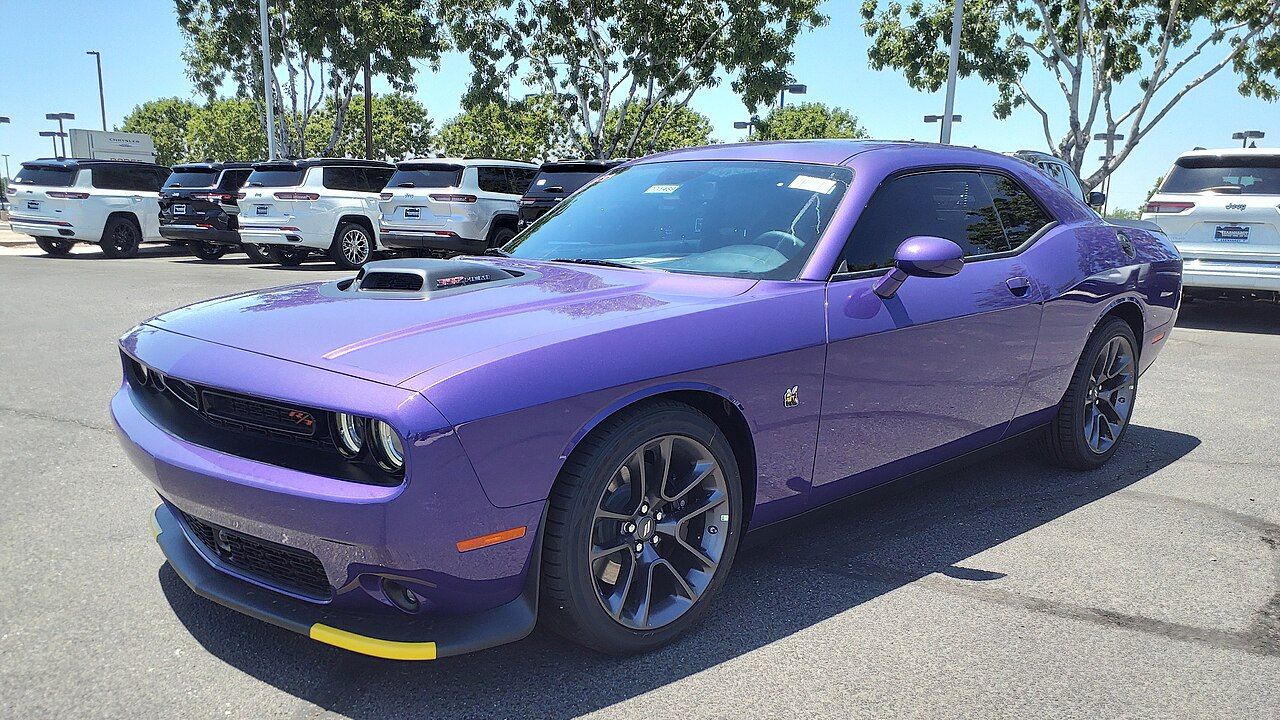
The Dodge Challenger T/A delivered one of the wildest factory exhaust experiences of the muscle-car era. Produced by Dodge, it featured side-exit exhaust pipes that amplified its already aggressive small-block V8 soundtrack dramatically. High-revving performance tuning gave it a sharper edge than larger Mopar engines. Drivers could hear the exhaust pulses directly beside the cabin during acceleration. The Challenger T/A sounded outrageously fast because Dodge intentionally engineered it to feel like a street-legal race car.
More from Fast Lane Only