Automotive success often depends on timing as much as engineering. Some Japanese vehicles entered the market just as consumer tastes, economic conditions, or enthusiast interests were shifting in their favor. Whether they offered efficiency, performance, practicality, or innovation, these models arrived when buyers were ready for them, helping shape both their manufacturers and the automotive industry as a whole.
Toyota Prius
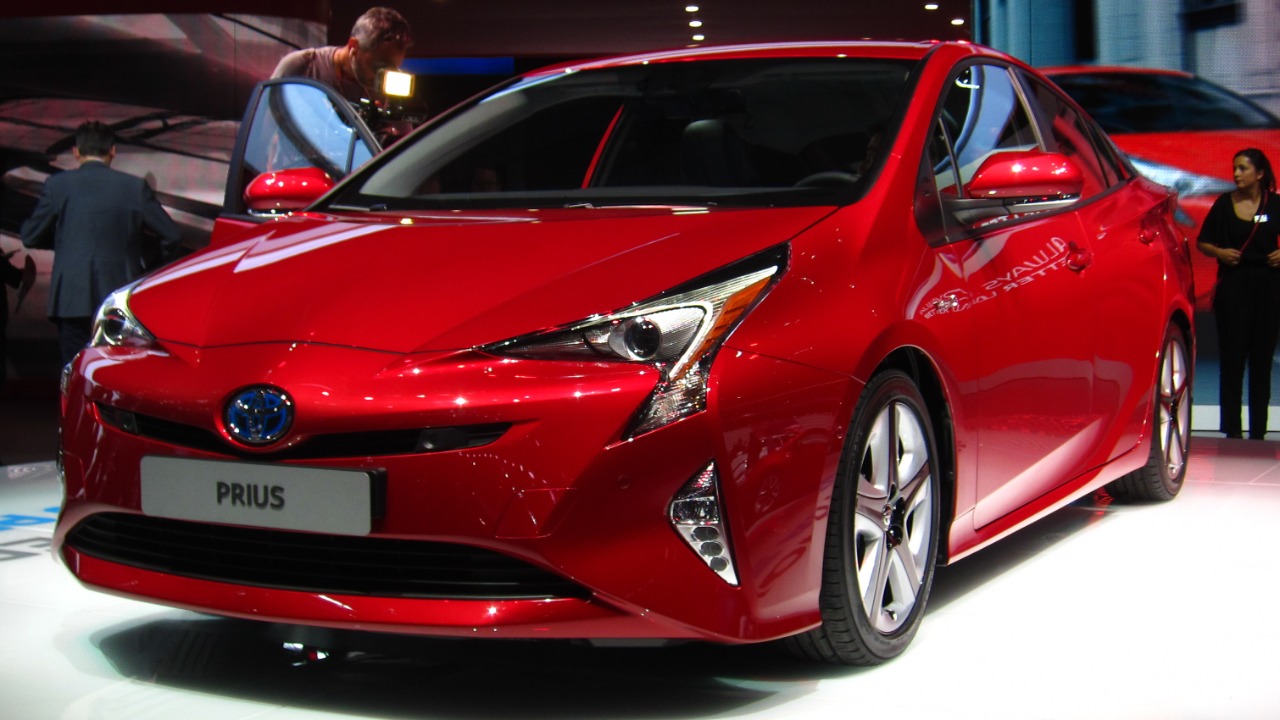
The Toyota Prius arrived as fuel efficiency and environmental concerns became increasingly important to consumers. Its hybrid technology initially seemed unconventional, but rising fuel prices and changing attitudes quickly worked in its favor. Mechanics appreciated Toyota’s careful engineering and reliability. The Prius arrived at exactly the right moment to become the vehicle most closely associated with hybrid transportation and helped establish Toyota as a leader in electrified vehicles.
Acura NSX
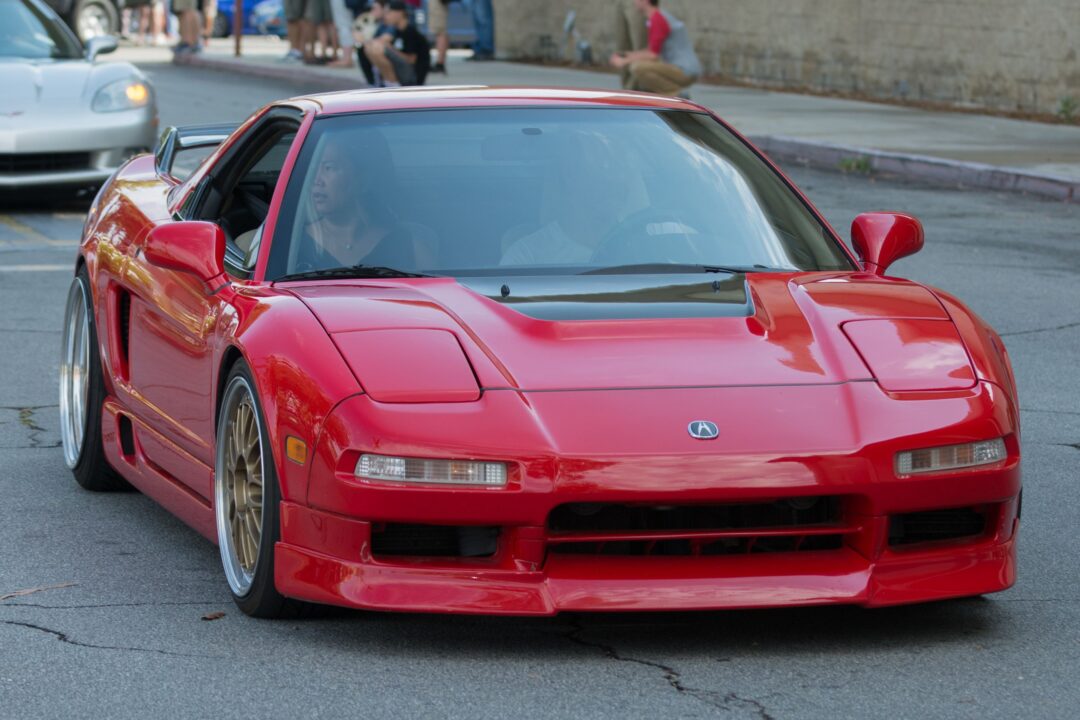
The Acura NSX debuted when buyers were becoming frustrated with exotic cars that sacrificed reliability for performance. Combining supercar capability with everyday usability, it challenged established European competitors. Mechanics admired its engineering precision and durability. The NSX arrived at the perfect time because it offered a new interpretation of what a high-performance sports car could be, influencing the entire industry.
Mazda Miata
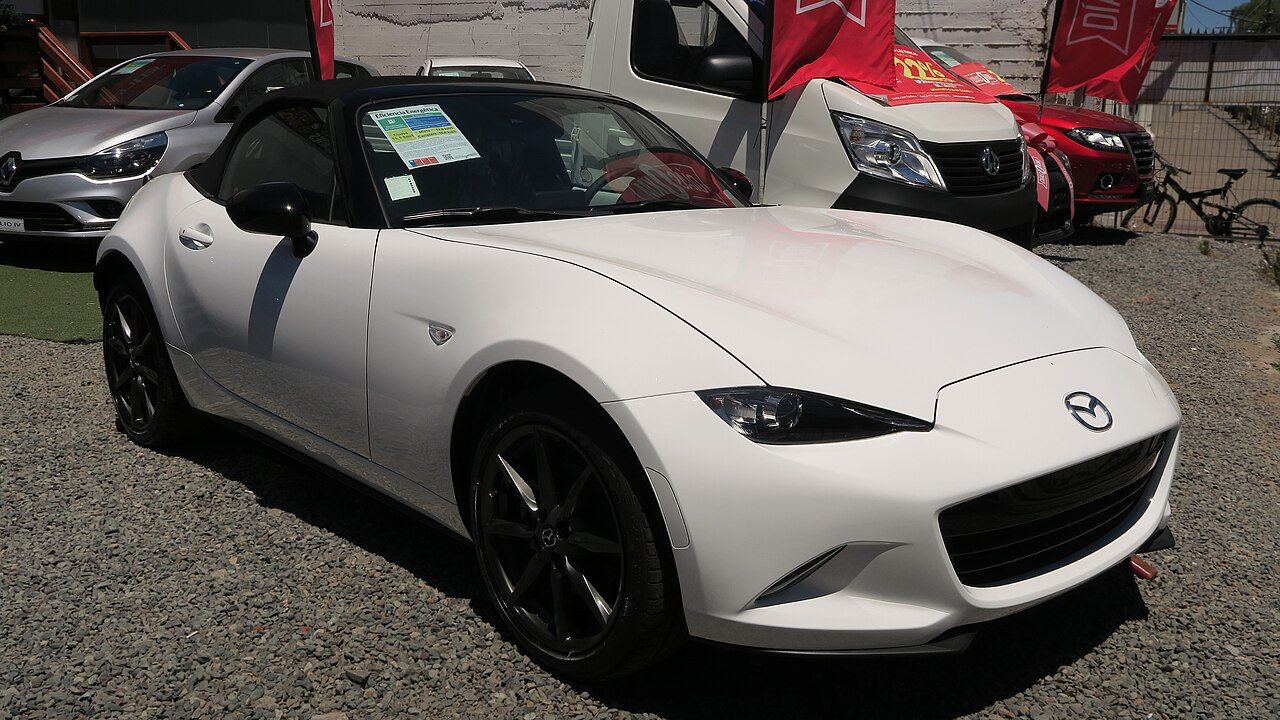
The Mazda MX-5 Miata entered the market when affordable sports cars were becoming increasingly rare. Its simple formula of lightweight construction, balanced handling, and driver engagement resonated immediately with enthusiasts. Mechanics appreciated its durability and straightforward maintenance. The Miata arrived exactly when many buyers were searching for a return to traditional sports-car values, helping it become one of the most successful roadsters ever produced.
Nissan GT-R R35
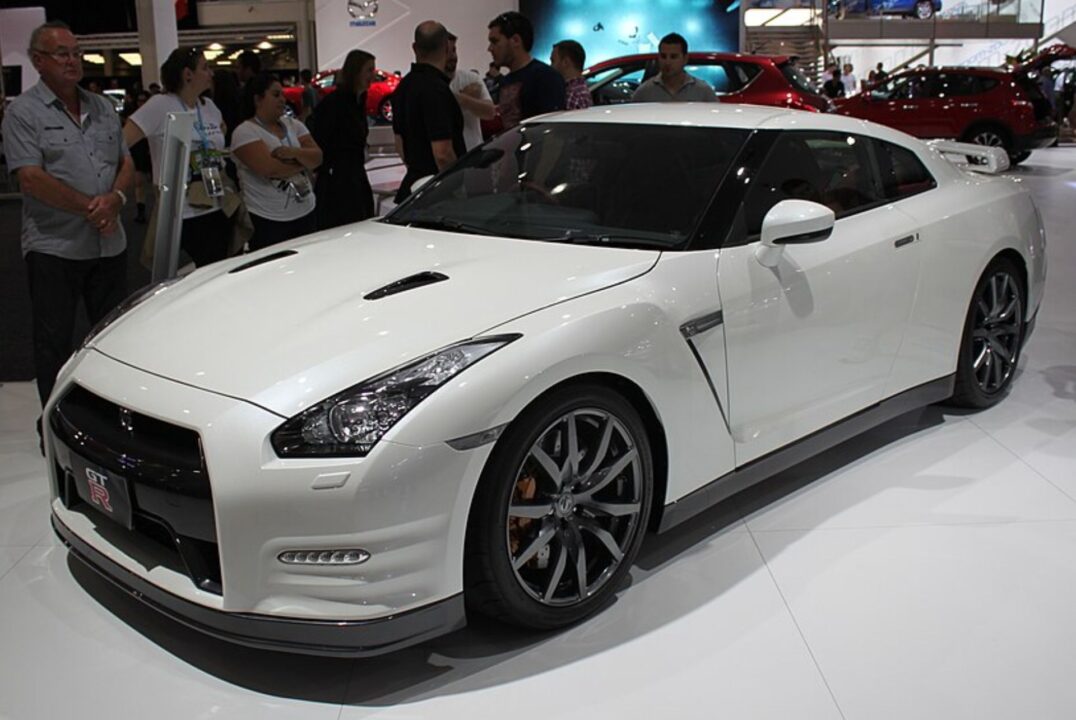
The Nissan GT-R appeared during an era when advanced electronics were beginning to transform automotive performance. Its sophisticated all-wheel-drive system and computer-controlled technologies delivered supercar-level capability at a competitive price. Mechanics respected its engineering complexity and performance potential. The GT-R arrived at the right moment to demonstrate how technology could dramatically reshape expectations for performance vehicles.
Toyota RAV4
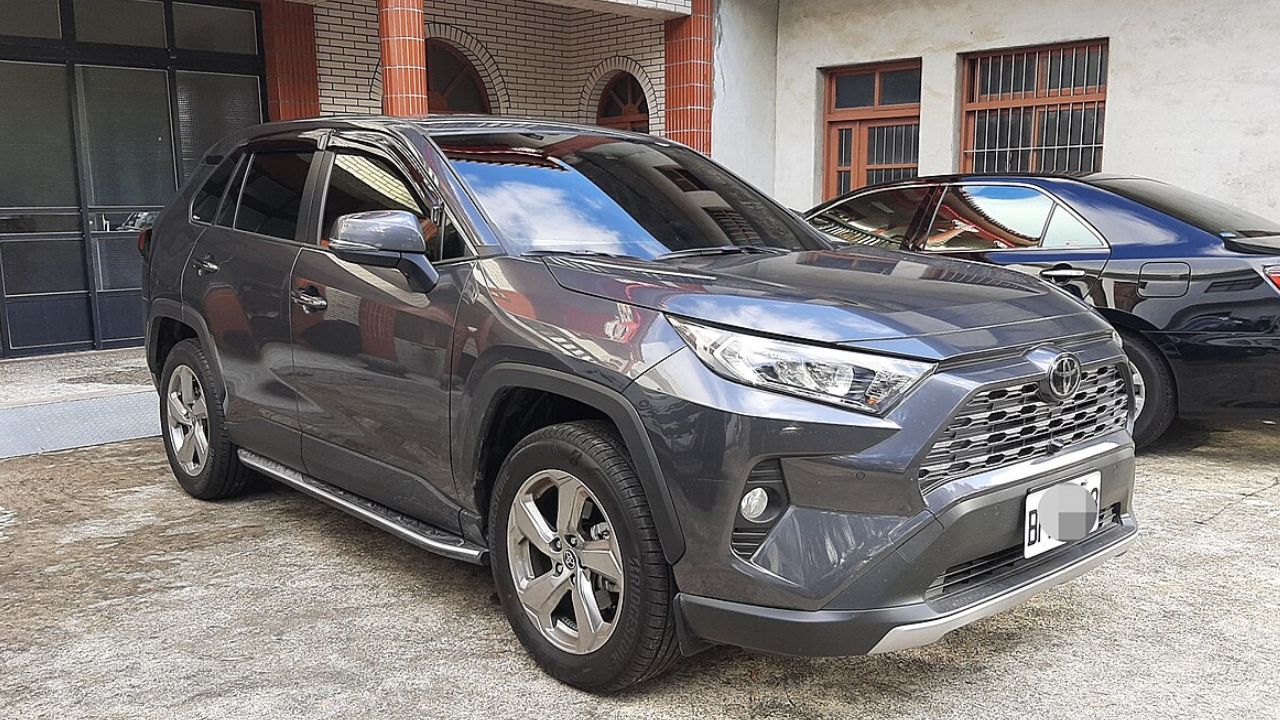
The Toyota RAV4 entered the market before the crossover segment fully exploded in popularity. Combining car-like driving manners with SUV practicality, it appealed to buyers seeking versatility without the compromises of larger trucks. Mechanics appreciated its reliability and efficiency. The RAV4 arrived just as consumer preferences were beginning to shift toward crossover vehicles, helping create one of the industry’s most important segments.
Honda Civic Si

The Honda Civic Si gained popularity during the rise of import tuning culture. Its high-revving engine, affordable price, and modification potential attracted a generation of enthusiasts. Mechanics admired its durability and engineering quality. The Civic Si arrived at exactly the right time to become one of the defining vehicles of the growing sport-compact movement throughout the 1990s and early 2000s.
Subaru Impreza WRX

The Subaru Impreza WRX reached broader markets as rally racing was gaining international attention. Its combination of turbocharged performance and all-weather capability appealed to enthusiasts seeking something different from traditional sports cars. Mechanics respected its unique engineering and tuning potential. The WRX arrived when motorsport-inspired road cars were becoming increasingly desirable, helping establish Subaru’s enthusiast reputation.
Lexus LS 400
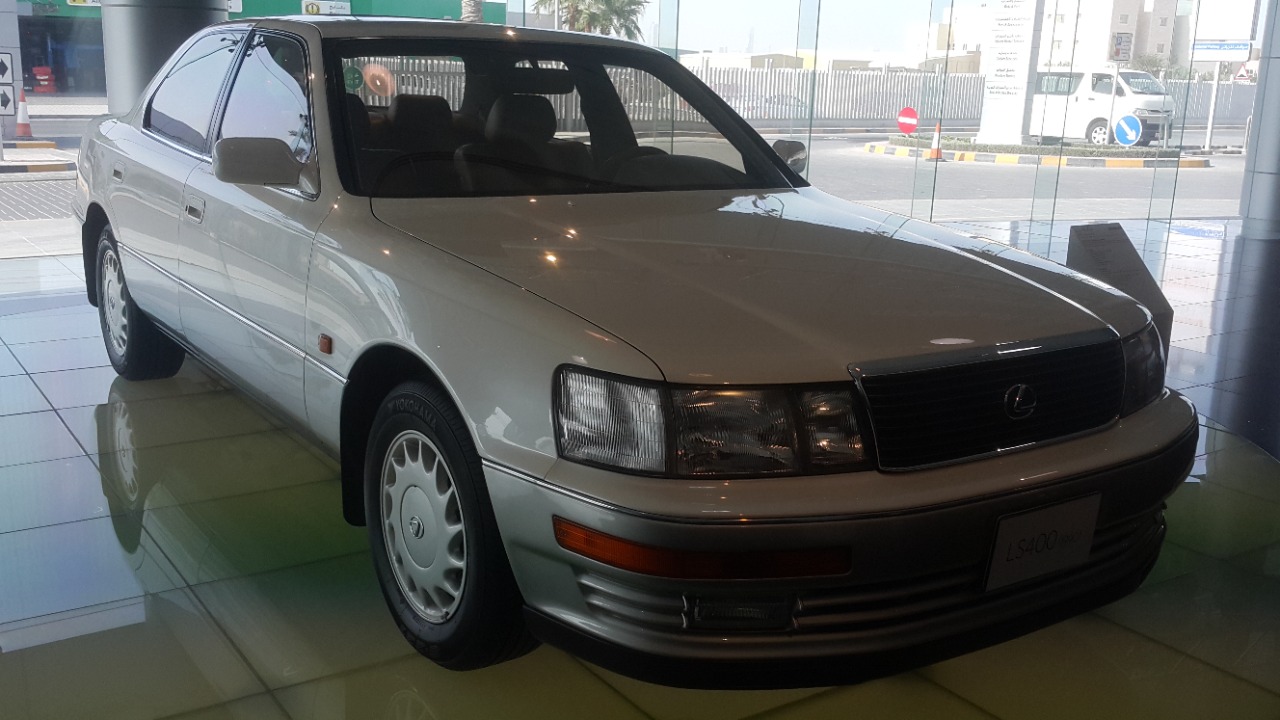
The Lexus LS 400 debuted when luxury buyers were becoming more open to alternatives to traditional European brands. Its exceptional build quality, refinement, and reliability immediately attracted attention. Mechanics admired its engineering precision and long-term durability. The LS 400 arrived at the perfect time to challenge established luxury manufacturers and successfully launch Lexus as a major global luxury brand.
Mitsubishi Lancer Evolution VIII

The Mitsubishi Lancer Evolution VIII entered key international markets just as enthusiasm for turbocharged all-wheel-drive performance cars was reaching new heights. Its motorsport heritage and impressive performance made it an instant favorite among enthusiasts. Mechanics appreciated its robust drivetrain and tuning capabilities. The Evolution VIII arrived when buyers were eager for authentic rally-inspired vehicles, helping cement its legendary status.
Toyota Supra Turbo

The Toyota Supra Turbo appeared during the peak of Japan’s performance-car boom. Its twin-turbocharged engine, advanced engineering, and tuning potential allowed it to stand out even among fierce competition. Mechanics admired the durability of the 2JZ-GTE engine. The Supra arrived at exactly the right time to become one of the defining Japanese performance cars of its generation and a lasting enthusiast icon.
More from Fast Lane Only
- Unboxing the WWII Jeep in a Crate
- 15 rare Chevys collectors are quietly buying
- 10 underrated V8s still worth hunting down
- Police notice this before you even roll window down
*Research for this article included AI assistance, with all final content reviewed by human editors