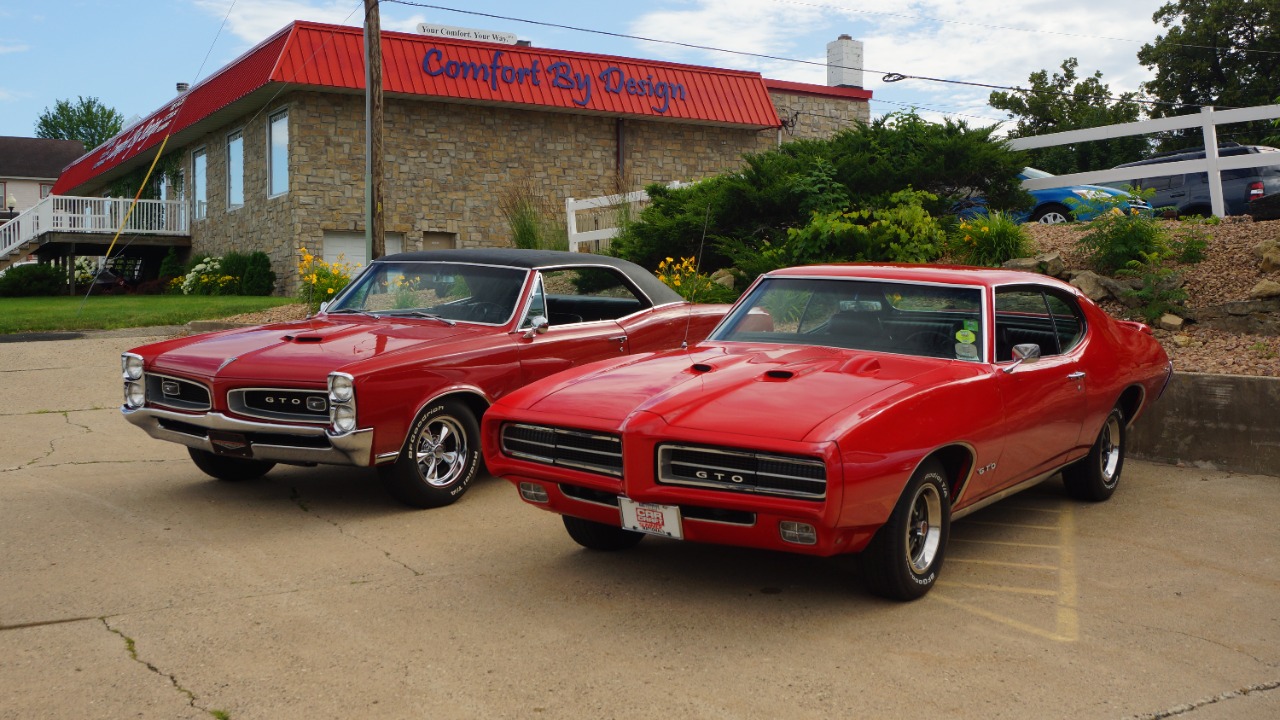
The late 1960s marked a transformative era for American muscle cars, characterized by raw power, aggressive styling, and groundbreaking performance. These vehicles not only defined a generation but also set new standards for speed and engineering that still resonate today. Here, I delve into ten iconic muscle cars from this period that changed performance forever, each leaving an indelible mark on automotive history.
Ford Mustang GT 350

The Ford Mustang GT 350, introduced in 1965 and further refined in 1966, represented a bold step in the muscle car realm. Developed in collaboration with Carroll Shelby, this vehicle was designed for racing enthusiasts who craved performance. With a 289 cubic inch V8 engine that produced 306 horsepower, the GT 350 could reach 60 mph in just 6.6 seconds. Its lightweight design and aggressive stance contributed to a thrilling driving experience, making it a favorite among car aficionados.
Its impact on the automotive industry is undeniable, as the Mustang GT 350 helped popularize the concept of the muscle car. The success of this model also paved the way for future iterations of the Mustang and influenced competitors, leading to the birth of other legendary cars. The Mustang’s legacy continues today, proving that its spirited performance and iconic design are timeless. For more information on muscle cars that changed the industry, check out this article.
Chevrolet Camaro SS
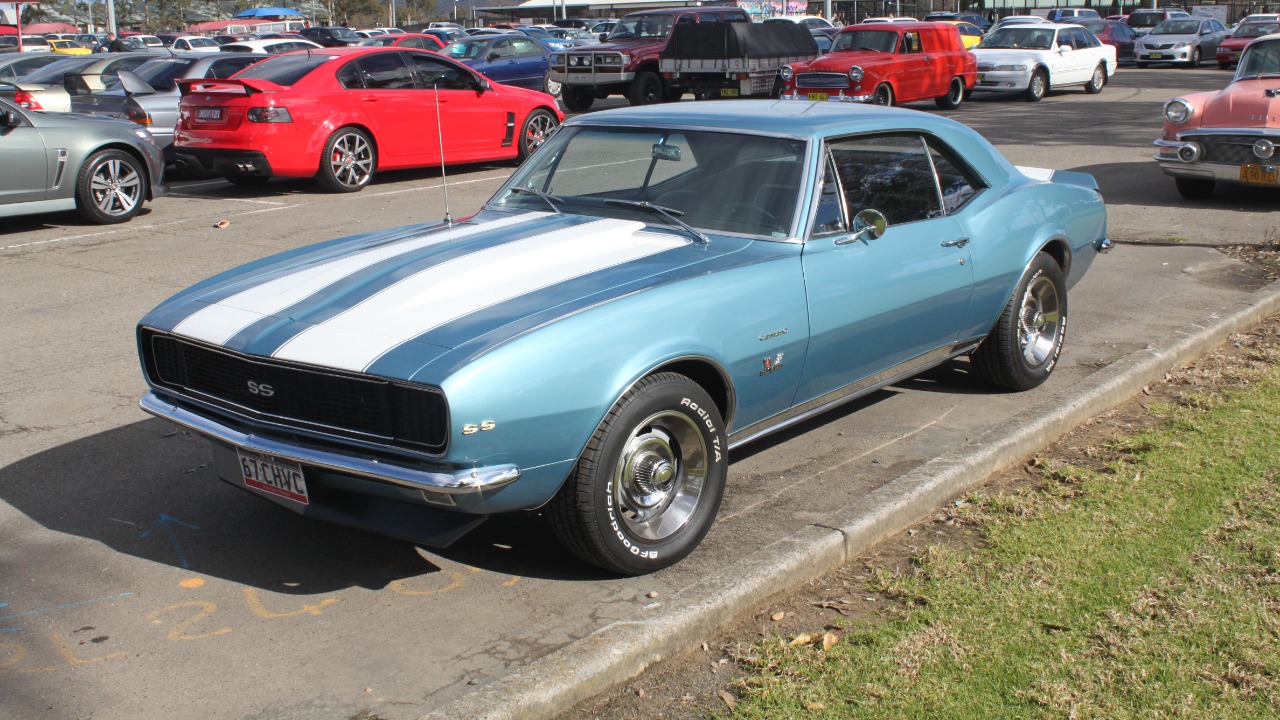
Launched in 1966 as a response to the Ford Mustang, the Chevrolet Camaro SS quickly established itself as a powerhouse in the muscle car market. Equipped with a range of potent engines, including a 396 cubic inch V8 that delivered 375 horsepower, the Camaro SS was built for speed and performance. The car’s aggressive styling and distinctive grille made it a standout on the street and the track alike.
The Camaro SS was not just about brute force; it also featured advanced suspension technology that improved handling and stability. This combination of power and precision set a new benchmark for performance cars of its era. Enthusiasts continue to celebrate the Camaro’s heritage, as it represents a significant chapter in American automotive history. To learn more about cars that have defined generations, check out this list.
Dodge Charger R/T
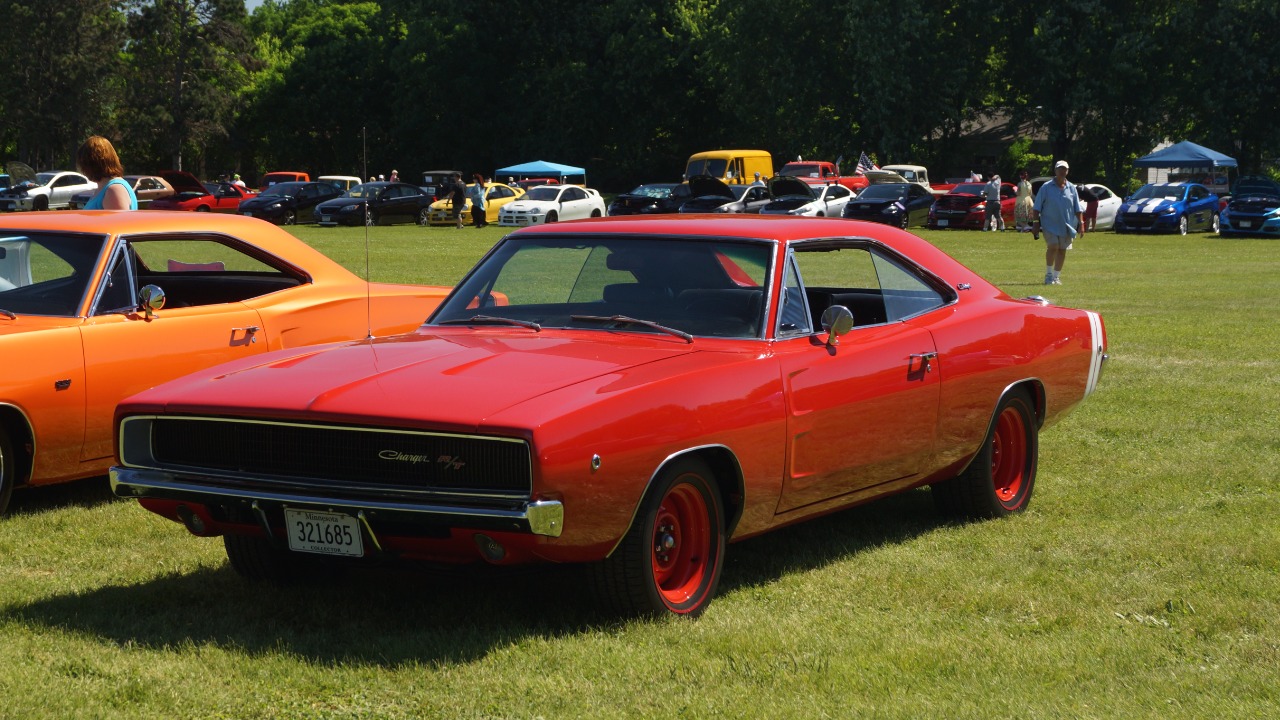
The Dodge Charger R/T, first introduced in 1966, became synonymous with high-performance muscle cars. With its iconic fastback design and powerful 440 cubic inch V8 engine, producing up to 375 horsepower, the Charger R/T was a formidable contender on the streets. Its combination of spacious interior and aggressive stance made it appealing to both families and speed enthusiasts.
What truly set the Charger apart was its success on the racetrack, where it dominated during the late 1960s. The Charger R/T became a symbol of American muscle, known for its bold styling and exhilarating performance. Its legacy continues to influence modern muscle cars, which often draw inspiration from this classic. The Charger remains a testament to the golden age of American automotive design and engineering.
Pontiac GTO
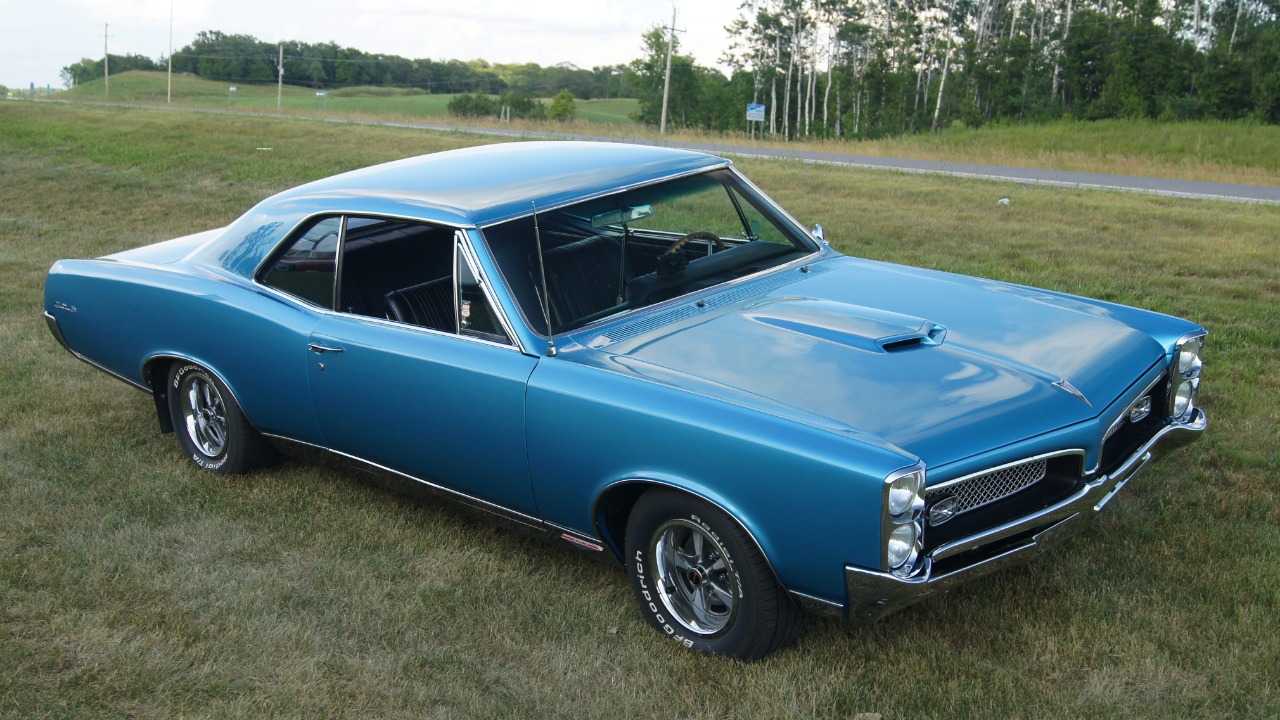
The Pontiac GTO, often hailed as the original muscle car, burst onto the scene in 1964 and set the standard for performance and style. With its 389 cubic inch V8 engine delivering 325 horsepower, the GTO was a game-changer. Its combination of lightweight construction and powerful engine created a thrilling driving experience that captured the hearts of car enthusiasts.
Not only did the GTO establish the muscle car segment, but it also influenced a wave of performance vehicles that followed. Its success on the street and in racing helped solidify Pontiac’s reputation as a performance brand. The GTO’s impact is still felt today, as it laid the groundwork for many successors and inspired a generation of car lovers. For further insights on the GTO’s legacy, consider exploring this research article.
Shelby Cobra

The Shelby Cobra, developed by Carroll Shelby in the early 1960s, merged British sports car design with American muscle, creating a legendary machine. Powered by a potent 427 cubic inch V8, the Cobra could achieve 0-60 mph in just 4.2 seconds. Its lightweight body and powerful engine made it a formidable competitor on the racetrack.
What made the Cobra truly special was its racing pedigree; it dominated competitions in the 1960s and helped establish Shelby as a key figure in automotive performance. The Cobra’s design and engineering principles influenced countless sports cars that followed, cementing its status as an icon. Today, the Shelby Cobra is celebrated not just for its performance but also as a symbol of innovation in automotive history.
Mercury Cougar XR-7
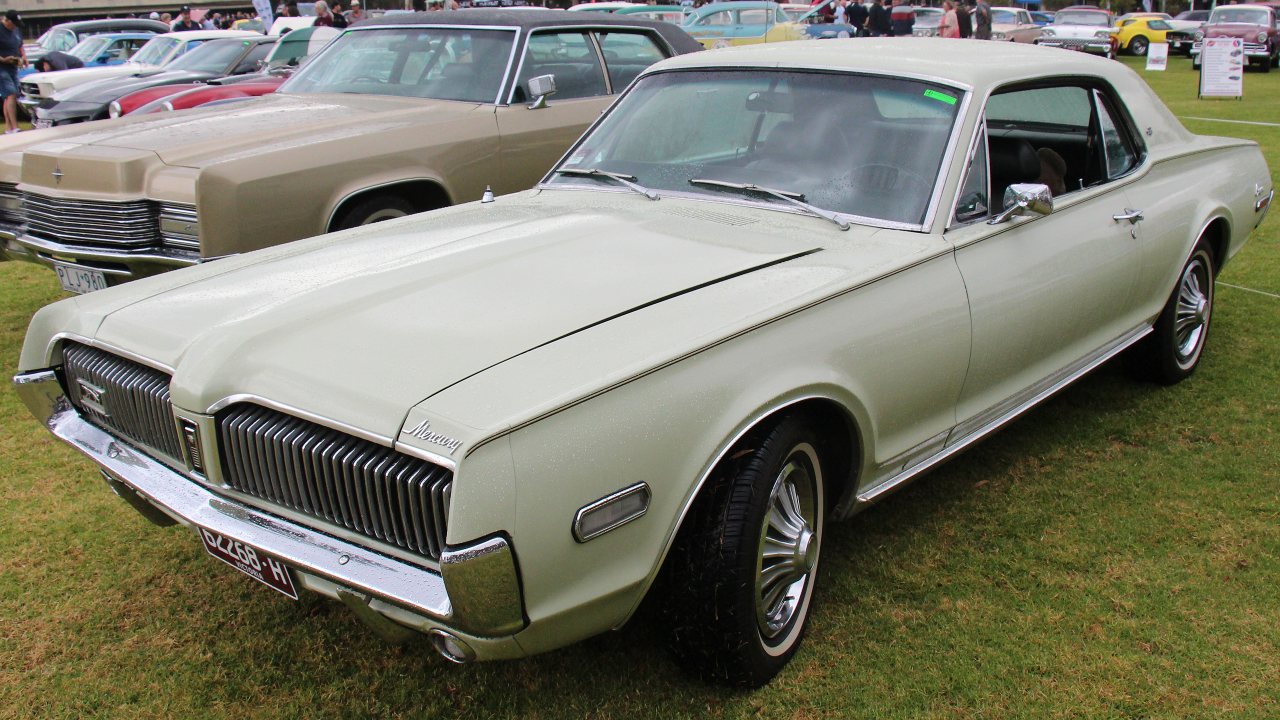
The Mercury Cougar XR-7 debuted in 1967 as a luxury-oriented muscle car, combining performance and comfort. Equipped with a powerful 390 cubic inch V8 engine, it delivered a smooth yet exhilarating driving experience. The XR-7 featured advanced suspension systems and an upscale interior, appealing to those who wanted both speed and refinement.
Although it may not have achieved the same legendary status as some of its competitors, the Cougar XR-7 carved its niche in the muscle car landscape. Its unique blend of performance and luxury influenced subsequent models and helped establish Mercury’s reputation in the market. The Cougar continues to be a respected name among classic car enthusiasts.
Plymouth Barracuda

The Plymouth Barracuda, introduced in 1964, emerged as one of the first pony cars, predating the Mustang by just a few weeks. Its unique fastback design and range of powerful engine options, including the legendary 426 HEMI, made it a standout performer. The Barracuda was known for its lightweight construction, which contributed to its impressive speed and agility on the road.
While it faced stiff competition from other muscle cars, the Barracuda left a lasting impact on the performance landscape. Its blend of style, power, and innovation influenced the design of future muscle cars. Today, the Barracuda is celebrated not only for its performance but also as a historical milestone in the evolution of American automotive design.
Buick GS 400
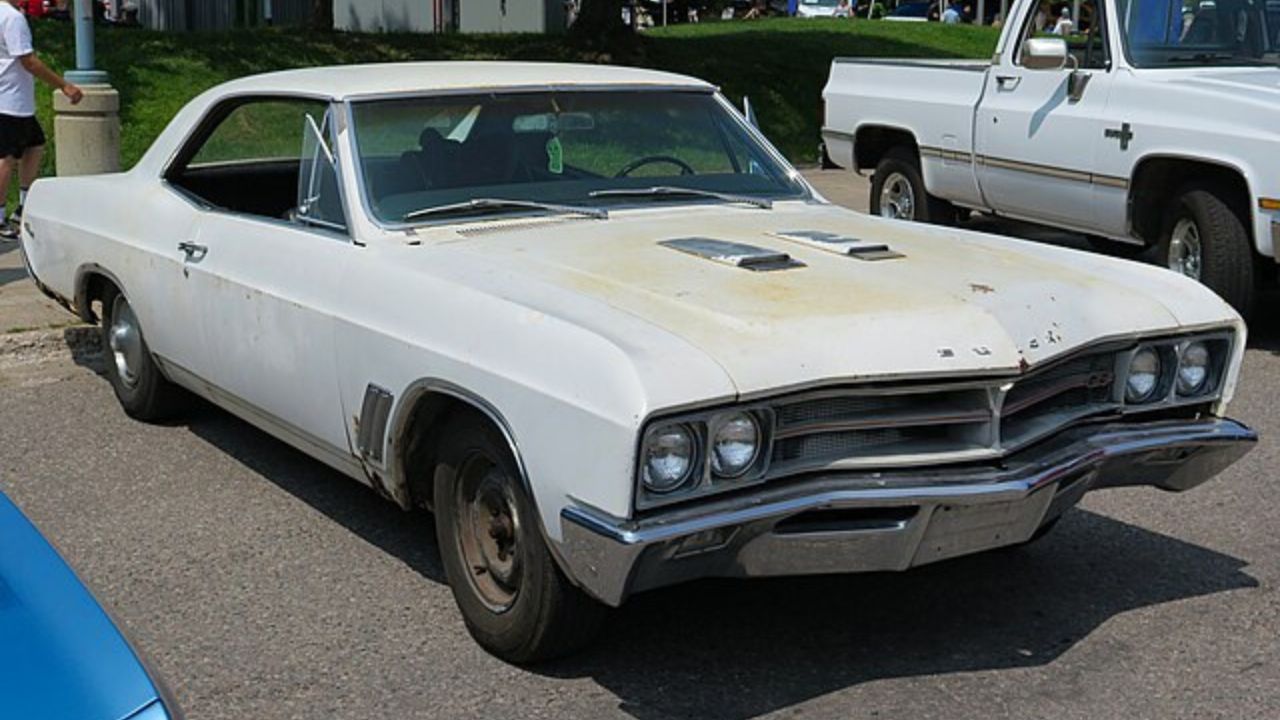
The Buick GS 400, introduced in 1965, was a formidable player in the muscle car arena. With its 400 cubic inch V8 engine producing 340 horsepower, it combined luxury with raw power. The GS 400 was designed for those who appreciated refined comfort without sacrificing performance, featuring upscale interiors and a smooth ride.
This model not only showcased Buick’s engineering prowess but also highlighted the brand’s commitment to performance. Its success on the street and in racing solidified the GS 400’s reputation as a serious contender in the muscle car market. The legacy of the Buick GS continues to inspire modern performance vehicles, illustrating the enduring appeal of classic muscle cars.
Oldsmobile 442
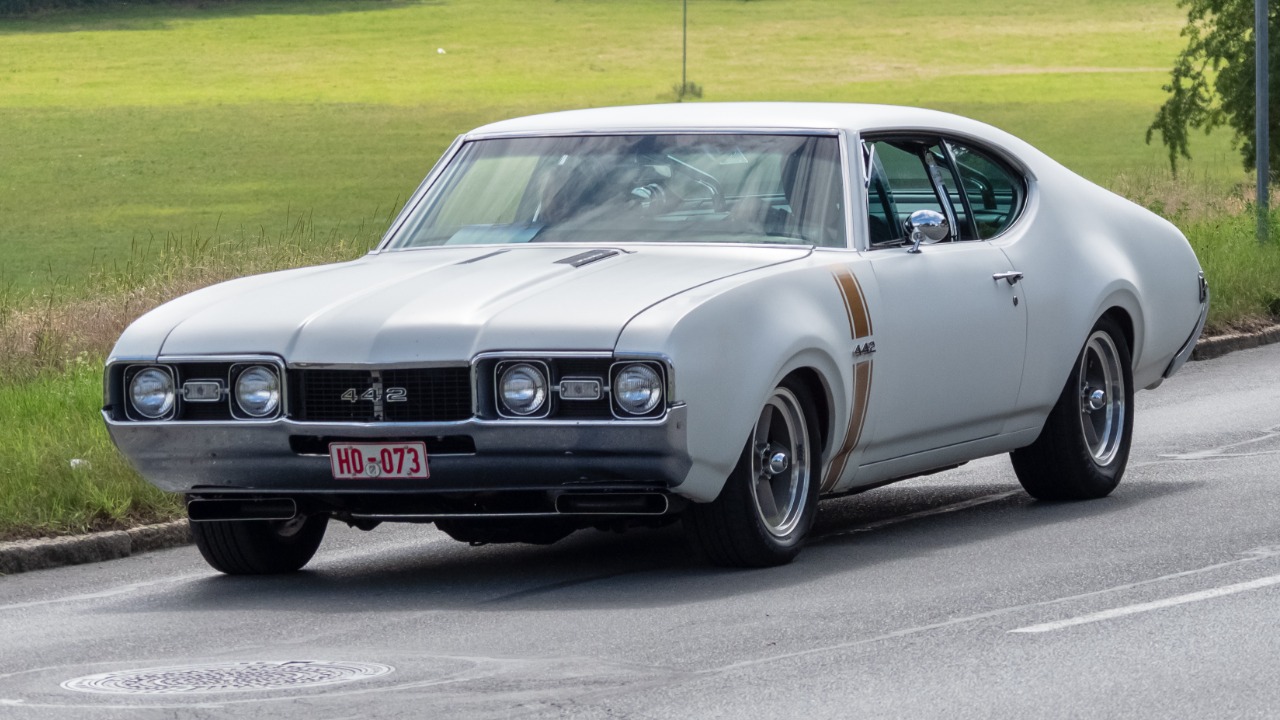
The Oldsmobile 442, first introduced in 1964, became a powerful contender in the muscle car market. Originally a trim package for the F-85, it evolved into a standalone model with a 400 cubic inch V8 engine, delivering 350 horsepower. The 442 was celebrated for its innovative design, which included a four-barrel carburetor, a unique dual exhaust system, and a stylish body.
Known for its impressive acceleration and handling, the 442 distinguished itself from competitors with its well-balanced performance. Its legacy has endured, influencing the design and engineering of subsequent muscle cars. Today, the Oldsmobile 442 remains a cherished classic among enthusiasts, symbolizing an era of American automotive excellence.
AMC Javelin
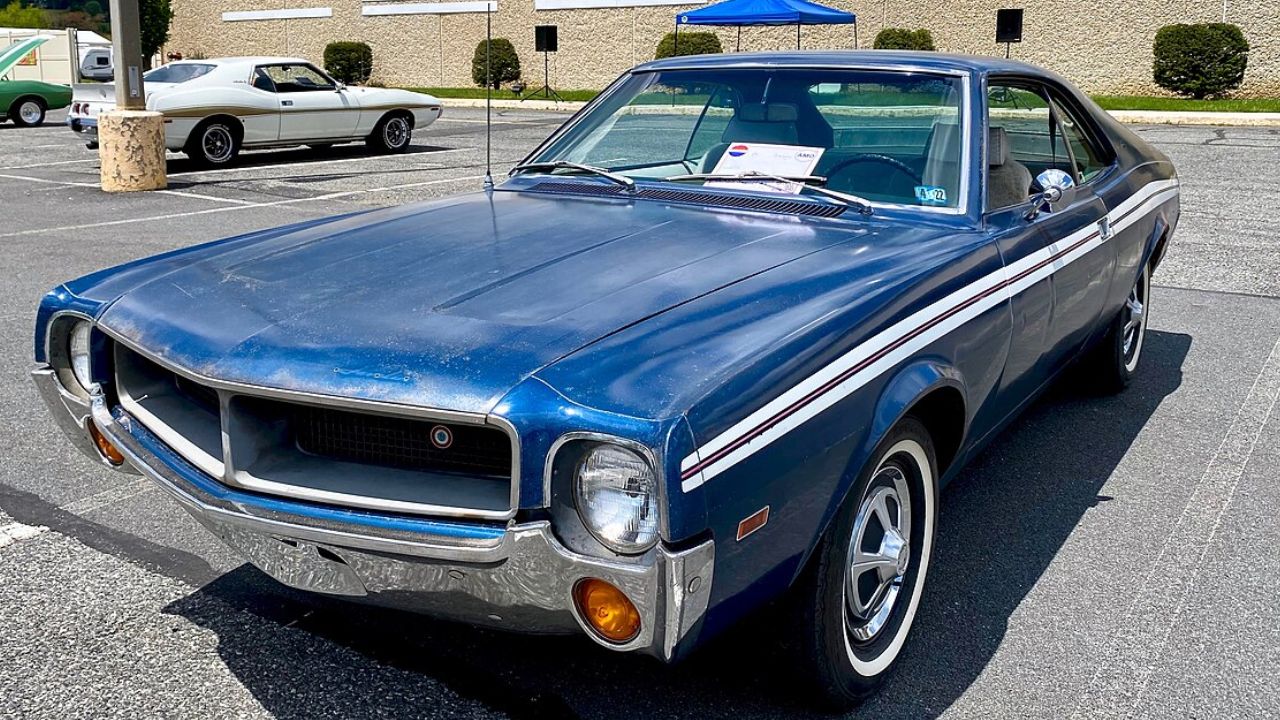
The AMC Javelin, launched in 1968, was an ambitious entry into the muscle car market, offering a unique design and performance features. With its 390 cubic inch V8 engine, it produced up to 325 horsepower, making it a serious competitor. The Javelin was known for its aggressive styling, featuring a long hood and a short rear deck that set it apart from other muscle cars of the era.
Despite facing challenges in a competitive market, the Javelin carved out a niche for itself, appealing to enthusiasts who appreciated its distinctiveness. Its success in racing events helped elevate its profile, and the Javelin remains a beloved classic today. Its unique combination of style and performance continues to inspire automotive design and engineering.
More from Fast Lane Only
- Unboxing the WWII Jeep in a Crate
- 15 rare Chevys collectors are quietly buying
- 10 underrated V8s still worth hunting down
- Police notice this before you even roll window down
*Research for this article included AI assistance, with all final content reviewed by human editors.