The automotive landscape has evolved dramatically since World War II, with several key models defining everyday driving experiences. These vehicles not only introduced groundbreaking technologies but also reshaped consumer expectations and preferences. From economical compact cars to robust trucks, each of these postwar cars has left an indelible mark on the industry and the way people commute.
Volkswagen Beetle
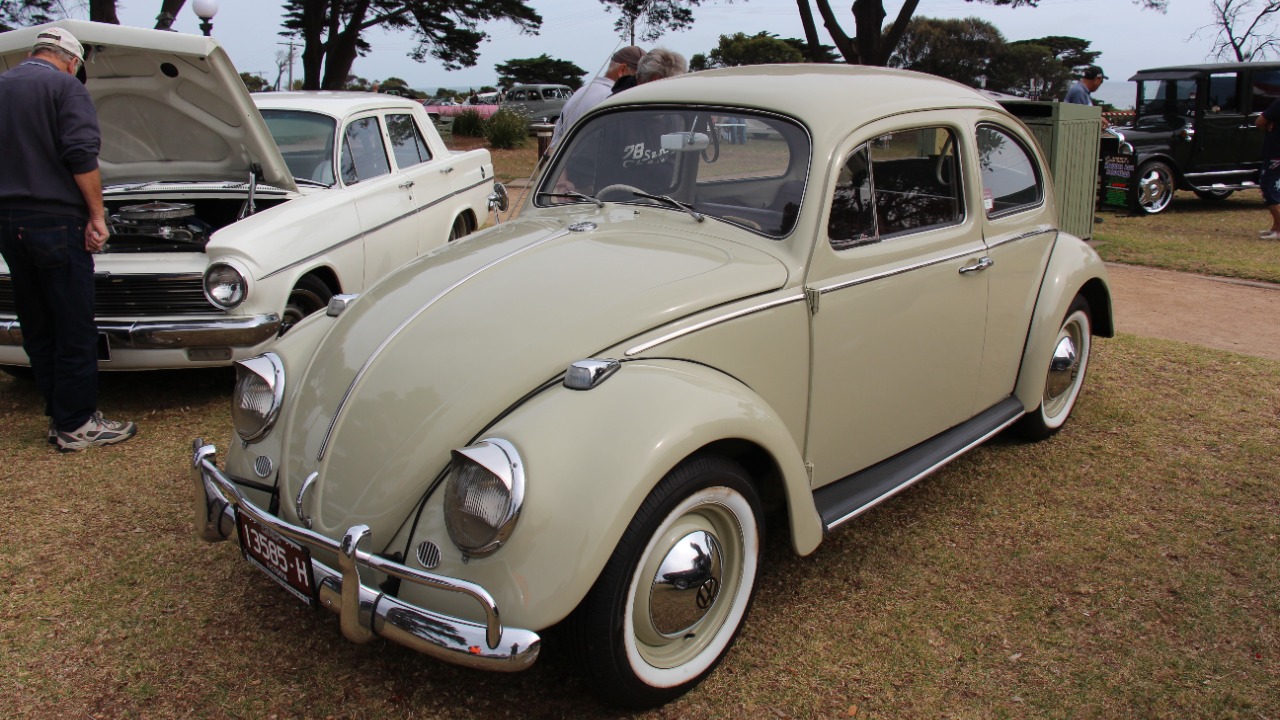
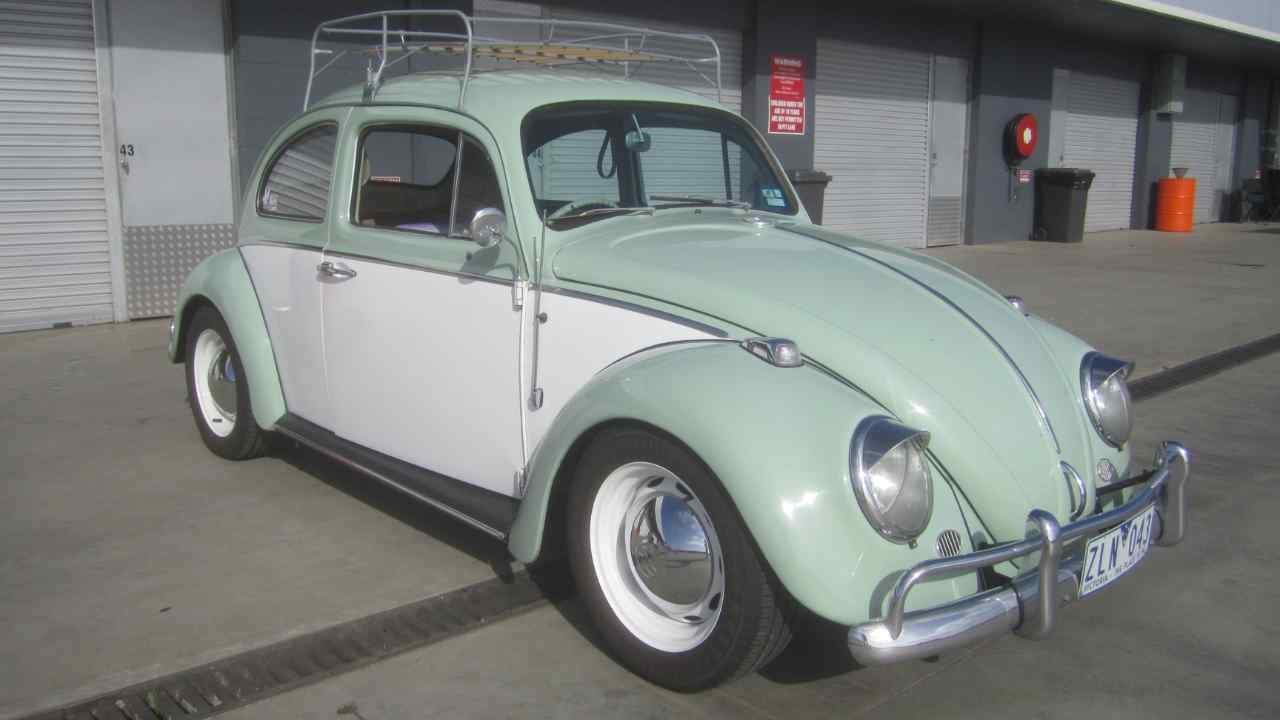
Launched in the late 1930s but gaining prominence post-World War II, the Volkswagen Beetle redefined the compact car segment. Its simple, reliable design made it accessible to a broad audience, contributing to the rise of affordable personal transportation. The Beetle’s air-cooled engine and rear-engine layout set it apart from its contemporaries, making it both economical and fun to drive. Over 21 million units were sold worldwide, marking it as one of the most successful cars in history. Its cultural significance is also profound, becoming a symbol of the 1960s counterculture.
Ford F-Series
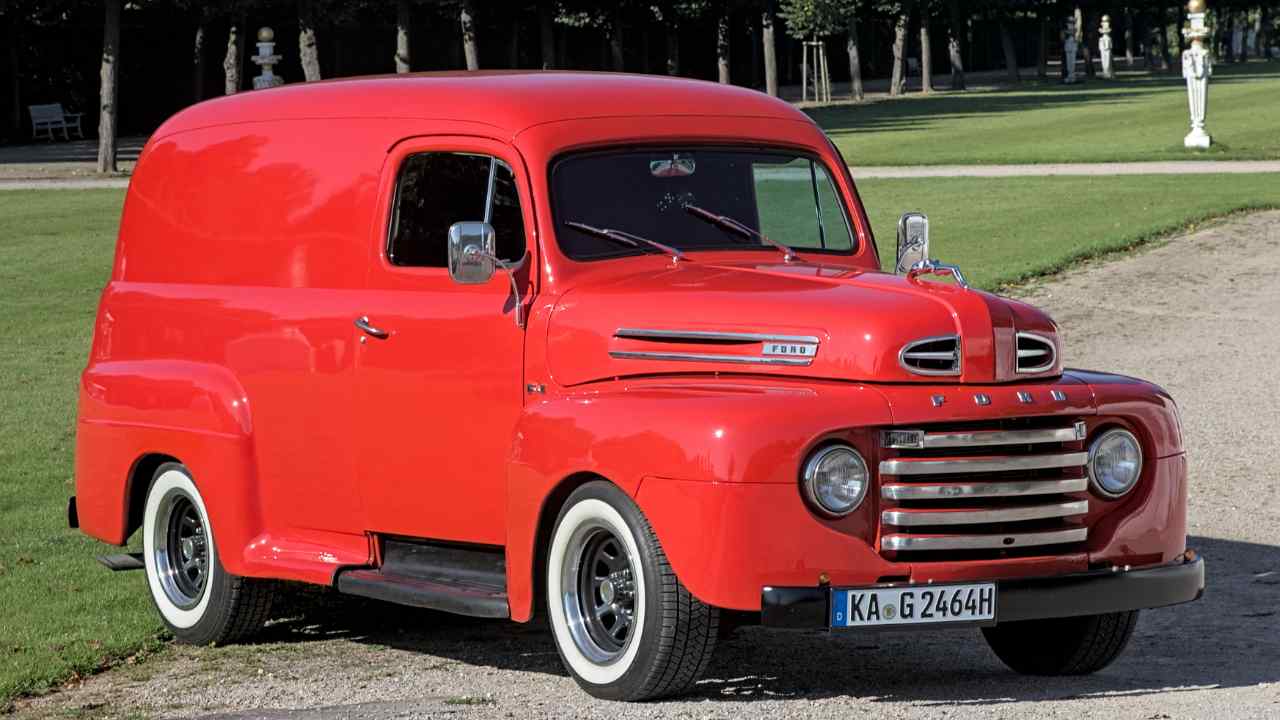
The Ford F-Series debuted in 1948 and has since become America’s best-selling vehicle line. Its combination of durability, versatility, and performance has made it a staple for both work and leisure. The F-Series pioneered features like the extended cab and improved towing capacities, catering to a diverse range of consumers. As a result, it has significantly influenced truck design and marketing, setting a benchmark for competitors and transforming the pickup truck into a viable family vehicle.
Chevrolet Corvette
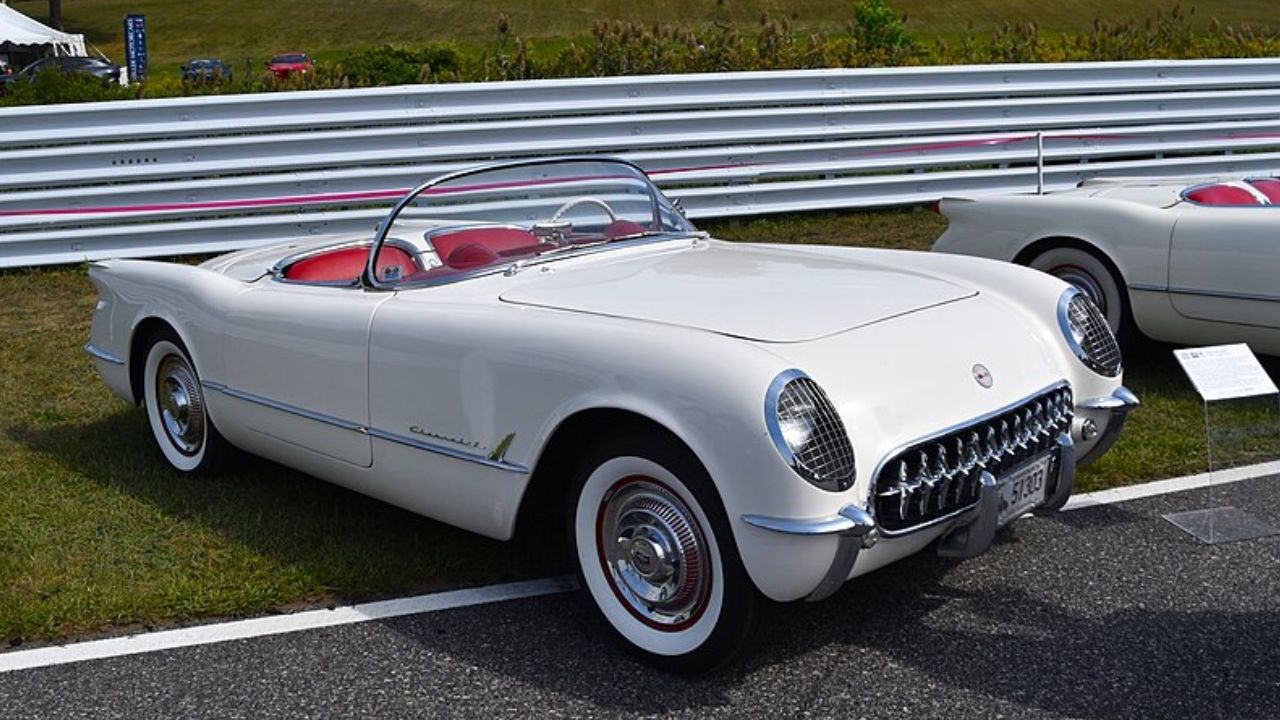
First introduced in 1953, the Chevrolet Corvette quickly became America’s sports car. Its sleek design and powerful performance resonated with enthusiasts, pushing the boundaries of what a production car could offer. With innovations in materials and engineering, such as fiberglass bodies and advanced aerodynamics, the Corvette has continually evolved while retaining its iconic status. It has not only influenced sports car design but has also helped to shape the culture around performance vehicles in the United States.
Toyota Corolla
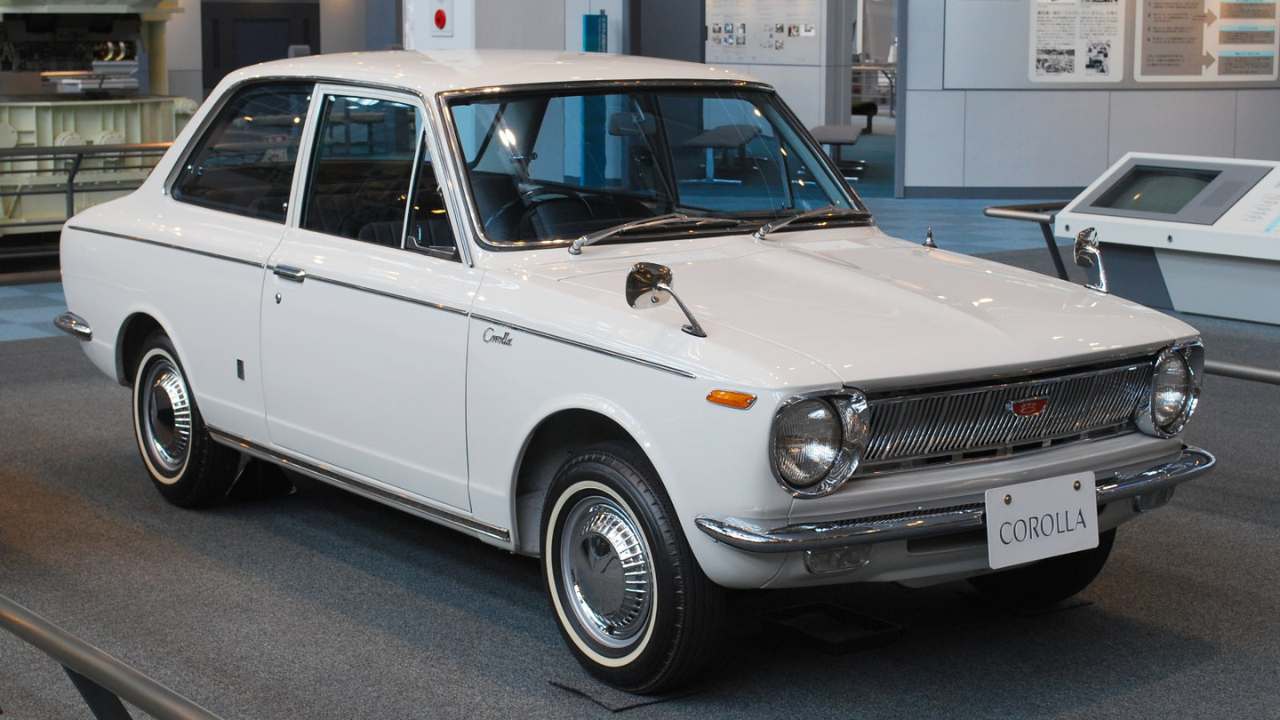
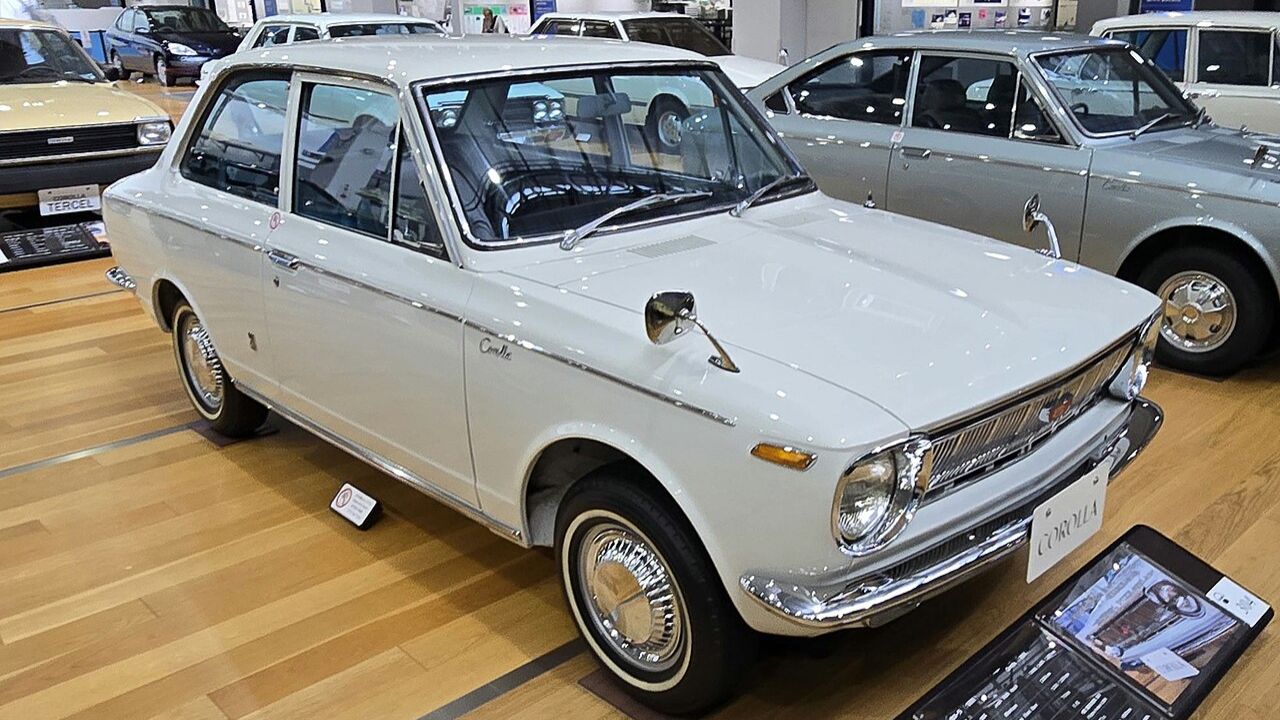
The Toyota Corolla, launched in 1966, represents one of the best-selling car lines in history. Designed for reliability and fuel efficiency, the Corolla became synonymous with the notion of the practical family sedan. Its straightforward design and affordability made it a popular choice in markets around the globe. The Corolla’s success urged other manufacturers to focus on building compact vehicles that offered value without compromising quality, thus shaping the future of everyday driving.
Honda Civic
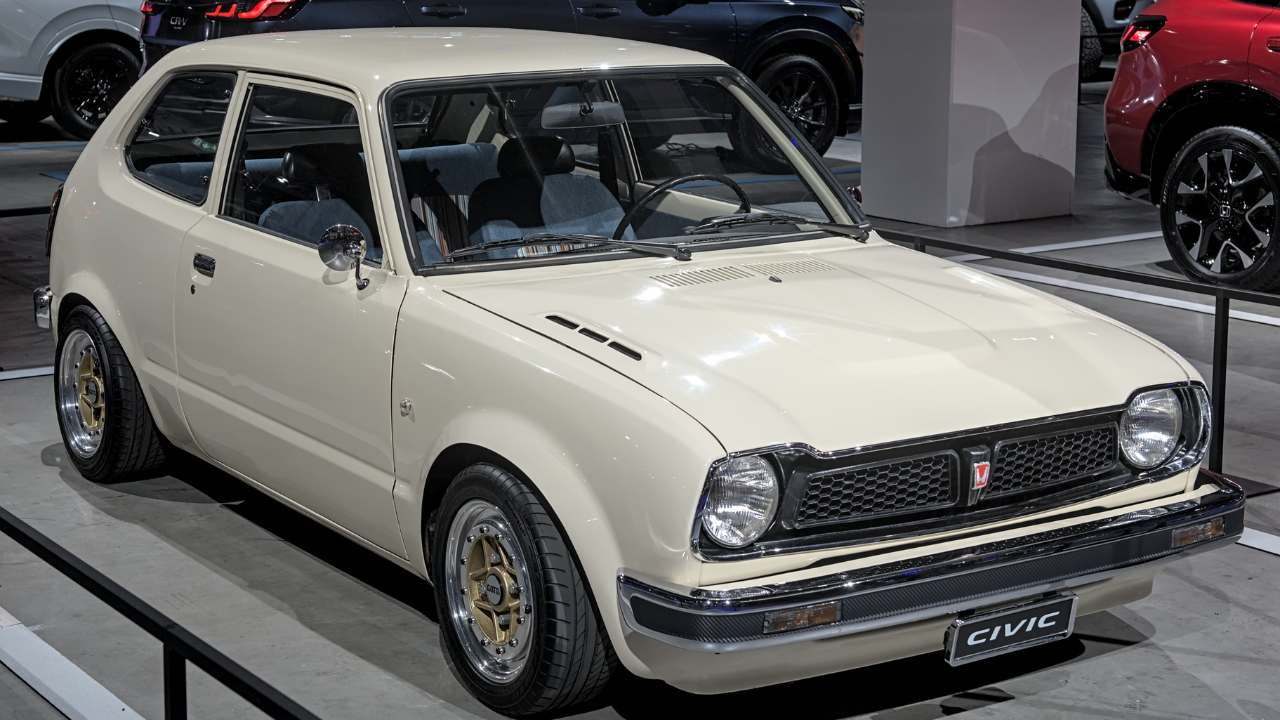
Since its introduction in 1972, the Honda Civic has evolved dramatically while maintaining its core values of efficiency and reliability. Initially a compact car, it has adapted over the decades to meet changing consumer demands, including hybrid versions that appeal to eco-conscious drivers. Its reputation for longevity and low maintenance costs has helped cement its place in the market, influencing the design and marketing of compact cars worldwide.
Mini Cooper
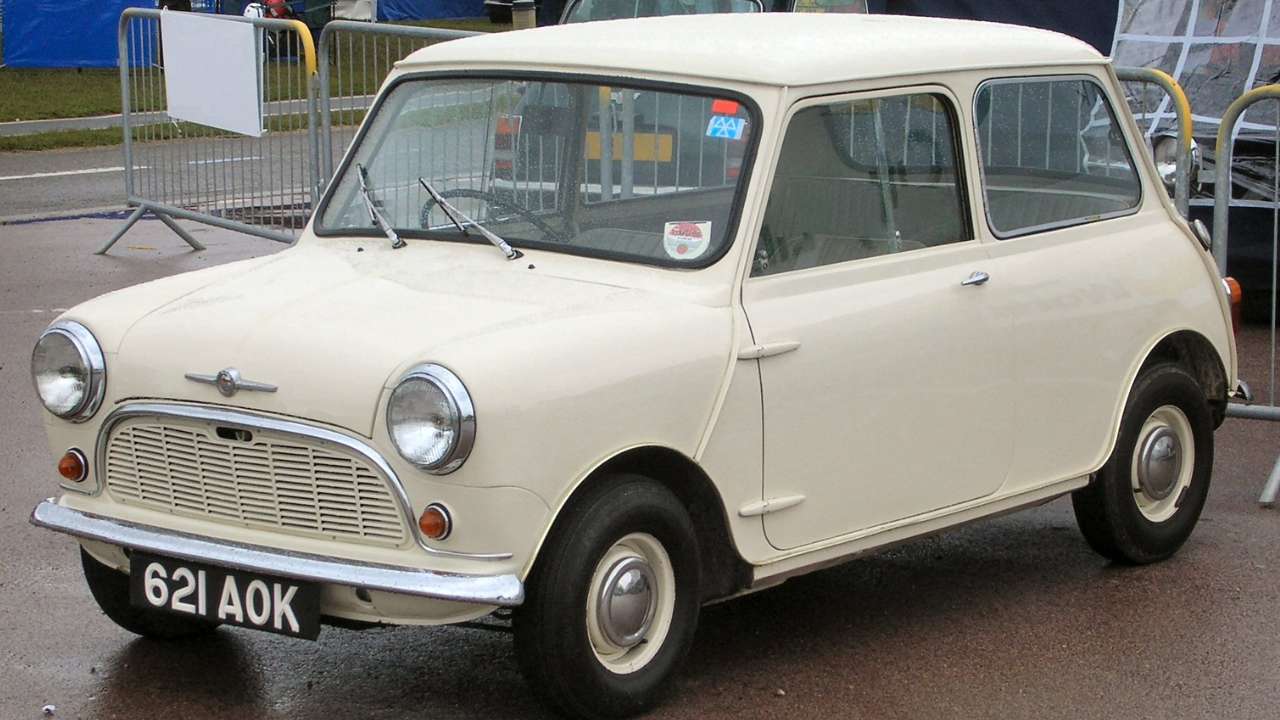
Debuting in 1959, the Mini Cooper became an icon of the British motoring scene. Its compact dimensions and agile handling made it an ideal city car, while its unique design captured the hearts of many. The Mini’s success in motorsport, particularly in the Monte Carlo Rally, further enhanced its reputation. Its combination of stylish design and practicality has inspired a resurgence in small car popularity, influencing urban mobility solutions.
Subaru Outback
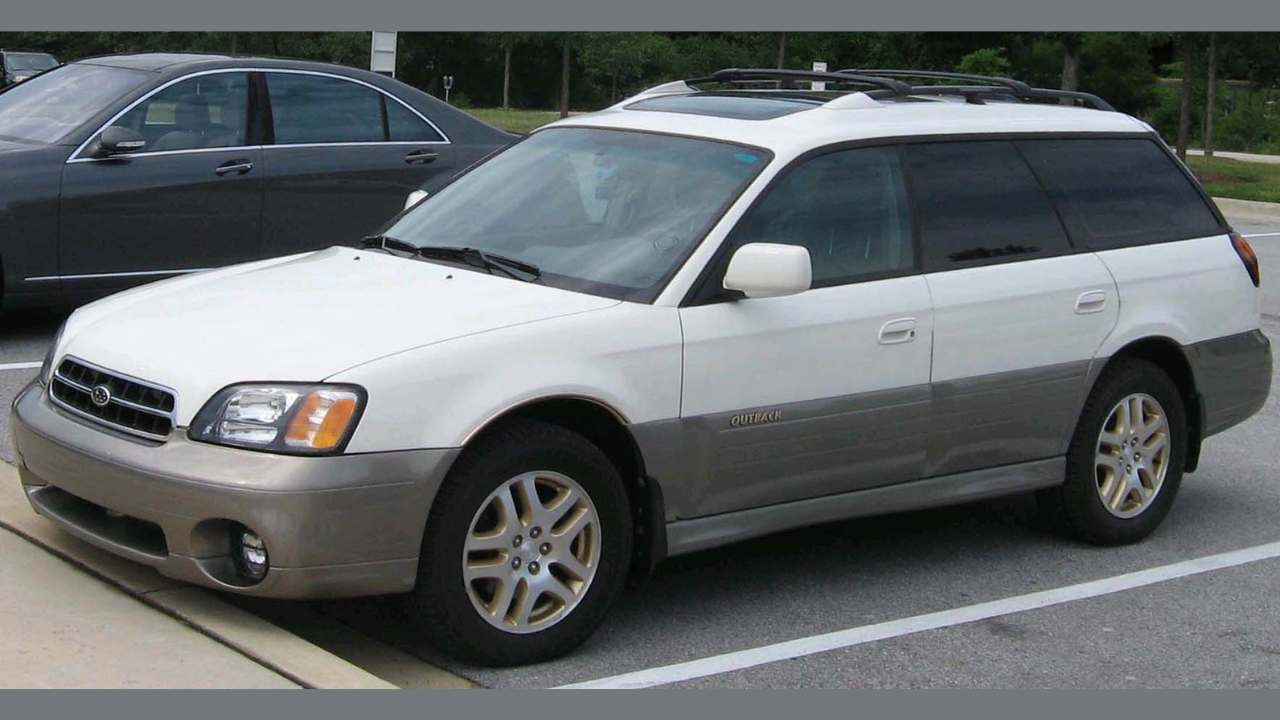
Introduced in 1994, the Subaru Outback effectively bridged the gap between station wagons and SUVs. Its all-wheel-drive capability and rugged design made it appealing for outdoor enthusiasts and families alike. The Outback has set the standard for crossover vehicles, demonstrating that practicality and adventure can coexist. This model has played a significant role in popularizing the concept of the versatile family vehicle that can handle both urban and rural terrains.
Mercedes-Benz S-Class
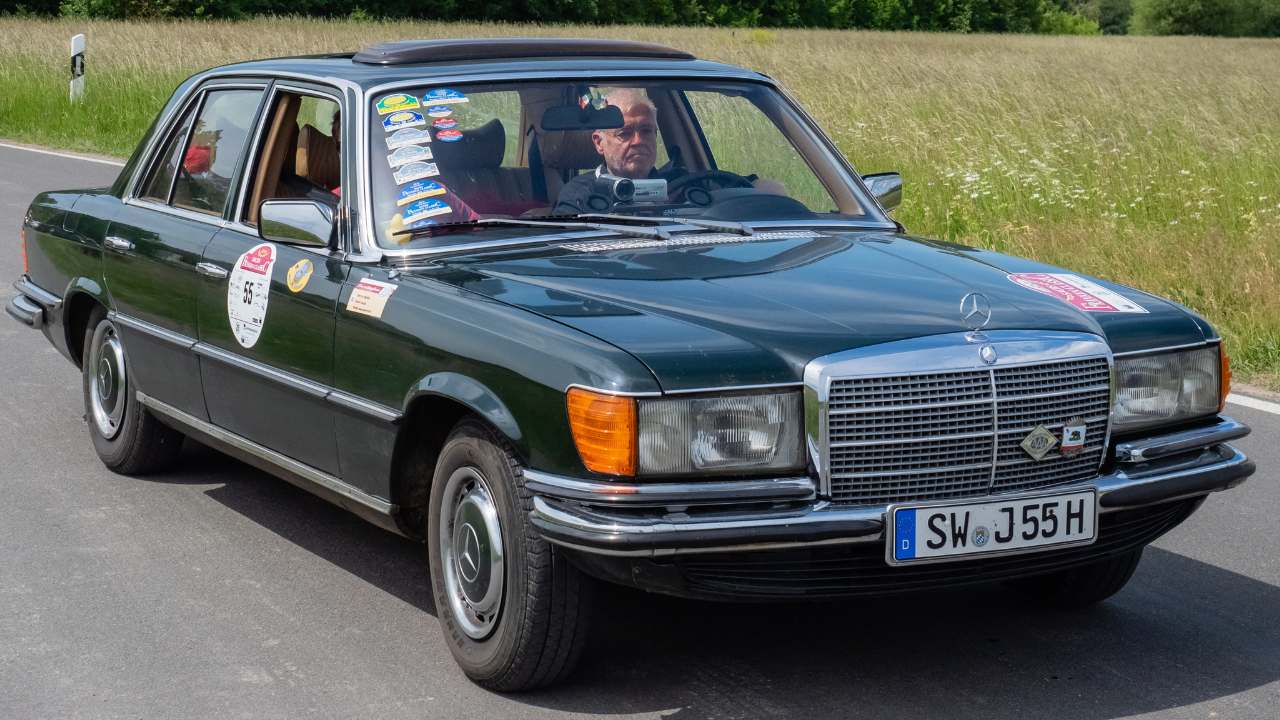
Since its inception in 1972, the Mercedes-Benz S-Class has been synonymous with luxury and innovation. Renowned for introducing advanced safety features and cutting-edge technology, this flagship model has influenced the luxury car segment significantly. Innovations such as anti-lock braking systems and air suspension were first seen in the S-Class, setting new benchmarks for comfort and safety in automobiles. Its role in establishing luxury standards has made it a reference point for competitors in the automotive industry.
Tesla Model S
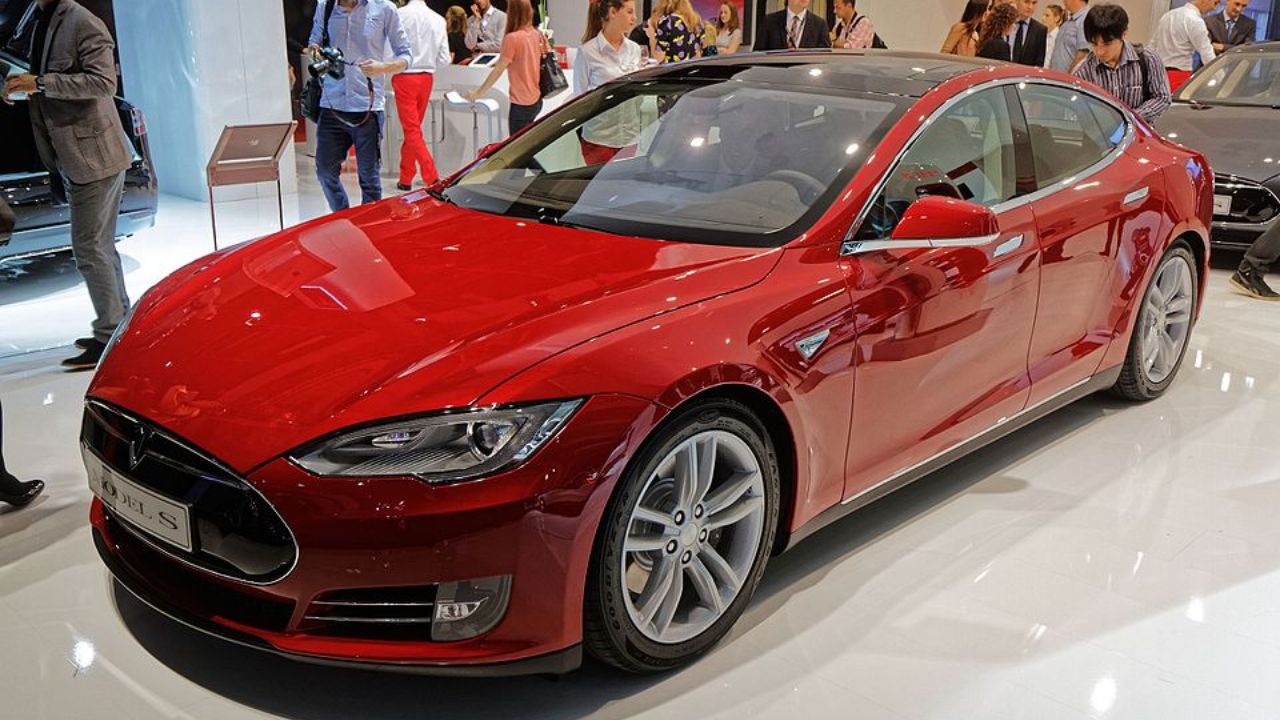
Launched in 2012, the Tesla Model S revolutionized the electric vehicle market. Its impressive range, performance, and advanced technology have challenged traditional automotive paradigms. With features like over-the-air software updates and Autopilot capabilities, the Model S has set new expectations for connectivity and driving assistance. This model has not only popularized electric vehicles but has also ushered in a new era of sustainable transportation options that prioritize performance and luxury.
Jeep Wrangler
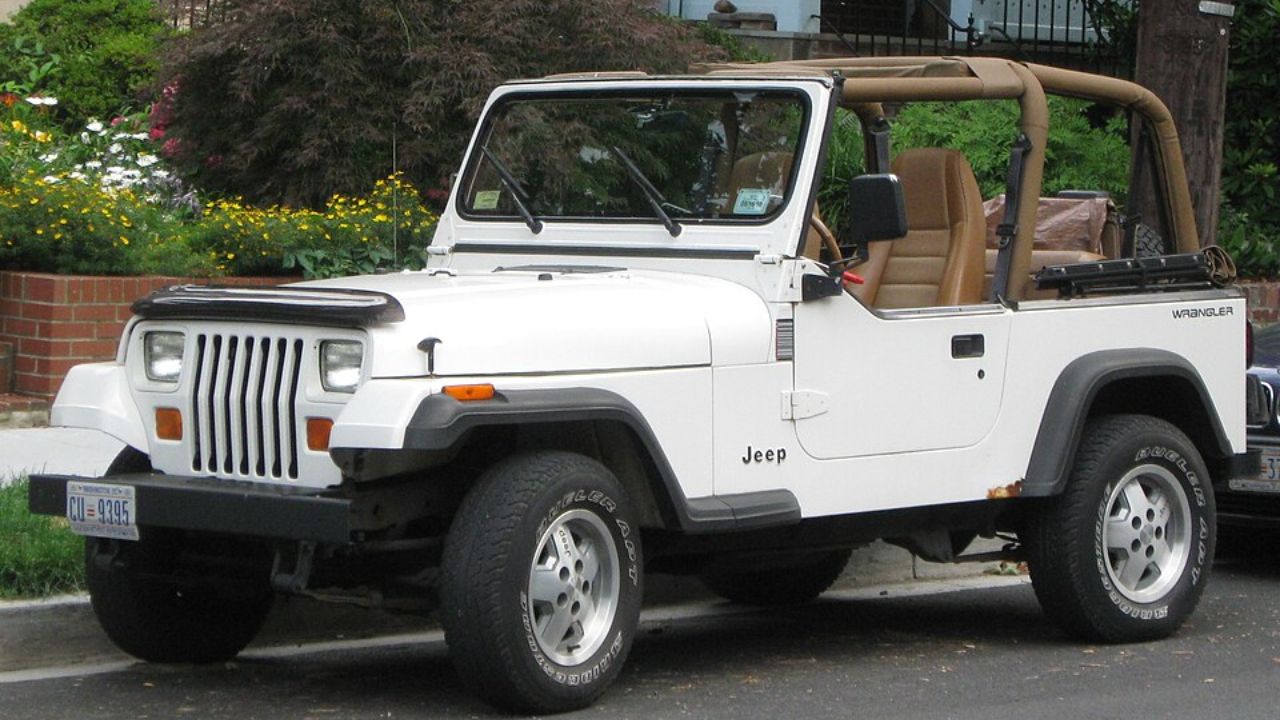
The Jeep Wrangler has been a symbol of off-road capability since its introduction in 1986. Its rugged design and four-wheel-drive system make it a favorite among outdoor enthusiasts. The Wrangler’s ability to traverse challenging terrains has made it a benchmark in the SUV segment, influencing the design of countless competitors. Its unique charm and versatility have solidified its place in automotive history, showcasing the appeal of vehicles designed for adventure.
More from Fast Lane Only