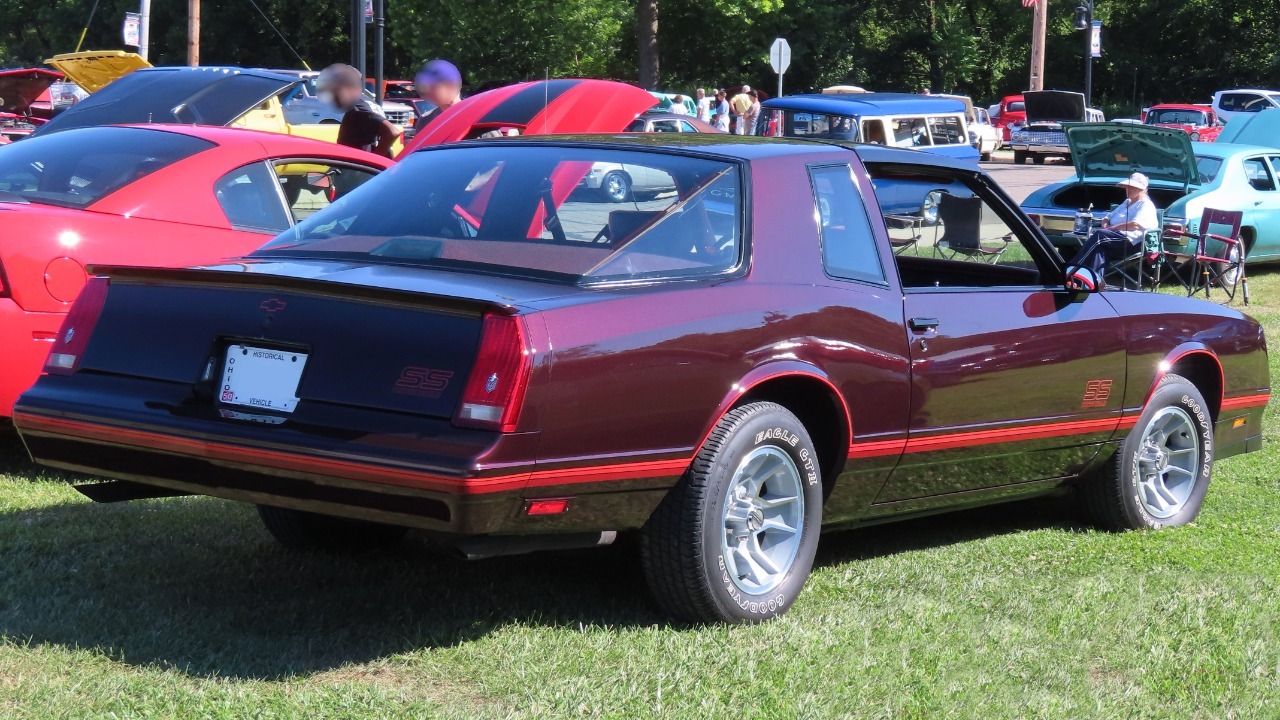
After World War II, automobile designers began imagining a new future shaped by jet aircraft, rockets, modern materials, and expanding highways. The result was a generation of cars with dramatic shapes and ambitious engineering that looked unlike anything from the prewar era. These ten postwar classics captured that futuristic optimism.
Buick LeSabre
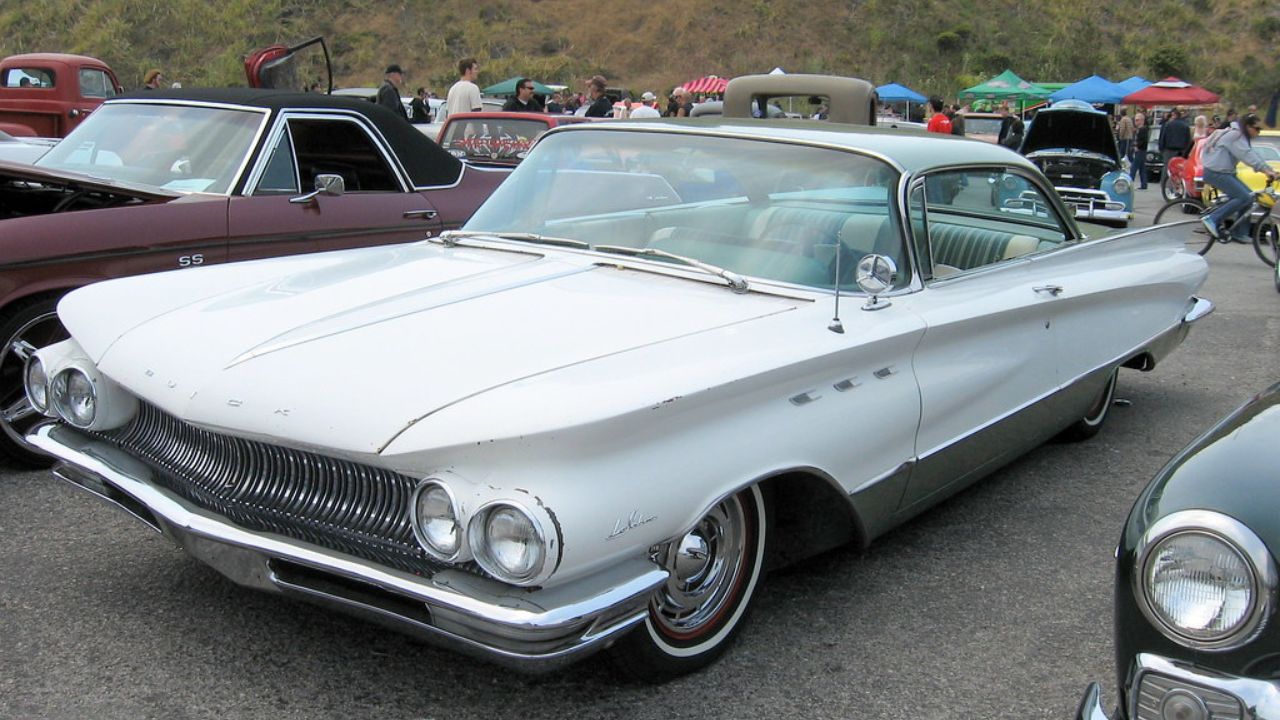
The Buick LeSabre concept helped introduce the American public to jet-age automotive styling. Its sweeping bodywork, aircraft-inspired details, and futuristic proportions suggested that the automobile of tomorrow had arrived. Although it was a concept rather than a conventional production car, its influence reached Buick’s later designs. It became an important symbol of America’s fascination with the technological future.
Chevrolet Corvette
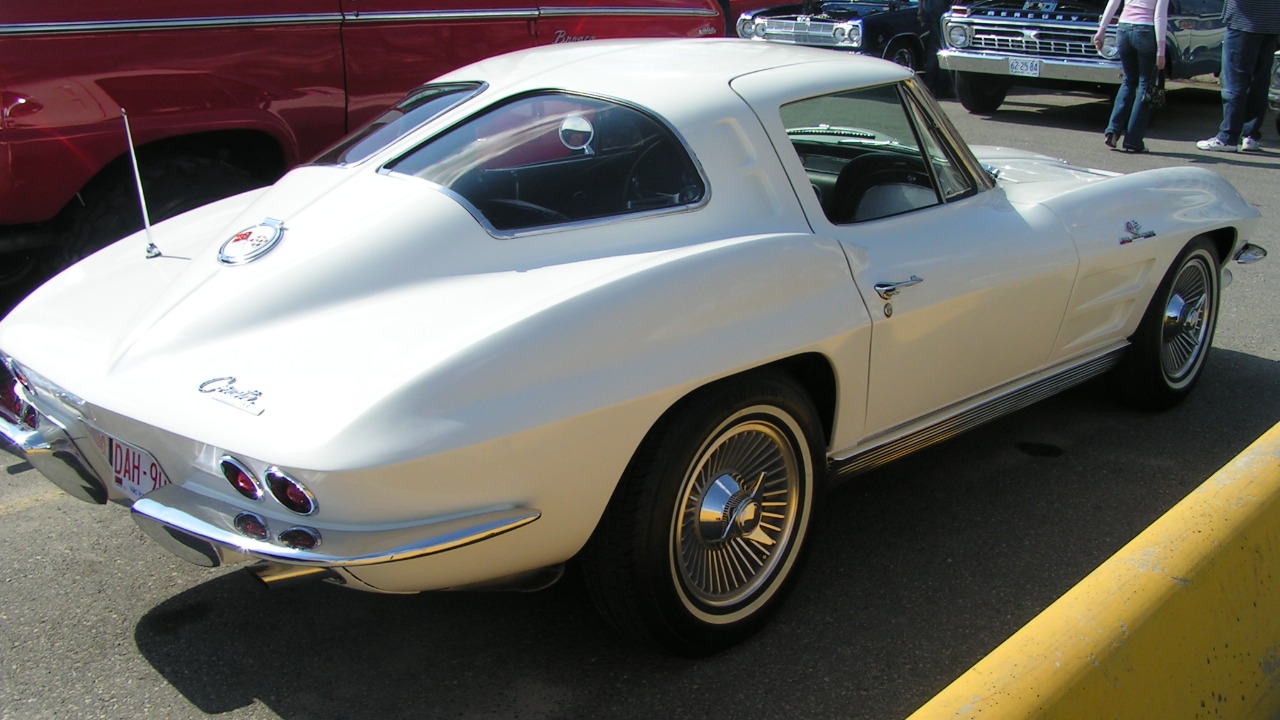
The 1953 Chevrolet Corvette brought fiberglass construction and sleek two-seat styling to the American market. Its low body and smooth contours looked dramatically different from traditional American sedans. The Corvette also represented Chevrolet’s attempt to create a distinctly American sports car. As the model evolved, its futuristic image became an important part of its identity.
Chrysler 300
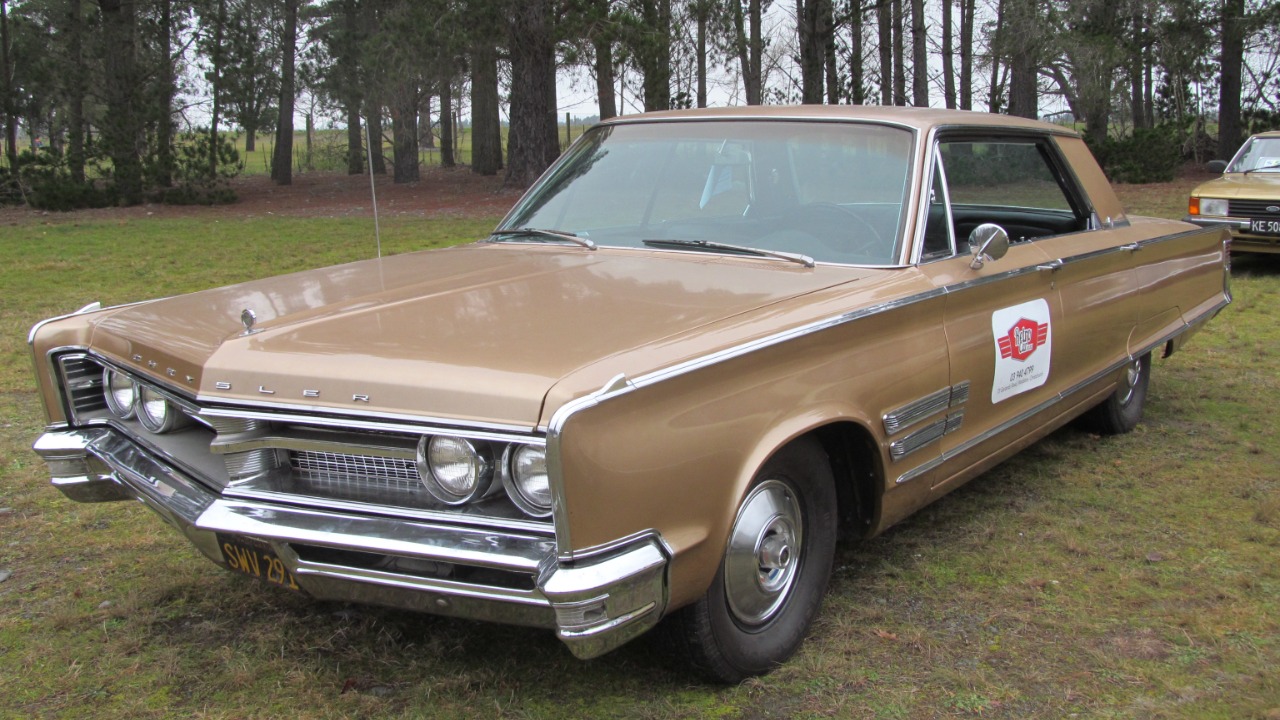
The Chrysler 300 combined a sophisticated Hemi V8 with clean, powerful styling that reflected the confidence of the 1950s. Its low profile and restrained bodywork made it appear more purposeful than many heavily ornamented competitors. Strong performance reinforced the impression of advanced engineering. The 300 helped establish the idea that a large American car could be both luxurious and genuinely fast.
Citroën DS

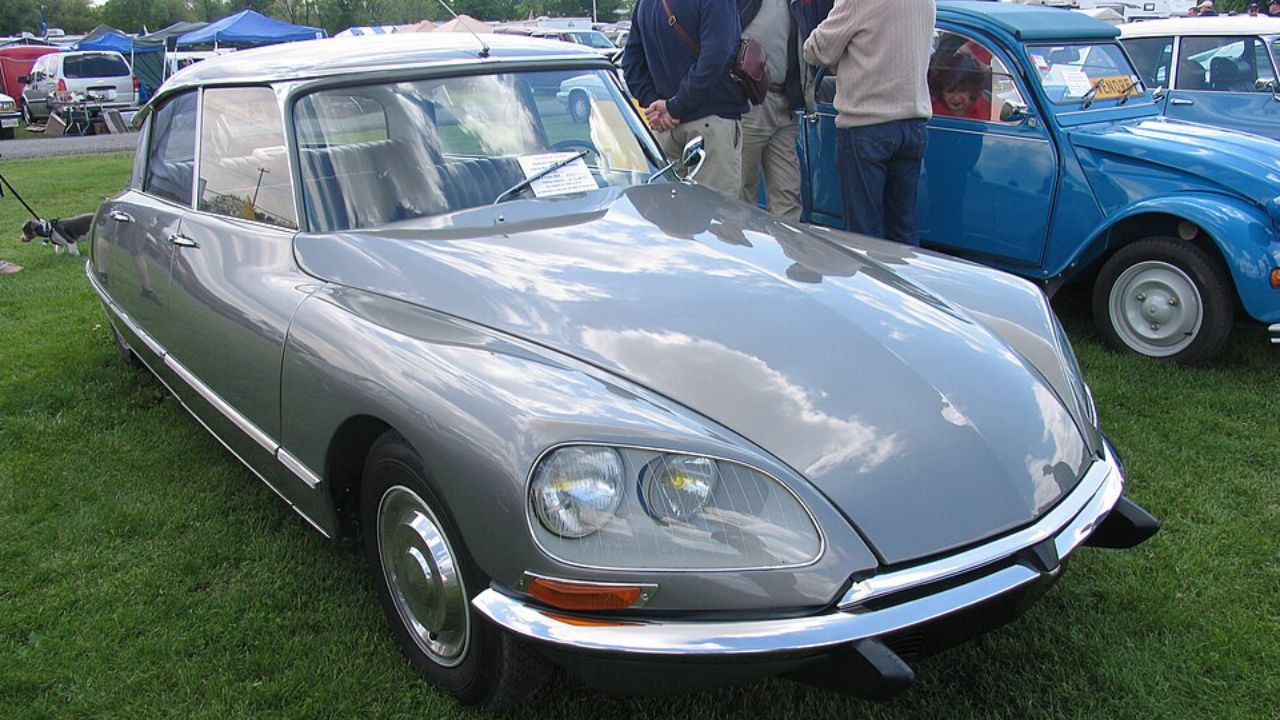
The Citroën DS looked almost extraterrestrial when it debuted in 1955. Its aerodynamic body, streamlined interior, and advanced hydropneumatic suspension made it radically different from conventional cars. The DS also introduced innovative features such as power-assisted systems and sophisticated suspension technology. It became one of the clearest examples of postwar European automotive engineering looking decades ahead.
Ford Thunderbird

The original Ford Thunderbird brought a sophisticated interpretation of the two-seat American sports car. Its clean bodywork, wraparound windshield, and elegant proportions gave it a more refined appearance than many contemporary performance cars. The Thunderbird quickly became a cultural icon. Its styling captured the optimism of 1950s America and the growing fascination with personal automobiles.
Lincoln Continental
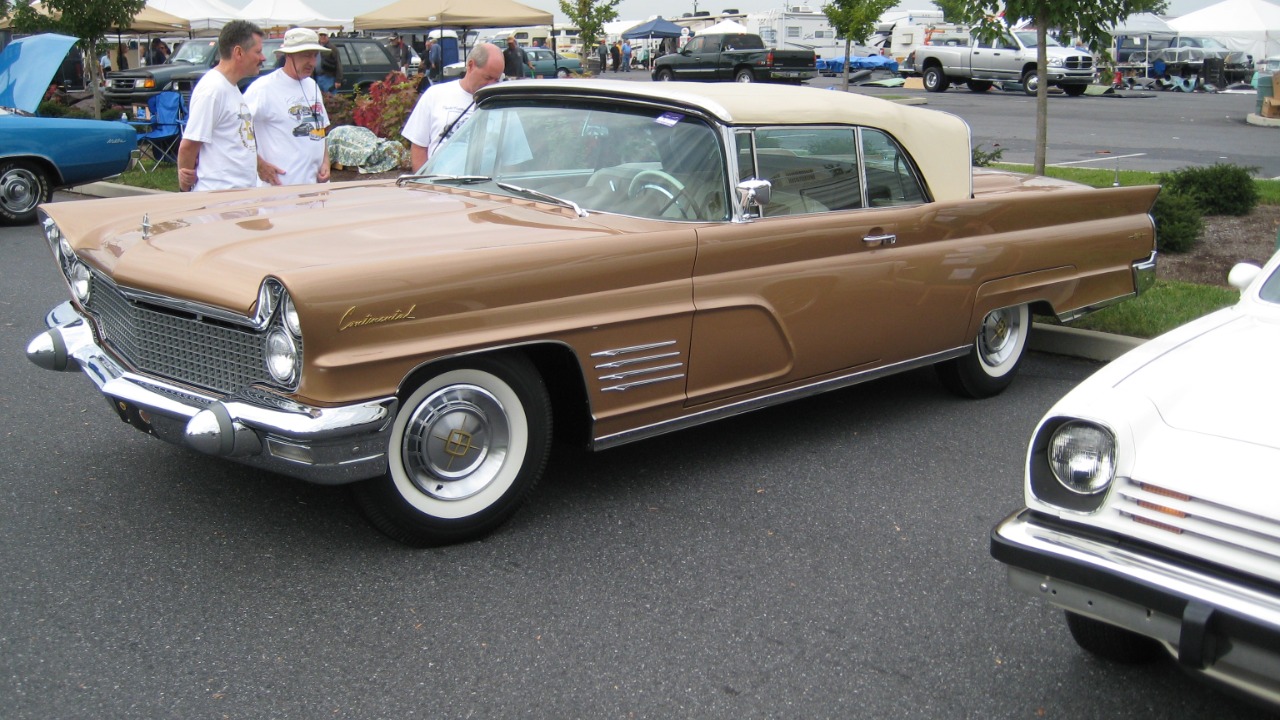
The 1961 Lincoln Continental introduced a remarkably clean design for an American luxury car. Its slab-sided body, thin pillars, restrained trim, and rear-hinged rear doors created a modern appearance that differed sharply from the excessive ornamentation of the late 1950s. The design became one of the most influential American luxury-car shapes of the early 1960s.
Chevrolet Corvair
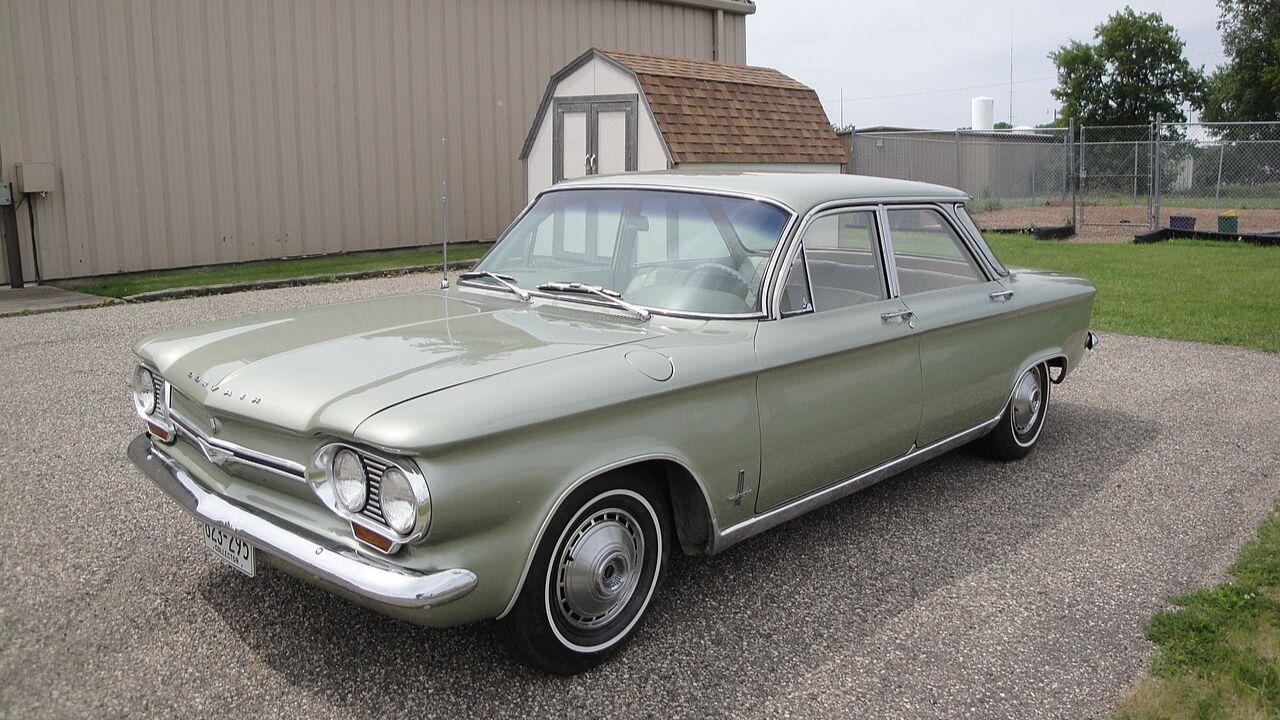
The Chevrolet Corvair challenged conventional American automotive design with its rear-mounted, air-cooled flat-six engine. Its compact proportions and European-inspired handling characteristics gave it a distinctly different personality. The Corvair demonstrated that an American manufacturer could experiment with unusual layouts and smaller dimensions at a time when large front-engine cars dominated the market.
Studebaker Avanti
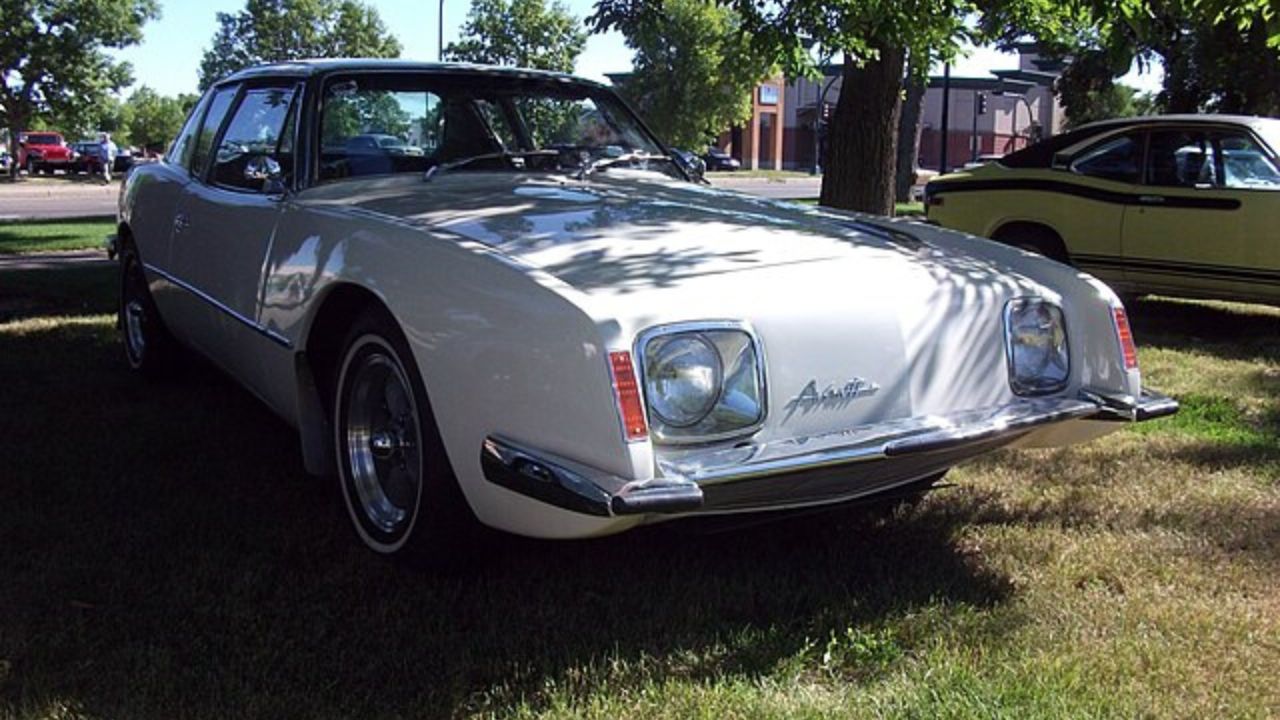
The Studebaker Avanti looked years ahead of many contemporary American cars. Its smooth fiberglass body, integrated styling, and lack of excessive chrome created an unusually clean appearance. Performance versions also offered serious power. Although Studebaker’s financial difficulties limited its production, the Avanti remained an influential example of forward-looking American design.
Ford Mustang
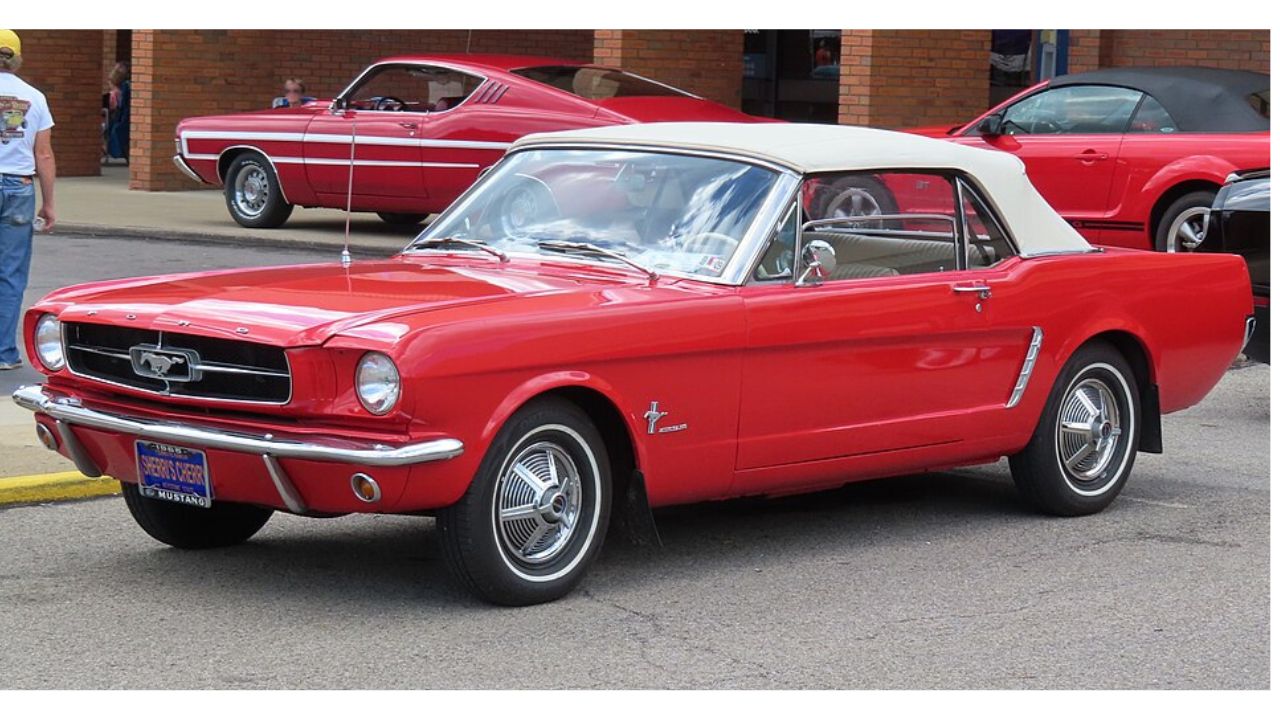
The Ford Mustang introduced a new interpretation of affordable performance. Its long hood, short rear deck, compact dimensions, and wide range of options created a formula that quickly became enormously popular. While not futuristic in the same way as the Citroën DS, the Mustang represented a new automotive future centered on younger buyers, personal freedom, and affordable performance.
Oldsmobile Toronado
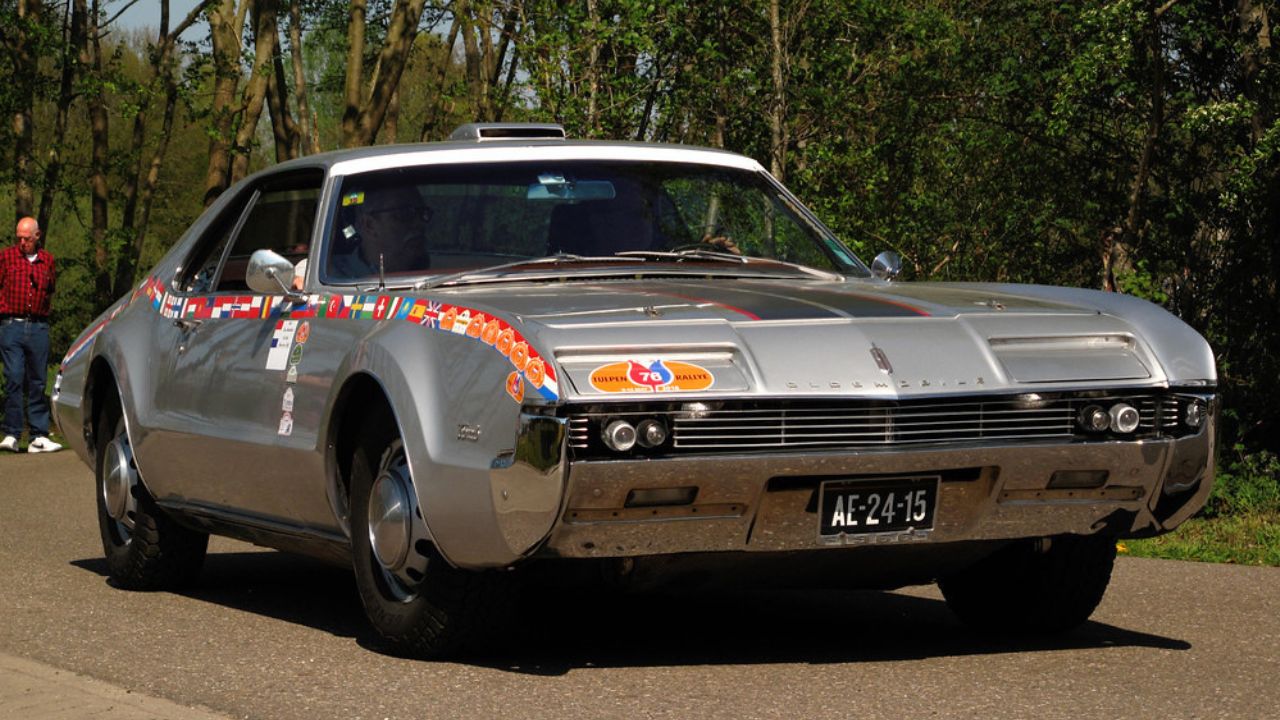
The Oldsmobile Toronado combined dramatic styling with front-wheel-drive engineering that was unusual for a large American car. Its long hood, fastback-inspired profile, and hidden headlights gave it a futuristic appearance, while the drivetrain represented a major engineering departure. The Toronado demonstrated that American manufacturers were still willing to rethink traditional layouts during the postwar era.
More from Fast Lane Only
- Unboxing the WWII Jeep in a Crate
- 15 rare Chevys collectors are quietly buying
- 10 underrated V8s still worth hunting down
- Police notice this before you even roll window down
*Research for this article included AI assistance, with all final content reviewed by human editors