Premium models that once symbolized unattainable luxury are slipping into used-car bargain territory, largely because high-end vehicles shed value faster than mainstream cars. Depreciation, shifting tastes and model discontinuations are quietly turning complex, tech-laden flagships into surprisingly attainable purchases for buyers willing to shop the second-hand market.
Maserati Ghibli

The Maserati Ghibli is a textbook example of a premium car that has fallen hard on the used market. According to one detailed analysis, the entry-level Maserati sedan carries a 5-year depreciation rate of 69%, which places it among the steepest decliners in the luxury segment. That scale of loss means a car that sold new at a six-figure transaction price in some trims can now be cross-shopped with new family crossovers.
This rapid fall reflects concerns about reliability, running costs and intense competition from German rivals. For used buyers, however, the same factors that punish first owners translate into opportunity, provided they budget for maintenance and pre-purchase inspections. The Ghibli’s depreciation shows how brand cachet and exotic styling do not guarantee value retention, yet they can deliver a deeply discounted taste of Italian luxury to second or third owners.
Lucid Air

The Lucid Air, a cutting-edge electric sedan, has quickly become one of the most aggressive depreciators among premium cars. Reporting on vehicles with the fastest value drops notes that, outside of some Tesla models, no vehicle depreciates more quickly than the Lucid Air. That places a relatively young, high-tech flagship in the same depreciation conversation as older, traditional luxury sedans, despite its advanced battery and software package.
Several forces are at work, including rapid innovation in electric vehicles, uncertainty about long-term battery performance and a used market still learning how to price emerging brands. For value-focused shoppers, the result is a car with extraordinary performance and range selling for a fraction of its original cost. The risk is that resale values may continue to be volatile, but for those prioritizing technology and comfort over future trade-in value, the Lucid Air’s slide creates a rare bargain window.
Range Rover Sport SVR

The Range Rover Sport SVR Land Rover illustrates how six-figure performance SUVs can tumble into attainable territory within a few years. Analysts observing luxury depreciation trends emphasize that luxury cars are most susceptible to depreciation, and the SVR, with its high original price and thirsty V8, fits that pattern. As newer generations arrive with updated tech and efficiency, earlier SVR models lose their premium quickly despite still-impressive performance.
For used buyers, this means supercar-level acceleration, a lavish interior and serious off-road capability at prices that undercut many new mid-range crossovers. The trade-offs include high fuel consumption, complex electronics and potentially expensive repairs once warranties expire. Yet for enthusiasts who value character and speed over ownership costs, the SVR’s depreciation transforms it from an aspirational halo model into a realistic, if still indulgent, used purchase.
Infiniti QX80

The Infiniti QX80, a full-size luxury SUV, has become a quiet bargain as its resale values soften. A recent breakdown of luxury SUVs notes that some models suffer 51% depreciation after three years, and the 2026 Infiniti QX80 is highlighted in that context. Such a drop means a heavily optioned QX80 can lose more than half its value before the first set of tires wears out, even though the underlying platform remains capable and spacious.
This depreciation is driven by intense competition from newer, tech-forward rivals and a design that has evolved slowly. Families who prioritize space, towing capacity and comfort over the latest interface graphics can therefore acquire a near-luxury workhorse at mainstream prices. The QX80’s fall in value underscores how quickly consumer preferences for in-car technology can overshadow fundamentals like body-on-frame durability and V8 power in the used market.
Audi A7

The Audi A7 has quietly shifted from design icon to used-car value play. Buying guidance for the model notes that the Audi A7 is considered a very good deal for used buyers precisely because, like many luxury vehicles, it depreciates quickly. As a result, a car that once commanded a premium for its fastback styling and advanced cabin tech can now be found at prices comparable to new compact sedans.
Depreciation reflects both the pace of technology updates and the cost of maintaining complex features such as adaptive suspensions and advanced driver aids. For shoppers willing to accept an older infotainment system and invest in thorough inspections, the A7 offers a refined ride, strong engines and a distinctive silhouette. Its trajectory shows how even well-regarded German luxury models can become accessible when the market reprices aging technology and high original MSRPs.
Cadillac CTS

The Cadillac CTS, once positioned as a direct rival to German executive sedans, has become a standout used bargain. Research into value-focused models points out that a new CTS looks impressive, but the same model at roughly half the price on the used market is even more compelling. The CTS’s depreciation is amplified by shifting buyer interest toward crossovers and the brand’s evolving lineup.
For second owners, that market reality delivers rear-wheel-drive dynamics, available V6 power and a well-appointed interior at compact-car money. The downside is that discontinued sedans can face thinner dealer support and lower future resale values. Yet for drivers who prioritize driving feel and comfort over trendiness, the CTS’s fall from its original price bracket turns it into a quietly attractive proposition.
Genesis G90

The Genesis G90 has rapidly moved from upstart flagship to used-car secret, particularly in the large luxury segment. Rankings of best used luxury large cars under $30K include the 2017 Genesis G90, highlighting how far its price has fallen from new. That places a full-size sedan with extensive standard equipment, including advanced safety tech and a plush interior, into a price band dominated by modest new compacts.
Depreciation here is partly a function of brand recognition, as Genesis is still building prestige compared with established European rivals. For buyers, that lack of badge cachet is offset by generous features, long-wheelbase comfort and often strong warranty coverage on newer used examples. The G90’s trajectory shows how emerging luxury brands can offer exceptional value once their early models cycle into the second-hand market.
Acura TLX
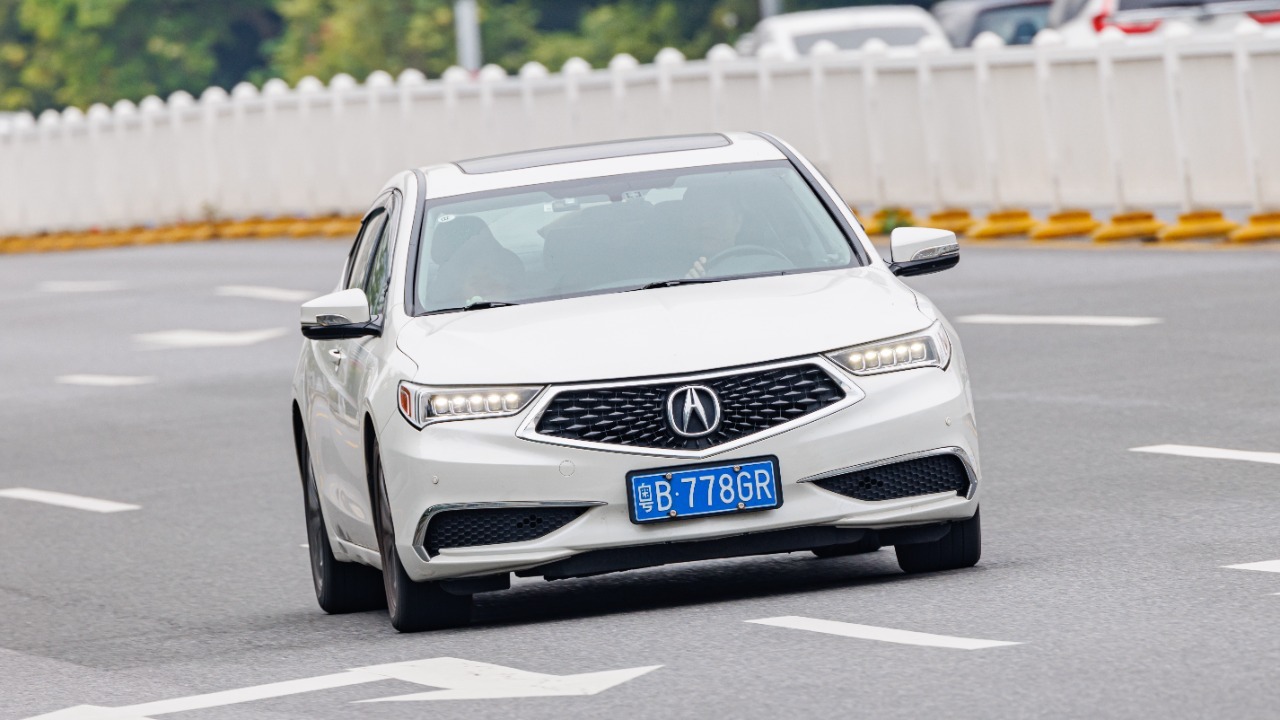
The Acura TLX is entering used-car bargain territory as its future in showrooms winds down. A recent list of discontinued models confirms that Acura TLX and ZDX are among the vehicles dropped for the 2026 model year. Discontinuation often accelerates depreciation, since shoppers worry about long-term support and parts availability, even when those concerns are not fully justified.
For used buyers, the TLX’s exit from the new-car stage means a well-balanced sport sedan with a reputation for reliability can be found at increasingly attractive prices. The car’s blend of responsive handling, efficient engines and a comfortable cabin makes it a strong alternative to more expensive German rivals. Its changing status illustrates how product-cycle decisions, rather than inherent flaws, can push a premium model into bargain territory.
Tesla Model S

The Tesla Model S, once the definitive high-priced electric status symbol, is now facing a pronounced value slide. Financial analysis of future depreciation warns that The Tesla Model S is among the models that could “tank in value,” noting that electric vehicles like the Model S tend to lose a significant share of their price in the first five years. Factors include rapid improvements in battery technology, expanding competition and shifting incentives that favor newer EVs.
For used shoppers, this creates an opening to access long-range electric performance, over-the-air software updates and a minimalist interior at a fraction of the original cost. The risk is that future software support, battery degradation and evolving charging standards could further pressure resale values. Nonetheless, for buyers focused on current capability rather than long-term equity, the Model S’s depreciation is turning it into a surprisingly attainable premium EV.
Cadillac DTS

The Cadillac DTS, a traditional large luxury sedan, has quietly become one of the most affordable ways to access a full-size premium experience. In rankings of best used luxury large cars under $30K, both 2010 and 2011 Cadillac DTS models appear, underscoring how far their values have fallen. These cars once catered to buyers seeking soft rides, spacious cabins and understated prestige, but changing tastes toward crossovers have pushed prices down.
For used buyers, the DTS offers V8 power, generous rear-seat room and a comfort-first suspension tune at prices that often undercut compact luxury sedans. The trade-offs include dated infotainment and fuel economy that lags modern standards. Still, for those prioritizing highway comfort and classic American luxury cues, the DTS’s depreciation has transformed it into a quietly compelling bargain in the secondary market.
More from Fast Lane Only