Some sports cars had the styling, performance, and engineering to become major hits but never received the attention they deserved. High prices, questionable timing, unfamiliar brands, or competition from better-known rivals often held them back. These ten sports cars offered something genuinely interesting yet remained on the sidelines, leaving enthusiasts to appreciate what mainstream buyers overlooked.
Pontiac Fiero
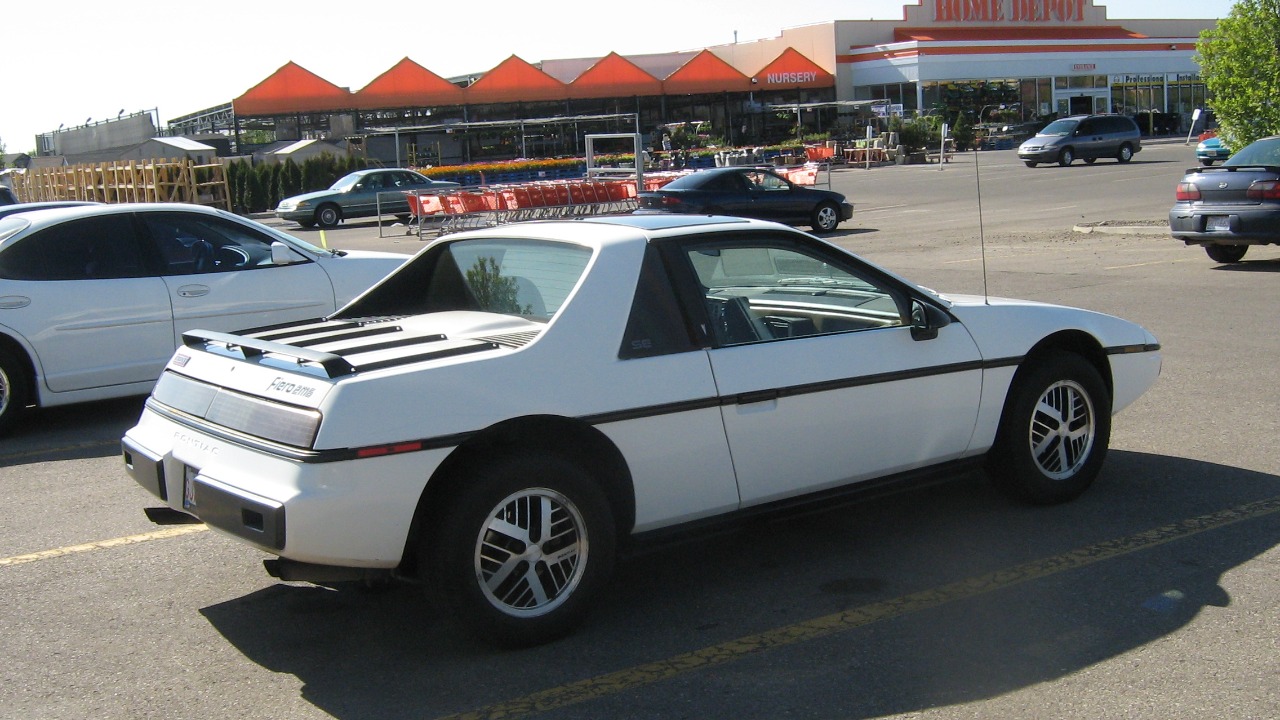
The Pontiac Fiero brought a mid-engine layout to an affordable American sports car, making it an ambitious project from Detroit. Its space-frame construction and distinctive styling gave it plenty of potential. Early mechanical problems damaged its reputation, but later versions improved considerably. With better timing and a stronger initial launch, the Fiero might have become one of America’s most important affordable sports cars.
Subaru SVX
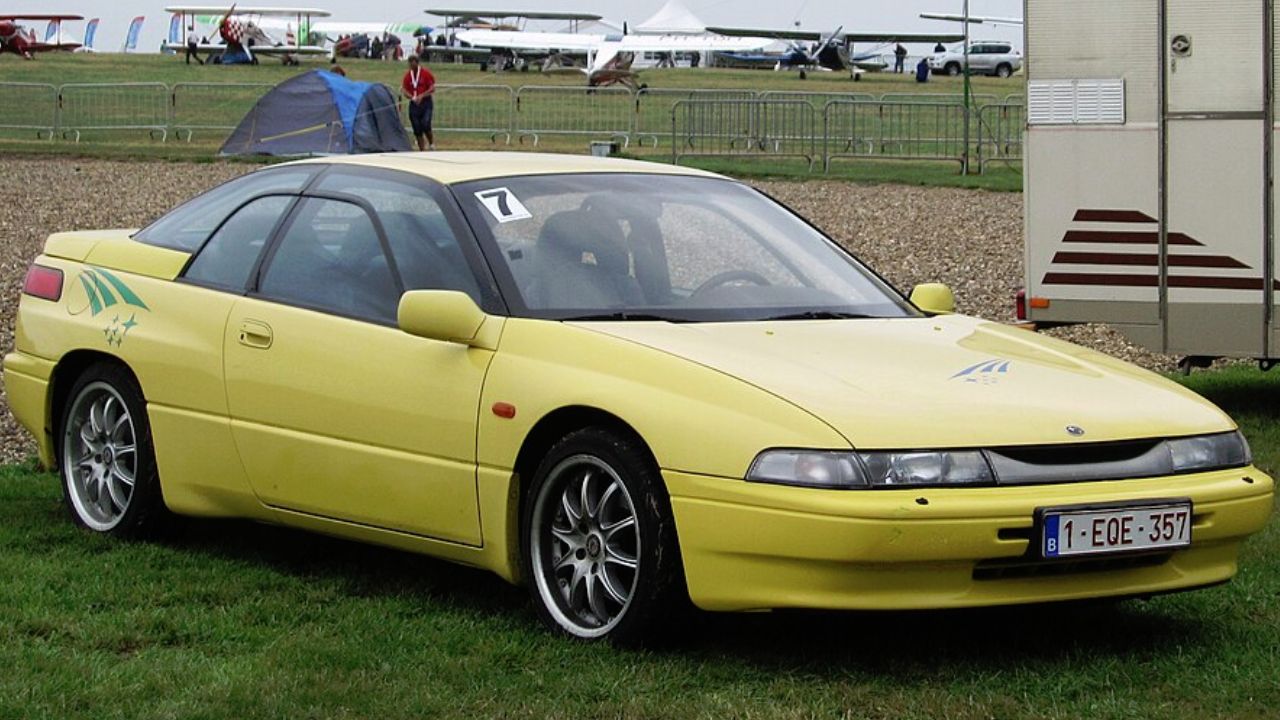
The Subaru SVX combined a smooth horizontally opposed six-cylinder engine with all-wheel drive and one of the most unusual bodies of the 1990s. Its distinctive window design and grand-touring character separated it from conventional sports coupes. The car was expensive compared with other Subarus, limiting its audience. Its combination of comfort, traction, and individuality deserved a much larger following.
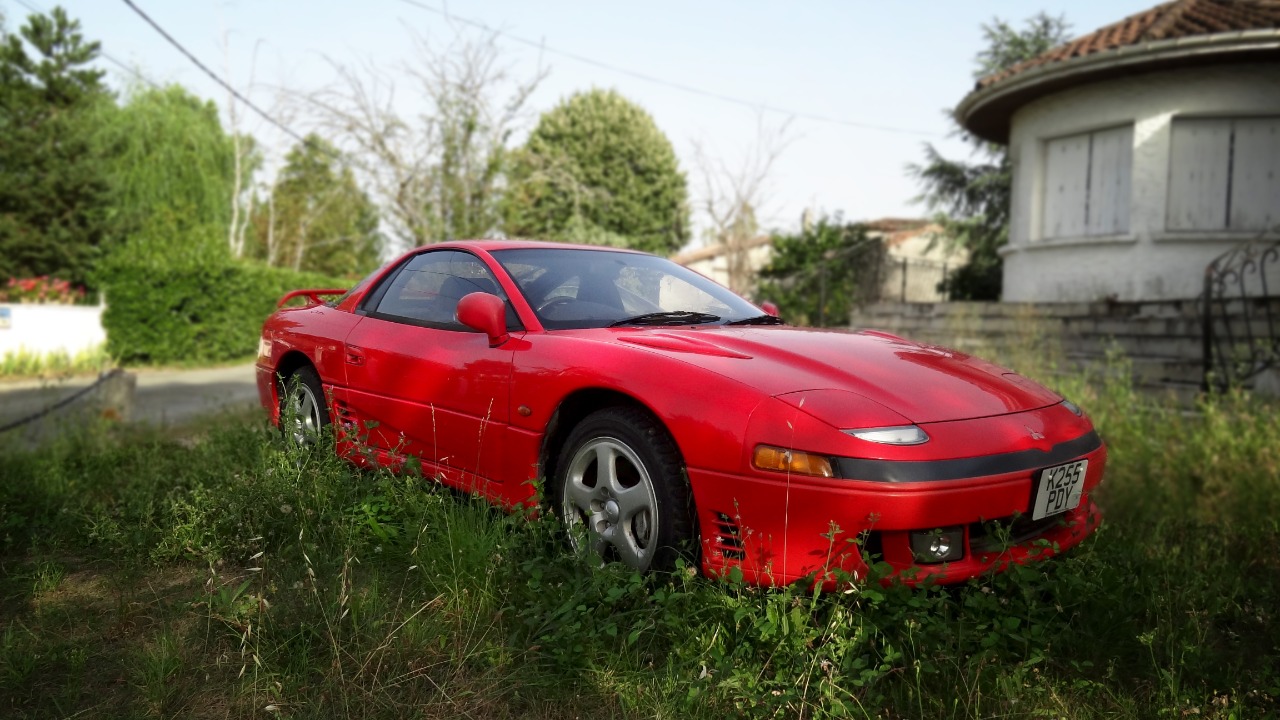
Mitsubishi 3000GT
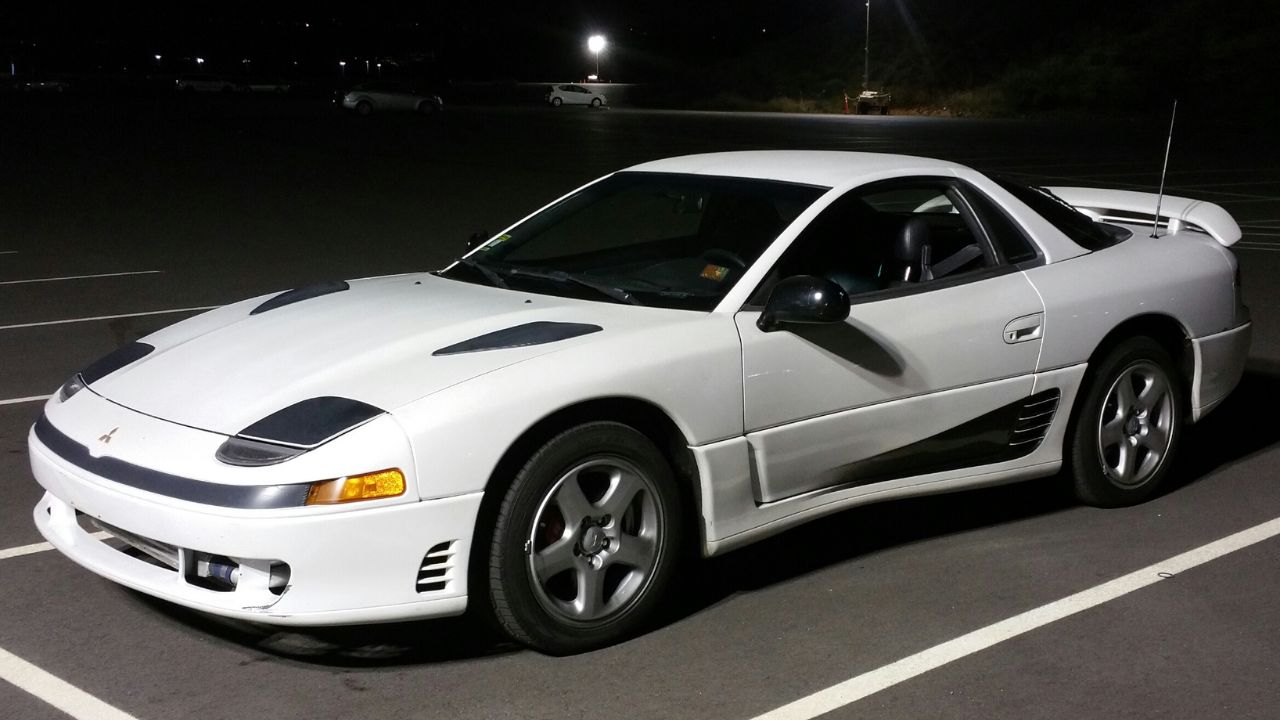
The Mitsubishi 3000GT offered technology that was remarkable for its time, including all-wheel drive, four-wheel steering, active aerodynamics, and powerful turbocharged engines. It could deliver serious performance while remaining comfortable enough for long-distance driving. Unfortunately, its complexity and weight worked against it. The 3000GT had the technology and performance to challenge much more famous sports cars.
Toyota MR2
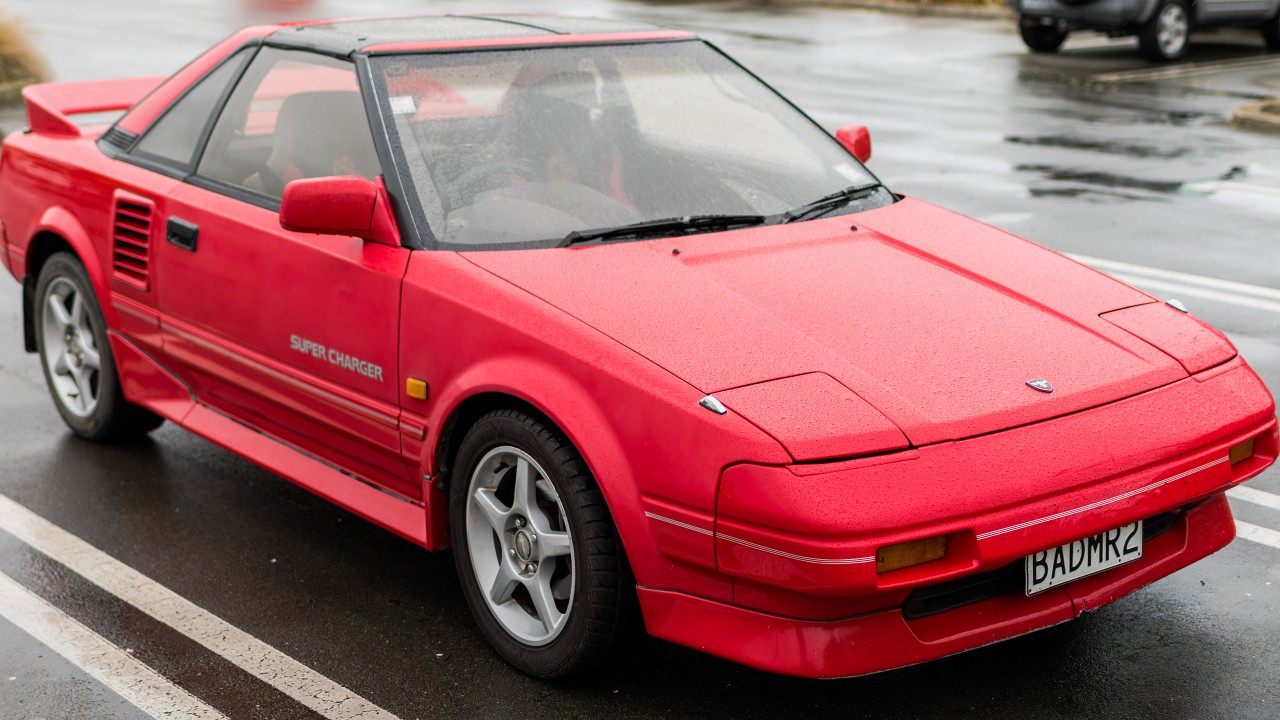
The Toyota MR2 proved that a small mid-engine sports car could be affordable and dependable. Its compact dimensions and responsive handling made it entertaining without requiring huge horsepower. Later generations became increasingly sophisticated, but the basic formula remained focused on driver involvement. The MR2 never achieved the global status of the Supra, yet its engineering deserved far more recognition.
Mazda RX-7
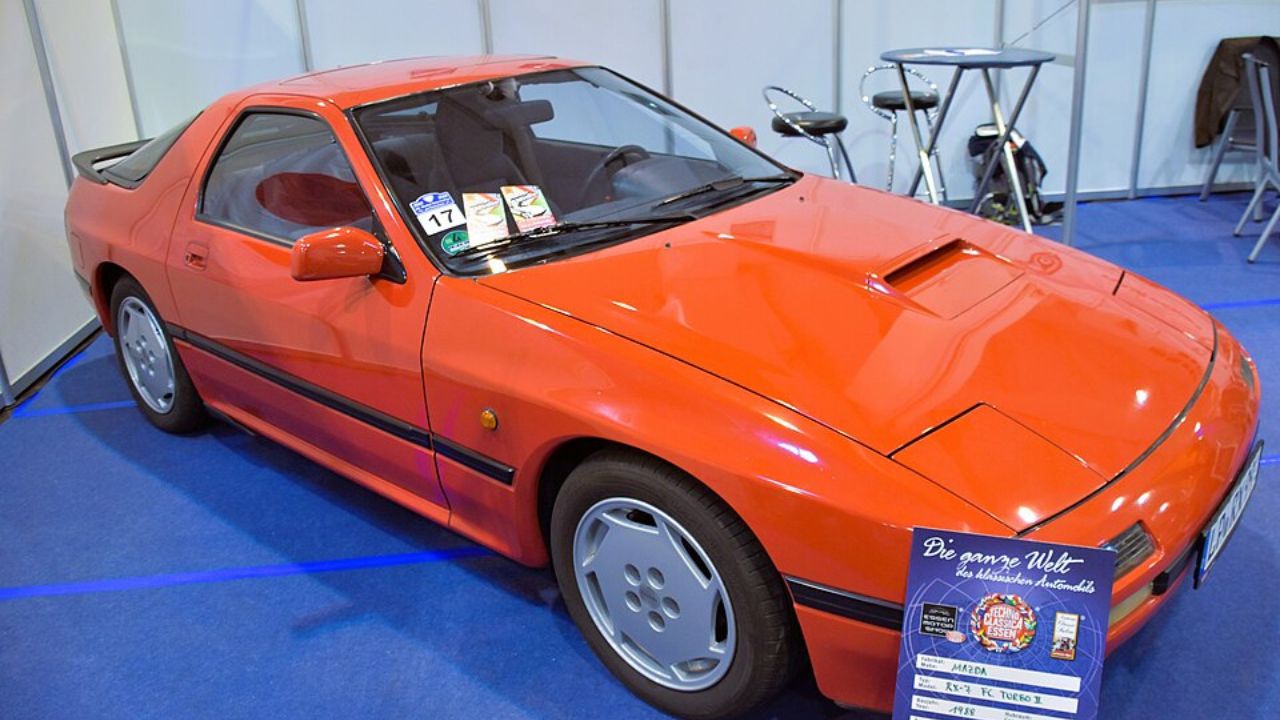
The Mazda RX-7 offered something almost no competitor could match: a lightweight rotary engine paired with a sports-car-focused chassis. Its compact dimensions and excellent balance made it rewarding to drive, while later turbocharged versions added serious performance. The rotary engine’s unusual maintenance requirements limited its mainstream appeal. Still, the RX-7 remains one of the most distinctive Japanese sports cars ever built.
Honda Prelude
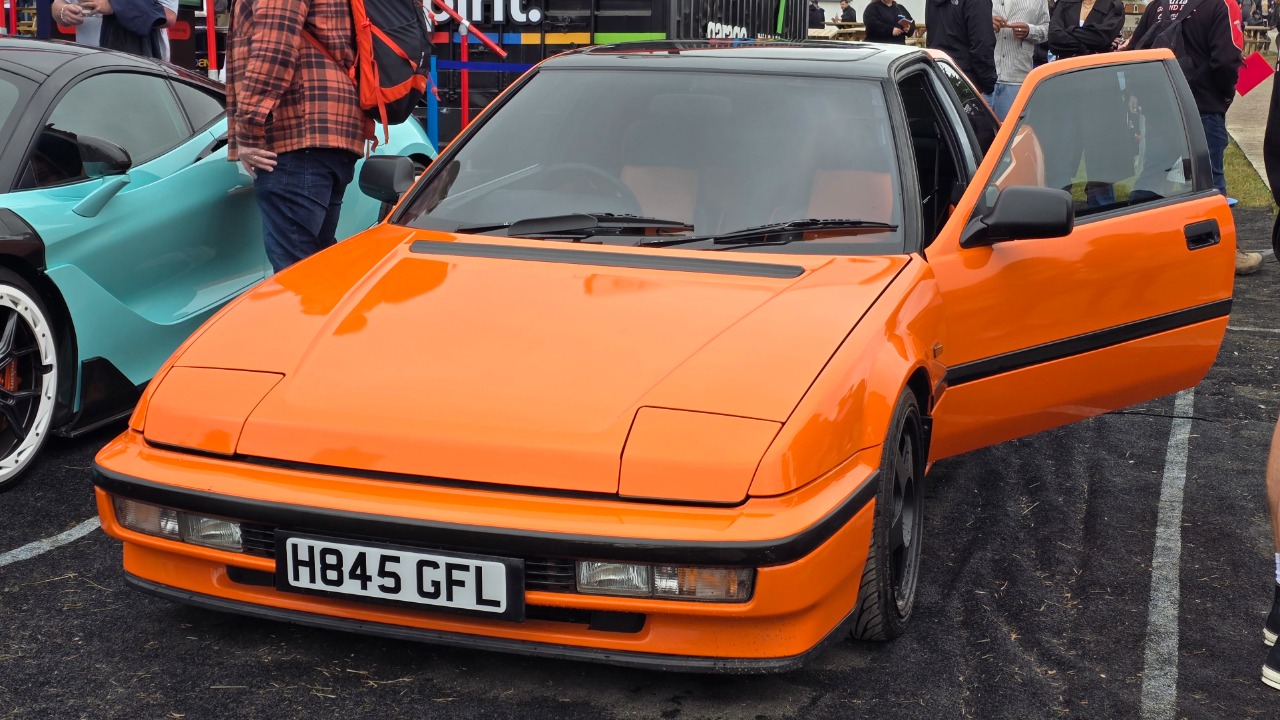
The Honda Prelude occupied an unusual position between practical coupe and genuine sports car. Later versions offered sophisticated suspension technology, responsive handling, and strong four-cylinder engines. Its front-wheel-drive layout kept it from receiving the same attention as rear-wheel-drive rivals, but the Prelude could be remarkably capable. Its combination of engineering and everyday usability deserved a larger audience.
Nissan 300ZX
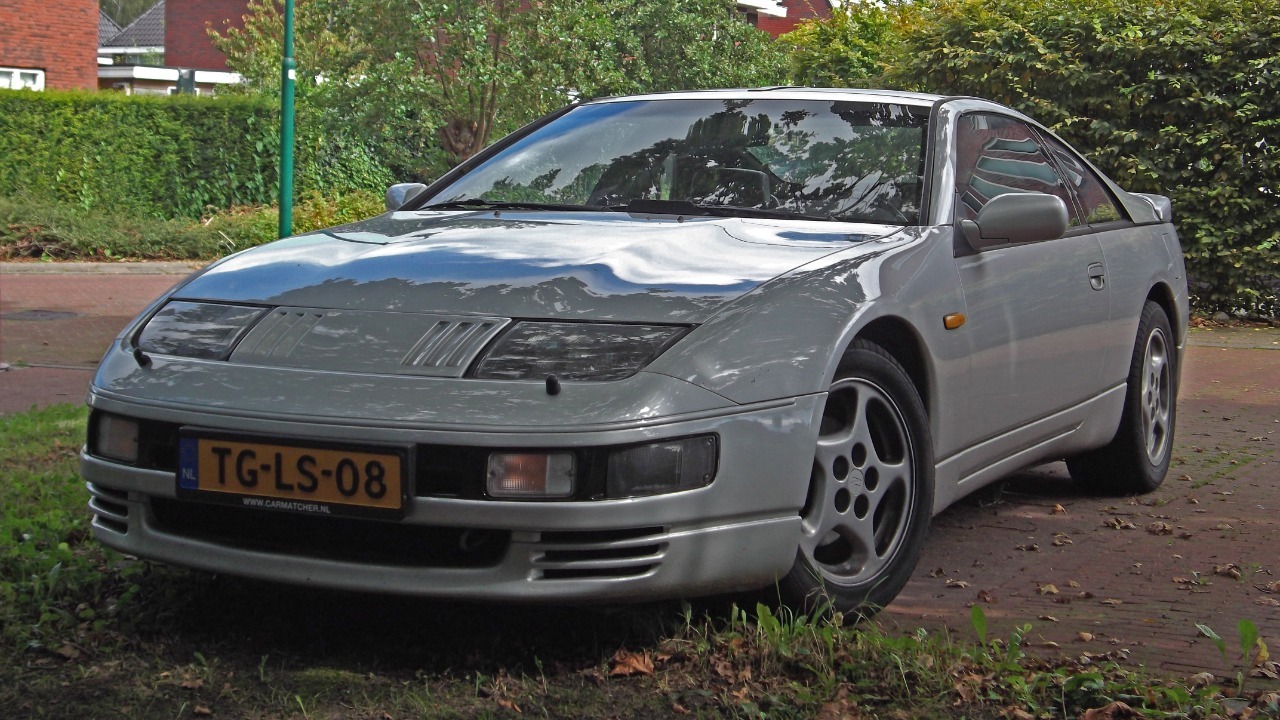
The Nissan 300ZX delivered dramatic styling, strong V6 power, and advanced technology in a package that could compete with much more expensive performance cars. Turbocharged versions were particularly quick. The car’s complexity and relatively high price made it harder to sell in large numbers. Nevertheless, its blend of performance, comfort, and technology made it one of the most complete Japanese sports cars of its era.
Fiat X1/9
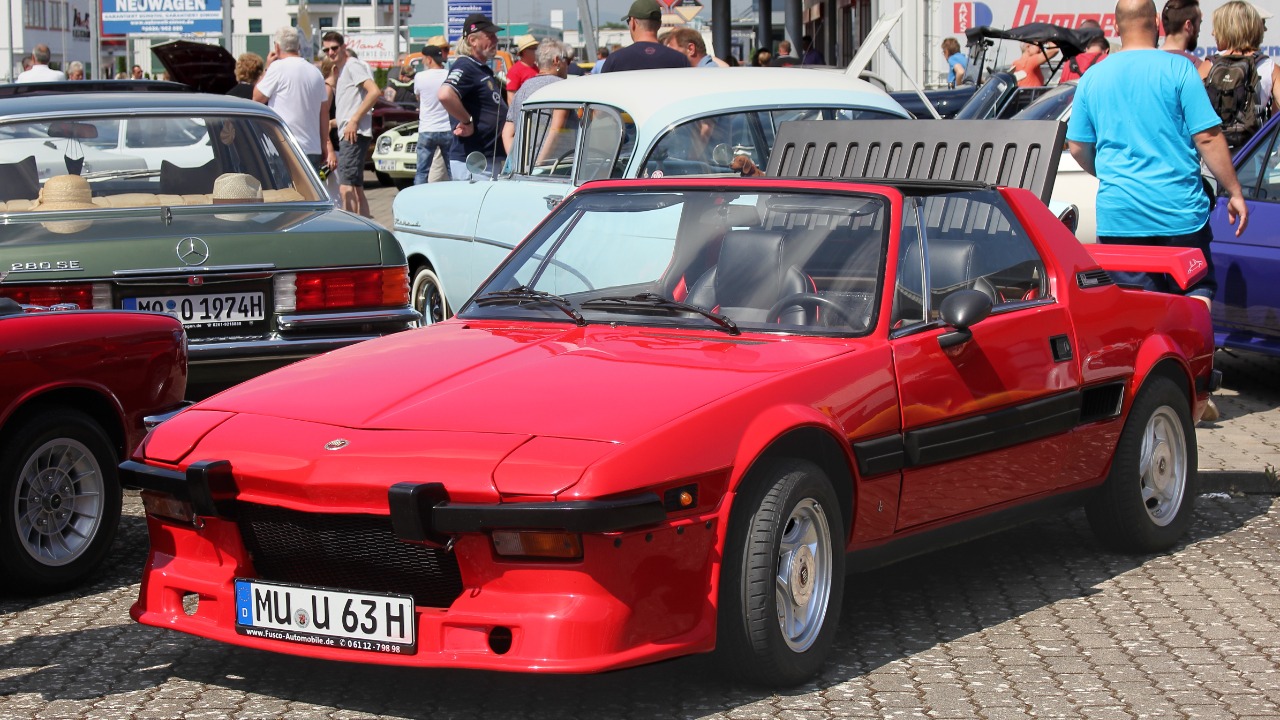
The Fiat X1/9 offered mid-engine handling and distinctive Italian styling at a relatively accessible price. Its compact dimensions made it lively on winding roads, while the removable roof added open-air appeal. Reliability issues and limited dealer support hurt its reputation. With stronger market support and better long-term dependability, the X1/9 could have become a much more celebrated affordable sports car.
Ford Probe GT
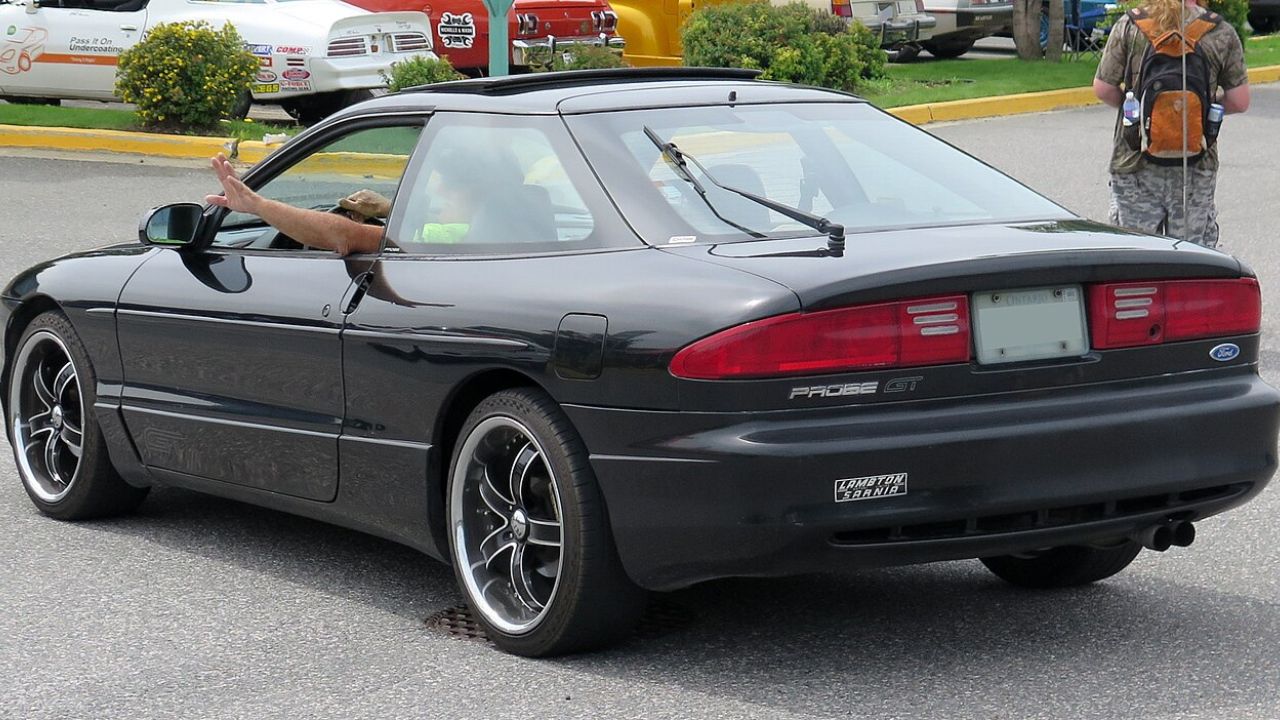
The Ford Probe GT brought turbocharged performance, front-wheel drive, and sleek styling to buyers looking for an affordable sports coupe. Its lightweight feel and responsive handling made it more interesting than its ordinary Ford badge suggested. The Probe never developed the same following as the Mustang, partly because it represented a completely different approach. Its performance credentials deserved more recognition than it received.
Acura NSX
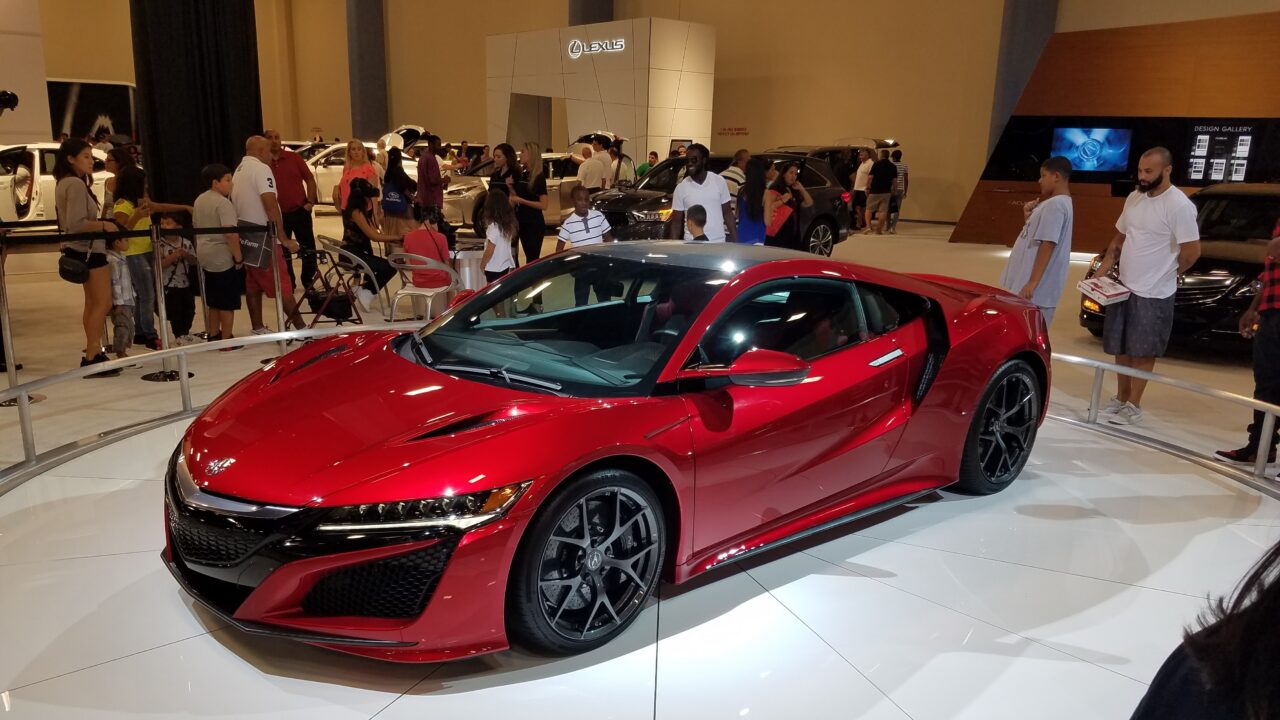
The Acura NSX was arguably too successful to be called a failure, but it never reached the sales volume its groundbreaking engineering deserved. Its lightweight aluminum construction, mid-engine layout, exceptional visibility, and precise handling challenged established European supercar makers. Its high price and relatively modest power figures limited its mainstream appeal. Even so, the NSX remains one of the most influential sports cars of its generation.
More from Fast Lane Only
- Unboxing the WWII Jeep in a Crate
- 15 rare Chevys collectors are quietly buying
- 10 underrated V8s still worth hunting down
- Police notice this before you even roll window down
*Research for this article included AI assistance, with all final content reviewed by human editors